Family Qvevri Cellars
Visit a Kakhetian family marani to taste wine fermented in buried clay qvevri, often with a home-cooked supra.
In Kakheti many families still make their own wine the traditional way, in a marani, a cellar where large egg-shaped clay jars called qvevri are buried up to their necks in the earth. Crushed grapes, often with their skins, stems and seeds, ferment and age in the sealed qvevri for months. White grapes such as Rkatsiteli, Kakhetian Mtsvane and Kisi made this way turn deep amber, with firm tannins and dried-fruit flavours, while Saperavi gives dark, robust reds. In 2013 UNESCO inscribed the qvevri winemaking method on its list of the intangible cultural heritage of humanity.
A family cellar visit is usually more personal than a winery tour. Your host opens a qvevri, draws wine with a long-handled ladle and talks about grapes, harvest and the year's vintage, often with homemade chacha, cheese, bread from the tone oven and a full supra if you arrange it. Guesthouses in villages across the Alazani Valley, from around Telavi and Napareuli to Shilda, Kvareli and the villages near Sighnaghi, welcome visitors. Book through your guesthouse, a local guide or a tour operator, and give notice for meals.
History
Archaeologists have found residues of grape wine in clay jars from around 6000 BC in southern Georgia, among the earliest evidence of winemaking anywhere. Large clay vessels have been used for wine in Georgia ever since, and the skills of making qvevri and wine have passed down through families. In the Soviet period industrial wineries dominated, but home qvevri winemaking survived in Kakheti's villages and has seen a strong revival in recent decades.
What to see and do
- See qvevri buried in the floor of a marani
- Taste amber Rkatsiteli and Kisi alongside Saperavi
- Try homemade chacha and churchkhela
- Share a supra of Kakhetian food
- Help pick and press grapes during Rtveli
How to visit
Getting there
Family cellars are spread through the Alazani Valley villages between Telavi and Kvareli and around Sighnaghi, about 1.5 to 2.5 hours from Tbilisi. Most are reached by car or taxi; ask your guesthouse for directions or a driver.
When to go
Mid-September to October for Rtveli; tastings all year. Plan 1.5–3 hours here.
- Arrange visits in advance; these are family homes, not tasting rooms.
- Go with a driver, because home tastings are generous.
- Bring cash for any wine or chacha you want to buy.
- During Rtveli, ask whether you can join the picking and pressing.
Family Qvevri Cellars: FAQ
What is a qvevri?
A qvevri is a large egg-shaped clay vessel, lined with beeswax and buried in the ground, used to ferment and age wine. The method has been used in Georgia for thousands of years and is on UNESCO's intangible heritage list.
What is amber wine?
Amber or orange wine is white wine fermented with its grape skins, often in qvevri. In Kakheti it is usually made from Rkatsiteli, Mtsvane or Kisi and has a deep colour and firm tannins.
Tours that include Family Qvevri Cellars

Read more in our guides
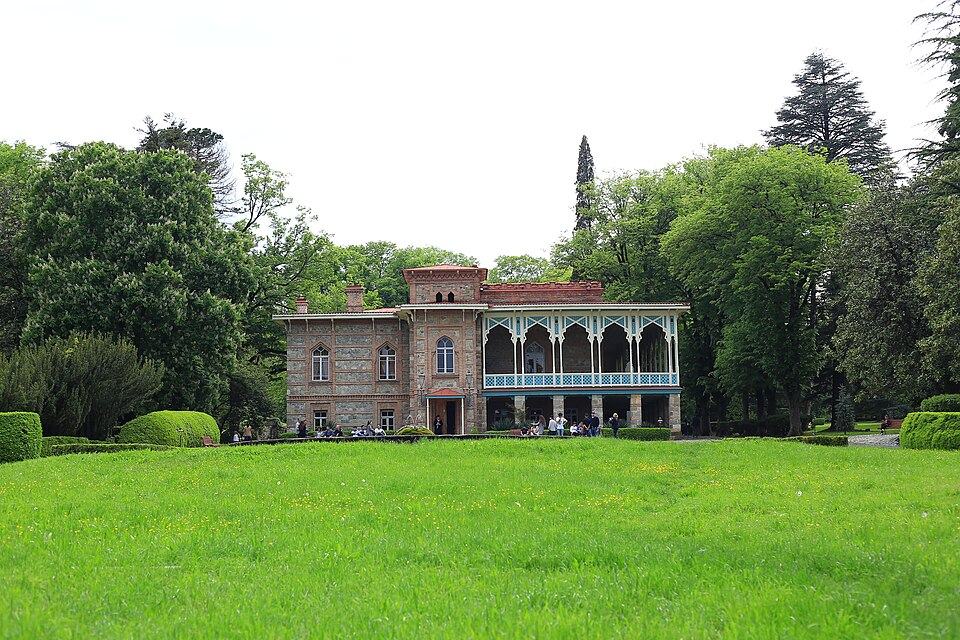
 Photo: Alexxx1979, CC BY-SA 4.0
A day-by-day loop from Tbilisi through Uplistsikhe, Kazbegi and Kakheti, showing how long each drive takes, where to eat and sleep, and realistic 2026 costs.
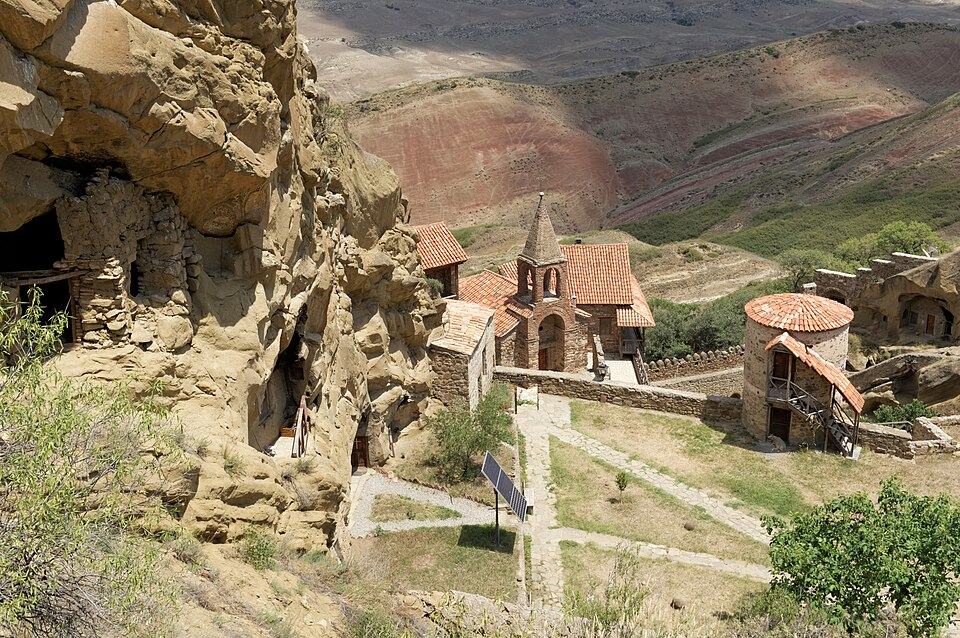 Photo: Vyacheslav Argenberg, CC BY 4.0
When to go for hiking, wine, beaches or skiing, with monthly weather for Tbilisi, the coast and the Caucasus and the festivals worth timing a trip for.
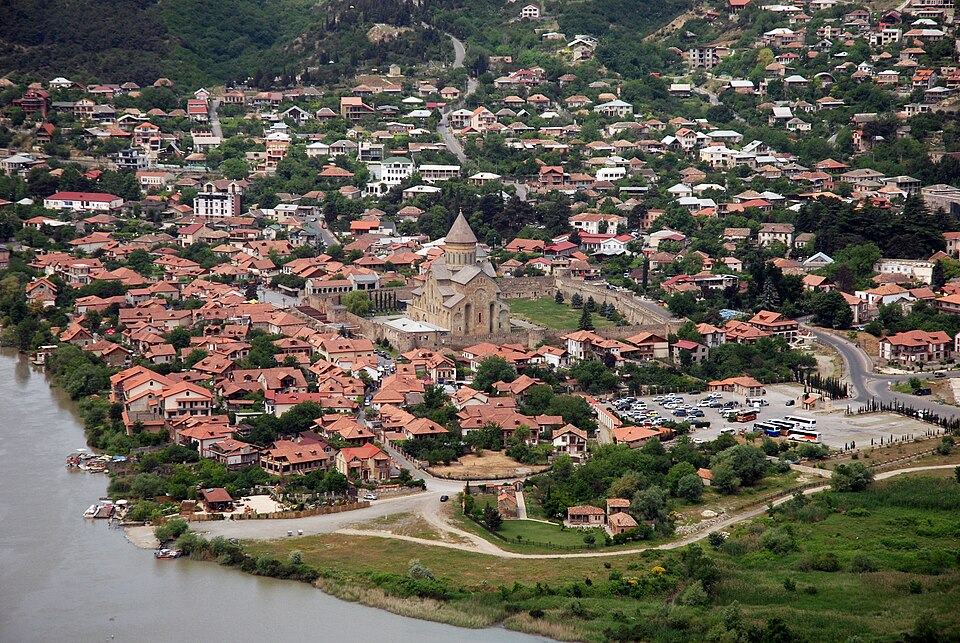 Photo: Jelger Groeneveld, CC BY 2.0
Twelve trips out of the capital, from Mtskheta and Kazbegi to Sighnaghi, Uplistsikhe and David Gareja, with distances, transport options and which places deserve a night.
Nearby places
Straight-line distance from Family Qvevri Cellars.