- Georgian cooking rests on walnuts, fresh herbs, dried spice blends such as khmeli suneli, sour fruit like cherry plums and pomegranate, and brined cheeses, above all sulguni.
- Start with khachapuri, cheese bread baked in many regional shapes, and khinkali, broth-filled dumplings eaten by hand.
- Each region has its speciality: kubdari in Svaneti, elarji and fiery kharcho in Samegrelo, boat-shaped khachapuri in Adjara, bean bread with ham in Racha and vine-grilled mtsvadi in Kakheti.
- Vegetarians and vegans eat well, thanks to the Orthodox fasting tradition, and many menus mark meat-free and dairy-free dishes as samarkhvo.
- Dishes are shared: order cold starters, one bread, a hot dish or two and khinkali, and check the bill for a service charge before tipping.
Georgian food is a cuisine of walnuts, herbs, cheese and bread, and the dishes to try first are khachapuri, khinkali, pkhali, mtsvadi and aubergine rolled with walnut paste. This guide explains what each one is, how to order and eat it, and which part of the country cooks it best. The country is small but the food shifts a lot from east to west: the dry east cooks with wheat, lamb and wine, while the humid west grows maize, makes sulguni and reaches for chilli far more often.
We order, cook and share these dishes every week with our guests at Maspindzeli, so the advice here is practical: how big portions really are, what reaches the table first, which plates suit vegetarians and the few Georgian words that make a menu readable. You will also find a region-by-region list for planning a route around food, a glossary table to keep on your phone, and notes on markets and cooking classes. Drinks have their own page, our guide to Georgian wine and qvevri.
What makes Georgian food different?
Georgia lies on old trade routes between the Black Sea, Persia and the steppe, and its kitchen took ideas from all of them, yet the result tastes like nowhere else. Five ingredients do most of the work.
- Walnuts. Pounded with garlic, vinegar and spices into a paste, they thicken sauces, fill aubergine rolls and bind vegetable pâtés. Expect them in roughly a third of what you order.
- Fresh herbs. Coriander, tarragon, dill, parsley, purple basil and mint arrive in whole bunches, to nibble between bites, and go into most stews.
- Dried spice blends. Khmeli suneli combines dried coriander seed, blue fenugreek, marigold, dill, savory and other herbs. Utskho suneli is ground blue fenugreek on its own, with a nutty, hay-like smell that marks many walnut dishes. Dried marigold petals, sold as Imeretian saffron, add a yellow tint.
- Sour fruit. Pomegranate seeds go on top of pkhali and salads and the juice sharpens sauces. Unripe cherry plums flavour tkemali sauce and spring lamb stew, and sour plum leather seasons soup.
- Cheese. Sulguni, a springy brined cheese from Samegrelo, melts into bread, gets smoked, fried or grilled, and sits on almost every table next to the softer, crumblier Imeretian cheese.
Cooking follows the seasons and stays unfussy. A summer table is mostly raw tomatoes and cucumbers, herbs, cheese and bread. Winter brings beans, pickles, walnut sauces and preserved fruit. The food is also built to go with wine, which is why salt, acid and fat play such a big part.
Georgian bread and khachapuri types explained
Bread comes with every meal, and three everyday kinds cover most tables. Shoti, also called tonis puri, is a canoe-shaped white loaf slapped onto the inner wall of a round clay tone oven and sold hot from basement bakeries. Mchadi is a small, heavy corn cake, the daily bread of the west. Lavash, a thin flatbread, is used to wrap grilled kebabs.
Khachapuri, bread baked with cheese, is the national comfort food, and every region claims its own version. Restaurants usually list it in a separate bakery section of the menu, while street bakeries sell smaller pieces to eat as you walk.
| Name | From | What it is | Good to know |
|---|---|---|---|
| Imeruli | Imereti | Round, closed bread with a layer of fresh Imeretian cheese inside | The everyday version, sold in every bakery and supermarket |
| Megruli | Samegrelo | Like Imeruli, with a second layer of sulguni melted on top | Richer and saltier; one feeds two or three people |
| Adjaruli (Acharuli) | Adjara | Open dough boat full of cheese, finished with butter and a raw egg yolk | Stir the yolk and butter into the hot cheese, then tear off crust to dip |
| Penovani | All of Georgia | Square of flaky puff pastry folded around cheese | The standard quick breakfast from street bakeries |
| Lobiani | Racha, now everywhere | Flat round bread filled with mashed, spiced kidney beans | Dairy-free versions appear in Lent; the Rachan kind may add smoked ham |
| Kubdari | Svaneti | Thick round pie with a filling of chopped meat, onion and Svan spices | A full meal for one hungry hiker |
| Khabizgina | Ossetian cooking, common around Kazbegi | Round pie filled with potato mashed with cheese | Heavy and warming, ideal in the mountains |
| Achma | Adjara and the west | Sheets of boiled dough layered with cheese and butter, then baked | Like a cheese lasagne, often sold by the slice |
Khinkali: what they are and how to eat them
Khinkali are big twisted dumplings from the mountains north of Tbilisi, in Pshavi, Khevsureti, Mtiuleti and Tusheti. Raw minced meat is wrapped in the dough with onion, pepper, salt and a splash of water. As the dumpling boils, those juices become a hot broth sealed inside, and keeping that broth in is the whole art.
City and mountain styles
Kalakuri, the city style, mixes beef and pork with lots of chopped coriander and other herbs. The mountain style, called mtiuluri or khevsuruli, uses only meat, onion, pepper and sometimes cumin, and many Georgians prefer it. Meat-free khinkali are stuffed with mushrooms, potato or cheese. Kitchens cook them to order, so a wait of 15 to 25 minutes is normal.
- Let them cool
Khinkali come to the table boiling hot. Grind black pepper over the plate and give them a minute so the broth does not scald you. - Lift by the knot
Hold each dumpling upside down by its twisted top, the kudi. A fork pierces the dough and lets the broth run out, so use your fingers. - Bite and sip
Bite a small hole in the side, tilt the dumpling and drink the broth before anything else. - Leave the top
Eat the rest but put the thick knot of dough back on the plate. The pile of tops shows who ate the most.
Khinkali are priced and ordered by the piece, often with a minimum of five. Most adults manage five to eight as a meal. They are the classic roadside lunch on the Georgian Military Road, where Pasanauri has a reputation for the best mountain-style dumplings, and Tusheti makes a plainer version with thicker dough.
Grilled meats and Georgian stews to try
Mtsvadi and other grills
Mtsvadi is Georgian barbecue: chunks of pork, or sometimes veal or lamb, threaded on skewers and cooked over the embers of dried vine prunings, which burn hot and leave a faint sweet smoke. It comes simply, with raw onion rings, maybe a splash of pomegranate juice, and tkemali on the side. Kababi are minced lamb or beef moulded around a skewer and wrapped in lavash. Chicken tabaka is a small bird pressed flat under a weight in a heavy pan until the skin crackles, served with garlic sauce. Kupati are coiled, spiced pork sausages from western Georgia.
Stews and hot dishes
- Chakapuli: lamb or veal cooked with white wine, a startling amount of tarragon and green sour plums. It belongs to spring and Easter, when the plums are still unripe.
- Chakhokhbili: chicken braised with tomatoes, onions and herbs. The name comes from the Georgian word for pheasant, the bird it was first made with.
- Kharcho: in Tbilisi and the east, a thick beef soup with rice, walnuts and sour plum. In Samegrelo it becomes a rich walnut stew of beef or chicken with plenty of chilli.
- Ojakhuri: the name means family style, and it is exactly that, pork fried with potatoes and onions and served in a clay dish. A safe order when the menu is unfamiliar.
- Chkmeruli (shkmeruli): a small chicken fried, then baked in a sauce of garlic and milk or cream, brought to the table still bubbling. It comes from Racha.
- Chashushuli: beef stewed with tomatoes, peppers and chilli, hot and full of garlic.
- Satsivi: cold chicken or turkey under a thick walnut sauce, the centrepiece of the New Year table.
Vegetable dishes, sauces, cheeses and sweets
Vegetable starters
- Pkhali: cooked spinach, beetroot, leek, cabbage or green beans, chopped very fine and mixed with walnut paste, garlic, herbs and blue fenugreek, then shaped into balls and dotted with pomegranate. A plate usually holds three or four colours.
- Badrijani nigvzit: thin strips of fried aubergine rolled around a garlicky walnut filling, eaten at room temperature.
- Lobio: red kidney beans simmered with onion, coriander and spices, served in a clay pot with mchadi and pickles. A cold version is mixed with walnuts and herbs.
- Ajapsandali: a summer stew of aubergine, peppers, tomatoes, onions and sometimes potatoes, finished with garlic and basil, good warm or cold.
- Jonjoli: pickled flower buds of the bladdernut shrub, dressed with oil and onion, a sharp side for meat.
- Georgian salad: tomato, cucumber and onion with herbs, dressed either with walnut sauce or with fragrant unrefined sunflower oil from Kakheti.
Sauces
| Sauce | Made from | Eat it with |
|---|---|---|
| Tkemali | Sour cherry plums cooked with garlic, coriander and dill or pennyroyal; red or green | Mtsvadi, fried potatoes, anything grilled |
| Satsebeli | Usually tomatoes with garlic, herbs and chilli | Kebabs and grilled meat |
| Bazhe | Ground walnuts loosened with water or stock, with garlic and spices | Fried fish, roast chicken, vegetables |
| Ajika | Red chilli pounded with garlic, herbs and spices into a paste; green versions exist | Meat, stews, or a little on bread |
Cheeses
- Sulguni: brined, stretched-curd cheese, mild and elastic when fresh, sharper when smoked.
- Imeruli: fresh, crumbly, lightly salted cow's milk cheese, the filling of most khachapuri.
- Guda: pungent sheep's cheese from Tusheti, aged in a sheepskin.
- Tenili: the thread cheese of Meskheti, pulled into fine strands and packed into pots.
- Nadughi: soft whey cheese similar to ricotta, mixed with mint and rolled inside sulguni to make gebzhalia.
- Dambalkhacho: an unusual mould-ripened curd cheese from the mountains of Pshavi and Mtiuleti, aged in clay pots and sometimes fried in butter.
Sweets
Restaurants rarely do much with dessert. The traditional sweets come from grapes, nuts and honey, and markets are where to buy them.
- Churchkhela: walnuts, or hazelnuts in the west, threaded on a string and dipped again and again in grape must thickened with flour, then hung to dry. Fresh autumn ones are soft; older ones turn chewy. They pack well and make a good present.
- Pelamushi: the same thickened grape juice, known as tatara, set into a soft pudding, served chilled and often scattered with nuts.
- Gozinaki: walnut pieces cooked in honey and cut into diamonds, made for New Year and Christmas.
- Tklapi: thin sheets of dried fruit purée, sweet or sour, sold rolled up at markets.
- Muraba: whole fruit preserved in syrup, from figs and cherries to green walnuts, served with tea in family homes.
What to eat in each region of Georgia
Tbilisi
The capital cooks food from every region, plus a couple of its own traditions. Old Town bakeries still turn out shoti from tone ovens all day, and khashi, a garlicky tripe broth, is the traditional cure eaten at dawn after a long night. Dezerter Bazaar shows you the raw ingredients: heaps of herbs, spice blends, cheese and strings of churchkhela.
Kakheti and Tusheti
Wine country grills mtsvadi over vine cuttings, cooks chakapuli in spring, and makes pelamushi and fresh churchkhela during the harvest. Bread comes straight from village tone ovens and salads are dressed in local sunflower oil. In Tusheti, the region's high mountain corner, try guda cheese, kotori pies and plain lamb khinkali.
Kartli and the Military Road
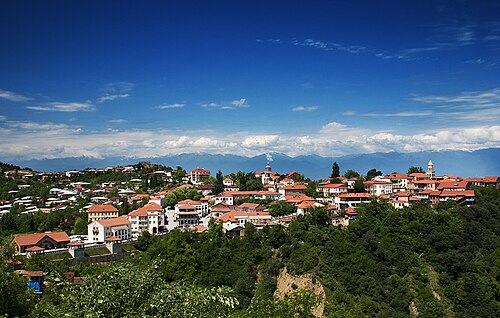
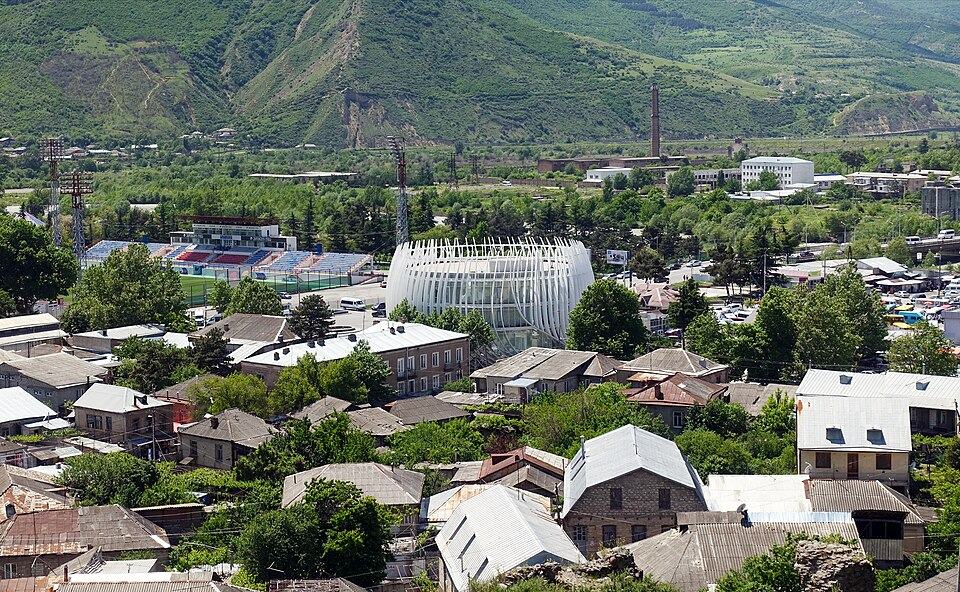
Kartli is orchard country, with fruit stalls along the highway near Gori and sweet nazuki bread sold hot in Surami. North of Mtskheta the Military Road is khinkali territory, and Kazbegi guesthouses serve khabizgina and mountain cheese.
Imereti and Racha
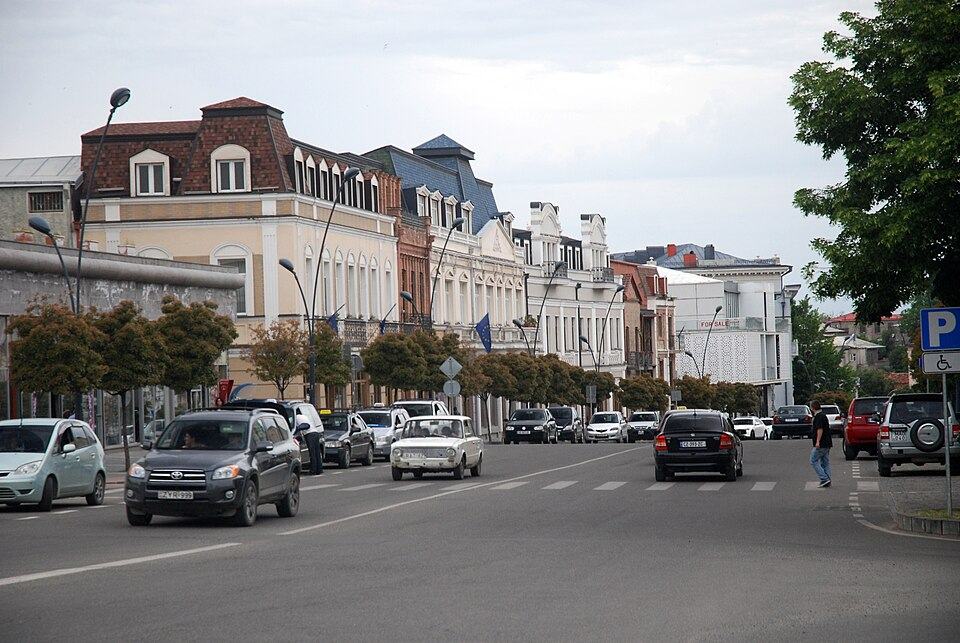
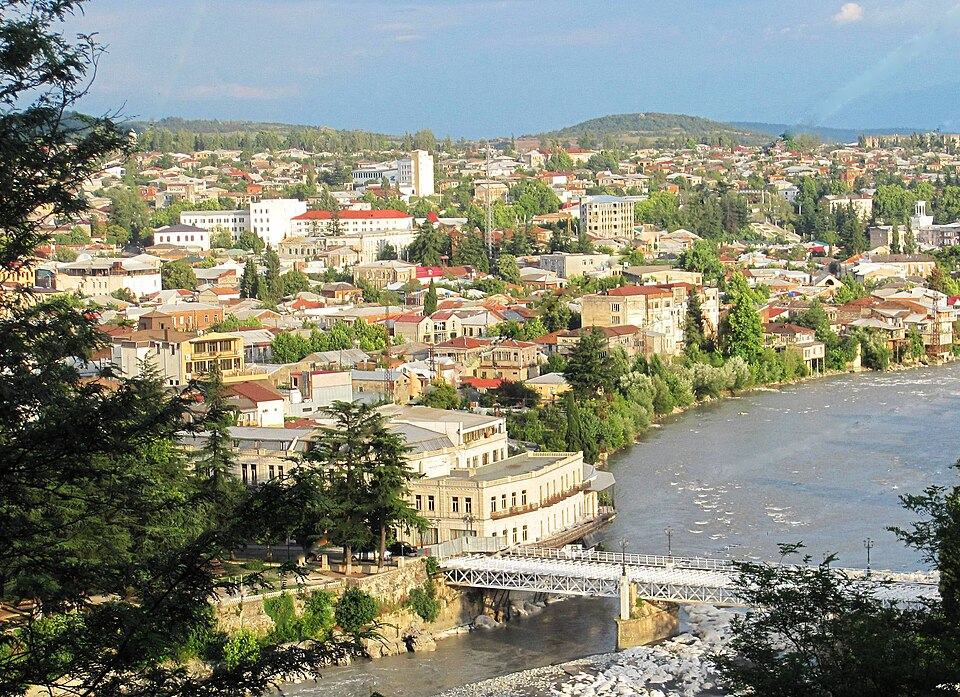
Imereti gave the country its standard khachapuri and fresh cheese, and its cooks are known for pkhali and kuchmachi, offal with walnuts and pomegranate. Kutaisi's big central market, the Green Bazaar, is one of the best in the west. Next door, Racha is famous for lori, its wood-smoked ham, for bean bread to eat with it and for chkmeruli.
Samegrelo and Svaneti
Megrelian food is the spiciest in Georgia: elarji, cornmeal porridge beaten with sulguni, gebzhalia, cheese rolls in a minty yoghurt sauce, walnut kharcho and ajika with everything. Up in Svaneti the cooking is built for cold weather: kubdari, tashmijabi, chvishtari (cornbread baked with cheese) and the spiced Svan salt sold in Mestia.
Adjara, Guria and Samtskhe-Javakheti
In Batumi, order Adjaruli khachapuri and fried Black Sea fish. In the mountains around Khulo, try borano, cheese melted in butter. Guria bakes a crescent-shaped khachapuri with egg at Christmas and pickles cabbage with beetroot. In the south, around Akhaltsikhe, look for tashmijabi and tenili cheese.


Vegetarian and vegan food in Georgia
Georgia is one of the easiest countries in the region for vegetarians and surprisingly good for vegans. The reason is religious. The Georgian Orthodox Church keeps long fasts, above all the seven weeks of Great Lent before Easter, plus most Wednesdays and Fridays, when observant people give up meat, dairy and eggs. Centuries of fasting produced a full menu of plant-based dishes.
Look for the word samarkhvo, fasting food, especially during Lent, when many restaurants print a separate fasting menu. Vegan staples include pkhali, badrijani, lobio, ajapsandali, mushroom khinkali, mchadi and shoti, jonjoli, tkemali, churchkhela and pelamushi. Vegetarians can add every kind of khachapuri, cheese plates, mushrooms with sulguni and potato khinkali.
How a Georgian meal is served and how to order
There are no set courses. Cold dishes usually come first, often all at once, and hot dishes follow as the kitchen finishes them. Everything is shared from the middle of the table, nobody expects a plate per person, and waiters bring extra plates without being asked.
- Start cold
A salad, a mixed pkhali plate, badrijani and a cheese plate. - Add one bread
A khachapuri, or plain shoti or mchadi if the starters are already rich. - Choose one or two hot dishes
Mtsvadi, ojakhuri, chkmeruli, or a seasonal stew such as chakapuli. - Order khinkali last
They take longest and must be eaten hot, so ask for them after the starters arrive, about five per person.
In a family home the table is covered from the start and refilled constantly, and leaving a little food on your plate is the polite way to show you have had enough. A formal feast, the supra, adds a toastmaster and a set order of toasts; our guide to the Georgian supra explains how it works.
Tips for eating out, markets and cooking classes
- Portions are big. Order fewer dishes than you think, then add more; nobody minds.
- Read the bill before tipping. Many restaurants in Tbilisi and Batumi add a service charge, often 10 to 15 percent, and nothing more is expected. Where there is none, about 10 percent for good service is normal.
- City restaurants take cards, but bring cash for markets, bakeries, roadside grills and village guesthouses.
- Tbilisi tap water is drinkable, though most people order mineral water such as Borjomi or Nabeghlavi. Try the fruit sodas too, especially bright green tarragon lemonade.
- Before packing food to take home, check your country's rules. The EU and many other countries ban personal imports of meat and dairy, cheese and smoked ham included. Churchkhela, spices, tkemali and tea are usually fine.
Cooking classes
A cooking class is the quickest way to understand the food. In Tbilisi they are usually held in a home kitchen or a small studio and last three to four hours: you pleat khinkali, fill and shape khachapuri and make pkhali or badrijani, then sit down to eat it all with wine. Some begin with a market walk to buy herbs and cheese.
In Kakheti, guesthouses and wineries teach tone-oven bread, mtsvadi over vine cuttings and, from September to November, churchkhela made with fresh grape must. Book a day or two ahead, mention any diet, and ask if wine is included.
Georgian food FAQ
What is the national dish of Georgia?
There is no official national dish, but khachapuri and khinkali are the two most Georgians would name. Khachapuri is so central to daily life that economists in Tbilisi created a Khachapuri Index to compare the cost of living between cities. Try both on your first day.
How do you eat khinkali?
Pick the dumpling up by its twisted top, bite a small hole, sip out the hot broth, then eat the rest. Leave the doughy knot on your plate. Using a knife and fork lets the broth escape, so locals always eat them by hand.
Is Georgian food spicy?
Mostly not. Eastern cooking is herby and garlicky rather than hot. Food from Samegrelo is the exception: ajika, a chilli paste, goes into kharcho and many other dishes, so ask for less heat if you are sensitive to it.
What is the difference between Imeruli, Megruli and Adjaruli khachapuri?
Imeruli is round and closed, with cheese inside. Megruli is the same bread with extra sulguni melted on top. Adjaruli is an open, boat-shaped loaf of cheese, butter and egg yolk, mixed together at the table before you tear into it.
Is Georgia good for vegetarians and vegans?
Yes. Orthodox fasting rules mean there are many traditional dishes without meat, dairy or eggs, such as pkhali, lobio, badrijani and ajapsandali. During Lent many restaurants add a fasting menu marked samarkhvo.
Do you tip in restaurants in Georgia?
Check the bill first. Many city restaurants already add a service charge, in which case nothing more is needed. If there is no charge, leaving around 10 percent for good service is customary.
What food can I take home from Georgia?
Churchkhela, spice blends such as khmeli suneli, bottled tkemali, tea, honey and dried fruit travel well. Meat and dairy, including sulguni and smoked ham, are banned from personal luggage in the EU and many other places, so check your country's rules.