- Trains are most useful between east and west: the fastest Tbilisi to Batumi services take about 4 hours in 2026, calling at Kutaisi Airport station on the way, and a daily train runs to Zugdidi.
- Marshrutkas, shared minibuses, reach almost every town; in Tbilisi, Didube covers most of the north and west, Samgori (the Navtlughi stop) covers Kakheti, and Ortachala has international routes plus some Telavi departures.
- For sights between towns a private driver is easiest for two to four people; self-driving works on main roads but needs defensive habits and, on a few routes, a 4x4.
- High passes are seasonal: the Abano Pass to Tusheti usually opens only from June to early October, and the Jvari and Goderdzi passes can shut after heavy snow.
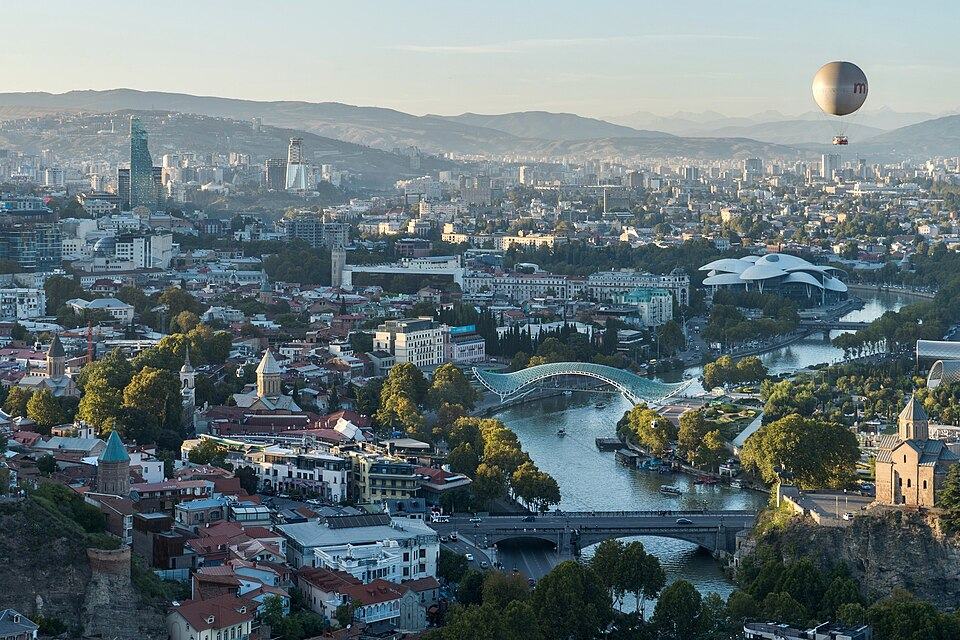
- In Tbilisi, Batumi and Kutaisi, Bolt is cheap and reliable, and the Tbilisi metro and buses accept contactless bank cards.
Getting around Georgia is easier than the map suggests. One main highway and one main railway run east to west from Tbilisi to the Black Sea, shared minibuses called marshrutkas link nearly every town, and private drivers are affordable enough that many visitors use one for the whole trip. What takes planning is the mountains: roads into the high Caucasus are slow, a few need a 4x4, and some passes open only in summer.
Below we compare the options one at a time: trains, marshrutkas, domestic flights, drivers and transfers, rental cars, city transport and hitchhiking. Then come distances and drive times from Tbilisi, the seasonal closures to plan around and answers to common questions. For stop-by-stop detail on the busiest journeys, such as Tbilisi to Kazbegi, Kutaisi, Batumi or Mestia, see our separate route guides. If you are drafting a first itinerary, our seven-day route article shows how the pieces fit together on the ground.
What is the best way to get around Georgia?
Most visitors mix two or three methods: the train or a driver between Tbilisi and the west, marshrutkas or a driver for day trips, and a local 4x4 for the last stretch into the high valleys. Here is what each one does well.
- Train: comfortable for long hops between Tbilisi, Kutaisi, Zugdidi and Batumi, but no help for Kazbegi, Kakheti or the mountains.
- Marshrutka: cheap and frequent between towns, but rarely stops at sights in between.
- Private driver: the best way to reach monasteries, viewpoints and wineries outside towns.
- Rental car: freedom for confident drivers on mostly good roads.
- Domestic flights: small planes to Mestia and Ambrolauri save a long drive when the weather allows.
- Bolt and city transport: cheap and simple in Tbilisi, Batumi and Kutaisi.
Trains in Georgia: Tbilisi to Batumi, Kutaisi, Zugdidi and Borjomi
Georgian Railway runs a compact network centred on Tbilisi Central station, above the Station Square metro stop. The main line heads west through Gori, Khashuri and Zestaponi, climbs over the Likhi Range that divides east from west, and continues to the coast.
Tbilisi to Batumi
The flagship route uses double-deck electric trains from the Swiss maker Stadler, in service since 2016, with air conditioning, power sockets and several seating classes. After track renewal and the removal of old speed limits, the fastest trains now take about four hours, with several departures a day in summer and fewer in winter. Most stop at Kobuleti, and some at Ureki for the Guria coast. Heading west, sit on the right for the final run beside the sea.
Kutaisi, Zugdidi and regional lines
Kutaisi is trickier than it looks on the map. A direct Tbilisi to Kutaisi train was reported discontinued in 2025, and although officials have spoken of bringing the route back, you should not count on it. The practical option is a Batumi train as far as Kutaisi Airport station, roughly 3 hours from Tbilisi, then a taxi into town; some services may also call at Rioni, south of the city, so look at the current timetable before you buy. A daily train to Zugdidi, the gateway to Svaneti, takes around five and a half hours, and Mestia minibuses meet it in season. Slower regional trains serve Poti, Ozurgeti and Borjomi.
The Borjomi to Bakuriani narrow-gauge line
The little Kukushka train, opened in the early 1900s, used to wind 37 km up through the forest from Borjomi to the ski town of Bakuriani. It has been out of service since 2020 while the line is rebuilt, and a restart is planned for 2027. Until then, take a minibus or taxi, about 40 minutes by road.
International trains
An overnight train runs between Tbilisi and Yerevan in Armenia. Towards Azerbaijan, a daily night train between Tbilisi and Baku went back into service on 26 May 2026 after a gap of six years. Azerbaijan still keeps its land borders officially closed to most foreigners, and it is not clear which passengers may ride, so confirm the current rules with the railway and your embassy before you book. Flying remains the dependable way to reach Baku.
Booking train tickets
Buy tickets on the Georgian Railway website, from its official ticketing partner or at a station with your passport. Seats are assigned. In July, August and over holidays, book Batumi trains several days ahead.
Marshrutkas: how Georgia's minibuses work
A marshrutka is a shared minibus, typically a Ford Transit or Mercedes Sprinter, that runs a fixed route between towns. They are inexpensive, frequent on busy routes and the way most Georgians without a car get around. In Tbilisi, long-distance services start from three main hubs.
- Didube, beside Didube metro station: most of the north and west, including Mtskheta, Stepantsminda, Gori, Borjomi, Akhaltsikhe, Kutaisi, Batumi, Zugdidi and Racha.
- Samgori, at the Navtlughi stop by Samgori metro station: Kakheti, including Sighnaghi, Telavi, Kvareli and Lagodekhi.
- Ortachala bus station: international buses and minibuses to Armenia and Turkey, plus some departures for Telavi.
- Mestia: guides disagree on where the direct minibus or bus leaves from, naming Station Square, the Navtlughi stop and Didube, so check the current departure point before you go.
Departure points move from time to time, especially for Kakheti and Svaneti, so check with your guesthouse the evening before.
How a marshrutka trip works
- Find the right vehicle
The destination is on a card behind the windscreen, usually in Georgian script. Say your town's name to a driver and someone will point you to the right one. - Pay the driver
Fares are fixed and paid in cash, in lari, on boarding or on arrival. - Wait for it to fill
Some routes run to a timetable, others leave when full. Morning departures are the most reliable, and rural routes often end by mid-afternoon. - Stow your bag
Bags go in the back or under a seat, and space is tight. - Ask to get off
Drivers stop anywhere along the route. Tell the driver your stop in advance, or call out gaacheret, please stop, when you arrive.
Expect a brisk ride and a cafe stop on long journeys, and fewer departures on Sundays. Larger coaches also run on the busiest routes, such as Tbilisi to Kutaisi and Batumi.
Long routes are also in flux. A 2024 rule was meant to move intercity passengers on trips over 150 km, and between the main cities, out of vans and into full-size buses. Reports disagree on whether it has applied since June 2025 or was postponed to 2027, and vans were still seen on western routes in 2026. So on a long journey, expect a minibus or bus, and confirm locally what is running.
Domestic flights: Mestia, Ambrolauri and the three international airports
Georgia has three international airports: Tbilisi in the east, Kutaisi in the west, popular with low-cost airlines, and Batumi on the coast. Flying into one and out of another saves a day of backtracking on many routes.
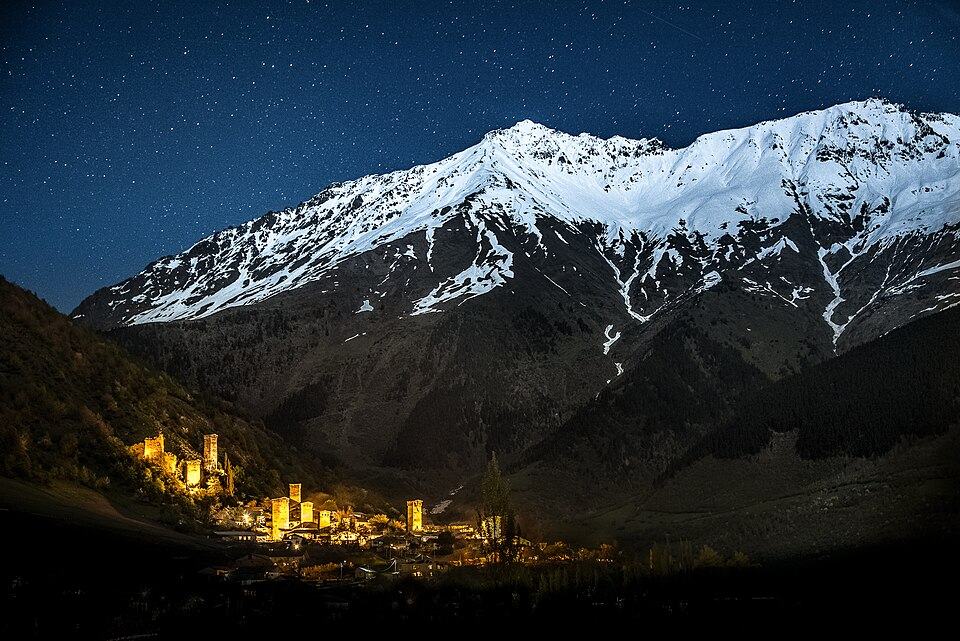
Inside the country, the small airline Vanilla Sky flies light turboprops from Natakhtari airfield near Mtskheta, north of Tbilisi, to Mestia in Svaneti and Ambrolauri in Racha, with a less frequent link from Kutaisi to Mestia. The hop to Mestia takes about an hour instead of a day on the road. Seats are few, baggage limits strict and mountain weather often delays or cancels flights, so book early and keep a day in reserve.
Private drivers and transfers
Hiring a car with a driver is how many visitors see Georgia, and for two to four people the cost per head often comes close to a group tour, with the difference that you choose the stops. On the Georgian Military Road, where the best viewpoints and fortresses lie between towns, that freedom makes the day.
Ways to book a driver
- Through your guesthouse or hotel, which will usually know a reliable local driver, especially in Kazbegi, Svaneti, Kakheti and Tusheti.
- Through an online platform that lists drivers and fixed prices for intercity routes, often with sightseeing stops included.
- Through a tour company, which pairs you with a driver or a licensed driver-guide and plans the whole route.
Be clear whether you are hiring a driver or a driver-guide: many drivers speak Russian and some English but will not explain the sites. Prices are usually per car and include fuel; on multi-day trips, check who covers the driver's room and meals.
Transfers are easy to arrange. Bolt and similar apps cover Tbilisi airport, and shuttle buses timed to flight arrivals link Kutaisi airport with Tbilisi, Batumi and other towns.
Our Classic Georgia week uses a private driver throughout, with two nights in Kazbegi and a night in Sighnaghi.
Renting a car and driving in Georgia
Licence, age and paperwork
Traffic keeps to the right. Visitors can drive on many foreign licences, but an International Driving Permit costs little and some rental firms insist on one. Companies usually want drivers aged at least 21 to 23 and hold a deposit on a credit card. Read the insurance excess closely and ask whether roads such as the one to Tusheti are excluded. Some firms allow trips to Armenia with the right papers; the land border with Azerbaijan has been closed to most travellers since 2020.
Road quality and local driving habits
Main roads are mostly good. The E60 west from Tbilisi is dual carriageway for long stretches and now bypasses the Rikoti Pass through tunnels, and the roads to Kazbegi, Kakheti, Borjomi, Vardzia, Mestia and Ushguli are paved. Country roads range from smooth to badly potholed.
The real test is the local style. Drivers pass on blind corners and over solid lines, brake suddenly, rarely signal and lean on the horn. Cows, pigs and sheep wander onto every kind of road, and many rural roads are unlit. Avoid mountain driving after dark and let impatient drivers by.
Police, cameras and alcohol
Georgia rebuilt its patrol police in the mid-2000s, and officers are generally professional; never offer a bribe. Cameras are common, and fines on rental cars are passed on to you. The alcohol limit is very low, so do not drive on a wine-tasting day.
Fuel
Filling stations are plentiful on main roads, attendants usually fill the tank, and the big chains take cards. Fill up before the mountains: there is little or nothing on the road to Tusheti, in upper Khevsureti or beyond Mestia.
When you need a 4x4
- Tusheti over the Abano Pass, ideally with an experienced local driver.
- Shatili and Mutso in Khevsureti, over the Datvisjvari Pass.
- The upper Truso valley, some side tracks around Kazbegi and the last stretch to Green Lake in Adjara.
- Vashlovani National Park, remote corners of Kakheti and the high summer track from Ushguli to Lentekhi.
In summer an ordinary car copes with nearly everything else, including Mestia, Ushguli, Kazbegi, Kakheti, Borjomi, Vardzia and Racha. In winter, fit winter tyres or choose a 4x4 for any mountain road.
Bolt, metro, buses and cable cars in Georgian cities
Ride-hailing is the easiest way around the cities. Bolt works in Tbilisi, Batumi and Kutaisi, is cheap and spares you bargaining with street taxis. In smaller towns, ask your guesthouse to call a taxi and agree the fare first.
Tbilisi has a two-line metro and a dense bus network, both cheap; tap in with a contactless card or a Metromoney transport card. Bus 337 links the airport with the centre.
Cable cars and funiculars
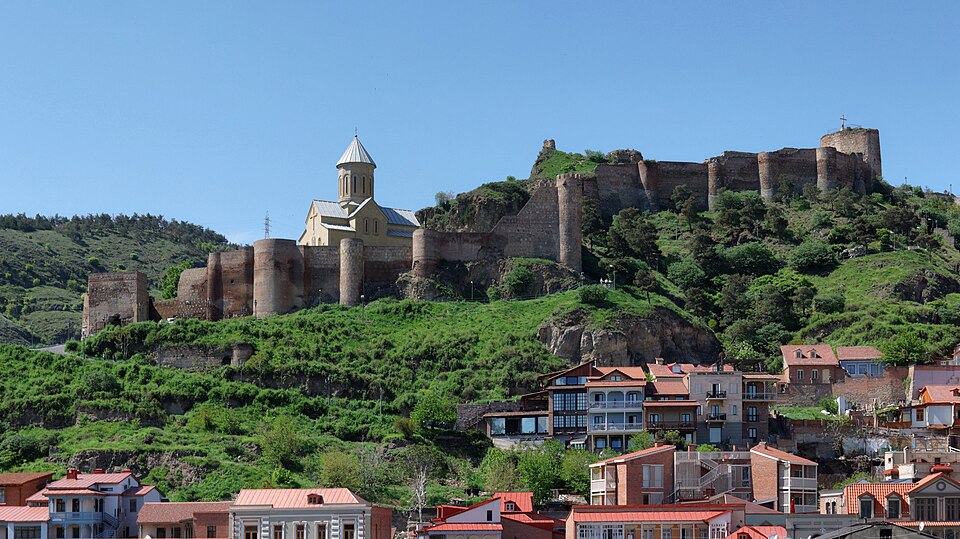
- Tbilisi: the cable car from Rike Park across the Mtkvari to Narikala Fortress, a second line from Vake Park up to Turtle Lake, and the funicular to Mtatsminda Park, first opened in 1905.
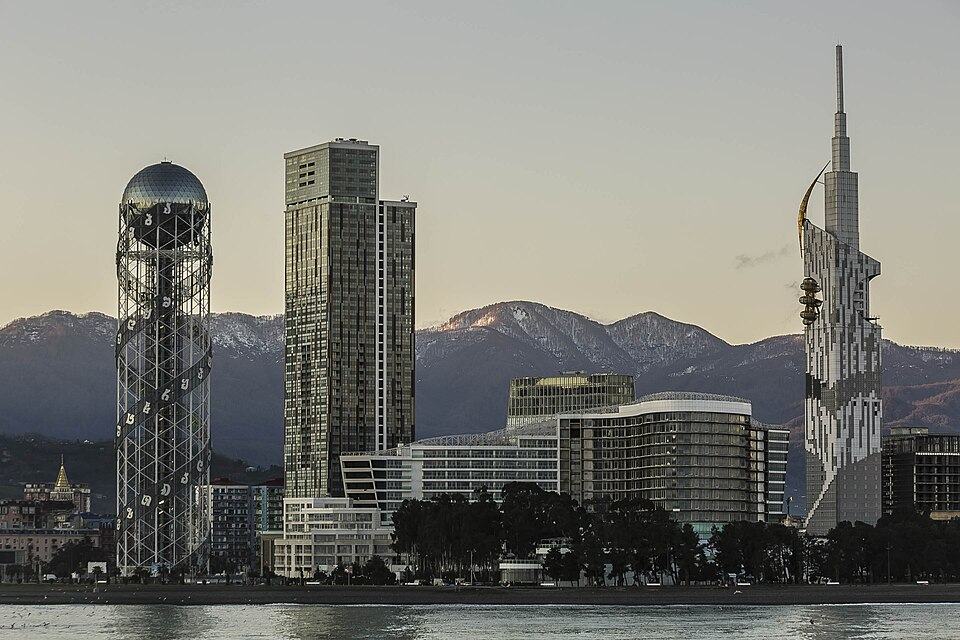
- Batumi: the Argo cable car from near the port to Anuria hill, with sweeping views over the city.
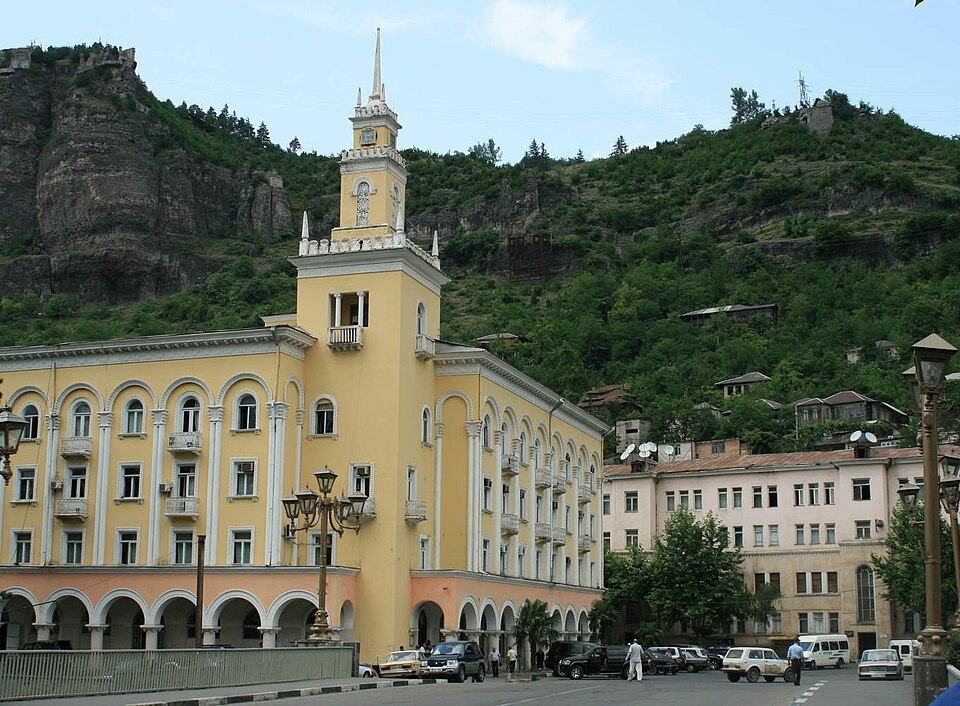
- Chiatura: modern cable cars, opened in 2021, replaced the famous Soviet lines over the manganese-mining town.
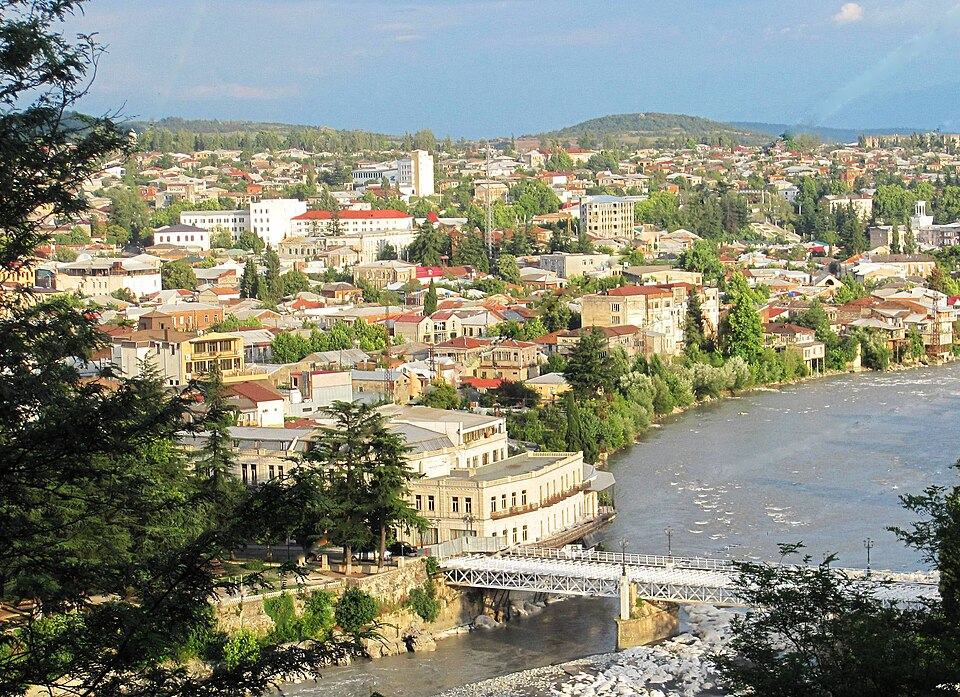
- Kutaisi: a short cable car crosses the Rioni to a hilltop park above the city.
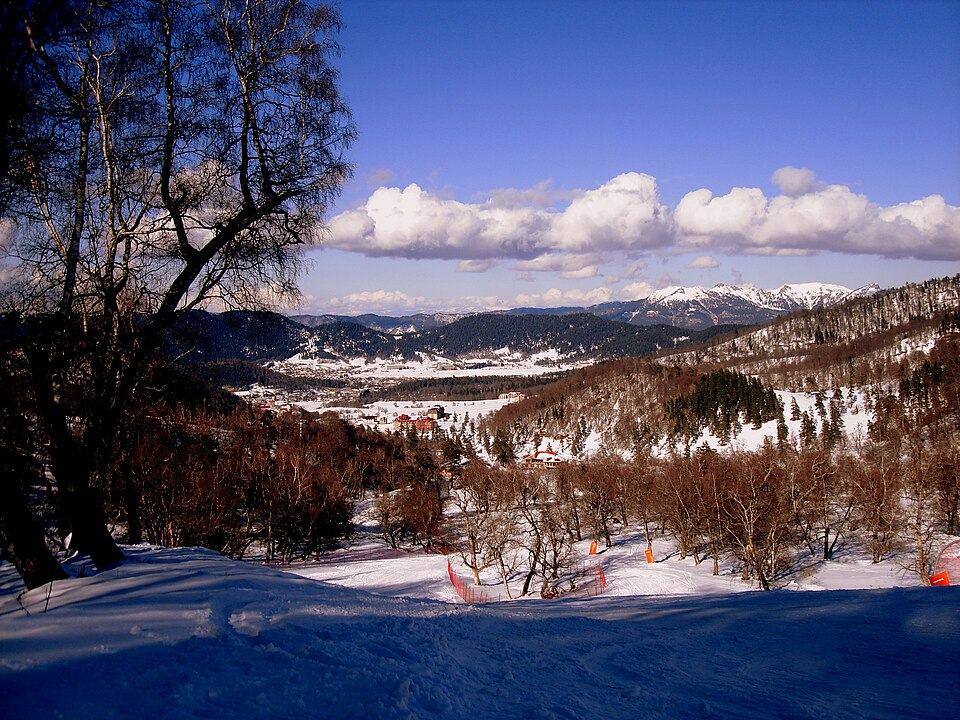
- Ski areas: lifts at Gudauri, Bakuriani and Goderdzi, and at Hatsvali and Tetnuldi above Mestia, some also running for summer hikers.
- Khulo: the old cable car across the gorge to Tago has been closed for repairs, so ask locally.
Is hitchhiking common in Georgia?
Hitchhiking is common and accepted in Georgia, especially in the countryside and mountains, where buses are scarce. Flag cars with an outstretched hand, and plenty of drivers will stop. Most expect nothing, but some are informal taxis, so clarify payment at the start.
Use ordinary judgement: refuse a driver who has been drinking, avoid hitching after dark, and if you are a woman travelling alone, consider waiting for a marshrutka instead. Lifts are easy in summer on the roads to Kazbegi and Mestia, but traffic to Tusheti is too thin to rely on.
Distances and drive times from Tbilisi
The times below are typical for an ordinary car in good conditions without long stops. Add time for summer traffic, bad weather and mountain roads, where average speeds fall to 30 or 40 km/h. Our route guides give more detail for each of the main journeys, with stops worth making on the way.
| Destination | Distance by road | Drive time | Public transport |
|---|---|---|---|
| Mtskheta | 20 km | 30 minutes | Marshrutka from Didube |
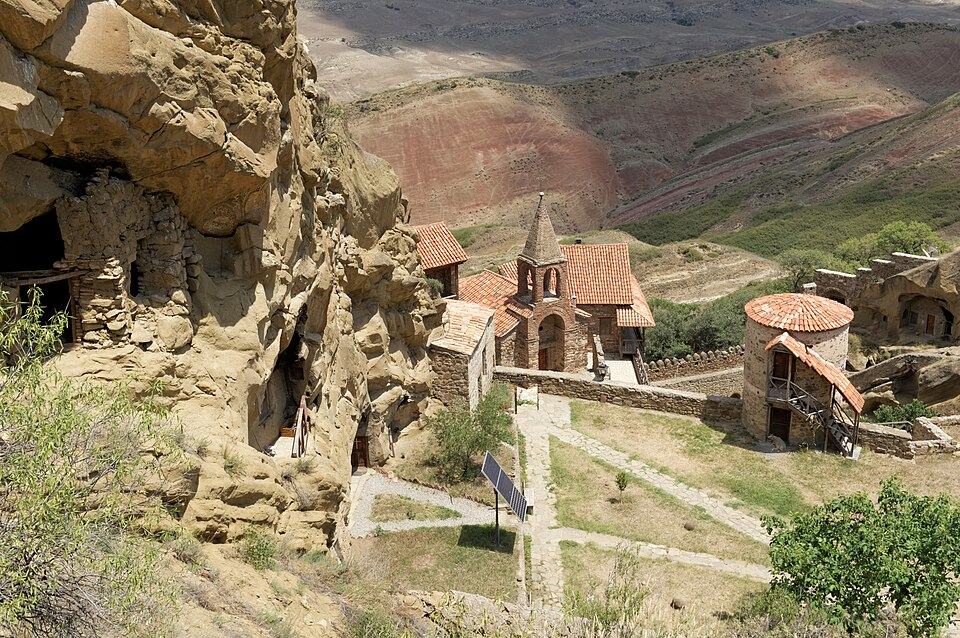
| David Gareja | 70 km | About 2 hours | No regular service; driver or tour |
| Gori and Uplistsikhe | 86 to 100 km | 1 to 1.5 hours | Marshrutka from Didube, or the train to Gori |
| Telavi | 96 km over Gombori or 156 km through Gurjaani | 2 to 2.5 hours | Marshrutka from Samgori or Ortachala; check the Gombori road status |
| Sighnaghi | 113 km | About 2 hours | Marshrutka from Samgori |
| Gudauri | 120 km | 2 to 2.5 hours | Kazbegi marshrutka from Didube |
| Shatili | About 150 km | 4.5 to 5 hours by 4x4 | Summer marshrutka on set days |
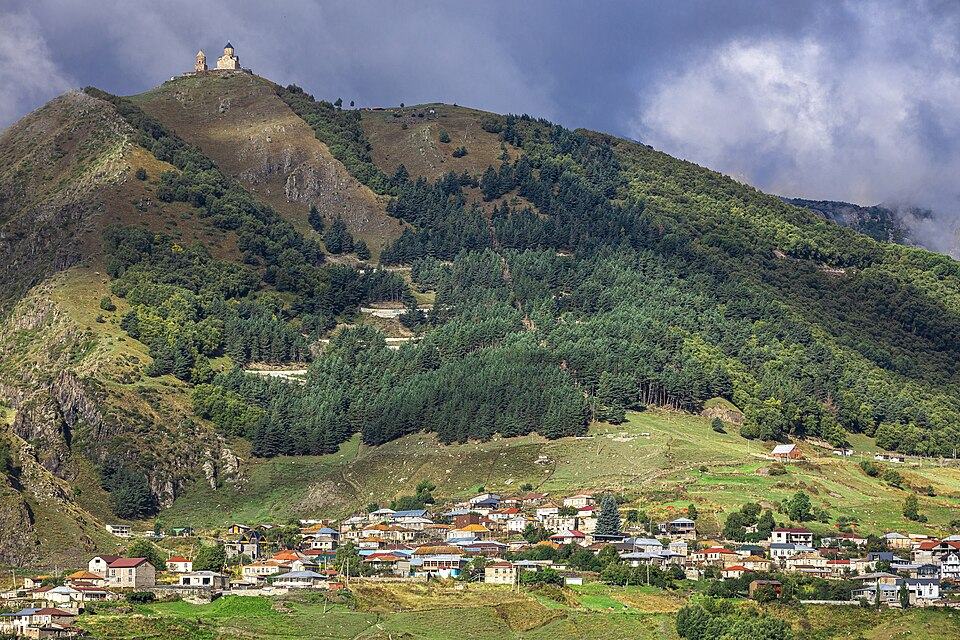
| Stepantsminda (Kazbegi) | 155 km | About 3 hours | Marshrutka from Didube, about 3 hours |
| Borjomi | 160 km | 2.5 to 3 hours | Marshrutka from Didube, or a slow train |
| Omalo (Tusheti) | About 200 km | A full day; 4 to 6 hours by 4x4 from Kvemo Alvani | Shared 4x4 from Kvemo Alvani in summer |
| Kutaisi | About 230 km | 3 to 3.5 hours | Batumi train to Kutaisi Airport station, about 3 hours, then a taxi; minibus or bus about 3.5 hours |
| Vardzia | About 265 km | About 4 hours | Marshrutka via Akhaltsikhe |
| Zugdidi | 320 km | About 5 hours | Daily train, about 5.5 hours |
| Batumi | 370 km | 5 to 6 hours | Train, about 4 hours on the fastest services |
| Mestia | About 460 km | 8 to 9 hours | Minibus or bus 9 to 10 hours from a departure point that varies, or a flight of about 1 hour from Natakhtari |
Seasonal road closures: Abano, Jvari, Goderdzi and other passes
Georgia's high roads follow the snow, not the calendar. These are the passes most likely to affect your plans.
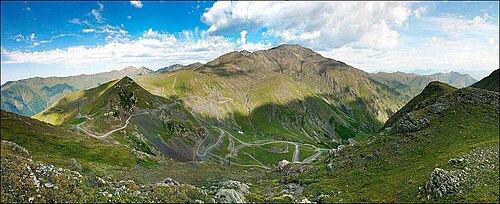
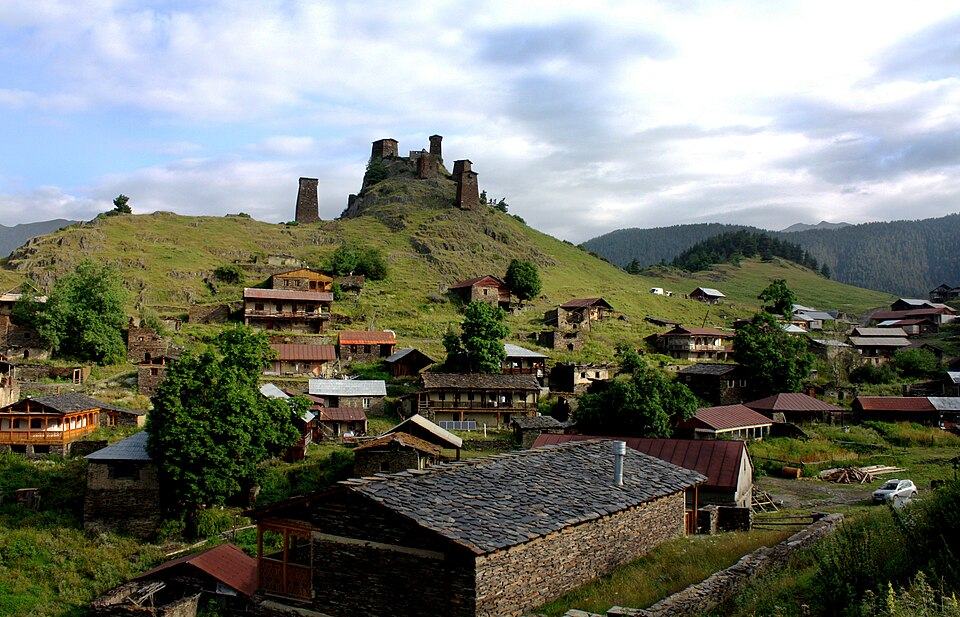
- Abano Pass to Tusheti, about 2,850 m
Normally open from early or mid-June to early October, depending on snow. The opening date varies each spring, and early autumn snow can trap visitors for days. - Datvisjvari Pass to Shatili, 2,676 m
Usually blocked by snow from around October or November until late May or June, so Khevsureti is a summer trip. - Jvari Pass on the Georgian Military Road, 2,379 m
Kept open in winter but shut for hours or days when deep snow falls or avalanches threaten, which also strands lorries bound for Russia. Chains may be required. - Goderdzi Pass, 2,025 m
The ski area is reachable from Batumi all winter with winter tyres, but the onward road to Adigeni and Akhaltsikhe can close between late autumn and spring. - Gombori Pass
The short route from Tbilisi to Telavi had a long closure for roadworks in 2025. Check the road status before relying on it; the main road through Sagarejo and Gurjaani is the dependable alternative. - Other high routes
The mountain track from Ushguli to Lentekhi and the pastures around Goderdzi and Green Lake are summer-only.
To check conditions, ask your guesthouse, which always knows, or look at the announcements from Georgia's Roads Department and the patrol police, mostly in Georgian, where a translation app helps.
Getting around Georgia: frequently asked questions
Is it easy to travel around Georgia without a car?
Yes, between towns. Trains and marshrutkas connect almost every town cheaply. Reaching sights between towns, such as monasteries, canyons and viewpoints, is harder, and there you will need a taxi, a driver or a tour.
What is the best way to get from Tbilisi to Batumi?
Take the train: the quickest services need about 4 hours and are far more comfortable than a minibus. Driving takes 5 to 6 hours. In summer, book seats several days ahead.
Do I need an International Driving Permit in Georgia?
Many foreign licences are accepted for visitors, but an International Driving Permit is recommended and some rental companies require one. Carry your home licence as well.
Is it safe to drive in Georgia?
Main roads are good, but local driving is aggressive, with risky overtaking, animals on the road and unlit rural stretches. Confident, defensive drivers manage well. Avoid mountain roads at night and leave the Tusheti road to local 4x4 drivers.
Where do marshrutkas leave from in Tbilisi?
Didube station handles most routes to the north and west, including Kazbegi, Kutaisi and Batumi. Kakheti minibuses use the Navtlughi stop at Samgori, with some Telavi departures from Ortachala, which also handles international buses. The Mestia service has used several points, so confirm the departure point locally the day before.
Can you fly to Mestia?
Yes. Small planes fly from Natakhtari airfield north of Tbilisi to Mestia in about an hour on several days a week, and from Kutaisi less often. Flights depend on the weather, so keep a spare day.
Do I need a 4x4 in Georgia?
Only for a few routes, such as Tusheti, Khevsureti, the upper Truso valley and some tracks to lakes and parks. The usual tourist roads, including those to Kazbegi, Mestia and Ushguli, are paved and fine for an ordinary car in summer.