Shatili
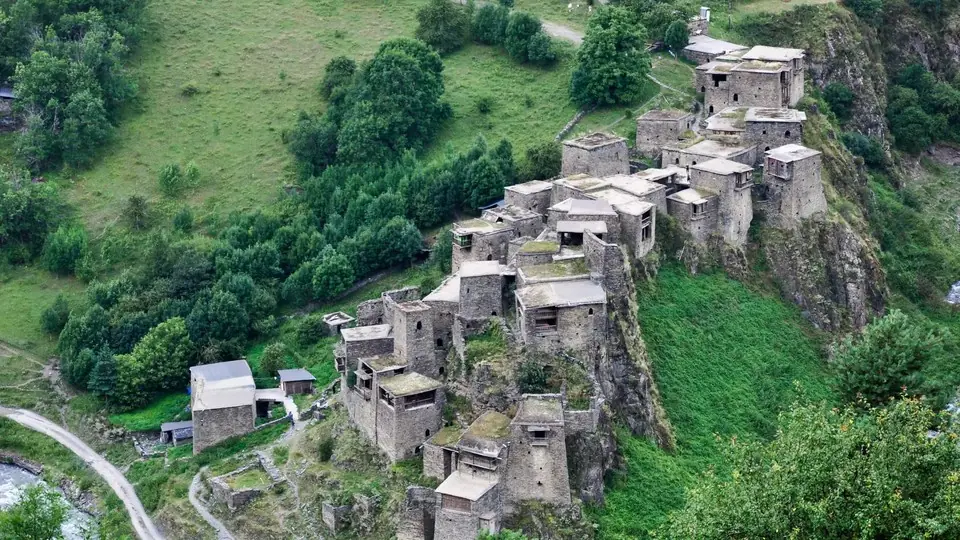
Fortified village of about 60 joined stone towers in the Argun gorge of Khevsureti, reached over the 2,676 m Datvisjvari Pass.
 ShatiliPhoto: georgia.travel
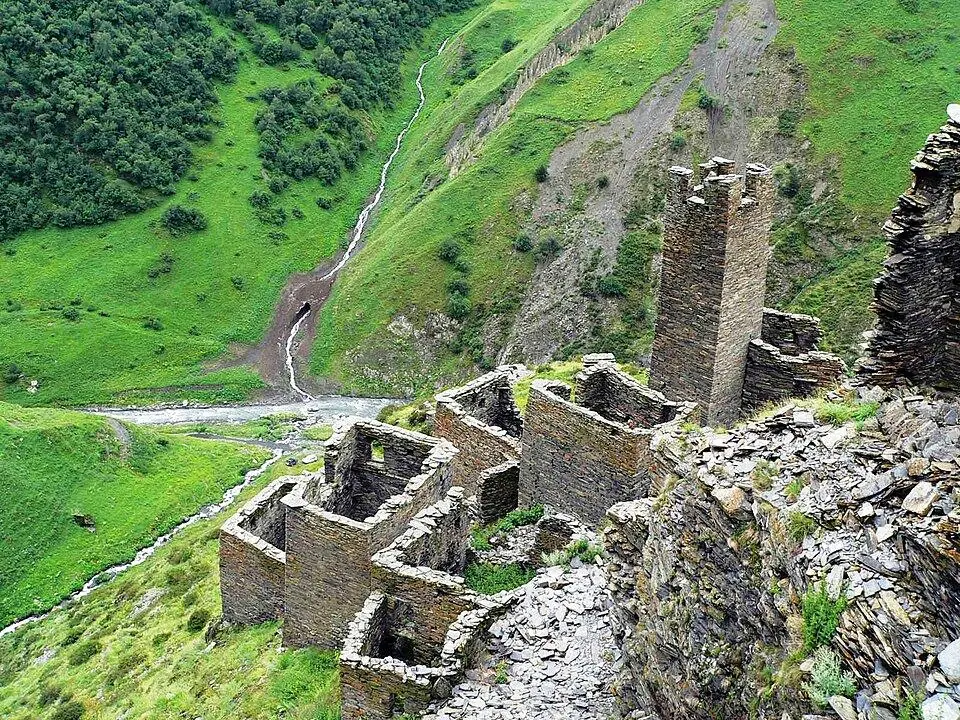
Shatili is a fortified village of flat-roofed stone towers and houses built against each other on a slope above the Argun River, at about 1,400 m in Khevsureti, near the border with Chechnya. Some 60 towers form one connected complex that worked as both village and fortress, with passages and ladders linking the houses. It is one of the best-preserved tower villages in the Caucasus. Most residents left during the Soviet period, and today a few families live here in summer and run guesthouses in restored towers.
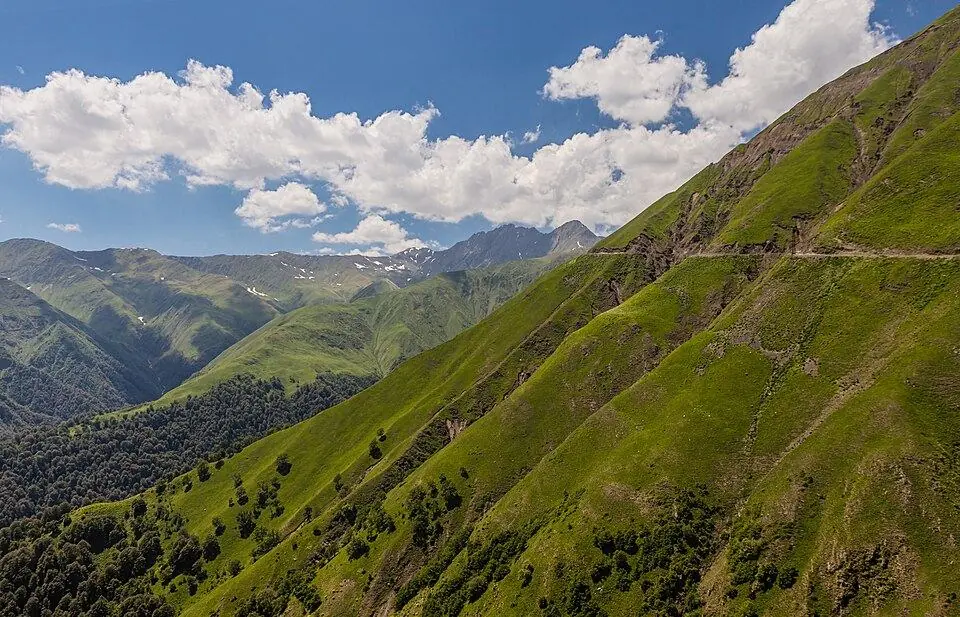
Getting here is part of the experience. The road from Zhinvali climbs through Barisakho to the Datvisjvari Pass at 2,676 m and then drops steeply into the Argun valley; much of it is gravel, and snow usually closes the pass from mid-November or December until late May or June. Spend at least one night so you can walk to the Anatori crypts, about 2.5 km away, and drive to the ruined tower village of Mutso, about 12 km further on.
History
Shatili's towers were built and rebuilt over centuries as defences against raids from the North Caucasus, and the village controlled the route along the Argun gorge. Families lived, stored food and sheltered livestock inside the connected buildings. In the Soviet period many Khevsurs were moved to the lowlands and the village emptied. Since the 2000s several towers have been restored, many of them as guesthouses.
What to see and do
- Walk the alleys and passages between the joined towers
- Anatori crypts, linked to an 18th-century plague
- Day trip to the tower village of Mutso
- Drive over the Datvisjvari Pass at 2,676 m
- A night in a tower guesthouse
How to visit
Getting there
Shatili is about 150 km from Tbilisi via Zhinvali, Barisakho and the Datvisjvari Pass. The road is rough after the pavement ends and needs a 4x4 or an experienced driver; allow 4.5 to 5 hours. In summer a marshrutka runs from Didube station on set days, but the schedule changes, so confirm it locally.
When to go
July–September. Plan 1–2 nights here.
- The winter closure usually starts in mid-November or December and the pass reopens in late May or June; an early snowfall can block it briefly from October.
- Bring enough cash; there are no ATMs in Shatili.
- You are close to the Russian border; carry your passport.
- Fill your fuel tank before leaving the Military Road.
Weather in Shatili
Warmest in August (24° by day), coldest in January (−6° at night), with 1,082 mm of rain a year. Best months: Jul–Sep.
Shatili: FAQ
How do I get to Shatili?
Drive about 150 km from Tbilisi via Zhinvali and Barisakho, then over the 2,676 m Datvisjvari Pass. A 4x4 is strongly recommended and the trip takes 4.5 to 5 hours. A summer marshrutka from Didube runs on set days.
Can you stay overnight in Shatili?
Yes. Several families run guesthouses in and around the restored towers, and most offer home-cooked meals. Book ahead in July and August, as beds are limited.
Tours that include Shatili
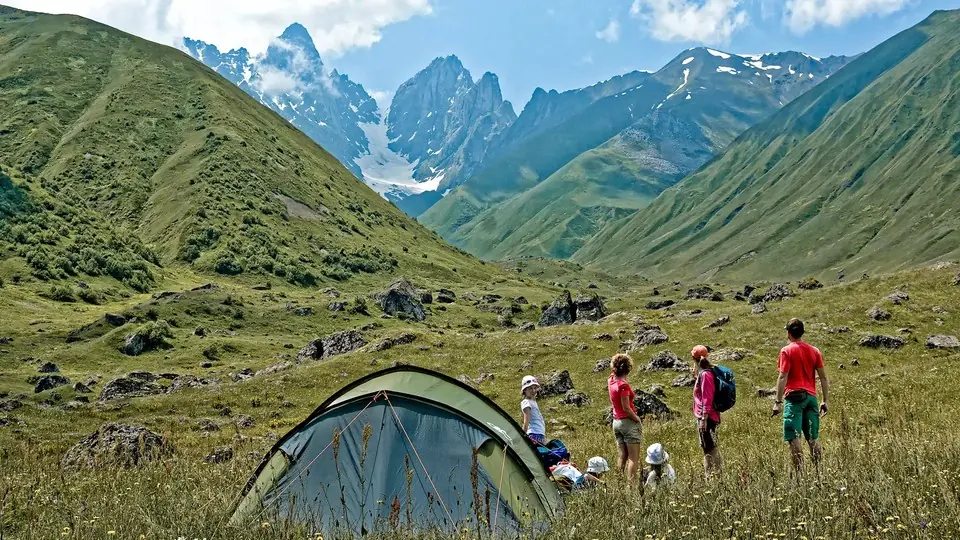
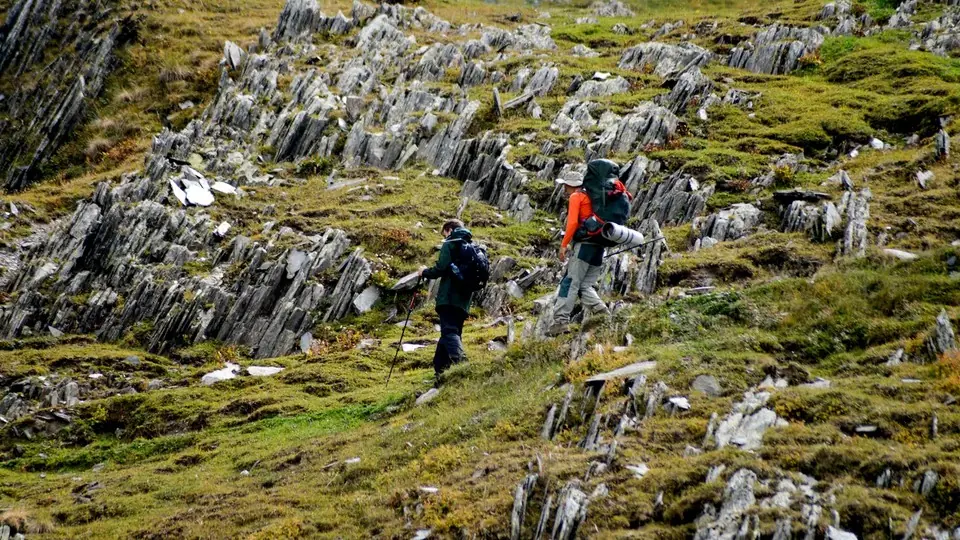
Read more in our guides
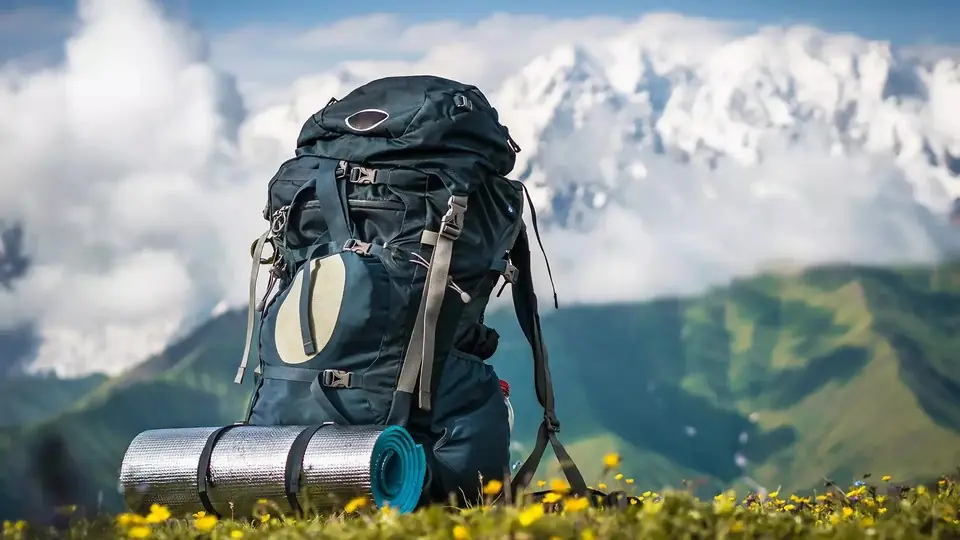 Photo: georgia.travel
Ten multi-day routes across the Caucasus and Georgia's quieter uplands, side by side: how long, how high, how hard, when to go, where you sleep and which ones need a border permit.
 Photo: MIKHEIL, CC BY-SA 4.0
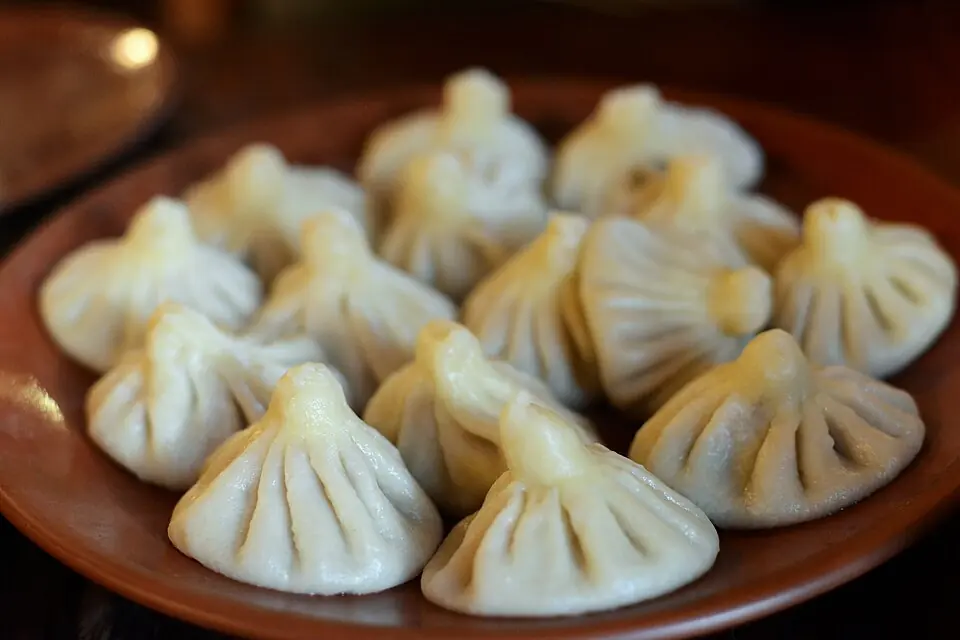
The twisted, broth-filled dumplings of the Georgian highlands: what goes inside, how to eat them without a splash, how many to order, and where they taste best, from Tbilisi to Pasanauri.
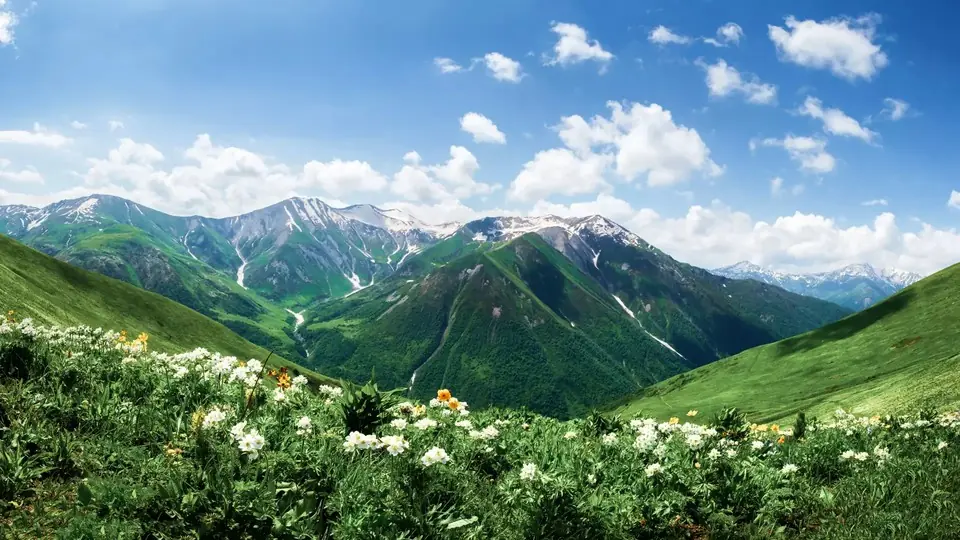 Photo: georgia.travel
When to go for hiking, wine, beaches or skiing, with monthly weather for Tbilisi, the coast and the Caucasus and the festivals worth timing a trip for.
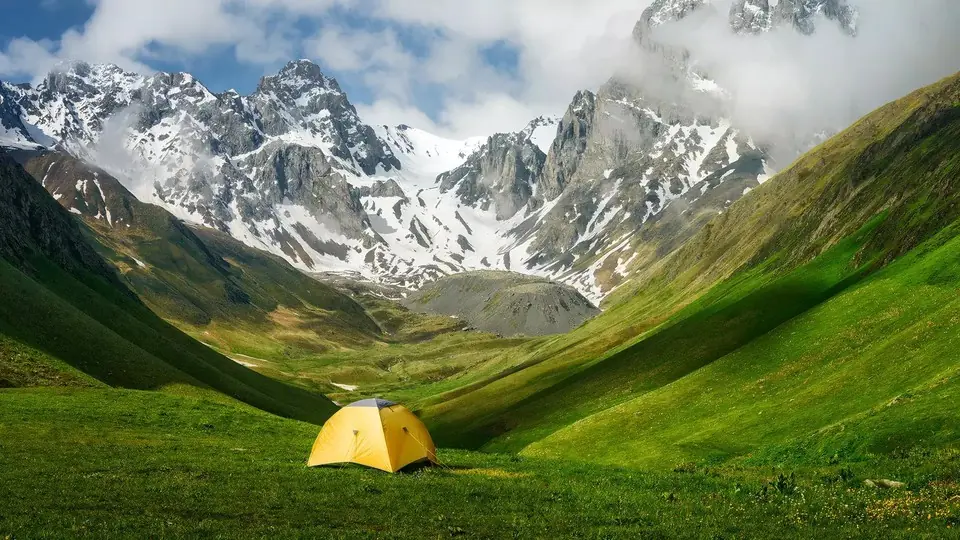 Photo: georgia.travel
The best places to camp in Georgia, region by region, with the rules for national parks and border zones, a month-by-month table of snow-free camps and night lows, and what to bring, rent or buy.
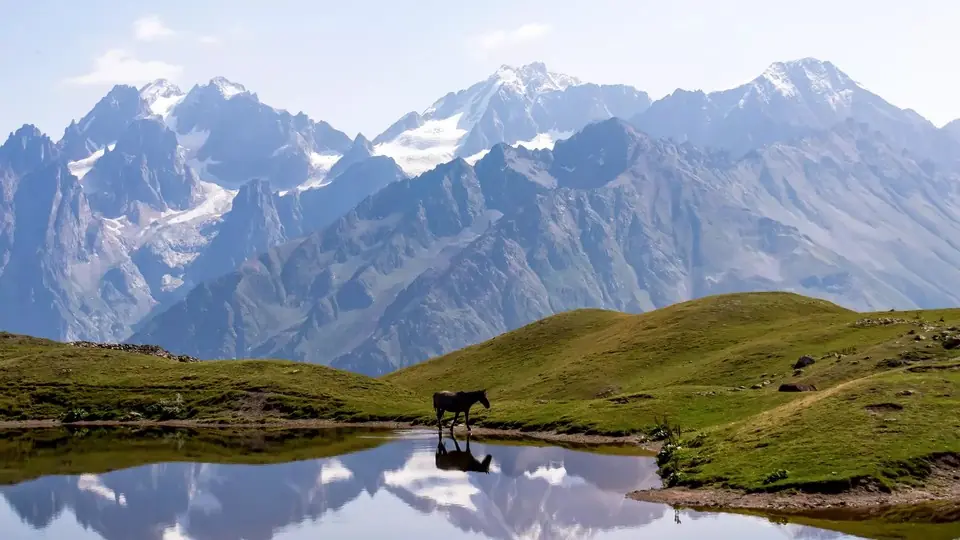 Photo: georgia.travel
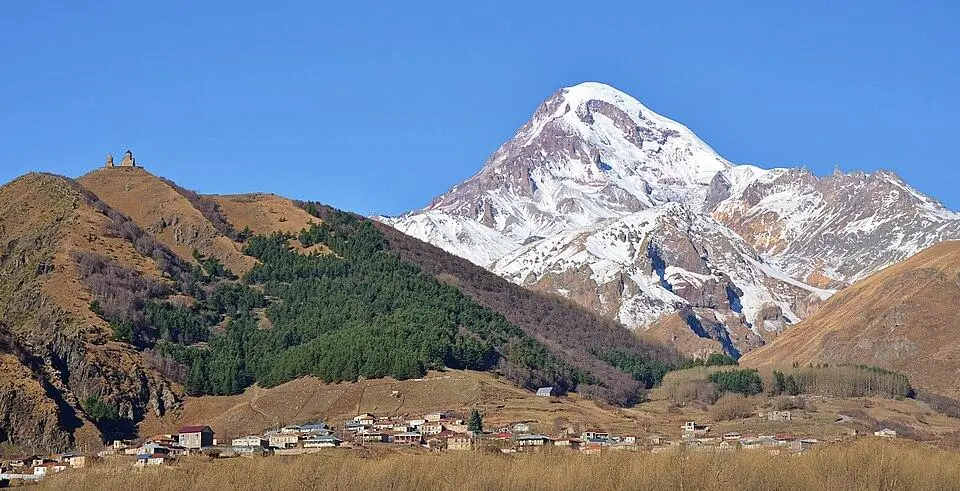
Where the Caucasus Mountains run, which peaks are Georgia's highest, what each mountain region is like and when its roads open, and how to choose between Kazbegi, Svaneti and Tusheti.
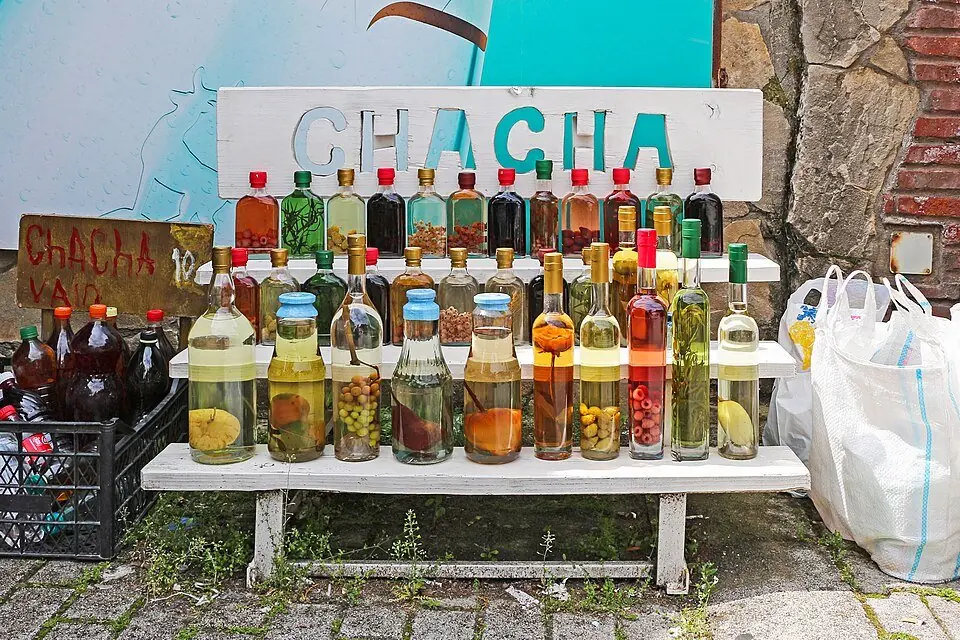 Photo: Bernard Gagnon, CC BY 4.0
What chacha is, how families distil it from grape pomace, how strong it really is, how to drink it without overdoing it and how to fly a bottle home, plus Georgia's lemonades, mineral waters, beer and tea.
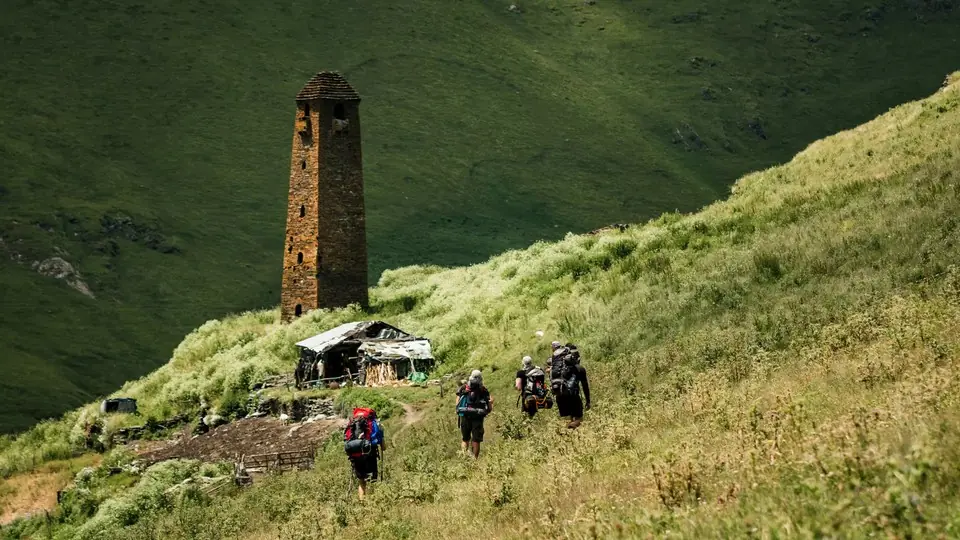
Nearby places
Straight-line distance from Shatili.