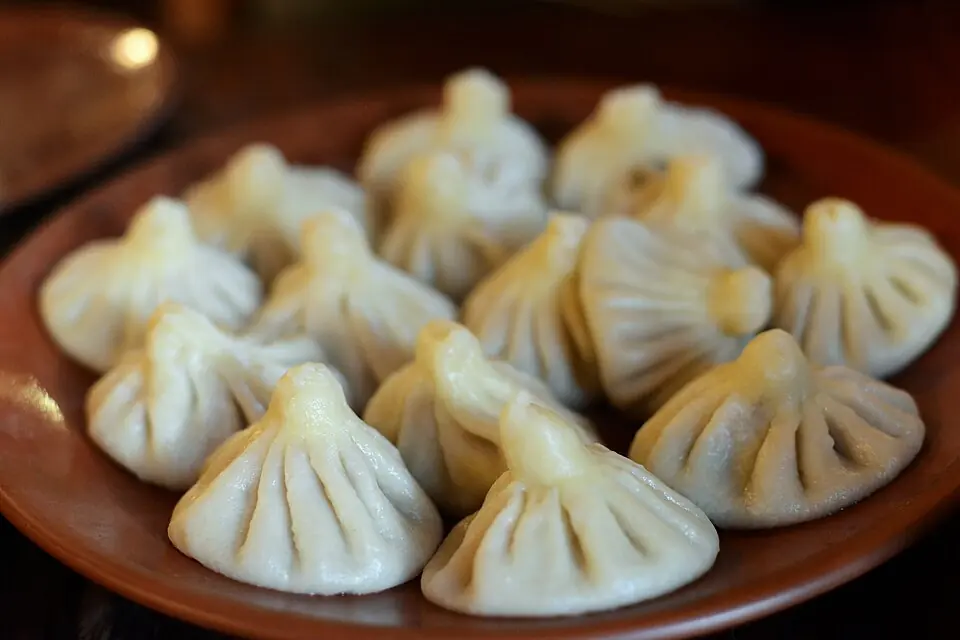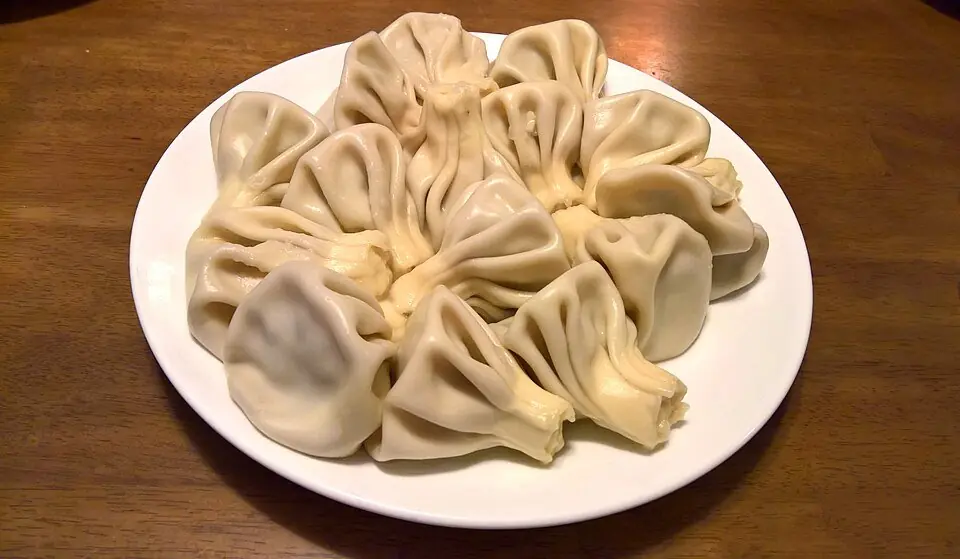
- Khinkali are large pleated Georgian dumplings wrapped around raw seasoned meat, which turns into a pocket of hot broth as they boil; mushroom, potato and cheese versions suit non-meat eaters.
- Eat them with your fingers: lift each one upside down by its knot, bite a small hole, sip the broth, finish the rest and leave the knot on your plate.
- Kalakuri, the Tbilisi style, mixes minced beef and pork with coriander and other herbs, while mountain styles such as mtiuluri keep to coarsely chopped meat, onion, salt and pepper.
- You order them by the piece, and most adults are full after five to eight; in 2026 a single khinkali costs roughly 1-2.5 GEL (roughly $0.40-0.90) in an ordinary khinkali house.
- The dish was born in the highlands north-east of Tbilisi, in Pshavi, Khevsureti, Mtiuleti, Khevi and Tusheti, and Pasanauri, ~90 km up the Georgian Military Road, is where most travellers stop to try it.
Khinkali are the big, twisted dumplings of Georgia (the country): thin wheat dough gathered around raw spiced meat that cooks into a mouthful of hot broth. You eat them with your hands, drink the juice first and leave the doughy knot on the plate. They cost little, come by the dozen and appear on nearly every menu in the land, yet they taste best in the mountains where shepherds first made them.
This page goes much further than the short khinkali section of our Georgian food guide. It covers the regional styles and fillings, a step-by-step method that keeps your shirt clean, how many to order and what they cost in 2026, the table customs around them, and where to eat them: in Tbilisi, along the Georgian Military Road through Dusheti and Pasanauri, and in the high villages of Tusheti and Khevsureti. It finishes with cooking classes and a home recipe.
What is khinkali?
A khinkali is a pouch-shaped dumpling roughly the size of a small fist. A disc of unleavened dough is folded up around the filling in a ring of small pleats, and the pleats are twisted together into a stubby knob on top. Georgians call that knob the kudi, the tail, and some say kuchi. The dough is nothing more than flour, water and salt, rolled thin yet strong enough to hold liquid.
All the magic is in the filling. The meat goes in raw, loosened with cold water and seasoned with onion, salt and pepper. As the dumpling boils, the meat cooks and gives up its juices, which join that water to make a broth trapped inside the dough. Pick up a good one and you can feel it slosh. The nearest relative most visitors know is the Shanghai soup dumpling, xiao long bao, but a khinkali is far bigger and goes into boiling water instead of a steamer.
A word on the name. In English, khinkali (ხინკალი, said roughly khin-kah-lee, with the throaty kh of Scottish loch) serves for one dumpling or many; Georgians say khinklebi for the plural. Linguists trace the word to khinkal, a dish of the Avars in neighbouring Dagestan, where it means pieces of boiled dough eaten with meat and broth rather than a sealed dumpling.
| Khinkali at a glance | Short answer |
|---|---|
| What it is | A pleated, boiled dumpling with a meat and broth centre |
| Homeland | The eastern highlands: Pshavi, Khevsureti, Mtiuleti, Khevi and Tusheti |
| Main styles | Kalakuri (city, with herbs) and mountain styles such as mtiuluri (plain, chopped meat) |
| Meat-free fillings | Mushroom, potato, cheese and cottage cheese |
| How it is sold | Per dumpling; many kitchens want five or more per order |
| Approximate price | About 1-2.5 GEL (about $0.40-0.90) a piece in 2026 |
| Drinks that go with it | Beer, chacha or a Georgian fruit lemonade |
Where khinkali come from: Pshavi, Khevsureti and Tusheti
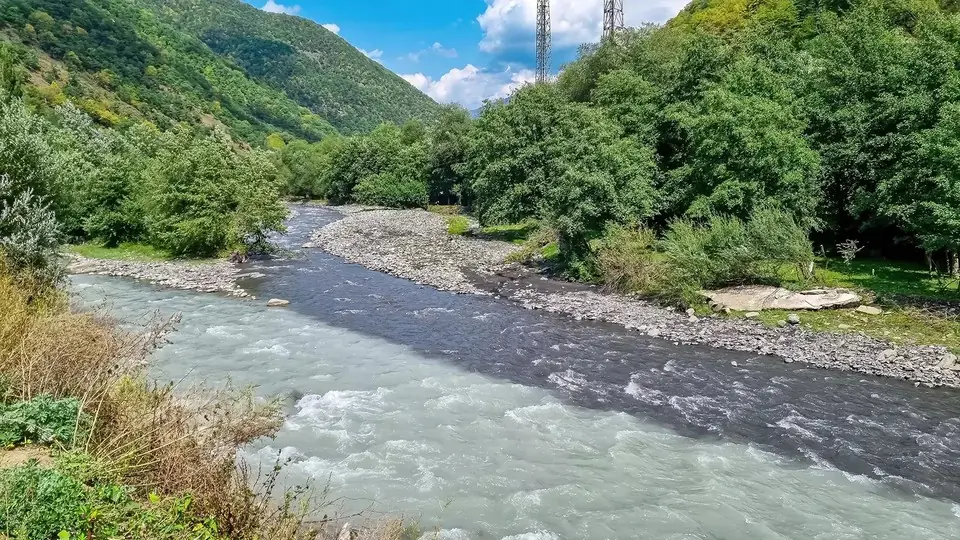
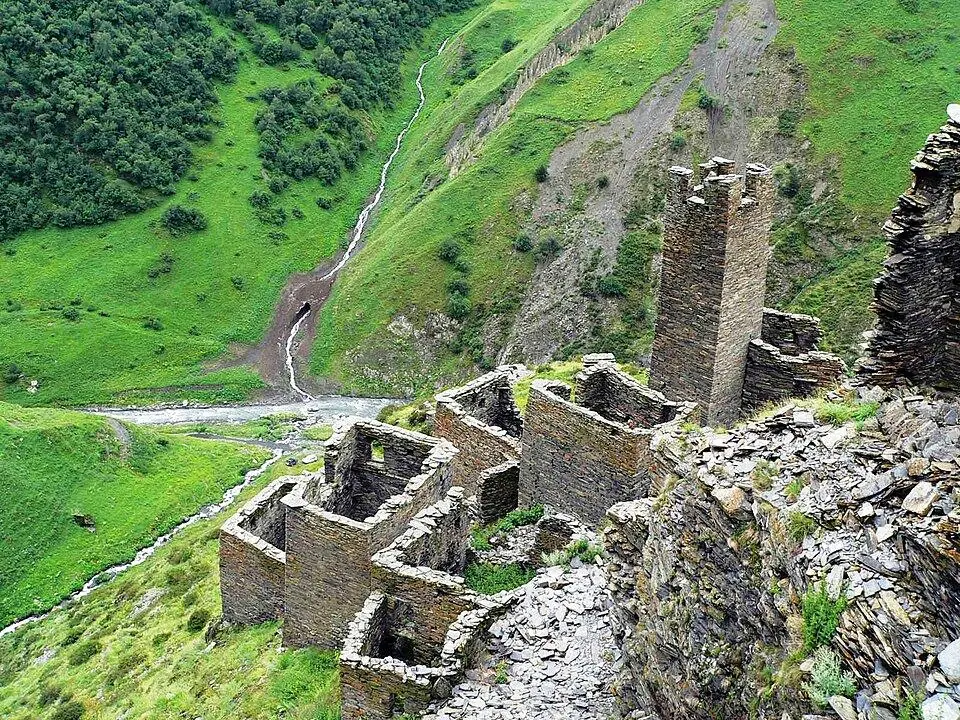
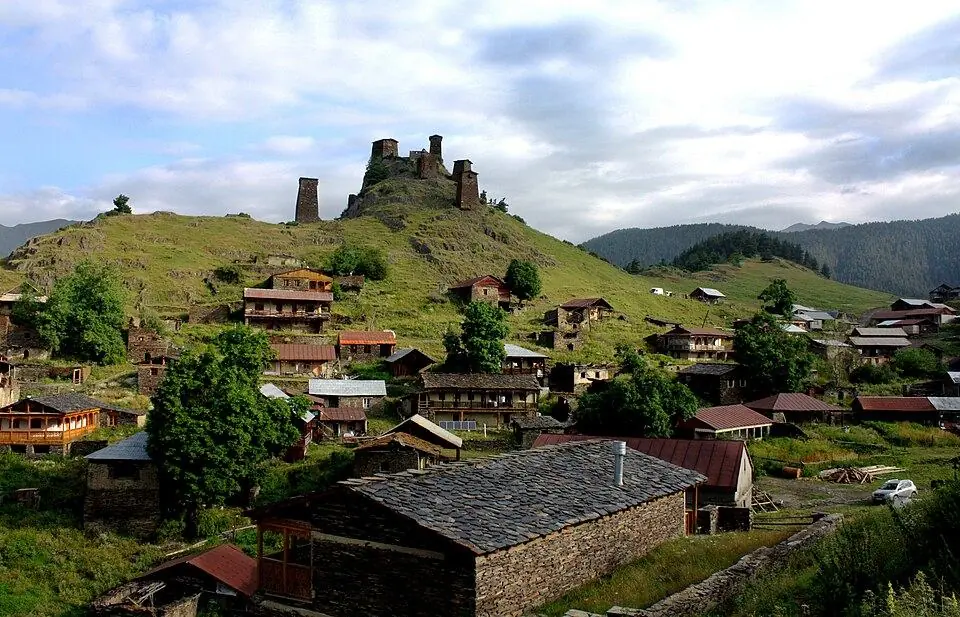
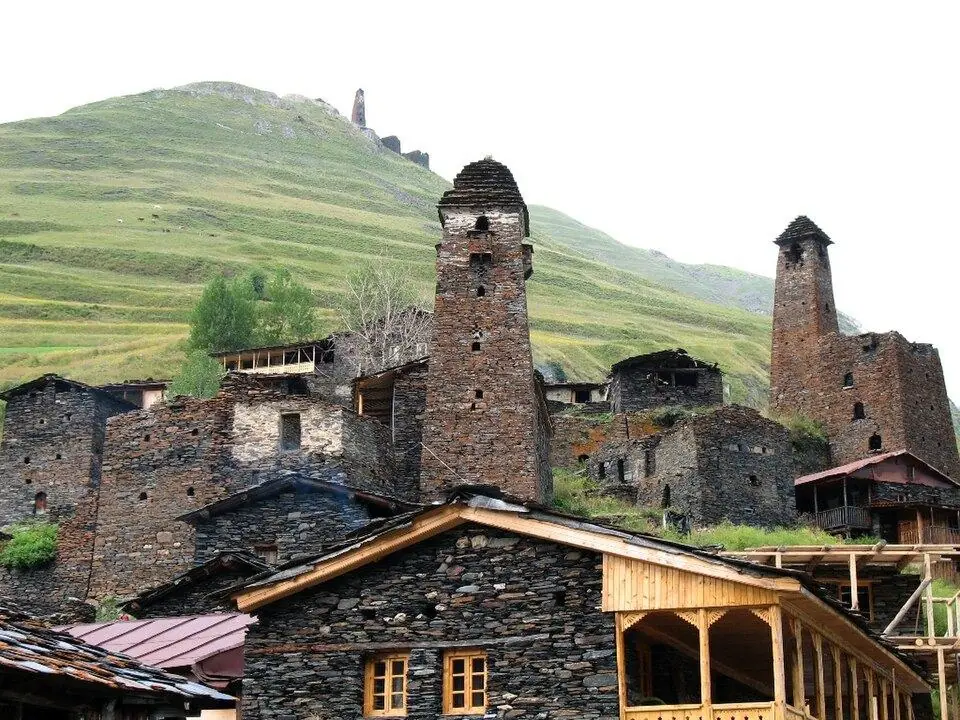
Khinkali are highland food. They belong to the valleys that climb from the plains north-east of Tbilisi to the main Caucasus ridge: Pshavi and Khevsureti along the eastern headwaters of the Aragvi, Mtiuleti around Pasanauri, Khevi around Kazbegi, and Tusheti beyond the Abano Pass. Several of these communities claim to have invented the dish, and Pshavians and Tushetians in particular have never settled the question.
The logic is simple. Mountain families kept sheep and cattle, grew hardy grain and spent long winters cut off by snow. A parcel of dough and meat that cooks in one pot, keeps its heat and fills a herder for the day suits that life perfectly. The oldest fillings were lamb or mutton chopped with a knife. Beef and pork came later, and the Khevsurs, who traditionally avoid pork, still fill theirs with beef and lamb.
Not everybody accepts a purely local story. A popular theory ties khinkali to the Mongol invasions of the 13th century, when dumplings travelled the trade routes between China and Anatolia, and food historians place them in one big family with manti, pelmeni and jiaozi. Georgians prefer the mountain lore: the round shape is the sun, the pleats are its rays, and an old Mtiuletian verse speaks of khinkali with 28 folds, a number tied in folk belief to the 28-year solar cycle.
From the high valleys the dish came down to Tbilisi and the lowland towns, where cooks traded chopped mutton for minced beef and pork and stirred in green herbs. Dusheti, the district town at the foot of these valleys, ~55 km north of the capital, still has a name for khinkali, and its municipality takes in Pasanauri, Pshavi and most of Khevsureti. Much of the dish's homeland, in other words, sits inside a single district.
Types of khinkali: kalakuri, mtiuluri and meat-free fillings
Georgian menus usually list khinkali by filling. Village places may only have a menu in Georgian, so the script is given here too.
| Style or filling | On the menu | Inside | Broth? |
|---|---|---|---|
| Kalakuri (city style) | ქალაქური, kalakuri | Minced beef and pork, onion, coriander or parsley, pepper, sometimes cumin and chilli | Yes, plenty |
| Mtiuluri (mountain style) | მთიულური, mtiuluri | Coarsely chopped meat, onion, salt and black pepper, no green herbs | Yes, rich and meaty |
| Khevsuruli | ხევსურული, khevsuruli | Beef or lamb, traditionally without pork, with onion, pepper and salt | Yes |
| Lamb | ცხვრის ხორცის, tskhvris khortsis | Lamb or mutton with onion and pepper, the old shepherd filling | Yes, with a stronger taste |
| Mushroom | სოკოს, sokos | Chopped mushrooms with onion and herbs, a favourite on fasting days | A little juice |
| Potato | კარტოფილის, kartopilis | Mashed potato with onion and pepper, sometimes butter | No |
| Cheese | ყველის, kvelis | Sulguni or Imeretian cheese, sometimes with herbs | No; some places add melted butter |
| Cottage cheese | ხაჭოს, khachos | Fresh curd cheese, mild and creamy | No |
| Fried | შემწვარი, shemtsvari | Boiled khinkali fried in oil until golden | No |
Which style is better is a matter of loyalty. Georgians with family in the mountains tend to call the plain kind the only real khinkali and say herbs just hide poor meat, while plenty of Tbilisi regulars would never give up their fragrant kalakuri. Try both in the same week and pick a side.
Rarer regional khinkali
In Meskheti, in the south-west, some families fill khinkali with apokhti, meat that has been salted and dried, traditionally goose. In Tbilisi, younger chefs play with shrimp, with spinach and mushroom, and even with tiny khinkali served in a spiced soup. These are worth a try, but order a plate of the classic kind first.
How to eat khinkali by hand, step by step
Every rule exists to protect the broth. Lose it and all that remains is a heavy ball of dough and meat. Georgians eat khinkali with their fingers, and reaching for a fork marks you as a child or a newcomer, because a prong through the dough drains the dumpling onto the plate.
- Pepper the plate, then wait
Grind black pepper over the dumplings when they arrive and give them a minute or two. The liquid inside is close to boiling, and the first bite is the one that burns. - Turn it upside down
Grip the tail between your thumb and two fingers and flip the dumpling so the tail points down and the round belly faces up. Lean over your plate. - Make a small opening
Nibble a hole near the top of the belly rather than taking a big bite. Tilt it a little and suck the broth out slowly; slurping is normal. - Finish the meat and dough
Once the broth has gone, eat the rest in two or three bites, working down towards the tail. - Park the tail
Set the thick knot of dough on the edge of your plate. It stays firm and chewy while the rest cooks soft, so most people skip it, and the pile keeps count of how many you have eaten.
What not to do
- Do not cut a meat khinkali with a knife. The broth floods the plate and the point of the dish is gone.
- Go easy on sauces. Black pepper, and now and then a pinch of salt, is all the seasoning Georgians add, though no waiter will refuse you a dish of tkemali.
- Do not let them sit. Cold khinkali turn stiff and rubbery, so eat them while they steam and order more later.
- Relax the rules for potato, cheese and cottage cheese khinkali. With no broth to lose, eat them as you like; a fork is fine.
How many khinkali to order, and what they cost
You pay per dumpling rather than per plate. Many places ask for at least five in an order, some for ten, and a few sell them by weight. Every batch is pleated and boiled to order, so allow 15 to 25 minutes before they reach the table, and longer at a busy weekend lunch.
| Appetite | Meat khinkali per person | Notes |
|---|---|---|
| A taste, alongside other dishes | 2-3 | Order them after the salads and bread as one dish among several |
| Light lunch | 4-5 | Add a tomato and cucumber salad |
| Full meal | 5-8 | Where most adults stop |
| Hungry hiker or local regular | 10-15 | No record, just a good appetite after a day outdoors |
Prices stay low. In 2026, plan on from about 1 to 2.5 GEL (about $0.40 to $0.90) for each dumpling in ordinary khinkali houses and roadside restaurants, so a round of ten comes to about 12-25 GEL (about $5-9). Old Tbilisi, ski resorts and the newer khinkali bars charge more, while mushroom and potato fillings are often slightly cheaper than meat. Look at the bill for a service charge before leaving anything extra; our tipping guide explains the norms.
Khinkali customs: tails, beer and the next-day fry
Counting tails
The heap of tails beside each plate is the table's scoreboard. At the end of the meal friends compare piles, somebody always brags, and a Georgian host will press one more on anyone who looks like stopping. Treat it as a game rather than a contest you have to win.
What to drink
Beer is the traditional partner. In the high valleys barley grew far better than vines, and families in Pshavi and Khevsureti still brew their own beer for village shrine festivals. In town a cold Georgian lager does the same job. A shot of chacha, the grape spirit, is the other classic, and tarragon or pear lemonade suits anyone not drinking. Wine is fine too, but most Georgians reach for beer with khinkali.
Fried khinkali the next day
Leftovers never go to waste. Cold khinkali are fried in oil or butter until the dough turns crisp and brown, and many restaurants sell them that way as a dish of their own, shemtsvari khinkali. This is the one time a knife and fork are perfectly normal, since the broth has soaked into the meat.
Fasting days and holidays
During Orthodox fasts, above all the seven weeks of Lent before Easter, mushroom and potato khinkali become everyday food, and menus mark them as samarkhvo, fit for fasting. If you keep a strict fast or eat vegan, ask whether butter went into the potato. In the mountains, khinkali were long a dish for Sundays, feast days and guests, which is partly why a steaming plate of them still feels like an occasion.
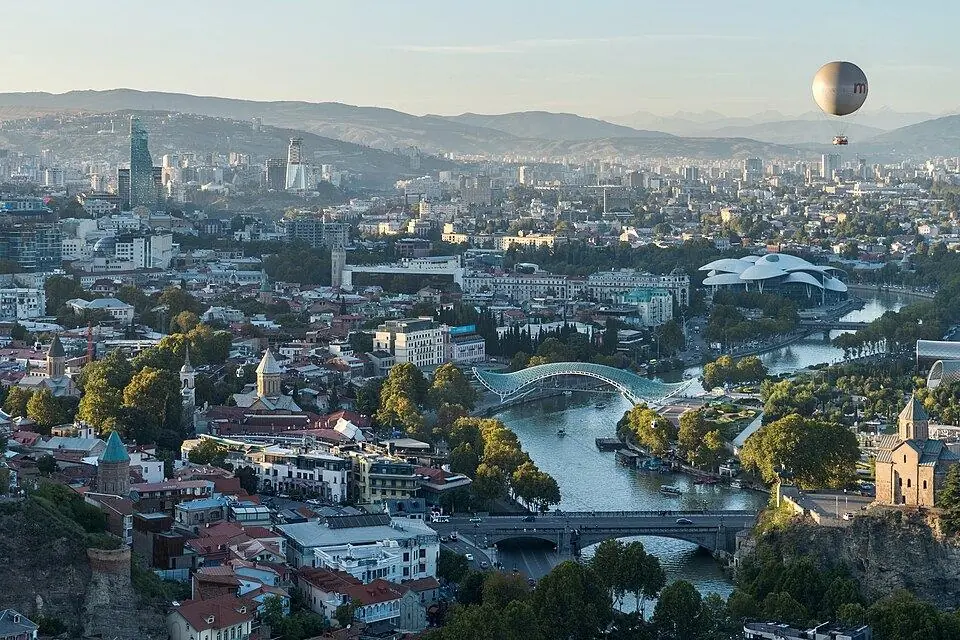
Where to eat khinkali in Tbilisi
Almost every restaurant in the capital serves khinkali, but the best tend to come from places that specialise in them. Georgians call such a place a sakhinkle (სახინკლე), a khinkali house: often a plain room with a long list of fillings and cooks folding dumplings by hand all day. We do not name single restaurants here, because places open, close and change cooks often; the areas and signs below hold true for longer.
Old Town and Sololaki
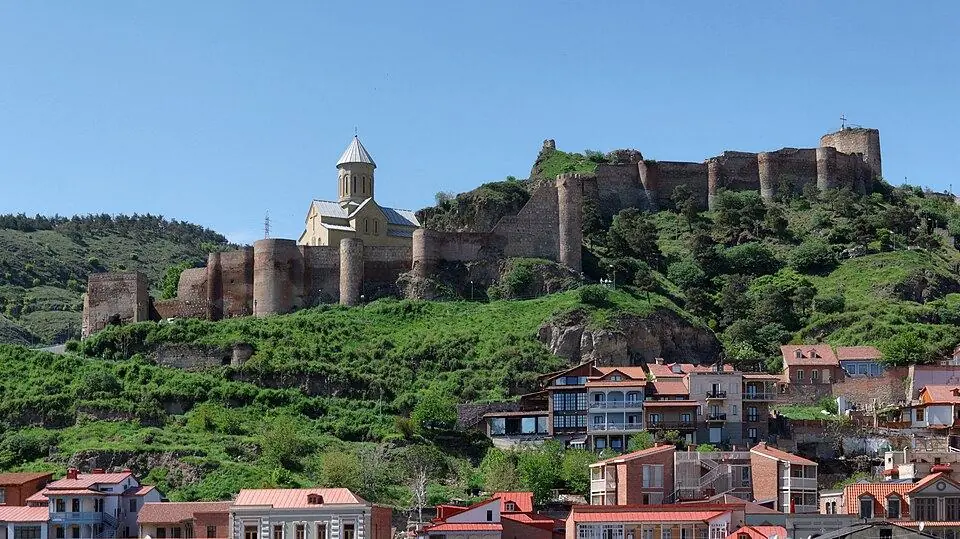
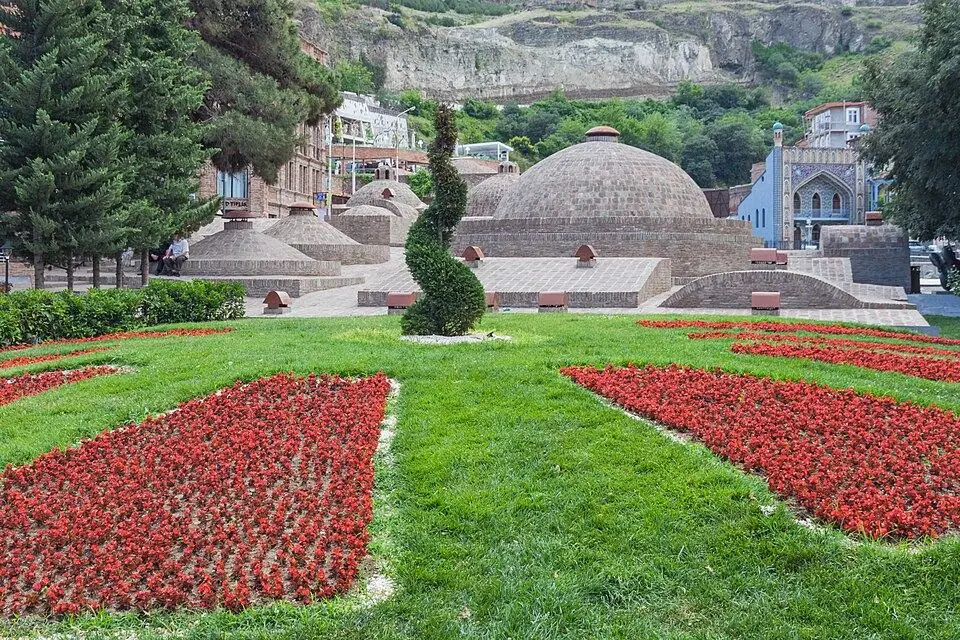
Around Abanotubani, Kote Afkhazi Street and the lanes below Narikala, many restaurants serve khinkali in brick cellars with English menus. Quality runs from excellent to tired and prices are the highest in town, but it is the easiest place for a first plate after a morning of sightseeing and a soak in the sulphur baths.
Neighbourhood khinkali houses
For the kind locals eat, go to residential districts such as Vake, Saburtalo, Vera or Didube, where khinkali houses fill with office workers at lunch and with families and friends in the evening. Signs are often in Georgian only, so look for the word სახინკლე. Good signs: a busy room, dough made in the kitchen rather than frozen, and dumplings that arrive taut and heavy instead of split or flat.
Markets, canteens and supermarkets
Simple canteens around Dezerter Bazaar and the central station cook khinkali for traders and drivers, cheap and quick. Supermarkets stock frozen khinkali, useful in a self-catering flat, though they never match freshly made ones.
Khinkali on the Georgian Military Road: Dusheti, Pasanauri and Kazbegi
The highway north from Tbilisi to Stepantsminda runs straight through khinkali country, and nearly everyone who drives it stops for a khinkali lunch. Each village has roadside restaurants, many with terraces above the Aragvi. These are the usual stops, from south to north.
| Stop | From Tbilisi | Altitude | What to expect |
|---|---|---|---|
| Dusheti | ~55 km, a short detour west of the highway | ~900 m | The district town, known around Georgia for its khinkali and calmer than the main road |
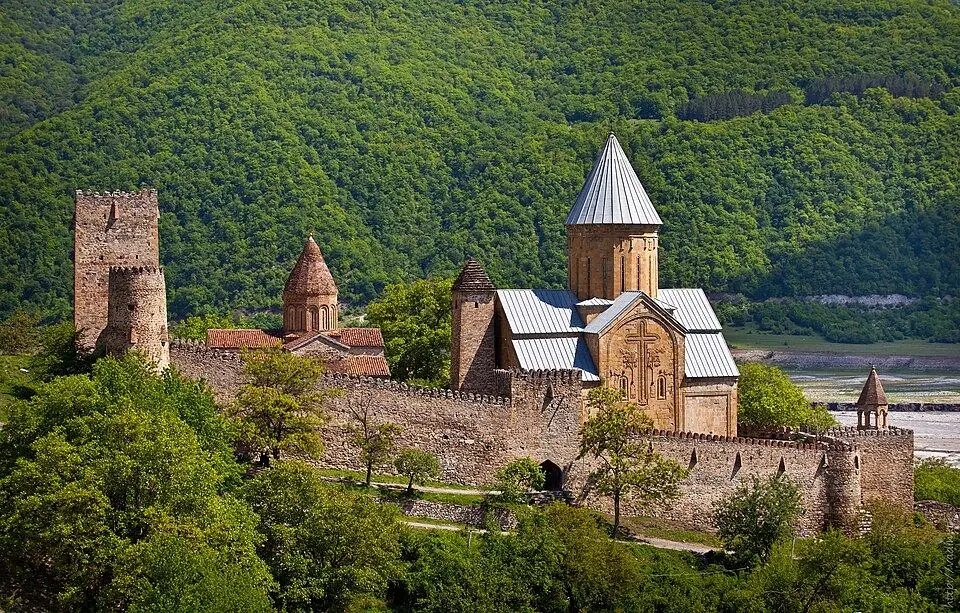
| Zhinvali and Ananuri | ~70 km | Under 1,000 m | Lakeside cafes near the fortress, handy for an early lunch |
| Pasanauri | ~90 km, about 1.5 hours | 1,050 m | The famous one: a string of khinkali restaurants where the White and Black Aragvi meet, serving the mountain mtiuluri style |
| Gudauri | ~120 km | ~2,200 m | Ski-resort restaurants, useful in winter and pricier |
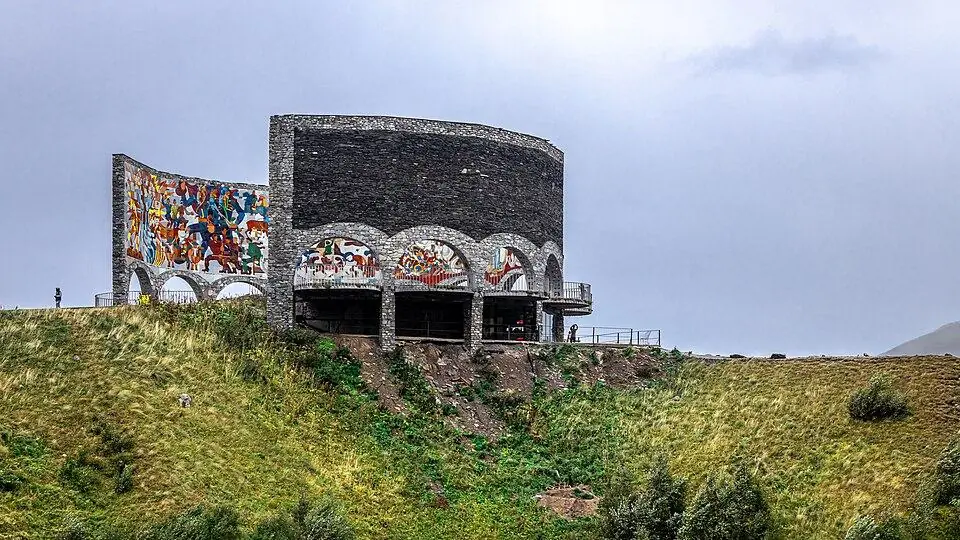
| Stepantsminda (Kazbegi) | ~155 km, about 3 hours | 1,740 m | Plain mountain khinkali in cafes and guesthouses below Mount Kazbek |
In Soviet times Pasanauri was a busy summer resort, prized for cool air, mineral water and mountain cooking, and its khinkali became famous far beyond the valley. Cooks here still cut the meat by hand instead of putting it through a grinder, and season it with little beyond onion, salt and pepper. If you are doing Kazbegi in a day, eat here on the way up and you reach Gergeti in the afternoon light; in winter, Pasanauri is also where drivers find out whether the Jvari Pass is open.
From Zhinvali, a side road climbs through Pshavi to Barisakho and on over the Datvisjvari Pass into Khevsureti, and a few places along the Pshavi stretch feed drivers bound for the mountains. Our Kazbegi travel guide and the Tbilisi to Kazbegi route page cover the drive itself in detail.
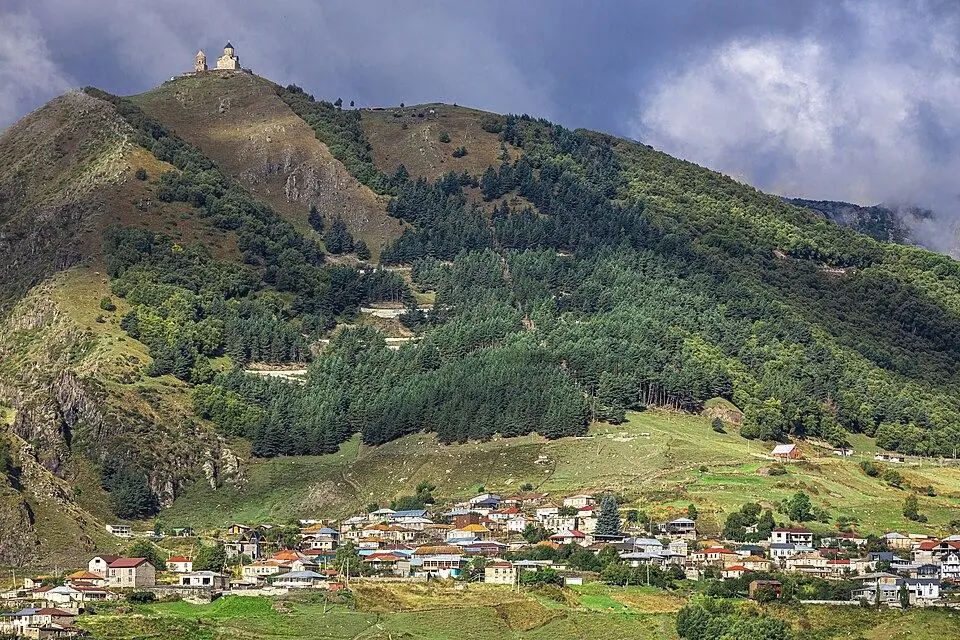
Our Kazbegi day trip builds the khinkali lunch into the day, in Pasanauri or Stepantsminda. The trip is private: you set the date and the size of the party, your guide speaks your language, and there is no lower age limit for children.
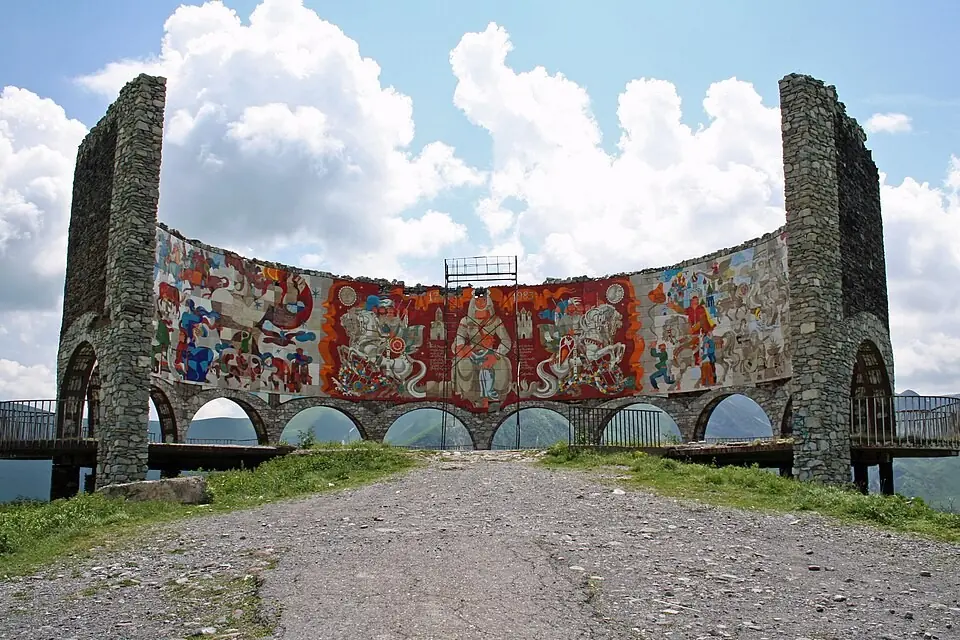
Eating khinkali in Tusheti, Khevsureti and Pshavi
To taste khinkali where they began, travel into the high valleys, where the best kitchens belong to family guesthouses rather than restaurants. Dinner usually comes with the room and the host sets the menu, so mention a day ahead that you would like khinkali: pleating enough by hand for a whole table takes a good hour or two.
Tusheti
Tusheti is sheep country, reached from Kakheti over the Abano Pass (~2,950 m) on a dirt road that usually opens in June and closes again in October. Guesthouses in Omalo, Dartlo and the other villages make khinkali with lamb or mutton, often in a thicker hand-rolled dough, and serve them beside kotori, a thin pie of sheep's cheese, and guda, a sharp cheese aged in a sheepskin.
Khevsureti and Pshavi
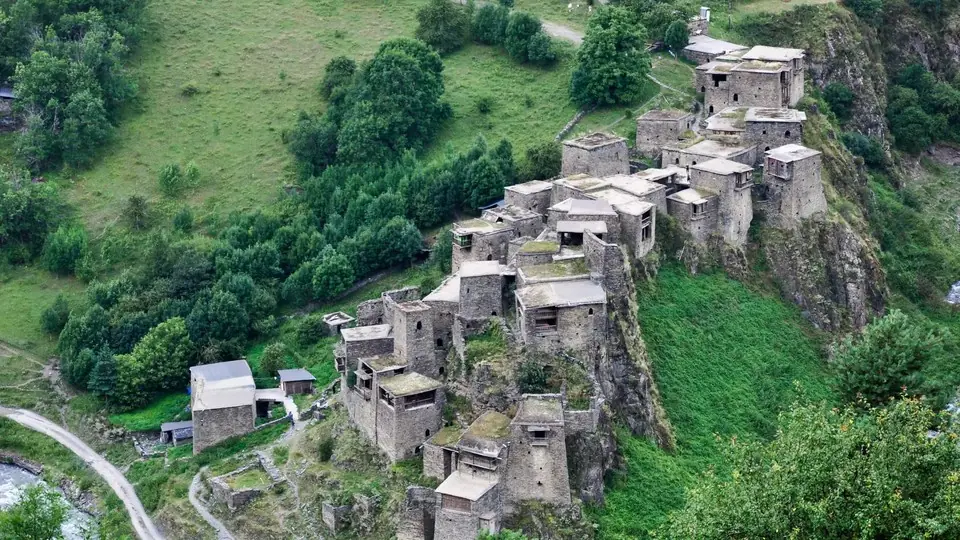
Khevsureti, home to the tower villages of Shatili and Mutso, lies ~150 km from Tbilisi. Getting there takes 4.5 to 5 hours in a 4x4 across the 2,676 m Datvisjvari Pass, which snow keeps shut from about November or December until late May or June. Khevsur kitchens leave out pork, so their khinkali are beef or lamb, and at village festivals they come with home-brewed beer. Pshavi, lower on the same road, is greener and gentler, and its guesthouses pair khinkali with dambalkhacho, the pungent mould-ripened cheese of these valleys.
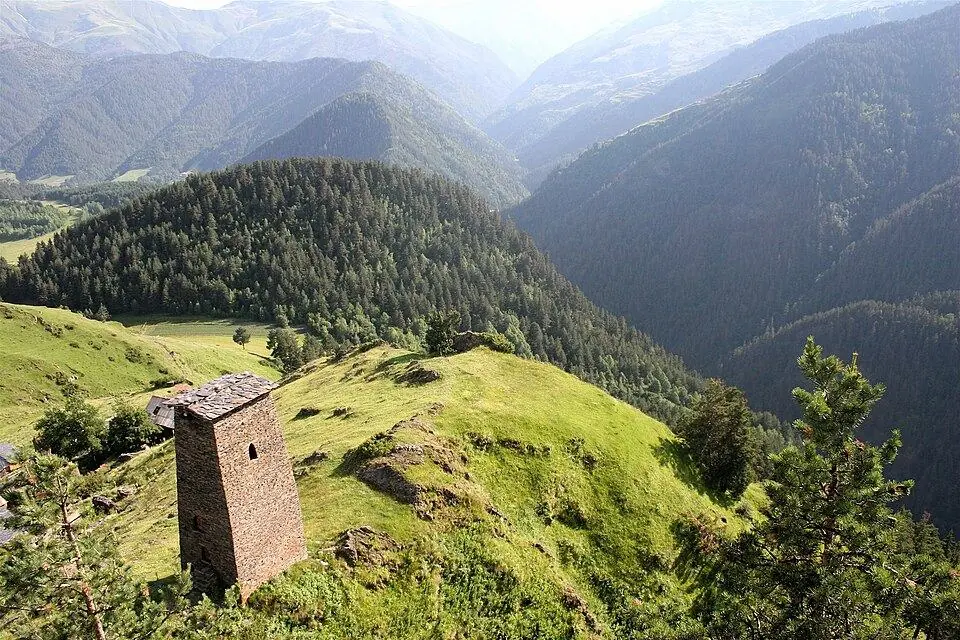
Our Tusheti 4x4 Adventure gives you three nights in Omalo with family dinners of khinkali, kotori and guda, and the Kazbegi & Khevsureti Trek walks over the Chaukhi Pass and spends its last two mountain nights in Shatili. Each tour page lists what is included.
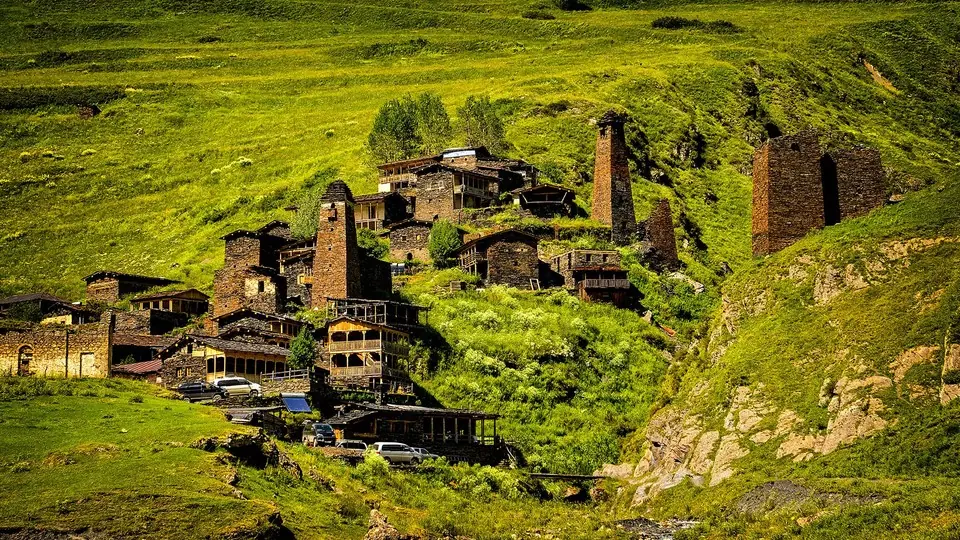
Learn to make khinkali: cooking classes and a home recipe
Pleating khinkali looks easy until you try it. Practised cooks fold 15 to 20 neat pleats, and 19 is the figure you will hear most often; a first attempt usually manages about half that, with a lopsided tail. A class is the quickest way to learn.
Tbilisi classes run in home kitchens and small studios for two and a half to three hours: you knead, fill and pleat a batch, then eat it with salads and wine. Independent classes cost about 120-250 GEL (about $45-95) per person in 2026, often with khachapuri on the same menu, and a few start at a market, where you shop for the herbs together.
On our Georgian Cooking Tour, the khinkali lesson comes on day two, in a home kitchen in the Vake district, after a morning at Dezerter Bazaar choosing the meat, onions and herbs. The week continues with churchkhela and a supra in Kakheti and cheese breads in Imereti and Samegrelo. It runs on the dates you pick, for a party of any size, with a guide fluent in your language, and children of every age are welcome at the stove.
Make khinkali at home
Our step-by-step khinkali recipe sets out the whole job on a timed plan, from the stiff dough and the juicy, water-loosened filling to pleating and boiling, with amounts in grams or US cups plus city-style, mushroom and cheese versions.
Khinkali FAQ
What are khinkali made of?
A plain dough of flour, water and salt wrapped around a filling. The classic filling is raw beef and pork, or lamb in the mountains, mixed with onion, pepper, salt and water; the city style adds coriander and other herbs. Meat-free khinkali use mushrooms, potato or cheese.
How do you eat khinkali without spilling the broth?
Turn it over so the knot hangs underneath, hold it there and nibble a small opening in the dough so you can drink the broth first. After that, finish the meat and wrapper and put the knot aside. Fingers work better than cutlery, since a prong punctures the wrapper and the liquid runs away.
Do you eat the top of the khinkali?
Usually not. The knot, called the kudi, is a thick twist of dough that stays chewy, so Georgians leave it on the plate, where the pile also shows how many each person ate. Eating it is not rude, just unusual.
How many khinkali should one person order?
For a whole meal, five to eight meat khinkali satisfy most adults, while two to five are plenty next to other dishes. Order in rounds so each plate arrives hot. Many places set a minimum of five per order.
Are there vegetarian khinkali?
Yes. Mushroom, potato and cheese khinkali are on most menus, and mushroom and potato ones are often vegan because people eat them during Orthodox fasts. Ask whether butter went into the potato filling.
What is the difference between kalakuri and mtiuluri khinkali?
Kalakuri, the city style, is minced beef and pork seasoned with fresh coriander, parsley and pepper. Mtiuluri, the mountain style of the Pasanauri area, uses coarsely chopped meat with just onion, salt and pepper, for a plainer, meatier flavour.
Where are the best khinkali in Georgia?
Georgians most often name Pasanauri and Dusheti on the Georgian Military Road, plus guesthouses in Tusheti and Khevsureti for lamb and beef versions. In Tbilisi, neighbourhood khinkali houses in districts such as Vake and Saburtalo usually beat the Old Town.
Are khinkali the same as Chinese soup dumplings?
They work the same way, with raw meat that makes broth inside the dough, but khinkali are much bigger, boiled rather than steamed, and eaten by hand with black pepper. Both belong to the wide Eurasian dumpling family that also includes manti and pelmeni.