- A supra is a traditional Georgian feast run by a toastmaster called the tamada; a festive one is a keipi, and the memorial meal after a funeral is a kelekhi.
- Wine is drunk only on a toast, and toasts follow a loose traditional order that usually opens with peace or God and the reason for the gathering.
- Gaumarjos, victory to you, is the Georgian cheers; alaverdi is when the tamada hands a toast to another guest to develop.
- A sip honours most toasts, a polite early explanation is enough if you do not drink, and toasts are made with wine, never beer.
- Travellers can join a supra through family guesthouses, wine cellars, the autumn harvest or a tour that includes one.
A supra is a traditional Georgian feast: a long table crowded with food and wine, steered through the evening by a toastmaster called the tamada, who proposes one toast after another. You drink when a toast is made rather than whenever you like, and the speeches matter as much as the meal. Supras mark weddings, christenings, harvests and funerals, yet a family will also lay one simply because friends have arrived. For a visitor, a seat at one is the most direct way into Georgian life, and much less daunting once you know how the night unfolds.
This guide explains the two kinds of supra, how a tamada is picked and what the job involves, the usual sequence of toasts, alaverdi and the drinking horn, the songs and the dishes you will meet. It also covers the practical side: pacing yourself, saying no without offending anyone, why nobody raises a beer, and how to find a supra of your own. Maspindzeli means host in Georgian, and we have sat at a great many of these tables, on both sides of the hospitality.
What is a Georgian supra?
The word supra means tablecloth. Georgian borrowed it from the Persian sofre, the cloth spread out for a meal, and it came to stand for the whole feast laid on top. A supra can be ten relatives in a kitchen or three hundred people in a wedding hall, or a cloth spread on the grass. What makes it a supra is its structure. There is always a tamada, the toasts come in a recognised sequence, and the evening moves to a rhythm of speeches, songs and new dishes that can last four, six or more hours.
Georgians distinguish two kinds. Keipi is the joyful supra for weddings, birthdays, name days, christenings, holidays and the end of the grape harvest. Kelekhi is the memorial meal that follows a burial and is repeated on later days of remembrance. Each has its own word for a toast. At a keipi you raise a sadghegrdzelo, literally a wish for long life, while at a kelekhi the toasts are called shesandobari and are offered for the soul of the person who has died. In 2017 Georgia added supra traditions to its national list of intangible cultural heritage.
| Keipi (festive supra) | Kelekhi (memorial supra) | |
|---|---|---|
| Occasion | Weddings, birthdays, christenings, holidays, the harvest, visiting friends | After a funeral, and on later days set aside for remembrance |
| Word for a toast | Sadghegrdzelo, a wish for long life | Shesandobari, for the soul of the departed |
| Mood | Loud, long and full of singing | Quiet, restrained and usually shorter |
| Glasses | Clinked with the people around you | Usually not clinked |
| What a guest does | Joins in, answers toasts and may be asked to speak | Listens, drinks modestly and offers condolences to the family |
What does a tamada do, and how is one chosen?
The tamada is the person who runs the table. Early in the evening the host either names one or the guests settle on one together, often an older relative, a respected family friend or someone known for fine speeches. For a big wedding a family may invite a tamada famous across the district. By tradition the role goes to a man, and in villages it usually still does, but in Tbilisi you will now meet women who lead the toasts with real skill.
A good tamada needs a quick mind, a long memory and a strong head. He chooses the theme of every toast and speaks first, blending poetry, family history, jokes and philosophy, and controls the tempo so the table neither races nor stalls. He hands the floor to other guests, notices who has not yet spoken, draws the shy newcomer in and gently stops anyone who rambles or starts an argument. He also drinks every toast he proposes and must still make sense at midnight. A younger relative usually keeps the jugs moving.
The figure is ancient. A small bronze of a seated man lifting a drinking horn, found at Vani in western Georgia and dated to around the 7th century BC, is popularly called the Tamada, and an enlarged copy of it stands in Old Tbilisi.
The traditional order of toasts at a Georgian supra
No two supras run the same way. The sequence shifts with the region, the family and the occasion, and a skilled tamada rearranges it as he goes. Still, most festive tables share a familiar skeleton.
- Peace, or God
Many tamadas open with peace, or with God for bringing everyone to this table. - The reason for the gathering
Then the occasion itself: the newlyweds, the baby, the new vintage or the friends who have travelled to be here. - The hosts and their house
The family who laid the table is thanked, together with the home and everyone who cooked. - Georgia
The homeland gets its own toast, often long and emotional. - Parents and elders
Living parents and the older generation are honoured for what they passed on. - Those who have died
Departed relatives and friends are remembered, often in a lowered voice, and at many tables nobody clinks glasses for this toast. - Children and the future
After the dead come the young: children, grandchildren and generations not yet born. - The Mother of God and Saint George
Georgia is traditionally the land in the Virgin's care, and Saint George is its best-loved saint. - Women, love and friendship
Mothers, wives and sisters, love itself, and friendship between the people at the table and between nations. - The guests
Foreign visitors are usually toasted with real warmth, and the floor may pass to them to reply. - The tamada and the road home
Near the end a guest raises a glass to the tamada, and the evening often closes with a toast to a safe journey home.
Each toast has its own small ritual. The tamada lifts his glass and speaks while everyone listens, glasses raised but untouched. When he finishes he drinks, and the theme then travels along the table. Anyone who wishes adds a few words on the same subject before drinking; others simply raise the glass, murmur agreement and drink. Only once the theme has gone round does the tamada move on. Between toasts you eat, talk and top up your neighbours, but you do not sip wine on your own initiative.
Alaverdi, gaumarjos and the drinking horn
Gaumarjos: the Georgian word for cheers
Gaumarjos is the word you will hear most often. It means roughly victory to you, and people say it as the glasses rise. The usual answer is gagvimarjos, victory to all of us. When the tamada wants a glass drained completely he may call out bolomde, to the bottom, though visitors are rarely held to that except on the most important toasts.
Alaverdi: handing the toast on
Alaverdi is the moment the tamada passes a toast to someone else. He names a guest and says alaverdi, and that person must pick up the theme and develop it in their own words before drinking. Receiving it is an honour, and visitors are often given it for the toast to friendship or to guests. Its origin is debated: some trace it to a Turkic or Persian phrase meaning God has given, others to Alaverdi, the great medieval cathedral in Kakheti.
The kantsi, or drinking horn
The kantsi is a hollowed horn from a ram, goat or bull, sometimes mounted in silver. It comes out for the weightiest toasts or is offered to the guest of honour. Because a horn cannot stand on the table without spilling, whatever goes into it is meant to be finished in one go. Old families may also bring out an azarpesha, a shallow silver drinking bowl with a long handle, for special moments.
Polyphonic singing at the table
At a good supra, sooner or later, somebody starts to sing. Georgian folk song is written for several voices, usually three: a leading upper line, a second voice winding around it and a bass the whole table can join. UNESCO first proclaimed Georgian polyphonic singing a masterpiece of oral and intangible heritage in 2001, and it was inscribed on the Representative List of the Intangible Cultural Heritage of Humanity in 2008.
Two songs come up again and again. Mravalzhamieri, meaning many years, is a blessing for long life and often follows a toast. Chakrulo, a long and ornate Kakhetian table song, was chosen in 1977 for the Golden Record that travelled into space aboard the Voyager probes. Each region sounds different. Kakhetian songs unfold slowly over a sustained drone. Gurian songs are quick and intricate, with a yodelling top part called krimanchuli. Svan songs sound older and starker and often go with a round dance.
For the sacred side of the tradition, go to a Sunday liturgy at Anchiskhati in Tbilisi, whose choir is well known.
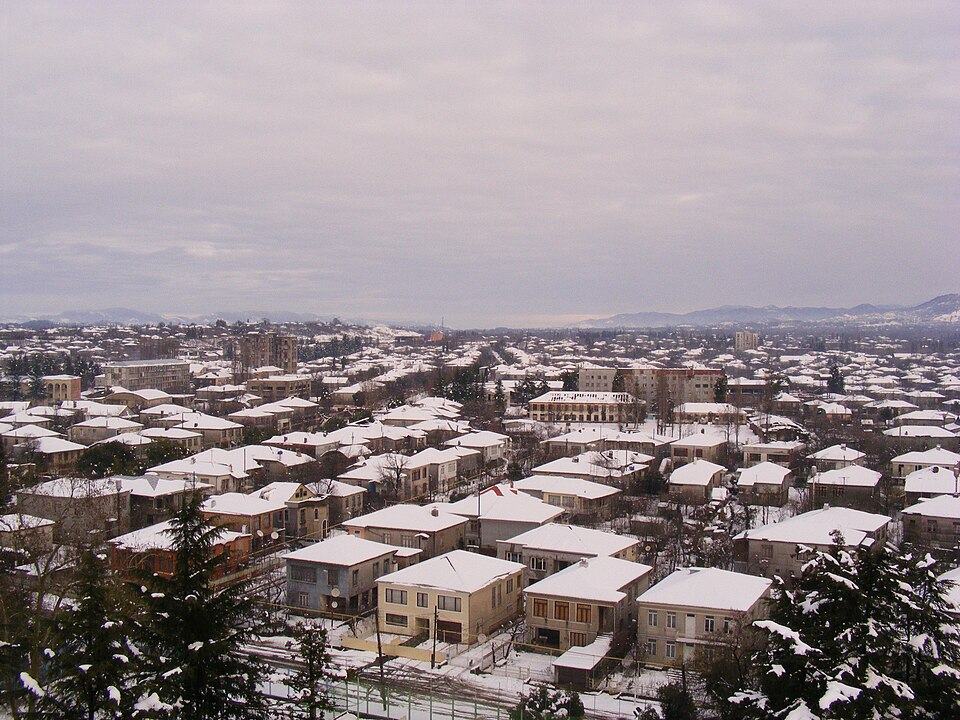
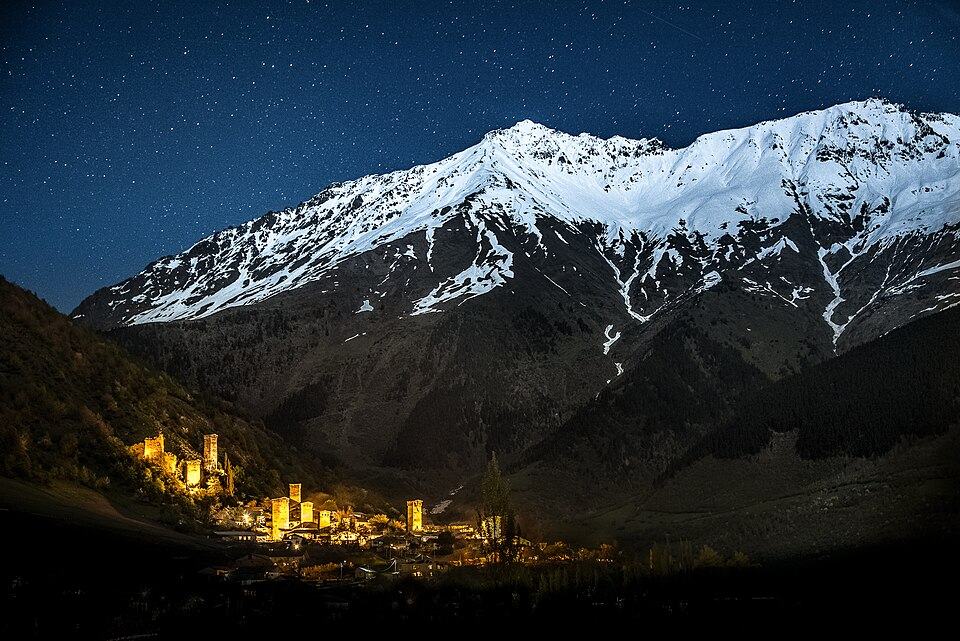
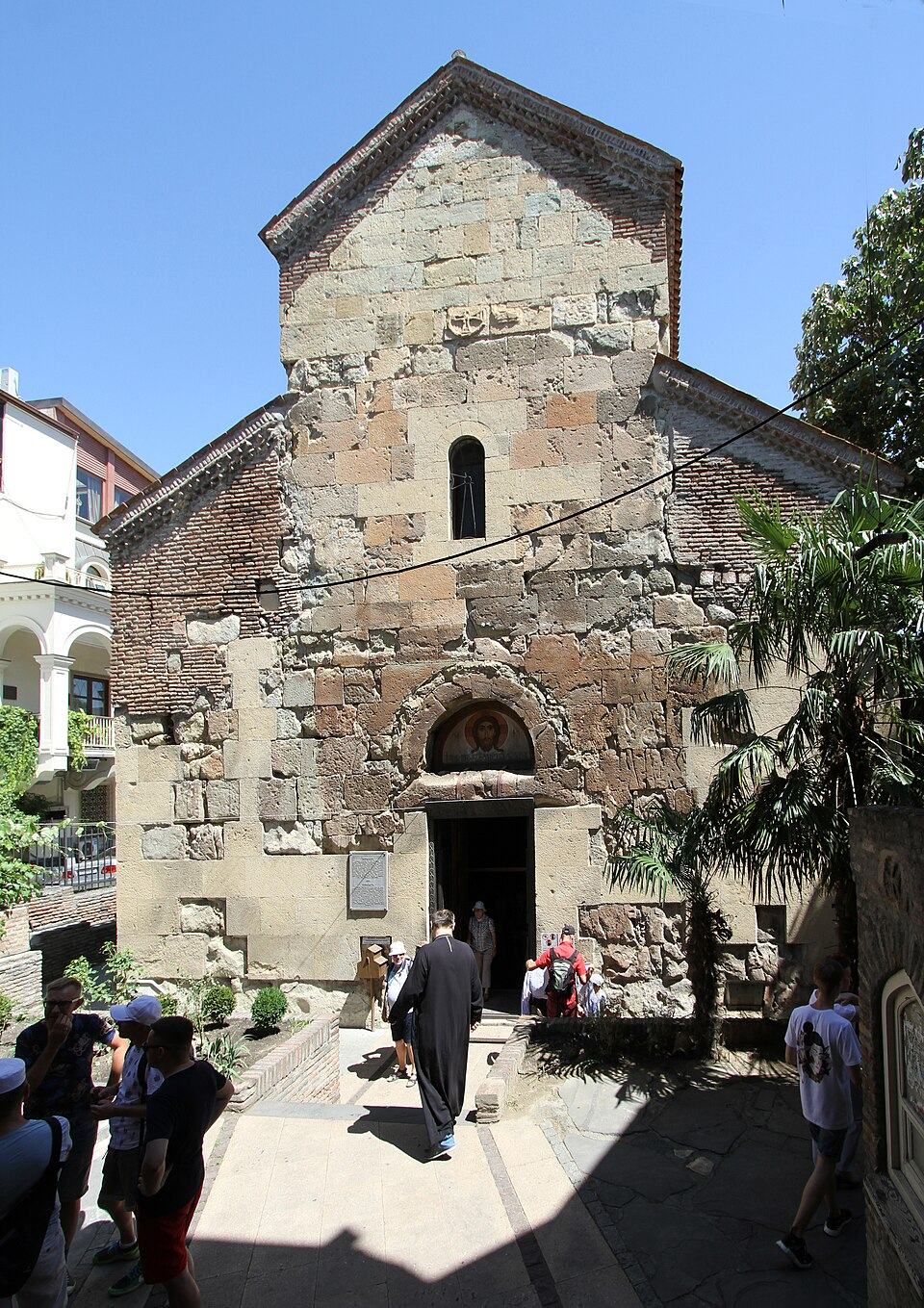
A guest is sent by God: how Georgian hospitality works
Georgians have a short saying, stumari ghvtisaa, usually translated as the guest comes from God. It explains much of what happens to visitors. A stranger who stops to ask directions may be offered coffee, then fruit from the garden, then a glass of the family's wine. In a guesthouse dinner is often bigger than the price suggests, and the host may refuse to charge for the extra jug. A favourite story says that when God shared out the earth among the nations, the Georgians arrived late because they had been feasting and drinking toasts to him. Pleased, God gave them the corner of the world he had been saving for himself.
In practice hospitality is an unwritten contract. The host makes sure you lack nothing: food, drink, a bed, safety and company. Your side is to accept with grace, eat with appetite and say something kind in return. A guest who refuses everything leaves the host feeling he has failed; one who eats well and toasts the family has done exactly what was hoped.
It is not all effortless warmth. A traditional supra can mean long hours in the kitchen for the women of the house and steady pressure to drink, and many younger Georgians now prefer smaller, looser feasts. We called our company Maspindzeli, host, because this side of Georgian life is the one we most want our guests to meet, at a table where they feel welcome rather than tested.
Supra etiquette for guests: pacing, refusing and when to drink
- Drink only on a toast. Sipping wine between toasts is a small breach of manners, but water, juice and lemonade are fine at any moment.
- Nobody expects an empty glass every time. Unless the tamada calls for one on a key toast, a sip honours it, and a half-full glass keeps the evening manageable.
- Pace yourself. Eat steadily, start slowly and remember there may be fifteen or twenty toasts. Homemade wine is often stronger than it tastes, and chacha, the grape spirit, is far stronger again.
- Refuse with a reason. If you do not drink, say so early and simply, whether for health, religion or because you are driving. Hosts nearly always accept this, especially if you lift a glass of juice or water for each toast.
- Toast with wine, never beer. An old superstition says beer is for toasting enemies, so it is drunk with food but not raised for a toast, and certainly not for the dead.
- Wait to be invited. Do not launch a toast of your own without the tamada's blessing; ask him, and he will usually find you a moment.
- Leave a little on your plate. A clean plate tells your host you are still hungry, and it will be filled again.
- Pour for others. Offer to fill your neighbour's glass before your own, and stand for a toast if the people around you stand.
What food is served at a supra?
A festive table is laid before anyone sits down, and it should look so full that you can barely see the cloth. As new dishes arrive, plates are stacked on top of one another. Do not mistake the first wave for the whole meal, because hot food keeps coming for hours.
On the table when you arrive
- Pkhali: chopped spinach, beetroot or leek blended with walnuts, garlic and herbs, often studded with pomegranate seeds
- Badrijani nigvzit: slices of fried aubergine rolled around walnut paste
- Tomato and cucumber salad, sometimes with walnuts or Kakhetian sunflower oil
- Sulguni and imeruli cheese, fresh herbs and pickled jonjoli
- Bread: shoti from the clay tone oven in the east, or mchadi cornbread in the west
- Khachapuri, cut into wedges
Hot dishes later in the evening
- Mtsvadi, pork or veal grilled on skewers over vine cuttings, with tkemali plum sauce
- Khinkali, especially at mountain feasts, eaten with your hands
- Chakapuli, lamb stewed with tarragon and sour plums, in spring
- Shkmeruli, chicken in a garlic and milk sauce, or satsivi, poultry in a cold walnut sauce, at New Year
- Lobio, beans slow-cooked in a clay pot
Wine arrives in jugs, usually from the family's own qvevri in Kakheti or from a neighbour's cellar elsewhere. The meal ends with fruit, churchkhela, walnuts threaded on string and coated in thickened grape must, and perhaps a cake. In Samegrelo expect spicier food and elarji, cornmeal stirred with cheese; in Racha, ham and bean bread.
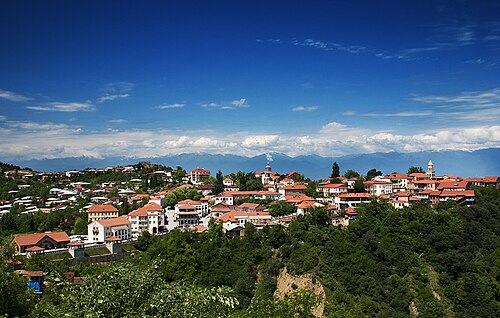
How travellers can join a Georgian supra
You do not have to be invited to a wedding to sit at a real supra, although plenty of travellers are, sometimes by people they met that same afternoon. These are the more dependable ways in.
- Ask your guesthouse
Family guesthouses, especially in Kakheti, Imereti and the mountains, will often cook a feast with their own wine if you ask a day or two ahead. Say you would like a proper supra with toasts, and the host or a neighbour will usually take the role of tamada. - Visit a family cellar
Wine families with a marani, a cellar of buried qvevri, often follow a tasting with a long lunch, and in Kakheti that can turn into a full supra by mid-afternoon. - Come for the harvest
Rtveli, the grape harvest, runs from roughly mid-September to mid-October in Kakheti. Picking ends with a feast for the whole crew, and visitors who have helped sit down with everyone else. - Time your trip with a festival
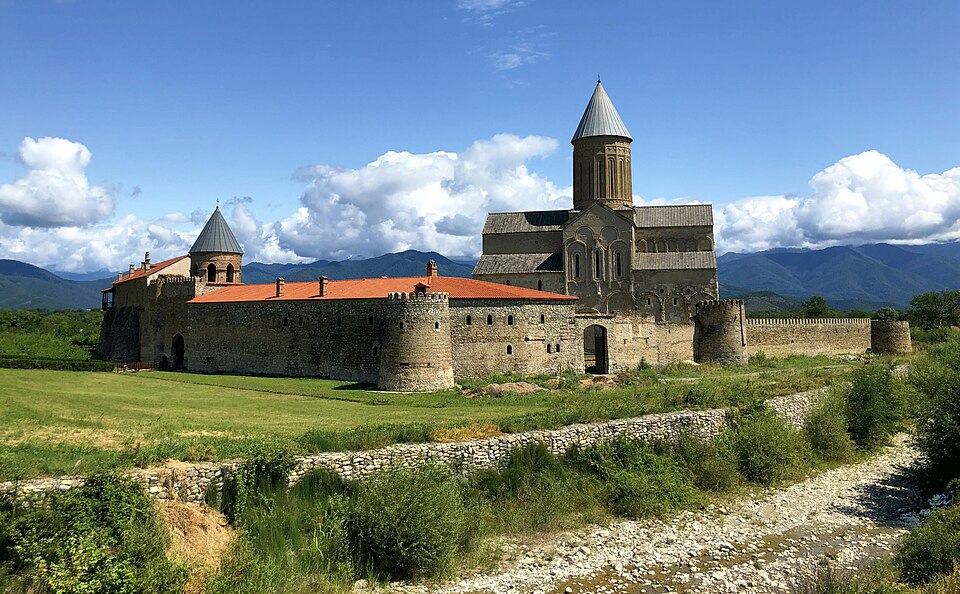
Village feast days, Tbilisoba in October and Alaverdoba, the autumn festival at Alaverdi Monastery, all bring out long tables. - Book it into a tour
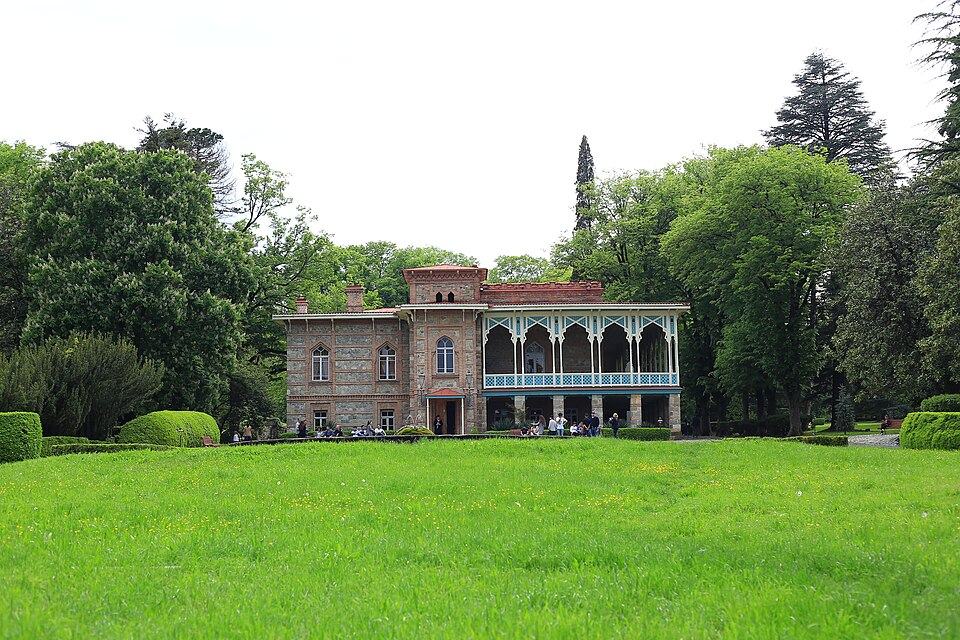
Our food and harvest tours below include a full supra with a tamada and singers, arranged with families we know well.
Frequently asked questions about the Georgian supra
What does gaumarjos mean?
It means victory to you and works like cheers when glasses are raised. The reply is gagvimarjos, victory to us. You will hear it after every toast at a supra and in any Georgian bar.
What is a tamada at a Georgian supra?
The tamada is the toastmaster who leads the feast. He proposes every toast and its theme, decides who speaks, keeps the tempo and drinks each toast himself. The host appoints him, or the guests agree on him, at the start of the meal.
Do I have to drink at a Georgian supra?
No. Explain early that you do not drink and raise water or juice for the toasts; most hosts accept this without fuss. If you do drink, a sip per toast is enough, apart from the rare toast where the tamada asks for an empty glass.
What does alaverdi mean in a Georgian toast?
It is how the tamada passes a toast to another guest, who then carries on the same theme in their own words before drinking. Being given the alaverdi is a mark of respect, and visitors often receive it.
Why don't Georgians toast with beer?
Toasts belong to wine, and a long-standing superstition says beer is raised only to enemies. Beer is fine with food, but when a toast is proposed, lift wine, water or juice instead.
Can tourists join a supra in Georgia?
Yes. Guesthouses and wine families will host one if you ask ahead, harvest stays in September and October end with one, and tours such as Wine and Supra build a full feast with a tamada and singers into the trip.
What is the difference between keipi and kelekhi?
Keipi is the festive supra for celebrations, full of songs and toasts for long life. Kelekhi is the quieter memorial meal after a funeral, where the toasts honour the soul of the dead and glasses are usually not clinked.