Old Tbilisi (Kala)
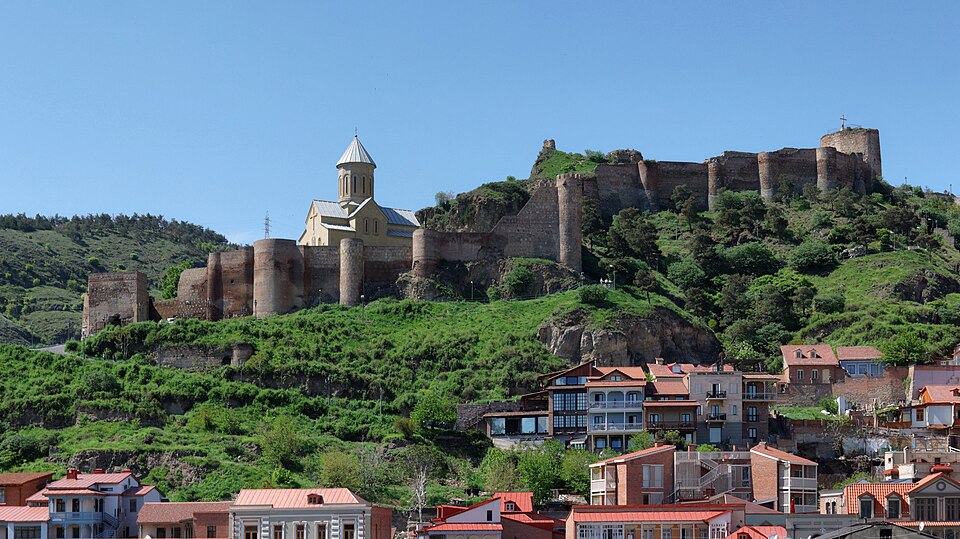
The historic core below Narikala: cobbled lanes, carved wooden balconies, churches, a mosque, a synagogue and the sulphur baths.
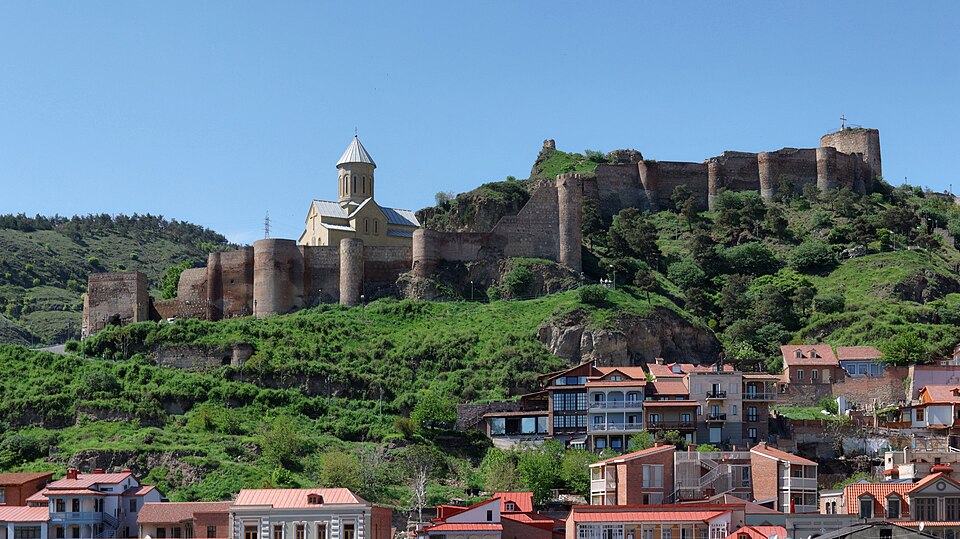 Old Tbilisi (Kala)Photo: Alexxx1979, CC BY-SA 4.0
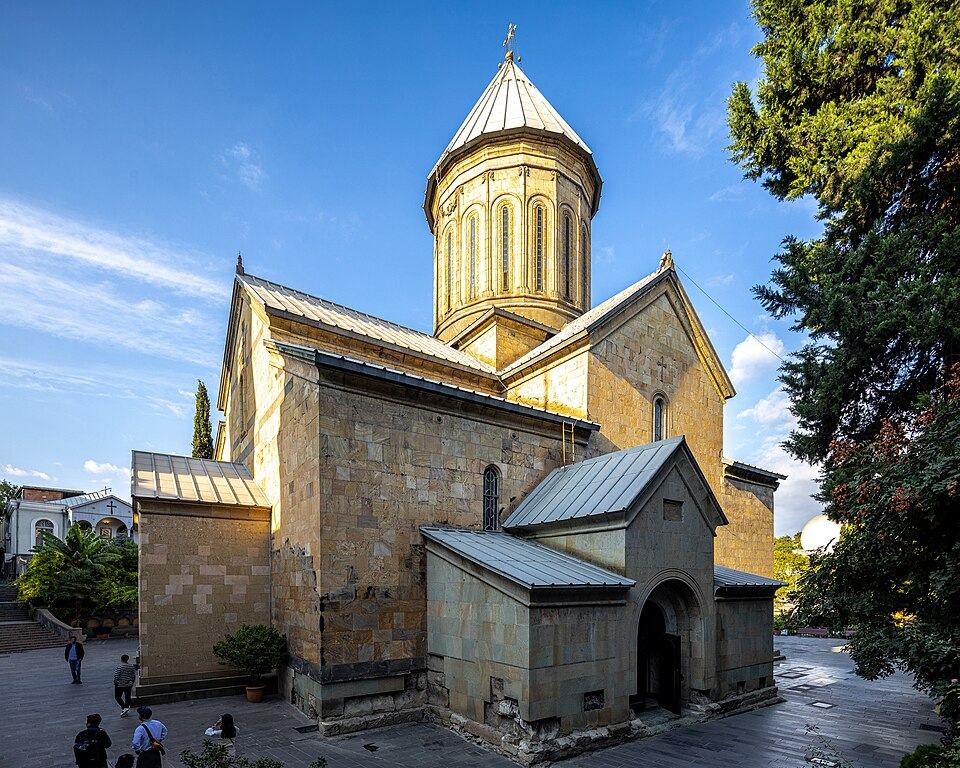
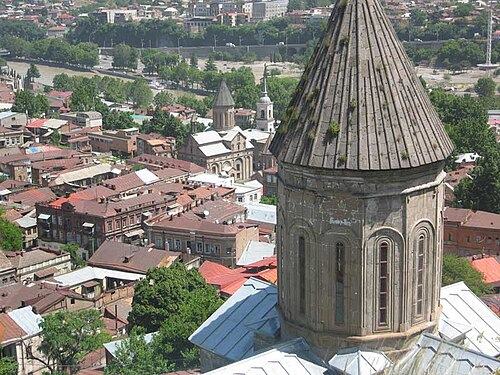
Old Tbilisi, often called Kala after the walled town that once stood here, is the historic heart of the city. It covers the streets between Freedom Square, the Mtkvari river and the ridge of Narikala, and it is where most visitors spend their first day. Within a few hundred metres you pass Sioni Cathedral, Anchiskhati Basilica, the Great Synagogue, the Jumah Mosque and the brick domes of the sulphur baths. Many houses keep their 19th-century carved wooden balconies and shared courtyards; some have been carefully restored, while others lean at alarming angles.
The best way to see it is on foot, without a fixed plan. From Freedom Square, walk down Kote Afkhazi Street past the Great Synagogue, cut across to Sioni Cathedral, then follow Erekle II and Shardeni streets for cafes before reaching the Bridge of Peace and Abanotubani. Take the cable car or climb to Narikala for the view, and drop into Sololaki, just west, for its grand 19th-century entrance halls and quieter streets. Stop by the Gabriadze clock tower near Anchiskhati, where a small angel strikes the bell on the hour.
History
Old Tbilisi grew on the right bank of the Mtkvari below Narikala, around the hot springs that gave the city its name. It was walled for much of its history and was burned many times, most destructively by Agha Mohammad Khan's army in 1795, so most of what stands today dates from the 19th century, when the city was rebuilt under Russian rule. Its mix of Georgian, Armenian, Persian, Jewish and European influences reflects Tbilisi's long role as a trading town on the caravan routes of the Caucasus.
What to see and do
- Carved wooden balconies around Gudiashvili Square and the Betlemi stairs
- Sioni Cathedral and the 6th-century Anchiskhati Basilica
- The Gabriadze clock tower, where an angel strikes the bell on the hour
- Cafes and wine bars on Shardeni and Erekle II streets
- The Great Synagogue and the Jumah Mosque, a short walk apart
How to visit
Getting there
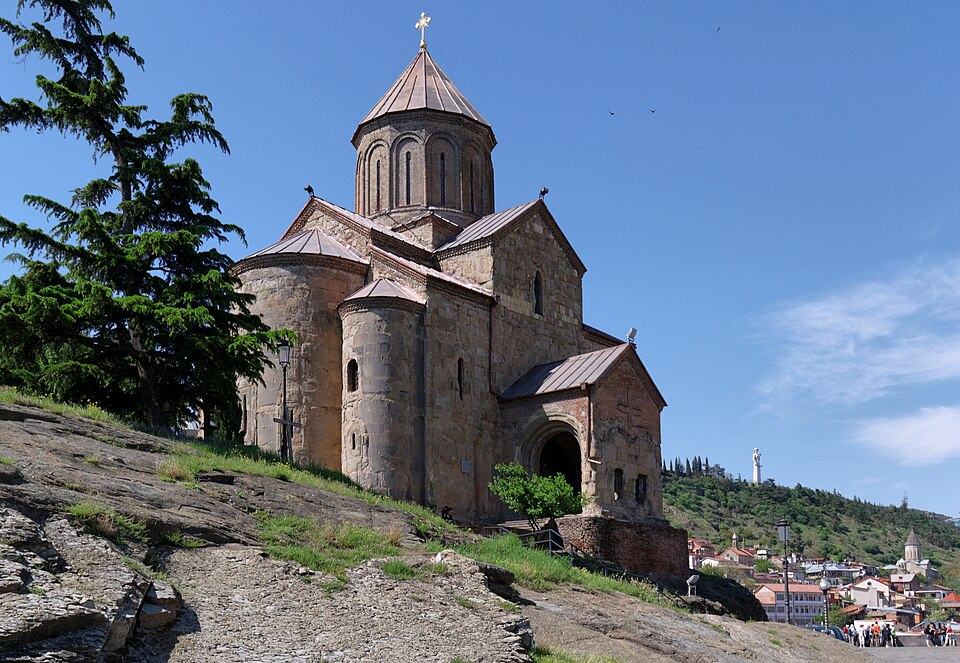
Old Tbilisi starts at Freedom Square, which has its own metro station (Liberty Square). From Avlabari, walk across the Metekhi Bridge or the Bridge of Peace in 10–15 minutes.
When to go
Early morning for quiet streets, evening for light and wine bars. Plan half a day to a full day here.
- Wear flat shoes with grip for the cobbles and steep lanes.
- Many courtyards are private homes; look in politely and do not walk into flats.
- Combine with Narikala and the baths in one walk.
- Restaurants on the busiest corners charge more; walk a street or two away for better value.
Old Tbilisi (Kala): FAQ
What is the old town of Tbilisi called?
It is often called Kala, the historic name of the walled city, or simply Old Tbilisi. It covers the area between Freedom Square, Narikala Fortress and the Mtkvari river, including the bath district of Abanotubani.
Is Old Tbilisi walkable?
Yes. The main sights are within about 2 km of each other, but the streets are steep and cobbled, so wear good shoes. The cable car to Narikala saves the steepest climb.
Tours that include Old Tbilisi (Kala)
Read more in our guides
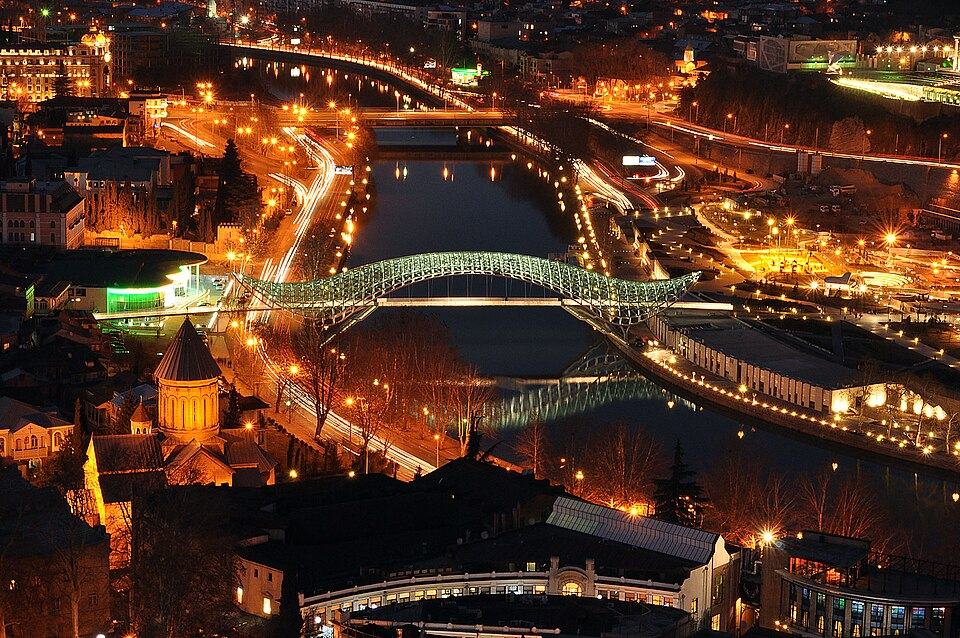
Photo: Alexxx1979, CC BY-SA 4.0A day-by-day loop from Tbilisi through Uplistsikhe, Kazbegi and Kakheti, showing how long each drive takes, where to eat and sleep, and realistic 2026 costs.
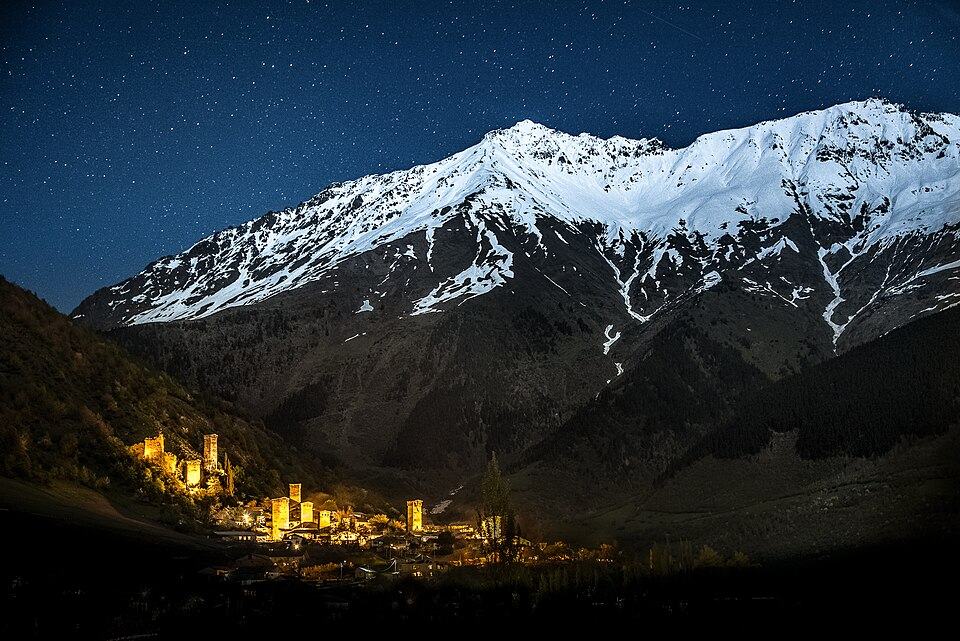 Photo: Q-lieb-in, CC BY-SA 4.0
Colour starts near the treeline in late September and reaches Tbilisi in November. Here is when each region peaks, the walks to do there and which mountain roads shut first.
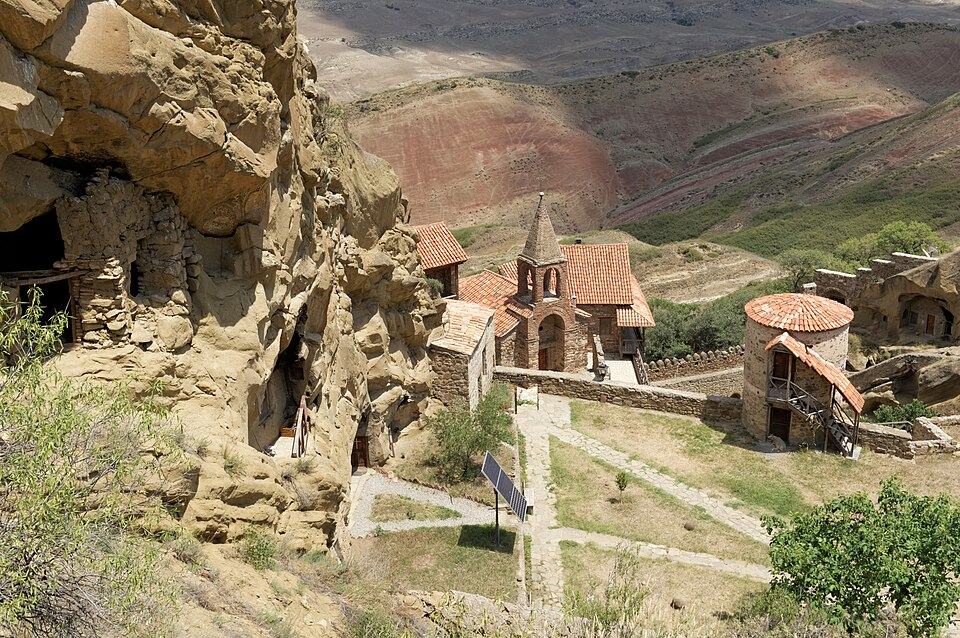 Photo: Vyacheslav Argenberg, CC BY 4.0
When to go for hiking, wine, beaches or skiing, with monthly weather for Tbilisi, the coast and the Caucasus and the festivals worth timing a trip for.
Nearby places
Straight-line distance from Old Tbilisi (Kala).