- Georgia is safe for most visitors: violent crime against tourists is rare, the police are generally professional, and the usual nuisances are pickpockets and overcharging taxis.
- The most serious dangers are on the roads and in the mountains, where aggressive overtaking, fast-changing weather and winter avalanches cause most bad incidents involving travellers.
- Political demonstrations have been held in central Tbilisi since late November 2024; they rarely interfere with sightseeing, but keep well clear of them.
- Never approach the administrative boundary lines of occupied Abkhazia and the Tskhinvali region (South Ossetia).
- Since 1 January 2026 every foreign tourist needs health and accident insurance for the whole stay, and 112 reaches police, ambulance, fire and mountain rescue.
Yes, Georgia is safe to visit in 2026 for the great majority of travellers. Serious crime against tourists is uncommon, and the problems people actually run into are more ordinary: an inflated taxi fare, a phone lifted from a cafe table, a hair-raising overtake on a mountain road. Georgians are famously protective of guests, and a stranger will happily walk you to the bus stop you were looking for, even with no shared language.
That reputation is deserved, but it is not the whole story. This guide covers what does deserve your attention: scams in Tbilisi bars, driving, mountain weather and border registration, the street protests that began in late 2024, the occupied territories, and the experience of solo, female and LGBTQ+ travellers, plus health, water and the new insurance rule. We drive these roads and walk these trails with guests every season, and we stick to practical facts rather than opinions.
How safe is Georgia? Crime and petty theft
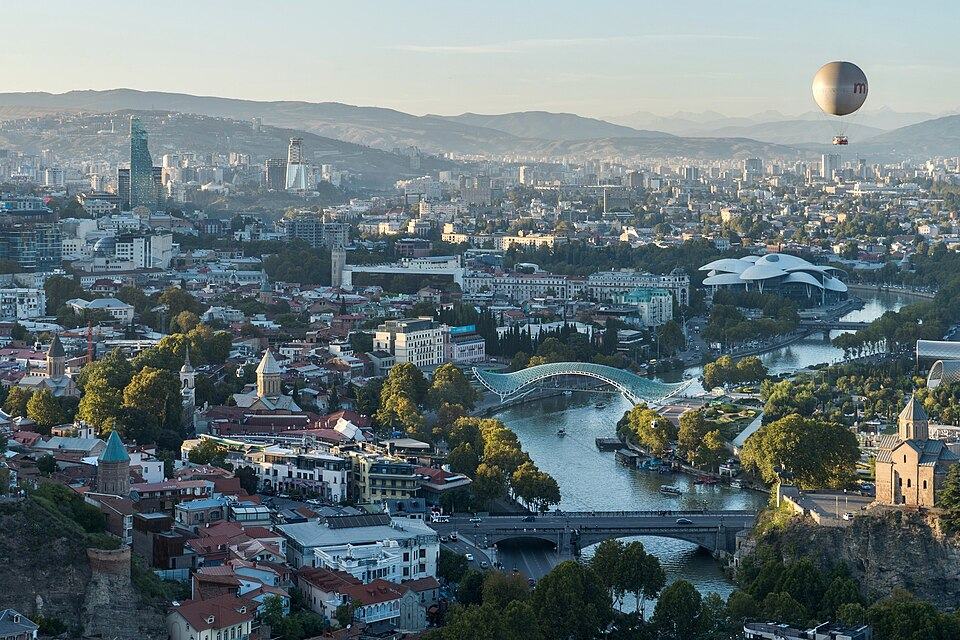
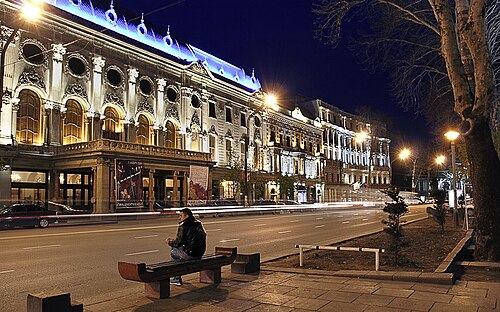
By international standards Georgia has low levels of crime, and violent attacks on visitors are rare. Tbilisi feels relaxed after dark: families stroll the Old Town late in the evening, and walking back to your hotel at midnight through the central districts is normal. Police reforms in the mid-2000s replaced a notoriously corrupt force with a patrol police that is generally courteous and professional, and nobody will expect a bribe from you.
Petty theft is the crime you are most likely to meet, and even that is less common than in many European capitals. Watch your belongings on the Tbilisi metro at rush hour, in weekend crowds at the Dry Bridge flea market, on Batumi's beaches in summer, on overnight trains and at the Didube and Ortachala bus stations. On cafe terraces, a phone on the edge of the table is an easy grab.
Thefts from rental flats and parked cars also occur, so use the safe and never leave bags in a car at a trailhead. If something is stolen, call 112 and ask for a police report for your insurer.
Scams to know in Georgia, and how to use Bolt and taxis safely
Georgia has fewer tourist scams than most destinations, but a few come up again and again.
Taxis without an app, and using Bolt
Street taxis rarely have working meters, and drivers who approach new arrivals at Tbilisi airport or at bus stations often quote several times the going rate. Bolt is the easiest and safest alternative in Tbilisi, Batumi and Kutaisi, and Yandex Go also operates in the bigger cities. You see the fare before booking, the app shows the car and plate number, and you can share the trip live with a friend.
- Check the plate before you get in, and sit in the back.
- Rear seat belts are often buried under the cushion. Dig them out, because many drivers are fast.
- Drivers often phone to ask where you are. If you speak neither Georgian nor Russian, reply in the in-app chat and drop a pin.
- Outside the cities, app coverage disappears; ask your guesthouse to call a driver they trust.
The bar and nightclub scam
This one targets men, mostly in Tbilisi. A friendly woman, or sometimes a small group, strikes up a conversation on the street or through a dating app and suggests a particular bar. Drinks arrive without a menu, the bill comes to many times what a night out should cost, and staff stand by the door until you pay by card. Ask for a menu with prices before ordering, and if the bill is absurd, do not argue at the door: call 112 for the patrol police, keep the receipt and contact your card issuer at once.
Money tricks
If a card terminal or cash machine wants to bill you in dollars, euros or pounds instead of lari, decline: the conversion it applies is always worse.
Is it safe to drive in Georgia? Road safety and driving style
Traffic is the biggest everyday risk in Georgia. Road deaths per head of population are well above the EU average, and the cause is mostly behaviour rather than the roads: the main highways are in good condition, but driving is fast and assertive.
- Drivers, lorries and minibuses included, routinely pass on blind corners and over double white lines, not least on the Georgian Military Road.
- A flash of headlights from an oncoming car usually means 'I am coming through', not 'after you'.
- Cows, pigs and sheep stand or lie on the tarmac, particularly at dusk.
- Mountain roads bring potholes, falling rocks, unfenced drops and sudden fog, and landslides close roads after heavy rain.
- Pedestrian crossings are widely ignored. In Tbilisi, use the underpasses and never assume a car will stop at a zebra.
If you rent a car, drive defensively and stay off mountain roads after dark. Speed cameras are everywhere and fines follow the number plate, so the rental company will pass them on. The alcohol limit is stricter than in much of Europe; after a wine tasting, someone else drives. In winter you need proper tyres, plus chains for the Jvari Pass. Marshrutkas, the shared minibuses between towns, carry little risk of crime but some of bad driving, so sit away from the front and travel by day on mountain routes.
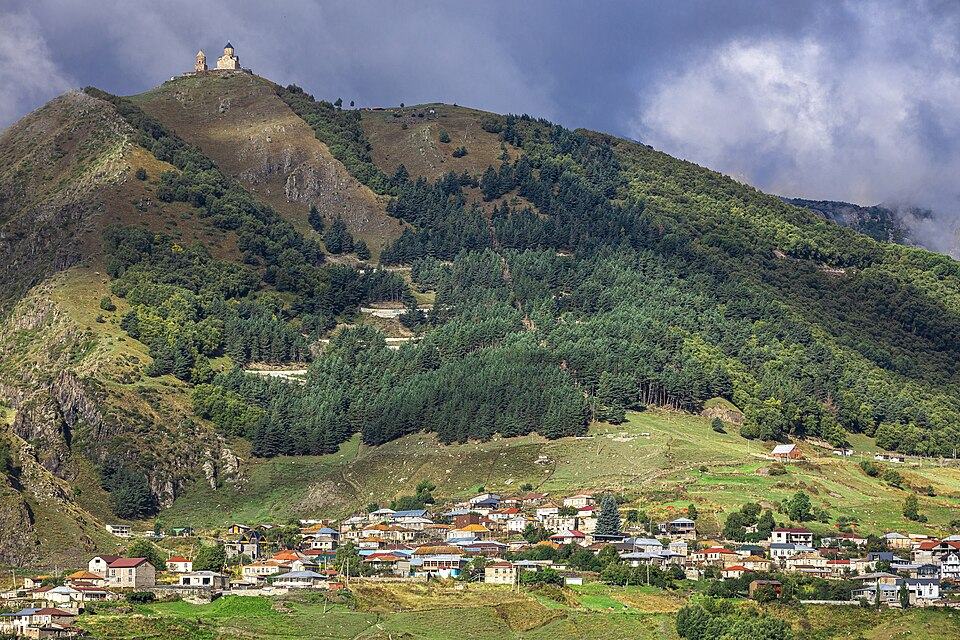
Mountain safety: weather, avalanches, the Jvari Pass and border registration
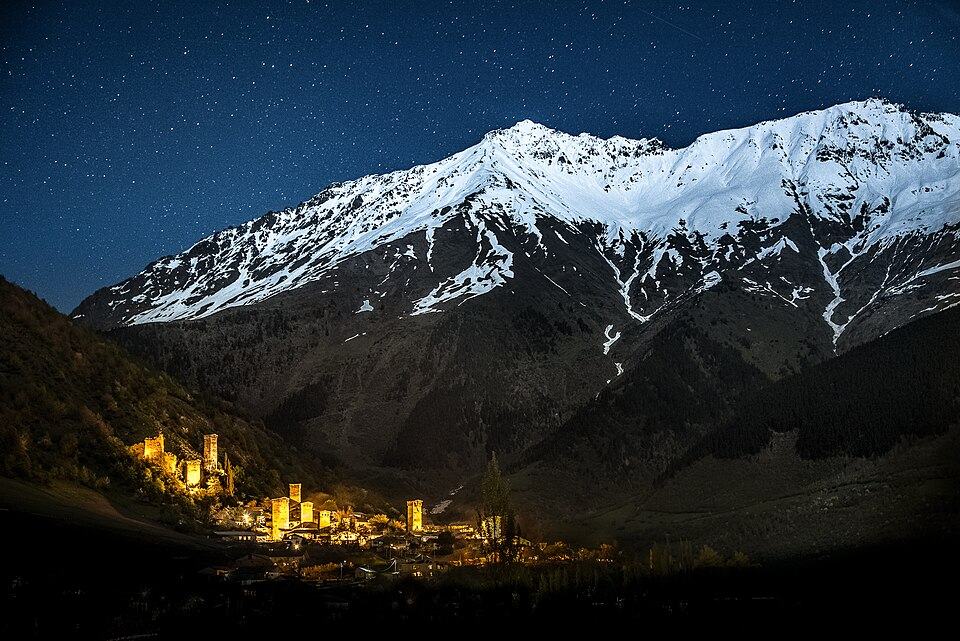
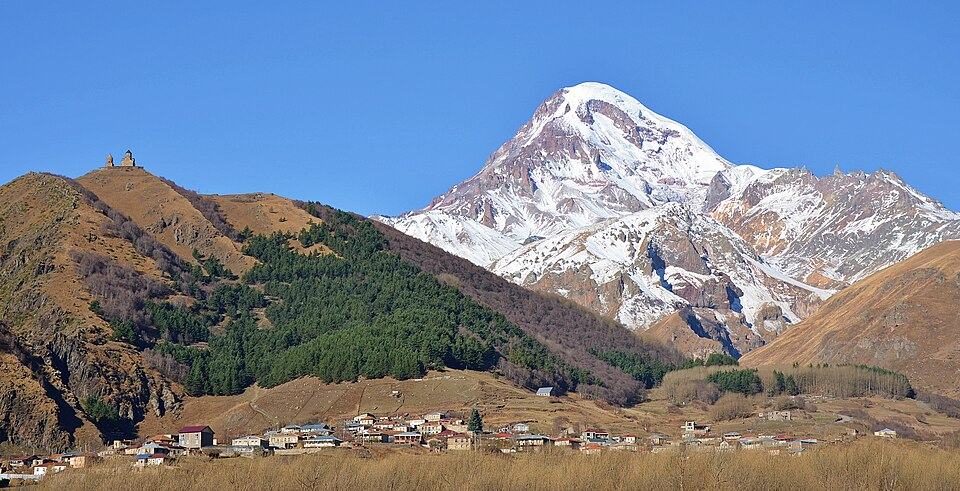
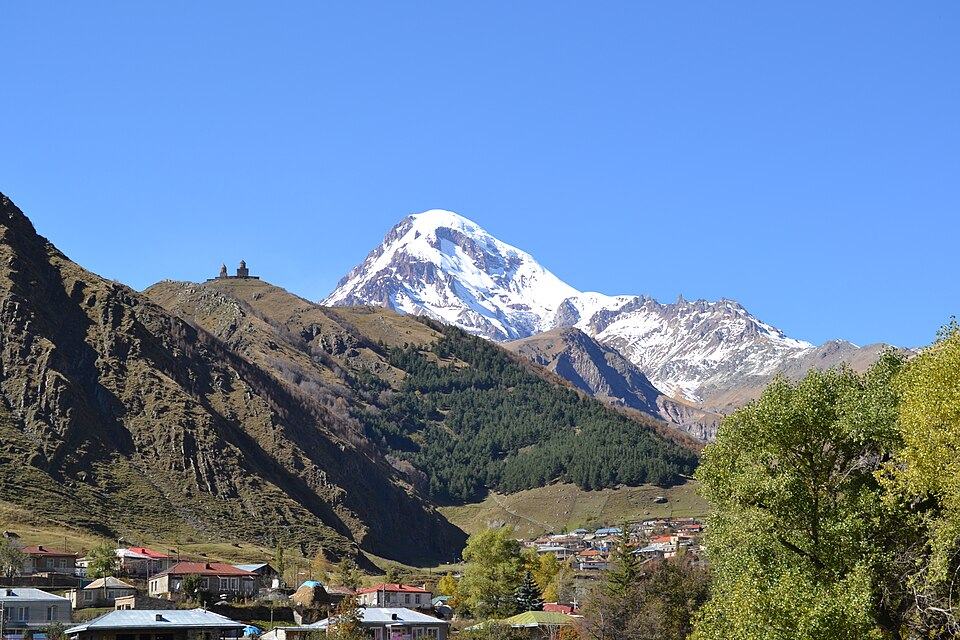
Most serious incidents involving visitors happen in the Greater Caucasus, where peaks above 4,000 m are only a few hours' drive from Tbilisi and easy to underestimate.
Weather, avalanches and the Jvari Pass
From late June to September, mornings are often clear and afternoons stormy, with lightning on exposed ridges and sharp drops in temperature, and snow can fall above 3,000 m in any month. Start long hikes at dawn, carry warm and waterproof layers even in August, and ford glacier-fed rivers in the morning, before the melt raises them.
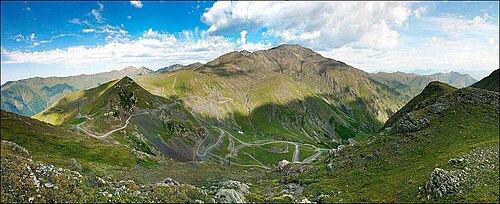
From December to April, avalanche danger is real on open slopes in Kazbegi, Gudauri and Svaneti, and the people caught are usually off-piste skiers and ski tourers. Leave the pistes only with a qualified guide and a transceiver, probe and shovel. The Military Road over the Jvari Pass (2,379 m) is closed whenever deep snow or slide danger makes it unsafe; a closure may last one afternoon or most of a week, and the Upper Lars crossing into Russia shuts with it. Check the road on the morning you travel.
Hiking alone
Busy summer walks such as Gergeti, Juta and Truso suit solo hikers. Remote routes do not: on the Chaukhi or Atsunta passes you can walk all day without seeing anyone, and phone signal comes and goes. Go with a partner or a guide, download offline maps, buy a local SIM (Magti reaches the most valleys) and tell your guesthouse your route and return time.
Registering with the border police
Much of the high Caucasus is a border zone with Russia, and on some routes you must register with the Georgian border police first. Carry your actual passport, not a photocopy, on every mountain trip.
- Tusheti to Khevsureti over the Atsunta Pass: register at the border post in Girevi; the permit is checked again at Khidotani.
- Mount Kazbek: the summit route follows the Russian border, so climbers sign in with the border police in Stepantsminda before setting off.
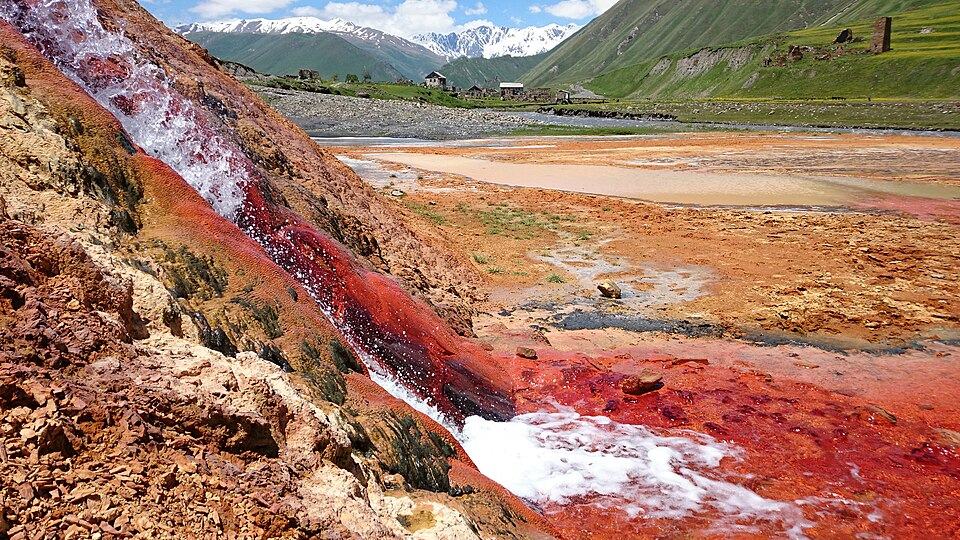
- Truso valley: a Georgian post below Zakagori fortress controls access, and going beyond it needs a permit.
- Shatili, Mutso and the Ushba trail above Mazeri: expect passport checks at border posts.
If something goes wrong, call 112, which coordinates mountain rescue. Helicopter evacuations depend on the weather and can take many hours, so on serious routes carry enough to survive a night out, and check that your insurance covers search and rescue, evacuation and the altitude you plan to reach.
Stray dogs and shepherd dogs: are they dangerous?
Street dogs live in every Georgian town. In Tbilisi and Batumi many carry a plastic tag in one ear, which shows they have been caught, sterilised, vaccinated and released under a city programme. Most sleep in the sun and ignore people, though at night small packs may chase joggers, cyclists and scooters.
Rabies is present in Georgia. If an animal bites or scratches you and breaks the skin, wash the wound with soap under running water for 15 minutes and get post-exposure treatment the same day at a clinic in Tbilisi or another big city.
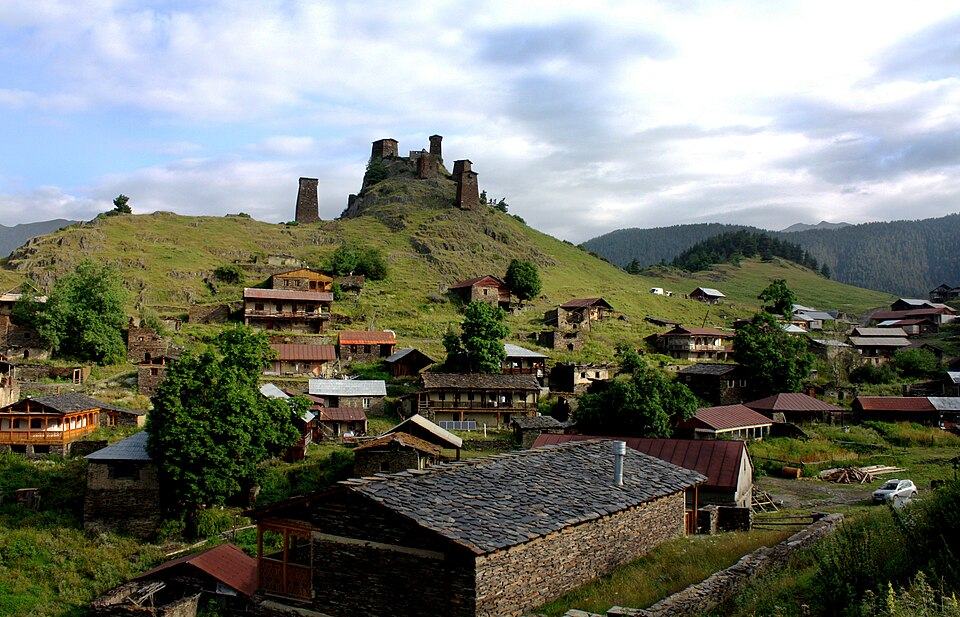
For hikers the bigger risk is the large Caucasian shepherd dogs guarding flocks on summer pastures in Tusheti, Kazbegi, Khevsureti and Svaneti. They see walkers as a threat to the sheep. Give flocks a wide berth, never pass between the dogs and their animals, and shout for the shepherd, who will usually call them off.
Protests in Tbilisi in 2024-2025: how they affect visitors
Large demonstrations began in Tbilisi on 28 November 2024, after the government announced that it would put talks on joining the European Union on hold until the end of 2028. For more than a year afterwards, protesters gathered most evenings on Rustaveli Avenue outside Parliament, and at their peak the crowds numbered tens of thousands.
Most gatherings passed off peacefully, but there were serious clashes, above all in late November and early December 2024, when police used water cannon, tear gas and pepper spray and hundreds of people were detained. On the day of the local elections in October 2025, protesters tried to force their way into the presidential palace and police again dispersed the crowd. Laws passed during 2025 raised the penalties for blocking roads and other protest-related offences, and foreign citizens have been among those detained.
What it means for your trip
- Sightseeing carries on as normal, and the rest of the country is unaffected.
- The stretch of Rustaveli Avenue by Parliament may be closed to traffic in the evenings, which means detours and slow taxi rides across the centre.
- Keep away from demonstrations and police lines, even out of curiosity. Tear gas drifts, and a calm crowd can turn quickly.
- Do not join in or film police at close range. A foreign visitor can be detained, fined or expelled for offences that might seem minor at home.
The situation evolves, so check local news and your embassy's alerts shortly before and during your stay rather than relying on any single snapshot, this one included.
The occupied territories and the administrative boundary line
Around a fifth of Georgia's internationally recognised territory lies outside the control of the government in Tbilisi. Abkhazia in the north-west and the Tskhinvali region (South Ossetia) north of Gori are occupied by Russia, which has kept troops in both since the war of August 2008. Georgia and most of the international community regard them as occupied territories.
The line separating them from the rest of Georgia is known as the administrative boundary line. In places it is marked by fences and signs; elsewhere it is invisible, and over the years it has been shifted, a process locals call borderisation. People who stray across it, usually farmers but occasionally visitors, can be detained by the de facto authorities. Places visitors do reach close to the line include the upper Truso valley, where Zakagori fortress is the limit, villages north of Gori, and the Enguri River around Zugdidi and Anaklia's Ganmukhuri side.
Stick to public roads, ignore map shortcuts heading north toward the line, do not fly drones near it and follow any instruction from Georgian police. An EU monitoring mission patrols the Georgian side. Entering either region from Russia is a criminal offence under Georgian law, nearly every foreign government advises against all travel to both, and ordinary travel insurance normally excludes them.
Is Georgia safe for solo and female travellers?
Yes. Solo travellers are a common sight, and the guesthouse culture means you are rarely truly on your own: hosts feed you, fuss over you and often phone ahead to the next village. Many women travel here independently and describe it as one of the easier countries in the region.
A woman travelling alone does attract attention, though. Expect questions about why you are not married, invitations to join a table, and now and then a man who does not accept a first no. This is usually more tiresome than threatening, and a firm, unsmiling refusal works.
- Use app taxis at night and share the trip with someone you trust.
- Do not hitchhike alone, even though hitching is common among Georgians and backpackers.
- Hospitality comes with a lot of wine and chacha. You can sip, cover your glass or say you are not drinking, and hosts will accept it.
- Dress more conservatively in villages and churches; in central Tbilisi, anything goes.
LGBTQ+ travellers in Georgia: the honest picture
Same-sex relations have been legal in Georgia since 2000, and visitors are not prosecuted for their sexuality. Social attitudes are conservative, though, shaped strongly by the Orthodox Church, and recent laws point the same way. Since 2018 the constitution has defined marriage as a union of a man and a woman, and in 2024 Parliament passed a law on family values and the protection of minors that bans same-sex adoption and gender-affirming care, ends legal gender change, and restricts what it calls the promotion of same-sex relationships in education, broadcasting and public gatherings.
Attempts to hold Pride events in Tbilisi have been attacked by counter-protesters, most visibly in 2013, 2021 and 2023. Outside the capital, people are rarely open about their sexuality.
- Hotels rarely question two men or two women sharing a double room, and rural hosts may simply assume you are friends.
- Avoid public displays of affection, including holding hands, especially outside central Tbilisi.
- Tbilisi has a small queer scene around a few bars and clubs, and some techno nights are known for being inclusive. Ask locally, because venues change.
- Meet dating-app contacts in busy public places first, as robbery and blackmail set-ups are a real risk.
Many LGBTQ+ travellers have an uneventful, enjoyable trip by being discreet in public. Whether that trade-off suits you is a personal decision, and your government's advice for LGBTQ+ travellers is worth reading first.
Health in Georgia: tap water, food safety and pharmacies
No vaccinations are required to enter Georgia. Doctors commonly suggest hepatitis A on top of routine jabs, and rabies for long treks. In summer, ticks in rural grassland can carry Crimean-Congo haemorrhagic fever, which is rare but serious, so use repellent and check your skin after walking through pasture.
Is the tap water safe to drink?
In Tbilisi the mains supply comes from reservoirs and mountain sources, is treated, and is generally safe to drink; plenty of residents drink it straight from the tap. The weak point is old plumbing in some buildings, so if water runs brown or smells odd, use a filter or buy bottled. In villages people drink from springs, which are normally clean, but never from a stream flowing below pasture.
Food safety
Upset stomachs usually come from mayonnaise salads and buffets left out in summer heat, undercooked meat at roadside grills, or simply the amount of rich food and alcohol at a feast. Village cheese and matsoni (yoghurt) are often made from unpasteurised milk, which pregnant travellers should avoid, and homemade chacha is often 50 percent alcohol or more.
Pharmacies and medical care
Pharmacies are on almost every street in towns, and chains such as PSP, Aversi and GPC have branches open around the clock in the cities. Show the pharmacist the generic name of the medicine. Many drugs that need a prescription at home are sold over the counter, but bring your own medication in its original packaging with a copy of the prescription.
Tbilisi and Batumi have modern private hospitals with English-speaking doctors. In the mountains, care is basic and serious cases are taken to the capital, which can take hours. Hospitals usually expect payment or a guarantee from your insurer before treatment, one of the reasons the new insurance rule exists.
Emergency number 112, the 2026 insurance rule and travel advisories
Dial 112 for police, ambulance, fire and mountain rescue. Operators can usually switch to English, and the official 112 app has an SOS button that sends your location, which is worth installing before a mountain trip.
Since 1 January 2026, foreign visitors must hold health and accident insurance for their entire stay, with limits of at least 30,000 GEL, and airlines and border officers can ask to see it. Treat that minimum as a starting point: trekking at altitude, skiing, horse riding and helicopter evacuation are often excluded unless you add them. Our guide to Georgia's visa and entry requirements explains the rule in full.
Most Western governments advise normal or increased caution for Georgia as a whole. Nearly all advise against any travel to Abkhazia and the Tskhinvali region, and many add warnings about demonstrations in Tbilisi and the areas near the boundary lines. Read your own government's page when you book and again before you fly, because it changes, and because some insurers will not pay out in areas it advises against.
Frequently asked questions
Is Georgia safe to visit right now?
For most travellers, yes. Crime against visitors is low and daily life is normal across the country. Avoid demonstrations in central Tbilisi, take care on mountain roads and stay well clear of the boundary lines of the occupied territories.
Is Tbilisi safe at night?
Central districts such as the Old Town, Sololaki, Vera and Vake are lively and generally safe late into the evening. Book rides through Bolt and refuse any bar that a new acquaintance pushes you toward.
Is it safe to drive in Georgia?
The main roads are good but the driving is aggressive. Confident drivers cope in daylight on the main routes. Leave the Abano Pass, winter crossings of the Jvari Pass and mountain driving after dark to local drivers.
Can you drink the tap water in Georgia?
In Tbilisi and the larger cities the tap water is treated and generally safe, and many locals drink it. Use bottled or filtered water if your building has old pipes.
Is Georgia safe for women travelling alone?
Yes, and many women travel solo here. Expect curiosity and some persistent attention from men rather than real danger. Take app taxis at night and do not hitchhike alone.
Is Georgia safe for LGBTQ+ travellers?
Same-sex relations are legal, but society is conservative and a 2024 law restricts LGBTQ+ rights and public events. Most LGBTQ+ visitors have a trouble-free trip by staying discreet in public and choosing known venues in Tbilisi.
Are the stray dogs in Georgia dangerous?
City dogs with ear tags are vaccinated and usually calm. The bigger risk is shepherd dogs guarding flocks in the mountains. Any bite or scratch that breaks the skin needs rabies treatment the same day.
What is the emergency number in Georgia?
It is 112, the single number for every emergency service including rescue in the mountains. English is usually available, and the official app can send your position with an SOS alert.