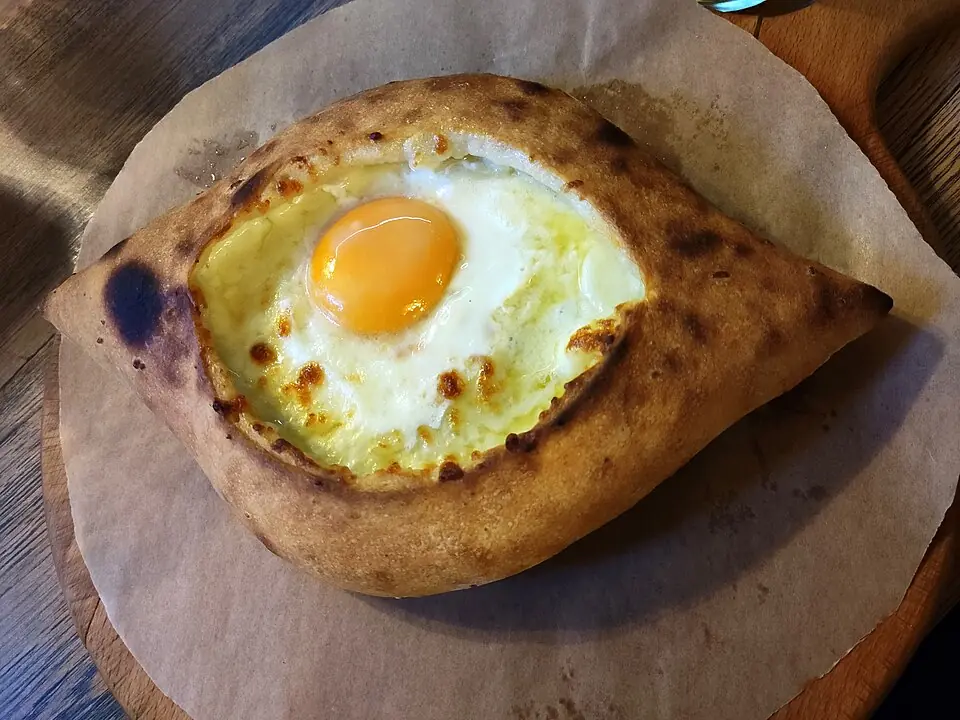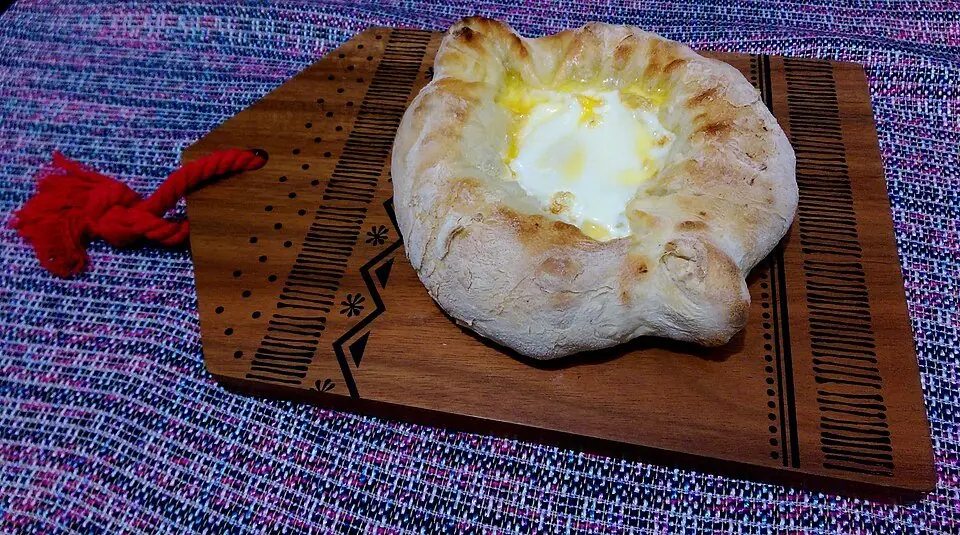
- Adjarian khachapuri (acharuli or adjaruli khachapuri) is the open cheese boat of Adjara, Georgia's Black Sea region: yeast-dough rims around Imeretian cheese and sulguni, topped with an uncooked yolk and a knob of butter that diners mix in themselves.
- Who made it first is disputed between Laz and Adjarian tradition; one Sarpi family names a Laz fisherman, Ali Kabaria, who reshaped a round bread sold in his Batumi eatery, and the yolk-as-the-sun tale is folklore rather than history.
- Eat it at once: within the first minute, work the yolk and butter through the bubbling cheese, then tear off the pointed ends and the rims to dip, and save the soaked base for last.
- In 2026 an ordinary Batumi cafe charges roughly 15-20 GEL (about $6-8) for a small to large boat, while upmarket bakeries and the giant sizes run to about 30 GEL or more.
- The classic boat is vegetarian but not vegan; ask for it ukvertskhod, without egg, if you would rather skip the raw yolk.
Adjarian khachapuri is an open boat of soft bread from Adjara, the Black Sea corner of Georgia, packed with molten cheese and crowned, moments before serving, with an uncooked yolk and a thick pat of butter. You work both into the cheese at the table and tear off the crust to dip. Georgians write it acharuli khachapuri (აჭარული ხაჭაპური), many menus print Adjaruli, and in Batumi it is the dish every visitor is told to try first.
This page is about the boat alone; our khachapuri guide compares it with the round breads of other regions. Below: what a good Adjaruli is made of, which origin stories stand up, how to eat it step by step, sizes and 2026 prices, where to eat it in Batumi and the Adjara highlands, and what vegetarians should know before ordering.
What is Adjarian khachapuri?
It has three parts that only work together. The bread is a soft yeast dough, usually made with milk and a little oil, rolled into an oval. Both long edges are rolled towards the centre to raise thick rims and the ends are twisted into points, giving a canoe roughly 25-30 cm long for a standard portion. The hollow is packed with cheese and the boat goes into a fierce oven until the rims turn bronze and the filling bubbles.
The cheese
Imeretian cheese, fresh, crumbly and mildly sour, gives the filling body. Sulguni, brined and stretched like mozzarella, adds salt and the long strings you see when crust is pulled away. There is no fixed ratio: the official Adjara tourism recipe uses unsalted cheese loosened with milk, while many Batumi kitchens lean on salty sulguni.
The yolk and the butter
Near the end of baking the cook presses a dip into the cheese, slides in a yolk (some cafes use a whole egg) and gives it a minute or two more in the oven, or none. Butter goes on as the plate leaves the kitchen. The yolk should arrive glossy and runny and the butter still in a cube, because both are meant to melt into the cheese in front of you.
| Adjarian khachapuri at a glance | Quick answer |
|---|---|
| Georgian name | აჭარული ხაჭაპური, acharuli khachapuri |
| Other spellings | Adjaruli, Acharuli, Ajaruli, Adjarian, Ajarian |
| Home | Adjara, above all Batumi and the coast |
| Shape | Open boat with rolled rims and twisted points |
| Cheese | Imeretian cheese and sulguni, often mixed |
| Finish | Egg yolk and butter, mixed into the cheese by the diner |
| Portion | A small boat is a meal for one adult; a large one feeds two |
| Price in Batumi | ~15-20 GEL (about $6-8), 2026, in an ordinary cafe |
| Diet | Vegetarian with egg and dairy; not vegan |
It is one of roughly 40 regional kinds of Georgian cheese bread, and our guide to the types of khachapuri sets it beside the round Imeretian and Megrelian versions.
Adjaruli, Acharuli or Adjarian khachapuri: what the names mean
Every spelling means the same dish. In Georgian the region is Achara (აჭარა) and acharuli means "from Achara", so acharuli khachapuri is closest to what Georgians say. English took the region's name as Adjara or Ajara, hence Adjarian, Ajarian and the hybrid Adjaruli. Khachapuri joins khacho, fresh curd, and puri, bread, and menus may reverse the words, as in khachapuri adjaruli.
Say it roughly a-cha-roo-lee kha-cha-poo-ree, with each syllable about equal. In Batumi people often just order "an acharuli".
| You want | Say or point to |
|---|---|
| One small Adjarian khachapuri | erti patara acharuli (ერთი პატარა აჭარული) |
| Medium or large | sashualo (საშუალო) or didi (დიდი) |
| Without the egg | ukvertskhod (უკვერცხოდ) |
| Extra butter | meti karaki (მეტი კარაქი) |
Who invented Adjarian khachapuri? Origin stories and myths
No first recipe survives, so the dish has gathered legends. The Laz, a Kartvelian people of the Black Sea coast whose homeland is split by the Georgian-Turkish border at Sarpi, say it was theirs from the start; Adjarians reply that the name says it all. The official Adjara tourism site repeats both claims and picks no winner.
The most detailed account comes from Sarpi, the last Georgian village before Turkey. In 2005 Maia Kabaria, a fifth-grader at the village school, wrote down what the elders told her about her grandfather Ali Kabaria, a Laz fisherman who ran a large canteen in Batumi. Bakers from Hopa, on the Turkish side of the border, worked for him and made a round cheese bread called peneri (peynir is Turkish for cheese). Ali wanted something of his own and, being a fisherman, shaped the dough like a boat, selling it as yaghli khachapuri, buttery khachapuri. Other cooks copied him and later added the raw egg. Her essay is reprinted in a 2015 history of the village, published in Batumi under the title Sarpi, whose authors say they are not trying to settle the rival versions.
The story fits what is still baked on the Turkish coast: in Trabzon and Sürmene, further west, bakers make a round cheese pide with plenty of butter and often an egg, called yağlı, the buttery one. In Georgia the written record is thin. Tedo Sakhokia, the ethnographer who described Adjarian food after travelling there in 1897, does not mention a dish by this name.
| Claim you will hear | What the sources show | Our verdict |
|---|---|---|
| The bread is a fishing boat, the cheese the sea and the yolk the sun | Official tourism sites tell it, with no date or source | A lovely image, but folklore |
| A Laz fisherman's wife made the first one and added the yolk as a sun for fair weather | The Laz version on the official Adjara site | Folk tradition that cannot be checked |
| Ali Kabaria of Sarpi turned a round cheese bread into a boat in his Batumi canteen | Family memory, written down by a granddaughter and printed in 2015 | The most specific claim, though still oral history |
| It is centuries old and dates from Ottoman times | Repeated by some travel sites with no source; absent from Sakhokia's 1897 notes | Unproven, and probably a myth |
| The name proves the Adjarians invented it | Dishes are often named after the place where they became famous | It shows where the boat became famous, not who made it |
| The raw egg was always part of it | The Sarpi account calls the egg a later addition | Unproven either way |
Whoever shaped the first boat, it is now Batumi's calling card, and the khachapuri tradition as a whole joined Georgia's national list of intangible cultural heritage in January 2019.
How to eat Adjarian khachapuri, step by step
The boat lands too hot to hold and loses its best texture within about ten minutes, so the order of moves matters more than the cutlery.
- Stir before anything else
Push the butter and yolk into the cheese with a fork and keep folding until the yellow streaks vanish into a glossy sauce. Half a minute is enough; the hot cheese warms and thickens the egg. - Snap off a point
Twist one pointed end free. It is the crispest bite on the plate and exactly the right shape for scooping. - Work along the rims
Pull away strips of rim and drag them through the filling, moving from the ends towards the middle. Give the cheese another stir now and then so it stays loose. - Share from the ends
Sharing a large boat? Each person eats from their own end instead of tearing it in half, which keeps the centre hot. - Finish with the base
By now the base has drunk up the butter and cheese, and it is the best mouthful of all. Eat it by hand or with a knife and fork; Georgians do both. - Order something sharp to drink
A cold beer, a dry white such as Tsolikouri or tarragon lemonade cuts the richness; Batumi's coffee brewed in hot sand makes a good full stop.
Adjaruli sizes, 2026 prices and local variants
Most Batumi kitchens bake two or three sizes, patara (small), sashualo (medium) and didi (large), and one well-known cafe adds a giant it calls the Titanic. Prices below come from Batumi and Tbilisi menus read in October 2026 and are approximate.
| Size | Feeds | Approximate price |
|---|---|---|
| Small (patara) | One adult, as a whole meal | ~15 GEL (about $6), 2026 |
| Medium (sashualo) | One very hungry adult, or two with salads | ~18-19 GEL (about $7), 2026 |
| Large (didi) | Two people sharing | ~20 GEL (about $8) in a neighbourhood cafe, up to ~31 GEL (about $12) in upmarket bakeries, 2026 |
| Extra large or Titanic | Three or more | ~30 GEL (about $11.50) and up, 2026 |
Seafront tables cost more than those a few streets inland.
Variations you will meet
- Without the egg, or with more: kitchens leave the yolk out on request, and some will add a second one to a large boat if you ask.
- Cheese in the rims: some bakers roll cheese into the edges too; Retro in Batumi is known for it.
- Four-cheese boats: newer bakeries blend extra cheeses into the classic pair.
- Other fillings: the same boat also comes with beans, meat or vegetables.
- Lazuri, or Laz-style, khachapuri: a separate item on several Batumi menus at ~18-34 GEL (about $7-13), 2026; recipes differ, so ask how theirs is made.
- Achma: Adjara's other cheese bread, boiled dough sheets layered with cheese and butter, not a boat at all.
Where to eat Adjarian khachapuri in Batumi
You can order Adjaruli almost anywhere in Batumi, but quality rises and falls with the season and the crowds. Each place below was open in 2026 according to a listing or menu dated this year; addresses and hours change, so check before you go. Nobody paid to be listed.
- Retro: the cafe guides recommend most often for Adjaruli, with an open kitchen, cheese-stuffed rims and sizes up to the Titanic. Reviews from summer 2026 praise the boats and the upper-floor veranda over the port. Its 2026 map listing puts it on Gogebashvili Street near the Argo cable car, while its own website gives 10 Takaishvili Street, so check the address before you go.
- Laguna: a cheap, no-frills cafe at 25/18 26 May Street that keeps appearing on local Adjaruli lists; a Batumi directory confirmed it open in September 2026, with an average bill of ~30 GEL (about $11.50).
- Kutkhe Kunchuli: a Georgian restaurant at 53 Melikishvili Street, open on a delivery app in October 2026, with the boat in three sizes at about 15, 18 and 20 GEL and a house Laz-style khachapuri.
- Shemoikhede Genatsvale: the Georgian chain's Batumi branch on Noe Zhordania Street, handy when some of your group want khinkali instead; it also bakes a Laz-style khachapuri (~31 GEL, about $12, 2026).
How to tell a good one
- It is baked to order: a 15 to 20 minute wait is a good sign.
- The rims are crisp and freckled with brown, not pale and soft like a bread roll.
- The cheese stretches when stirred, with no ring of clear fat.
- The yolk and the butter arrive untouched, so the stirring is left to you.


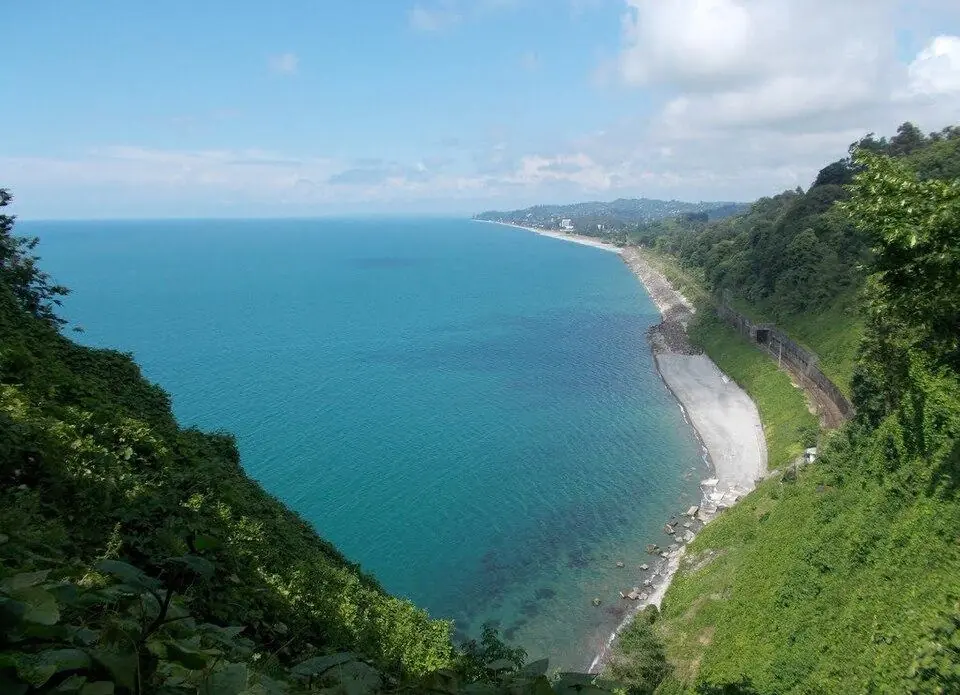
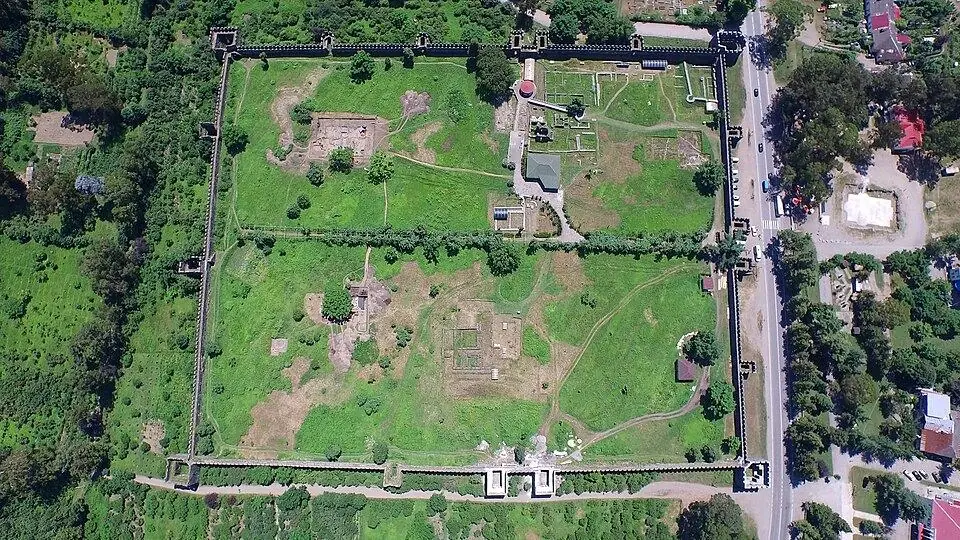
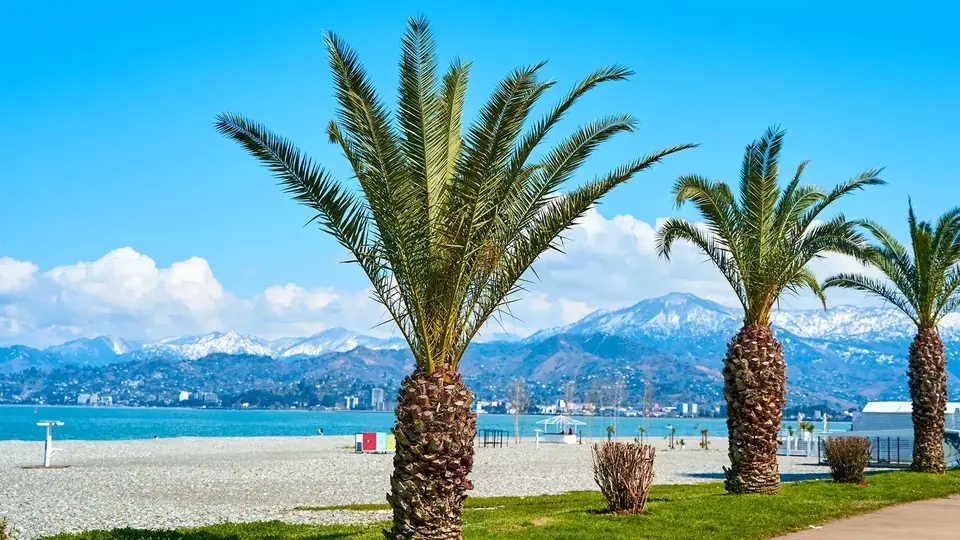
Batumi is also the last stop of From the Mountains to the Sea, eight days that run from the glaciers above Kazbegi through Borjomi, Vardzia and Kutaisi to this coast, closing with the Botanical Garden, Gonio Fortress and an Adjaruli lunch before your flight or train. You pick the dates, the group can be any size, and your guide speaks your language.
Adjarian khachapuri in the Adjara mountains
The official Adjara tourism site files the boat as a seaside dish, yet its ingredients come from the hills. Families in upper Adjara still take their cattle to summer pastures, the yaylas, in spring and return around mid-September with cheese, kaimaghi (clotted cream), nadughi (whey curd), erbo (clarified butter) and kurut, dried curd balls for winter. The same dairy fills highland dishes such as borano, cheese melted into browned butter, and sinori, thin baked dough soaked with nadughi and matsoni.
In a village guesthouse, ask your host to bake a boat for dinner. Homestays around Keda, Shuakhevi and Khulo are listed on the official Adjara site from ~50 GEL (about $19) a night with three meals, 2026, some with cooking classes.
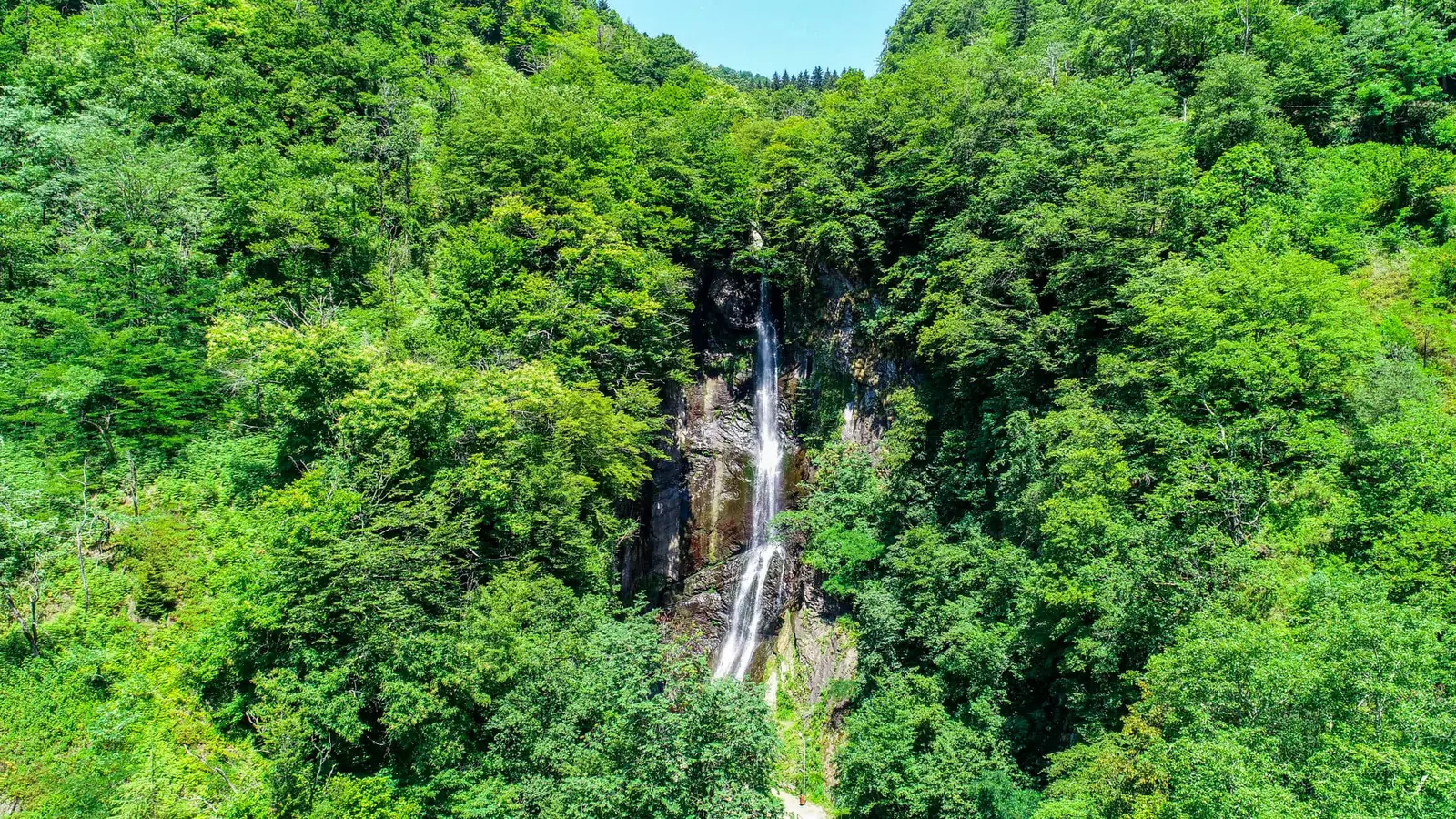
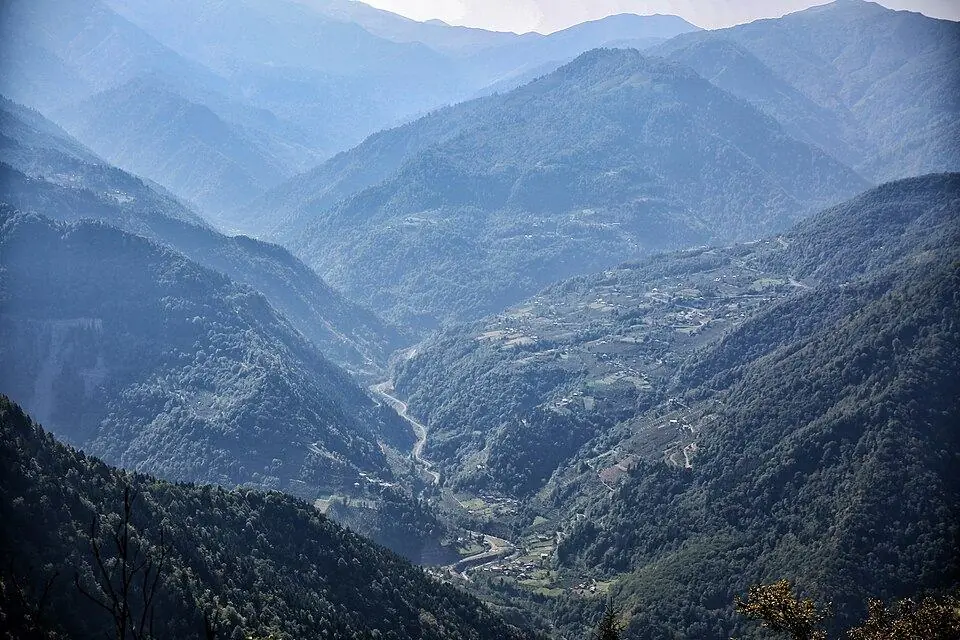
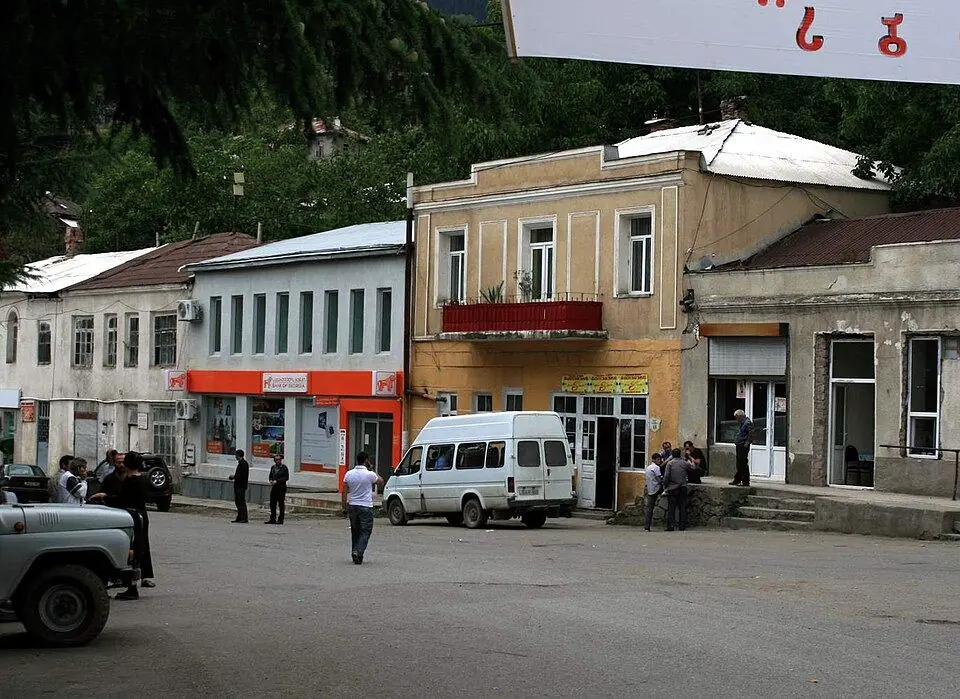
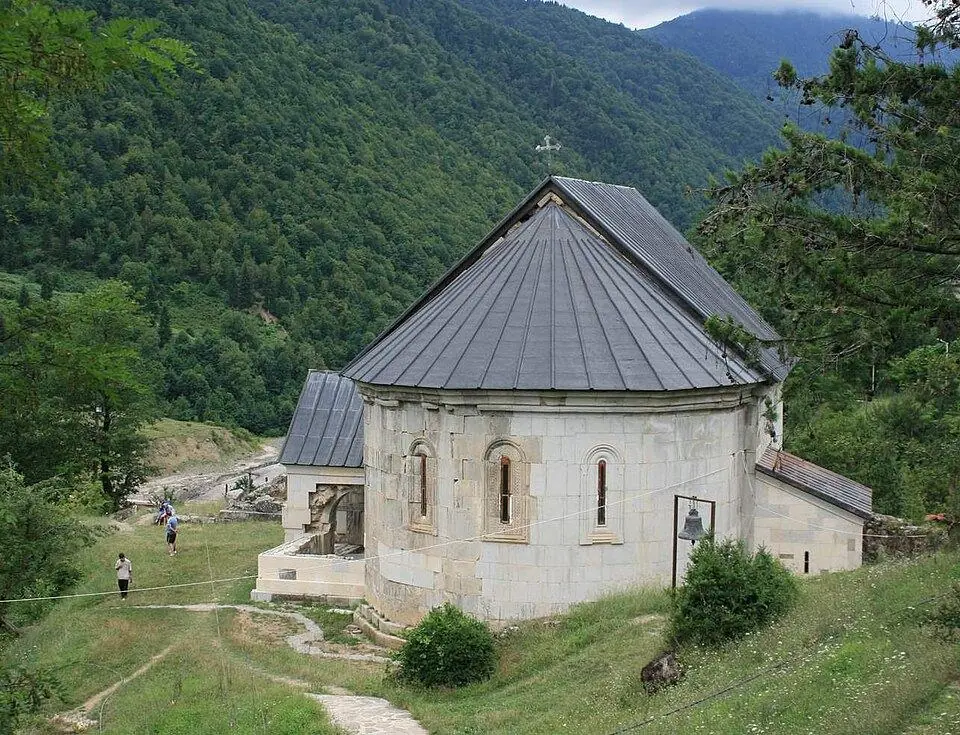
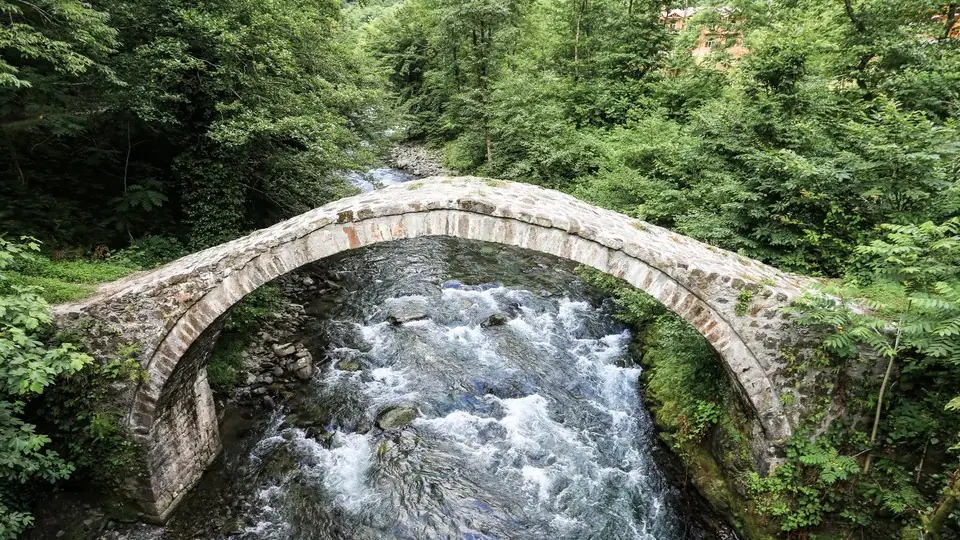
To taste the highland side in a day, join our Adjara Highlands Day Trip: Makhuntseti waterfall and the stone arch of the Queen Tamar Bridge, a home-cooked lunch of Adjaruli, borano and sinori with a Keda winemaking family and their pale Chkhaveri, then a forest walk in Machakhela National Park. It is private, on any day you choose, and children of any age are welcome.
Is Adjarian khachapuri vegetarian? Diet, egg and calories
Yes, in the everyday sense. The classic boat is wheat, cheese, milk, butter and egg, with no meat or fish, so lacto-ovo vegetarians can rely on it anywhere in Georgia. It is not vegan. Strict vegetarians should know that most Georgian cheeses are set with animal rennet, and some boats come with meat, so read the menu.
By our rough count a small boat with its butter and yolk is about 1,000-1,200 kcal, a meal in itself. With an egg allergy, say so clearly: dropping the yolk is easy, but the dough or filling may hold egg too.
During Lent observant Georgians give up cheese and eggs, but restaurants keep baking Adjaruli for everyone else.
How Adjarian khachapuri is made, and where to learn
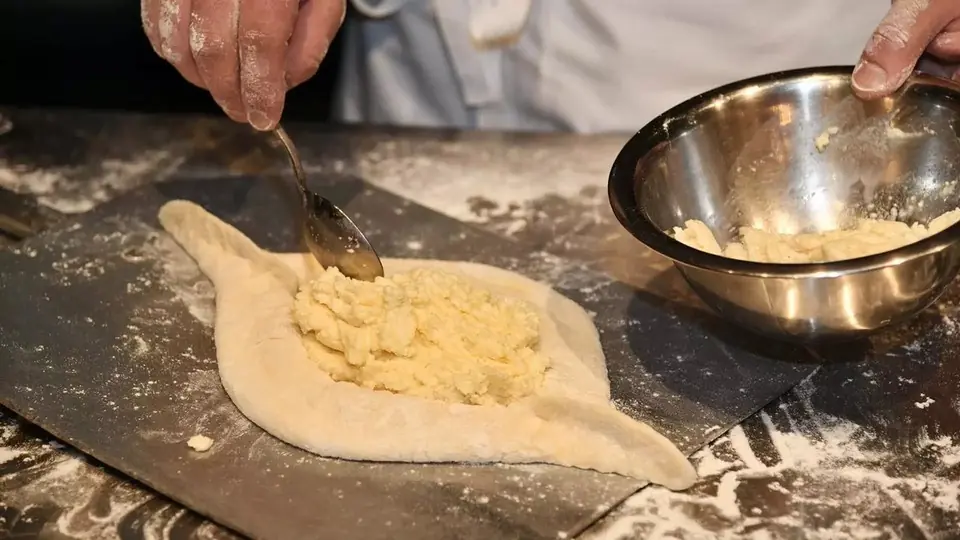
In outline: a soft yeast dough rises, each piece is rolled into an oval and the long sides are turned in as rims, often around a strip of cheese. The middle takes crumbled Imeretian cheese and grated sulguni, sometimes bound with egg, and the boat bakes fast in a fierce oven; yolk and butter come last. Abroad, mozzarella and feta stand in for the Georgian cheeses.
For exact amounts, oven heat and timings, our Adjarian khachapuri recipe lays the boats out step by step, with the minutes for each stage and cheese you can buy abroad.
The skill lies in the dough and the cheese, which is what our Georgian Cooking Tour teaches: in a Kutaisi home you turn fresh curds into Imeretian cheese and bake khachapuri with it, and a Samegrelo farmhouse shows you Megruli and elarji. The week also covers khinkali in Tbilisi and a Kakheti supra. It is private, so you set the dates between April and November and can ask about ending in Batumi.
Adjarian khachapuri FAQ
What is Adjarian khachapuri?
It is the boat-shaped khachapuri of Adjara, the Georgian region around Batumi. Rims of yeast dough hold Imeretian cheese and sulguni, and the boat reaches the table with an unbaked yolk and a lump of butter for you to work into the filling.
How do you eat Adjarian khachapuri?
Fold the yolk and butter through the filling the moment it arrives, then snap off a pointed end, tear strips of rim to dip and finish with the soaked base. Hands are normal; cutlery is fine for the last part.
Is the egg in Adjarian khachapuri raw?
Mostly. The yolk goes in at the end, sometimes with a minute more in the oven, and only half-cooks as you stir. Ask for it ukvertskhod, without egg, or baked through if you prefer.
What is the difference between Adjaruli and Imeruli khachapuri?
Imeruli is a flat, closed round with its cheese hidden in the middle, served in wedges. Adjaruli is an open boat with sulguni as well as Imeretian cheese, plus yolk and butter, so it is richer and eaten by stirring and dipping.
Who invented Adjarian khachapuri?
Nobody knows for certain. Laz and Adjarian tradition each claim the boat, and a family in Sarpi says Ali Kabaria, a Laz fisherman with an eatery in Batumi, shaped the first one. The sun-over-the-sea symbolism is folklore.
Where is the best Adjarian khachapuri in Batumi?
Retro is the cafe most guides name first, and Laguna on 26 May Street is a cheaper favourite; both were open in 2026, but check a map before you go.
How much is an Adjarian khachapuri in Batumi?
In 2026 an ordinary cafe charges ~15 GEL (about $6) for a small boat and ~20 GEL (about $8) for a large one; upmarket bakeries and giant sizes run to ~30 GEL (about $11.50) or more.
Can one person eat a whole Adjarian khachapuri?
A small one, yes, as a full meal. A large boat is meant for two and the giant sizes for three or more.