- Chacha is a clear Georgian brandy distilled from the skins, pips and stalks that winemaking leaves behind; the Georgian word means that pomace, and the drink has nothing to do with the cha-cha dance.
- Under its 2011 Georgian geographical indication, chacha sold in shops must be at least 40 percent alcohol, and most bottles are 40-50 percent; homemade chacha is unmeasured and often stronger.
- Georgians pour it as a welcome, at the end of a cellar tasting and on cold mountain days, in small glasses with food; one glass, sipped, is the polite amount, and declining is accepted.
- To fly chacha home, buy sealed, labelled bottles: airlines refuse spirits over 70 percent, and your home allowance (1 litre duty-free in the EU and the US, 4 litres in the UK) sets the real limit.
- The other Georgian drinks worth ordering are tarragon lemonade, first mixed in Kutaisi in 1887, salty Borjomi and softer Nabeghlavi mineral water, local lager and tea from Guria.
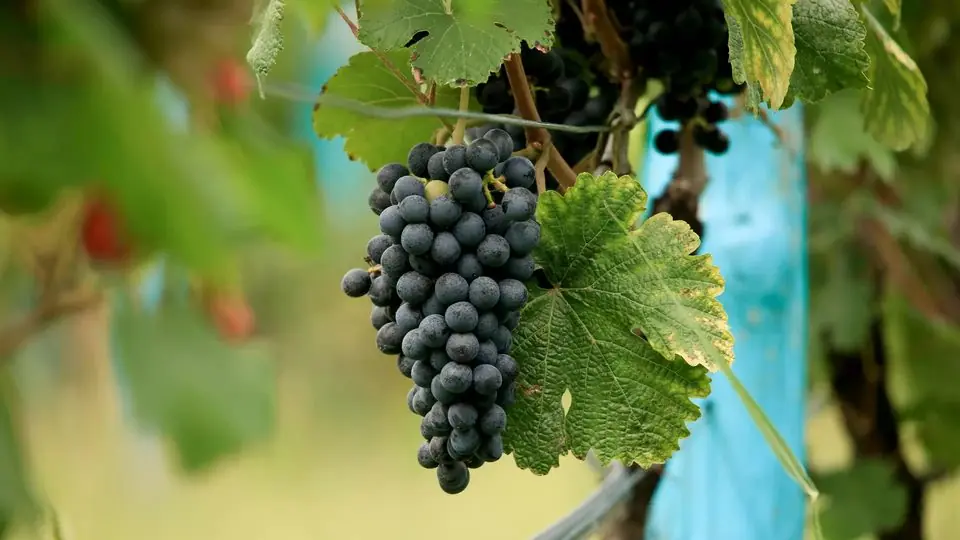
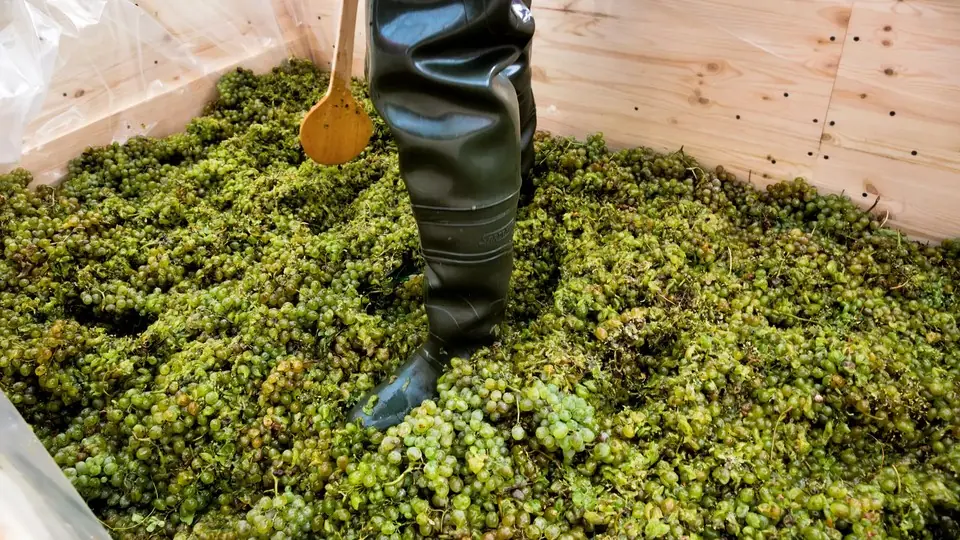
Chacha is Georgia's grape spirit: a clear, strong brandy distilled from the grape skins, pips and stalks still lying in the press once the wine has been made. In Georgian the word ჭაჭა simply names that pomace, so the drink takes its name from its raw material, and it has no link to the Latin dance. Every wine village makes it, most families with vines fire up a small copper still once a year, and nearly every visitor is handed a glass within a day of landing, sometimes before lunch.
This guide covers how chacha is distilled at home and in wineries, how strong it really is, the grape, fruit and oak-aged styles, and the way Georgians drink and toast with it. You will also find where to taste and buy a good bottle, approximate 2026 prices, the customs and airline limits for taking it home, and how to stay safe with homemade spirits. The last part runs through the other Georgian drinks worth ordering: tarragon lemonade, Borjomi and Nabeghlavi waters, beer and tea.
What is chacha? Georgia's grape brandy in brief
Chacha belongs to the pomace brandy family, alongside Italian grappa and French marc. When grapes are crushed for wine, the solid mass of skins, pips and stalks still holds sugar and aroma. Georgians ferment that leftover mass and distil it into a colourless spirit that smells of fresh grapes and finishes long and hot. Winemakers use the same word for the pomace, so when a cellar owner says a white wine spent six months on its chacha, he means long skin contact in the qvevri, not a dose of brandy.
The name is legally protected. Chacha became Georgian geographical indication number 1 on 13 December 2011, registered at the request of the Ministry of Agriculture. Its specification requires grapes of wine varieties grown in the country's vineyard zones, from Kakheti and Kartli to Imereti, Racha, Guria and Adjara. Distilling and bottling must happen inside Georgia, nothing may be added to raise the sugar or alcohol, and any flavouring must be declared on the label. Chacha ready for sale must reach 40 percent alcohol or more. Most is clear, though a pale straw colour from wood is allowed.
How old is it? Wine in Georgia goes back about 8,000 years, but distilling arrived much later. The World Intellectual Property Organization, in its account of the geographical indication, dates the first chacha to more than a thousand years ago. Claims that Georgians have distilled pomace for 8,000 years confuse the spirit with the wine.
| Chacha at a glance | Short answer |
|---|---|
| Made from | Pressed grape skins, pips and stalks (pomace) |
| Strength | 40 percent or more in shops, usually 40-50 percent; homemade is often stronger |
| Colour | Clear; pale to deep gold when rested in oak |
| How to say it | CHAH-chah, with a clipped, sharp ch |
| Legal status | Georgian geographical indication No. 1, registered in 2011 |
| When it is distilled | From late autumn to spring, after the new wine is safe |
| Price, 2026 | About 20-60 GEL (about $7-22) for a factory bottle; approximate |
How chacha is made: pomace, copper still and patience
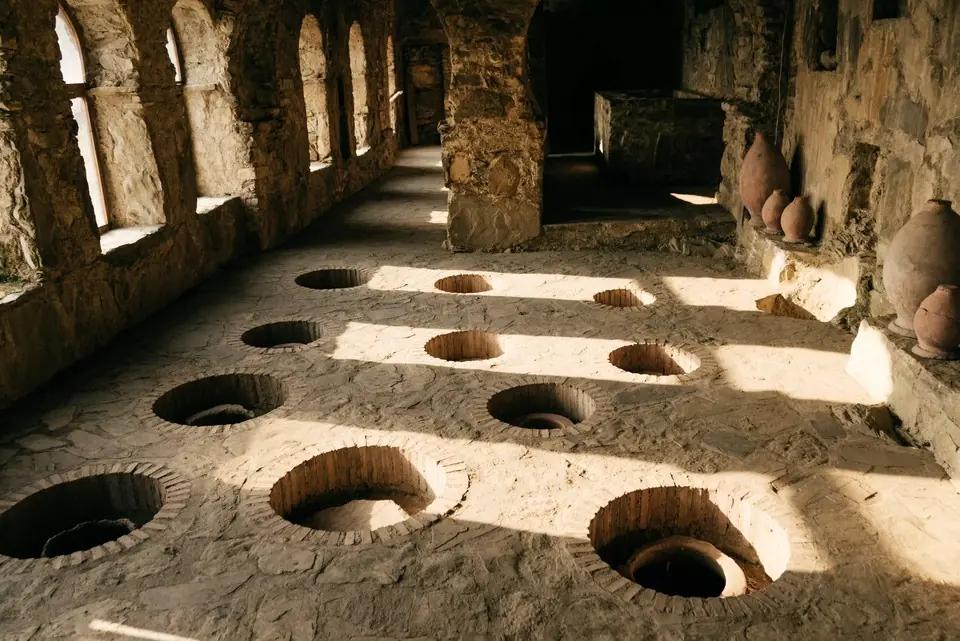
Chacha begins where the wine ends, and the timing depends on how the wine was made. In the Kakhetian qvevri method the juice ferments with its skins, seeds and part of the stems and stays on them through the winter, so the pomace only comes out when the jar is emptied, often in late winter or spring. Where the juice is pressed off its skins soon after the harvest, families pack the pomace into a barrel or tank, close it tightly and leave it to ferment for a few weeks or until the weather warms. That is why one village fires its stills in November while another waits for March.
- Load the pot
The fermented pomace goes into a copper or steel pot with a little water, so it does not scorch on the bottom. The lid carries a long pipe, and its joint with the pot is sealed with dough or clay so no vapour escapes. - Heat and condense
A wood fire heats the pot. Alcohol vapour rises into the pipe, which runs through a trough or barrel of cold running water, turns back into liquid and drips into a jar. In many villages the whole rig stands in the yard for a few days each year. - Make the cuts
A careful distiller sets aside the first sharp-smelling trickle, the heads, and the thin, oily tails at the end. Only the clean middle run, the heart, becomes chacha. - Distil again, or not
Many families send the first spirit through the still a second time for a cleaner, stronger result. The rules for the protected name cap the raw distillate at 75 percent. - Water and rest
The spirit is cut with water to drinking strength and rested for weeks or months in glass, steel or oak barrels. Oak turns it gold and rounds off the edges.
Wineries follow the same logic with bigger copper pot stills or column stills, then filter it and print the exact strength on the label. Commercial chacha already had a reputation in the 19th century: Georgia's national tourism site credits the Otskheli brothers and David Sarajishvili with chacha that took top prizes at international exhibitions.
On our Rtveli Grape Harvest tour you pick and press grapes alongside a Kakheti family, and if a neighbour is distilling that week you can watch the first chacha drip from the pipe. The trip is private, so it runs on dates you pick, for a group of any size, with a guide who speaks your language.
How strong is Georgian chacha?
Stronger than it tastes. Factory chacha is bottled at 40 to 50 percent, level with or above vodka, and 40 percent is the legal floor. Homemade chacha is almost never measured. What you are poured in a village usually lands somewhere around 45 to 60 percent, and a fresh batch can be fiercer. A host who has drunk his family's chacha for forty years will still call it light, so treat that as kindness rather than a reading.
| Drink and serving | Typical strength | Pure alcohol in the serving |
|---|---|---|
| Georgian wine, 150 ml glass | 12-14% | About 18-21 ml |
| Bottled chacha, 50 ml glass | 40-50% | About 20-25 ml |
| Homemade chacha, 50 ml glass | Around 45-60%, sometimes more | About 23-30 ml |
| Vodka, 50 ml | 40% | 20 ml |
| Georgian lager, half-litre | About 4.5-5% | About 23-25 ml |
Put simply, one small glass of chacha holds roughly the alcohol of a full glass of wine or a half-litre of beer, swallowed in one or two sips. Chacha glasses in Georgia usually hold 25 to 50 ml, and a refill tends to appear the moment yours is empty.
Grape, fruit and oak-aged chacha: the styles to try
Strictly, only the grape spirit carries the protected name. In daily speech Georgians also call fruit spirits chacha, or use araki, the general word for any distilled spirit. What goes into the still depends on the region and on whatever ripened in the garden that year.
| Style | Made from | What to expect |
|---|---|---|
| White-grape chacha | Pomace of Rkatsiteli, Mtsvane and other white grapes, most of Kakheti's harvest | Light, floral and clean; the everyday style |
| Red-grape chacha | Pomace of Saperavi and other red grapes | Often a little rounder and fruitier |
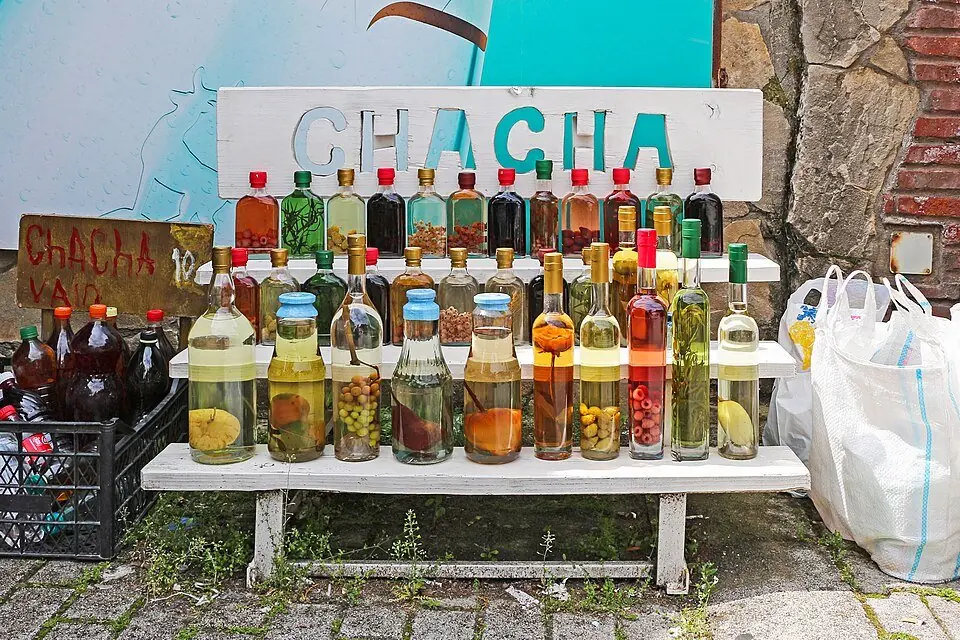
| Oak-aged chacha | Grape chacha rested in oak barrels for months or years | Gold, softer and closer to brandy |
| Tutis araki | Ripe mulberries | Sweet-smelling and soft; mostly homemade |
| Feijoa chacha | Feijoa, the subtropical fruit of Adjara, Guria and Samegrelo | Perfumed and tropical; a western speciality |
| Other fruit | Figs, pears, quince, plums or cornelian cherries | Varies from family to family |
| Infused chacha | Grape chacha steeped with tarragon, honey, herbs or fruit | Gentler on the nose; the label must say flavoured |
Fruit spirits are mostly homemade and appear when a host wants to show off something special. The infused and oak-aged styles are where the commercial producers experiment, and they make the most interesting bottles to take home.
Homemade or bottled chacha: which to choose
| Homemade | Bottled | |
|---|---|---|
| Who makes it | Village families, guesthouses and small cellars | Wineries and distilleries |
| Strength | Unmeasured, often around 45-60% | On the label, usually 40-50% |
| Taste | From superb to raw, depending on the cuts | Consistent, filtered, smoother |
| Where you get it | Poured at the table; plastic bottles at markets | Supermarkets, wine shops, winery shops, airport duty-free |
| Travels well? | No: no label, often in plastic | Yes: sealed, with the strength printed |
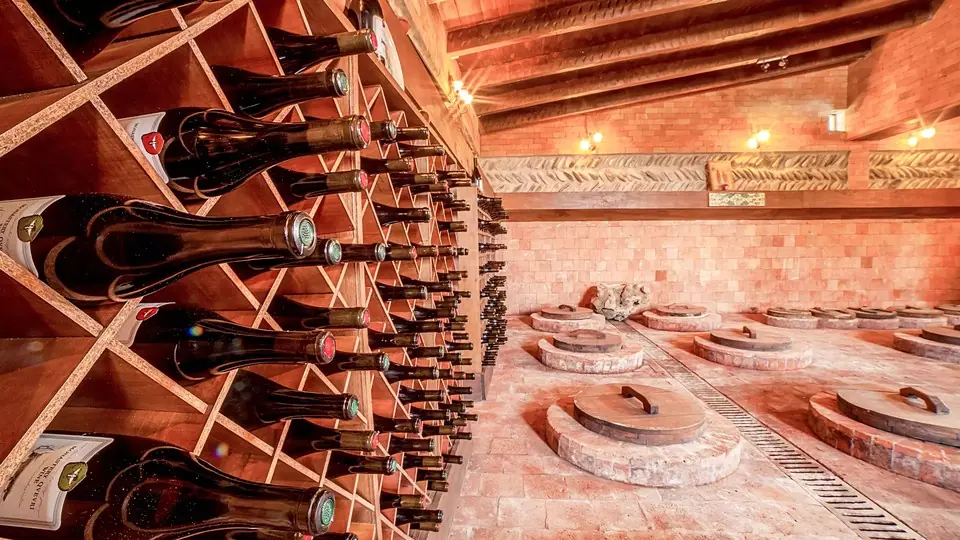
Big names you will see on shelves include Askaneli, Chateau Mukhrani, Tbilvino, Teliani Valley, Badagoni, Kindzmarauli Corporation and Telavi Wine Cellar, and many smaller Kakheti cellars now bottle their own chacha, plain or oak-aged. Our advice for a first taste: drink a family's homemade glass at their own table, where you know exactly who made it, then buy a labelled bottle from a winery you liked to carry home.
How Georgians drink chacha: glasses, food and toasts
Chacha marks a moment rather than filling an evening. These are the places you are most likely to meet it:
- As a welcome. A host may set out small glasses with cheese, bread and pickles as soon as you arrive, even mid-morning.
- At the end of a cellar tasting, after the wines, as the family's own spirit.
- In mountain guesthouses on cold days, sometimes even at breakfast.
- At a supra, beside the wine. The big toasts belong to wine; chacha tends to appear early as an opener or late, once the tamada's main toasts are done.
- As a home remedy. Many older Georgians still use it as a compress for aches, a rub for colds and a small glass for a heavy stomach.
The glass is small and the spirit goes down in one or two sips, followed at once by food: pickled green tomatoes or cucumbers, sulguni cheese, bread or cold meat. Bottled chacha often comes ice-cold from the freezer, while homemade is poured at room temperature. Each glass goes with a few words, even if only gaumarjos, victory, said as the glasses rise. Our supra guide walks through the sequence of toasts and what the tamada does; the same manners hold here, so drink when a toast is made, not on your own.
Drinking chacha responsibly
- Eat first and keep eating. Chacha on an empty stomach is the quickest way to lose the evening.
- Drink water between toasts. Every Georgian table has mineral water on it, and nobody minds you reaching for it.
- Stop when you want to. Put a hand over your glass or say sakmarisia, enough. Saying you do not drink at all, for health, faith or any other reason, is accepted.
- Think about tomorrow. An early mountain start after a night of chacha is hard on anyone, and heat and altitude make spirits hit harder.
- Never drive after drinking. The blood alcohol limit for drivers in Georgia is 0.3 per mille (0.03 percent), and a single glass of chacha can be enough to break it. On our tours the driver never drinks, so you are free to.
Where to taste and buy chacha in Georgia
In Tbilisi
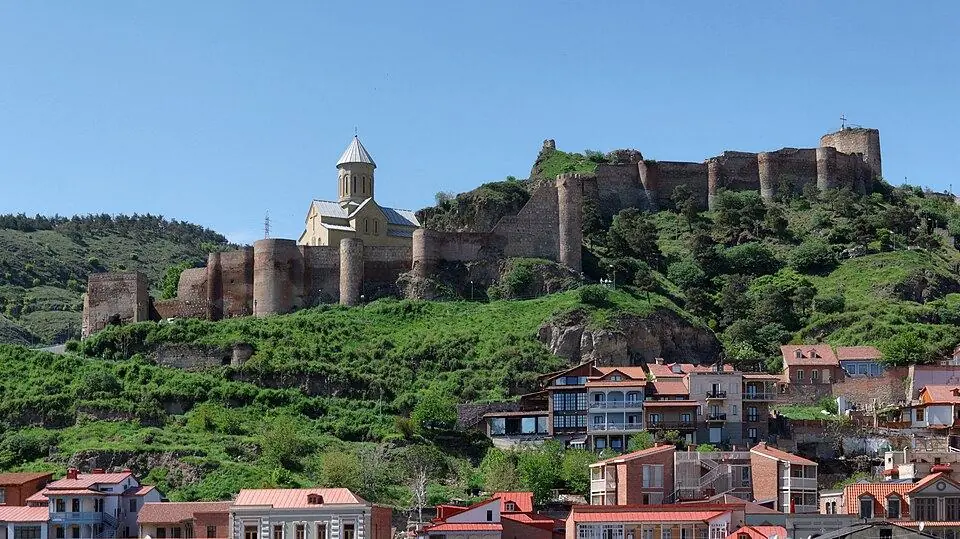
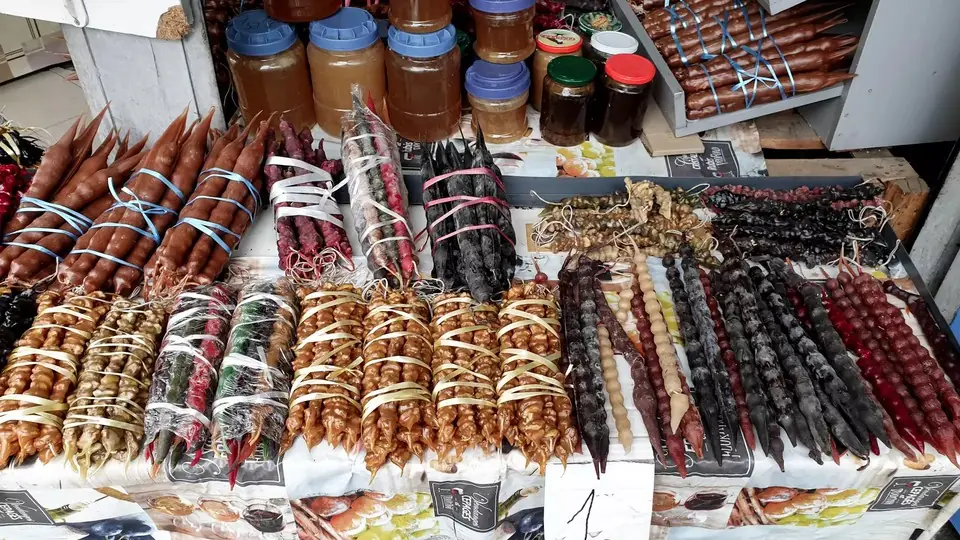
Most traditional restaurants sell chacha by the glass or in a half-litre carafe, and the natural wine bars of Sololaki and the Old Town keep a few small-producer bottles for late in the evening. A growing number of cocktail bars use chacha where you would expect gin or vodka, often with tarragon or feijoa. For bottles, go to specialist wine shops, the brand shops of the larger wineries, or big supermarket chains such as Carrefour, Spar, Nikora and Goodwill. At the Dezerter Bazaar sellers offer tastes of homemade chacha from plastic bottles: fun to try, hard to judge.
In Kakheti
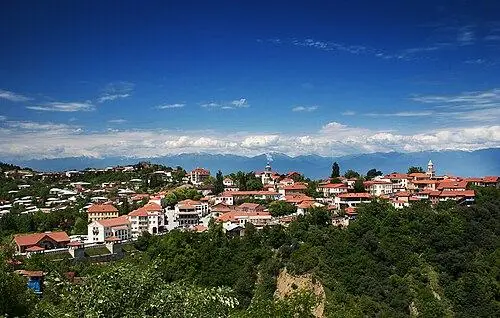
Chacha tastes best where it was made. Many family cellars around Telavi, Kvareli and Sighnaghi finish a tasting with a glass of their own, and the bigger estates sell aged chacha in their shops. Our guide to the best wineries in Kakheti lists cellars that include chacha in the standard tasting, such as Twins Old Cellar in Napareuli. Keep it to two or three cellars a day and let someone else drive.
In Batumi and western Georgia
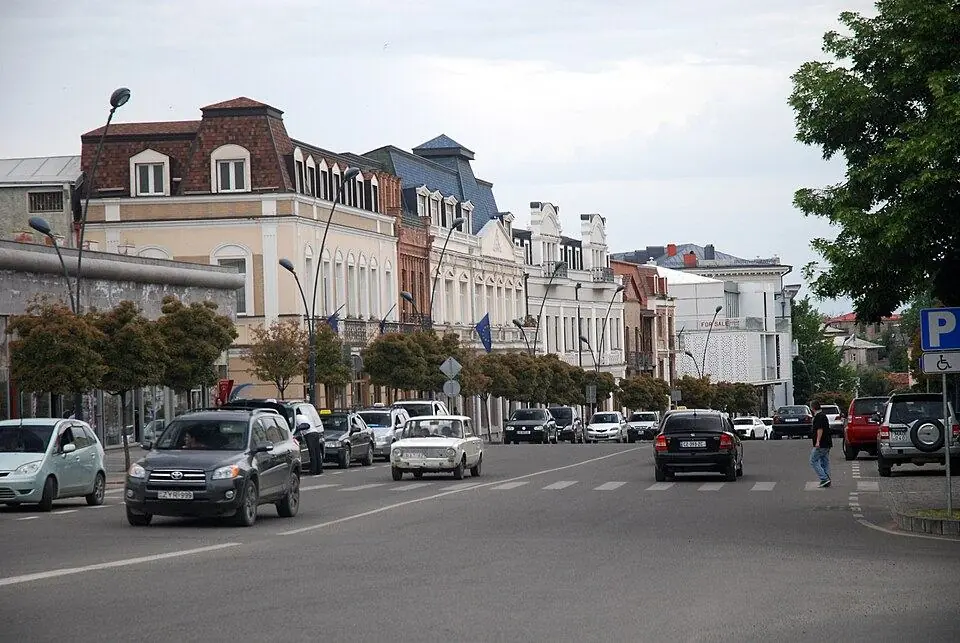
The west distils more fruit spirits, and feijoa and fig versions turn up at Batumi's Central Market and in village guesthouses across Imereti and Guria. Batumi once had a Chacha Tower, a clock tower of 2012 whose fountains were designed to flow with the spirit at set times. They worked only briefly, and reports say the tower came down in 2024, so do not plan a visit around it.


| What | Approximate price, 2026 | Notes |
|---|---|---|
| Half-litre of house chacha in a Tbilisi restaurant | From about 13 GEL (about $5) | Often from the owner's family or a local cellar |
| Factory bottle in a supermarket or wine shop | About 20-60 GEL (about $7-22) | Check the strength and the excise stamp |
| Aged or flavoured craft chacha | About 70-115 GEL (about $26-43) | Small producers; good gift bottles |
| A glass at a family table | Free | Poured as hospitality, never sold |
These prices are approximate for autumn 2026 and change with the producer and the bottle size.
On our seven-day Wine & Supra tour, chacha usually turns up the way it should: as the last glass after qvevri tastings in Kakheti family cellars, and on the table at a full supra in Sighnaghi with a tamada and polyphonic singers. For a single day, the Kakheti Wine Day Trip from Tbilisi includes lunch and a qvevri tasting with a winemaking family. Both are private, run on any date and suit any group size.

Taking chacha home: customs limits and airline rules
For your own use, Georgia itself does not cap how many bottles you take out. The rules that matter are your airline's and those of the country you are flying to.
| Rule | Limit in 2026 (check before you fly) |
|---|---|
| Airline safety rules | Spirits over 70% are banned from all baggage; 24-70% allowed up to 5 litres per person, in unopened retail packaging |
| Cabin bags | Liquids over 100 ml only if bought in airport duty-free and kept in the sealed security bag |
| Arriving in the EU | 1 litre of spirits over 22% duty-free per adult aged 17 or over |
| Arriving in the UK | 4 litres of spirits per adult aged 18 or over |
| Arriving in the US | 1 litre duty-free per adult aged 21 or over; more with duty, subject to state law |
| Arriving in Canada | 1.14 litres of spirits, instead of the wine or beer allowance |
| Arriving in Australia | 2.25 litres of alcohol in total per adult aged 18 or over |
- Buy sealed bottles with the strength printed on them. A water bottle of homemade spirit fails the retail-packaging rule and can be taken from you at check-in or at your destination.
- Wrap each bottle in clothes inside a plastic bag and put it in the middle of a hard suitcase.
- Tbilisi airport's duty-free shops sell chacha after security if you would rather carry it on board. On a connecting flight, keep the security bag sealed until you land at your final stop.
Our visa and entry guide lists Georgia's own allowances for arriving travellers, and our wine guide covers packing bottles of wine.
Is homemade chacha safe? Methanol and other risks
Chacha from a family that has distilled for generations is drunk safely across Georgia every day. Problems come from careless distilling, spirit of unknown origin and plain overdoing it.
Every fruit and grape spirit contains some methanol, which forms from the pectin in skins, so pomace spirits carry more of it than spirits made from grain. A good distiller keeps it down by using sound, fresh pomace and making careful cuts. Serious poisoning is rare and is usually tied to spirit that was badly made or stretched with industrial alcohol, which is why you should not buy unlabelled bottles from strangers at the roadside.
- Know the warning signs. Methanol poisoning often shows up 12 to 24 hours after drinking, as a severe headache, nausea, stomach pain, fast breathing and blurred or snowy vision. Anyone with these signs needs a hospital fast: call 112, Georgia's emergency number.
- Ask how strong it is and pour small. A second glass is always possible; taking back the first is not.
- Skip chacha if you are pregnant, if your medicine warns against alcohol, or before a mountain drive or a long hike.
- Drink plenty of water in hot weather and at altitude, where a glass hits harder than it would at home.
Other Georgian drinks: lemonade, mineral water, beer and tea
Wine comes first in Georgia, and our Georgian wine guide covers qvevri, amber wine and the grapes. These are the other Georgian drinks you will see on almost every table.
| Drink | What it is | Where to try it |
|---|---|---|
| Tarkhuna | Sweet tarragon soda, usually bright green | Every restaurant and shop |
| Lagidze waters | Fruit or herb syrup mixed with soda water at the counter | Old-style cafés in Tbilisi |
| Borjomi | Salty, strongly mineral, naturally sparkling water | Every table; at the spring in Borjomi |
| Nabeghlavi | Lighter sparkling water from Guria | Every table |
| Georgian beer | Mostly pale lager; craft styles in the cities; home brew in the mountains | With khinkali, in beer halls |
| Georgian tea | Black and green tea from the west; herbal teas in the mountains | Guesthouses, tea farms in Guria |
| Georgian brandy | Wine distilled and aged in oak, sold as konyaki | After dinner; gift bottles |
Tarkhuna and Lagidze waters
Georgian lemonade is not lemon juice and sugar but a sweet fizzy soda in a dozen flavours. The best known is tarkhuna, made with tarragon, which tastes faintly of aniseed and is usually coloured vivid green. Its story begins in Kutaisi, where in 1887 a young pharmacist, Mitrofane Lagidze, started mixing soda water with syrups he made himself from fruit and herbs, tarragon among them. In 1906 he moved to Tbilisi and opened a shop on Rustaveli Avenue, and Lagidze waters stayed a city treat through the Soviet decades.
Today Natakhtari, Zedazeni and Kazbegi bottle lemonade in flavours such as tarragon, pear, cream soda (nagebi), feijoa, Saperavi grape and lemon. For the original style, find a counter that mixes syrup and soda to order; the Lagidze Waters café in Tbilisi still does, and a cold glass goes very well with hot khachapuri.
Borjomi, Nabeghlavi and other mineral waters
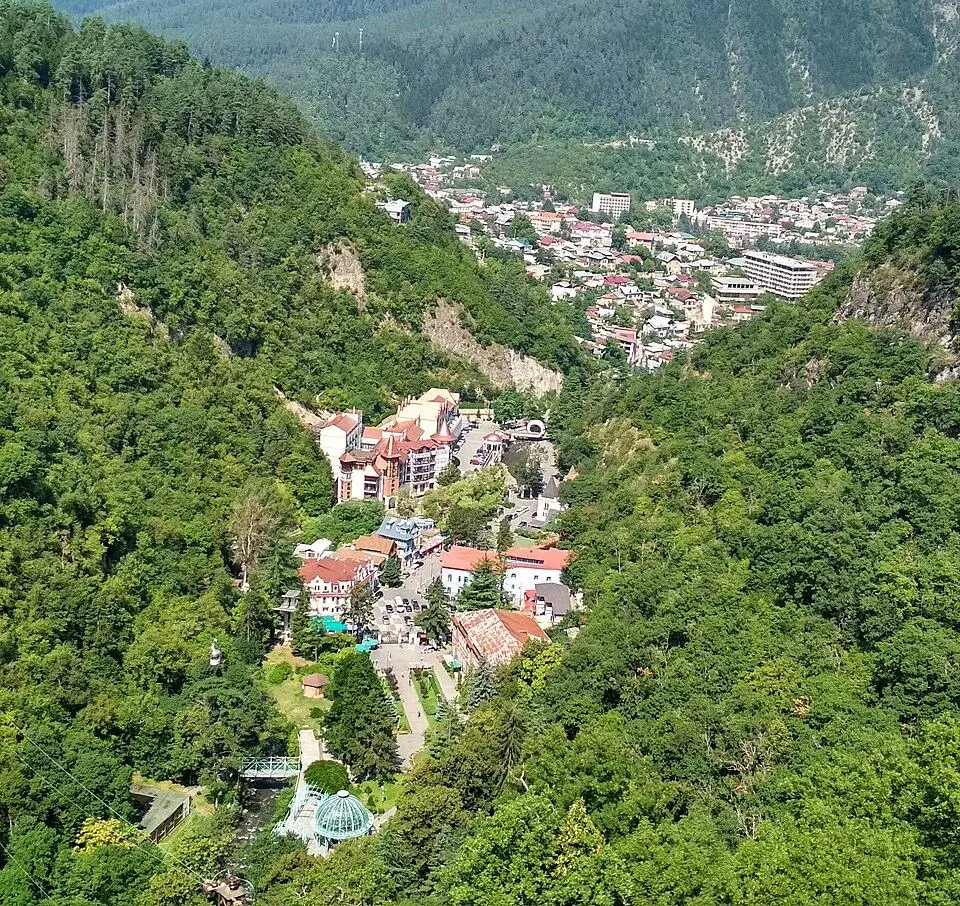
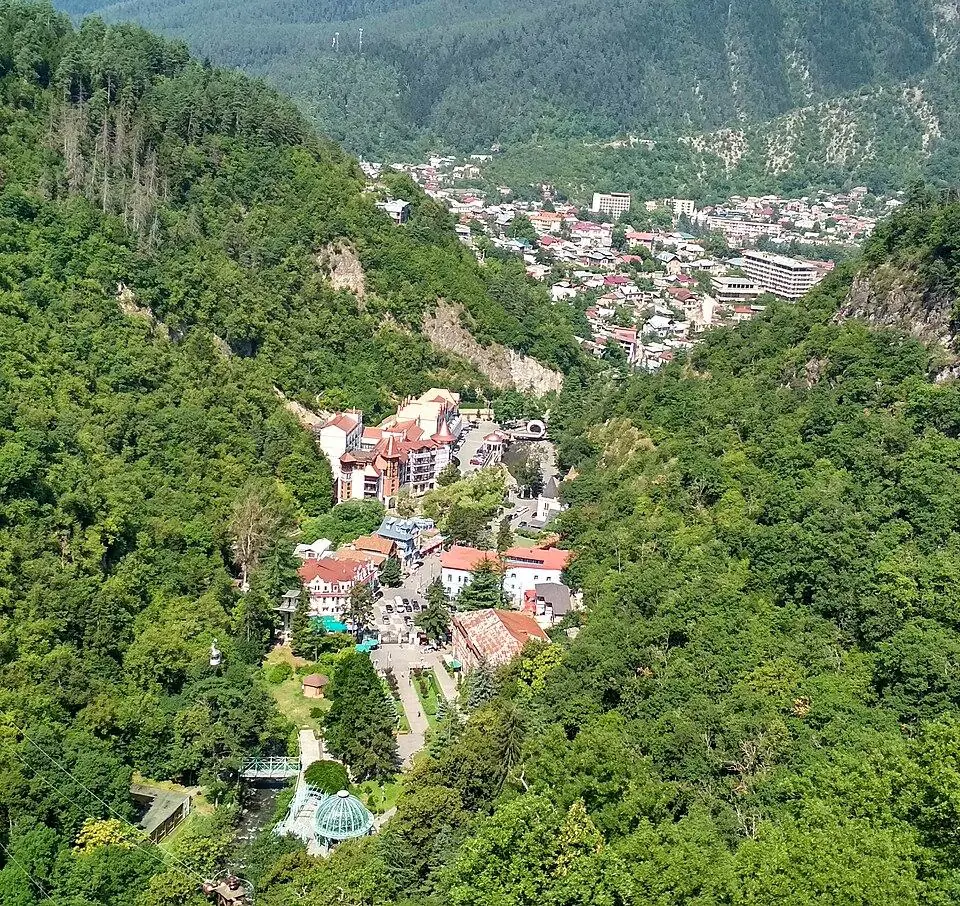
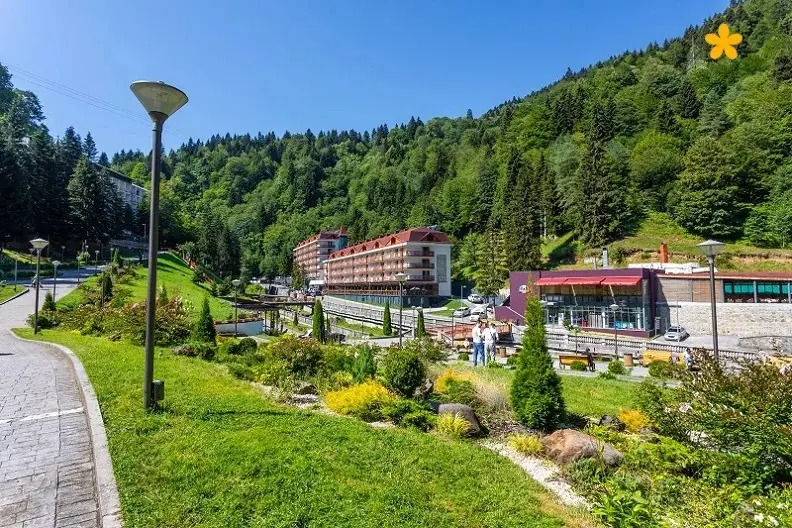
Mineral water is the drink Georgians reach for most often. Borjomi, from the spa town of that name ~160 km west of Tbilisi, is naturally sparkling, quite salty and strongly mineral. Plenty of people swear by it with rich food and the morning after a feast; others need a few tries to like it. Inside Borjomi Central Park you can fill a bottle for free at the spring pavilion, where the water comes out warm, at about 38-41°C.
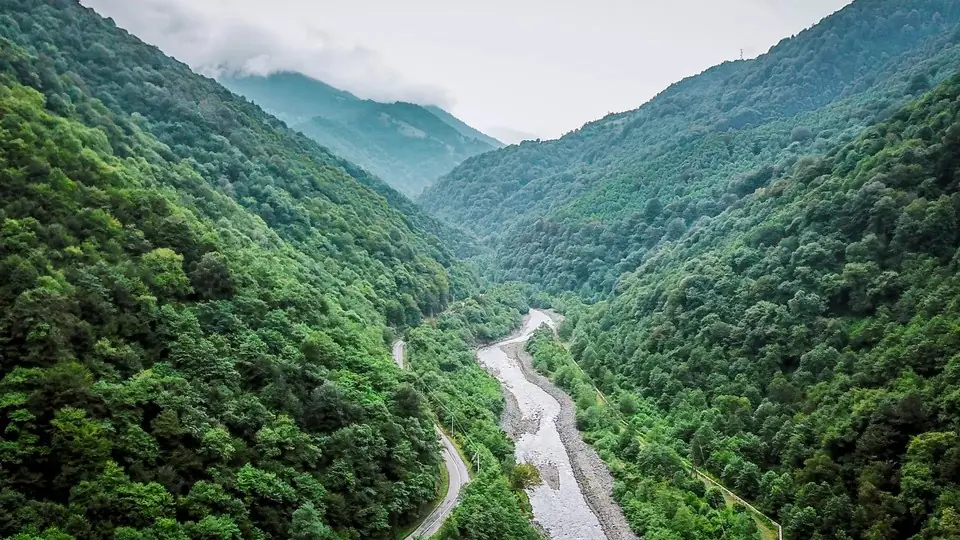
Nabeghlavi, also spelled Nabeglavi, comes from a spring in the forested foothills of Guria and has been bottled since 1958. It is lighter and less salty, which makes it the everyday table water in many homes. Sairme from Imereti and Likani from the Borjomi valley are other sparkling names, and still waters such as Bakuriani and Sno fill the rest of the fridge. In Tbilisi and the bigger cities tap water is treated and generally fine to drink.
Georgian beer and mountain home brew
Georgians drink plenty of cold lager, mostly from the big brewers Natakhtari, Zedazeni, Kazbegi and Argo, and a half-litre of draught arrives with nearly every plate of khinkali. Tbilisi and Batumi now also have craft breweries pouring IPAs, stouts and unfiltered beers. Beer is not used for toasts: an old superstition says a toast raised with beer is meant for an enemy, so switch to wine or water when the tamada stands.
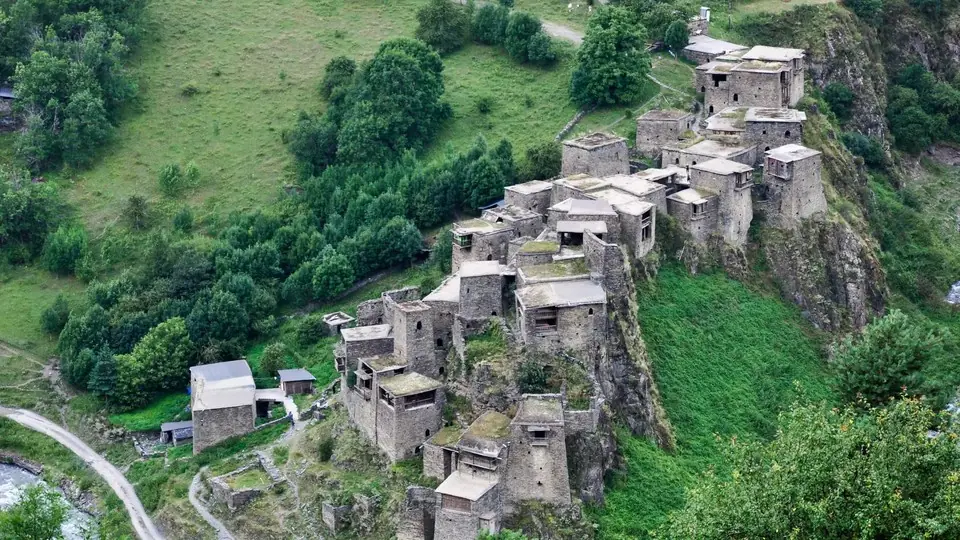
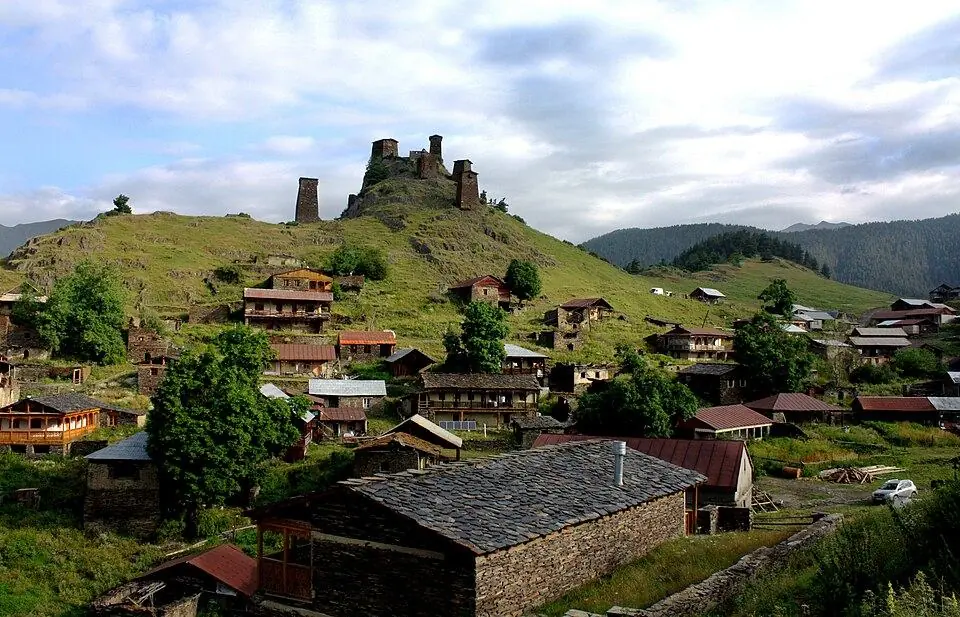
In the high valleys of Khevsureti, Pshavi and Tusheti, where barley grew far better than vines, families brew their own beer for shrine festivals and village feasts. You will not find it in shops, but in summer a guesthouse in Shatili or Omalo may pour you a glass.
Georgian tea and herbal teas
Georgia was once a major tea grower. Bushes were planted in Guria from the mid-19th century, and large estates followed in the 1890s at Chakvi near Batumi, where a Chinese tea master, Lau Jen Jau, oversaw the plantations. In Soviet times the gardens of Guria, Adjara, Samegrelo and Imereti supplied most of the USSR's tea, and the industry collapsed in the 1990s. Small family estates, many of them around Ozurgeti in Guria, now make hand-picked black and green teas that you can taste at the farm. In mountain guesthouses you are more likely to be offered herbal tea of thyme, mint or rosehip, with homemade jam on the side.
Georgian brandy
Georgian brandy, sold as konyaki, is a different drink from chacha: it is distilled from wine rather than pomace and aged in oak for years. The tradition goes back to David Sarajishvili, who founded his brandy house in Tbilisi in 1884, and an aged bottle makes a classic present.
Chacha and Georgian drinks: frequently asked questions
What is chacha made of?
Grape pomace, which is everything that stays in the press once the juice has run off: skins, pips and bits of stalk. The pomace is fermented and then distilled, usually in a copper pot still. Homemade spirits from mulberries, figs, pears or feijoa are also called chacha, but only the grape spirit carries the protected Georgian name.
How strong is Georgian chacha?
By law, bottled chacha has to reach 40 percent or more, and most labels say 40 to 50 percent. Homemade chacha is rarely measured and often sits around 45 to 60 percent. A 50 ml glass holds about as much alcohol as a full glass of wine.
Is chacha the same as grappa or vodka?
It is closest to grappa, since both are brandies distilled from grape pomace. Vodka is usually made from grain or potatoes and distilled to a neutral spirit, while chacha keeps the scent of the grape. Georgians sometimes call chacha grape vodka, which is where the mix-up comes from.
What does chacha taste like?
Good chacha is dry and clean, with a grapey, slightly floral nose and a warm finish. Oak-aged chacha is golden and softer, with hints of vanilla and dried fruit. Poorly made chacha smells of solvent and burns all the way down, and you are free to leave it.
How do you drink chacha in Georgia?
From a small glass, after a toast, with food straight afterwards. Bottled chacha is often served ice-cold and homemade at room temperature. Sipping is fine, nobody expects you to keep pace with your host, and a hand over the glass means you have had enough.
Can you bring chacha back from Georgia?
Yes, in sealed, labelled bottles packed in your checked bag. Airlines ban spirits over 70 percent and allow up to 5 litres per person between 24 and 70 percent. Your home allowance decides how much comes in duty-free: in 2026, 1 litre for the EU and the US and 4 litres for the UK.
Is homemade chacha safe to drink?
Chacha from a host who makes it every year is generally safe and is drunk all over Georgia. Avoid unlabelled spirit from unknown sellers, keep the glasses small and eat with them. A severe headache, vomiting or blurred vision hours after drinking needs a hospital at once, so call 112.
What are the most popular Georgian drinks besides wine?
Mineral water, above all Borjomi and Nabeghlavi, is on every table, and tarkhuna, the green tarragon lemonade, is the favourite soft drink. Lager from Natakhtari, Zedazeni and Kazbegi, tea from western Georgia, chacha and oak-aged Georgian brandy complete the list.