Tbilisi
Georgia's capital on the Mtkvari river: sulphur baths, balconied old streets, churches, markets and a lively food and wine scene.
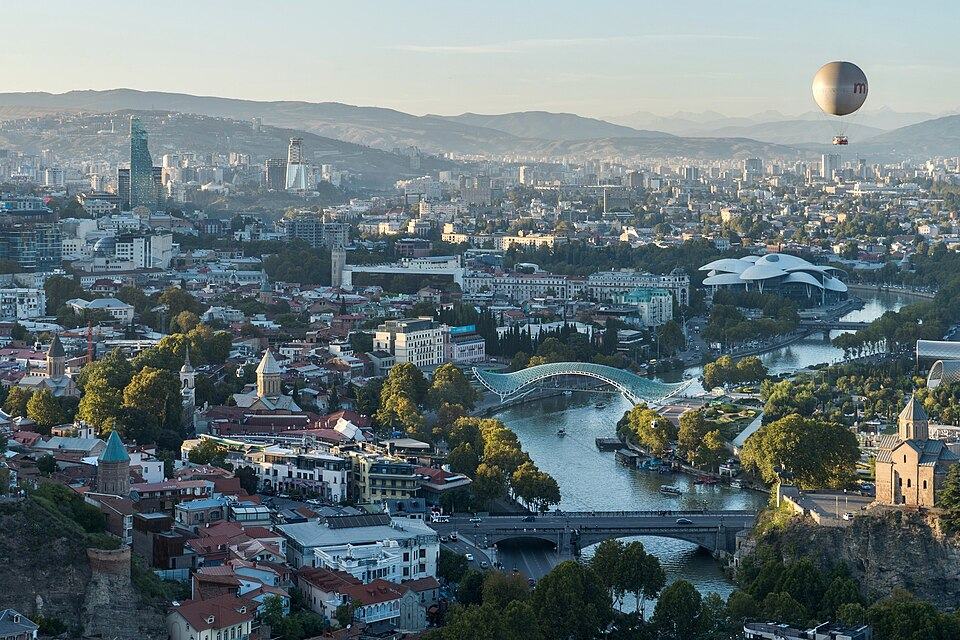 TbilisiPhoto: Alexey Komarov, CC BY-SA 4.0
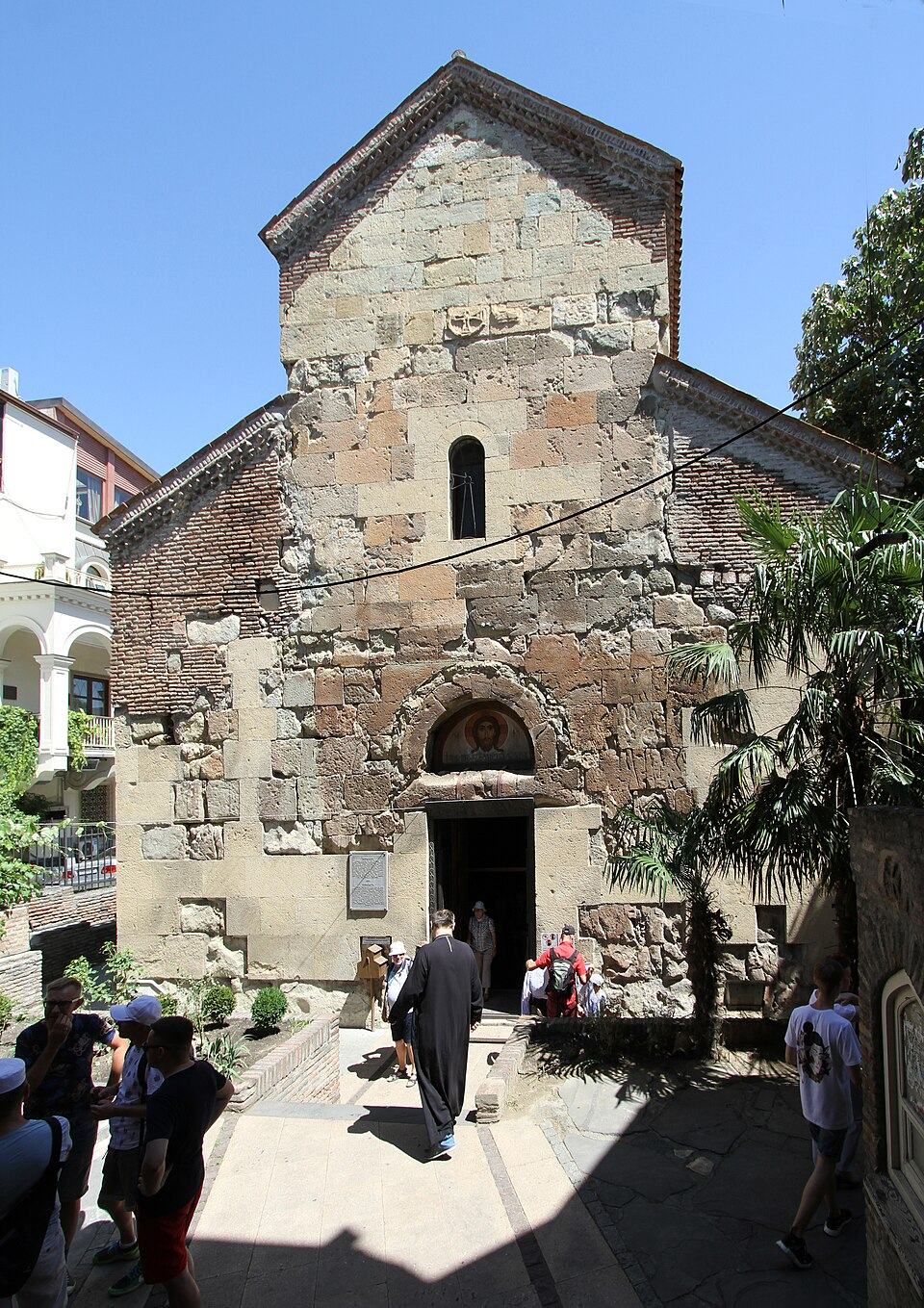
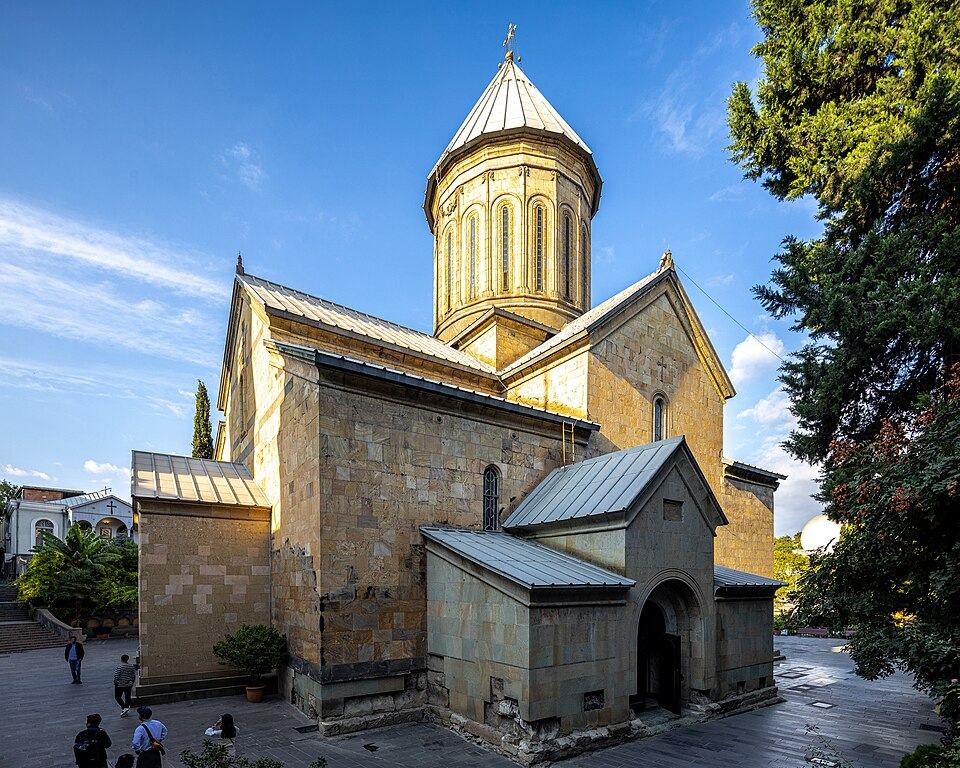
Tbilisi is Georgia's capital and largest city, home to about 1.3 million people on both banks of the Mtkvari river. It grew around the hot sulphur springs that gave it its name, from the Georgian word tbili, meaning warm. For travellers it works on two levels: a historic core of churches, bathhouses and wooden balconies that you can walk in a day, and a modern city of wine bars, design hotels, galleries and clubs. Most trips around Georgia begin and end here, and it is the main hub for flights, trains and marshrutkas.
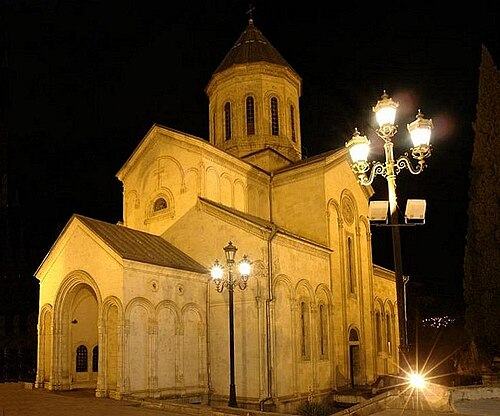
The centre spreads out from Freedom Square. To the south and east lie Old Tbilisi, Narikala and the baths; to the north-west runs Rustaveli Avenue with its theatres, museums and Parliament. Across the river, Avlabari is crowned by Sameba Cathedral. Further out, Vake and Vera are leafy residential districts, while Marjanishvili and Chugureti have Fabrika and a cluster of new cafes. The city sits between 380 and 770 metres, so expect steep streets and good viewpoints, with cable cars and a funicular to ease the climbs.
History
King Vakhtang Gorgasali is credited with founding Tbilisi in the 5th century, and his son Dachi moved the capital here from Mtskheta in the 6th. Persian, Arab, Mongol and Ottoman armies all held it at times, and Arab emirs ruled it for almost four centuries until David the Builder took it back in 1122. Agha Mohammad Khan's Persian army burned it in 1795. Under Russian rule from 1801 it became Tiflis, the administrative centre of the Caucasus, and it was the capital of Soviet Georgia until independence in 1991.
What to see and do
- Walk from Freedom Square through Old Tbilisi to the sulphur baths
- Ride the cable car to Narikala and the Mother of Georgia statue
- See ancient gold and the Dmanisi fossils at the National Museum
- Take the funicular to Mtatsminda for city views at sunset
- Spend an evening at Fabrika or in the Old Town wine bars
How to visit
Getting there
Tbilisi International Airport is about 18 km south-east of the centre, roughly 25–40 minutes by taxi. Trains arrive at Tbilisi Central Station from Batumi and Yerevan, and marshrutkas from across Georgia use the Didube, Samgori and Ortachala stations.
When to go
May–June and September–October. Plan 3–4 days here.
- Use Bolt or another ride-hailing app rather than street taxis to avoid overcharging.
- Wear shoes with grip: Old Tbilisi's cobbles and steep lanes get slippery after rain.
- Carry a scarf or long sleeves for churches; women are asked to cover their heads and men to avoid shorts.
- Georgians eat late, and many restaurants are busiest after 9 pm.
Tbilisi: FAQ
Is Tbilisi expensive to visit?
Tbilisi is good value by European standards. Public transport, taxis, bakery food and local wine are cheap, while design hotels and upscale restaurants cost closer to European prices.
Do people speak English in Tbilisi?
English is widely spoken by younger people and in hotels, restaurants and shops in the centre, and many older residents speak Russian. Learning gamarjoba (hello) and madloba (thank you) is always appreciated.
Read more in our guides
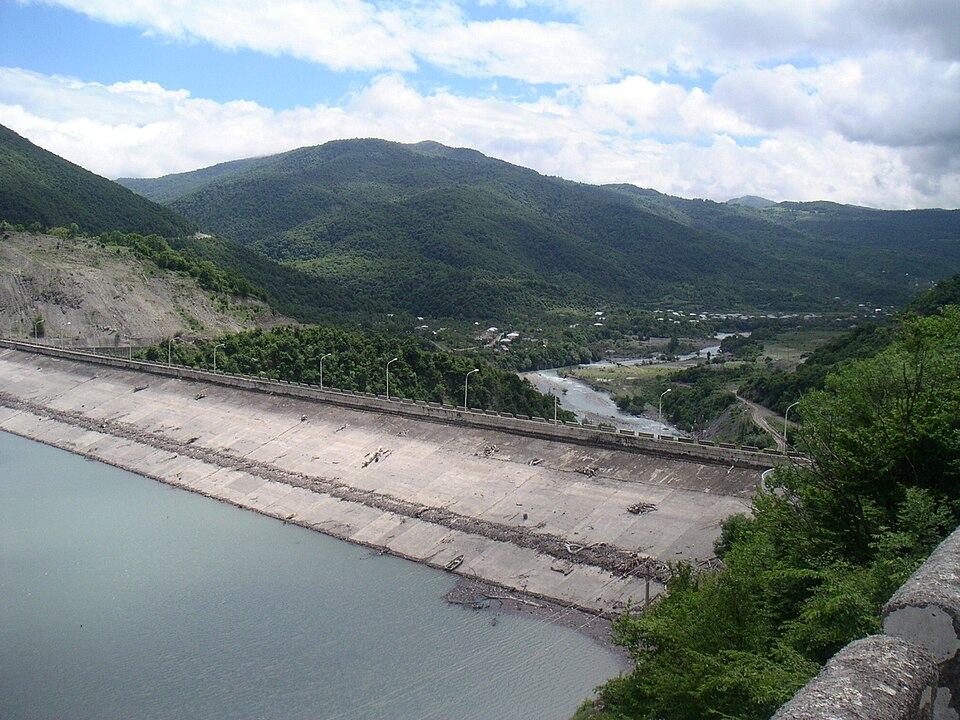
Photo: Alexey Komarov, CC BY-SA 4.0How to link Georgia with Armenia and Azerbaijan in 2026: which borders are open, the three crossings to Armenia, getting to Baku, sample routes and how many days you need.
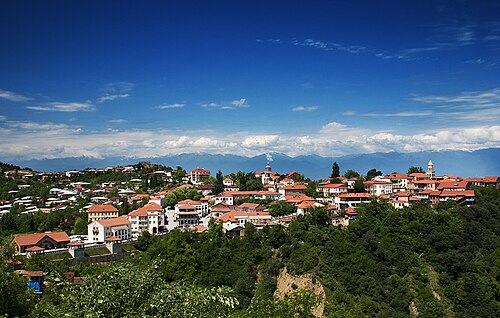 Photo: Levan Gokadze, CC BY-SA 2.0
Cool, quiet and full of young wine: what November weather is really like in Tbilisi, Kakheti, Batumi and the mountains, and how to plan a late-autumn trip around it.
Photo: Alexey Komarov, CC BY-SA 4.0Daily budgets for backpackers, mid-range and comfort travellers, with 2026 prices for rooms, food, wine, drivers, trains and marshrutkas in lari and dollars.
Nearby places
Straight-line distance from Tbilisi.