- Khachapuri is Georgian cheese bread, its name built from khacho (curd) and puri (bread); the tradition of making it was declared part of Georgia's intangible cultural heritage on 22 January 2019.
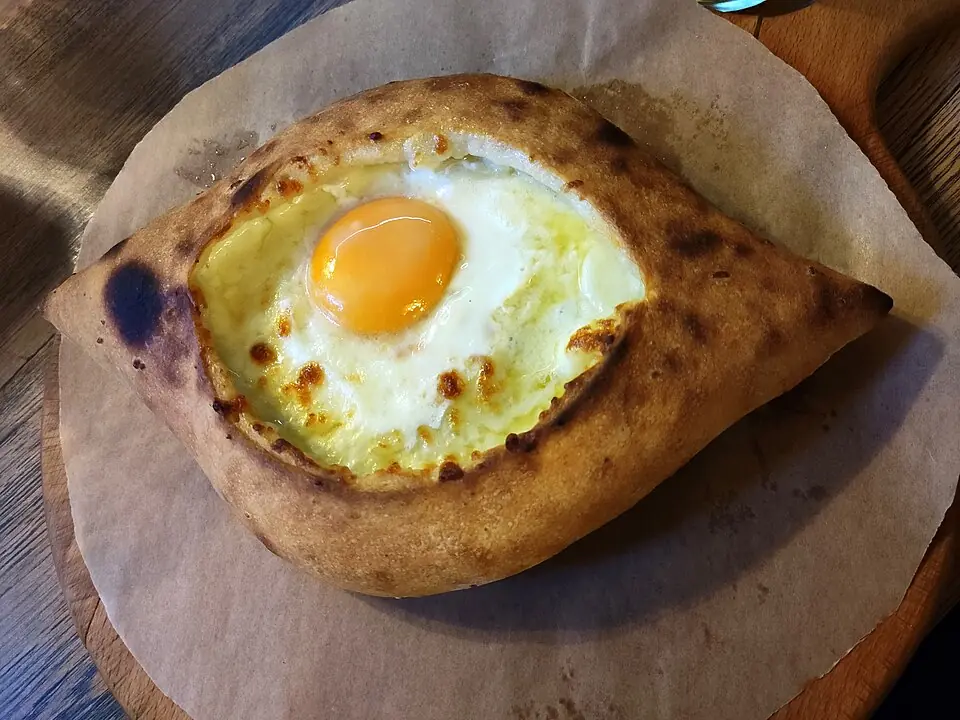
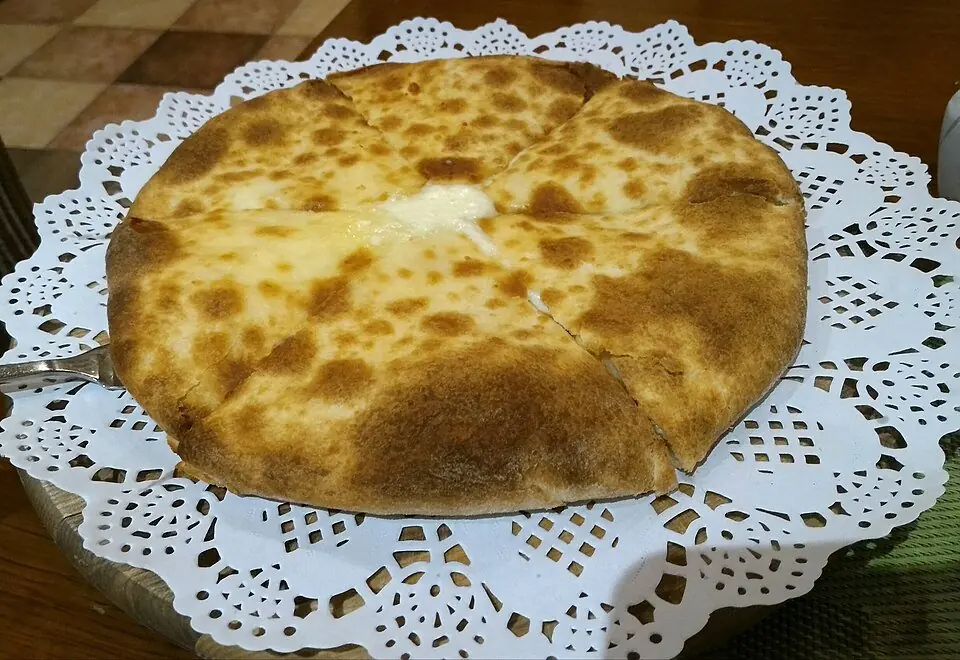
- Four types fill almost every menu: Imeruli (round and sealed, Imeretian cheese inside), Megruli (the same with sulguni browned on top), Adjaruli (an open boat finished with butter and a raw yolk) and penovani (flaky puff pastry).
- Regional versions worth a detour include Gurian ghvezeli with boiled egg, the turban-shaped Meskhetian khachapuri, Svan petvraali made with millet and paper-thin kotori from Tusheti.
- Eat round khachapuri by hand in wedges while hot; with Adjaruli, mix the yolk and butter through the cheese straight away and dip torn pieces of crust.
- In 2026 an Imeruli costs roughly 9-20 GEL (about $3.50-8) in a restaurant and a standard Adjaruli about 19-31 GEL (about $7-12), while bakeries sell penovani for a few lari.
Khachapuri is Georgian cheese bread: soft dough wrapped around salty fresh cheese, or heaped with it, and baked until the crust blisters. It turns up everywhere, from a flaky square bought at a bus stop to the butter-and-egg boat that ends a long lunch in Batumi. Tourism sources count about 40 regional types, yet four of them cover nearly every menu: round Imeruli, cheese-topped Megruli, boat-shaped Adjaruli and puff-pastry penovani. Every region bakes its own, and loyalties run deep.
This page goes much further than the bread section of our Georgian food guide. It opens with a comparison table of 14 types of khachapuri by region, shape, cheese and filling, with the towns where each is at its best. Then come the rarer kinds, from the Gurian Christmas crescent to the Meskhetian turban, the two cheeses that matter, how to eat khachapuri without wearing it, what it costs in 2026, our picks in Tbilisi, Batumi and Kutaisi, and a home recipe that works with supermarket cheese.
What is khachapuri? Georgian cheese bread explained
At its simplest, khachapuri is a round of soft wheat dough with a layer of cheese baked inside or on top. The word joins two Georgian nouns, khacho, meaning fresh curd, and puri, meaning bread. On signs it is written ხაჭაპური, and you say it roughly kha-cha-poo-ri, with the rasping kh heard at the end of the Scottish word loch. In English the same word serves for one or several.
It is everyday food and festive food at once. Georgians eat it for breakfast with tea, carry it on long drives, put it on every feast table and serve it at memorial meals. Bakeries pull fresh batches from the oven from early morning, and supermarkets sell it cold in bags. Because almost every household buys the same few ingredients for it, the ISET Policy Institute at Tbilisi State University runs a Khachapuri Index, a cost-of-living gauge based on what it takes to bake one Imeruli at home. In late 2025 that figure passed 7 GEL for the first time.
Nobody can say how old the dish is. Arcangelo Lamberti, an Italian missionary who lived in Samegrelo in the 17th century, already wrote about cheese-filled breads there. Since then each valley has shaped its own version around local flour, cheese and saints' days, which is why the family is so large.
| Khachapuri at a glance | Short answer |
|---|---|
| Name | ხაჭაპური, from khacho (curd) and puri (bread) |
| Types on most menus | Imeruli, Megruli, Adjaruli and penovani |
| Regional types | About 40 in all, some tied to a single feast day |
| Main cheeses | Imeretian cheese and sulguni, often mixed |
| Heritage status | Declared Georgian intangible cultural heritage on 22 January 2019 |
| National Khachapuri Day | 27 February |
| Restaurant price in 2026 | About 9-31 GEL (about $3.50-12), depending on type and size |
| Good drinks with it | A cold beer, a dry white wine or a Georgian tarragon lemonade |
Types of khachapuri compared: region, shape, cheese and filling
Use this table to decode a menu or to plan a route around bread. The first four types appear across the whole country. The others are regional: you find them in their home valleys, in family kitchens and in the specialist khachapuri cafes of Tbilisi. The Georgian names help when a village menu has no English.
| Type (Georgian) | Region | Shape | Cheese | Filling and extras | Where to try it |
|---|---|---|---|---|---|
| Imeruli (იმერული) | Imereti | Round, sealed | Imeretian | Cheese only, in thin dough | Anywhere; best in Kutaisi |
| Megruli (მეგრული) | Samegrelo | Round, cheese on top | Young or Imeretian inside, sulguni on top | Top layer often bound with egg | Zugdidi, Martvili, Megrelian cafes in Tbilisi |
| Adjaruli or Acharuli (აჭარული) | Adjara | Open boat | Sulguni and Imeretian | Raw yolk and butter added at the end | Batumi and the Adjara coast; mountain villages serve it too |
| Penovani (ფენოვანი) | Whole country | Square or triangle | Imeretian or sulguni | Layers of flaky puff pastry | Street bakeries everywhere |
| Achma (აჩმა) | Adjara; Abkhazian in origin | Layered tray, cut in squares | Sulguni or Imeretian | Boiled dough sheets with butter | Batumi, Kobuleti, Tbilisi bakeries |
| Guruli or ghvezeli (გურული) | Guria | Half-moon | Imeretian or sulguni | Chopped boiled egg in the cheese | Ozurgeti at Christmas; some Tbilisi cafes |
| Meskhuri, turban khachapuri (მესხური) | Samtskhe-Javakheti | Coiled turban | Tenili or fresh cheese | Paper-thin dough worked with animal fat | Akhaltsikhe and villages towards Vardzia |
| Rachuli (რაჭული) | Racha | Square, triangle or oblong | Young cheese | Some add ham, walnuts or spinach | Ambrolauri and Oni guesthouses |
| Petvraali (Svan) | Svaneti | Round | Svan cheese | Millet in the filling, sometimes blue fenugreek | Mestia and Svan villages |
| Kotori (კოტორი) | Tusheti | Wafer-thin round | Kalti, dried aged curd | Brushed with Tushetian butter | Omalo guesthouses, June to October |
| Khabizgina (ხაბიზგინა) | Ossetian villages, Shida Kartli, Kazbegi | Round, sealed | Fresh cheese | Mashed potato in the cheese | Stepantsminda and around Gori |
| Pkhlovani or mkhlovani | Mountain regions | Round, sealed | Fresh cheese | Beet leaves, spinach or other greens | Specialist khachapuri cafes in Tbilisi |
| Kubdari (კუბდარი) | Svaneti | Round, sealed | None | Chopped beef or pork, onion, Svan salt | Mestia and Ushguli |
| Lobiani (ლობიანი) | Racha, now everywhere | Round, sealed | None | Spiced kidney beans; ham in Racha | Any bakery; Racha for the ham kind |
Strictly speaking, kubdari and lobiani are not khachapuri, because they hold meat and beans instead of cheese. Bakeries sell them on the same shelf, though, and Georgians treat all these filled breads as one family. Lobiani is also the classic choice in Lent, when observant Georgians give up dairy along with meat.
Imeretian khachapuri and Megrelian khachapuri: the round classics
Imeruli, the everyday standard
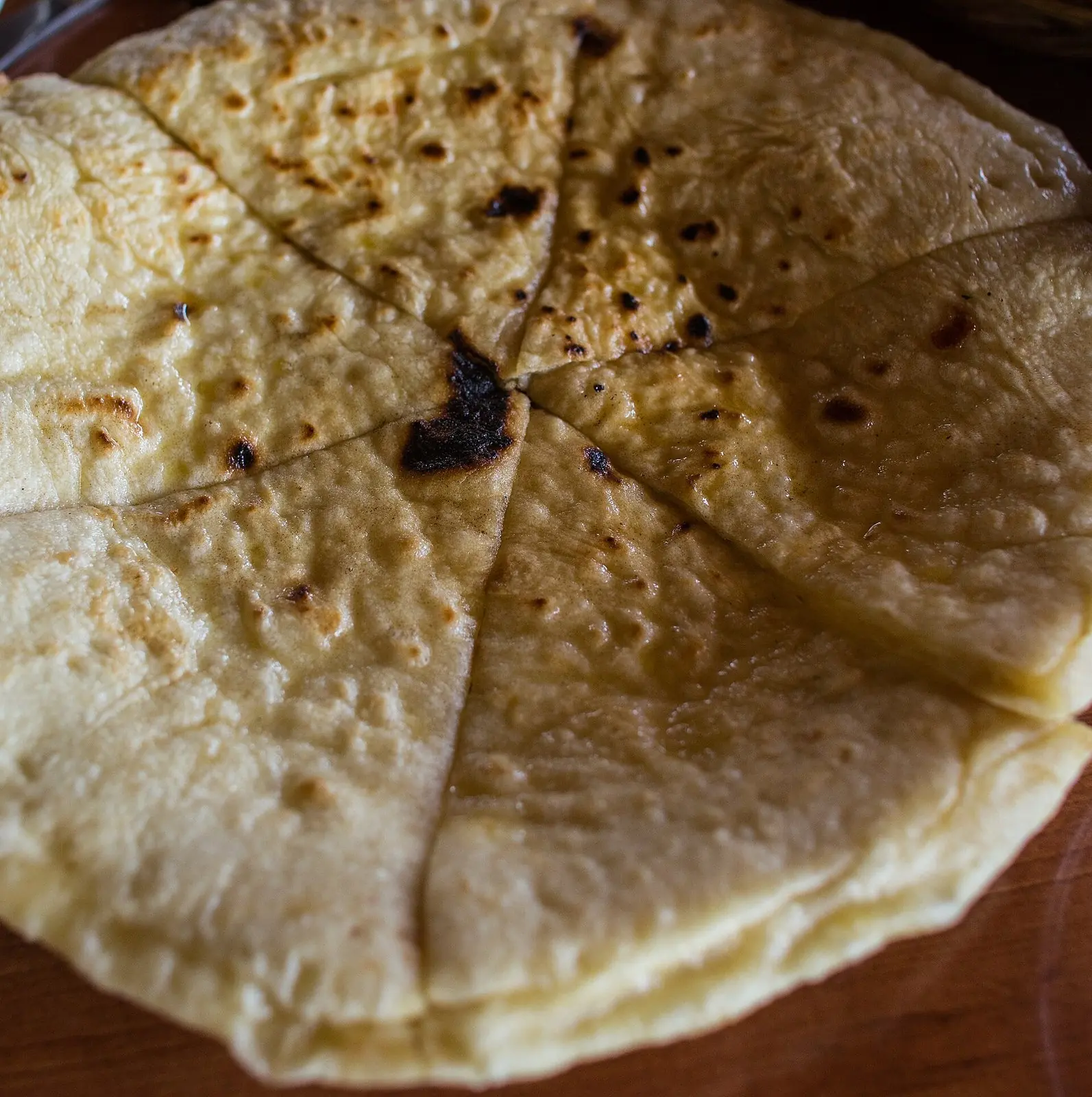
Ask a Georgian to picture khachapuri and this is the one they see: a flat round the size of a dinner plate, lightly freckled with brown on both sides, with one white layer of cheese sealed inside. Imereti, the region around Kutaisi, gave it both its name and its cheese, and many people call it the mother of all the others. A good Imeruli has thin dough top and bottom, a filling that is soft and faintly sour rather than rubbery, and no pool of grease on the plate.
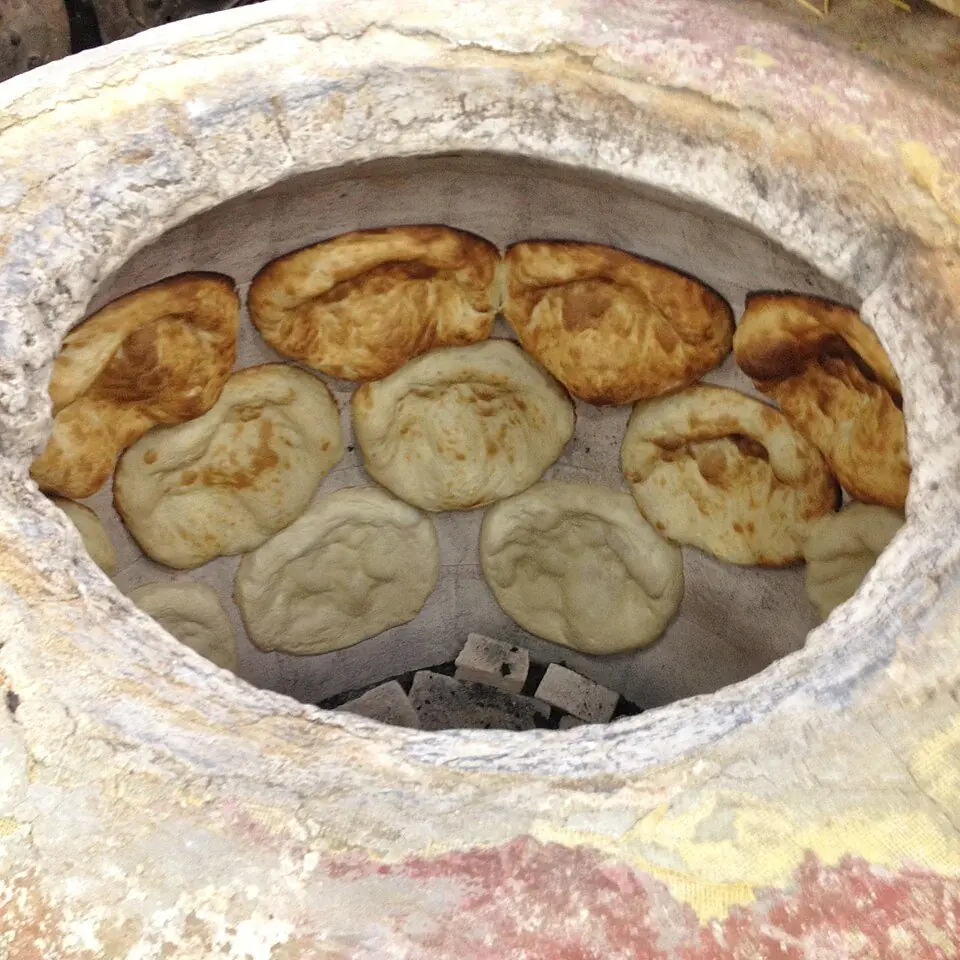
In Imeretian villages some families still bake it on a ketsi, a flat clay pan set over glowing embers, which crisps the base and leaves a light smoky taste. You may see that version sold as ketsi khachapuri. A quicker home method, popular when guests turn up unannounced, mixes the dough from matsoni yoghurt and baking soda, so it needs no time to rise and stays soft even when cold.
Megruli, the richer one
Samegrelo, next door to the west, takes the same round and adds a second helping of cheese on the outside: grated sulguni, often stirred with egg, that bubbles and turns golden in the oven. Megrelian cooks traditionally fill it with chkinti, cheese only a day or two old that squeaks against your teeth, and knead the dough with milk or whey. The result is saltier, stretchier and much heavier, so plan on one Megruli for three people where one Imeruli would feed two.
For feast days, Megrelian families once baked ghandami, a festive round under a lattice of twisted dough with more sulguni in the gaps. It almost never appears on menus.
How to eat khachapuri, from round wedges to the Adjarian boat
Round khachapuri reach the table already cut into six or eight wedges. Eat them with your fingers, and do it promptly: within ten minutes the cheese firms up and the bread loses its spring. Penovani is food for walking, eaten straight from its paper bag. Adjaruli, the boat, is the only type that needs a method.
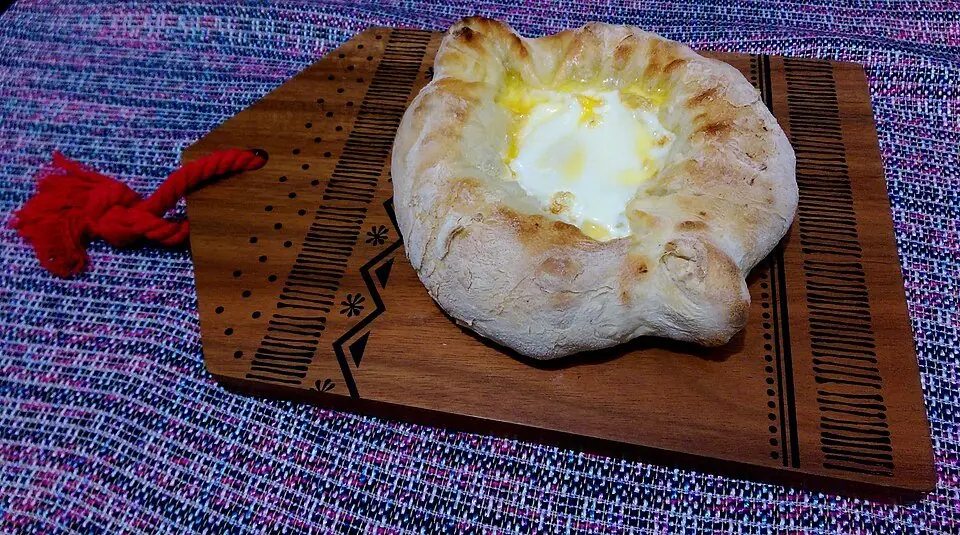
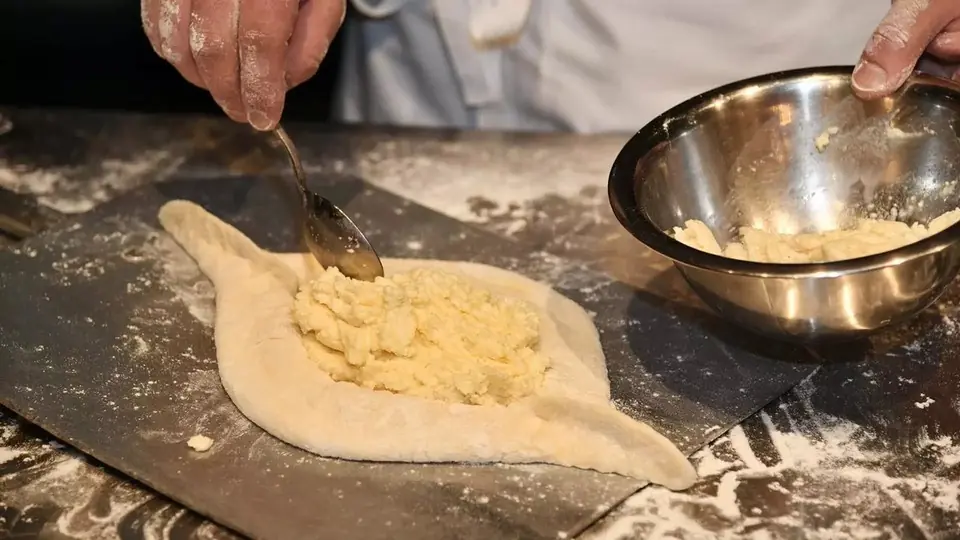
Adjarian khachapuri, spelt Adjaruli or Acharuli, comes from Adjara on the Black Sea. The dough is pulled into an open boat with pointed ends, filled with cheese and baked, and a raw egg yolk and a slab of butter go into the middle at the very end. Both the Laz and the Adjarians claim to have invented it, and in the popular telling the yolk stands for the sun setting over a sea of cheese.
- Stir at once
With a fork, or a scrap of crust, mix the yolk and butter into the molten cheese the moment the boat lands. The heat turns the egg into a glossy sauce within a minute. - Break off the tips
Tear away one pointed end and use it as a scoop. Then work along the rims, pulling off strips of crust and dragging them through the filling. - Save the base for last
The bottom of the boat soaks up butter and cheese and is the best bite of all. Locals use their hands throughout, though plenty of people switch to cutlery at this point. - Pick the right size
A standard boat is a full meal for one adult, and many kitchens offer two or three sizes. One Batumi cafe names its largest after the Titanic.
Regional khachapuri: Gurian, Meskhetian, Rachan, Svan and Tushetian
Beyond the big four, each region keeps versions tied to its own feasts. City menus seldom list them, so treat them as a reason to travel, or ask your guesthouse host a day ahead, since most take hours of work.
Guria: the Christmas crescent
In Guria, the small region south of Samegrelo, khachapuri means ghvezeli: a half-moon pie folded over cheese mixed with chopped hard-boiled egg. Gurian families bake them by the dozen for Orthodox Christmas on 7 January, and the rest of the country calls them Gurian khachapuri. A few Tbilisi khachapuri cafes sell them all year.
Meskheti: the turban
The most demanding type comes from Meskheti, around Akhaltsikhe in the south. The cook stretches the dough until it is almost transparent, greases it with goose, pork or beef fat, winds it around the hand into a coil like a turban, then flattens it, fills it with tenili, the region's stringy thread cheese, and glazes it with yolk and sour cream. The craft itself is listed as Georgian intangible heritage.
Racha: squares, triangles and beans
Rachan cooks shape khachapuri into squares, triangles and oblongs, and some villages still press a carved wooden ring into the dough to stamp a pattern on it. Bachuli, filled with young cheese, belongs to the Saturday before Lent. The region's best-known bread, though, is lobiani, eaten with lori, the local smoked ham.
Svaneti: millet, meat and torch-festival bread
Svan cooks blend millet into the cheese for petvraali, a darker bread that Svans nickname dirty khachapuri; its method has its own place on the national heritage list. Lemzir cheese breads appear at Lamproba, the February torch festival in Mestia, and kubdari, the meat-filled cousin, is the standard hiker's lunch from Mestia to Ushguli.
Tusheti and the Military Road
Tusheti's kotori is rolled so thin that locals compare it to paper. It holds kalti, a dried and aged curd, instead of ordinary cheese, and goes straight from a hot pan under a spoon of melted Tushetian butter. Ossetian families in Shida Kartli and along the Georgian Military Road bake khabizgina, where mashed potato tempers a rich fresh cheese; Kazbegi guesthouses serve it on cold evenings.

Sulguni, Imeretian cheese and the other khachapuri cheeses
Khachapuri is only as good as its cheese, and Georgian cooks are particular about it. Two cheeses do most of the work, and both are protected names on Georgia's register of geographical indications.
Imeretian cheese (imeruli kveli)
A fresh cheese of cow's milk, set with rennet, lightly pressed and held in brine for a short while. It is white, crumbly, mild and a little tangy, and in the oven it melts into a soft, creamy layer rather than long strings. Households eat it within days, sliced beside tomatoes and herbs, and it is the default filling for Imeruli and most penovani. The very youngest cheese is called chkinti.
Sulguni
Sulguni comes from Samegrelo. Its curd is warmed and kneaded until it stretches, the same technique that makes mozzarella, then formed into discs and brined, which gives it a springy, layered texture and more salt than Imeretian cheese. It melts into strings, so it goes on top of Megruli and into Adjaruli. Smoked sulguni, firm and amber, is a popular upgrade on menus. Sulguni, Megrelian sulguni and Svan sulguni were registered as Georgian geographical indications in 2012, and Imeretian cheese sits on the same national list.
Regional bakers also use tenili, the thread cheese of Meskheti, sheep's milk cheeses in the high mountains and kalti curd in Tusheti, while Tbilisi cafes now sell four-cheese blends.
Swapping the cheese outside Georgia
| Georgian cheese | Closest swap abroad | Why |
|---|---|---|
| Imeretian cheese | Equal parts feta and fresh mozzarella, or a salted farmer's cheese | Salty and soft, melts without much stretch |
| Sulguni | Low-moisture mozzarella with a little feta; Eastern European shops sell sulguni as suluguni | Gives the long pull and the salt |
| Smoked sulguni | Smoked mozzarella or scamorza | Same smoky, firm bite |
How to order khachapuri: sizes, prices and useful words
Restaurants list khachapuri among the breads or hot dishes, and one round feeds two people as part of a shared meal. Specialist khachapuri cafes call themselves sakhachapure (სახაჭაპურე), and an ordinary bakery is a satskhobi (საცხობი). Kitchens usually bake to order, so ask for khachapuri early and expect it after the salads, often 15 to 25 minutes later.
| What you order | Where | Approximate price in 2026 |
|---|---|---|
| Penovani | Street bakery or cafe counter | About 4-7 GEL (about $1.50-2.70) |
| Imeruli, small to large | Restaurant or khachapuri cafe | About 9-20 GEL (about $3.50-7.70) |
| Megruli | Restaurant or khachapuri cafe | About 20-26 GEL (about $7.70-10) |
| Adjaruli, standard | Restaurant | About 19-31 GEL (about $7.30-12) |
| Adjaruli, largest size | Restaurant | About 30 GEL (about $11.50) and up |
| Achma, one portion | Bakery or khachapuri cafe | About 10 GEL (about $3.80) |
Prices climb in the tourist streets of Old Tbilisi and on the Batumi seafront and drop in neighbourhood bakeries. Read the bill for a service charge before you leave anything extra; our tipping guide explains the local habits.
- Ask whether it is hot. At a bakery counter the word is tskheli (hot); a fresh batch is worth waiting five minutes for.
- Cheese is kveli, egg is kvertskhi and butter is karaki, handy when you want an Adjaruli without the egg or with extra butter.
- For breakfast, do as locals do: a penovani or a slice of Imeruli with tea or coffee.
- In Lent and on other Orthodox fast days, strict fasters avoid cheese altogether, and bakery counters fill up with lobiani and other breads made without dairy.
Where to eat khachapuri in Tbilisi
The capital bakes every regional style. All the places below were open and taking orders in October 2026; hours change often, so check a map before you set out.
- Sakhachapure N1: a khachapuri specialist with a branch in the Galleria mall on Freedom Square. Besides Imeruli, Megruli and Adjaruli in several sizes it bakes Gurian, khabizgina, kubdari, pkhlovani and achma, so one table can compare many types.
- Puri Guliani: a bakery-cafe known for its Adjaruli, with a branch on Saarbrücken Square and an express counter in Vake. It sits at the upper end of the price range, with richer variations such as four-cheese khachapuri.
- Machakhela (Samikitno): an inexpensive chain with branches all over the city, including Kostava Street, and a dependable stop for a quick Adjaruli or Imeruli at local prices.
- Megruli Sakhli: a Megrelian restaurant with a branch on Atoneli Street, the place to order Megruli khachapuri with other Samegrelo dishes.
- Neighbourhood bakeries: look for a satskhobi near any metro station, where penovani and Imeruli come out hot from early morning.
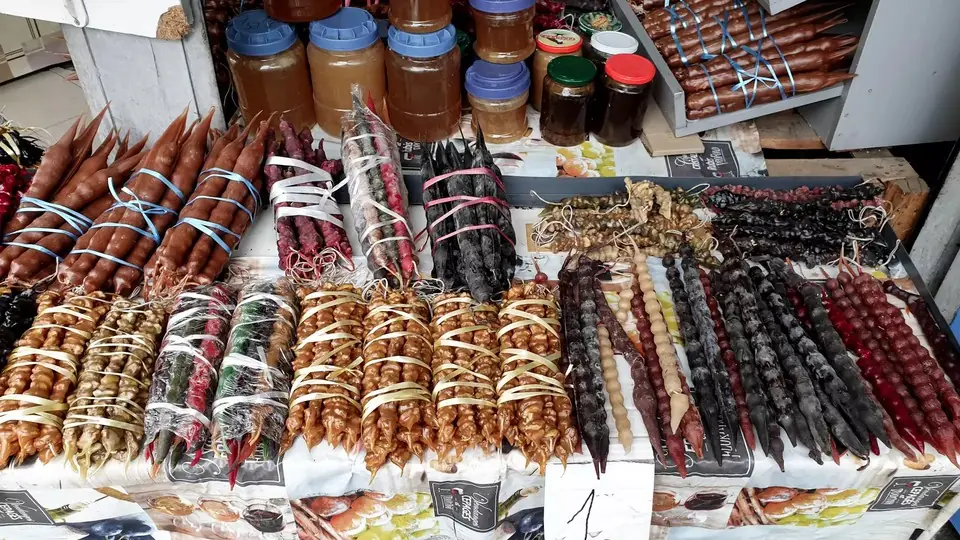
To learn the dough yourself, our Wine & Supra tour spends its second day in Tbilisi with a morning at Dezerter Bazaar and a class with a home cook where you fill and fold Imeretian khachapuri, then eat it with the khinkali and pkhali you made. The trip is private, on the dates you choose, with a guide in your language.
Where to eat khachapuri in Batumi and Kutaisi
Batumi: home of the boat
Adjaruli is the dish Batumi is proud of, and most restaurants in the old town between the boulevard and the port bake it, often in two or three sizes. The name you hear most often is Retro, a cafe with an open kitchen where you can watch the boats being shaped; it had warm reviews through the summer of 2026. Its listed address differs between map apps and its own website, so check the current one on a map before you go.
For the mountain side of Adjarian food, follow the Adjaristskali valley inland towards Keda and Khulo. Village tables there pair Adjaruli with borano, cheese melted in butter, and sinori, rolled dough baked with soft whey cheese.


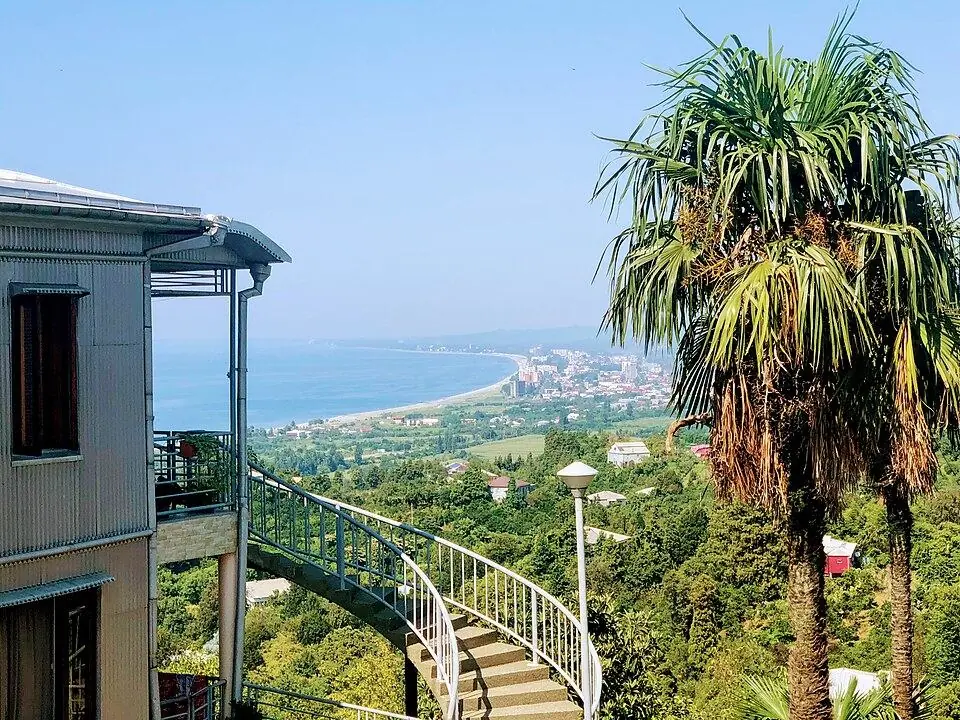
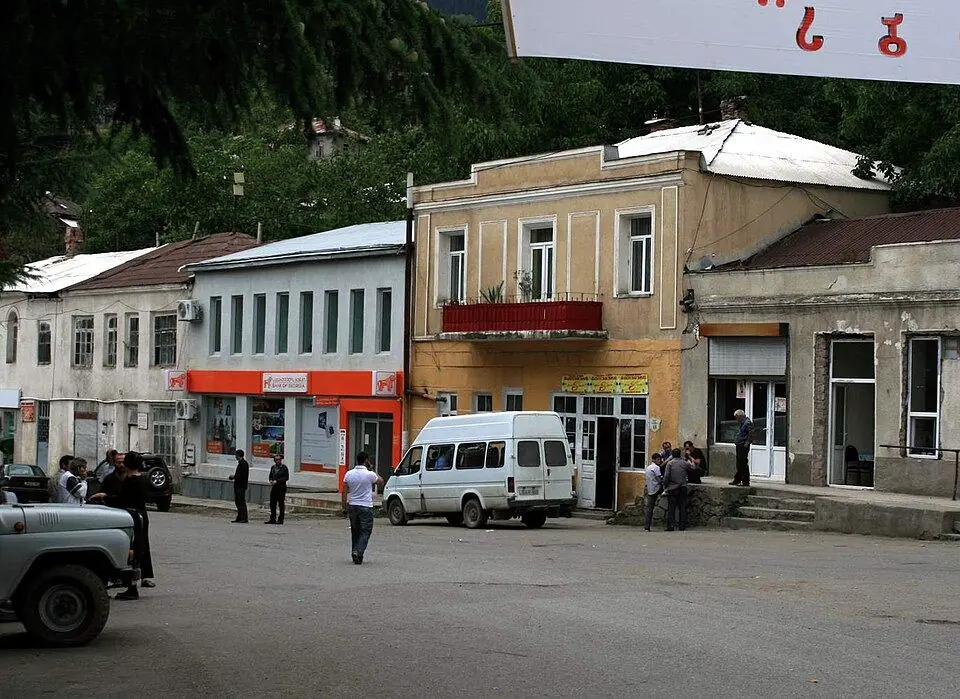
Our Adjara Highlands Day Trip builds that lunch into the day: after the Makhuntseti waterfall you sit down with a Keda winemaking family to Adjaruli, borano, sinori and their Chkhaveri wine, then walk in the Machakhela valley. It is private, any day you like, and children of every age are welcome.
Kutaisi: Imeruli at home
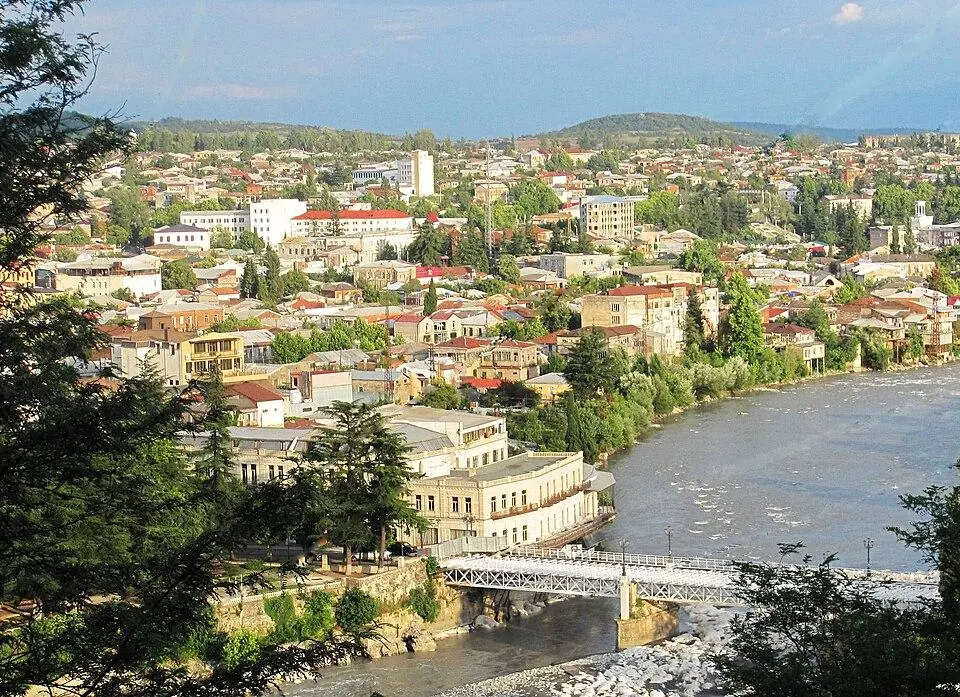
Kutaisi is the place to judge Imeruli against its source. Palaty, a popular restaurant on Pushkin Street in the centre, bakes a small round for one and a large one for sharing, about 9 and 18.50 GEL (about $3.50 and $7) on its 2026 menu. For the everyday kind, join locals at the bakeries around the central market, the Green Bazaar, in the morning. In Imeretian villages, ask your guesthouse for ketsi khachapuri baked over embers.
How khachapuri is made, and where to learn
Every khachapuri starts the same way: a soft, rich yeast dough wrapped around salty fresh cheese and baked hot and fast, so the crust browns before the filling dries out. Our Adjarian khachapuri recipe walks through it on a timeline, with grams or US cups and cheese swaps that work outside Georgia.
The surest way to learn is beside a Georgian cook. On day five of our Georgian Cooking Tour you turn fresh curds into Imeretian cheese in a Kutaisi home and bake Imeruli with it; on day six a Samegrelo farmhouse teaches Megruli and elarji. The week also takes in khinkali in Tbilisi and a Kakheti supra. You choose the dates between April and November and the size of your party, and your own guide speaks your language.
Khachapuri FAQ
What is khachapuri made of?
A soft wheat dough, raised with yeast or made quickly with matsoni yoghurt, filled with salty fresh cheese, usually Imeretian cheese, sulguni or a blend. Some types add butter and egg yolk (Adjaruli), boiled egg (Gurian) or greens (pkhlovani).
How many types of khachapuri are there?
Georgian tourism sources count about 40 regional types. Most restaurants serve four: Imeruli, Megruli, Adjaruli and penovani, sometimes with achma and Gurian khachapuri as well. Rarer kinds, such as the Meskhetian turban or Svan petvraali, are baked mostly in their home regions.
What is the difference between Imeretian and Megrelian khachapuri?
Both are round and sealed with cheese inside. Megrelian khachapuri adds a second layer of sulguni over the crust, browned and bubbling, which makes it richer, saltier and heavier. Imeretian khachapuri has a plain golden top and only Imeretian cheese inside.
How do you eat Adjarian khachapuri?
Work fast: blend the raw yolk and the butter through the molten filling the moment the boat lands. Next, rip off a pointed tip and lengths of rim to scoop with, and leave the soaked bottom until the end. Fingers are the local way, and nobody minds cutlery.
What cheese is used in khachapuri, and what can I use instead?
Georgians use Imeretian cheese, a fresh and crumbly cow's milk cheese, and sulguni, a stretched, brined cheese from Samegrelo. Abroad, roughly equal parts of feta and mozzarella come closest to that salty, melting mix. Eastern European grocers often stock sulguni under the name suluguni.
How much does khachapuri cost in Georgia?
In 2026 a bakery penovani starts at about 4 GEL (about $1.50). Restaurants charge around 9-20 GEL (about $3.50-8) for Imeruli, depending on size, and 19-31 GEL (about $7-12) for a standard Adjaruli. Tourist streets in Tbilisi and Batumi sit at the top of those ranges.
Is khachapuri the national dish of Georgia?
Georgia has never named one official dish, yet khachapuri comes closest, with khinkali its only rival. In January 2019 the country entered the khachapuri tradition on its register of intangible heritage, and 27 February is celebrated as National Khachapuri Day.
Is the egg in Adjarian khachapuri raw?
Yes. The yolk is added raw at the very end of baking and cooks only partly when you stir it into the hot cheese. If you prefer it fully cooked, or are pregnant, ask the kitchen to bake the egg in or leave it out.