Pkhali Recipe
ფხალი
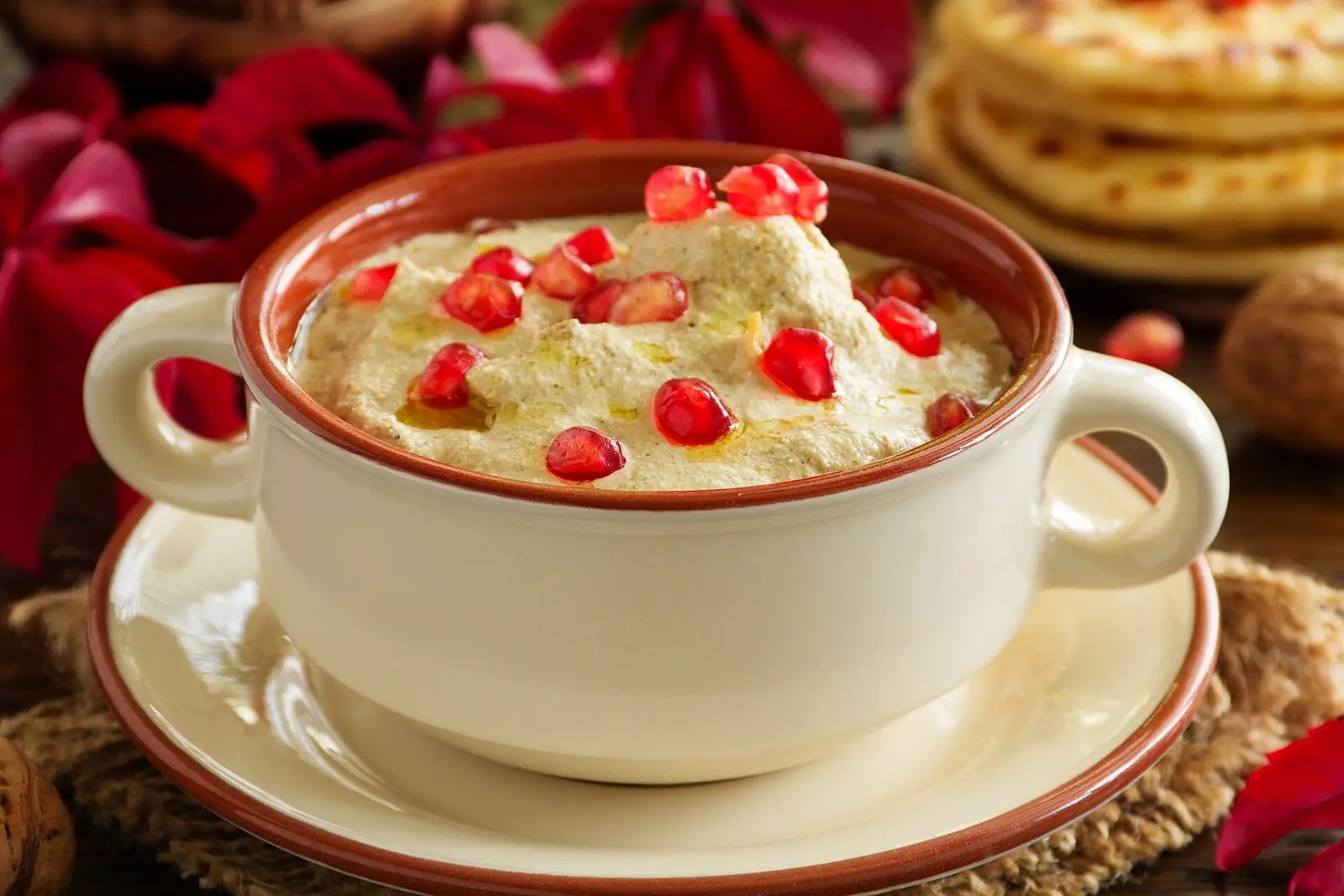
A traditional pkhali recipe: blanched spinach chopped fine and bound with ground walnuts, garlic, herbs and Georgian spices, chilled, then shaped into balls and topped with pomegranate seeds.
Recipe by the Maspindzeli team in Tbilisi · Updated 18 Oct 2026 · Made everywhere; Imereti is known for pkhali of wild greens
Full recipe with the timeline, timers and US measures: maspindzeli.ge/recipes/pkhali/
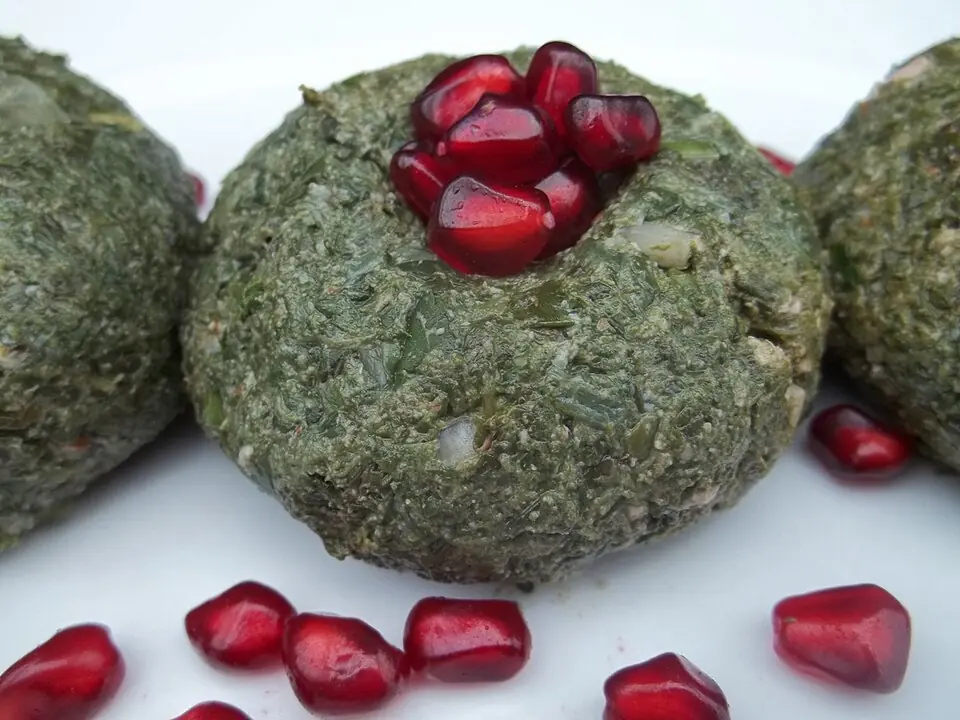
This pkhali recipe makes the spinach version of Georgia's best-known cold starter: blanched spinach minced with a paste of walnuts, garlic, fresh herbs and spices, shaped into small balls and studded with pomegranate seeds. You will also see it written mkhali, and Georgians call the spinach version ispanakhis pkhali.
Pkhali is less one dish than a way of cooking. Georgian cooks make it from almost any vegetable or green: beetroot and beet leaves, green beans, cabbage, aubergine, nettles and other foraged greens, always bound with walnut. Every region makes it, and Imereti in particular is known for pkhali of wild greens.
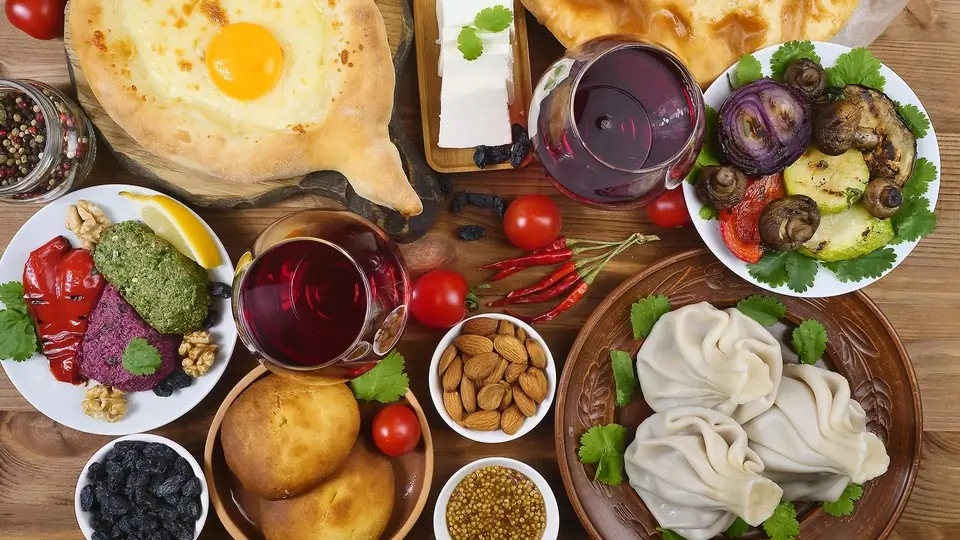
With no meat, dairy or eggs, pkhali is a classic dish for the many fasting days of the Georgian Orthodox calendar, Lent included. It is also one of the first cold dishes on almost every supra table, often as a plate of two or three colours: green spinach, deep red beetroot and pale green beans.
Timeline: what to do, and when
3 h from start to table · 1 h 5 min hands-on · 2 h 15 min waiting
Each bar is one step. Hands-on Waiting, while the oven, the pot or the dough does the work. Steps that sit inside a wait are done in parallel.
Recipe
Pkhali
Ingredients
Spinach
Walnut paste
Onion and herbs
To finish
Amounts are scaled. Times stay about the same, but a bigger pot takes a little longer to come to the boil.
Contains: walnuts (tree nuts).
You will need
- Large pot
- Colander
- Food processor or meat grinder (mincer)
- Large mixing bowl
- Clean tea towel for squeezing (optional)
- Serving plate
Method
- Wash the spinach10 min hands-on· start here
Put a large pot of water on to boil with 1 tbsp salt. Meanwhile cut off any thick stalks and roots and wash the spinach in several changes of cold water until no grit is left in the bottom of the bowl.
- Blanch5 min hands-on· starts at +10 min
Push the spinach into the boiling water in batches, pressing it under with a wooden spoon. Cook for 3 to 5 minutes from when the water returns to the boil, until it is completely soft and dark green.
- Drain and cool15 min waiting· starts at +15 min
Tip the spinach into a colander and leave it to cool until you can handle it comfortably.
- Make the walnut paste10 min hands-on· starts at +15 min, during step 3
Grind the nuts with the garlic cloves in a processor until they turn into a fine, slightly oily paste that clumps together, or put them twice through a meat grinder as Georgian cooks do. Mix in the ground coriander, blue fenugreek, marigold, chilli, 1 tsp salt and the vinegar.
- Chop the onion and herbs5 min hands-on· starts at +25 min, during step 3
Chop the onion as finely as you can. Chop the coriander and parsley, thin stems included.
- Squeeze the spinach5 min hands-on· starts at +30 min
Take the spinach a handful at a time and squeeze out as much water as you can, then squeeze it again in a clean tea towel. It should feel almost dry; this is what lets the balls hold their shape.
- Mince and mix10 min hands-on· starts at +35 min
Chop the spinach very finely with a knife, pulse it in the processor or put it through the grinder. In a large bowl, knead it with the walnut paste, onion and herbs until evenly green. Taste: it should be bold with garlic, salt and vinegar, as the flavours soften while it rests.
- Rest in the fridge2 h waiting· starts at +45 min
Cover the bowl and chill for at least 2 hours so the spices and garlic settle into the spinach. Overnight is even better.
- Seed the pomegranate5 min hands-on· starts at +50 min, during step 8
Cut the pomegranate in half and tap the seeds out over a bowl with the back of a wooden spoon. Pick out any white pith.
- Shape and garnish15 min hands-on· starts at +2 h 45 min
Taste once more and add a little salt or vinegar if needed. With damp hands, roll the mixture into balls the size of a walnut in its shell (about 4 cm), flatten each slightly, press a small dip into the top with your finger and fill it with pomegranate seeds. Serve cool, not fridge-cold.
About 275 kcal per serving (3 balls, 1 of 6). This is an estimate from standard values for the ingredients, not a lab figure.
Pkhali is eaten as a cold starter at the start of a meal. Take a ball onto your plate and spread it on a piece of fresh bread or mchadi, or eat it with a fork alongside the other cold dishes.
Tips, swaps and variations
Tips from your host
- Squeeze the spinach harder than you think you need to. Wet spinach is the main reason pkhali turns soft and slumps on the plate.
- Grind the walnuts until they release their oil and the paste clumps. Coarse walnut crumbs give a dry, crumbly pkhali.
- Season the mixture boldly before it rests. Garlic and vinegar mellow in the fridge, so taste again before shaping.
- Take the pkhali out of the fridge 20 minutes before serving. Walnut flavour is muted when it is very cold.
- Use mature spinach or chard rather than baby leaves. Baby spinach gives a watery, bland result.
- Make it the day before a supra: it tastes better after a night in the fridge, and you only have to shape it on the day.
Variations and swaps
- Beetroot pkhali: boil 1 kg beetroot in their skins for 45 to 60 minutes until a knife slides in easily (or roast at 200 °C / 390 °F for about an hour), cool, peel, then grate finely or mince. Mix with the same walnut paste, using 4 tbsp vinegar, and leave out the spinach. Allow about 1 hour 15 minutes of cooking and cooling before mixing, then rest as above.
- Beet leaf pkhali: use 1 kg beet leaves with their tender stems instead of spinach and blanch them for 5 to 7 minutes. It is darker and slightly earthier than spinach pkhali.
- Frozen spinach shortcut: thaw 750 g frozen whole-leaf spinach, squeeze it very dry and skip the washing and blanching. This saves about 30 minutes.
- Other vegetables: Georgian cooks make pkhali the same way from green beans, white cabbage, aubergine, carrots, nettles and other wild greens. Cook the vegetable until soft, squeeze or drain it well and mix with the walnut paste.
- Regional touches: in Guria pkhali is heavier on parsley and coriander, while in Samegrelo it is spicier, with red ajika, and hazelnuts sometimes replace walnuts.
- Spices: if you have khmeli suneli but no separate spices, use 2 tsp khmeli suneli instead of the coriander seed, blue fenugreek and marigold. Some cooks add a little chopped mint, dill or tarragon.
Serve it with
- Shoti or tonis puri bread, or mchadi (cornbread)
- Beetroot pkhali and other pkhali for a mixed plate
- Badrijani nigvzit (aubergine rolls with walnut)
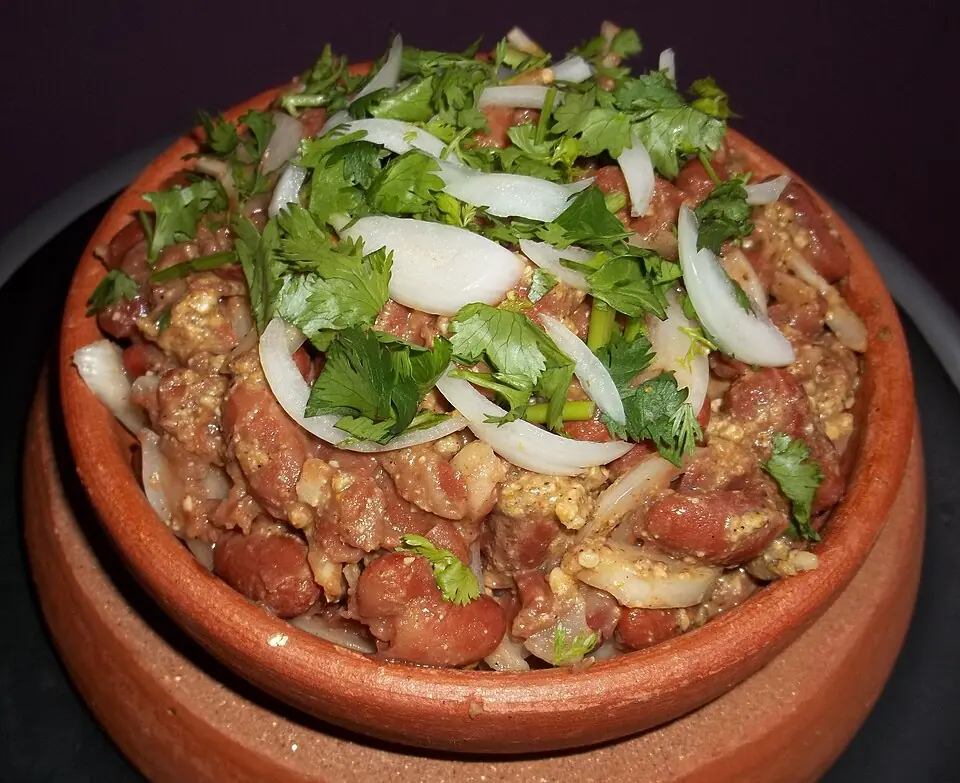
- Lobio in a clay pot
- Georgian cheese and fresh herbs (outside fasting days)
- Pickles (mzhave) and jonjoli
Make ahead and storage
Keep the mixture or the shaped balls covered in the fridge for up to 3 days; garnish with pomegranate on the day you serve. You can make it a day ahead, which improves the flavour. Freezing is not recommended, as the walnut paste turns watery and grainy when thawed.

Maspindzeli Travel, Tbilisi · private tours and cooking classes in Georgia · maspindzeli.ge · WhatsApp +995 598 74 74 54 · hello@maspindzeli.ge