Gonio Fortress (Apsaros)
A Roman fort near the mouth of the Chorokhi, 15 km south of Batumi, with massive walls, 18 surviving towers and a site museum.
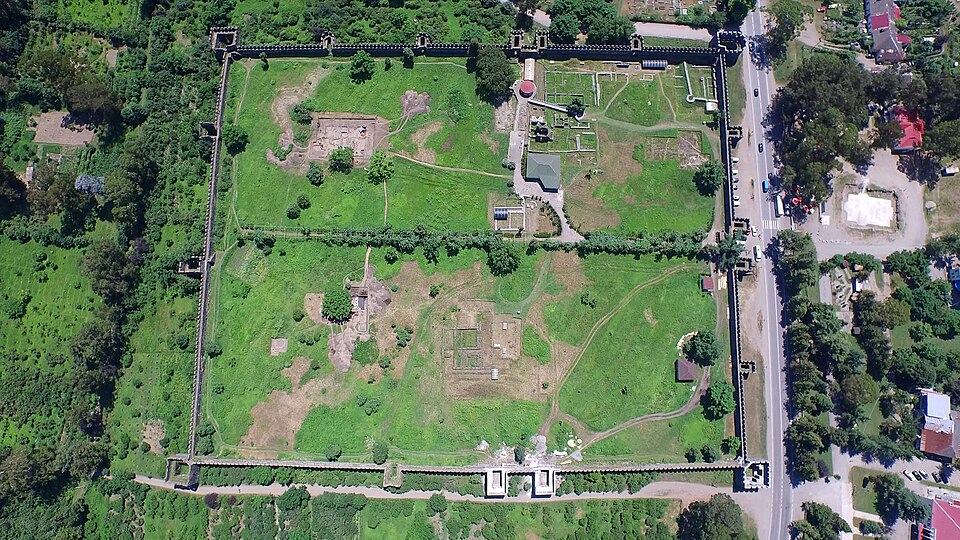 Gonio Fortress (Apsaros)Photo: კოლხი, CC BY-SA 4.0
Gonio Fortress, known in antiquity as Apsaros, is one of the best-preserved Roman forts on the Black Sea. It stands just inland from the beach near the mouth of the Chorokhi river, about 15 km south of Batumi and a few kilometres from the Turkish border. A rectangle of high stone walls with four gates and 22 towers, 18 of which survive, encloses a large grassy interior where archaeologists have uncovered the foundations of Roman buildings, including baths. A small museum on site displays finds from the excavations.
Inside the walls, look for the spot that local Christian tradition venerates as the grave of the Apostle Matthias, one of the twelve apostles. The ancient name Apsaros is linked by legend to Apsyrtus, the brother of Medea in the Argonaut story. Gonio pairs well with an afternoon swim at Gonio or Kvariati beach, both a few minutes away, where the water is often clearer than in Batumi.
History
Pliny the Elder mentions Apsaros in the 1st century AD, and by the 2nd century it was a strongly garrisoned Roman stronghold in Colchis; the historian Arrian, who inspected it in the 130s AD, recorded five cohorts stationed here. The fort later came under Byzantine influence, and the name Gonio first appears in the 14th century. The Ottomans took it in 1547 and held it until 1878, when Adjara passed to the Russian Empire. The site is now protected as the Gonio-Apsaros Museum-Reserve.
What to see and do
- Roman walls with 18 surviving towers and four gates
- Excavated foundations of Roman buildings, including baths
- The site museum's finds from Roman to Ottoman times
- The traditional grave of the Apostle Matthias
- A swim at nearby Gonio or Kvariati beach afterwards
How to visit
Getting there
Gonio is 15 km south of Batumi on the road to Sarpi and the Turkish border, about 20 to 25 minutes by car. Frequent buses and minibuses from central Batumi toward Gonio and Sarpi stop close to the fortress.
When to go
Year-round; early morning or late afternoon in summer. Plan 1–2 hours here.
- There is little shade inside the walls, so bring a hat and water in summer.
- There is a small entrance fee; check hours locally.
- Combine with Kvariati beach and Sarpi, a few kilometres further south.
Gonio Fortress (Apsaros): FAQ
How old is Gonio Fortress?
The site was a Roman fort by the 1st century AD, when Pliny the Elder mentions it as Apsaros. It was later used and repaired by Byzantines and Ottomans, so what you see today has layers from many periods.
Is the Apostle Matthias buried at Gonio?
Local Christian tradition holds that he is, and a spot inside the fortress is venerated as his grave. It has never been excavated, so the tradition cannot be confirmed.
Tours that include Gonio Fortress (Apsaros)
Read more in our guides
 Photo: Alexxx1979, CC BY-SA 4.0
A day-by-day loop from Tbilisi through Uplistsikhe, Kazbegi and Kakheti, showing how long each drive takes, where to eat and sleep, and realistic 2026 costs.
 Photo: Commander, U.S. Naval Forces Europe-Africa/U.S. 6th Fleet, Public domain
Seafront walks, the old town, the best pebble beaches and day trips from Roman Gonio to the mountain villages of Upper Adjara, plus the rain, the trains and where to sleep.
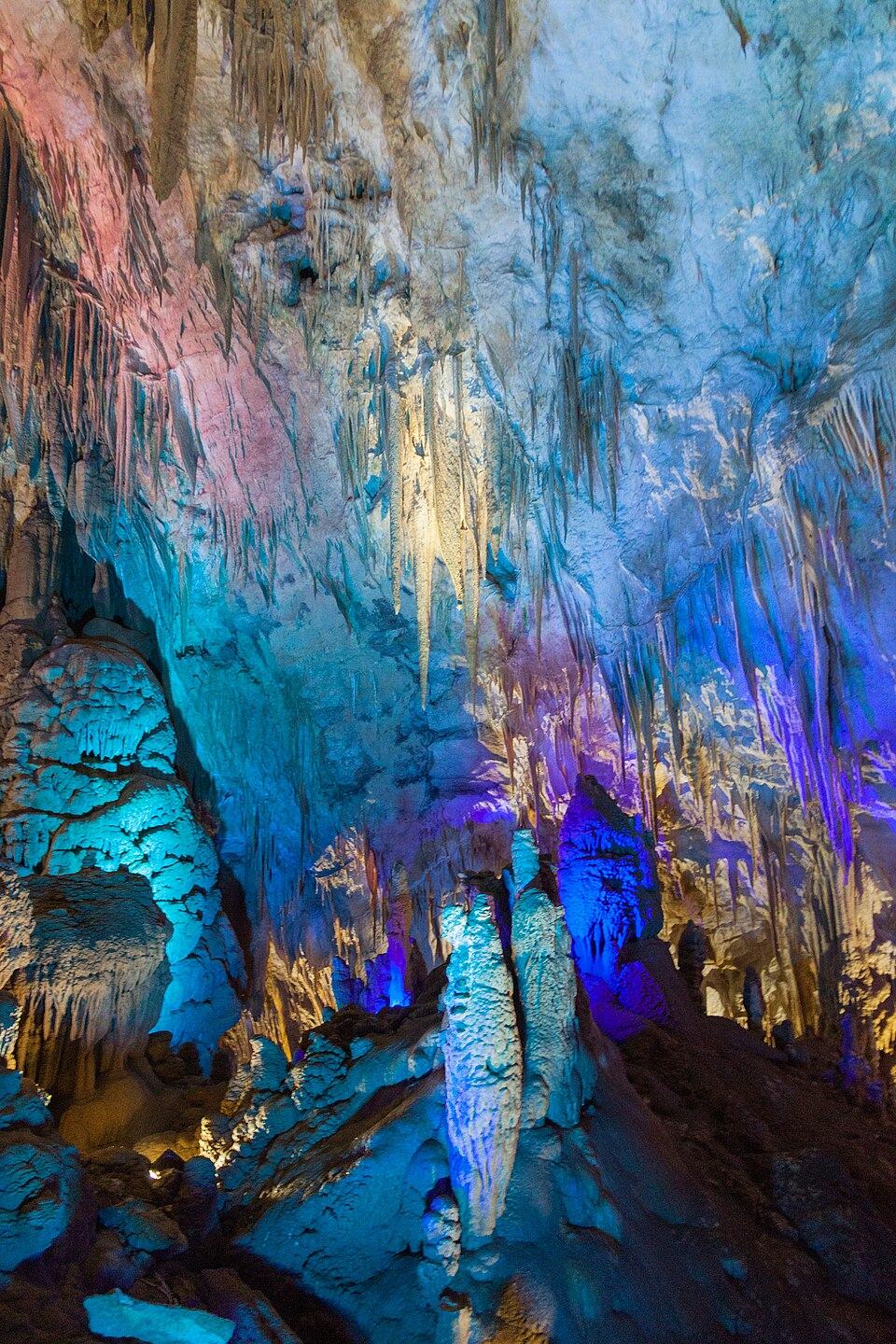 Photo: Marcin Konsek, CC BY-SA 4.0
What Prometheus Cave, Martvili Canyon, the National Museum, Vardzia, the Tbilisi cable cars and dozens of other sights cost to enter in 2026, with hours, combo tickets and free alternatives.
Nearby places
Straight-line distance from Gonio Fortress (Apsaros).