Dmanisi
Archaeological site where 1.8-million-year-old early human skulls were found beneath a ruined medieval town and its cathedral.
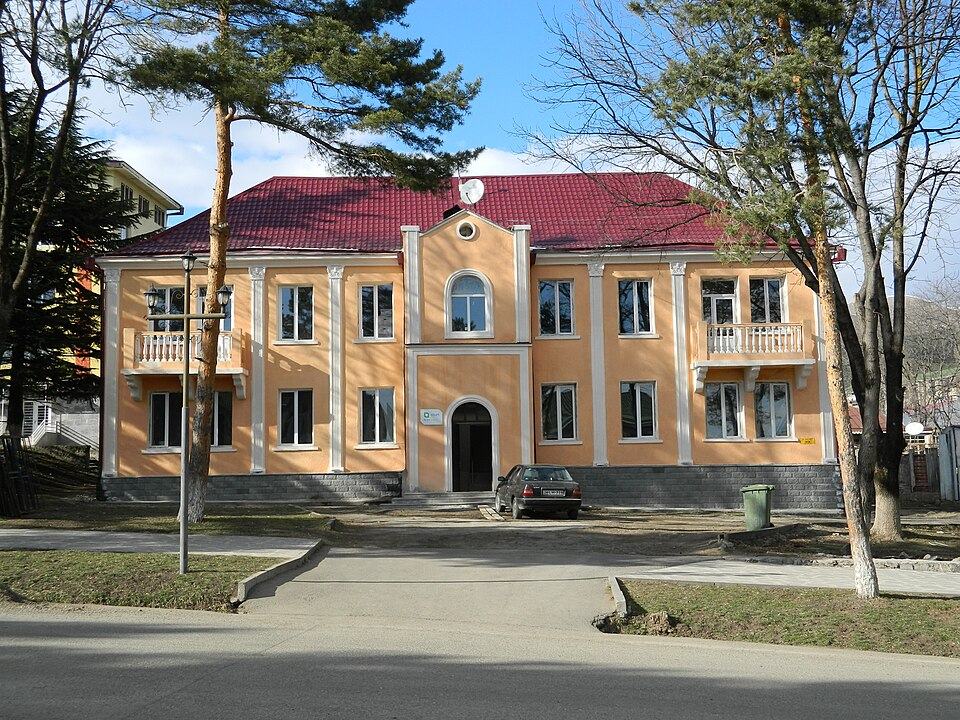 DmanisiPhoto: Mehman Ibragimov, CC BY-SA 4.0
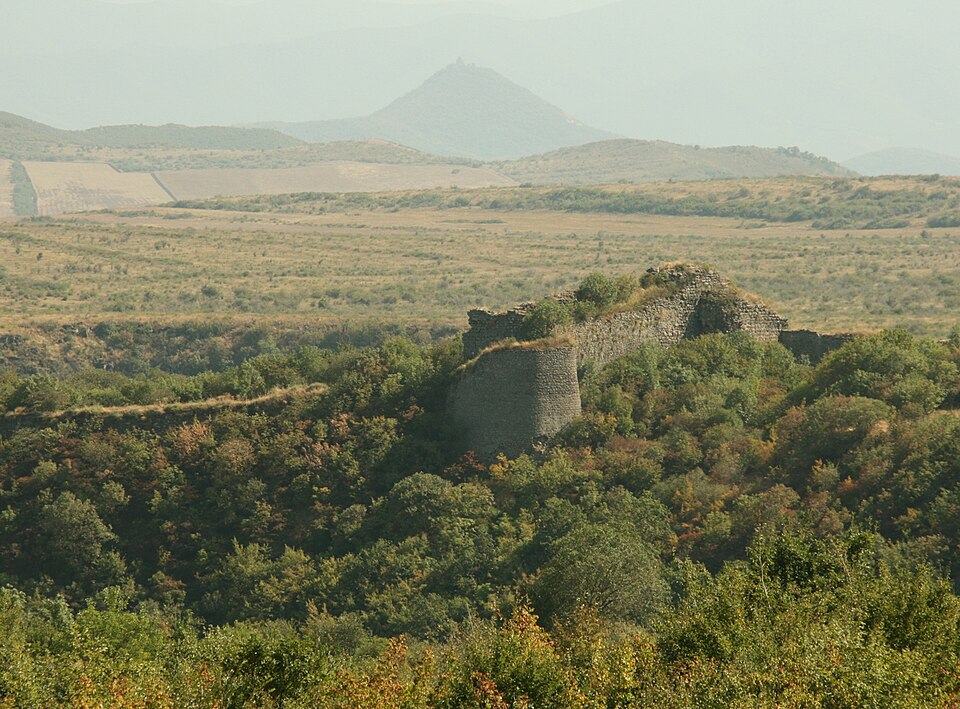
Dmanisi is one of the most important sites in the world for the story of human evolution. On a promontory above the Mashavera and Pinezauri rivers, beneath the ruins of a medieval town, archaeologists have found five early human skulls and other fossils dated to between 1.85 and 1.77 million years ago, among the oldest human remains known outside Africa. They showed that early humans left Africa earlier than once thought. Today the site is a museum-reserve run by the Georgian National Museum, where you can walk the medieval town and see the excavation area.
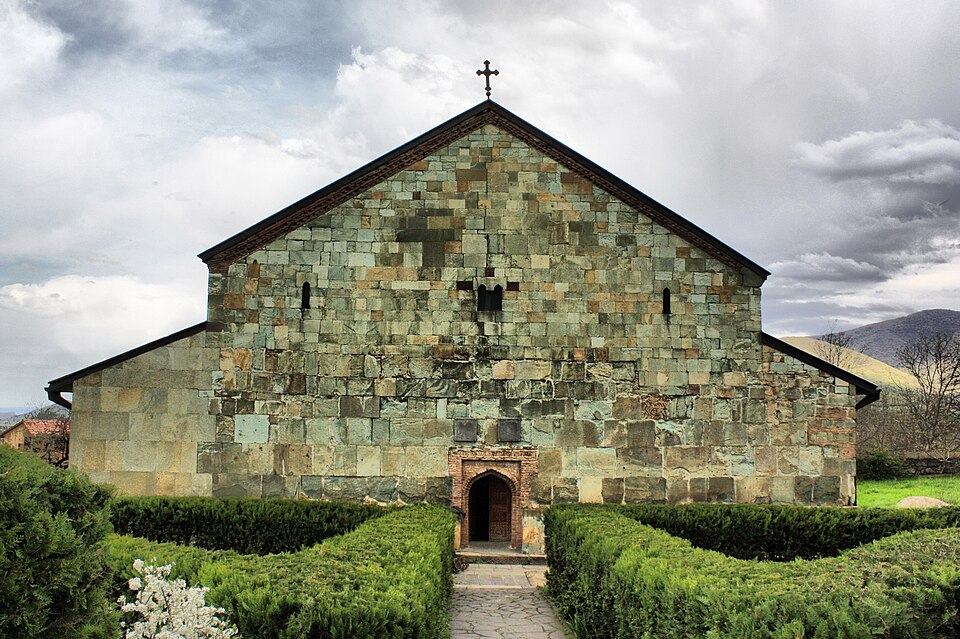
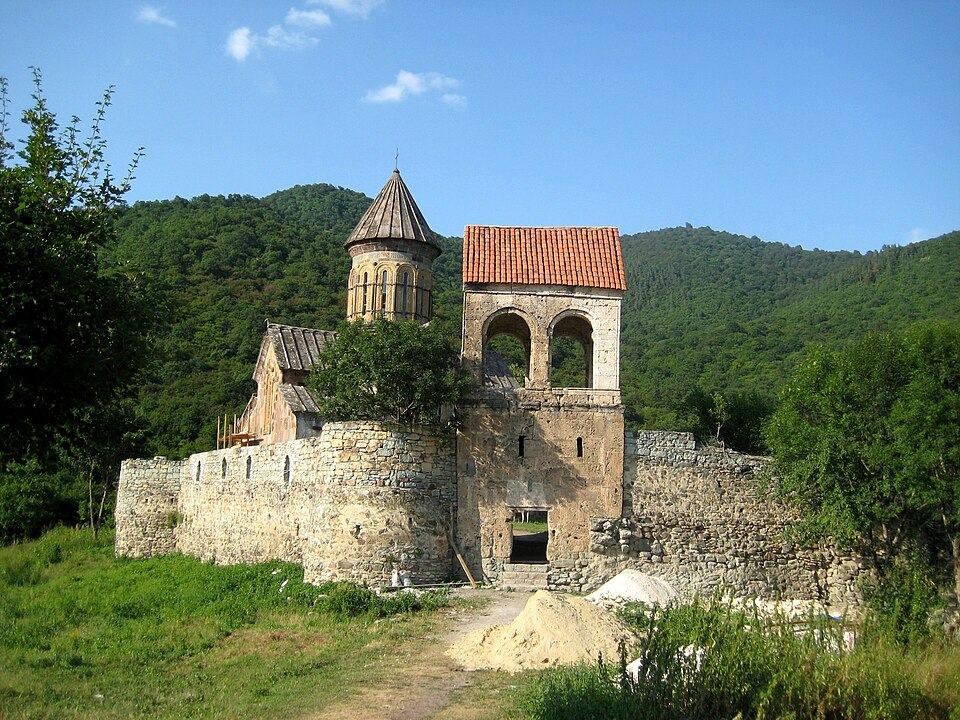
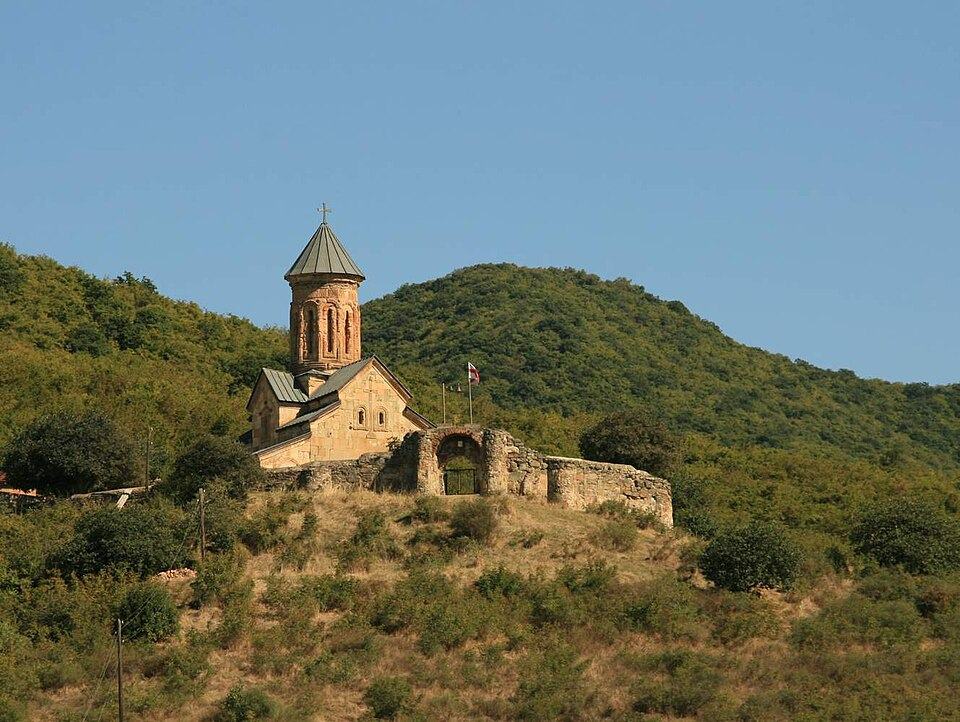
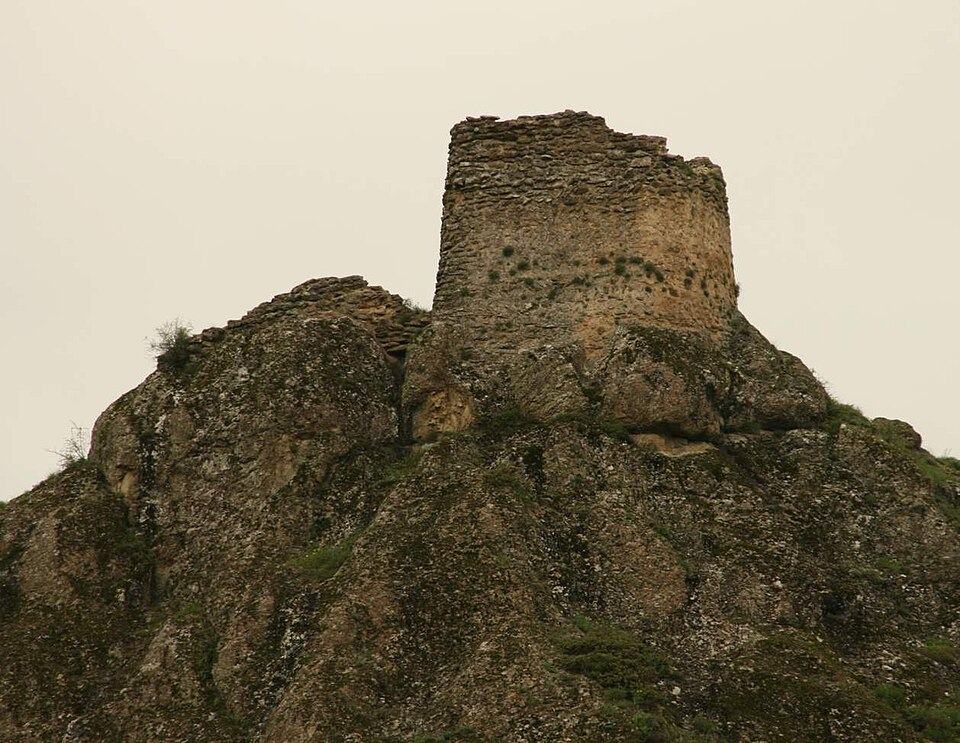
The medieval town is impressive in its own right. Fortifications, churches, cemeteries, workshops and bathhouses spread over about 13 hectares, with a suburb beyond, and a citadel with a palace on the southern tip. The Dmanisi Sioni cathedral, an early medieval basilica with a 13th-century narthex, still stands at the heart of the site. The site museum displays more than 2,300 finds and opens seasonally, roughly May to October. Some of the hominin fossils are shown at the National Museum in Tbilisi.
History
Dmanisi is first recorded in the 9th century as a possession of the Arab emirate of Tbilisi. Seljuk Turks took it in the 1080s, and the Georgian kings David the Builder and Demetre I recovered it in 1123–1125. It prospered in the 12th and 13th centuries, was laid waste by Timur in the 14th, and was sacked by the Turkomans in 1486, after which it never recovered. Excavations of the medieval town uncovered a hominin jaw in 1991, and the skulls followed between 1999 and 2005.
What to see and do
- See where 1.8-million-year-old early human fossils were found
- Visit the site museum and its finds from the excavations
- Walk the ruined medieval town, citadel and baths
- Step into Dmanisi Sioni with its 13th-century narthex
- Look down into the gorges of the Mashavera and Pinezauri
How to visit
Getting there
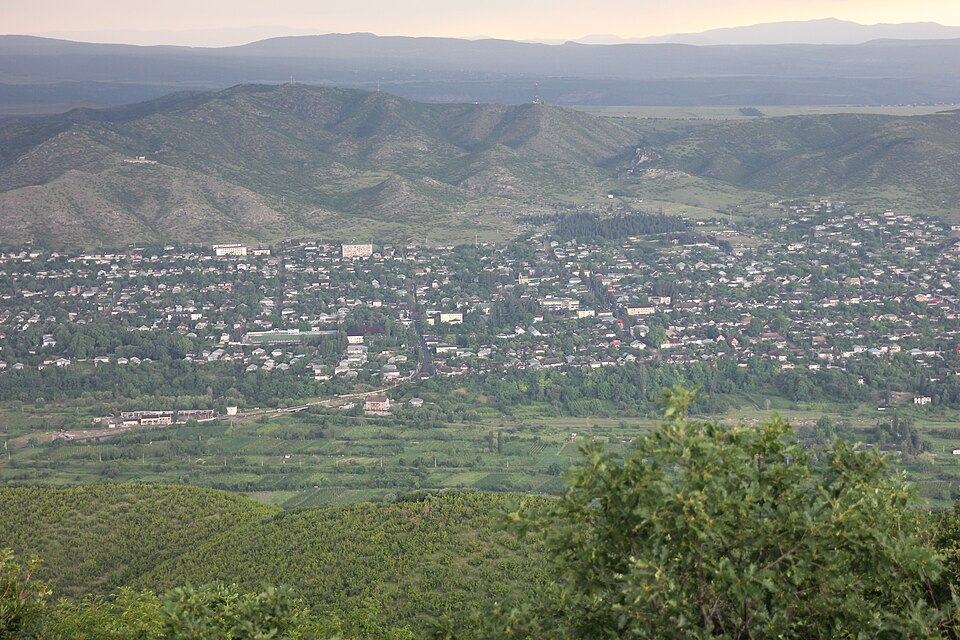
The site lies near the village of Patara Dmanisi, about 85 km south-west of Tbilisi, roughly 1.5–2 hours by car via Marneuli and Bolnisi. The town of Dmanisi is about 12 km further west.
When to go
May–October, when the museum is open. Plan 2–3 hours here.
- Combine with Bolnisi Sioni and Tsughrughasheni on the same day.
- The promontory is exposed; bring a hat and water in summer.
- Paths across the ruins are uneven, so wear sturdy shoes.
- Check the museum's season and opening days before you travel.
Dmanisi: FAQ
What was found at Dmanisi?
Archaeologists found five early human skulls, jaws and other bones dated to about 1.8 million years ago, along with stone tools and animal fossils. They are among the oldest human fossils found outside Africa.
Is Dmanisi a UNESCO World Heritage Site?
Not yet. The Dmanisi hominid archaeological site has been on UNESCO's Tentative List since 2007.
Read more in our guides
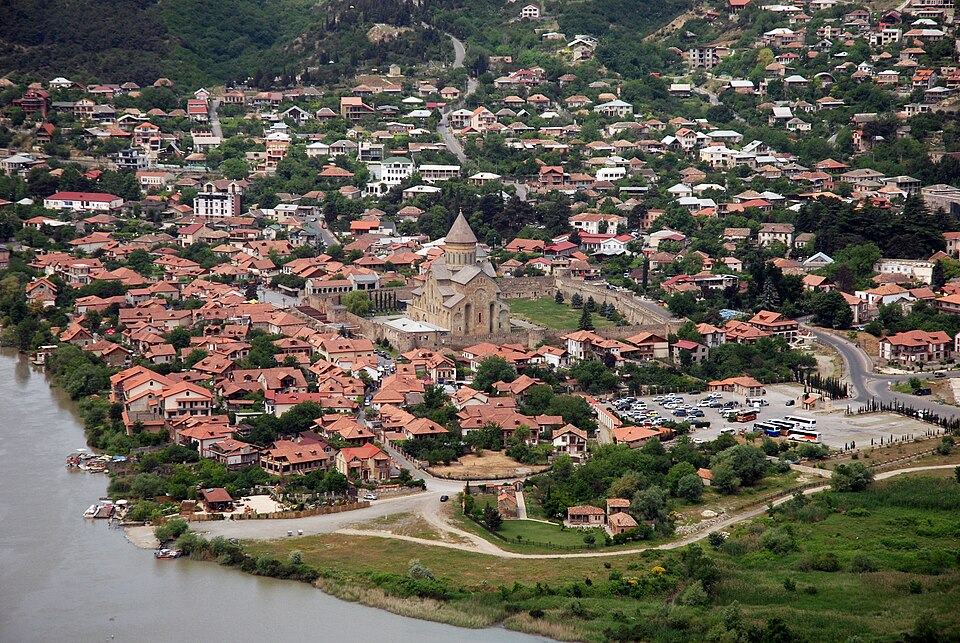 Photo: Jelger Groeneveld, CC BY 2.0
Twelve trips out of the capital, from Mtskheta and Kazbegi to Sighnaghi, Uplistsikhe and David Gareja, with distances, transport options and which places deserve a night.
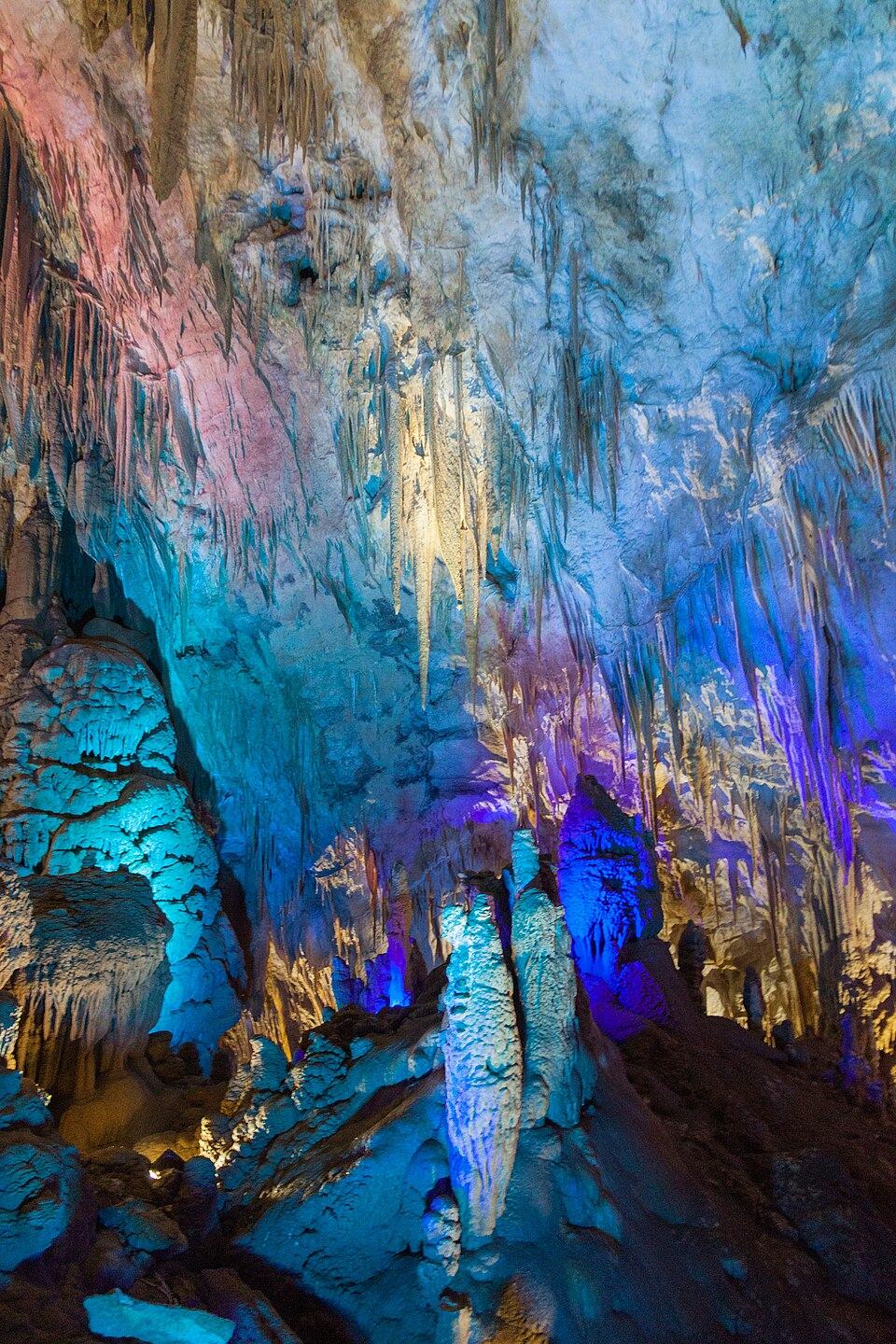 Photo: Marcin Konsek, CC BY-SA 4.0
What Prometheus Cave, Martvili Canyon, the National Museum, Vardzia, the Tbilisi cable cars and dozens of other sights cost to enter in 2026, with hours, combo tickets and free alternatives.
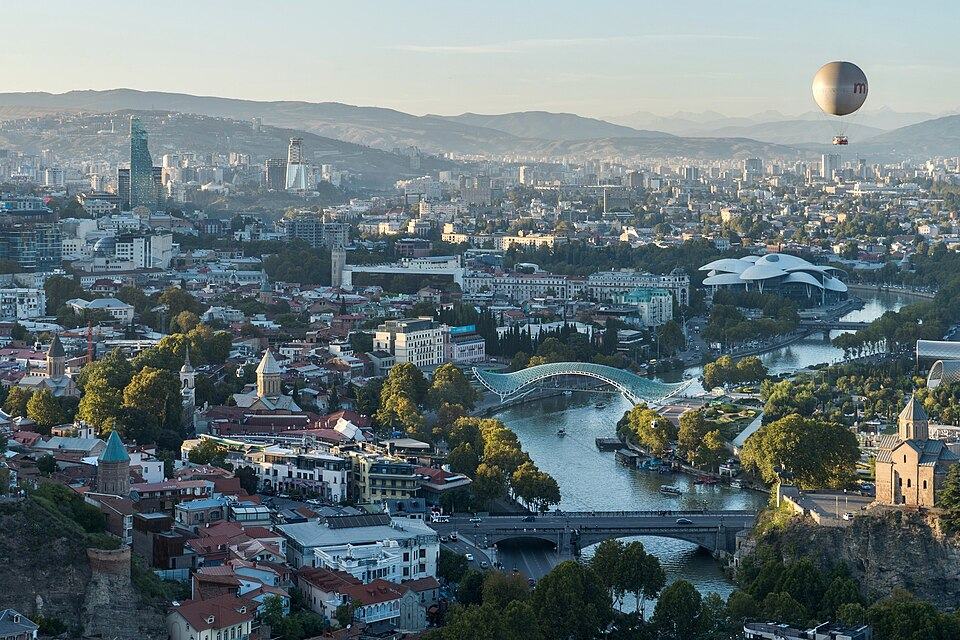 Photo: Alexey Komarov, CC BY-SA 4.0
How to link Georgia with Armenia and Azerbaijan in 2026: which borders are open, the three crossings to Armenia, getting to Baku, sample routes and how many days you need.
Nearby places
Straight-line distance from Dmanisi.