- Two lines and 23 stations, ~27 km in all, make up the Tbilisi metro; trains run from about 06:00 to midnight, and the stops visitors use most are Liberty Square, Avlabari, Rustaveli, Marjanishvili, Station Square, Didube and Samgori.
- One ride on the metro, a city bus or a municipal minibus costs 1 GEL (about $0.40) in 2026, and that fare covers 90 minutes of free changes when you pay with a Metromoney card or an accepted bank card; cash gets no transfer.
- The white Metromoney card costs 2 GEL at any metro cash desk, can be handed back within a month for a refund, and also pays for the cable car up to Narikala (about 2.5 GEL) and the ropeway to Turtle Lake (about 1 GEL).
- The Mtatsminda funicular and the Rustaveli to Mtatsminda cable car are run by the park, not the city: about 12 GEL one way for visitors, paid with a separate 2 GEL park card.
- Most stations are deep, with long, brisk escalators and very few lifts, so with heavy bags, a pushchair or limited mobility a Bolt or a private driver is usually the easier choice.
The Tbilisi metro is the fastest and cheapest way across Georgia's capital: two lines, 23 stations and a flat fare of 1 GEL (about $0.40) in 2026, paid by tapping a Metromoney card or a contactless bank card at the gate. Trains run from about 06:00 until midnight. For a visitor, half a dozen stations do almost all the work, joining Freedom Square and the Old Town to the railway station, the minibus stations for Kazbegi and Kakheti, Fabrika and Sameba Cathedral. Buses fill the gaps, Vake among them, and cable cars lift you onto the hills.
Written for travellers rather than commuters, this guide covers the network and the stations worth knowing, fares and the Metromoney card, buses, cable cars, apps, accessibility and luggage. Fares were checked against the Tbilisi Transport Company's own tariff page in October 2026. Landing by plane? Our Tbilisi airport guide covers bus 337 from the terminal, and the transport fares table on our tools page compares trains and minibuses to other towns.
Tbilisi metro at a glance
Georgia's only metro opened on 11 January 1966 with six stations, the Soviet Union's fourth after Moscow, Leningrad and Kyiv. Its tunnels run deep under the hills, so almost every trip starts with a long escalator. City Hall's Tbilisi Transport Company (TTC) runs it along with the municipal buses, minibuses and three ropeways.
| Fact | Detail |
|---|---|
| Lines and stations | 2 lines, 23 stations (Station Square's two halls counted separately) |
| Route length | ~27 km: ~19.6 km on Line 1, ~7.7 km on Line 2 |
| Hours | About 06:00 to midnight, every day |
| How often | About every 2.5 minutes at rush hour, up to about 12 minutes late in the evening |
| Fare | 1 GEL (about $0.40) in 2026, with 90 minutes of free changes |
| Paying | Metromoney card or contactless bank card at the gate; no cash |
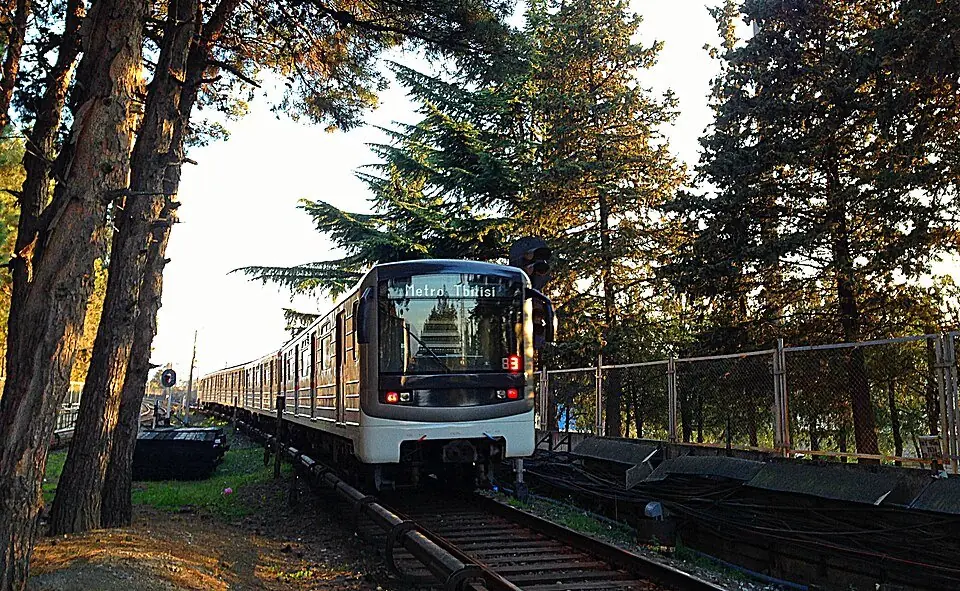
Most carriages are refurbished Soviet stock, loud but quick. The first of 25 new CRRC trains (111 carriages), the city's first new metro cars in 34 years, was unveiled in China on 29 September 2026 and should reach Tbilisi by the end of the year; no date has been set for passengers.
Tbilisi metro map: the two lines and 23 stations
Line 1 (red) runs from Gldani in the north down the left bank to Station Square, dips under the Mtkvari to Rustaveli and Liberty Square, crosses back to Avlabari and ends at Varketili in the south-east. Line 2 (green) heads west from Station Square into the modern district of Saburtalo. Station Square, with an underground passage between its two halls, is the only interchange.
- Line 1 (red), north to south-east: Akhmeteli Theatre, Sarajishvili, Guramishvili, Ghrmaghele, Didube, Gotsiridze, Nadzaladevi, Station Square, Marjanishvili, Rustaveli, Liberty Square, Avlabari, 300 Aragveli, Isani, Samgori, Varketili.
- Line 2 (green), east to west: Station Square, Tsereteli, Technical University, Medical University, Delisi, Vazha-Pshavela, State University.
Useful metro stations for visitors
| Station | Line | What is nearby | Walk |
|---|---|---|---|
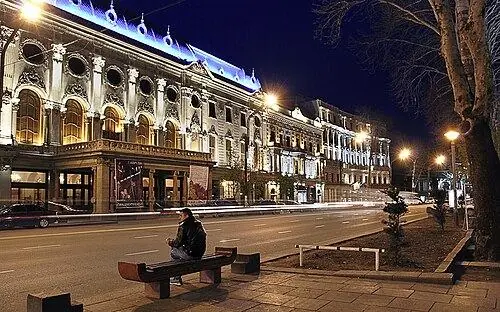
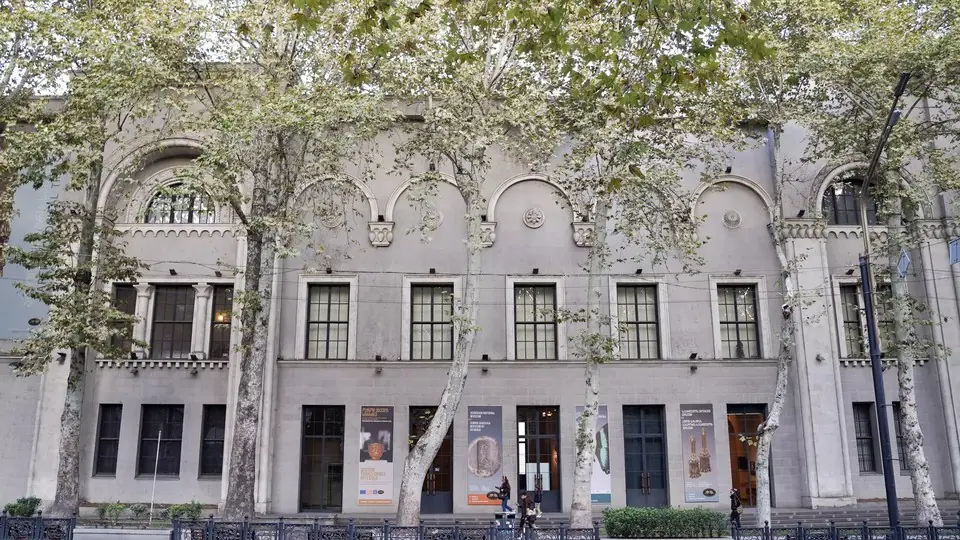
| Liberty Square | 1 | Freedom Square, the Old Town down to Sioni, Sololaki, the National Museum; bus 337 to the airport | 0-10 min |
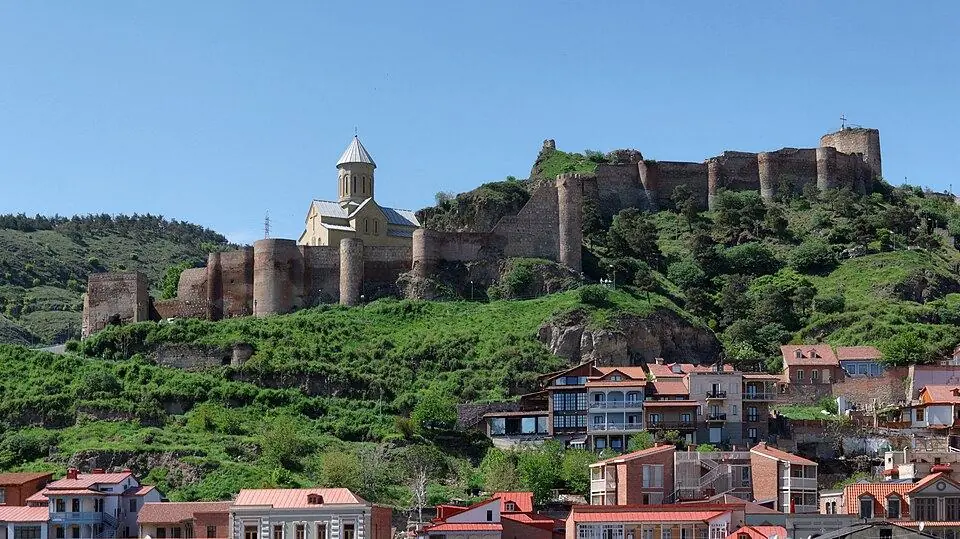
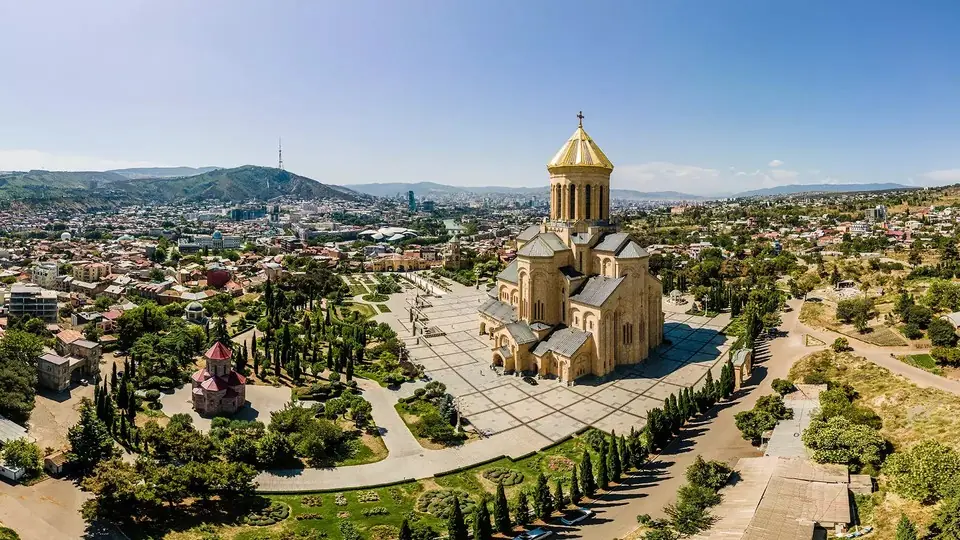
| Avlabari | 1 | Sameba Cathedral, Metekhi Church, Rike Park and the Narikala cable car, the Bridge of Peace | 10-20 min |
| Rustaveli | 1 | The top of Rustaveli Avenue, the Opera, Vera, the cable car to Mtatsminda | 5-10 min |
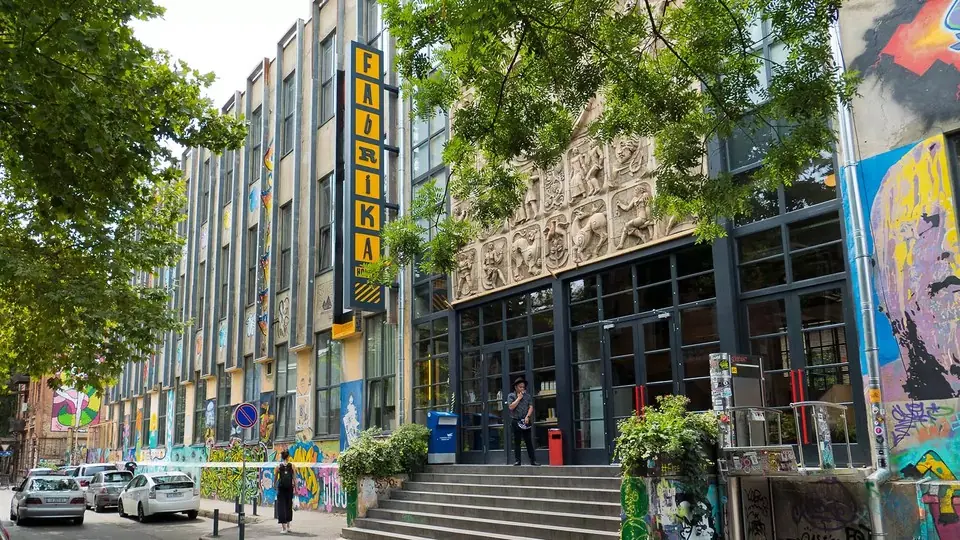
| Marjanishvili | 1 | Aghmashenebeli Avenue and Fabrika | 5-10 min |
| Station Square | 1 and 2 | Tbilisi Central station (trains to Batumi, Kutaisi, Zugdidi), Dezerter Bazaar, change of line | 0-5 min |
| Didube | 1 | Didube bus station: minibuses to Mtskheta, Kazbegi, Gori, Borjomi and the west | 2-5 min |
| Samgori | 1 | The Navtlughi stop for minibuses to Sighnaghi, Telavi and the rest of Kakheti | 2-5 min |
No station comes close to Vake, Lisi Lake, the Chronicles of Georgia, Turtle Lake or the ethnography museum, so use a bus or a taxi for those.
Only one day? The Old Town, the baths and Sololaki are a short walk apart, and our private walking tour covers them on foot with a guide in your language: any date, any group size.
Tbilisi metro hours, frequency and journey times
Gates open at about 06:00 and the last trains run around midnight, every day; times vary a little by station, so treat 23:30 as the safe limit. In the morning and evening peaks (about 8 to 10 am and 6 to 8 pm) trains come every two or three minutes and central carriages are packed; at quiet times you wait 5 to 12 minutes.
| Trip | Stops | On the train (approx.) |
|---|---|---|
| Liberty Square to Didube (bus station) | 6 | 12-15 min |
| Avlabari to Station Square (railway station) | 4 | 8-10 min |
| Liberty Square to Samgori (Kakheti minibuses) | 4 | 8-10 min |
| Station Square to State University | 6 | 12-15 min |
Allow three to five minutes at each end for escalators and corridors. For one or two stops in the centre, walking is often as quick.
Tbilisi metro fare in 2026 and how to pay
One flat fare covers the metro, municipal buses and minibuses and the little Bagebi to University ropeway: 1 GEL (about $0.40) in 2026, unchanged since it doubled from 50 tetri in February 2022. It buys 90 minutes of free changes if you paid by Metromoney card or an accepted bank card. There are no zones and no paper tickets.
| Ticket | Approx. price (2026) | Worth it for |
|---|---|---|
| Single fare, 90 minutes of changes | ~1 GEL (~$0.40) | Nearly every visitor |
| 1-day pass | ~3 GEL (~$1.15) | Four or more separate trips in a day |
| 1-week pass | ~20 GEL (~$7.60) | Long stays with daily trips across town |
| 1-month pass | ~40 GEL (~$15) | Remote workers and students |
Contactless bank cards and phones
You need not buy anything: touch a contactless Visa or Mastercard, or your phone, to the reader on the gate or inside the bus. TTC promises the 90-minute window for various bank cards, not all. Foreign cards normally work, but some visitors report paying about 1.5 GEL a ride or losing the free change. Always tap the same card or phone, since the window is tracked per card.
Cash, discounts and passes
Metro gates take no cash. A few buses still have a coin box, but a cash fare, like a ticket bought in the TTC app, gets no 90-minute window. Reduced fares for pupils, students and pensioners depend on Tbilisi schools and registration, so foreign adults and teenagers pay the full 1 GEL; small children usually ride free. Passes load onto a separate 2 GEL subscription card, often called the blue Travel Card, sold wherever Metromoney is and at Bank of Georgia branches; on a normal sightseeing day a pass rarely pays off.
Metromoney card: the Tbilisi transport card explained
Metromoney is the white, rechargeable card most residents carry. It is not registered to a name, so no passport is needed, and it costs 2 GEL at the cash desk (salaro) of any metro station or of either Rike Park to Narikala cable car station.
- Buy it
Pay 2 GEL plus the credit you want. Keep the paper receipt: you need it for a refund or a replacement. - Top it up
At metro cash desks, at both Narikala cable car stations, or at the orange Bank of Georgia pay machines, which give no change. - Tap in
Hold it against the reader at the turnstile or on board; a small screen shows the fare taken and the balance left. - Share it
One card can pay for a couple or a small family: tap once per person, one after another. - Hand it back
Within a month, return the card and receipt at a metro cash desk for your 2 GEL. Faulty cards are swapped at Avlabari and Medical University stations.
The card does not work on the two Mtatsminda lines, which use the park's own card. For three or four days of sightseeing, 10 to 15 GEL of credit is usually plenty.
Tbilisi buses and minibuses
Where the metro stops, TTC buses take over: Vake, Vera, Vake Park for the Turtle Lake ropeway, Lisi Lake and the airport. The yellow marshrutkas that older guides describe were taken off city routes in 2021 and early 2022; municipal minibuses now run fixed routes for the same 1 GEL. Every route has a three-digit number, and minibus routes are in the 400s and 500s. Minibuses to other towns are a separate, cash-only system leaving from Didube, Samgori and Ortachala.
How to ride a Tbilisi bus
- Wait at a marked stop; most have a board counting down the minutes to each route, plus a stop number you can enter in the TTC app.
- Board by any door, usually the middle or rear. The driver sells nothing, so just tap your card on a reader inside.
- Press the bell before your stop. Minibus drivers may pass a stop if nobody signals, so wave from the kerb.
- Buses run from about 06:00-07:00 to around midnight, every 10 to 40 minutes depending on the route.
Bus 337 links the airport with Avlabari, Liberty Square and Station Square for the standard fare. Until the rebuild of Rustaveli Avenue ends (City Hall's deadline is the end of November 2026), routes that use the avenue are diverted, so check the live route in the app first.
Tbilisi cable cars and the Mtatsminda funicular: fares and hours
Five lines climb the hills. Three belong to TTC and take the city's cards; the two up Mtatsminda belong to the hilltop park, which sells its own 2 GEL card at both lower stations, also valid for the rides at the top. Entering the park is free.
| Line | Route | Approx. fare (2026) | Pay with | Usual hours |
|---|---|---|---|---|
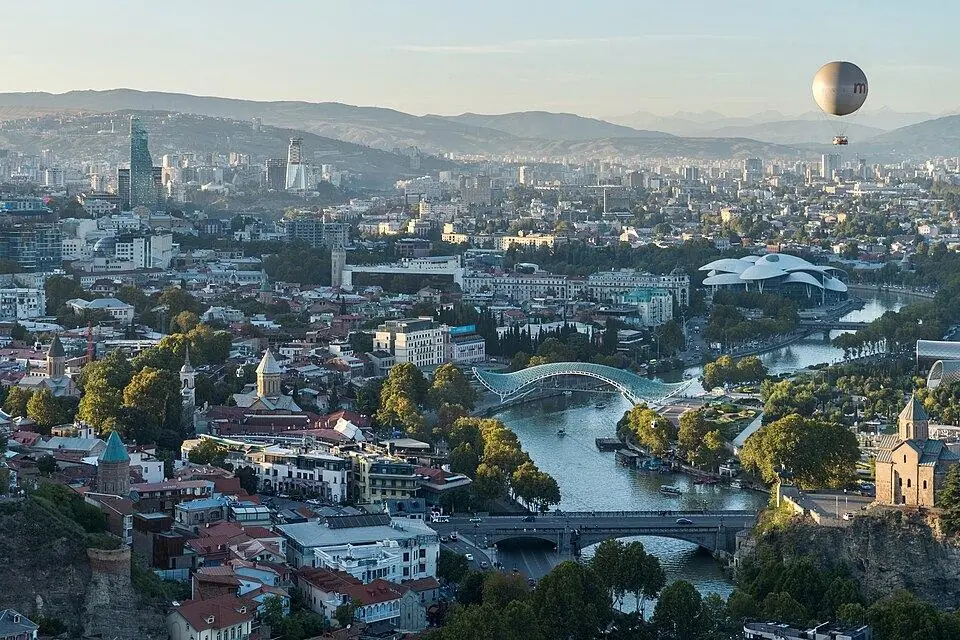
| Rike Park to Narikala cable car | Over the river to the fortress; ~500 m, about 2 min | ~2.5 GEL (~$1) one way | Metromoney or bank card | Summer from about 10:00 to midnight; from November until about 22:00 |
| Rustaveli to Mtatsminda cable car | Rustaveli Avenue (nearest metro: Rustaveli) to the park; ~845 m, about 4 min; opened 2024 | ~12 GEL (~$4.50) one way | Park card | About 11:00-23:00 in summer, shorter in winter |
| Mtatsminda funicular | Chonkadze Street in Sololaki, via the Pantheon stop, to the park at ~770 m; first opened 1905 | ~12 GEL (~$4.50) one way | Park card | As for the Mtatsminda cable car |
| Turtle Lake ropeway | Chavchavadze Avenue by Vake Park to Turtle Lake; ~1,140 m, about 6 min | ~1 GEL (~$0.40) | Metromoney | Daytime to evening; shut for maintenance from December 2025, so check |
| Bagebi to University ropeway | A ~320 m commuter hop over the Vere gorge in Saburtalo | Inside the 1 GEL fare | Metromoney or bank card | About 08:00-20:00 |
Georgian residents pay about 3 GEL on the Mtatsminda lines. All five stop in strong wind and close now and then for servicing; on those days climb the stairs to Narikala, or take a taxi to Mtatsminda Park or Turtle Lake.
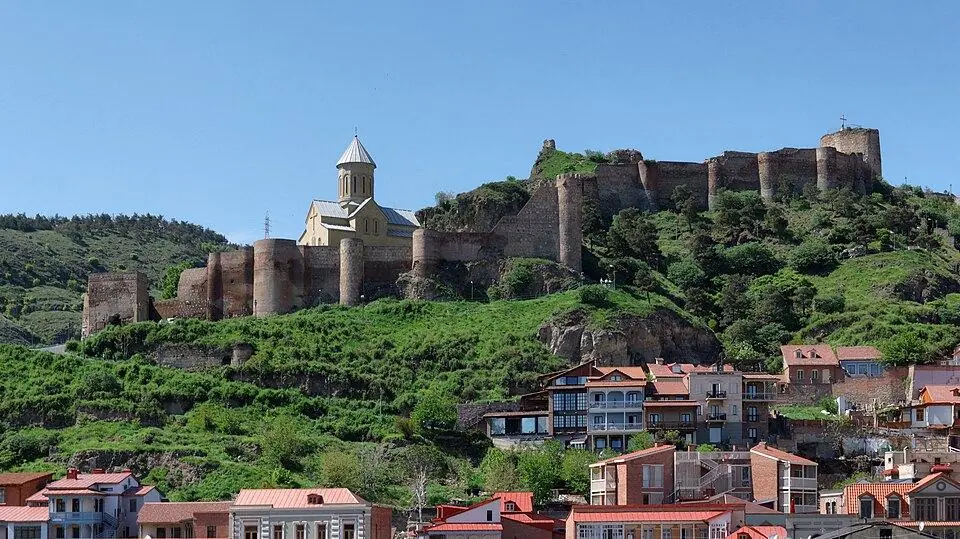
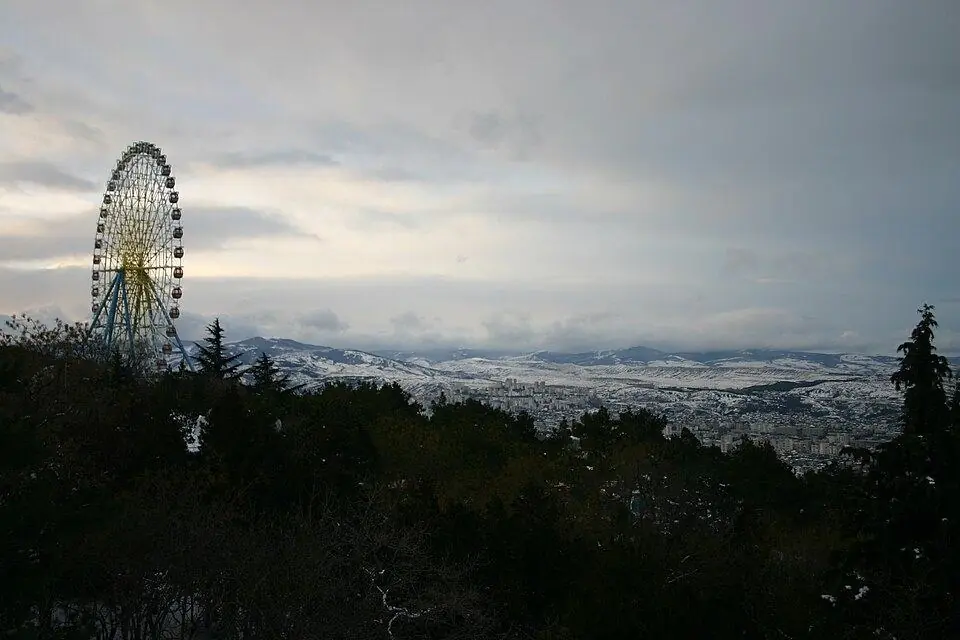
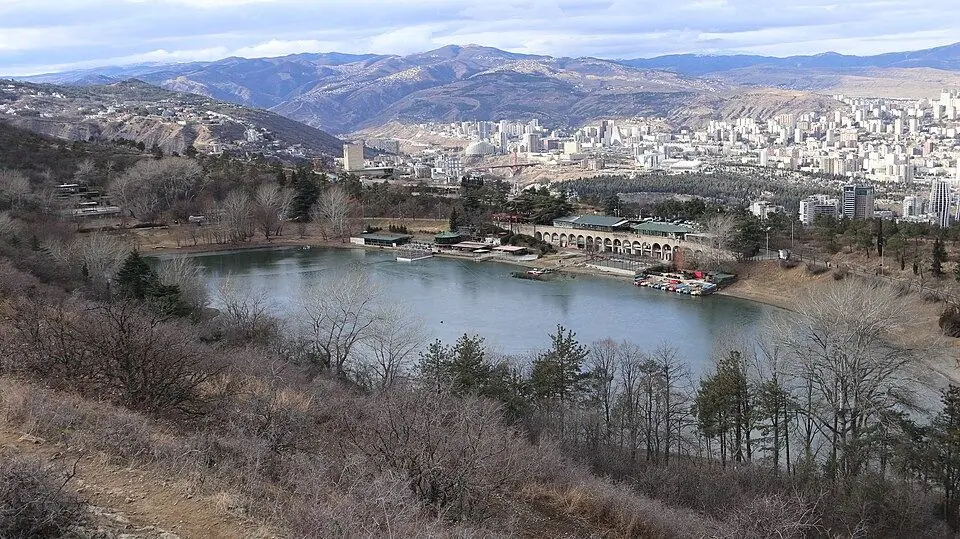
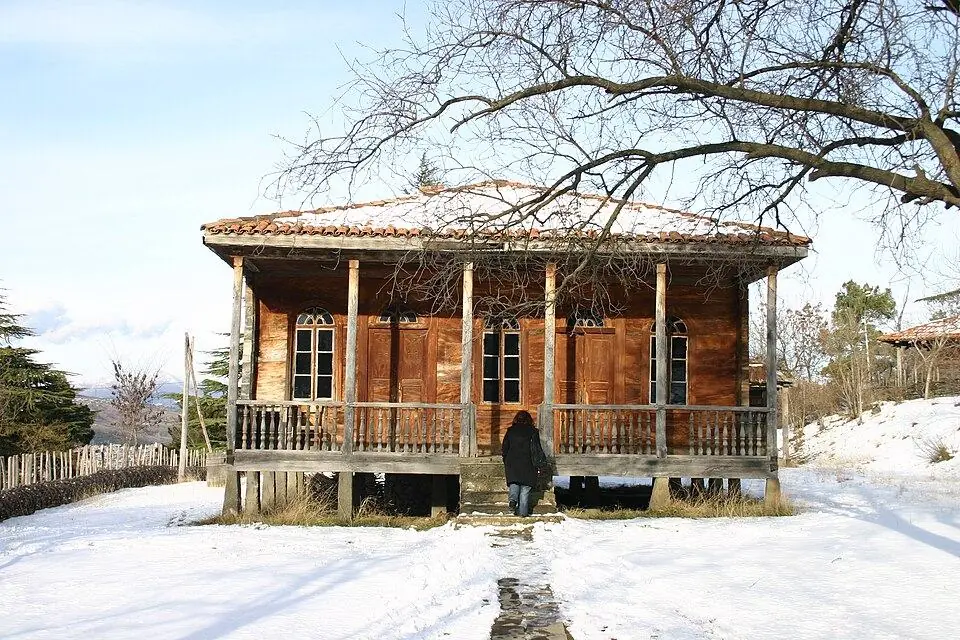
Our three-day Tbilisi City Break includes both classic rides, up to Narikala by gondola and up Mtatsminda by funicular, with your own guide, a central hotel and a car for Mtskheta. As a private tour it runs on the dates you choose, whatever the size of your group.
Tbilisi public transport apps: TTC journey planner and Google Maps
Google Maps knows the metro, bus and minibus routes and walks you to the right stop, enough for most visitors. TTC's own app and the journey planner on its website (transit.ttc.com.ge) add live bus positions, arrival predictions for every stop, offline timetables and a network map, in English. Save the stop by your hotel as a favourite, and download Tbilisi as an offline map in Google Maps before you land, so walking directions keep working when your data drops underground.
Taxi apps in Tbilisi: Bolt and Yandex Go
Bolt is the main ride app and Yandex Go also operates; both show the price upfront. A ride across the centre usually costs about 5-15 GEL (about $2-6) in 2026, and Freedom Square to Didube about 15 GEL, paid in the app or in cash. Skip unmarked street taxis, which rarely run a meter. A car beats the metro for Vake, Turtle Lake and the Chronicles of Georgia, after midnight, for three or four people together and for any trip with big suitcases.
Is the Tbilisi metro accessible? Escalators, lifts and step-free options
Not yet. Of the 23 stations, 21 are underground, most of them deep, reached by long, steep escalators that move briskly. Lifts are rare: Gotsiridze reopened in March 2023 after a two-year rebuild with two lifts and tactile paving. An upgrade funded by development banks and due to run until 2029 is adding lifts at more stations, among them a link between the two halls at Station Square, and renewing dozens of escalators, so expect the odd closed entrance.
The low-floor buses with ramps are easier for wheelchairs and pushchairs, and the Turtle Lake ropeway's cabins and stations were adapted for wheelchair users when it reopened in 2016. The Old Town's cobbles, high kerbs and steep lanes are hard going, so a car with a driver is often the most comfortable option; on our private tours we plan the pace and the vehicle around each traveller.
Is the Tbilisi metro safe? Etiquette and travelling with luggage
Yes. Trains and buses are busy, well lit and staffed, and serious crime against visitors is rare. On a crowded rush-hour train, carry your phone and cash in a zipped bag or an inside pocket.
- Stand on the right on escalators and leave the left for people walking.
- Give your seat to older people, pregnant women and parents with children; locals do it without being asked.
- On a packed bus, a stranger may pass you their card to tap for them. That is normal, and you can ask the same.
- A quick phone photo of the Soviet-era mosaics is usually fine, but guards may object to cameras, tripods or filming.
With luggage
- Avoid the metro with a big suitcase in the rush hours, when carriages fill to the doors.
- On escalators, stand the case on the step in front of you, keep a hand on the rail and lift it clear before the end.
- Use Station Square for the trains, Didube for minibuses to Kazbegi and the west, and Samgori for Kakheti; all three stations are next to the departures.
- Many Old Town guesthouses sit in lanes cars cannot enter, so a car to the nearest corner is worth the extra lari.
Heading out of town? Our getting around Georgia guide compares trains, minibuses, drivers and rental cars.
Tbilisi metro and public transport: FAQ
How much is the Tbilisi metro fare in 2026?
1 GEL (about $0.40) a journey, the same as a city bus, and it includes free changes for an hour and a half with a Metromoney or accepted bank card. Day, week and month passes cost about 3, 20 and 40 GEL.
Can I pay for the Tbilisi metro with a contactless bank card?
Yes: tap a contactless Visa, Mastercard or phone on the gate reader. Some foreign cards are reportedly charged a little more, so for several days a 2 GEL Metromoney card is safer.
Where can I buy a Metromoney card in Tbilisi?
At the cash desk of any metro station or of the Rike Park to Narikala cable car, for 2 GEL. Keep the receipt: with it you can return the card within a month and get the 2 GEL back.
Does the Tbilisi metro go to the airport?
No. Bus 337 runs from the airport to Avlabari, Liberty Square and Station Square for 1 GEL, where you can change to the metro; our Tbilisi airport guide has the details.
How much is the cable car in Tbilisi?
In 2026 the Narikala cable car from Rike Park costs about 2.5 GEL one way, while Turtle Lake's ropeway charges about 1 GEL. The Mtatsminda funicular and the cable car from Rustaveli Avenue cost about 12 GEL one way each, paid with a 2 GEL park card.
Is there a Tbilisi metro map in English?
Yes. Station names, maps and announcements are in Georgian and English, and the TTC app shows the network: Line 1 runs north to south-east through the centre, Line 2 west from Station Square.