Kutaisi State Historical Museum
One of Georgia's oldest regional museums, in central Kutaisi, with Colchian bronzes, medieval icons and manuscripts from western Georgian churches.
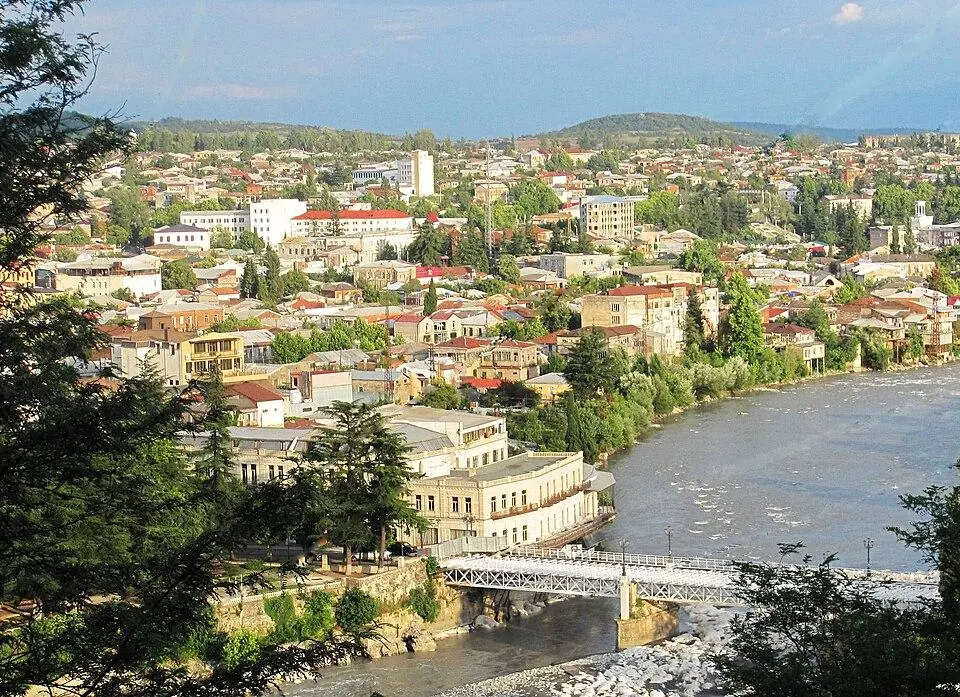
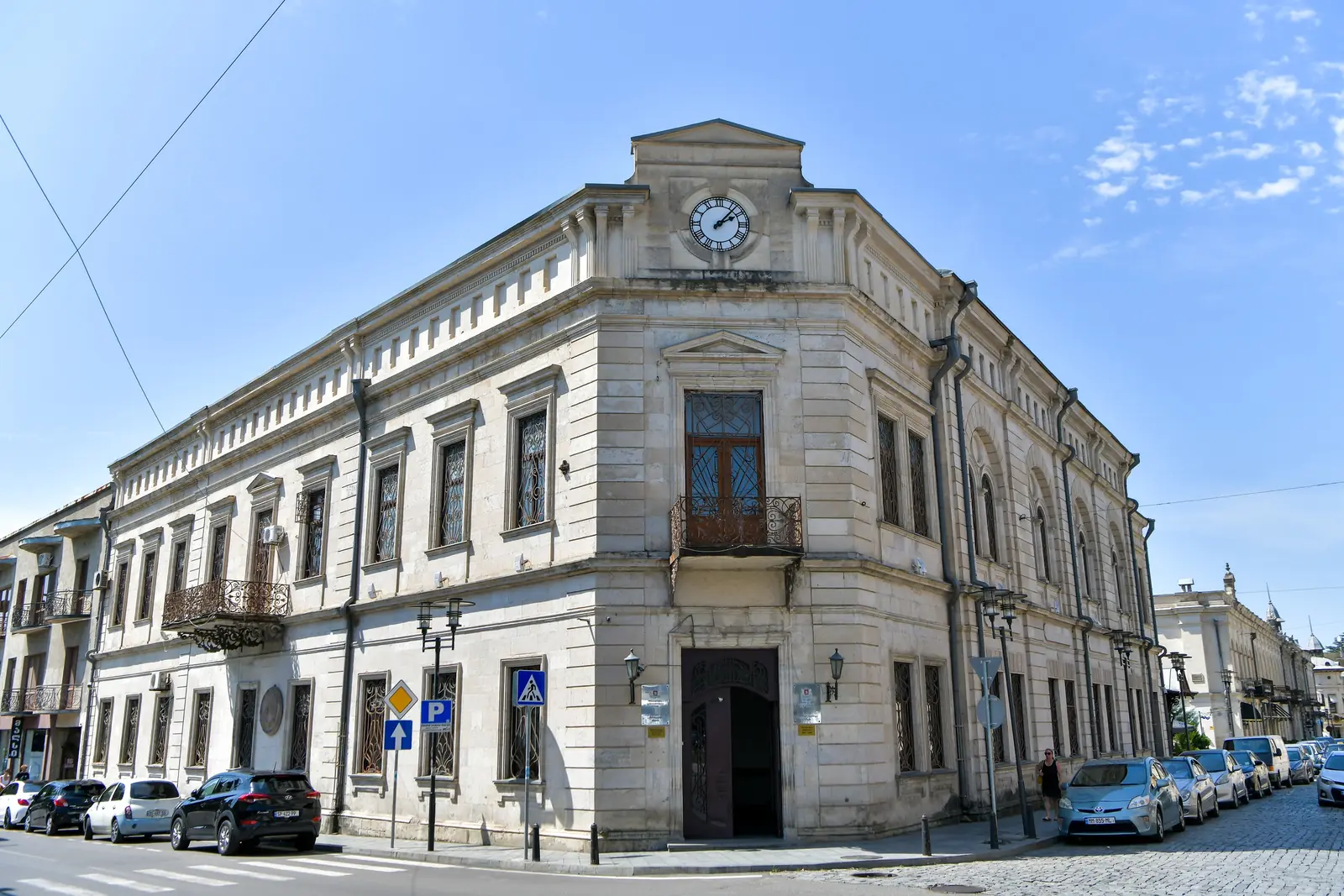 Kutaisi State Historical MuseumPhoto: Tornike Turabelidze / kutaisi.travel
The Kutaisi State Historical Museum, a few minutes' walk from the central square, holds one of the richest collections in Georgia outside Tbilisi. Its galleries trace the story of western Georgia from the Stone Age through ancient Colchis to the medieval kingdom and the Kingdom of Imereti. Look for Colchian bronze axes and belt plates, Greek and local pottery, and small silver coins minted in Colchis, alongside finds from excavations around Kutaisi and in the mountain valleys to the north.
The medieval collection is the highlight: chased silver and gilded icons, processional crosses and book covers from monasteries of the region, with illuminated manuscripts and royal charters. An ethnographic section shows costumes, weapons and household objects from Imereti, Racha and Svaneti. It is an ideal rainy-day visit and helps make sense of the churches you will see around the city.
History
The museum grew out of collections gathered in the early 20th century by a Kutaisi society for history and ethnography, and it became a state museum in the early 1920s. Over the following decades it took in church treasures from across western Georgia, which is why its medieval metalwork is so strong.
What to see and do
- Chased metal icons and crosses from western Georgian monasteries
- Colchian bronzes and ancient coins
- Illuminated manuscripts and royal documents
- Ethnographic displays from Imereti, Racha and Svaneti
How to visit
Getting there
In central Kutaisi, a short walk from the Colchis Fountain. Kutaisi is about 220 km from Tbilisi, 3 to 3.5 hours by car.
When to go
Year-round; ideal on a rainy day. Plan 1–1.5 hours here.
- Some halls may be closed for renovation, so ask at the desk what is open
- Visit before Gelati to see the kind of church art the monasteries once kept
- Photography rules differ between halls; ask first
Weather at Kutaisi State Historical Museum
Based on the climate of Kutaisi, 0 km away. Warmest in August (30° by day), coldest in February (3° at night), with 1,358 mm of rain a year. Best months: May, Sep–Oct.
Kutaisi State Historical Museum: FAQ
What is in the Kutaisi State Historical Museum?
Archaeology from ancient Colchis, medieval icons, crosses and manuscripts from western Georgian churches, and ethnographic collections. It is one of the leading museums outside Tbilisi.
Is the Kutaisi museum worth visiting?
Yes, especially on a wet day or before a trip to Gelati. An hour or so covers the main halls.
Read more in our guides
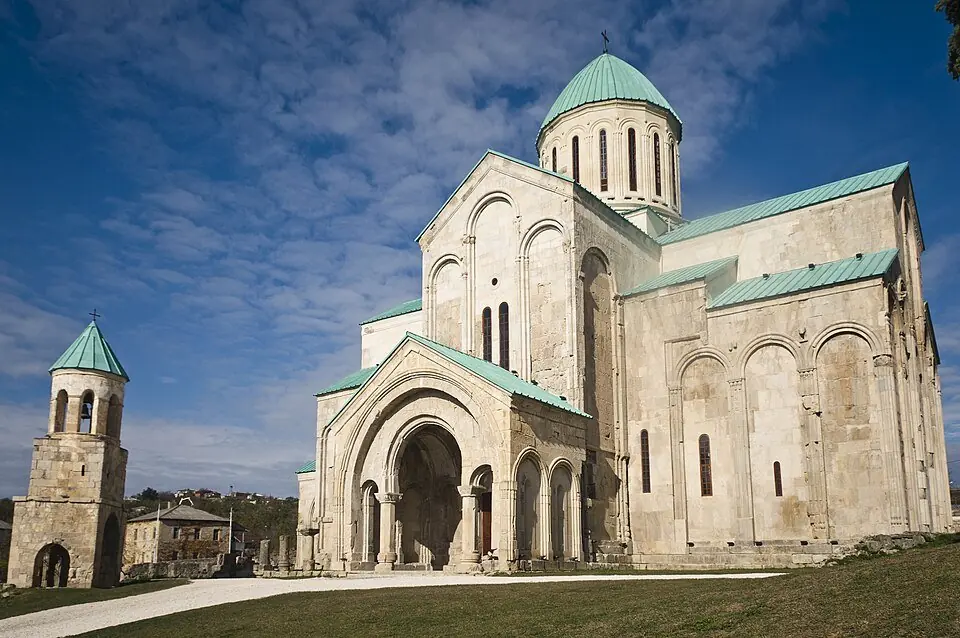 Photo: Brave Lemming, CC BY-SA 2.0
Bagrati and the White Bridge, Gelati's gold mosaic, the caves around Tskaltubo and the canyons of Okatse and Martvili, with Imeretian food, transport, 2026 prices and a two-day plan.
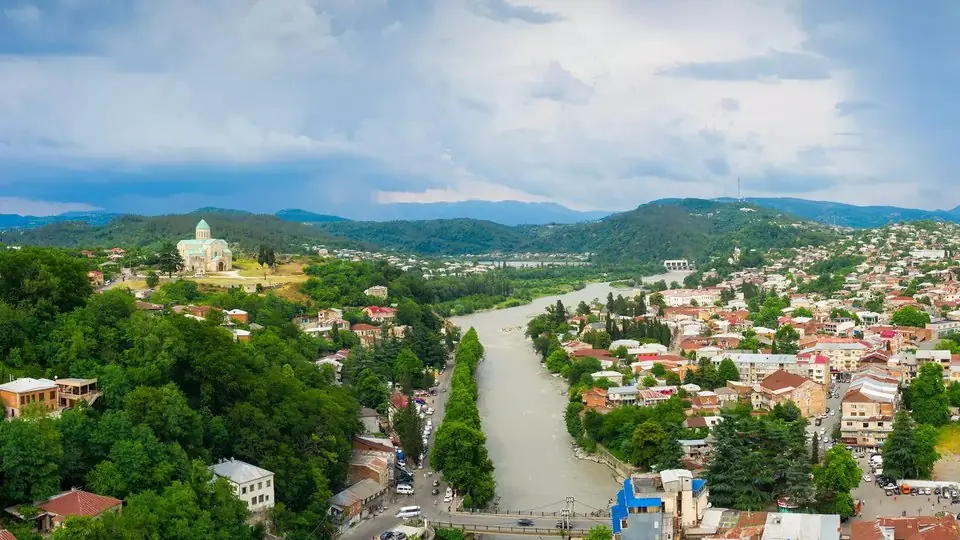 Photo: georgia.travel
Six Kutaisi bases side by side: the centre, the old river quarters, the hill below Bagrati, the stations, Tskaltubo and the airport road, with 2026 prices and a plan for a 02:00 landing.
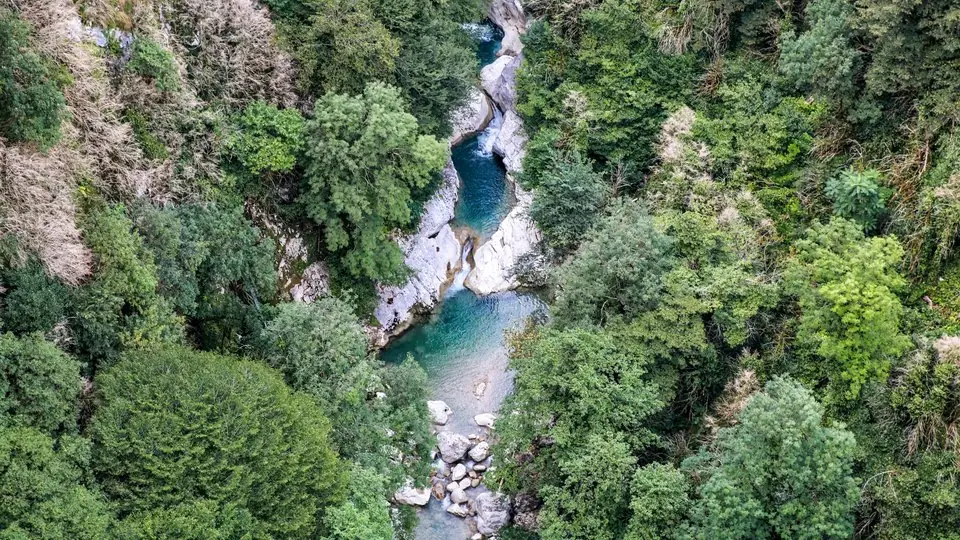 Photo: georgia.travel
Twelve trips out of Kutaisi, from Gelati 20 minutes away to Racha and the Black Sea: drive times, minibuses and drivers, 2026 tickets, classic pairings, a 3-day plan and what closes in winter.
 Photo: Draceane, CC BY-SA 4.0
Landing at Kutaisi? How the small KUT terminal works, where to get cash and a SIM, and every way on from the airport to Kutaisi, Tbilisi, Batumi and Svaneti, with 2026 times and fares.
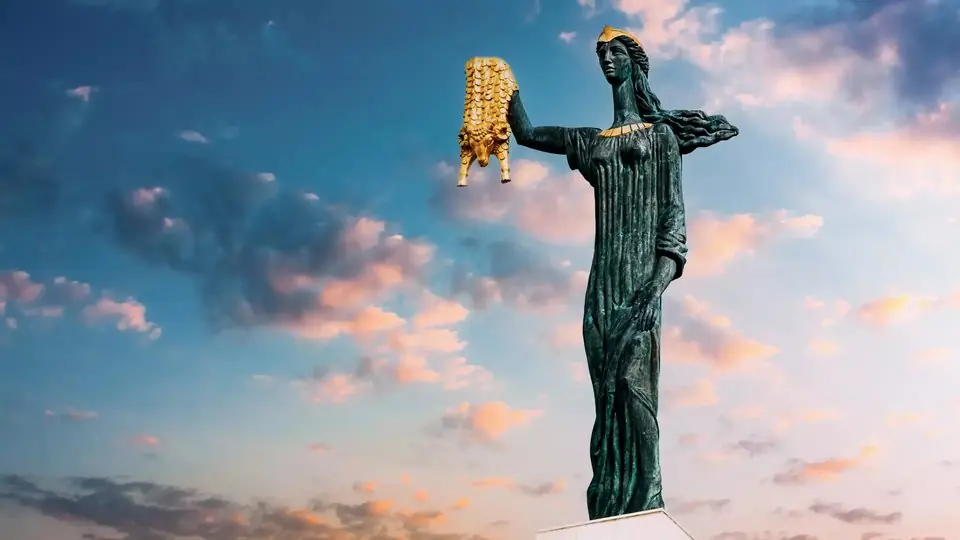 Photo: georgia.travel
What Colchis was, how the tale of Jason and Medea goes, why sheepskins and river gold may lie behind it, and where to see real Colchian gold today, with 2026 tickets, transport to Vani and a one-day route.
Nearby places
Straight-line distance from Kutaisi State Historical Museum.