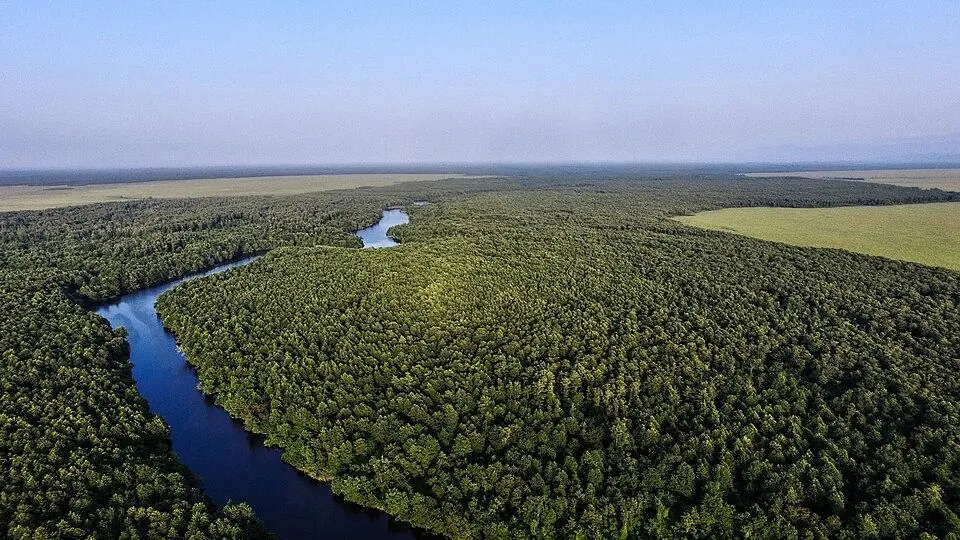
- Colchis was the Greek name for western Georgia: the Rioni valley, which the Greeks called the Phasis, from the Black Sea near Poti inland past Vani and Kutaisi.
- In Greek myth Jason and the Argonauts sailed there for the Golden Fleece, and the king's daughter Medea helped him steal it. One old theory links the story to sheepskins used to catch gold in Svaneti's rivers.
- Real Colchian gold from graves of the 5th and 4th centuries BC is on show at the Vani Archaeological Museum and in the treasury of the Georgian National Museum in Tbilisi.
- In 2026 a foreign adult paid about 20 GEL (about $7) at Vani and about 40 GEL (about $15) at the National Museum. Both close on Mondays.
- Vani lies ~41 km from Kutaisi, under an hour by car or about an hour by minibus, so Kutaisi is the best base for a one-day Colchis route with Nokalakevi.
Colchis was an ancient kingdom on the Black Sea's eastern coast, in what is now western Georgia. Greek writers saw it as a rich land of gold at the edge of their world, and they set the story of Jason, Medea and the Golden Fleece there. Its heart was the valley of the Rioni, the river they knew as the Phasis. Its people were casting bronze and working gold long before the first Greek ship arrived.
This guide explains what Colchis was, how the myth goes and the theory that ties the fleece to real gold. Then it turns to what you can see: the gold of Vani, the treasury in Tbilisi, Kutaisi's museum and fountain, and the walls of Nokalakevi. You will also find 2026 tickets, ways to reach Vani by minibus, train or car, and a one-day route from Kutaisi.
What was Colchis? Ancient Colchis in brief
Colchis covered most of what is now western Georgia: the wet lowland where the Rioni meets the sea, the green hills around Kutaisi and Vani, and the coast. The low Likhi range marked its eastern edge. Beyond it lay Iberia, the second early Georgian kingdom, ruled from Mtskheta.
The name reaches us mainly through the Greeks. Even earlier, in the 8th century BC, kings of Urartu carved records of a war against a land called Qulha, which most historians take to be the same country. Georgians today say Kolkheti.
Colchis was never one state with fixed borders. It began as a Bronze Age culture, grew into a kingdom with kings and coins, and ended as a province of bigger empires. Treat these dates as rough: scholars still debate most of them.
| Period | Rough dates | What happened | Where to see it |
|---|---|---|---|
| Colchian Bronze Age culture | About 1500 to 700 BC | Bronze axes, hoes and jewellery; villages across the lowland | Kutaisi State Historical Museum |
| Kingdom of Colchis | About 6th to 2nd century BC | Rulers, silver coins and graves full of gold | Vani; the National Museum treasury |
| Greek trading towns | From about the 6th century BC | Phasis, Dioskurias and other ports on the coast | Poti (no ruins on show) |
| Pontus, then Rome | About 100 BC to the 2nd century AD | Mithridates VI of Pontus, then Roman control; Vani burned in the mid 1st century BC | The temple hill at Vani |
| Lazica (Egrisi) | About the 3rd to 7th century AD | A new kingdom of the Lazi, fought over by Byzantium and Persia | Nokalakevi |
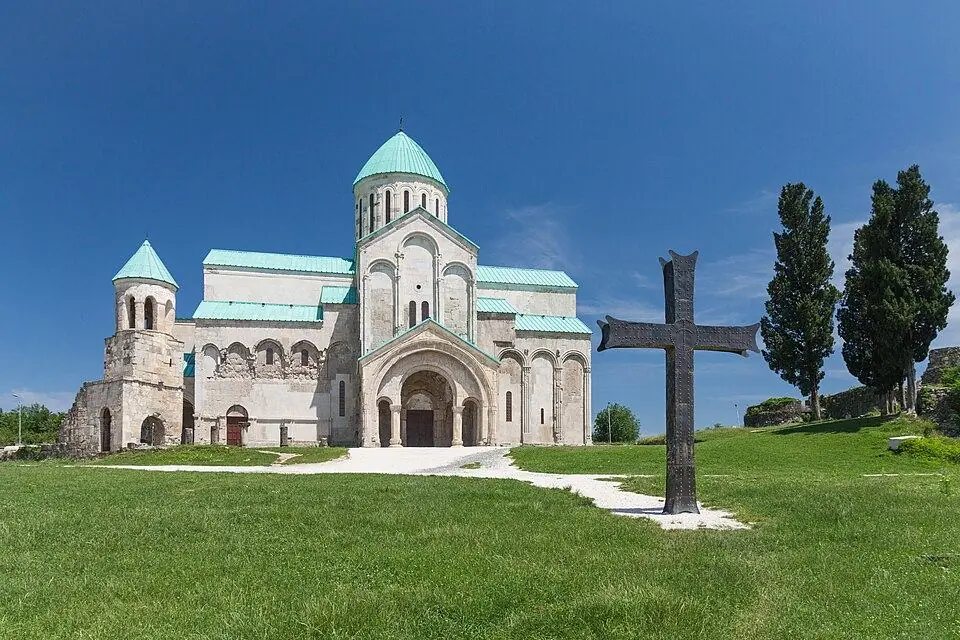
| United Georgia | From 1008 | Bagrat III joins west and east, with Kutaisi as capital | Bagrati Cathedral |
Jason, Medea and the Golden Fleece: the myth in short
The story is older than any surviving text: Homer's Odyssey already calls the Argo a ship known to all. Pindar told it in 462 BC, Euripides staged his Medea in 431 BC, and the fullest version is the Argonautica of Apollonius of Rhodes, from the 3rd century BC. The outline runs like this.
- A golden ram flies east
Phrixus and Helle, royal children from Boeotia, escape a cruel stepmother on a flying ram with a coat of gold. Helle falls into the strait later named after her, the Hellespont. Phrixus lands in Colchis, sacrifices the ram and gives its fleece to King Aeetes, a son of the sun god. - The fleece in the grove
Aeetes hangs the fleece on an oak in a grove sacred to Ares. A serpent that never sleeps coils around the trunk. - Jason sets sail
King Pelias of Iolcus wants his nephew Jason gone, so he sends him for the fleece. Jason gathers about fifty heroes on the Argo, among them Heracles, Orpheus and the twins Castor and Pollux, and rows up the Phasis to Aia, the king's city. - Medea's magic
Aeetes sets a deadly test: yoke two fire-breathing bulls, plough a field and sow it with dragon's teeth, which sprout into armed men. Medea, the king's daughter and a priestess of Hecate, falls in love with Jason. Her ointment shields him from the flames, and her advice beats the warriors. - Theft and flight
Medea lulls the serpent to sleep, Jason lifts the fleece and the Argo slips away by night. In some versions her brother Apsyrtus is killed to slow the pursuit. Medea's later life in Greece ends in horror at Corinth.
Where was Aia?
The poets put the city of Aeetes on the Phasis, some way up from the sea. Kutaisi, Vani and Nokalakevi have each been named as the spot, and no find proves any of them. What the digging does prove is that a wealthy, gold-working society lived on this river when the tale took shape.
Was the Golden Fleece real? The gold-panning theory
The best-known down-to-earth reading comes from Strabo, a Greek geographer of the early 1st century AD. In Book 11 of his Geography he describes the Soanes, the mountain people we now call Svans. Their winter torrents, he says, washed gold down from the peaks, and locals caught it in troughs pierced with holes and on fleecy skins. That, he suggests, may be where the legend began.
The method is simple. Pin a sheepskin in a fast stream, wool side up, and heavy flakes of gold snag in the fibres while sand washes through. Dry the skin and the wool glitters. Svans are said to have panned their rivers this way into modern times.
In 2014 a team led by the geologist Avtandil Okrostsvaridze of Ilia State University in Tbilisi tested the idea. They sampled rock and river gravel in Svaneti's high valleys and found gold. In the journals Episodes and Quaternary International they argue that a real hunt for gold may sit behind the myth. Read it as a theory: it explains the image well, but it cannot show that a Jason ever came.
What archaeology found: Vani's gold and the Greek colonies
For centuries Colchis lived only in poems. Digging since the late 19th century has changed that, and the hill at Vani has given the most. People settled there around the 8th century BC. By the 5th and 4th centuries BC its leading families went to their graves with gold diadems, earrings, necklaces and bracelets, and with painted Greek pots. Some graves also held horses and attendants killed to serve the dead.
Colchian goldsmiths had their own style. They soldered tiny grains of gold into patterns, a skill called granulation, and they loved animals: one famous Vani necklace carries rows of little gold turtles, and some bracelets end in the heads of turs, the wild goats of the Caucasus.
From about the 3rd century BC Vani became a temple city, with stone walls, altars and bronze statues, most found in pieces, plus a hidden hoard of Hellenistic bronze lamps. It burned in the mid 1st century BC, in the wars that brought Pontus and then Rome to the region.
Greek towns on the coast
From about the 6th century BC, Greeks from Miletus and other cities set up trading posts on this shore. Phasis stood near the mouth of the Rioni, close to modern Poti, but its remains have never been securely found. Dioskurias, named after Castor and Pollux, lay where Sukhumi is now, in occupied Abkhazia. In the south, digs at Pichvnari near Kobuleti found a Colchian town with a Greek cemetery of the 5th century BC beside it.
Colchis also struck small silver coins, probably from the 6th century BC. Georgians call them kolkhuri tetri, Colchian whites.
After Colchis: Lazica, Egrisi and Nokalakevi
Under Roman rule the old name faded. By about the 3rd century AD a people called the Lazi led the west, and writers began to call their land Lazica. Georgian chronicles name the same kingdom Egrisi.
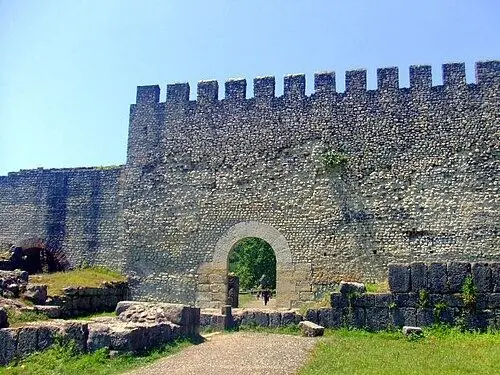
Its chief stronghold was Archaeopolis, Greek for old city, called Tsikhegoji in Georgian. Its ruins stand in the village of Nokalakevi, ~16 km from Senaki. In the Lazic War of 541 to 562, Byzantium and Sasanian Persia fought for the kingdom, and a Persian army that stormed these walls was beaten back. Later the west passed to a kingdom ruled from Kutaisi, and in 1008 Bagrat III joined it with the east into one Georgia.
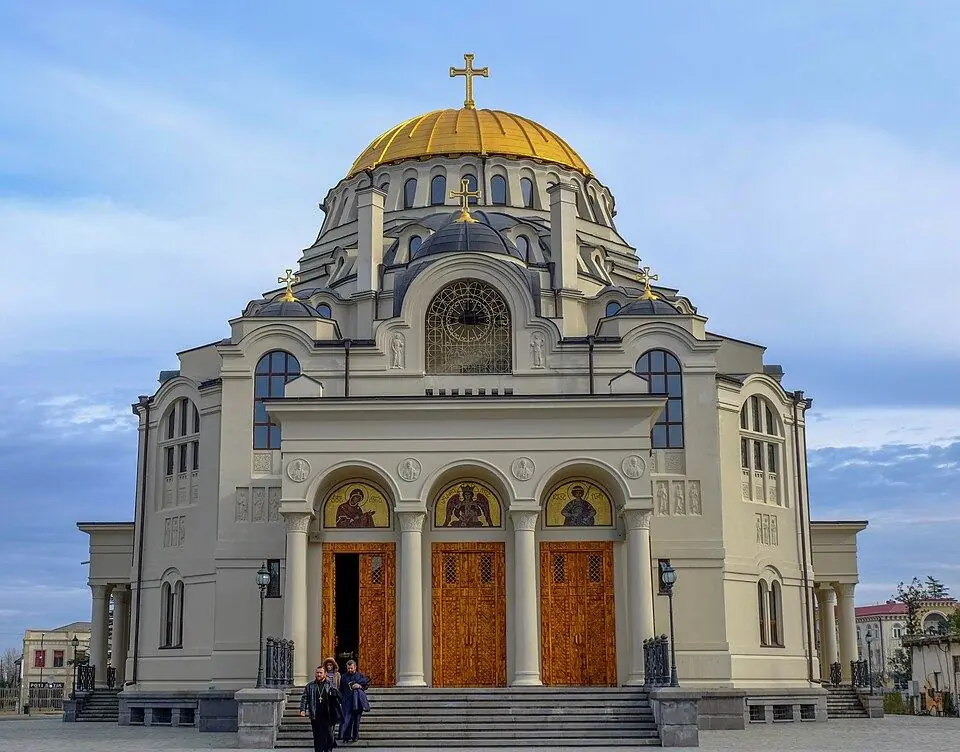
Today you climb through rings of stone walls from the river to a hilltop citadel, past a 6th-century church and the remains of a bathhouse. Allow about two hours and wear shoes with grip. The small site museum keeps its own hours, so check them, and any fee, on arrival.
Where to see ancient Colchis today
There is no single Colchis site. The finds are shared between museums in Vani, Kutaisi and Tbilisi, and the best ruins belong to the later Lazica period.
| Place | What you see | Foreign adult ticket (2026) | Usual hours (2026) |
|---|---|---|---|
| Vani Archaeological Museum | Gold from the graves, temple bronzes, the excavated hill | About 20 GEL (about $7) | Tue-Sun, about 10:00 to 18:00 (last entry about 17:30) |
| Georgian National Museum, Tbilisi | The archaeological treasury: Vani gold, Bronze Age gold, coins | About 40 GEL (about $15), main ticket | Tue-Sun about 10:00-18:00 |
| Kutaisi State Historical Museum | Colchian bronzes, pottery and coins | About 5 GEL (about $2) | Usually 10:00-18:00; check Mondays |
| Colchis Fountain, Kutaisi | Gilded copies of ancient figurines | Free | Any time |
| Nokalakevi | Walls, church and baths of Archaeopolis, small museum | Check on site | Grounds in daylight; museum hours vary |
Vani Archaeological Museum
If you see only one place, make it this one. The museum stands on the ancient hill itself, at the edge of Vani on the left side of the Rioni valley. It opened in 1985 and bears the name of Otar Lordkipanidze, who led the dig for decades. A ten-year rebuild, finished in 2020 with World Bank support, gave it new halls that show the grave gold, the bronzes and how Colchian smiths found and worked their metal.
Then walk out over the excavated hilltop, where wall footings, altars and terraces look down on the town. Entry for a foreign adult was about 20 GEL (about $7) in 2026.
The gold treasury in Tbilisi
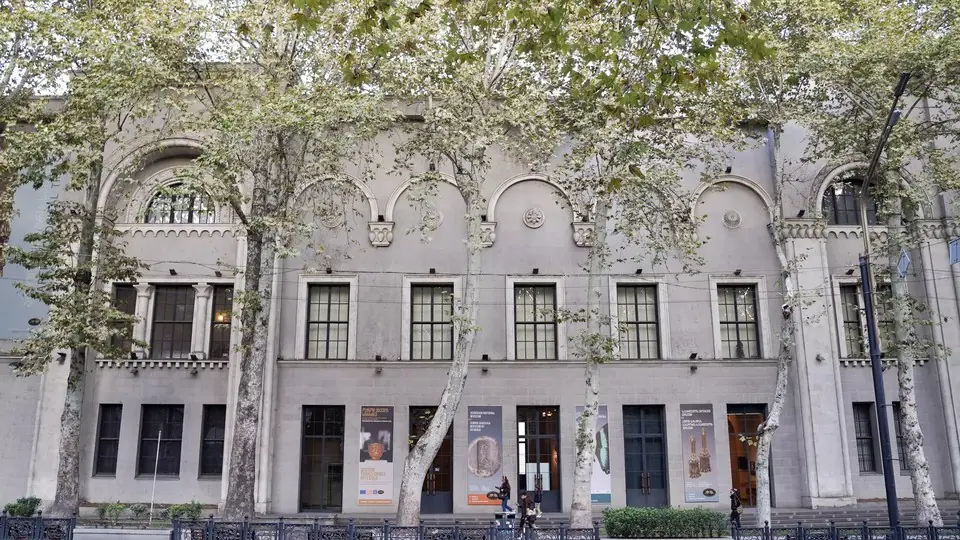
Some of the finest Vani pieces live in the capital. The Simon Janashia Museum on Rustaveli Avenue, the main branch of the Georgian National Museum, keeps them in its archaeological treasury, beside Bronze Age gold from Trialeti and the Akhalgori hoard. The turtle necklace is usually here. In 2026 the main ticket of about 40 GEL (about $15) covered the treasury.
Our private Tbilisi walking tour can trade its Sololaki stop for the treasury. You pick the date and the group size, and the guide speaks your language.
Kutaisi: the history museum and the Colchis Fountain
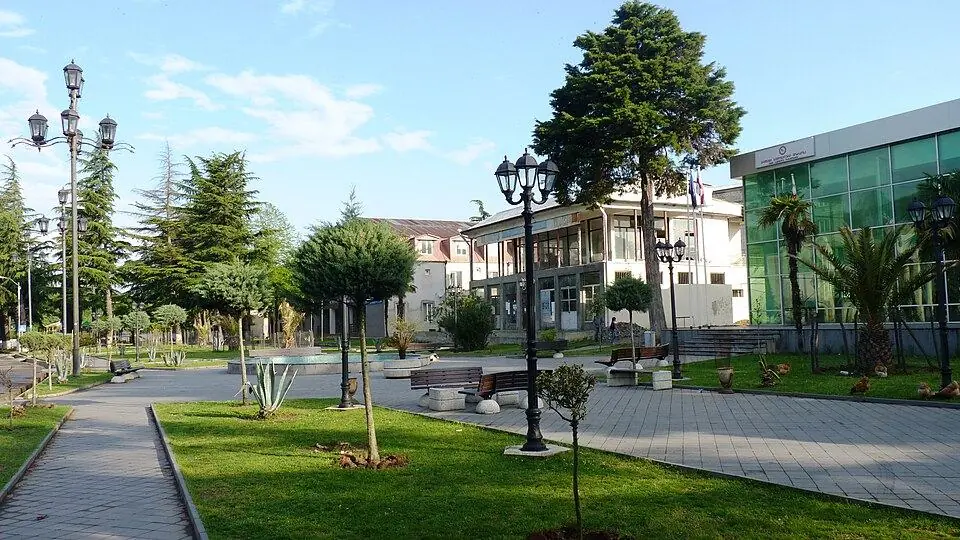
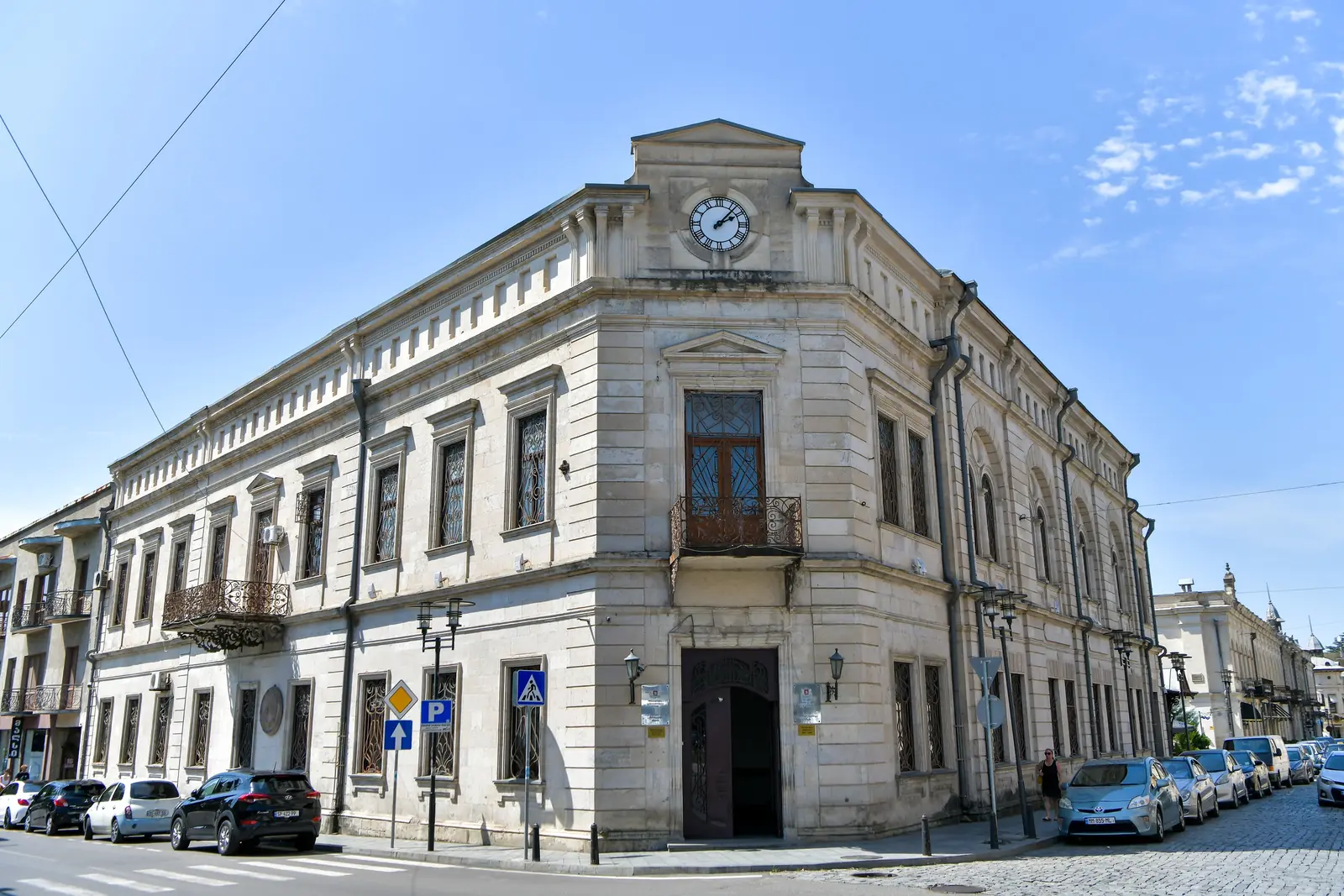
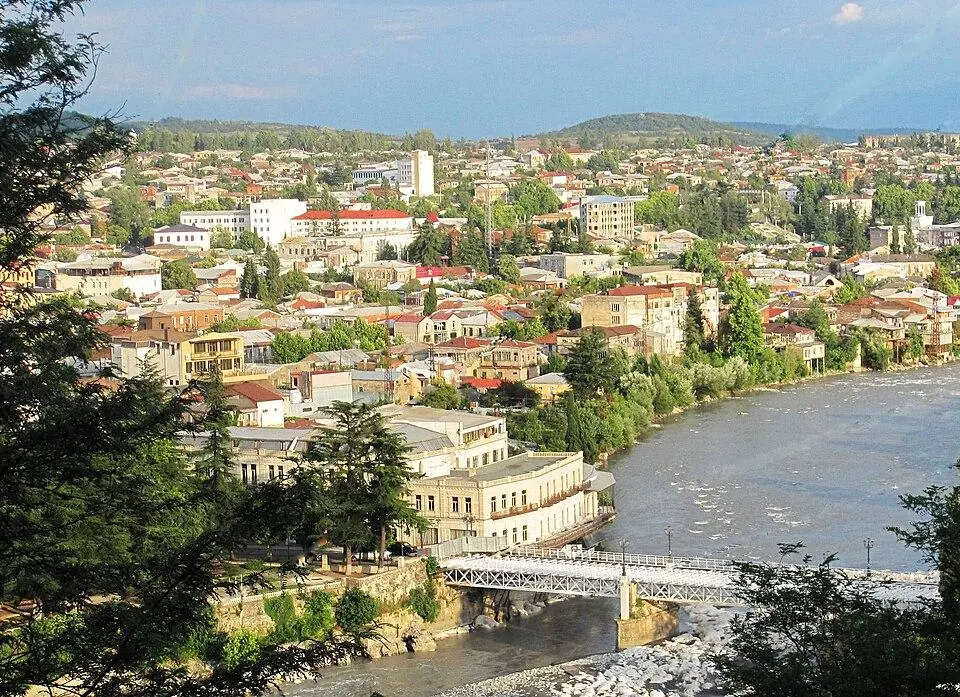
Kutaisi was a Colchian town long before it became a royal capital. Its State Historical Museum, near the main square, shows Colchian bronze axes, belt plaques and silver coins for about 5 GEL (about $2) in 2026. On the square, the Colchis Fountain of 2012 sets about 30 gilded copies of ancient figurines around its basins. Find the small seated drinker, a 7th-century BC bronze from western Georgia.
Other echoes of the myth
- Poti: the port at the mouth of the old Phasis. Nothing ancient is on show, but a boat trip into the wetlands shows the reedy land the Argonauts would have seen.
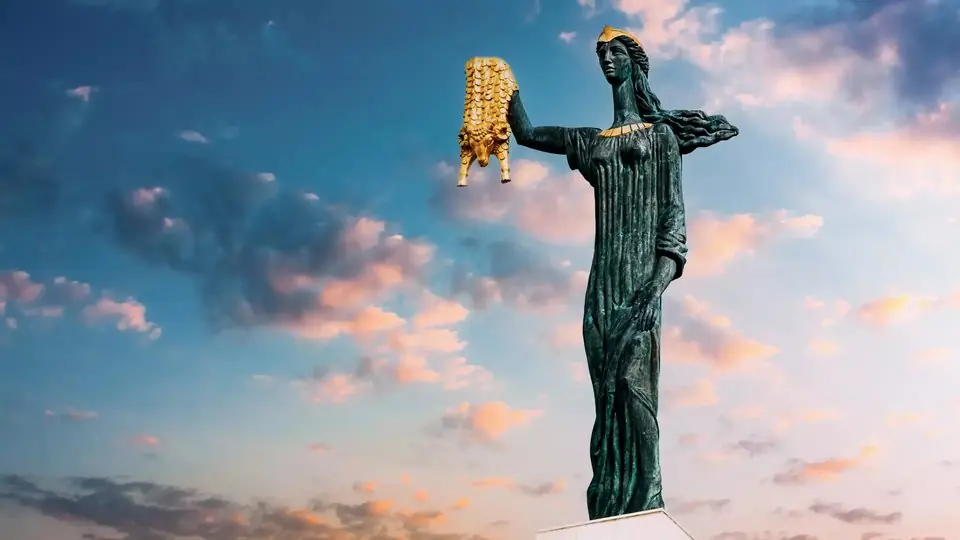
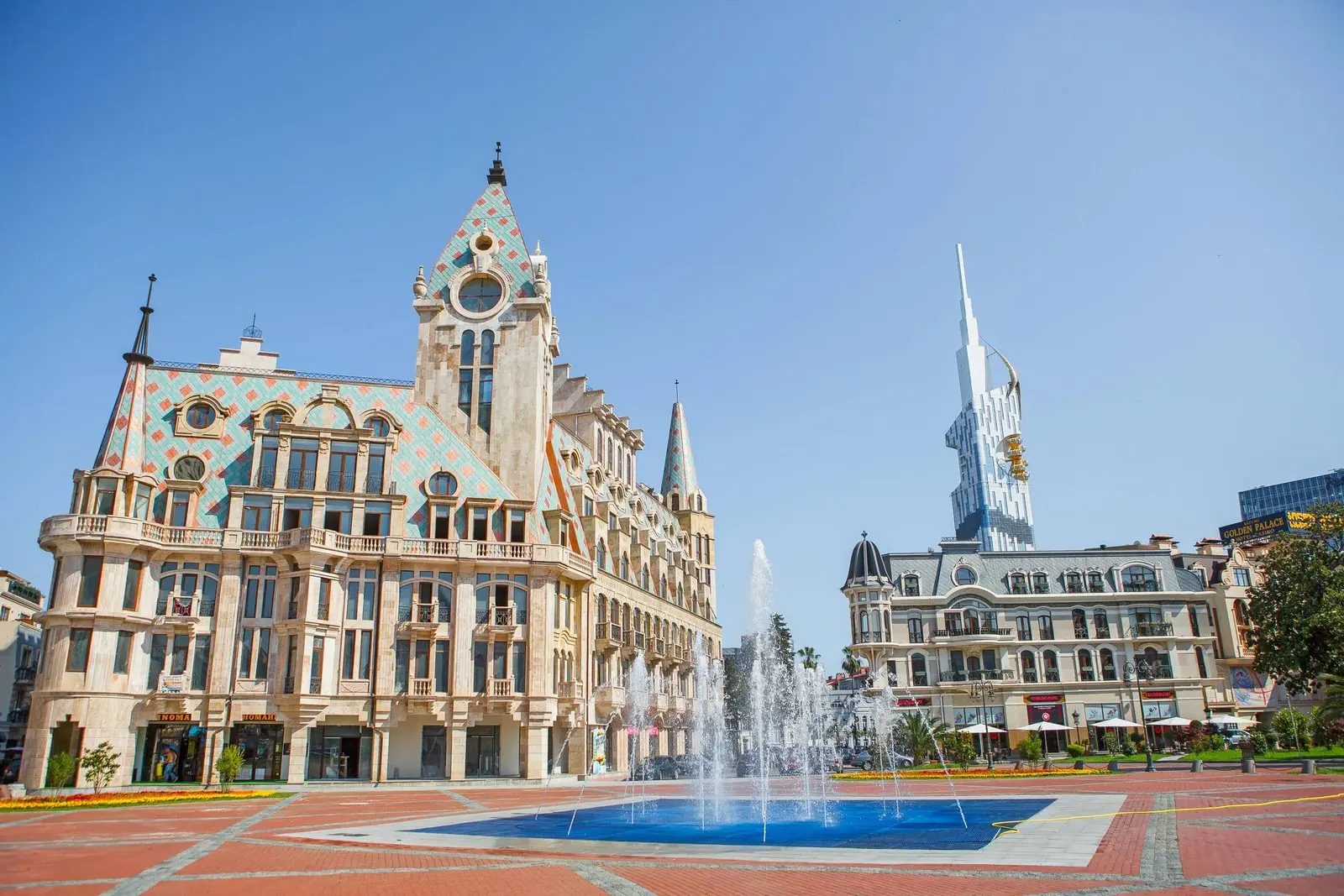
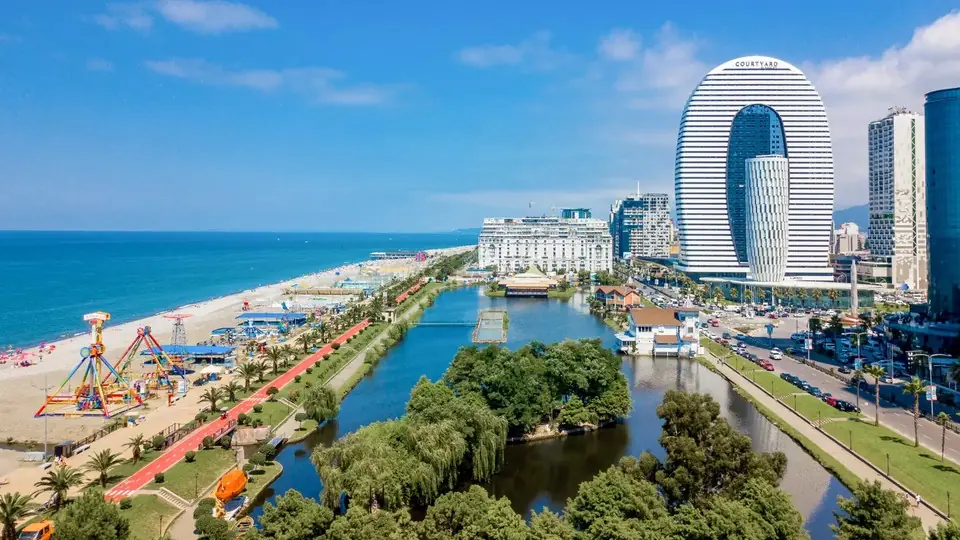
- Batumi: on Europe Square a bronze Medea, put up in 2007, holds the gilded fleece high on a column.
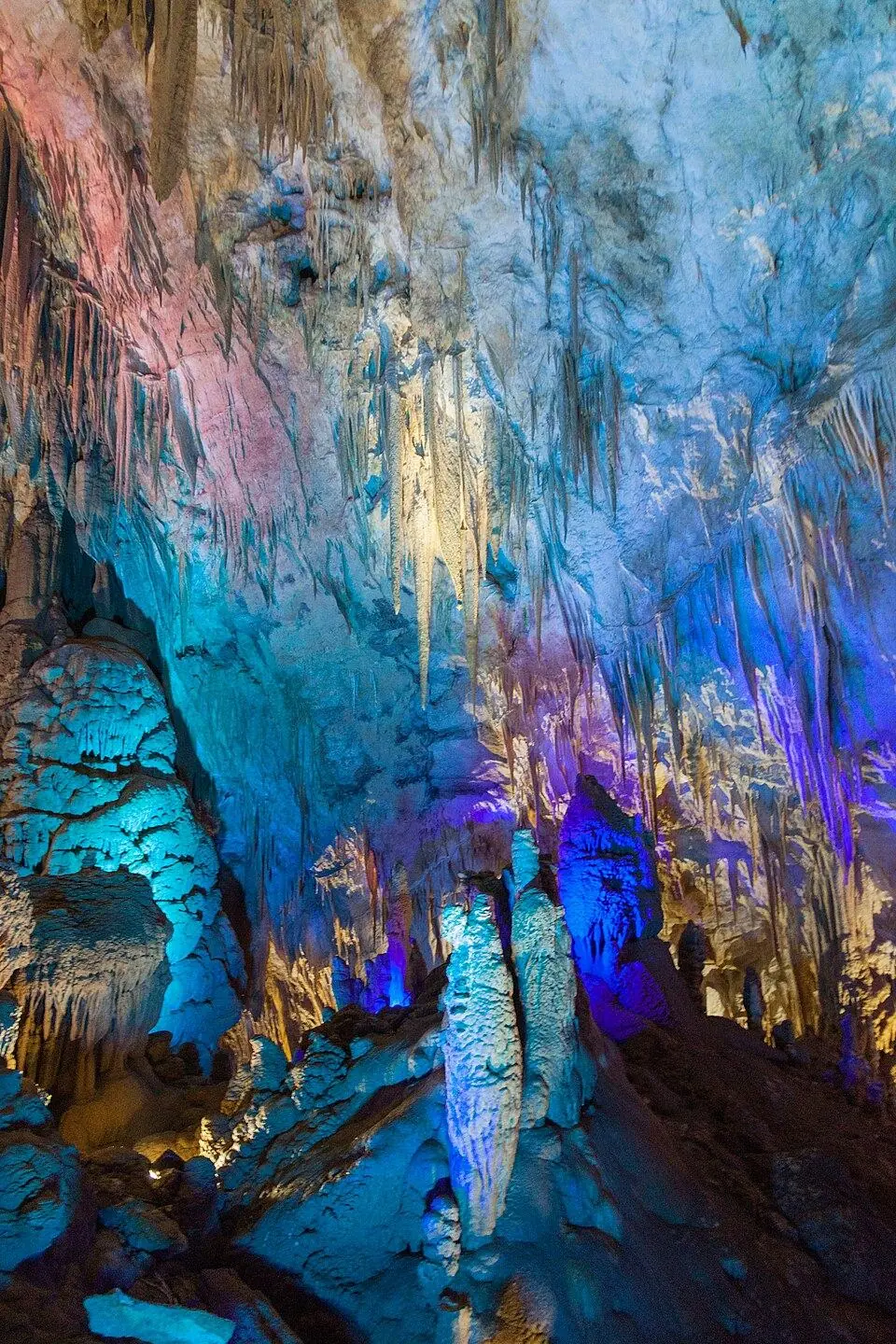
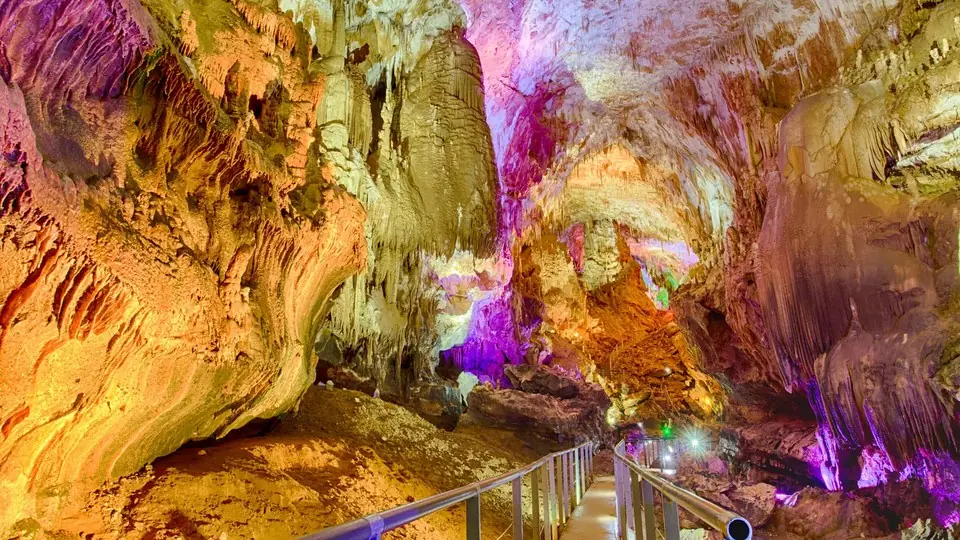
- Prometheus Cave near Tskaltubo: named after the Titan whom Greek myth chained in the Caucasus.
How to get to Vani from Kutaisi and Tbilisi
Vani is a small Imeretian town ~41 km south-west of Kutaisi and ~242 km from Tbilisi by road. It has no railway station. The museum is roughly 15 minutes on foot from where the minibuses stop.
| From | How | Time | Fare or note (2026) |
|---|---|---|---|
| Kutaisi | Car or taxi | 45-60 minutes, ~41 km | Bolt works in Kutaisi but not in Vani, so arrange your ride back |
| Kutaisi | Minibus from the bus station at 67 Chavchavadze Avenue | About 1 hour | About 4 GEL (about $1.50); roughly hourly |
| Tbilisi | Car or private driver | 3.5-4 hours, ~242 km | Motorway to Kutaisi, then south across the Rioni |
| Tbilisi | Minibus to Kutaisi, then minibus to Vani | 5-6 hours with the change | About 20 GEL (about $7) to Kutaisi from Didube, every 30-40 minutes, plus the Vani fare |
| Tbilisi | Train, then taxi | About 3 hours, then ~37 km by taxi | Fast Batumi trains stop at Kutaisi Airport station; some Zugdidi and Poti trains call at Samtredia, ~25 km from Vani |
| Batumi | Car | About 2-2.5 hours, ~140 km | North along the coast past Kobuleti, then inland through Samtredia |
A one-day Colchis route from Kutaisi
With a car and driver you can see the three key places in a day and be back in Kutaisi for dinner. The loop is ~150 km, with about 3 to 3.5 hours of driving. Avoid Mondays and public holidays, when the museums close, and come in spring or autumn if you can: summer on the plain is hot and sticky.
- 09:30 The fountain and the Kutaisi museum
See the gilded figures, then spend an hour with the bronzes when the museum opens at about 10:00. - 11:15 Drive to Vani
About 50 minutes south-west across the plain. - 12:00 Vani museum and hill
An hour in the gold halls, 30 to 45 minutes on the excavations, then lunch in town. - 14:30 Optional hot pool
Sulori, ~11 km from Vani, has private thermal baths at about 38°C, and Dikhashkho has a free open sulphur pool. Keep it short. - 15:00 Drive to Nokalakevi
~60 km through Samtredia and Senaki, a little over an hour. - 16:15 Archaeopolis
Walk the walls up to the citadel, about 1.5 hours, then drive ~50 km back to Kutaisi, roughly an hour.
Flying into Tbilisi? See the treasury on your first or last day there, then do this loop from Kutaisi. Foreign visitors need travel health insurance covering the whole trip, for at least 30,000 GEL.
For a second day around Kutaisi, our caves and monasteries day trip visits Gelati, Motsameta, Sataplia and Prometheus Cave. Being private, it runs on whatever date suits you, with no cap on numbers.
If you are crossing Georgia from Tbilisi to the sea, the six-day East to West tour passes through Kutaisi and Samegrelo. Ask us and the driver will add Vani or Nokalakevi.
Colchis and the Golden Fleece: FAQ
Where is Colchis today?
In western Georgia, mostly in today's Imereti, Samegrelo and Guria and along the Black Sea coast. Its core was the Rioni valley, from the sea at Poti inland past Kutaisi.
Is the Golden Fleece from Georgia?
In the Greek myth, yes. Jason sailed to Colchis, in western Georgia, to take the fleece from King Aeetes. The fleece itself is legend, but Colchis was real and rich in gold, as the graves at Vani show.
Was the Golden Fleece real?
Not as a magic ram's coat. Strabo thought the legend grew from sheepskins that Svans laid in rivers to catch gold, and Georgian geologists found gold in Svaneti's streams in 2014. It is a theory, not proof.
How do I get to Vani from Kutaisi?
Minibuses leave Kutaisi's bus station on Chavchavadze Avenue roughly hourly and take about an hour. In 2026 a seat cost about 4 GEL (about $1.50). By car the ~41 km take 45 to 60 minutes. No train goes to Vani.
How much is the Vani Archaeological Museum?
A foreign adult ticket cost about 20 GEL (about $7) in 2026, and students paid about 10 GEL (about $4). It is usually open Tuesday to Sunday, about 10:00 to 18:00, and closed on Mondays.
Where can I see Colchian gold?
The originals are at Vani's own museum and in the Tbilisi treasury of the Georgian National Museum. Kutaisi's Colchis Fountain shows gilded copies for free.
Is Nokalakevi part of ancient Colchis?
Its walls belong to Archaeopolis, a fortress of Lazica, the kingdom that followed Colchis in the same land. People lived on the site in Colchian times too: its oldest finds date to about the 8th century BC.
Who was Medea?
In Greek myth, the daughter of King Aeetes of Colchis and a priestess with magic skills. She helped Jason win the fleece and fled with him to Greece. Her statue holding the fleece stands on Europe Square in Batumi.