Nokalakevi
Ruined late antique fortress city of Archaeopolis, a stronghold of the kingdom of Lazica, in a loop of the Tekhuri River near Senaki.
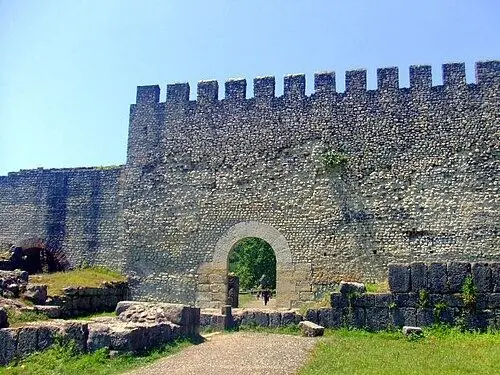 NokalakeviPhoto: Lika, Public domain
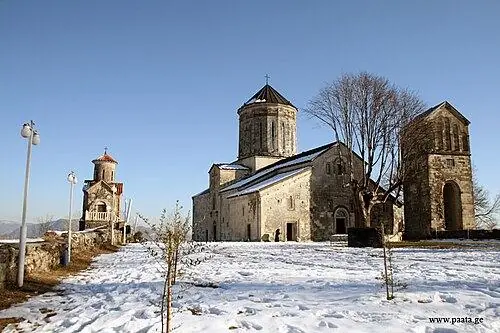
Nokalakevi, known to Greek and Byzantine writers as Archaeopolis, is one of the most important archaeological sites in western Georgia. The ruins lie in a loop of the Tekhuri River, about 16 km from Senaki, where the river and steep slopes formed a natural defence. Stone fortification walls climb from the lower town by the river to a citadel on the hill above. Within the site you can see the remains of Roman-style baths and the 6th-century Church of the Forty Martyrs, one of the oldest churches in Samegrelo. The whole site covers about 20 hectares.
A small on-site museum displays finds from the excavations, the oldest dating to the 8th and 7th centuries BC. Archaeologists still dig here in summer, and since 2001 an Anglo-Georgian expedition has worked alongside Georgian specialists. Some local tradition links the site to Aia, the city of the Golden Fleece legend, though most scholars place Aia elsewhere. Climb to the citadel for views over the river and countryside, and allow time for the museum before you leave.
History
People lived here from at least the 8th century BC, and the stone town grew between the 4th and 6th centuries AD, when it was a leading fortress, and by many accounts the capital, of Lazica, the late antique kingdom of western Georgia known in Georgian as Egrisi. During the mid-6th-century Lazic War between Byzantium and Sasanian Persia, the Persians failed to take it, a defeat that helped cost them the region. Excavations began in 1930 to 1931 and have continued since 1973.
What to see and do
- Fortification walls rising from the river to the citadel
- The 6th-century Church of the Forty Martyrs
- Remains of Roman-style baths
- Site museum with finds from the 8th century BC onward
How to visit
Getting there
Nokalakevi is about 16 km northeast of Senaki, roughly 1.5 hours by car from Kutaisi and 4.5 hours from Tbilisi. Taxis can be hired in Senaki.
When to go
April to June and September to October. Plan 1.5–2 hours here.
- Wear good shoes for the climb to the citadel.
- Summer afternoons are hot and humid; visit in the morning.
- Check museum hours locally before you go.
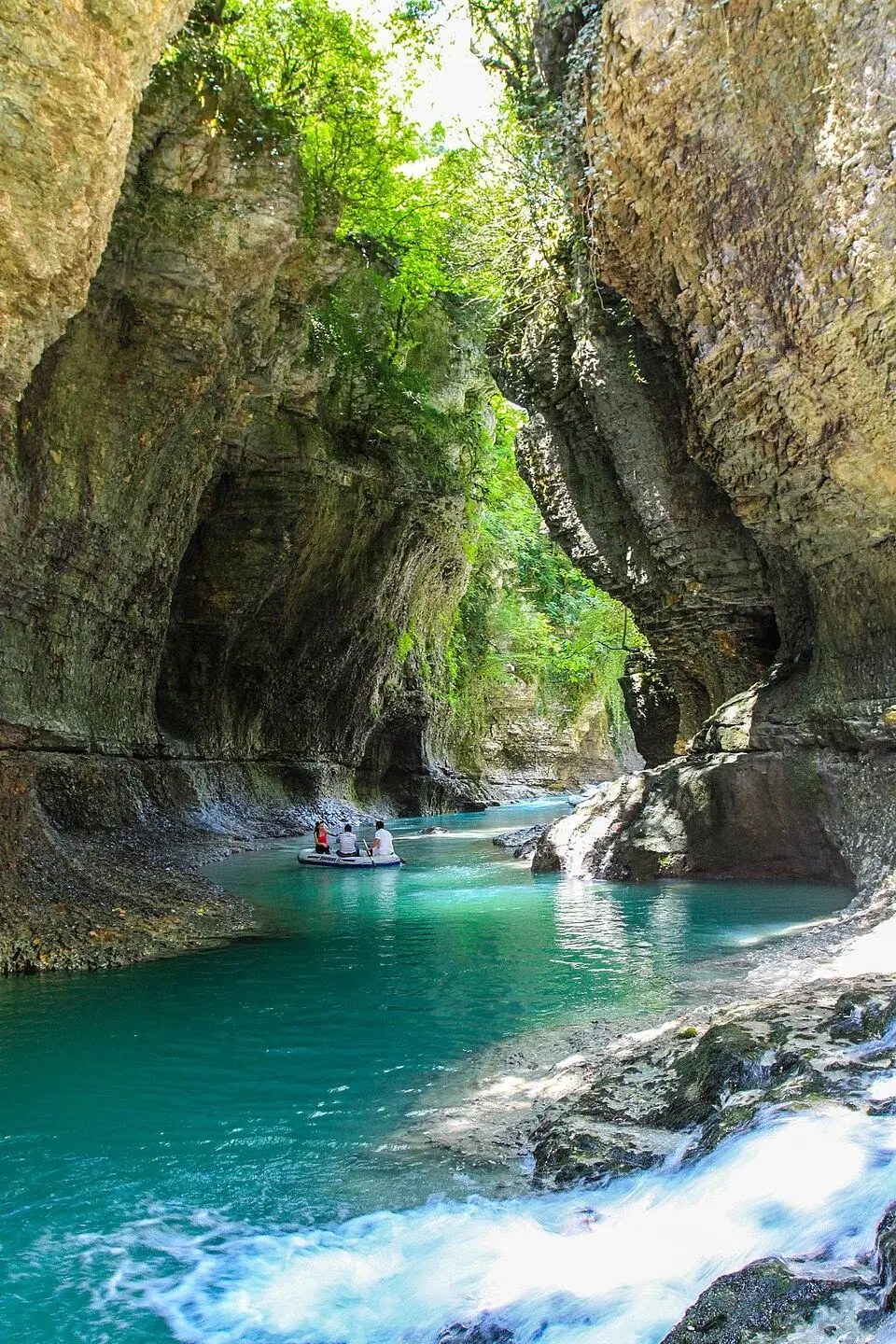
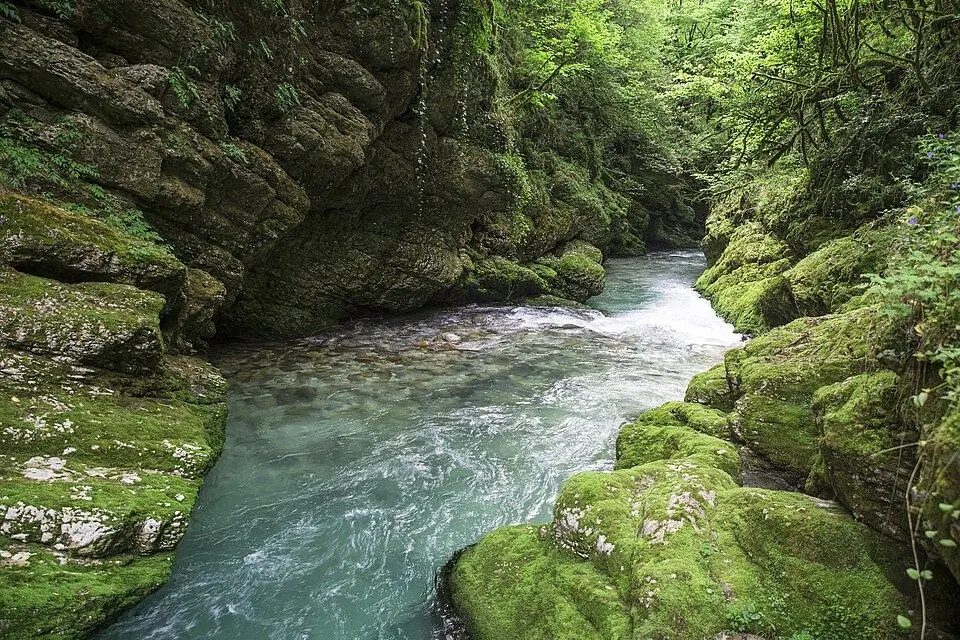
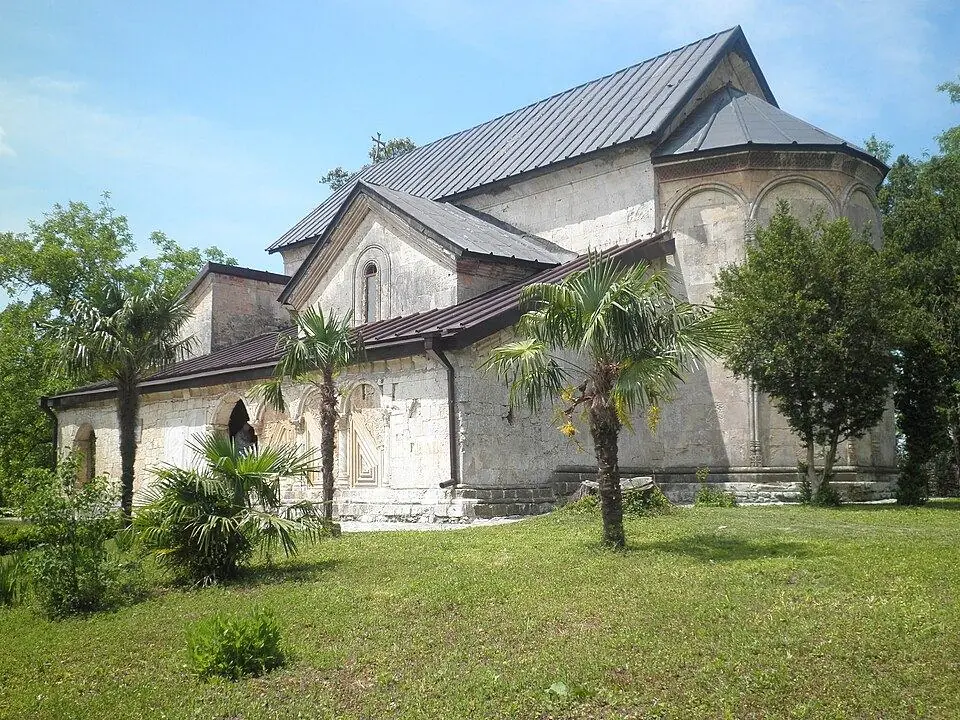
- Combine with Martvili Canyon and Martvili Monastery, under an hour away.
Weather at Nokalakevi
Based on the climate of Martvili, 19 km away. Warmest in August (30° by day), coldest in January (2° at night), with 1,873 mm of rain a year. Best months: May, Sep–Oct.
Nokalakevi: FAQ
What is Nokalakevi?
Nokalakevi is the ruined fortress city of Archaeopolis, a stronghold of the late antique kingdom of Lazica in western Georgia. Its walls, baths and early church date mainly from the 4th to 6th centuries AD.
Is Nokalakevi worth visiting?
Yes, if you enjoy archaeology. It is one of the most important late antique sites in Georgia, rarely crowded, and easy to add to a drive between Kutaisi and Zugdidi.
Read more in our guides
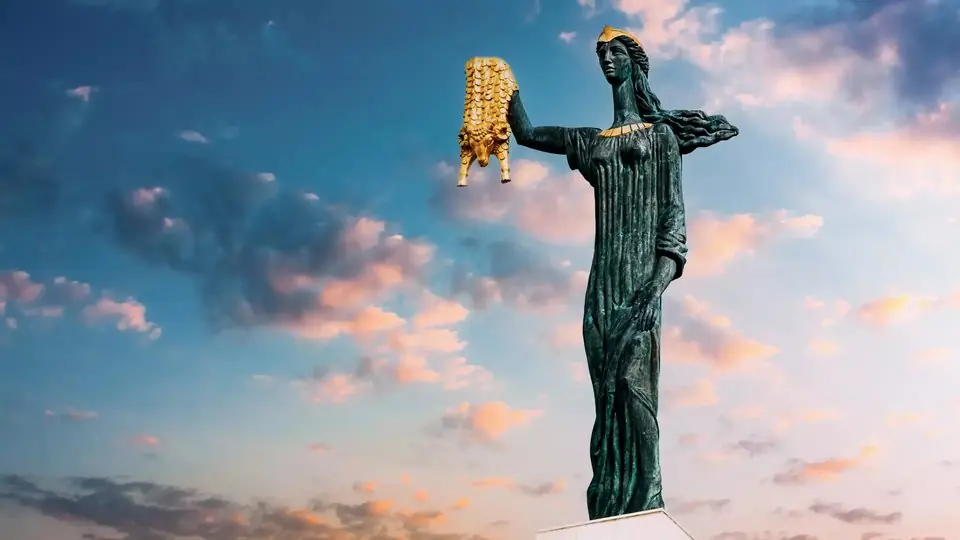 Photo: georgia.travel
What Colchis was, how the tale of Jason and Medea goes, why sheepskins and river gold may lie behind it, and where to see real Colchian gold today, with 2026 tickets, transport to Vani and a one-day route.
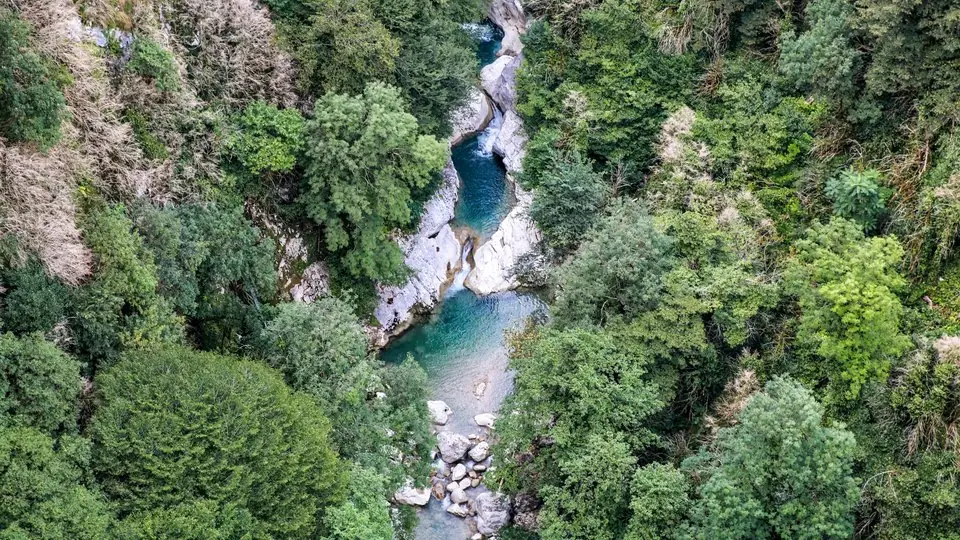 Photo: georgia.travel
Twelve trips out of Kutaisi, from Gelati 20 minutes away to Racha and the Black Sea: drive times, minibuses and drivers, 2026 tickets, classic pairings, a 3-day plan and what closes in winter.
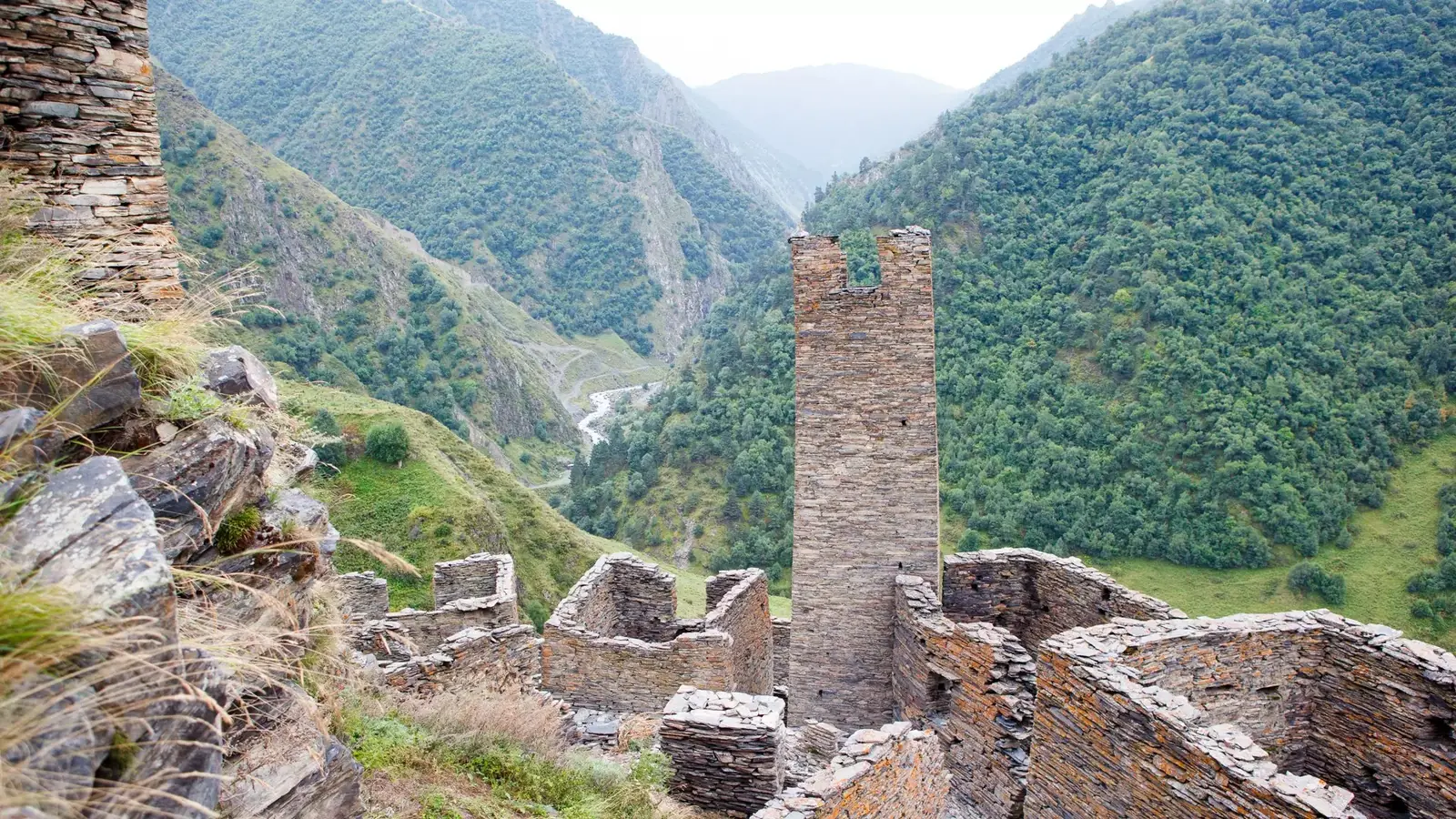 Photo: georgia.travel
Twelve places that get a sliver of Georgia's visitors, from Racha's cellars and Khevsureti's towers to the Javakheti lakes, with drive times, seasons, honest trade-offs and three routes for a second trip.
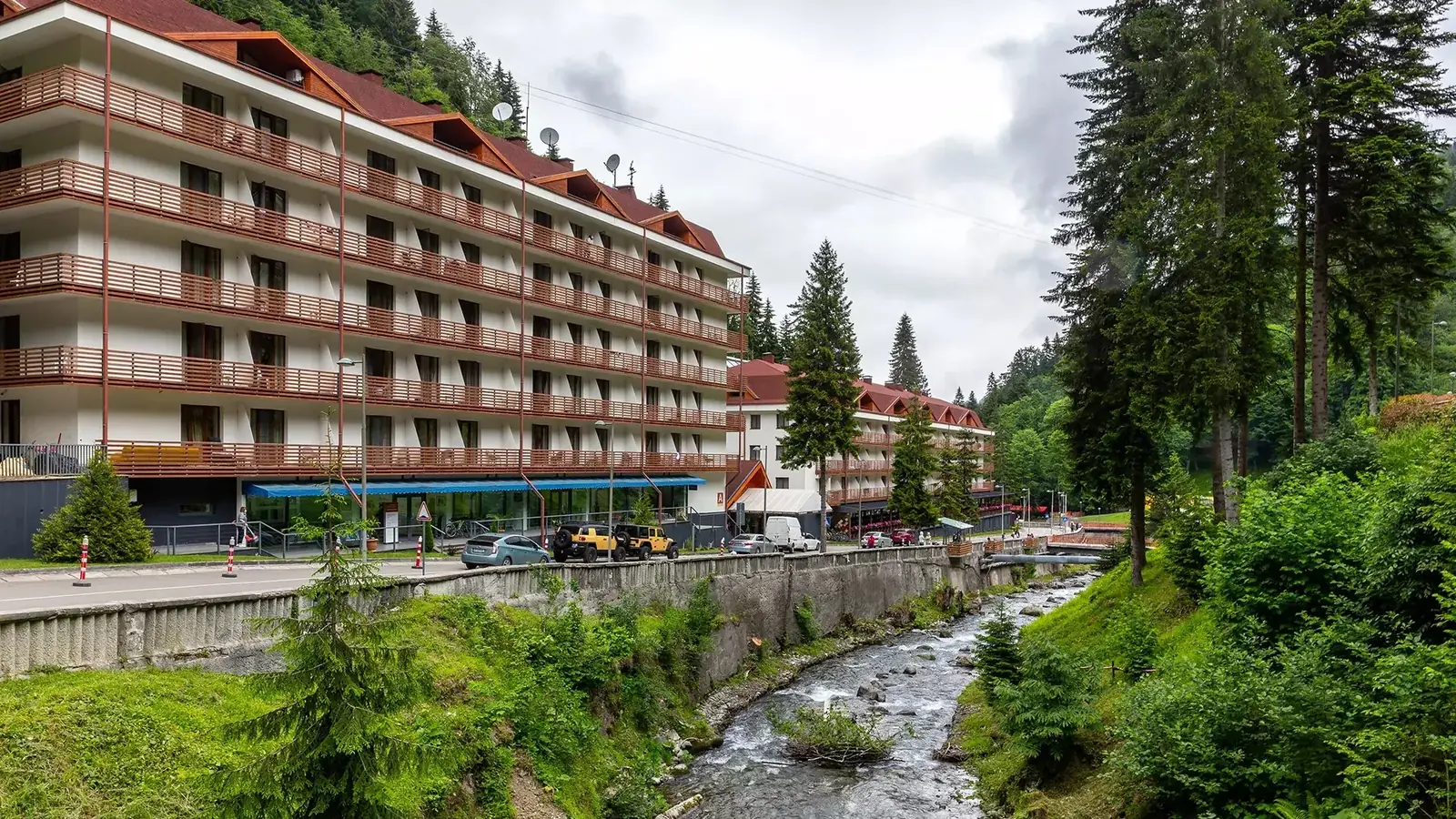 Photo: georgia.travel
Where to soak in Georgia this winter: city sulphur baths, Soviet radon spas, forest thermal pools and free wild springs by a river, compared in one table with distances, prices and plain health advice.
Nearby places
Straight-line distance from Nokalakevi.