- Georgia's money is the Georgian lari (GEL, ₾), issued by the National Bank of Georgia. Late in 2026 one US dollar fetched about 2.6 lari, but the rate moves daily, so check our converter.
- Cards and phone wallets cover most city spending, from supermarkets to the Tbilisi metro. Minibuses, markets, village guesthouses and mountain drivers still run on cash.
- Bank ATMs stand in every town. A foreign card often pays a small fee shown on screen, and you should always ask to be charged in lari, never in your home currency.
- Street exchange offices in Tbilisi pay more than airport booths for clean dollars and euros. Ask for the final sum before you hand over notes.
- Ushguli, Tusheti, Khevsureti and the side valleys of Kazbegi have no cash machine, so draw enough lari in Mestia, Telavi or Stepantsminda before you head up.
The Georgian lari is the only money you spend in Georgia, the country in the Caucasus, so plan to pay in lari from your first hour. Cards cover most costs in the cities, and bank cash machines stand in every town. Cash still rules on minibuses, in markets, in village guesthouses and above the tree line. In late 2026 one US dollar bought about 2.6 lari and one euro about 2.8. Rates move daily, so check our lari converter before a big exchange.
Our Tbilisi team pays drivers, hosts and horsemen in every region each season, and this is what we tell our own guests. We start with the notes and coins, then cover cards, cash machines and how to change money without losing out. Then come transport cards, the mountain areas with no cash machine, tax-free refunds, budgeting and scams. Fees and rules were checked at the start of November 2026, so treat each figure as a guide.
The Georgian lari: notes, coins and the ₾ sign
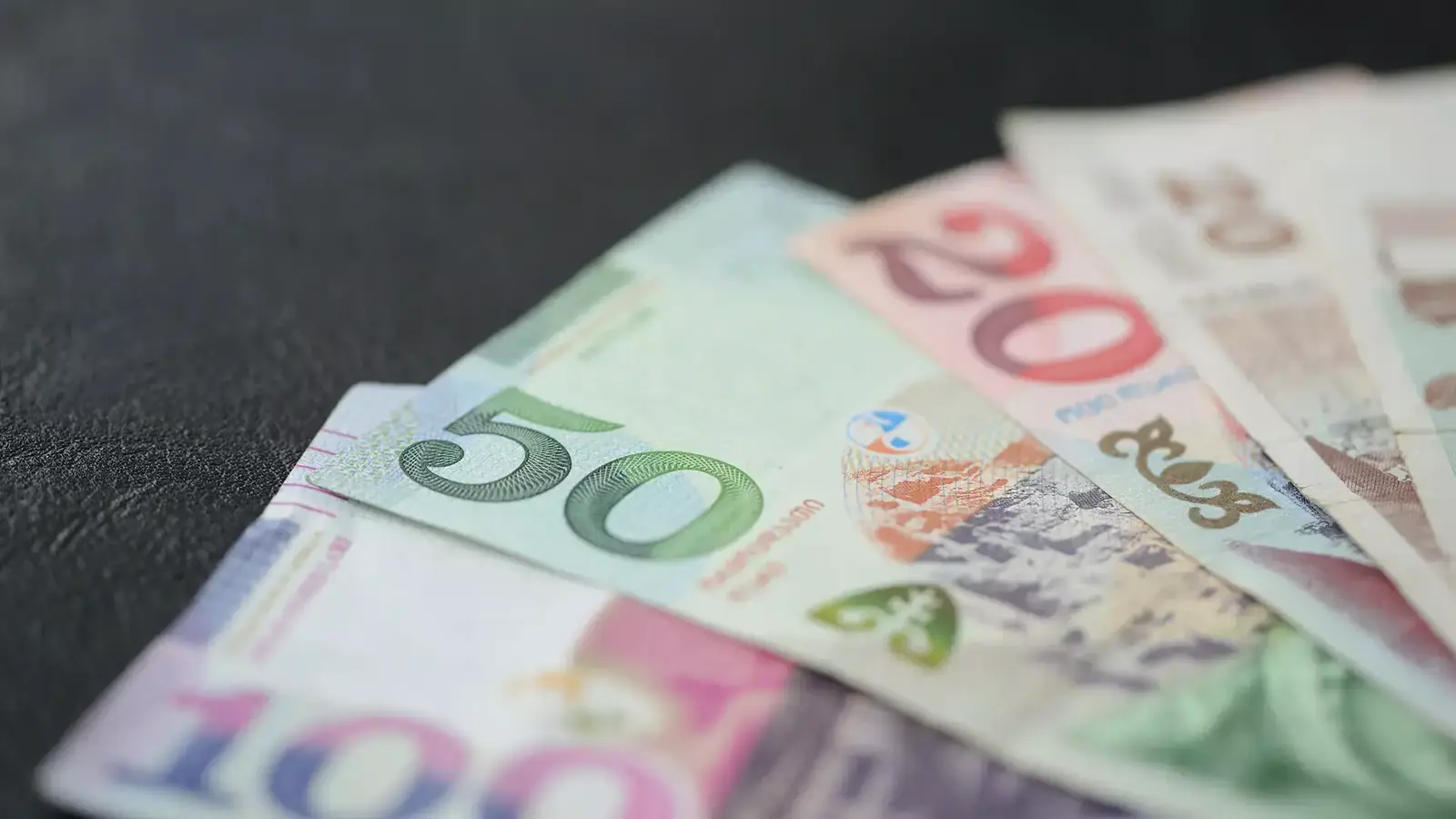
The lari is split into 100 tetri. The National Bank of Georgia issues the notes and coins and fixes an official rate each working day. The lari took over from a stopgap coupon money in 1995, at one new lari for a million coupons. It floats, so the rate moves with trade, tourism and the markets.
| Georgian lari at a glance | Details |
|---|---|
| Name and code | Georgian lari, GEL (ISO number 981) |
| Sign | ₾, in use since 2014; GEL is just as common on price tags |
| Notes you will handle | 5, 10, 20, 50 and 100 lari, in designs printed from 2016 to 2019 |
| Rare note | 200 lari, from an older series |
| Coins | 5, 10, 20 and 50 tetri, plus 1 and 2 lari |
| Coins you will not see | 1 and 2 tetri (withdrawn); two 10 lari coins from 2000 exist but rarely turn up |
| Rate in late 2026 | About 2.6 GEL to $1, 2.8 GEL to €1 and 3.4 GEL to £1; check the converter for today's rate |
Each step up in value makes a note 5 mm longer, from 122 mm for the 5 to 142 mm for the 100. That helps when you pay in a dim taxi. Lari are hard to buy abroad, and banks there sell them at a poor rate, so arrive with a card and some dollars or euros. Our lari converter shows the National Bank's exchange rate for the day. A bank or a booth will give you a little less.
Cash or card: where each works in Georgia
In Tbilisi, Batumi and Kutaisi you can go days without touching cash. Chain supermarkets, cafes, pharmacies, petrol stations, museums and most hotels take Visa and Mastercard. Outside the big towns the picture flips, and many small businesses run on a phone and a cash box.
| Where | Card | Cash |
|---|---|---|
| Supermarkets, pharmacies, cafes, town restaurants and hotels | Yes | Yes |
| Tbilisi metro, city buses, Narikala cable car | Contactless or Metromoney | No |
| Bolt and other ride apps | In the app | Yes |
| Intercity marshrutkas | Rarely | Yes, small notes |
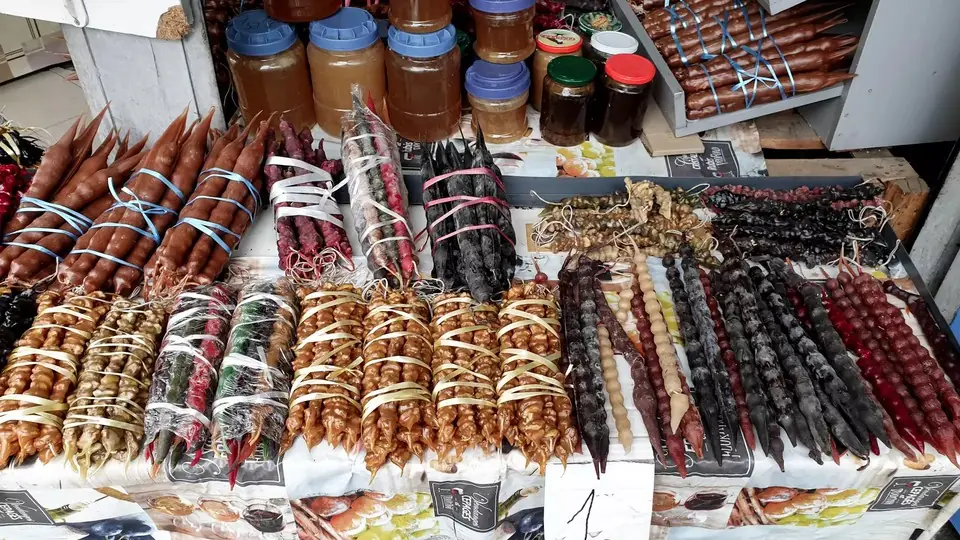
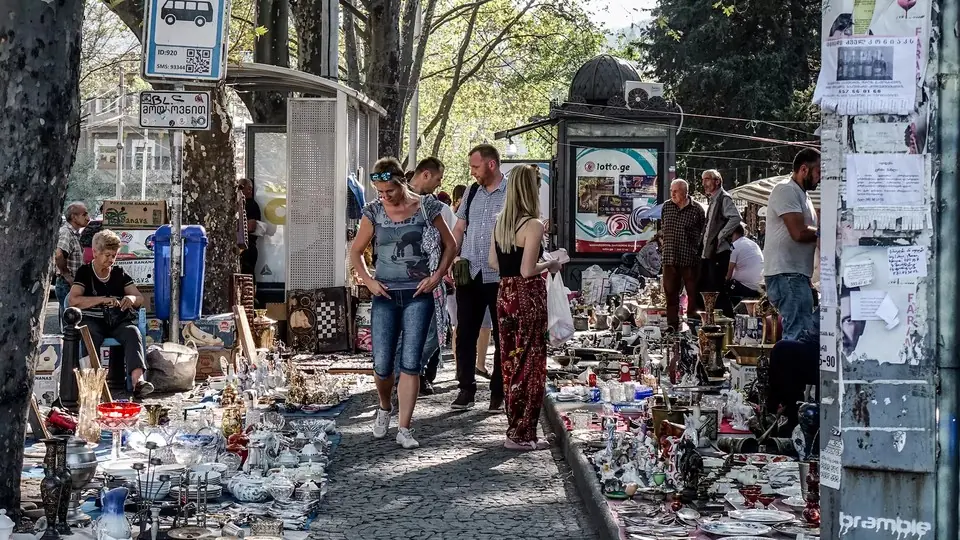
| Dezerter Bazaar, the Dry Bridge and other markets | Some stalls | Yes |
| Village guesthouses and family cellars | Rarely | Yes |
| 4x4 drivers in Stepantsminda, Mestia and Tusheti | No | Yes |
| Horse handlers, church candles, public toilets | No | Yes, coins |
A simple rule works well. If a business has a counter and printed prices, a card will usually do. If the price is agreed out loud, bring cash. Small notes matter, because a driver at dawn rarely has change for a 100.
Contactless and phone payments in Georgia
Card readers here are modern, and almost all accept a tap. Apple Pay, Google Pay and other phone wallets work with a foreign card wherever a reader takes contactless, metro gates included. For bigger sums a reader may ask for your PIN, so know it before you fly. American Express fails often, and other networks are a gamble.
- Bring two cards on different networks, kept in different bags.
- Tell your bank about the trip so the first payment is not blocked. Travel cards from Wise, Revolut and similar firms usually charge little.
- Keep your home number active for bank codes. Our SIM card in Georgia guide shows how to run two lines on one phone.
ATMs in Georgia: banks, fees and withdrawal limits
Cash machines stand at bank branches, metro stations, malls, supermarkets and petrol stations. The biggest networks belong to Bank of Georgia, whose machines are orange, and TBC Bank, whose machines are blue. Liberty Bank is often the one you find in small towns, and Credo, ProCredit and Basisbank add more. Most machines offer English, and many also pay out dollars and euros.
Georgian banks often add a charge for a foreign card. It can be well under 1 GEL or several lari, and a few machines take a percentage. The screen shows it before you confirm, so cancel if it looks high and try another bank. Your home bank may add its own fee. Limits apply to each withdrawal: in 2026 many machines stop at about 1,000-3,000 GEL (about $385-1,150) a time, and some at less.
- Pick a machine inside a building
Branches and malls are safest, and staff are close by if the card gets stuck. - Ask for an amount that breaks into small notes
A sum such as 180 or 290 GEL makes the machine add smaller notes, which drivers welcome. - Refuse the conversion offer
Some screens offer to bill your card in your home currency at a fixed rate. Press GEL, or the option without conversion. The machine's rate hides a margin of several percent. - Take the card, then the cash
Leave either for about half a minute and the machine pulls it back in. The bank that owns it may return a card if you bring your passport to the branch.
How to exchange money in Tbilisi and other towns
In central Tbilisi you pass an exchange office every few minutes, and Batumi and Kutaisi are much the same. Each office must be registered with the National Bank and post its buying rate, selling rate and any commission in plain view. US dollars and euros get the best deals. Pounds, roubles, Turkish lira, dram and manat are easy to change in Tbilisi, while rarer money may need a bank.
The buy figure on the board is the number of lari you get for one dollar or euro. A narrow gap between buy and sell, a few tetri, marks a fair office. A wide gap, or a buy rate far above the National Bank's, is a warning sign. Bring clean, flat notes with no tears or writing, since damaged ones may be refused.
| Where to change | Rate | Best for |
|---|---|---|
| Street exchange office in town | Best, if the board is honest | Most cash exchanges |
| Bank branch | Fair, with a wider gap | Large sums, rare currencies; passport needed |
| Airport booth (Tbilisi, Kutaisi, Batumi) | Weaker | A small sum on arrival |
| ATM with a foreign card | Your card's rate plus fees | Lari without bringing cash |
| Hotel reception | Often poor | Emergencies only |
Street offices rarely ask for a passport for everyday sums, but banks always do. Take the printed receipt: with it, an exchange worth no more than 5,000 GEL can be undone within half an hour. Our Tbilisi airport guide covers money on landing.
Carrying more than 30,000 GEL (about $11,500) in cash across the border? Declare it to customs. The same number turns up in the entry rules: a foreign visitor's travel insurance must give cover of 30,000 GEL or more.


Metromoney and paying for transport
Tbilisi metro gates take no cash. You tap a contactless card, your phone or a white Metromoney card, and in 2026 each ride costs about 1 GEL (about $0.40). The card is about 2 GEL, and you get that back if you return it within a month. Our Tbilisi metro guide has the full detail. Elsewhere:
- Intercity marshrutkas: lari in cash to the driver or at the station kiosk.
- Trains: buy online by card from Georgian Railway, or at a station desk.
- Bolt and Yandex Go: card in the app or cash to the driver, chosen before you book.
- Batumi city buses: tap a bank card or a local transport card; drivers take no cash.
- Mountain 4x4s and shared jeeps: cash only, agreed before you leave.
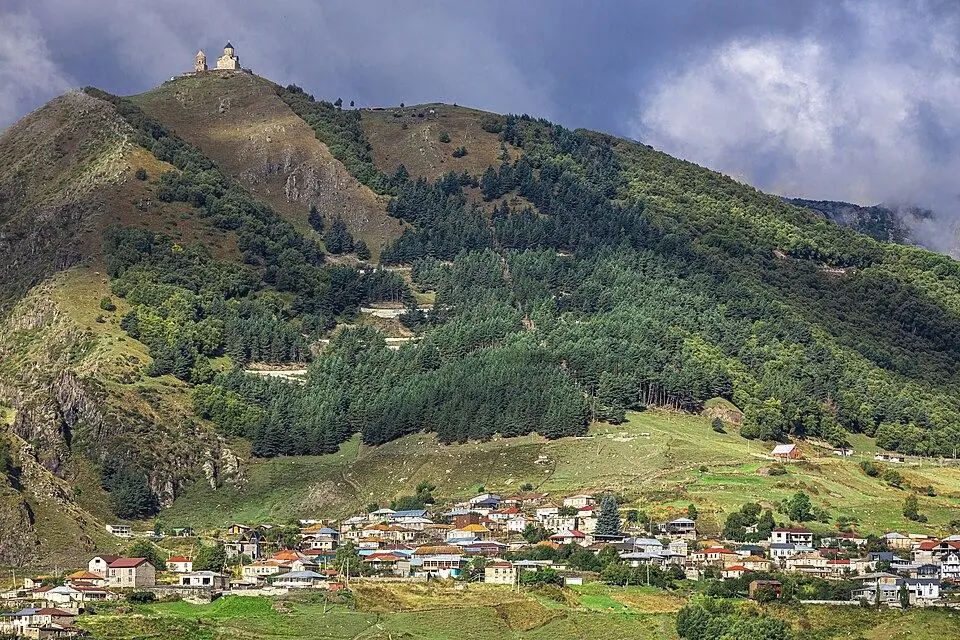
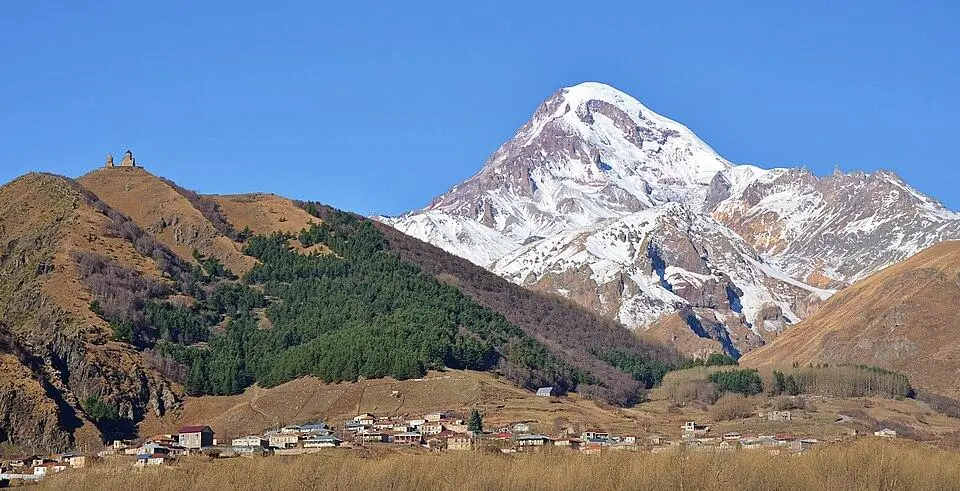
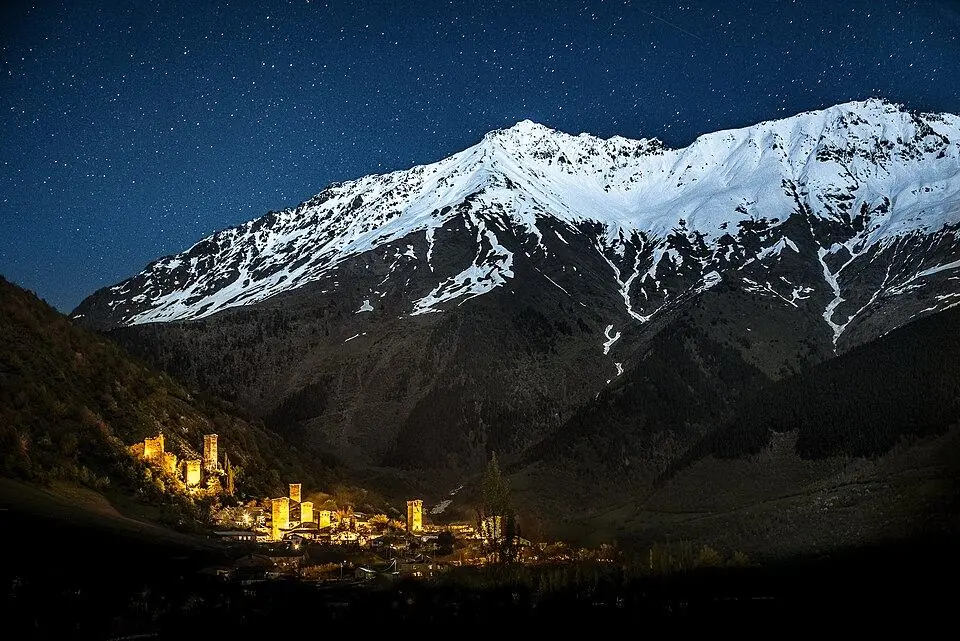
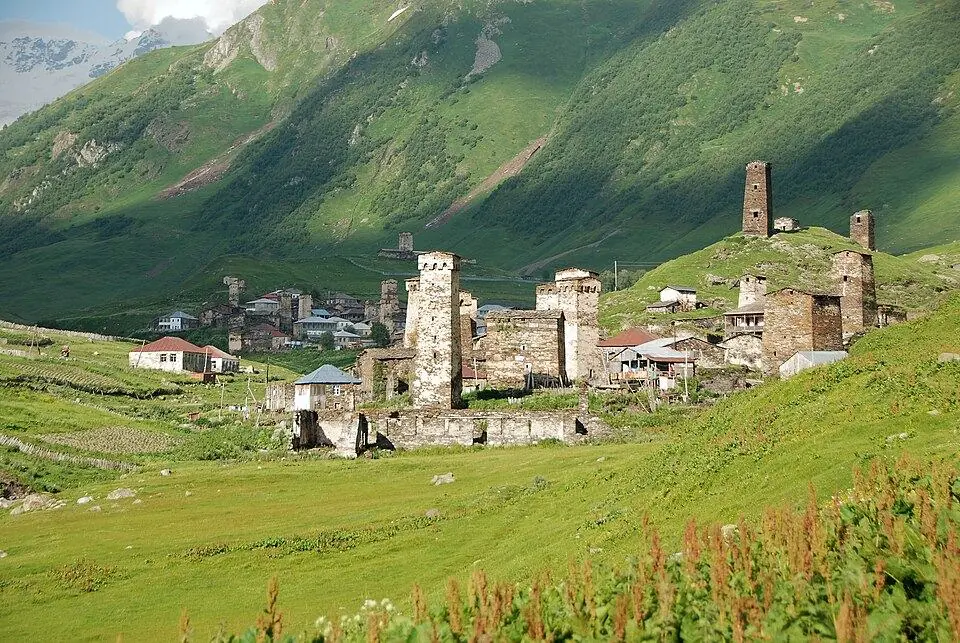
Svaneti, Tusheti and Kazbegi: cash in the mountains
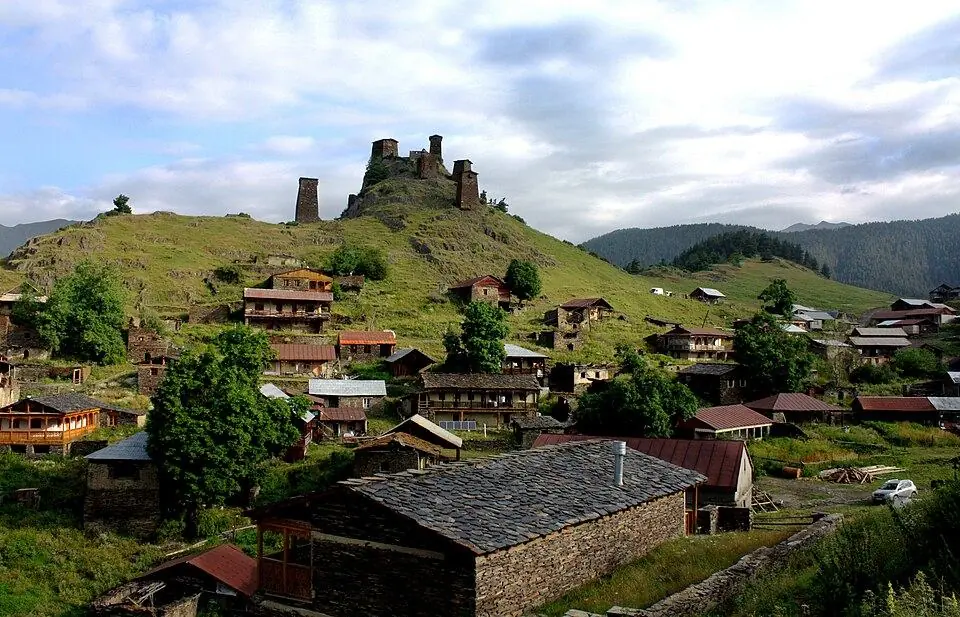
The higher you go, the fewer machines you find. A guesthouse at ~2,000 m may serve a superb dinner and have Wi-Fi, yet own no card reader. Draw cash in the last town, and count it before you leave.
| Area | Last cash machines | What needs cash |
|---|---|---|
| Kazbegi | Stepantsminda | 4x4 rides to Gergeti, Juta and Truso; stays in Sno, Juta and side valleys |
| Svaneti | Mestia; Zugdidi and Kutaisi as backup | Stays, drivers and horses in Ushguli, Adishi and Mazeri |
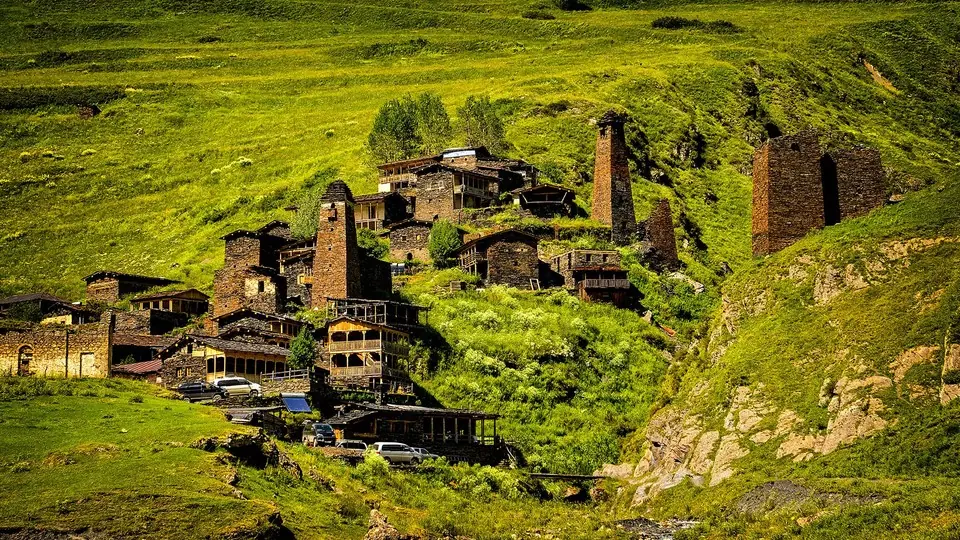
| Tusheti | Telavi or Tbilisi; none in Tusheti | Every bed, meal, driver and horse, plus the jeep over the Abano Pass |
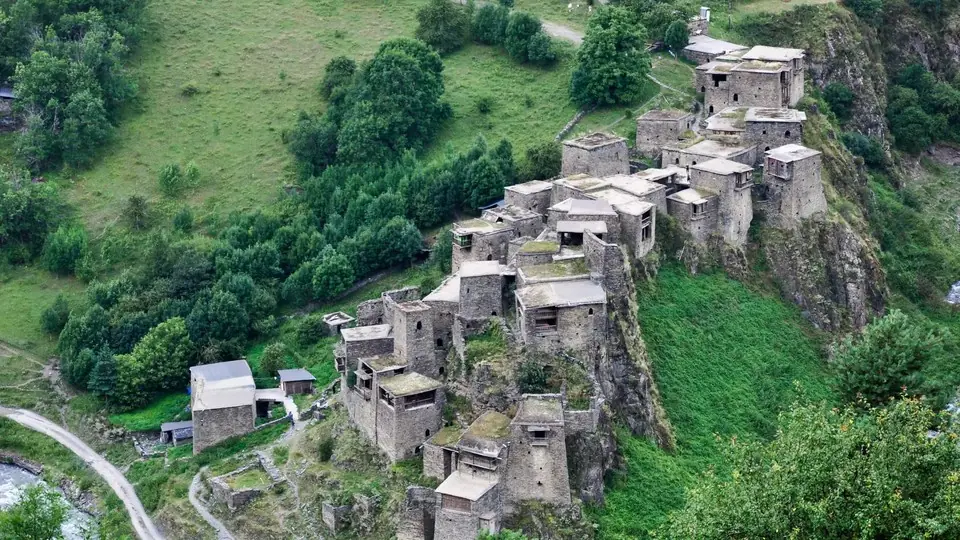
| Khevsureti | Tbilisi is safest; none at Shatili | Guesthouses, drivers and horses |
| Upper Racha | Ambrolauri and Oni | Villages above Oni |
To work out how much to carry, add up your nights, meals, drivers and horses at the prices your hosts quote. Then add a fifth for a weather day or a blocked road. Some hosts ask for a transfer to a Georgian bank account, which is hard from a foreign card, so plan on cash. Keep it in two zip bags, one deep in the pack and one on you.
On our private tours, what the tour includes, from rooms to drivers, horses and guides, is paid by us in advance, so you carry cash only for extras. Each tour page lists what is included, and we run every tour on any date for any group size.
Tax-free shopping: claiming VAT back in Georgia
Prices in Georgian shops include VAT at 18%. Foreign visitors can claim part of it back on goods they take home, through the Tax Free scheme of the Revenue Service (rs.ge). It covers goods only, not rooms, meals or tours.
- Shop where you see the Tax Free sign
Only shops in the scheme can print the special refund receipt, so ask before you pay. - Spend over the minimum on one receipt
The goods on one receipt must be worth more than 200 GEL (about $77) before VAT in 2026. - Keep the goods sealed
Most items go into a sealed bag. Leave the seal unbroken until you are out of Georgia. - Claim at your exit point
Show goods, receipt and passport at the tax-free desk of your exit point, such as Tbilisi, Batumi or Kutaisi airport or the Sarpi crossing. Allow extra time. Goods must leave within three months.
You get the VAT back minus service and bank fees, so clearly less than 18%. Rules change, so read the current terms on rs.ge before a big buy such as a carpet or jewellery.
Budgeting in lari: the short version
Daily budgets, room rates and what food and drivers cost are in our guide to trip costs in Georgia. On a private tour, much of the trip sits in the tour price (each tour page lists what it covers), so card and cash cover the extras. Here is how to split your money.
- Use a card for hotels, restaurants, supermarkets and city transport.
- In cities, keep about 100-200 GEL (about $40-75) in small notes for markets, minibuses and snacks.
- Carry cash for every night beyond the last ATM.
- Read restaurant bills for a service line first; our tipping guide explains the rest.
- If a hotel quotes in dollars or euros, ask which rate it uses when it charges your card in lari.
Money scams in Georgia and how to avoid them
Georgia is an honest place to spend money, and most traps are small. These are the ones our guests meet most.
- Booths with small print: a tempting rate valid only for large sums, or a commission in tiny letters. Ask for the final total in lari first.
- Strangers who offer to change money in the street. Use a registered office that prints a receipt.
- Taxi fares that turn into dollars: a street driver says 20 and later claims he meant dollars. Agree the fare in lari, or use an app.
- Bars with no prices on the menu, often picked by a new acquaintance. Our guide to whether Georgia is safe to visit explains this Tbilisi trap.
- Skimmers are rare, but cover the keypad and use machines inside buildings.
If an exchange office refuses a receipt or hides its rates, call the National Bank's hotline on (032) 2 406 406. In 2021 the bank inspected offices in the tourist areas of Tbilisi, fined eleven and struck two off its register. For theft or threats, call 112.
Georgian lari and money in Georgia: FAQ
What is the currency in Georgia?
The Georgian lari, written GEL or ₾, which divides into 100 tetri. Every price you meet is in lari. One dollar was worth about 2.6 lari in late 2026, but look up today's rate in our converter.
Do shops in Georgia take dollars or euros?
Not for everyday buys: shops, cafes, taxis and minibuses want lari. Some hotels and tour firms quote in dollars or euros, then charge your card in lari at their own rate.
Are there ATMs in Georgia's mountains?
In the main bases, yes: Stepantsminda, Mestia, Ambrolauri, Oni, Gudauri and Bakuriani all have cash machines. Beyond them there are almost none, and Tusheti, Ushguli and Shatili have no ATM at all.
Which ATMs in Georgia are best for foreign cards?
Fees depend on the bank, the machine and your card, and they change often. Bank of Georgia and TBC machines are the easiest to find. Read the fee on screen before you confirm.
What is the best way to exchange money in Tbilisi?
Take clean dollars or euros to a street exchange office a block or two from the busiest squares. Compare two boards, ask for the total in lari and keep the receipt.
Can tourists get a VAT refund in Georgia?
Yes, on goods from shops in the Tax Free scheme, if one receipt tops 200 GEL before VAT and the goods leave within three months. You get the 18% VAT back minus fees.
How much cash should I carry in Georgia?
In a city, a few small notes worth about 100-200 GEL (about $40-75) and a card will cover a day. For the mountains, take enough for every night beyond the last ATM, plus a fifth extra.
What does the lari sign ₾ stand for?
It is the symbol of the lari, adopted in 2014 and drawn from the Georgian letter ლ, the first letter of ლარი (lari). It usually follows the number, as in 5 ₾.