- Svaneti is Georgia's highest inhabited region, in the far north-west; nearly all visitors base themselves in Mestia (about 1,500 m) and visit Ushguli (about 2,100 m), 45 km further up the Enguri valley.
- Mestia is roughly 460 km from Tbilisi: 8 to 9 hours by car, about 6 hours by train to Zugdidi plus 3.5 to 4 hours by minibus, or an hour by small plane from Natakhtari when the weather allows.
- Hike from July to mid-September and ski at Hatsvali or Tetnuldi from about the last week of December into April; May, June and October are quiet months when some trails stay snowbound.
- Give Svaneti at least three nights: four lets you add the Koruldi Lakes or a night in Ushguli, and a week covers the four-day Mestia to Ushguli trek.
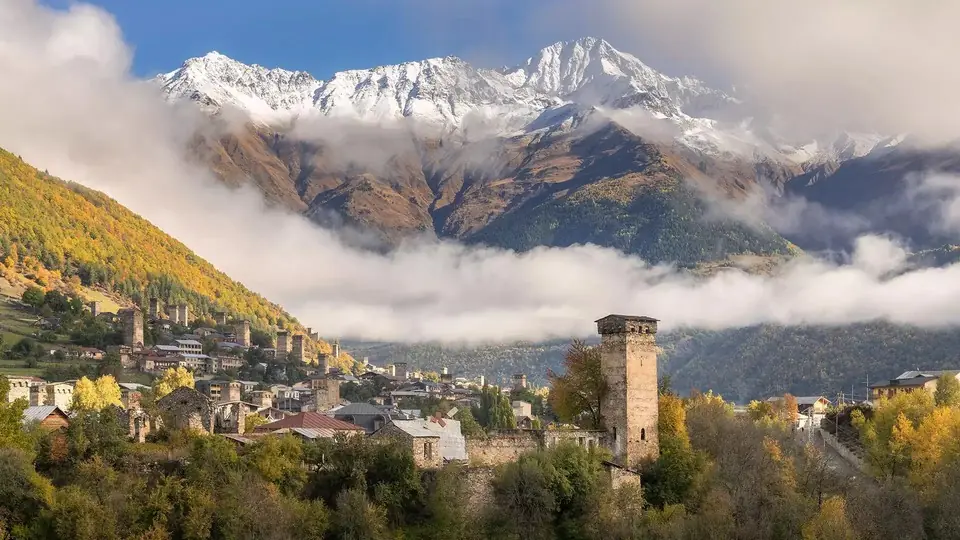
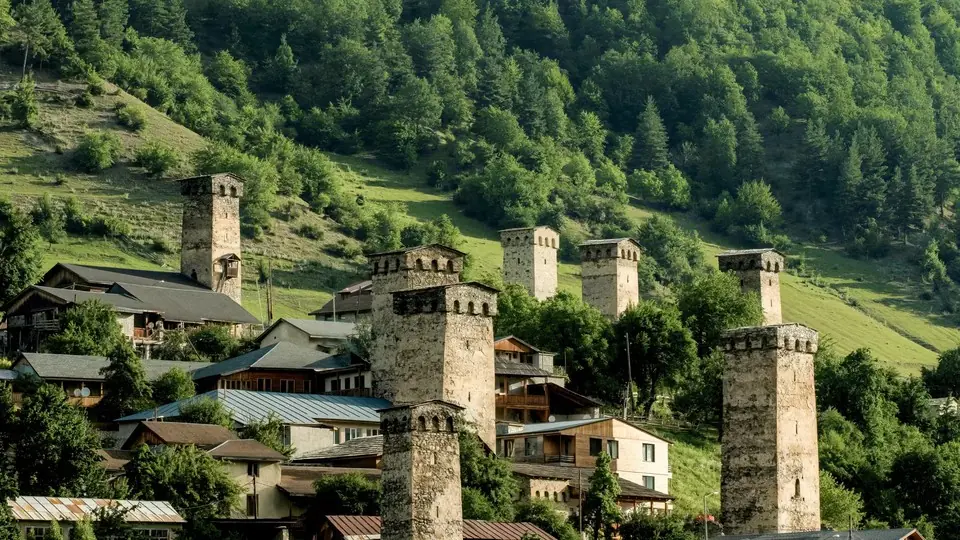
Svaneti is the mountain region in Georgia's north-west where stone defence towers stand over almost every village and the glaciers of the main Caucasus ridge hang directly above the hay meadows. You come for three things: the towers of Mestia and Ushguli, some of the best hiking in the country, and a culture with its own language, songs and feasts that survived centuries of isolation. The trip takes effort, since Mestia is a long day from Tbilisi, but few places in Europe repay it so well.
This guide covers Upper Svaneti, the part almost everyone means when they say Svaneti, plus a short look at quieter Lower Svaneti. It explains every way in, what each month is like, what to do in Mestia and Ushguli, how the main day hikes compare, and where the famous four-day trek fits. You will also find notes on Svan customs and festivals, food, beds, money and safety, and plans for three, five and seven days. For the trek itself in detail, read our Mestia to Ushguli trek guide.
Where is Svaneti, and is it worth the journey?
Svaneti takes in the upper valleys of two rivers that drain the south slope of the Greater Caucasus. Upper Svaneti (Zemo Svaneti) is the upper Enguri basin around Mestia and Ushguli, administered as part of the Samegrelo-Zemo Svaneti region. Lower Svaneti (Kvemo Svaneti) lies south of the Svaneti Range on the Tskhenistskali River around Lentekhi and belongs to Racha-Lechkhumi and Kvemo Svaneti. A single seasonal road over the Zagari Pass links the two.
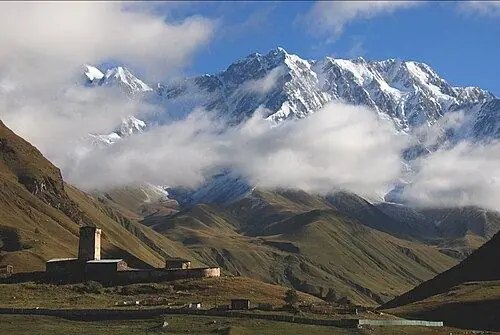
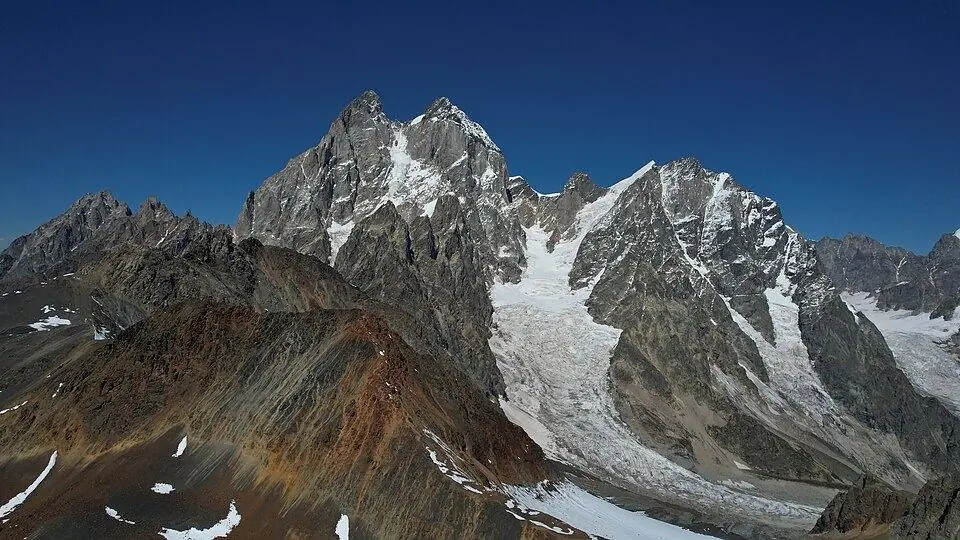
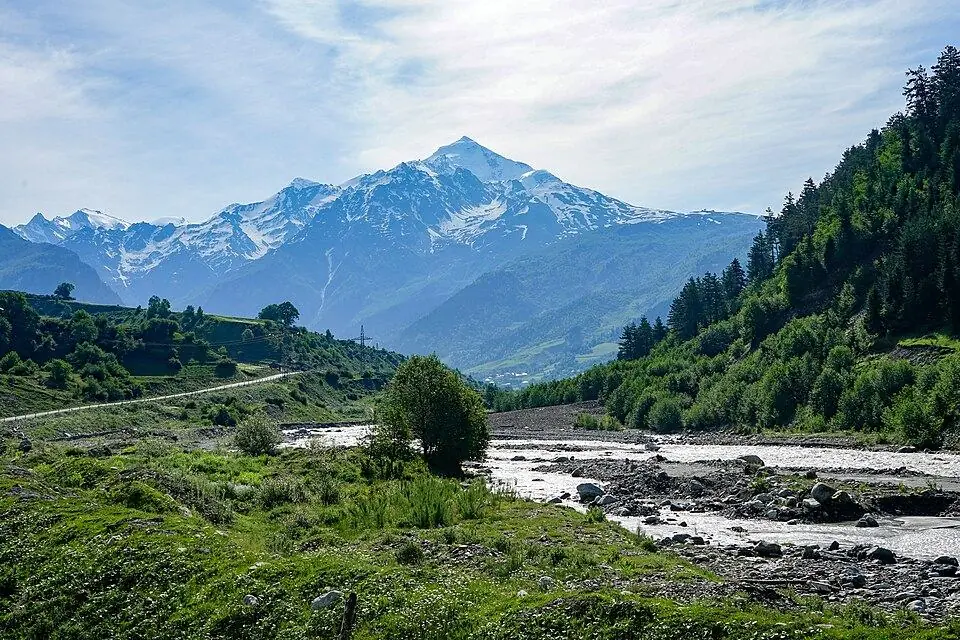
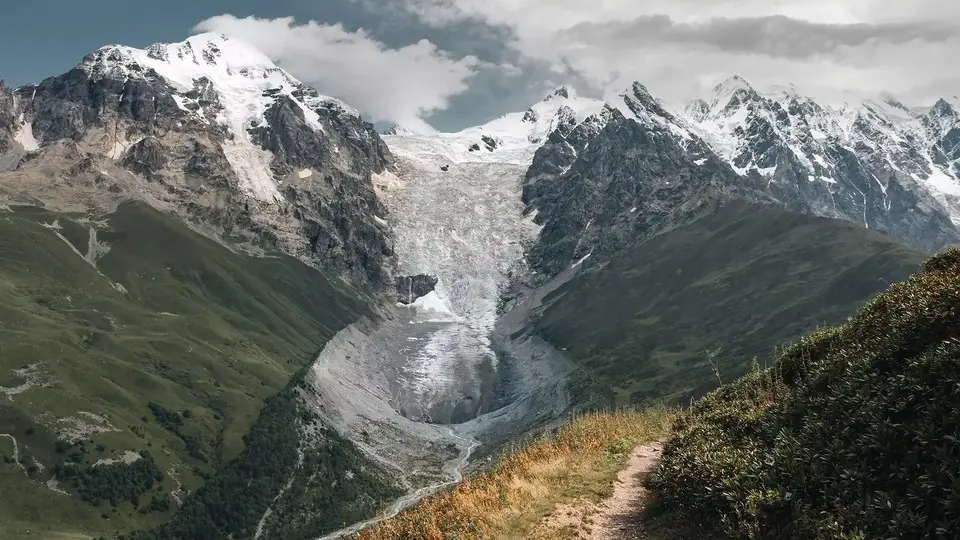
Upper Svaneti is ringed by some of the biggest mountains in the Caucasus. Shkhara (5,193 m), Georgia's highest summit, closes the valley above Ushguli; the twin horns of Ushba (4,710 m) rise over the Becho valley west of Mestia; and the snow pyramid of Tetnuldi (4,858 m) sits between them. Below the peaks, villages of medieval towers spread along the valley floor at 1,200 to 2,200 m. In 1996 UNESCO inscribed Upper Svaneti, with Ushguli at its heart, on the World Heritage List.
If you have five days or more for the mountains, Svaneti is the best choice in Georgia. With only two, go to Kazbegi, three hours from the capital, instead.
| Svaneti fact | Figure |
|---|---|
| Main town | Mestia, about 1,500 m, roughly 2,000 people |
| Highest village area | Ushguli, about 2,100 m, 45 km from Mestia |
| Highest peak | Shkhara, 5,193 m |
| Distance from Tbilisi to Mestia | About 460 km, 8 to 9 hours by road |
| Distance from Kutaisi to Mestia | About 240 km, 4 to 4.5 hours by road |
| Hiking season | July to mid-September |
| Ski season | Late December to early April |
| Days to allow | 3 nights minimum, 5 to 7 ideal |
How to get to Svaneti: road, train and flights to Mestia
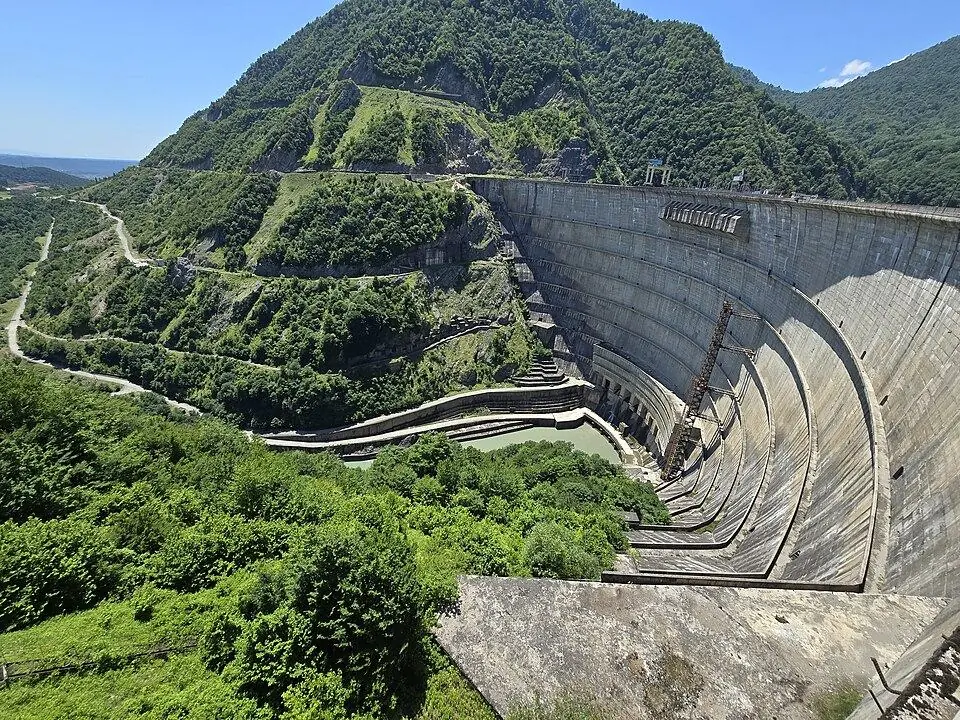
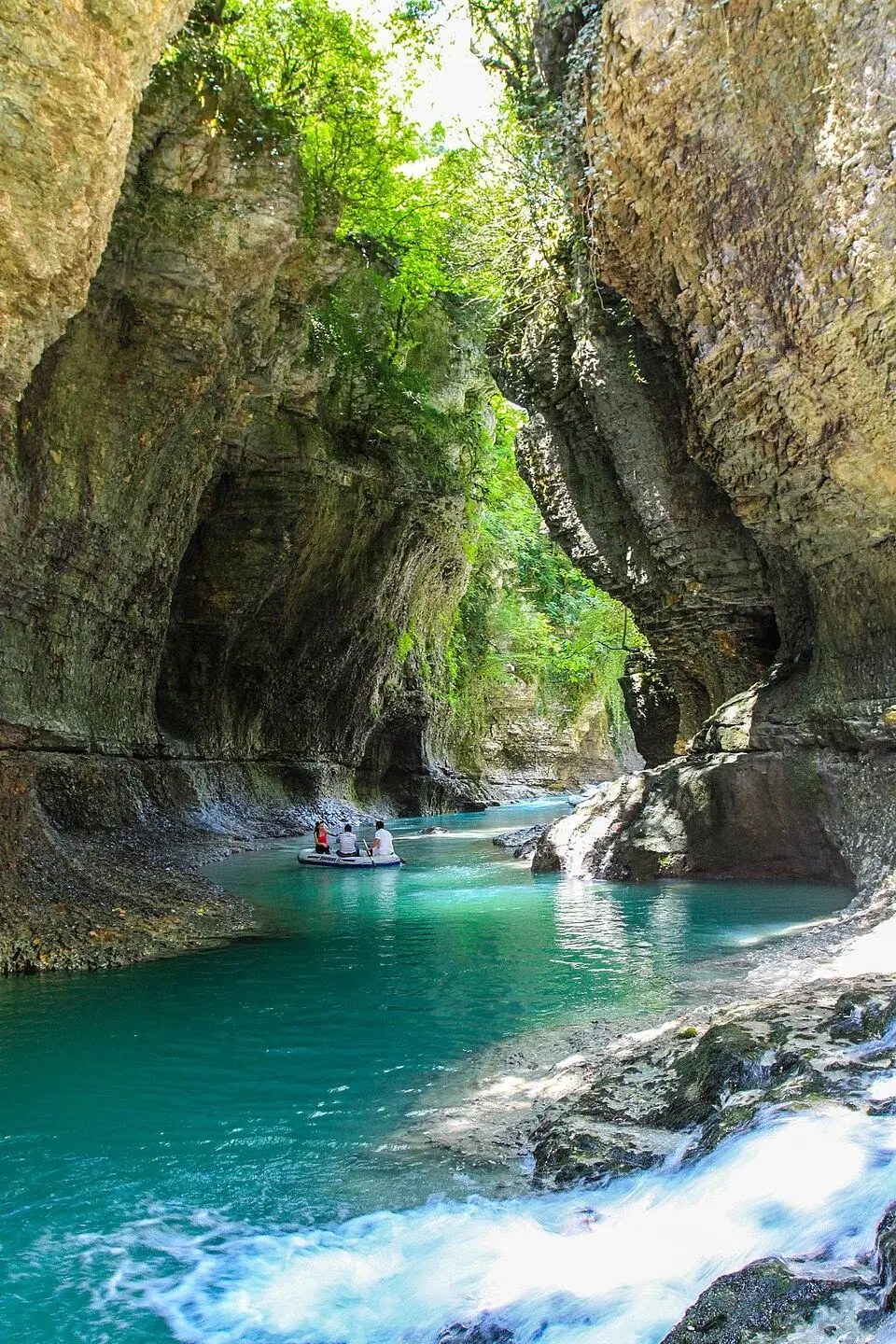
Every road into Upper Svaneti, apart from the seasonal pass road from Lentekhi, comes up the Enguri gorge from Zugdidi. From Zugdidi it is about 130 km of paved mountain road to Mestia, past the Enguri Dam near Jvari and the roadside cafes of Khaishi, and the drive takes around 3 hours.
| Option | From | Time | Notes |
|---|---|---|---|
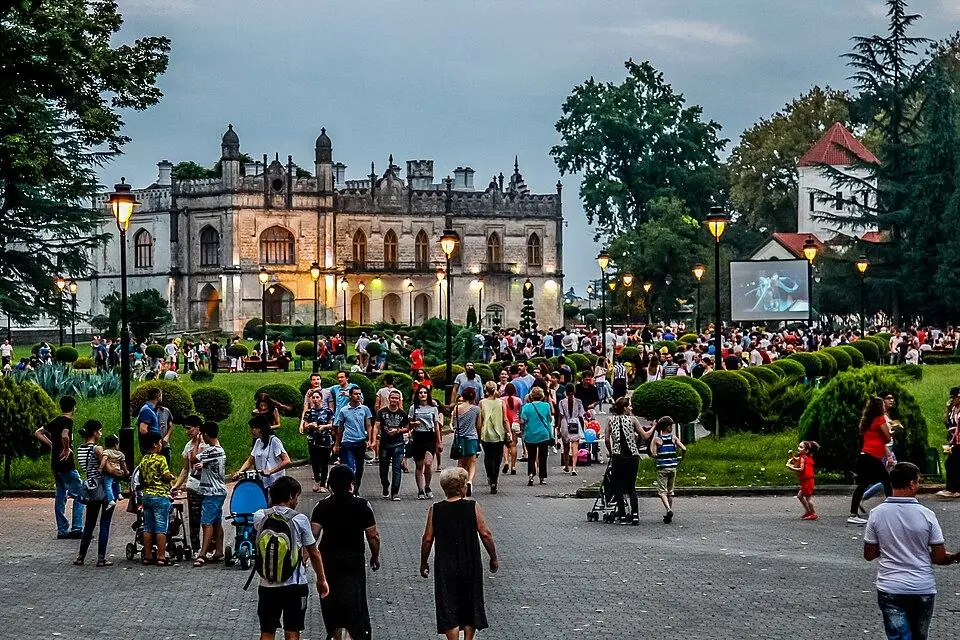
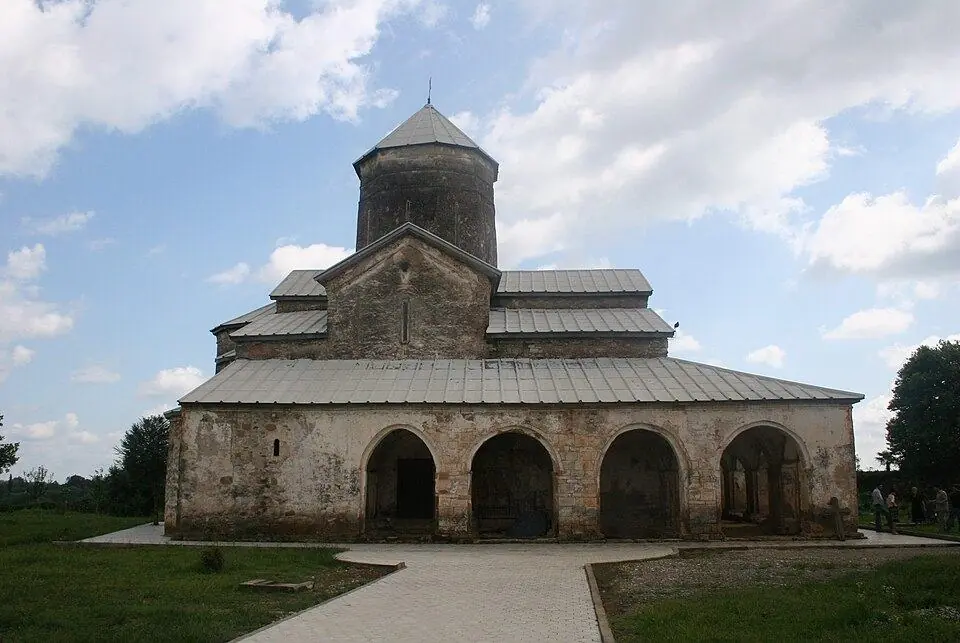
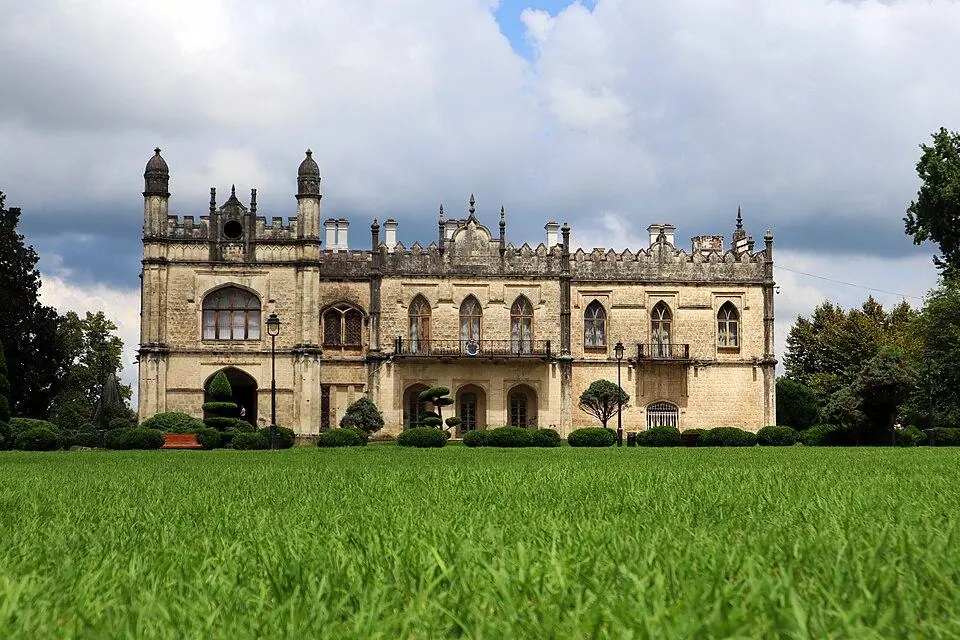
| Private car with driver | Tbilisi | 8 to 9 h driving | Best split over 2 days with stops at Gelati, Martvili or the Dadiani Palace |
| Private car with driver | Kutaisi or Kutaisi airport | 4 to 4.5 h driving | The quickest land route from a European budget flight |
| Train, then minibus | Tbilisi | About 6 h plus 3.5 to 4 h | One morning train to Zugdidi; minibuses to Mestia wait near the station in season |
| Direct minibus or bus | Tbilisi | 9 to 10 h | Usually one early departure; the departure point and the vehicle type change, so check locally |
| Direct minibus | Kutaisi | 5 to 6 h | Usually one morning departure from the central bus station |
| Small plane | Natakhtari, near Tbilisi | About 1 h | Few seats, often cancelled by cloud; a single ticket was about 90 GEL (about $33) in 2026 |
The train is the best budget option. Second-class seats to Zugdidi cost about 16 GEL (about $6) in 2026, the carriages are comfortable, and you reach Zugdidi in the early afternoon with enough daylight left to ride up to Mestia.
Flights land at Mestia's Queen Tamar Airport, a short taxi ride from the centre. They save a full day and give an unforgettable view of the main ridge, but treat a booked seat as a bonus rather than a plan. Never schedule a flight out of Mestia on the day before an international departure.
Leaving by a different road is one of the pleasures of a Svaneti trip. Snow usually keeps the Zagari Pass road shut until late May or June, and it closes again some time between late October and early December. In that window a 4x4 can climb out of Ushguli, cross the pass, drop to Lentekhi and reach Kutaisi in roughly 4 to 5 hours. About 16 km near the top was given a concrete surface in 2025, but other stretches are still rough, so travel with an experienced driver and ask in Mestia, or look at our road and pass status tool, before you count on it. Our Tbilisi to Mestia and Kutaisi to Mestia route pages list every stop and option in detail.
Best time to visit Svaneti, month by month
Mestia sits about 1,000 m higher than Kutaisi, so expect it to feel 6 to 8°C cooler than the lowlands. July days usually reach the low twenties with chilly nights, and January is properly cold, often around -6°C on average. The mountains make their own weather: clear mornings and cloud or thunder by mid-afternoon are the summer pattern.
| Months | Conditions | Best for |
|---|---|---|
| January to March | Deep snow, short days, Ushguli road can close after storms | Skiing, Lamproba in February, snowy towers |
| April and May | Thaw, avalanche debris, muddy tracks, many guesthouses half-empty | Mestia and the museum, low walks, cheap rooms |
| June | Green valleys, snow still on the high ground and passes | Chalaadi, Mazeri, Ushguli by car; high hikes from late month |
| July and August | Warmest and busiest, afternoon storms, all trails open | Every hike including the trek and the Guli Pass; festivals |
| September | Settled weather, cold nights, fewer people, autumn colour by the end | Our favourite month for hiking and photography |
| October | Golden birch forests, first snow on the passes, guesthouses closing | Car trips to Ushguli, short walks; check the Zagari Pass |
| November and December | Grey and cold until the snow settles | Quiet visits; ski lifts open around the turn of the year |
Svaneti in winter
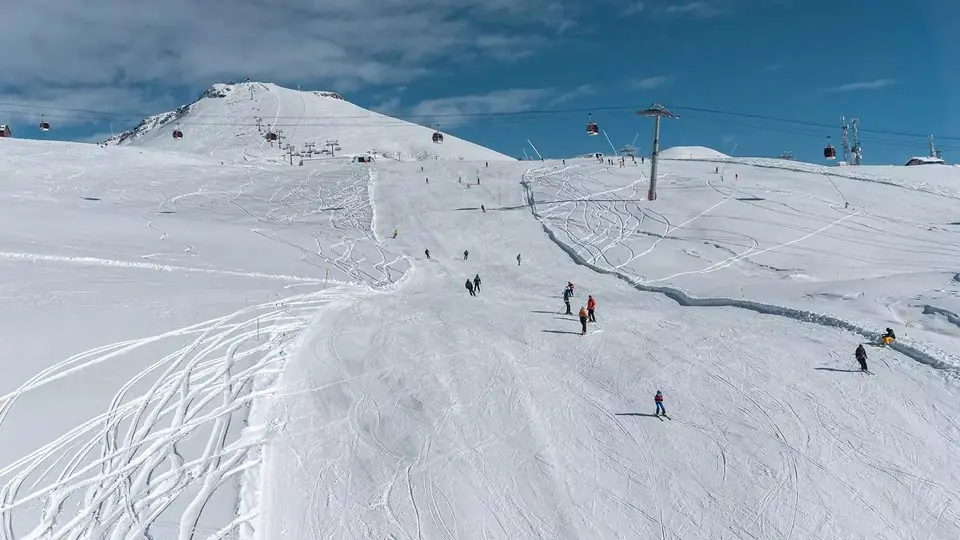
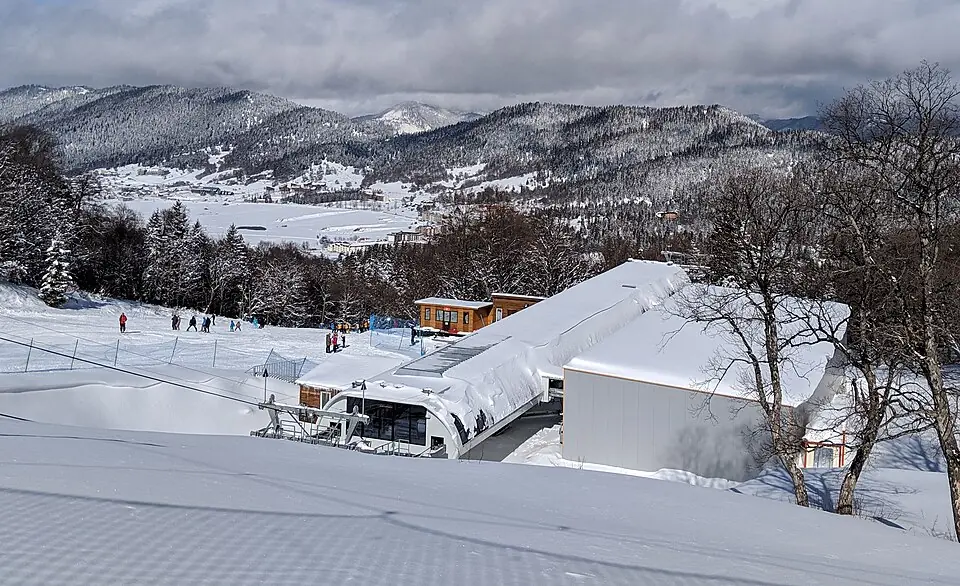
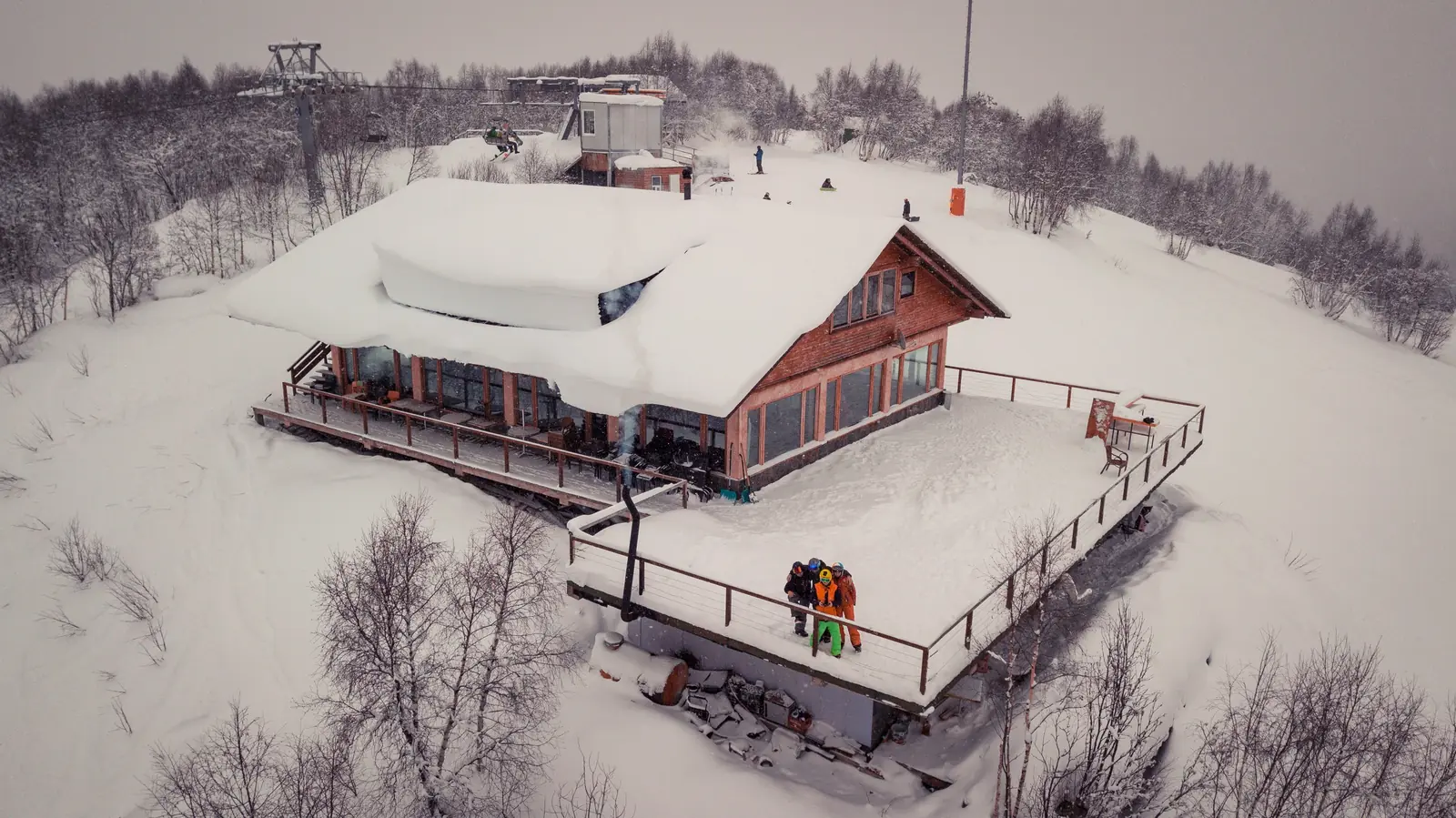
Winter is a real second season. Hatsvali, on the ridge just above Mestia, is a small and friendly ski area for beginners and families, with a lift from the edge of town. Tetnuldi, ~15 km away by road, is larger and higher, with lifts to about 3,160 m and a top-to-bottom run of around 9.5 km, the longest in the region. For 2026 to 2027 the resorts expect to open in late December and run to late March (Hatsvali) or about mid-April (Tetnuldi), depending on snow.
Things to do in Mestia
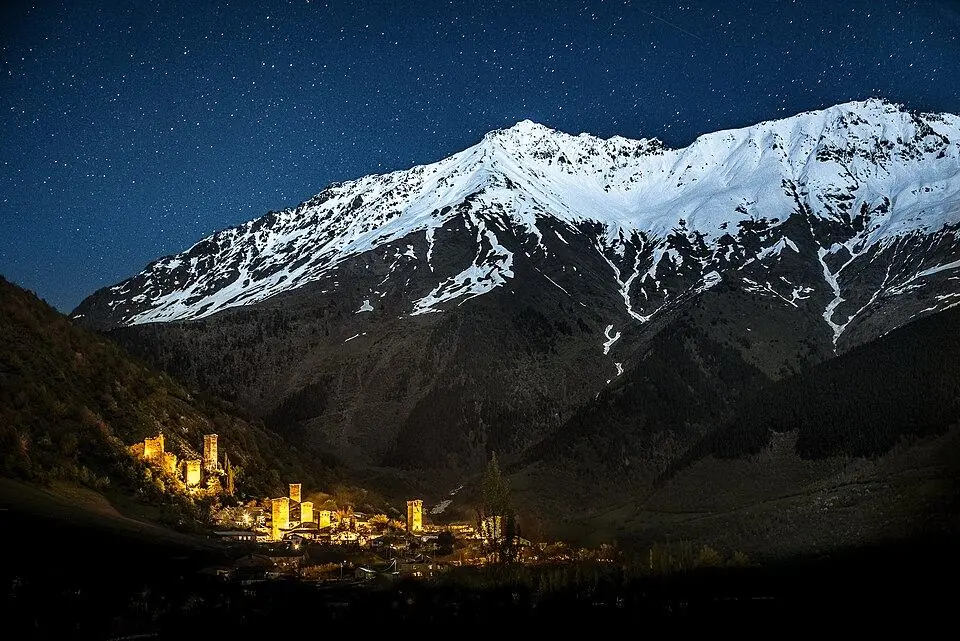
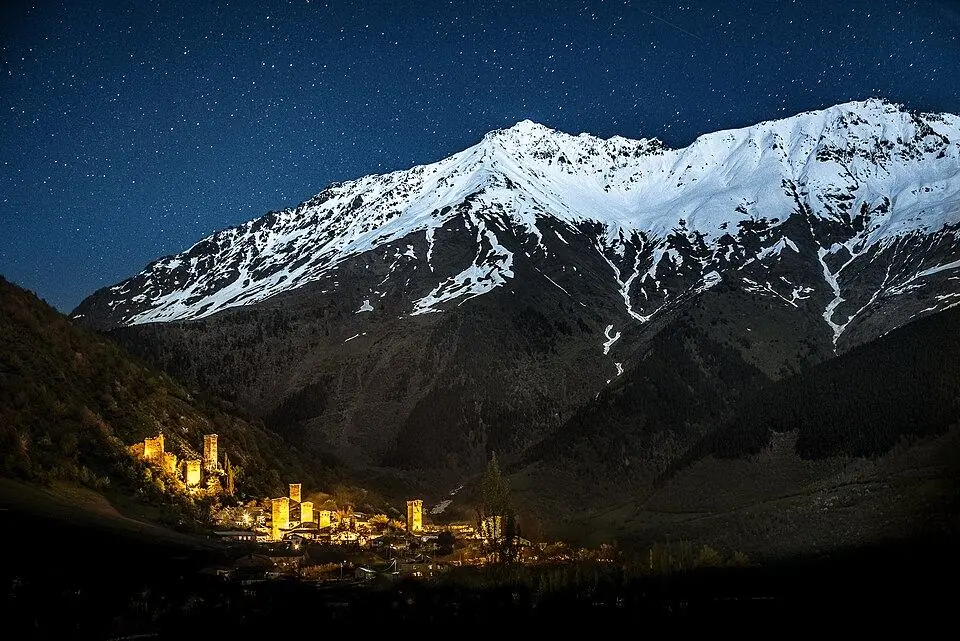
Mestia is small, but its setting is huge. Its centre, Seti Square, was rebuilt from 2010 with stone-faced public buildings, cafes and gear shops, while the older districts such as Lanchvali and Lekhtagi climb the slopes in a jumble of towers, wooden balconies and haystacks.
- Svaneti Museum of History and Ethnography
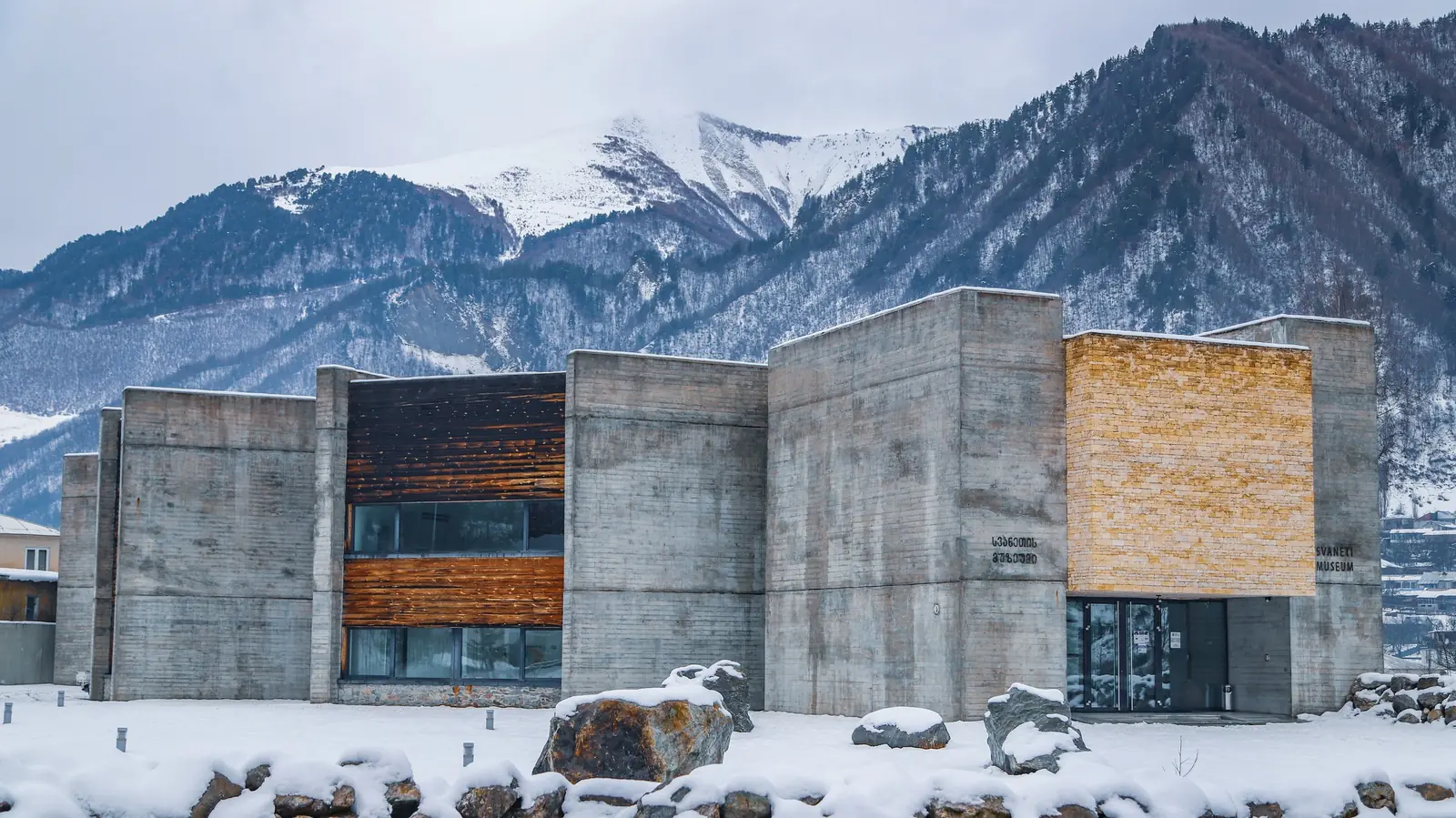
The single best museum outside Tbilisi. Its treasury of medieval icons, gilded crosses and illuminated Gospels was kept for centuries inside Svan churches and towers. Allow 1 to 2 hours. An adult ticket was about 10 GEL (about $4) in 2026; it usually opens 10:00 to 18:00 and closes on Mondays. - Margiani House
A family museum where you can climb inside a real Svan tower by steep ladders and see the machubi, the traditional house below it. Expect about 10 GEL (about $4) in 2026 and roughly an hour with the tower. - Mikheil Khergiani House Museum
The home of the Svan climber known as the Tiger of the Rocks, who died in the Dolomites in 1969, with mountaineering gear, photographs and his family tower. - Zuruldi ridge by cable car
Starting on the outskirts, a lift rises to the Hatsvali area and continues up to the Zuruldi ridge, ~2,350 m. From the top station, a flat walk of about 3 km along the crest faces Ushba and Tetnuldi. Lifts usually run about 10:00 to 16:00 with irregular hours, so ask the evening before. - Mestia Cross
The viewpoint cross hanging above town is a stiff 2 to 2.5-hour climb of about 750 m, or a short jeep ride. - Chalaadi Glacier
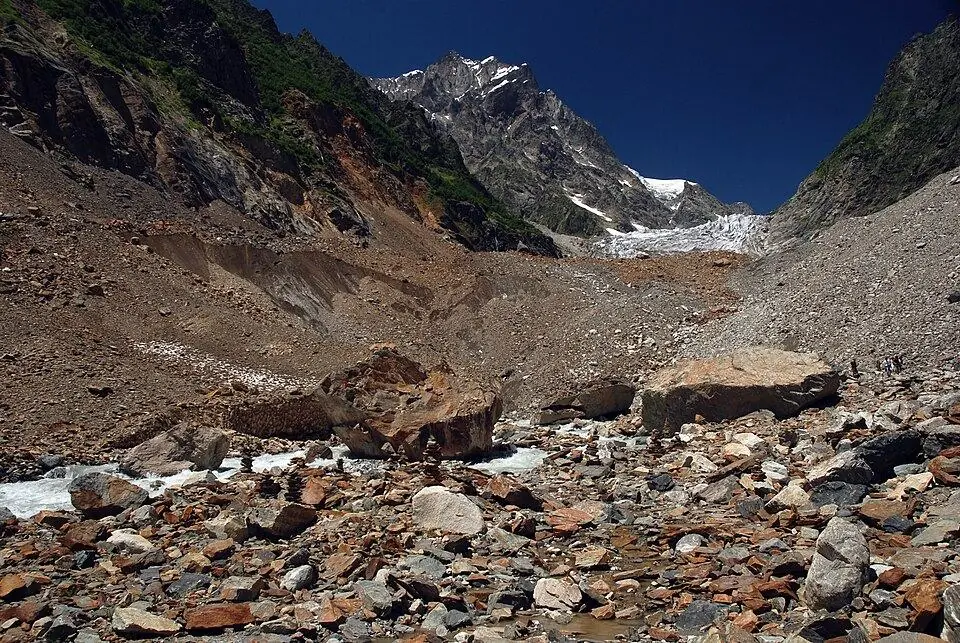
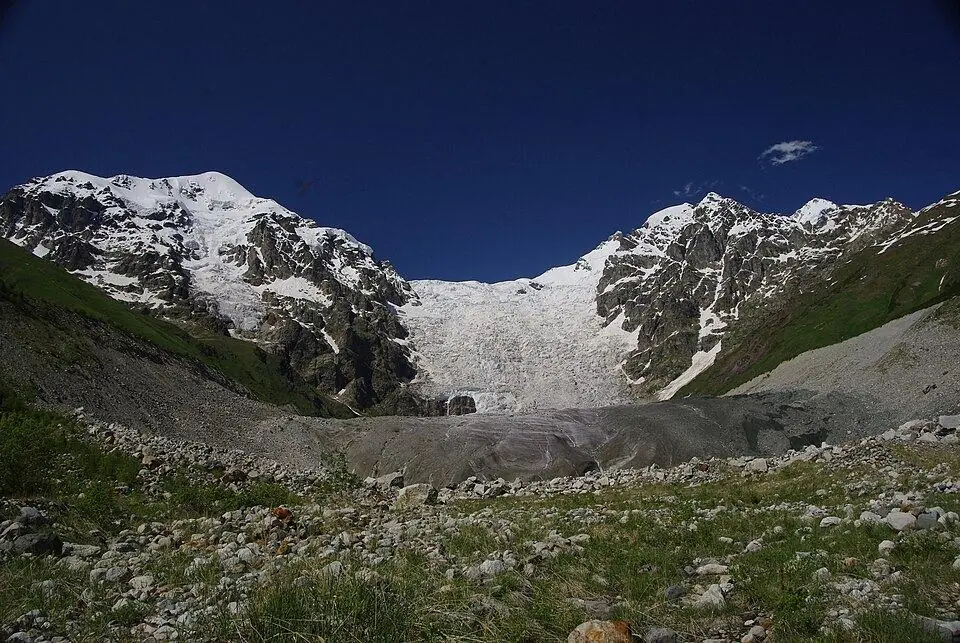
A taxi to the footbridge north of town and a forest walk of about 3 km bring you below a real glacier tongue in a couple of hours. It is the right choice when cloud hides the high ridges.
Visiting Ushguli: day trip or overnight?
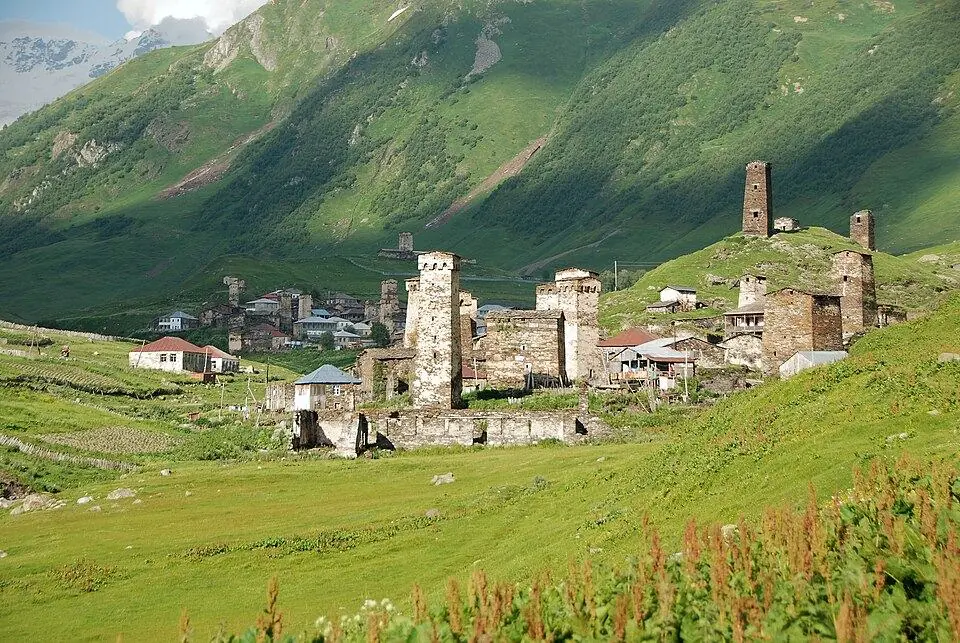
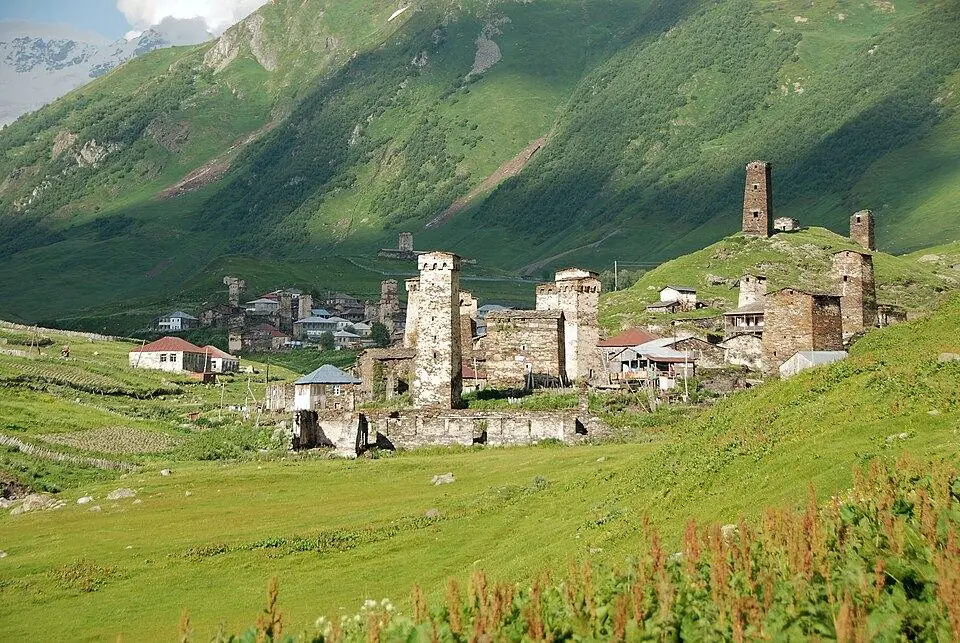
Ushguli is the reason many people come to Svaneti. It is not one village but four small hamlets strung along the infant Enguri at about 2,100 m: Murkmeli, Chazhashi, Chvibiani and Zhibiani. Chazhashi, packed with towers, is the protected core. Behind them the wall of Shkhara and its glaciers fills the whole head of the valley. About 200 people live here through the winter, when snow lies for roughly six months.
Getting there from Mestia
The 45 km road from Mestia, once a notorious mud track, is now mostly paved and takes about 1.5 hours each way by car. In summer shared 4x4s and vans leave Seti Square in the morning, with seats costing roughly 40 to 50 GEL ($15 to $19) in 2026, and come back in the afternoon. A private driver lets you stop at the villages on the way, such as Ipari and Kala. The road can close after heavy winter snow.
What to see in Ushguli
- Lamaria Church, a small medieval church of the Virgin with its own tower, on a hill above Zhibiani facing Shkhara.
- Chazhashi, the lanes between the densest cluster of towers, where one tower house holds a small private ethnographic museum.
- The ruined tower complex on the hill above the villages, linked by local tradition to Queen Tamar, for the best overview of the valley.
- The Shkhara Glacier hike, about 16 km return and 6 hours up the open valley, or a horse or 4x4 for most of the way.
A day trip lets you see the towers and Lamaria, but leaves no time for the glacier, and you share the lanes with every other day-tripper between 11:00 and 16:00. A night in a family guesthouse gives you the towers in evening and early light, the walk to Shkhara, and a quiet village after the vans leave.
Best day hikes in Svaneti compared
Svaneti has the most varied day hiking in Georgia, and most of it starts from Mestia or a short drive away. These are the routes we use most. Distances are return trips unless stated.
| Hike | Start | Distance and climb | Time | Level |
|---|---|---|---|---|
| Zuruldi ridge | Top lift station above Mestia | About 6 km, little climbing | 2 h | Easy |
| Chalaadi Glacier | Footbridge about 9 km north of Mestia | About 6 km, +300 m | 2 to 3 h | Easy |
| Shkhara Glacier | Ushguli | About 16 km, gentle | About 6 h | Easy to moderate |
| Shdugra waterfall | Mazeri | About 6 km, +250 m | 2.5 to 3 h | Easy to moderate |
| Koruldi Lakes | Mestia | About 19 km, +1,350 m | 7 to 9 h (4 to 5 h with a jeep to the cross) | Challenging |
| Ushba Glacier | Mazeri | About 17 km, +1,050 m | 7 to 9 h | Challenging |
| Guli Pass (one way) | Mestia to Mazeri | About 21 km, +1,750 m, pass about 2,955 m | 9 to 11 h | Hard |
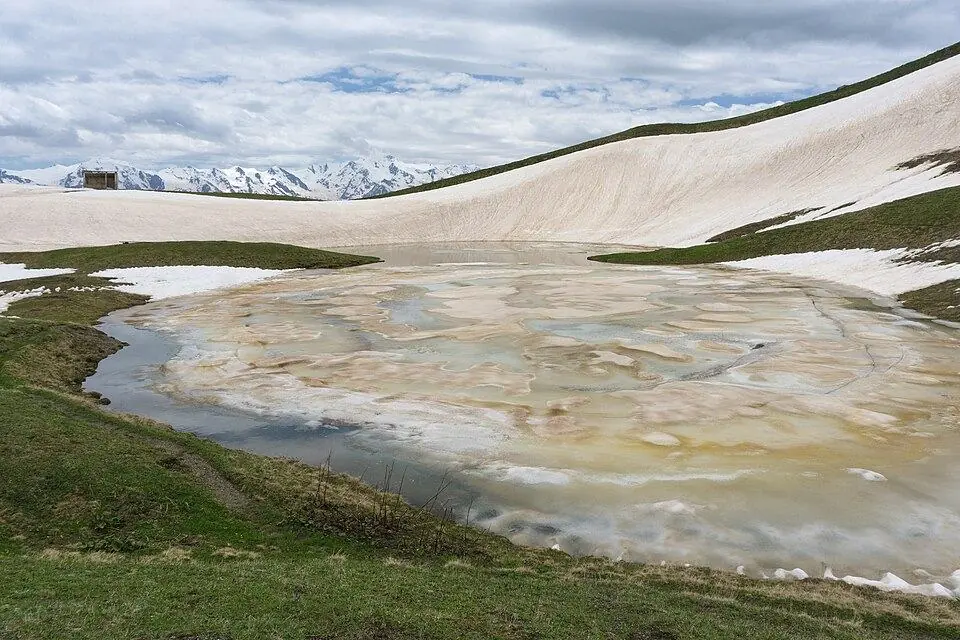
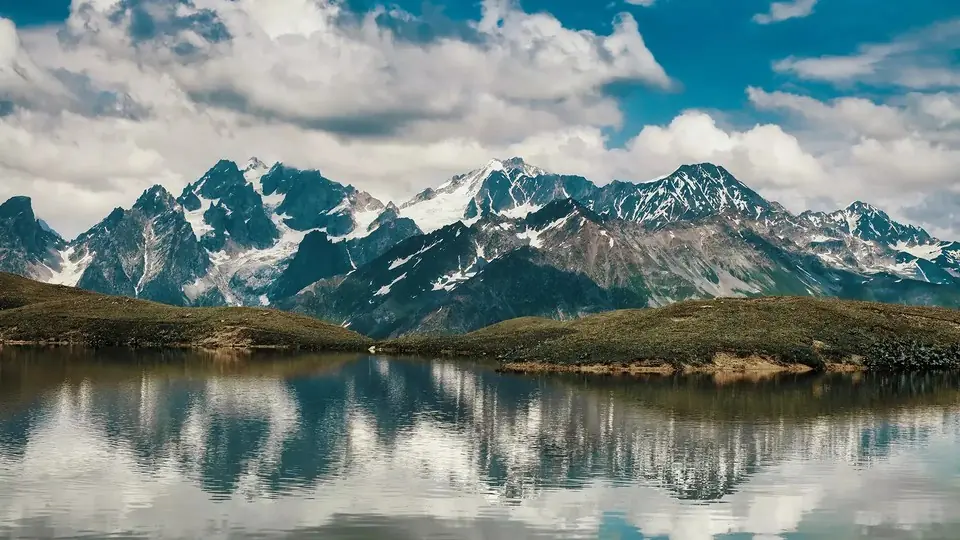
Koruldi is the classic first big day: the lakes, at roughly 2,740 m, sit on a grassy shelf facing Ushba, and the walk is a perfect acclimatisation hike before longer trips. A jeep to the Mestia Cross cost about 80 to 100 GEL (about $30 to $37) per car in 2026 and removes the steepest 750 m. The Becho valley, about 45 minutes west of Mestia, is quieter: the village of Mazeri sits right under Ushba, with the Shdugra waterfall and the Ushba Glacier above. Carry your passport there, as the path passes a border police post close to the Russian frontier.
The Guli Pass links the two in one long day and is only for fit, experienced walkers in settled weather. Our Svaneti Hiking Week strings Koruldi, the Ushba Glacier, the Guli Pass, Chalaadi and the Shkhara Glacier together from comfortable bases, with a driver moving your bags. Like all our trips it is private, for any date and any group size.
The Mestia to Ushguli trek in brief
Svaneti's famous multi-day route walks from Mestia to Ushguli in four stages of 11 to 19 km, about 57 km in all with roughly 3,100 m of ascent. Nights are spent in family guesthouses in Zhabeshi, Adishi, Iprali and Ushguli, so you carry only a daypack. The crux is day 3: wading the cold Adishchala, or paying a local horseman to carry you over, and then the Chkhutnieri (Chkhunderi) Pass at about 2,700 m.
Walk it between July and mid-September. Independent hikers do it every day in summer with an offline map; a guide makes sense in June or late September, for your first multi-day hike, or if you want bags moved and beds booked for you. Our long-form trek guide covers each stage, the river and the packing list, and our route card has the stage numbers, water and phone coverage.
Villages and churches beyond Mestia, and Lower Svaneti
Upper Svaneti has dozens of tower villages, and each has small stone churches that hold some of the finest medieval wall painting in Georgia. Many are locked, so ask at the nearest house for whoever keeps the key and leave a small donation.
- Latali, on the main road about 15 minutes before Mestia: the Matskhvarishi church of the Saviour has wall paintings signed by Mikael Maglakeli and dated to 1140, including a row of mounted warrior saints.
- Lenjeri, just west of Mestia: a quiet tower village with a medieval church of the Saviour, an easy walk or short taxi from town.
- Mulakhi, Zhabeshi and Chvabiani, east of Mestia in the Mulkhura valley: farming villages on the first stage of the trek, with views of Tetnuldi.
- Ipari and Kala, on the road to Ushguli: Kala's Lagurka church, high above the village, hosts Kvirikoba, Svaneti's biggest feast, every 28 July.
- Mazeri and the Becho valley, west of Mestia: hay meadows and guesthouses directly below Ushba, the best place in Svaneti for a quiet night.
- Adishi, reachable only on foot or by a rough track: a roadless village of towers at about 2,040 m, the second night of the trek.
Lower Svaneti and the Zagari Pass
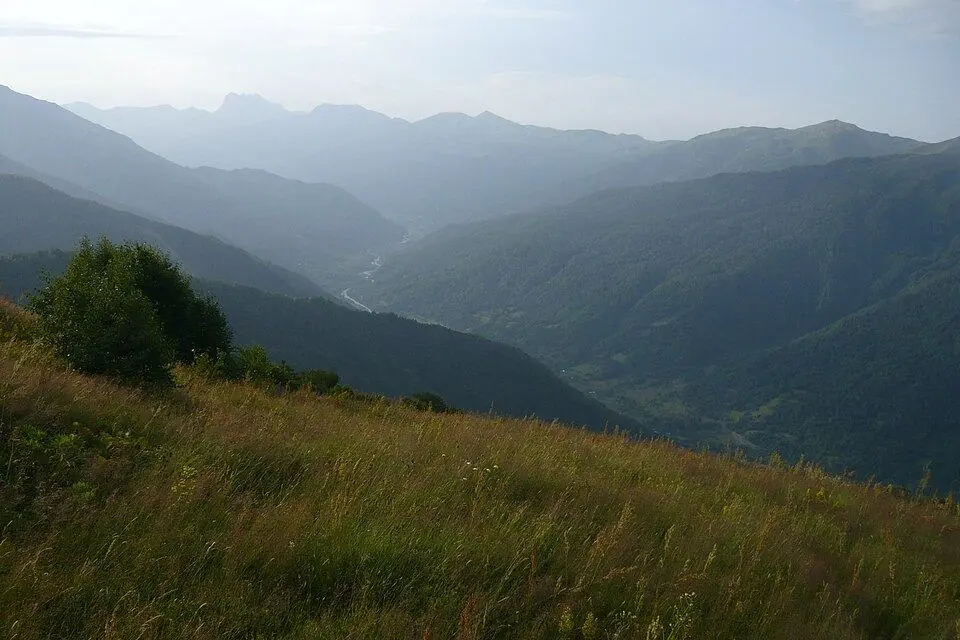
Lower Svaneti, around Lentekhi, has the same Svan culture and fewer towers, but far fewer visitors, oak and chestnut forest, and remote villages up the Tskhenistskali. Most travellers see it only from the car on the Zagari Pass road between Ushguli and Kutaisi, which climbs over high pasture with Shkhara behind you. With a 4x4 and a spare day, a night in Lentekhi turns the exit from Svaneti into a small expedition.
Svan towers, language and festivals
The towers are the first thing everyone notices. They went up over several centuries, roughly from the 9th to the 18th; most are square in plan, four or five storeys and ~20 to 30 m tall, with the entrance well above the ground and a crenellated top under a slate roof. Each belonged to a family and stood beside its machubi, the low stone house where people and livestock shared one large room around the hearth in winter. The towers were shelters against raiders, avalanches and, for centuries, blood feuds between families, a custom that survived in Svaneti into the 20th century.
Svans speak Svan, one of the four Kartvelian languages related to Georgian, alongside Georgian itself. It has no written form of its own and is classed as endangered, but you will hear it in every village. Svan polyphonic singing, slow and solemn, is part of the wider Georgian polyphony listed by UNESCO, and guesthouse suppers sometimes end with a song.
| Festival | When | What happens |
|---|---|---|
| Lamproba | Usually 14 February | As night falls, every male family member gets a lit birch torch beside the ancestral graves; the torches are walked to the church and end up in one bonfire, followed by a meal together |
| Svanetoba | Usually the last weekend of July, Mestia | Folk music, dance, crafts and food on Seti Square |
| Kvirikoba | 28 July, Lagurka church above Kala | Pilgrimage, a shared feast, songs and old contests of strength |
Village feasts are religious occasions first. Ask before you photograph people, dress modestly at churches, and accept a glass if you are offered one: a toast or two is part of the welcome.
Where to stay, what to eat and practical tips
Where to stay
Mestia has the widest choice: family guesthouses, small hotels and a few larger ones, most within 15 minutes' walk of Seti Square. Staying central saves taxi rides; the upper lanes of Lanchvali and Lekhtagi are quieter with better views. Ushguli has dozens of guesthouses, simple but warm, and a night there is worth more than an extra night in Mestia. Mazeri suits walkers, and Zugdidi works as the overnight stop on the way up. Half board, dinner and breakfast in a guesthouse, ran to roughly 100 to 130 GEL ($37 to $48) a head in 2026. Book July and August early.
What to eat
Order kubdari, the round Svan pie of chopped meat, onion and spices, which is on Georgia's national list of intangible heritage. Tashmijabi, potato mashed with sulguni until it pulls into strings, and chvishtari, cornbread baked with cheese, are the classic sides. Everything tastes better with Svanetian salt, a ground mix of salt, garlic, blue fenugreek and other spices; buy a bag in Mestia to take home. Svaneti grows no wine, so the bottles on the table come from the lowlands.
Money, phone and health
- Mestia has ATMs and card payments in larger places. Ushguli, Adishi and Mazeri are cash only, so carry enough lari for beds, drivers and horses.
- Magti usually gives the widest mobile coverage in the valleys; buy a SIM in Tbilisi, Kutaisi or Mestia.
- Since 1 January 2026 every foreign visitor must hold travel health insurance.
- Mestia has a small hospital and a pharmacy. Serious cases go down to Zugdidi or Kutaisi, so pack your own medicines.
- Gas canisters for stoves are sold in some Mestia outdoor and souvenir shops.
How many days in Svaneti? 3, 5 and 7-day plans
These plans start and end in Mestia in summer; add a travel day at each end, or fly one way. In winter, swap the hikes for days on the slopes at Hatsvali and Tetnuldi.
- 3 days: the essentials
Day 1: the Svaneti Museum, Margiani House and the Zuruldi ridge. Day 2: Ushguli by road with Lamaria and Chazhashi, stopping at Kala on the way back, or sleep in Ushguli. Day 3: Chalaadi Glacier in the morning, then Latali on the way down the gorge. - 5 days: hikes and a night in Ushguli
Day 1: Mestia town. Day 2: the Koruldi Lakes. Day 3: Mazeri and the Shdugra waterfall, with a night under Ushba. Day 4: drive to Ushguli and stay. Day 5: walk to the Shkhara Glacier, then leave over the Zagari Pass toward Kutaisi if it is open, or return to Mestia. - 7 days: the trek
Day 1: arrive and rest in Mestia. Day 2: Koruldi to acclimatise. Days 3 to 6: walk from Mestia to Ushguli through Zhabeshi, Adishi and Iprali. Day 7: the Shkhara Glacier or a slow morning among the towers, then the road out.
If Svaneti is one stop on a longer journey, our Grand Tour with Svaneti spends three nights in Mestia, with a full day in Ushguli and the Koruldi Lakes, inside ten days that also take in Tbilisi, Kakheti, Kazbegi and the Black Sea at Batumi.
Svaneti FAQ
Is Svaneti worth visiting?
Yes, if you have at least three nights. It combines Georgia's highest peaks, medieval tower villages, the UNESCO-listed Ushguli and the country's best day hiking. With only a day or two, Kazbegi is the easier mountain trip.
How many days do you need in Svaneti?
Three nights cover Mestia, Ushguli and a short hike. Five let you add the Koruldi Lakes, Mazeri and a night in Ushguli. Allow a week for the four-day trek from Mestia to Ushguli.
How far is Mestia from Tbilisi, and how do I get there?
Drive about 460 km in 8 to 9 hours, take the morning train to Zugdidi (about 6 hours) and a minibus to Mestia (3.5 to 4 hours), or ride a direct minibus for 9 to 10 hours. Small planes fly from Natakhtari in about an hour when the weather allows.
What is the best month to visit Svaneti?
September is our pick for hiking: stable weather, clear views and fewer people. July and August are the warmest and busiest months, and late December to March is the time for skiing and snowy towers.
Is a day trip to Ushguli from Mestia enough?
Yes. Ushguli is 45 km away, about 1.5 hours each way on a mostly paved road, and shared 4x4s leave Mestia in summer mornings. Staying overnight is better if you want the Shkhara Glacier walk and quiet evening light.
Is Svaneti safe for tourists?
Yes. Crime against visitors is rare and hosts are protective of their guests. The real risks are mountain weather, river crossings, rockfall near glaciers and long drives on winding roads, so start early and ask locals about conditions.
Can you visit Svaneti in winter?
Yes. Mestia is reachable all winter, Hatsvali and Tetnuldi run lifts from about late December to April, and Lamproba falls in February. The Ushguli road can close for a time after heavy snow, and high trails are out of reach.
Do I need cash in Svaneti?
Yes. Mestia has ATMs and some card payments, but guesthouses in Ushguli, Adishi and Mazeri, drivers and horsemen are usually cash only. Withdraw lari in Mestia or before you arrive.