Tbilisi National Botanical Garden
A 161-hectare botanical garden in the gorge behind Narikala, with a waterfall, an old arched bridge and shady walking paths.
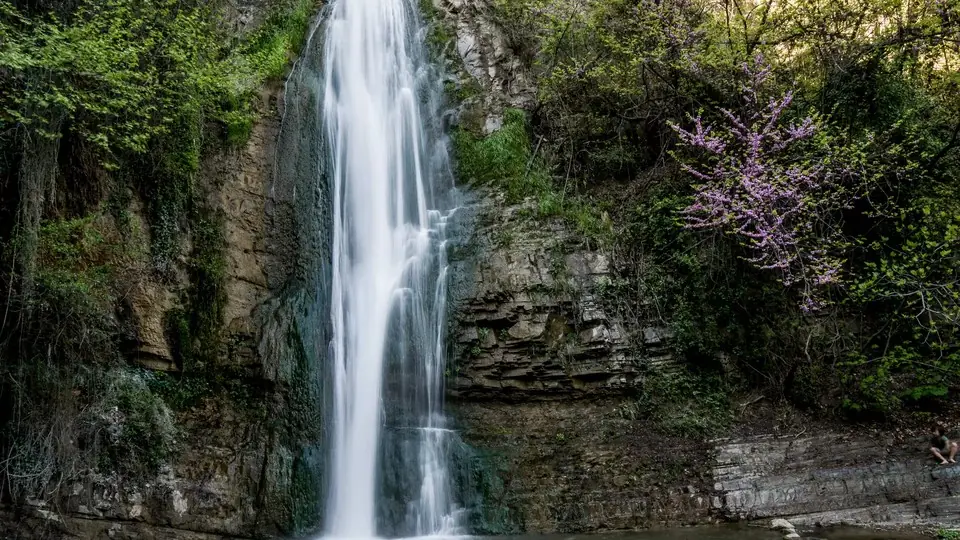
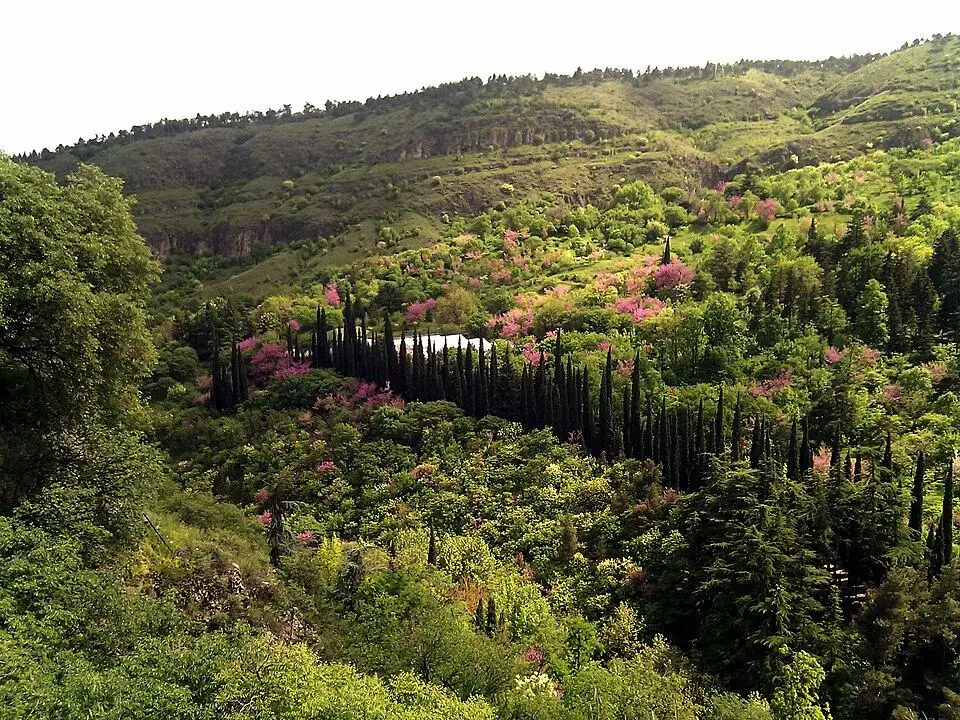 Tbilisi National Botanical GardenPhoto: dare, CC BY-SA 2.0
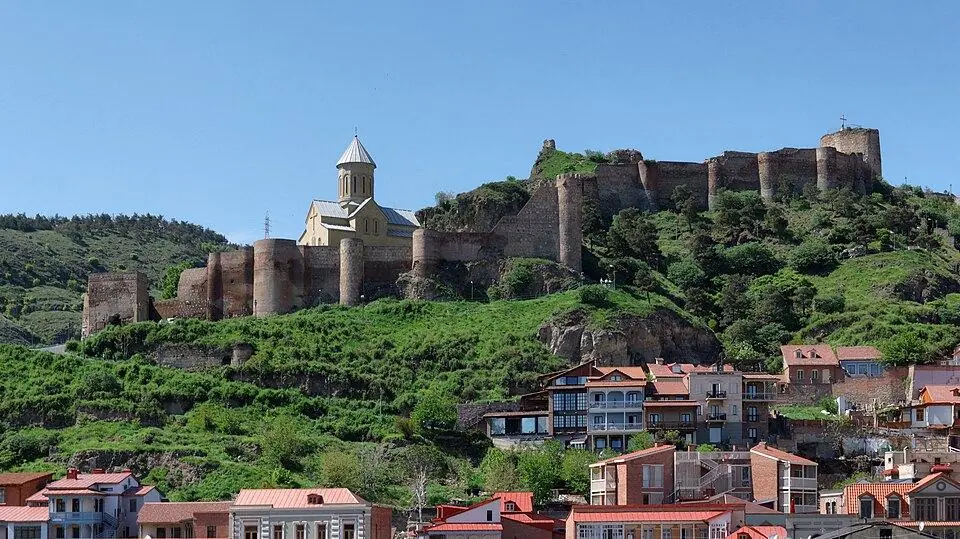
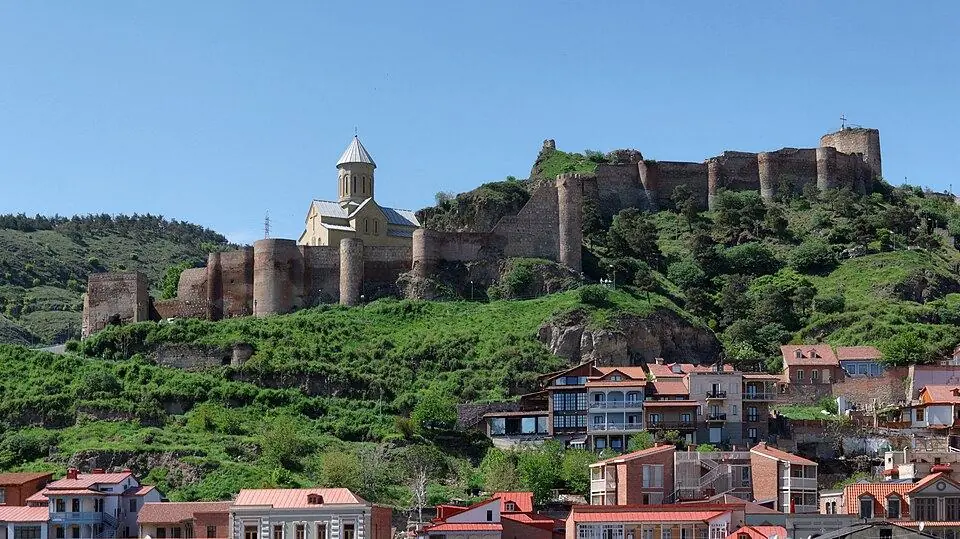
The National Botanical Garden of Georgia fills the Tsavkisis-Tskali gorge directly behind Narikala Fortress, a few minutes' walk from the sulphur baths. It covers about 161 hectares, much of it steep hillside, with more than 4,500 kinds of plants from the Caucasus and around the world alongside patches of wild woodland. A stream runs through the valley, and an arched bridge built in 1914 spans a waterfall on its course. Few spots in central Tbilisi let you walk for an hour or more in green shade.
The main entrance is at the foot of Narikala, just uphill from Abanotubani. Paths range from gentle valley walks to steep climbs, and a renovation in 2018 added cycling and walking lanes. Spring is the best season for flowering trees, and autumn brings colour to the woods. The garden charges a small entrance fee. Combine it with Narikala and the baths, or with the Leghvtakhevi waterfall walk.
History
Royal gardens are recorded on this site from at least 1625, and the Tiflis Botanical Garden was formally established in 1845. In 1909–1914 a long tunnel was cut through the rock to make a second entrance, and the arched bridge over the waterfall was built in 1914. The tunnel was used until the mid-2000s and later became the Gvirabi nightclub.
What to see and do
- Walk up the gorge to the arched bridge and waterfall
- See plant collections from the Caucasus and beyond
- Climb the side paths for views of Narikala's walls
- Visit in spring for flowering trees
How to visit
Getting there
The main entrance is at the foot of Narikala, just above Abanotubani, about 15 minutes' walk from Freedom Square.
When to go
April–June and October. Plan 1.5–3 hours here.
- Wear walking shoes; many paths are steep.
- Bring water, especially in summer.
- Combine with Narikala and an evening at the baths.
Weather at Tbilisi National Botanical Garden
Based on the climate of Tbilisi, 1 km away. Warmest in August (32° by day), coldest in January (0° at night), with 511 mm of rain a year. Best months: Sep–Oct.
Tbilisi National Botanical Garden: FAQ
Is the Tbilisi Botanical Garden worth visiting?
Yes, if you want a quiet, green walk close to the Old Town. It covers 161 hectares of gorge and hillside behind Narikala, with a waterfall and an old arched bridge.
Where is the entrance to the Tbilisi Botanical Garden?
The main entrance is at the foot of Narikala Fortress, a short walk uphill from the Abanotubani baths.
Read more in our guides
 Photo: georgia.travel
Sulphur baths, the Narikala cable car, Soviet curios at the Dry Bridge and qvevri wine in Sololaki: 29 ideas by neighbourhood, with where to stay and how many days to plan.
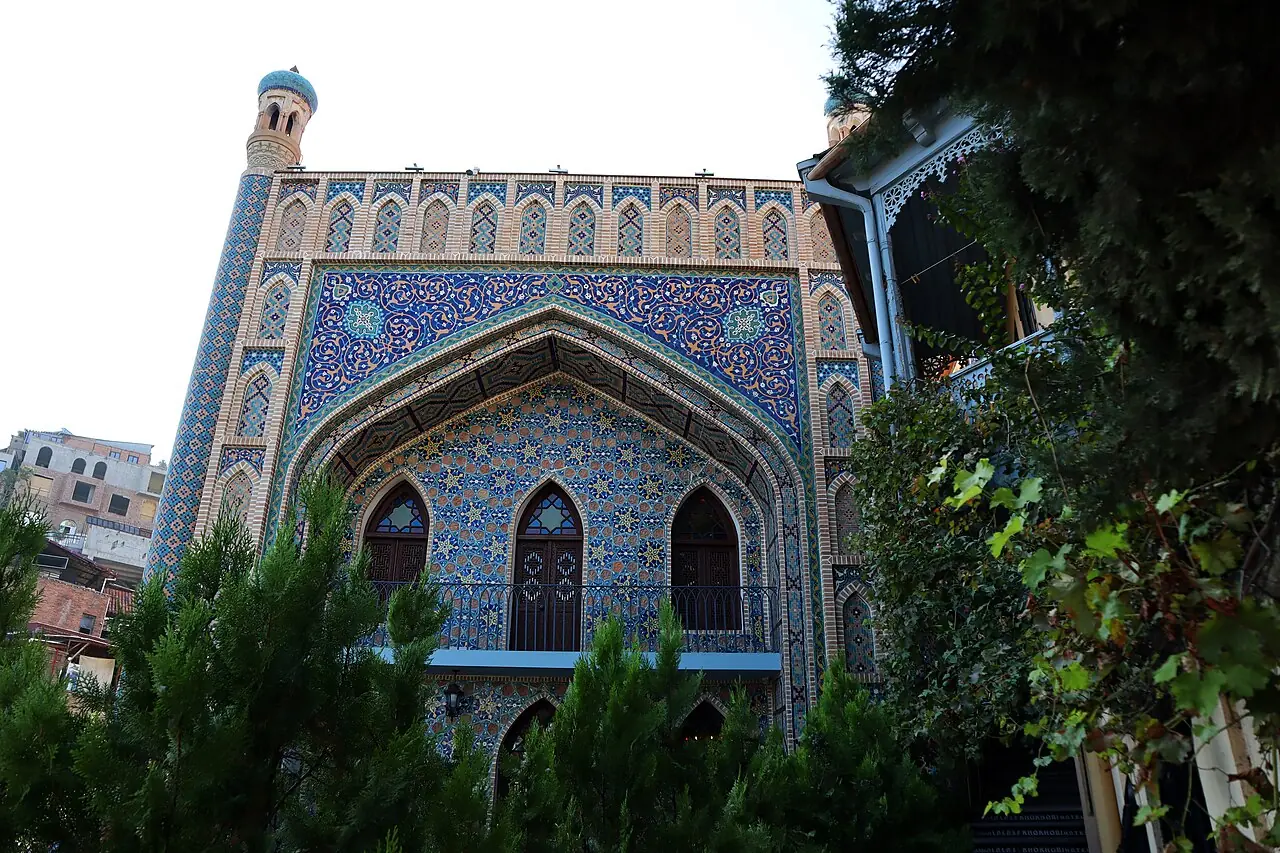 Photo: Natia an, CC BY-SA 4.0
Steam over the brick domes on a frosty evening: how to choose between a public hall and a private room, which kind of bathhouse suits you, what the kisi scrub involves and when to book.
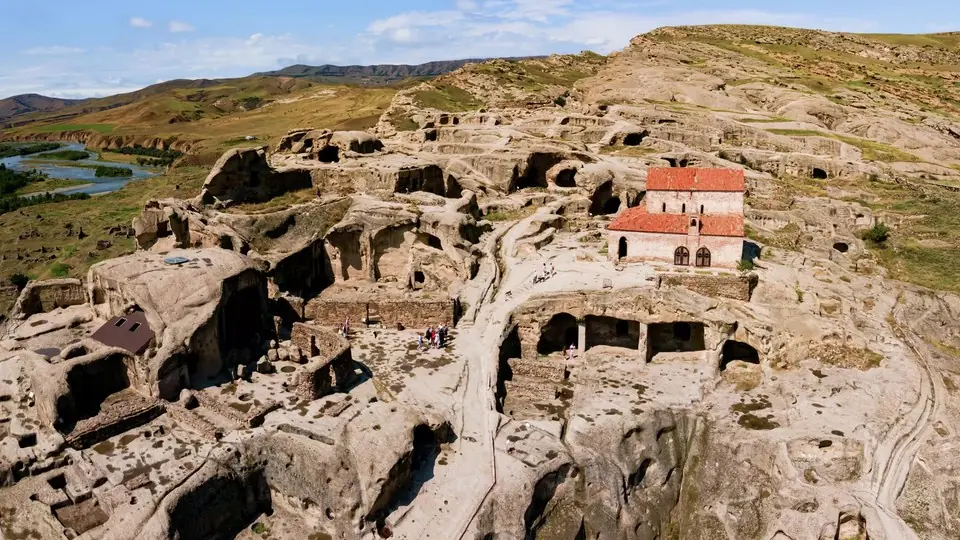 Photo: georgia.travel
Twelve trips out of the capital, from Mtskheta and Kazbegi to Sighnaghi, Uplistsikhe and David Gareja, with distances, transport options and which places deserve a night.
 Photo: André Gerwing, CC BY-SA 4.0
Which airlines fly to Tbilisi, Kutaisi and Batumi in 2026, how long the flights take, when fares drop, and whether to land in Tbilisi or Kutaisi.
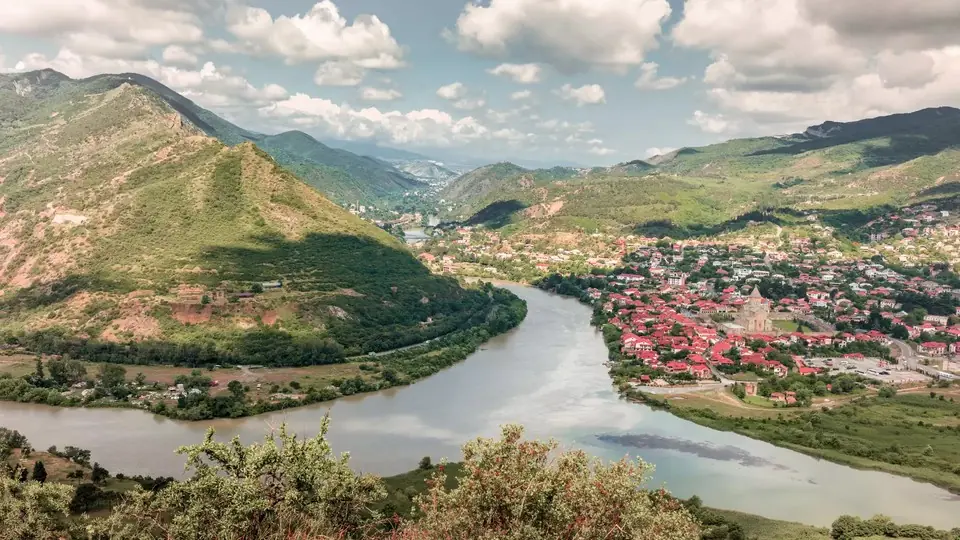 Photo: georgia.travel
How to reach Mtskheta from Tbilisi by minibus, Bolt or driver, how to get up to Jvari on its hill, the best order for the three UNESCO churches, where to eat and what to add.
 Photo: Andrew Milligan Sumo, CC BY 2.0
Everything between the plane door and your hotel: passport control, cash and SIM cards at TBS, then bus 337, Bolt, the official taxi or a private driver into Tbilisi, plus night landings and flying home.
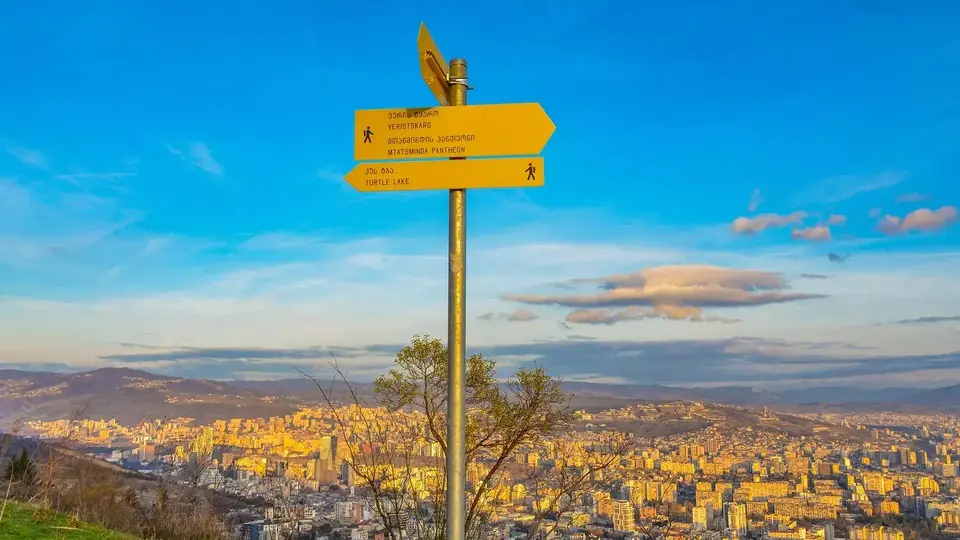
Hikes in and around Tbilisi National Botanical Garden
Nearby places
Straight-line distance from Tbilisi National Botanical Garden.