Borano Recipe
ბორანო
A home-style borano recipe from highland Adjara: torn pieces of mild braided cheese or young sulguni, softened in boiling water and then covered with sizzling browned butter until they melt into soft strands. Vegetarian, on the table in about 25 minutes and meant to be scooped up with hot mchadi.
Recipe by the Maspindzeli team in Tbilisi · Updated 27 Nov 2026 · From Upper Adjara: Keda, Shuakhevi and Khulo
Full recipe with the timeline, timers and US measures: maspindzeli.ge/recipes/borano/
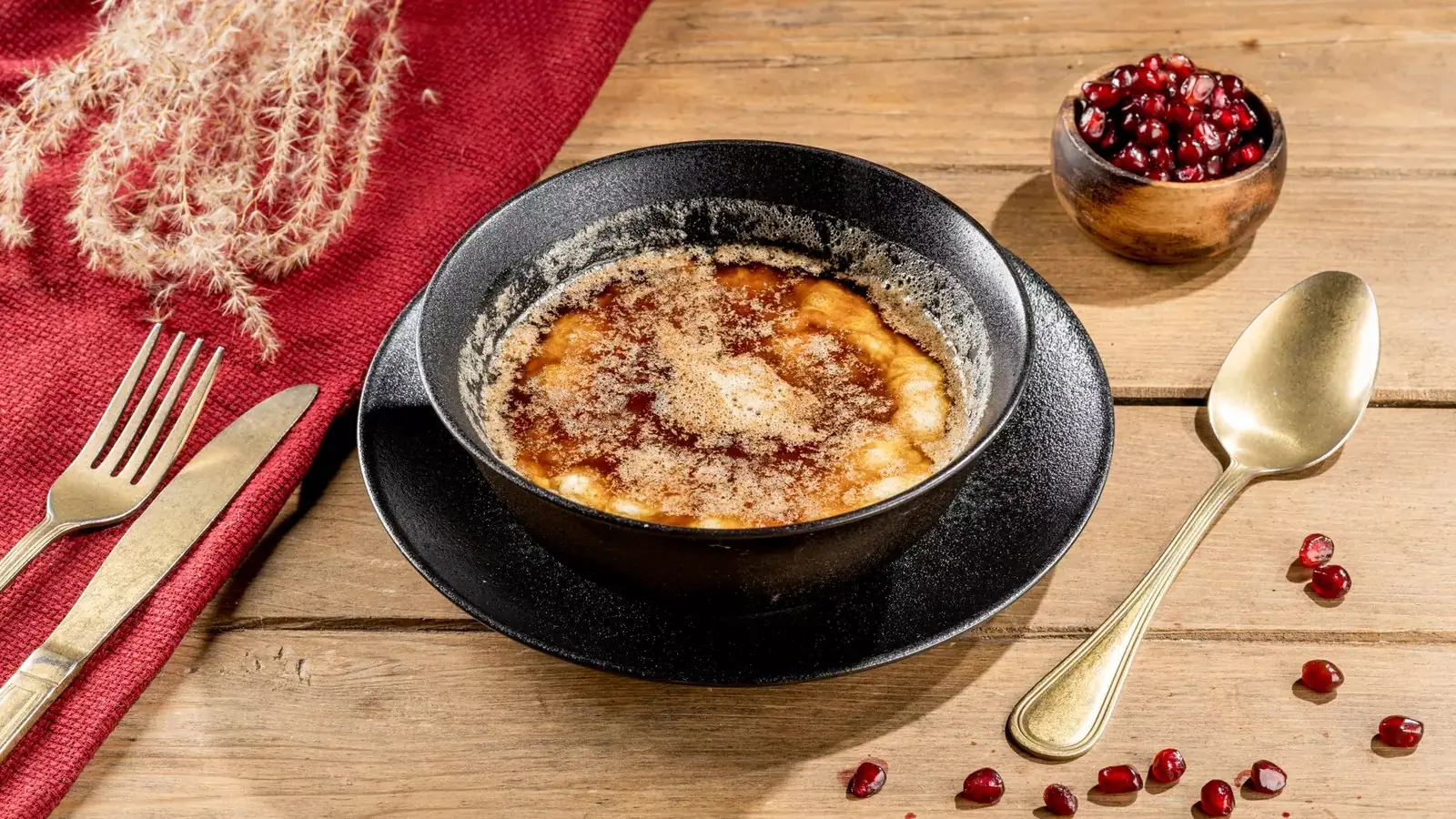
This borano recipe follows the way families in the mountains of Adjara cook it at home. Pieces of cheese are soaked in boiling water to soften them and draw out some salt, drained, and then flooded with butter that has been boiled until it turns golden brown and smells of toasted nuts. The hot butter finishes the melting, and the cheese pulls into long, salty strings when you lift it with cornbread. Georgian sources also spell the dish borani, which has nothing to do with the Persian yoghurt dip of the same name.
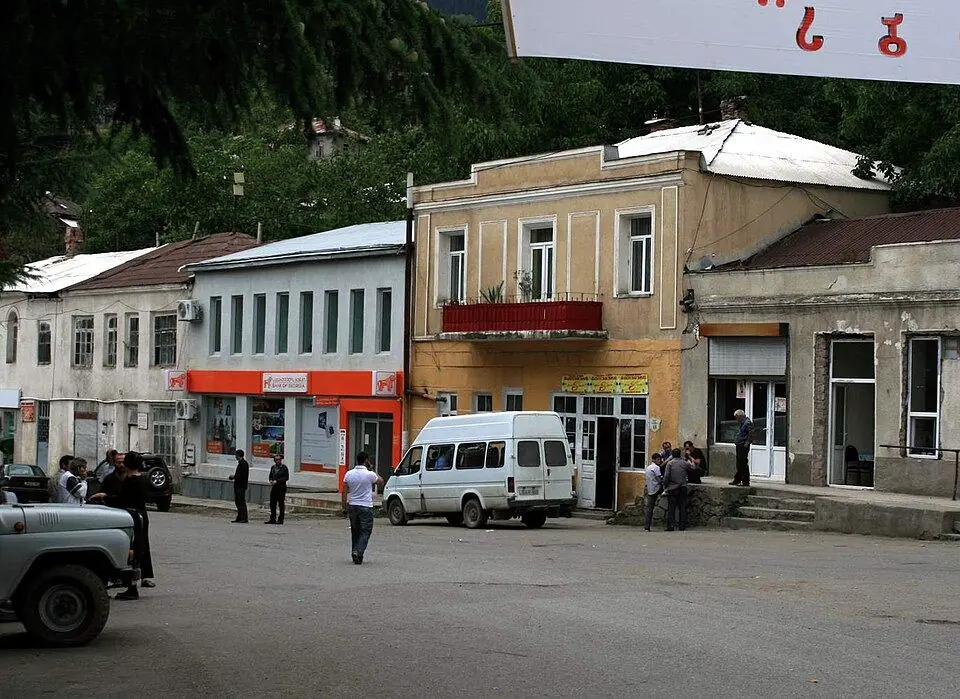
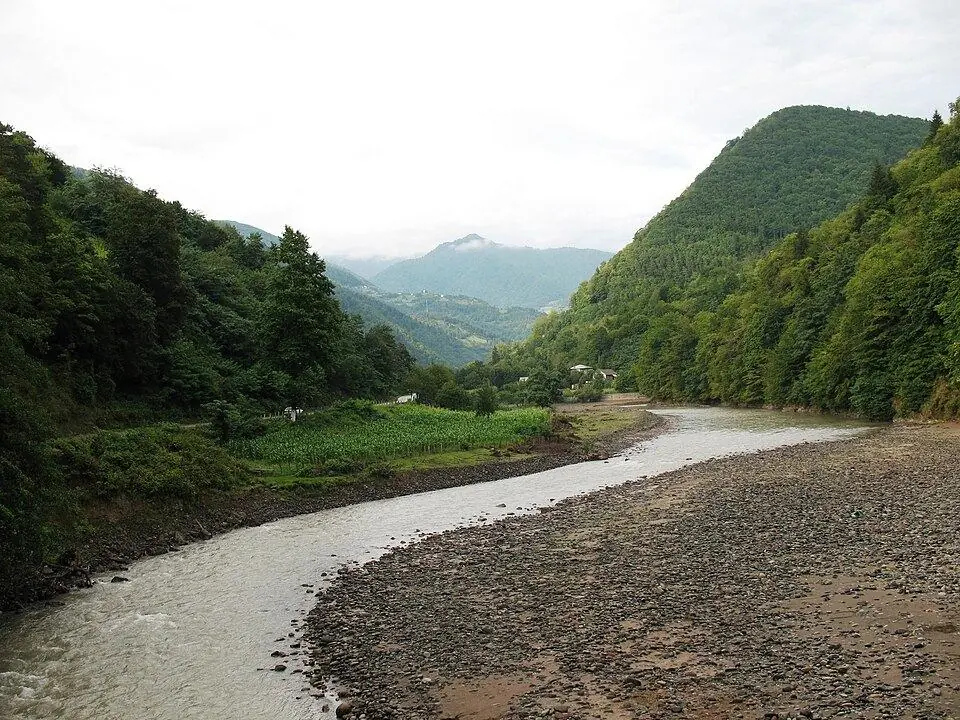
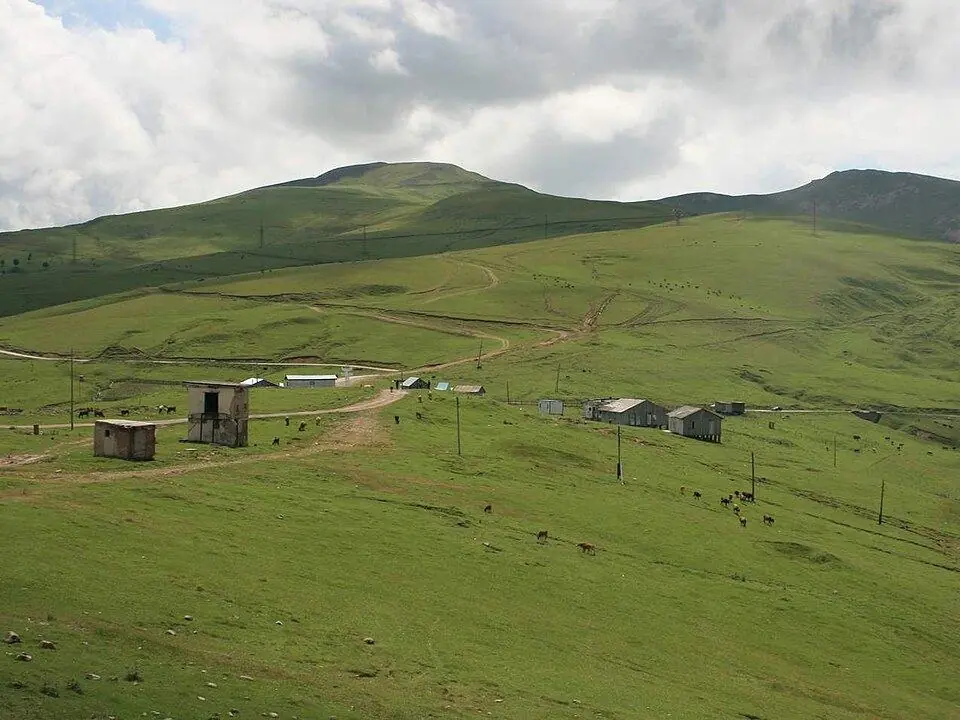
Borano belongs to Upper Adjara, the valleys around Keda, Shuakhevi and Khulo, where cattle go up to summer pastures and nearly every dish is cooked with butter. Families skim the cream off their milk for butter and kaimaghi, so the local braided cheese is lean, and borano pairs it with a generous pour of butter. In 2019 Georgia's National Agency for Cultural Heritage Preservation listed the method and tradition of making borano as intangible cultural heritage.
In Adjara it is everyday food for breakfast or supper, and the dish a host reaches for when guests turn up without warning. Be ready for how rich it is: each portion here carries 50 g of butter. Share one dish between two, eat it with plenty of mchadi and a sharp salad, and keep the rest of the meal light.
Timeline: what to do, and when
25 min from start to table · 18 min hands-on · 12 min waiting
Each bar is one step. Hands-on Waiting, while the oven, the pot or the dough does the work. Steps that sit inside a wait are done in parallel.
Recipe
Borano
Ingredients
Borano
To serve
Amounts are scaled. Times stay about the same, but a bigger pot takes a little longer to come to the boil.
Contains: milk.
You will need
- Kettle
- Heatproof bowl for soaking the cheese
- Sieve
- Small heavy saucepan or frying pan for the butter, ideally light inside so you can see it colour
- Small clay ketsi or other heatproof serving dish, about 16 cm across
- Fork and a spoon
Method
- Tear the cheese5 min hands-on· start here
Pull or cut the cheese into rough pieces about 3 cm long; braided cheese will come apart in strands, which is fine. Put them in the heatproof bowl and bring the kettle to the boil with the 1 l of water.
- First soak5 min waiting· starts at +5 min
Pour enough boiling water over the cheese to cover it by about 2 cm. After a minute, separate any pieces that cling together with a fork, then leave them to soften and give up some of their salt.
- Drain and taste2 min hands-on· starts at +10 min
Tip the cheese into the sieve and taste a small piece. If it is still about as salty as feta, return it to the bowl for a second soak; if it already tastes pleasantly mild, you can skip that soak. Boil the kettle again.
- Second soak7 min waiting· starts at +12 min
Cover the cheese once more with fresh boiling water, and pour a little into the serving dish as well so it is warm when the borano goes in. Leave both while you brown the butter; the cheese turns soft and springy.
- Brown the butter7 min hands-on· starts at +12 min, during step 4
Melt the butter in the small pan over medium heat. It foams and crackles as its water boils off; swirl the pan now and then. After 5 to 7 minutes the crackling fades, the foam thins and the specks on the bottom turn hazelnut brown and smell toasty. Take the pan off the heat straight away, because black specks mean bitter, burnt butter.
- Drain the cheese well2 min hands-on· starts at +19 min
Empty the water out of the serving dish and wipe it dry. Drain the cheese in the sieve, shake it hard and press it lightly with the back of a spoon, since any water left on it will make the hot butter spit. Pile the cheese into the warm dish.
- Pour over the butter1 min hands-on· starts at +21 min
If the butter has gone quiet, warm it for 30 seconds until it sizzles again. Pour it slowly over the cheese, holding back the dark sediment in the pan. It hisses and foams up, so keep your face and hands clear.
- Let it settle2 min waiting· starts at +22 min
Leave the dish alone for a minute or two while the foam subsides and the cheese melts into the butter. Do not stir: the pieces should stay whole but go soft and stringy at the edges.
- Serve straight away1 min hands-on· starts at +24 min
Carry the dish to the table while the butter is still bubbling at the edges, with the hot mchadi and some salt. Borano firms up as it cools, so eat it within about 10 minutes.
About 650 kcal per serving (1 of 2), without the mchadi. This is an estimate from standard values for the ingredients, not a lab figure.
Use the mchadi as a scoop: tear off a bite of cornbread, push it into the dish, catch a piece of cheese and twist until the strings break, letting the bread soak up some butter on the way. A fork helps with the longest strands. One dish is meant for sharing from the middle of the table.
Tips, swaps and variations
Tips from your host
- Brown the butter in a pan with a pale inside if you can. It goes from golden to brown in under a minute, and the change is far easier to judge on steel or enamel than on black cast iron.
- Leave the dark sediment in the pan. Adjarian cooks pour only the clear browned butter over the cheese, because the burnt specks at the bottom taste bitter in the dish.
- Let the cheese decide how many soaks it needs. A very salty cheese may want a third change of boiling water, while a mild one is ready after the first.
- Make the mchadi first, or warm it in the oven while the cheese soaks. Borano is at its best in the first few minutes, so everything else should be ready before the butter goes on.
- Use a small, deep dish rather than a wide pan. The cheese then sits in a pool of butter and stays molten for longer instead of cooling in a thin layer.
- If the middle of the cheese still feels firm, set a ketsi or small pan over the lowest possible heat for 2 to 3 minutes (a clay dish on a heat diffuser). Never let it boil, or the cheese turns tough and squeaky.
Variations and swaps
- Cheese outside Georgia: young sulguni from a Georgian or Russian shop is the easiest swap. Unsmoked chechil, the braided string cheese sold in Armenian and Eastern European shops, comes very close to Adjarian braided cheese and usually needs two soaks. Otherwise use 150 g low-moisture mozzarella (the firm block, not fresh balls in whey) and 50 g feta or Bulgarian sirene for salt. Halloumi will not melt and cheddar turns oily.
- Pan-cooked borano: the version on the official Georgian tourism site puts the drained cheese straight into the browned butter and keeps the pan on low heat for 10 to 15 minutes until the cheese is golden in places. It comes out firmer and nuttier than the poured version.
- With ghee: heat 85 g ghee until it shimmers and smells nutty, about 3 minutes. Shop-bought ghee has few milk solids left to brown, so the taste is milder; browning 20 g butter in it adds back some flavour.
- With cornmeal: whisk 2 tbsp fine cornmeal into 250 ml cold water, bring it to the boil and let it bubble for 2 to 3 minutes, stirring. Add the torn cheese, let it melt, then beat in 2 eggs until creamy and pour the browned butter on top. It is softer and goes well with a cup of tea. Contains egg.
- With potato: boil 2 medium peeled potatoes, mash them in a heavy pan, add the torn cheese and a splash of water and stir over low heat until the mixture stretches, then pour the browned butter over. Adjarian families eat this lighter version most often day to day.
- With egg: melt the cheese in a little hot water in the pan, crack in 2 or 3 eggs and stir until just set, then add the browned butter. Menus sometimes call this Kobuleti style. Contains egg.
Serve it with
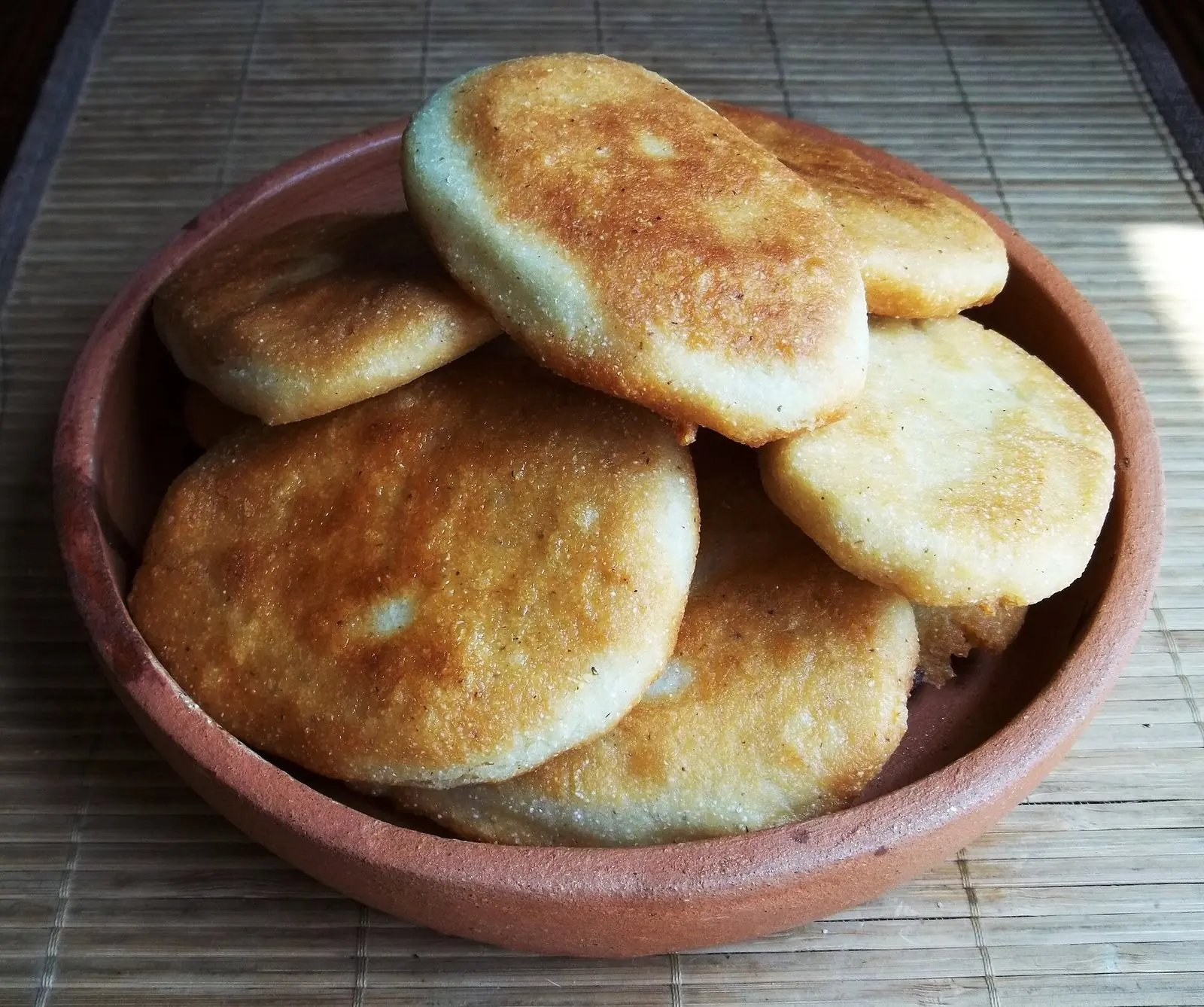
- Hot mchadi (Georgian cornbread)
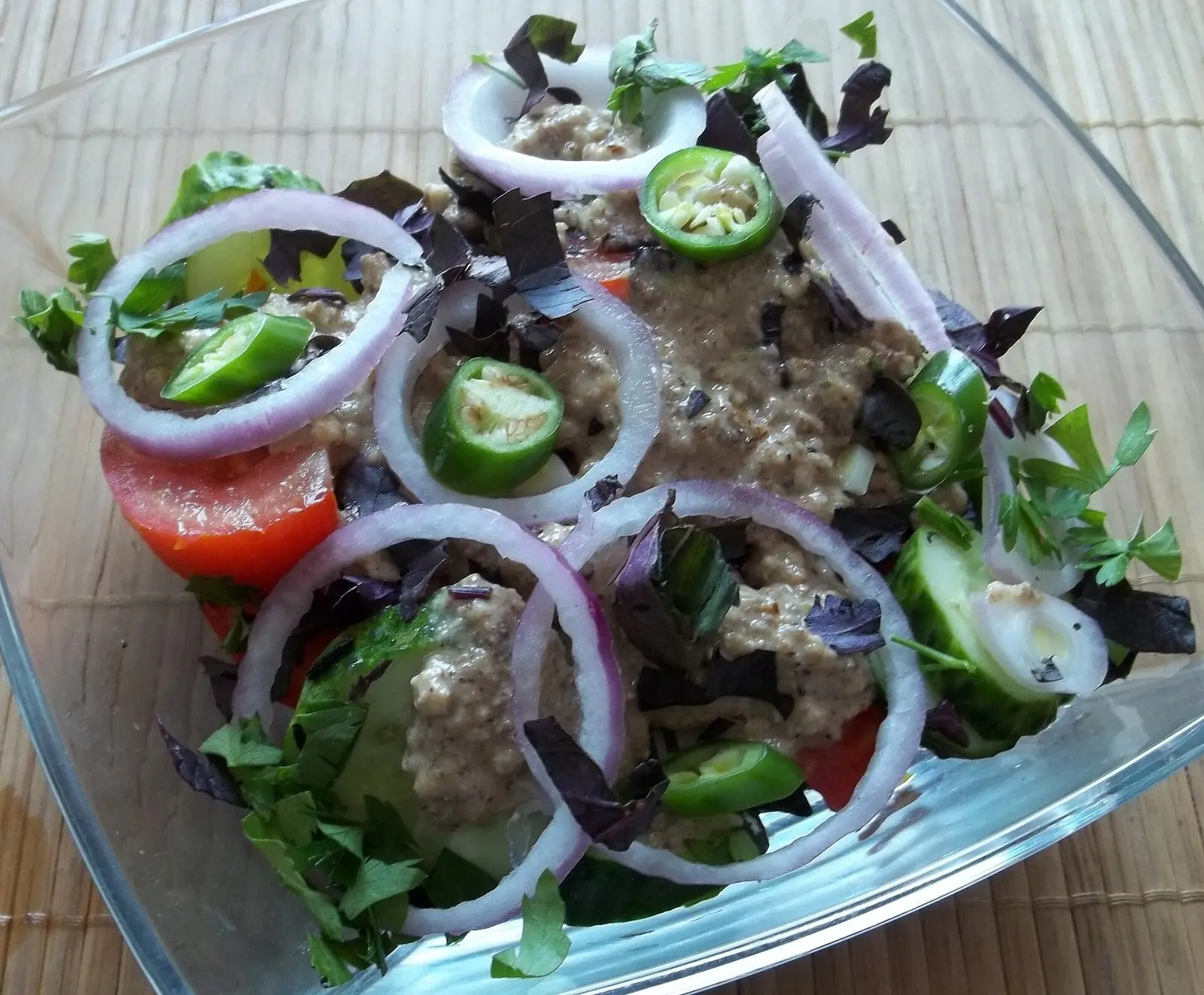
- Tomato and cucumber salad
- Pickles, spring onions and fresh herbs to cut the richness
- A glass of white Tsolikouri, or a pale red Chkhaveri from Keda
- Black tea, especially with the cornmeal version
- Outside Georgia: grilled slices of firm polenta, or a cornbread made without wheat flour
Make ahead and storage
Borano is best the moment it is made, because the cheese sets into a firm, chewy block as the butter cools. Leftovers keep, covered, for a day in the fridge. To bring them back, warm them slowly in a small pan over low heat with a spoonful of water, stirring, until the cheese softens; it will not stretch quite as much as before. You can tear the cheese a few hours ahead and keep it chilled, but soak it and brown the butter only when you are ready to eat.

Maspindzeli Travel, Tbilisi · private tours and cooking classes in Georgia · maspindzeli.ge · WhatsApp +995 598 74 74 54 · hello@maspindzeli.ge