Mchadi Recipe
მჭადი
A home-style mchadi recipe for the flat cornbread of western Georgia: fine maize flour, warm water and a little salt, kneaded smooth, shaped into ovals with wet palms and cooked slowly in a heavy pan until crusty. Vegan, gluten-free and made with three ingredients.
Recipe by the Maspindzeli team in Tbilisi · Updated 13 Nov 2026 · From Western Georgia: Imereti, Guria and Samegrelo
Full recipe with the timeline, timers and US measures: maspindzeli.ge/recipes/mchadi/
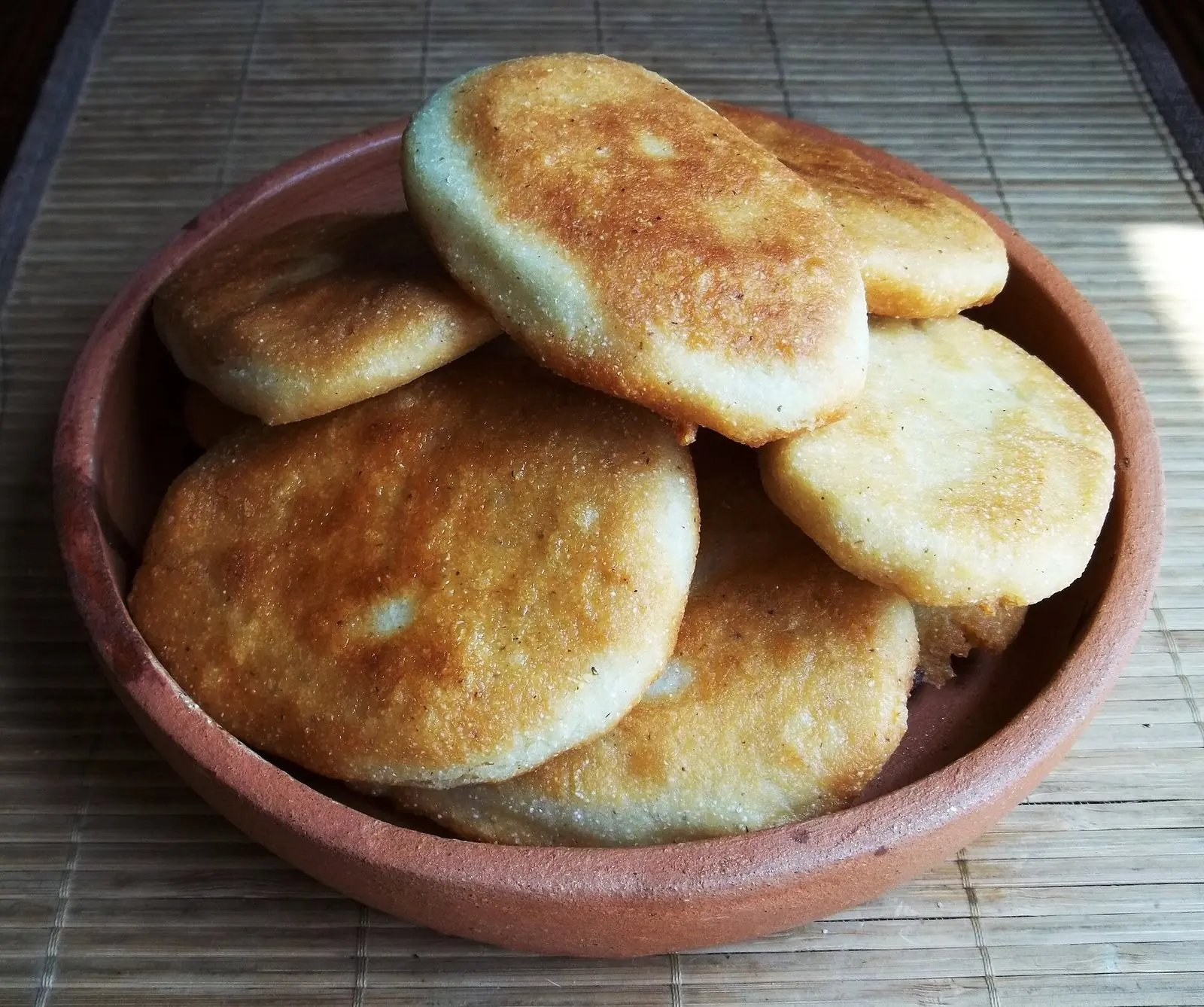
This mchadi recipe gives you the daily bread of western Georgia: thick little ovals of maize flour, warm water and salt, kneaded by hand and cooked gently in a heavy pan until the outside is crusty and the crumb is dense and moist. Menus and cookbooks also call it mchadi bread, mchadi cornbread or simply Georgian cornbread. There is no yeast, egg, milk or wheat in the plain version, so it suits vegans, fasting days and anyone avoiding gluten.
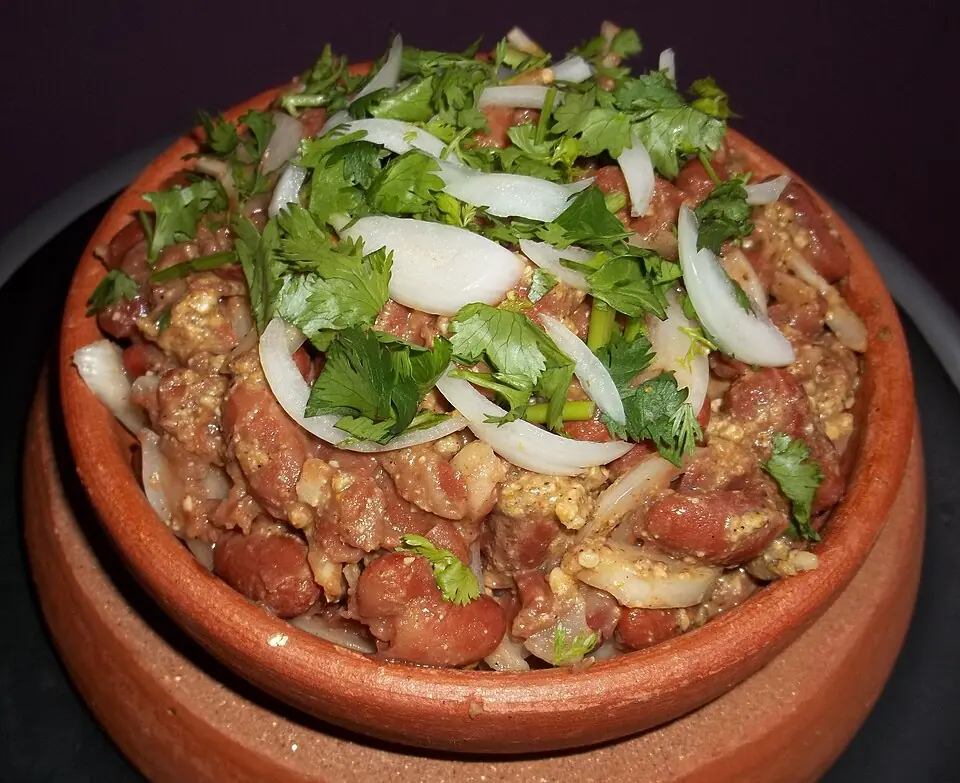
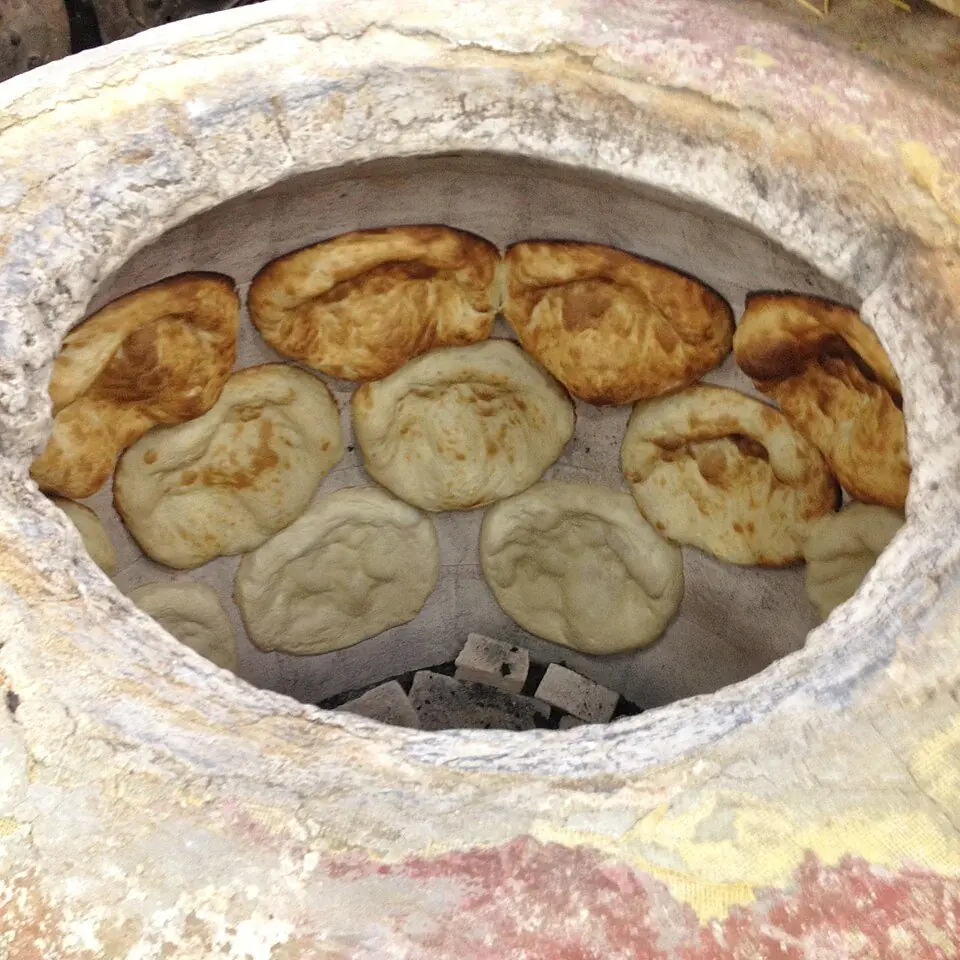
In Imereti, Guria and Samegrelo mchadi does the work that wheat loaves do in the east. It comes to the table with a clay pot of lobio, a plate of fresh cheese and some pickles, and it is torn by hand to scoop up sauces. Some village cooks still bake it between hot clay dishes called ketsi; most families now use a cast-iron pan, which is the method below. For the story of maize in Georgia and the country's other breads, read our guide to Georgian bread.
The method is simple, but maize flour varies from bag to bag, so the dough is judged by feel rather than by the scale. Add the water slowly, knead longer than you think, and keep the heat low.
Timeline: what to do, and when
1 h 15 min from start to table · 30 min hands-on · 20 min waiting
Each bar is one step. Hands-on Waiting, while the oven, the pot or the dough does the work. Steps that sit inside a wait are done in parallel.
Recipe
Mchadi
Ingredients
Dough
For the pan
Amounts are scaled. Times stay about the same, but a bigger pot takes a little longer to come to the boil.
You will need
- Fine sieve
- Large mixing bowl
- Heavy cast-iron frying pan, 24 to 28 cm, with a lid (or a clay ketsi)
- Small bowl of warm water for wetting your hands
- Thin metal spatula
- Clean tea towel
Method
- Sift the flour5 min hands-on· start here
Heat the water to about 40 °C / 105 °F: comfortably warm when you test a drop on your wrist, never hot. Sift the maize flour into a large bowl, discard any flakes of bran left in the sieve and stir in the salt.
- Mix and knead10 min hands-on· starts at +5 min
Pour in about 250 ml of the water and work it through with one hand until no dry flour is left. Knead in the bowl for 6 to 8 minutes, pressing and folding, adding extra water, a little at a time, only when the dough crumbles. It is ready when it gathers into a smooth ball that feels like soft modelling clay, leaves your palm clean and breaks neatly when you pull a piece off.
- Let it rest20 min waiting· starts at +15 min
Cover the bowl with a plate or a damp cloth and leave it at room temperature for 20 minutes. The maize drinks up the water in that time, so the dough firms a little and its edges crack less when you shape it. If it feels dry afterwards, knead in one more spoonful of water.
- Heat the pan8 min waiting· starts at +27 min, during step 3
About 8 minutes before the rest is over, set the heavy pan over medium-low heat and let it warm through slowly. It is hot enough when a drop of water skitters and hisses. For a slightly softer crust, rub the base with a teaspoon of oil on kitchen paper; for the village style, leave it dry.
- Shape the first four5 min hands-on· starts at +35 min
Wet your palms in the bowl of warm water. Pull off a piece of dough the size of a large egg (about 85 g), roll it into a ball, then pass it from palm to palm, pressing gently, into an oval about 10 cm long and 1.5 to 2 cm thick. Smooth any cracked edges with a wet fingertip and lay the cake in the pan. Make three more, leaving a finger's width between them.
- Cook covered8 min waiting· starts at +40 min
Cover the pan and cook over medium-low heat for 7 to 8 minutes. The trapped steam helps the thick centre cook through. Turn them when the underside is golden with darker brown patches and the cakes slide freely when nudged with the spatula; if they stick, give them another minute.
- Shape the rest4 min hands-on· starts at +41 min, during step 6
While the first cakes cook, wet your hands again and shape the remaining dough into four more ovals. Set them on a plate under a cloth so they do not dry out.
- Turn and finish uncovered7 min waiting· starts at +48 min
Flip each cake with the thin spatula and leave the lid off. Cook for 6 to 7 minutes more, until the second side is golden and the edges look dry and matt. The middle should feel firm, not soft, when pressed. Wrap the cakes loosely in a clean tea towel.
- Cook the second batch15 min waiting· starts at +55 min
Put the other four ovals into the pan and repeat: about 8 minutes under the lid, turn, then about 7 minutes uncovered. The pan is hotter now, so turn the heat down slightly if the crust colours faster than before.
- Rest and serve5 min hands-on· starts at +1 h 10 min
Tuck the second batch into the towel with the first and leave them for 5 minutes, so the crust softens a touch and the crumb settles. Bring them to the table warm and whole, for everyone to break by hand.
About 370 kcal per serving (2 cakes, 1 of 4). This is an estimate from standard values for the ingredients, not a lab figure.
Nobody slices mchadi. Break off a piece while it is warm, lay a slice of cheese on it, or use it as a spoon for beans and sauces; in the west, many people crumble pieces right into their bowl of lobio.
Tips, swaps and variations
Tips from your host
- Keep the bowl of warm water right next to the pan and dip your hands before every cake. Damp palms stop the dough clinging and seal its surface, which gives smooth edges and an even crust.
- Knead for longer than seems necessary. An old Georgian saying holds that mchadi dough should be worked until it is nearly baked by the warmth of the hands; long kneading is what makes it smooth instead of crumbly.
- Patience with the heat matters more than anything else. Mchadi is thick and has no raising agent, so a hot pan scorches the crust while the inside stays raw and gritty. If the first side colours in under 5 minutes, turn the heat down.
- Taste a crumb of the raw dough before shaping. It should be only lightly salted, because mchadi is eaten with salty cheese, pickles and spicy sauces.
- Try sparkling mineral water, such as Borjomi, in place of tap water. Georgian cooks say mchadi kneaded this way stays tender even when it has gone cold.
- A cake that will not come away from the pan is telling you it is not ready. Once a proper crust has formed it lets go on its own, so wait instead of scraping.
Variations and swaps
- Flour outside Georgia: the closest match is fine white maize meal from African grocers (sold for pap or ugali), mısır unu from Turkish shops, or fine whole-grain corn flour, often labelled "corn flour" in the US. Fine yellow cornmeal also works and gives golden, slightly sweeter cakes. Medium stone-ground cornmeal and coarse polenta hold together less well: use water that is hot rather than warm, rest the dough 45 to 60 minutes and keep the cakes small. Cornstarch (UK cornflour), instant polenta and sweetened cornbread mixes do not work.
- Masa harina and arepa flour are not substitutes in the strict sense. Masa harina is maize treated with lime, so the cakes taste like thick tortillas, and arepa flour (masarepa) is precooked and makes soft arepas. Both bind easily and will do in a pinch, but they absorb far more water, so follow the ratio on the packet.
- Village style, one big round: press all the dough into a small dry cast-iron pan, about 20 cm across, so the round is a little over 2 cm thick. Cover and cook over the lowest heat for 20 to 25 minutes, slide it onto a plate, flip it back into the pan and cook the second side uncovered for 15 to 20 minutes. Break it into wedges at the table.
- In a clay ketsi: put the ketsi in a cold oven and heat them together to 180 °C / 355 °F, line it with washed walnut, chestnut or vine leaves, press in the dough about 2 cm thick, cover with more leaves and bake for 40 to 45 minutes. The leaves scent the crust and stop it sticking.
- Softer café style: swap 4 tbsp of the water for warm milk and add 1/4 tsp bicarbonate of soda and a pinch of sugar, then cook in a thin layer of sunflower oil. The cakes are lighter but no longer vegan or suitable for Lent.
- For a feast: shape walnut-sized balls, flatten them slightly and fry them in a shallow layer of hot sunflower oil, turning, until crisp and golden all over.
- Bean-filled mchadi: pat half the dough into the pan about 1 cm thick, spread over 200 g mashed red beans seasoned with fried onion, chopped coriander and salt, cover with the remaining dough, seal the edges and cook as for the big round. Herbs are another option: knead a handful of chopped coriander into the plain dough. Cooks in Samegrelo and Svaneti go further and work sulguni cheese into the corn dough to make chvishtari, a richer cousin.
Serve it with
- Lobio, the red bean stew served in clay pots
- Imeretian cheese or sulguni, sliced and eaten with the hot cakes
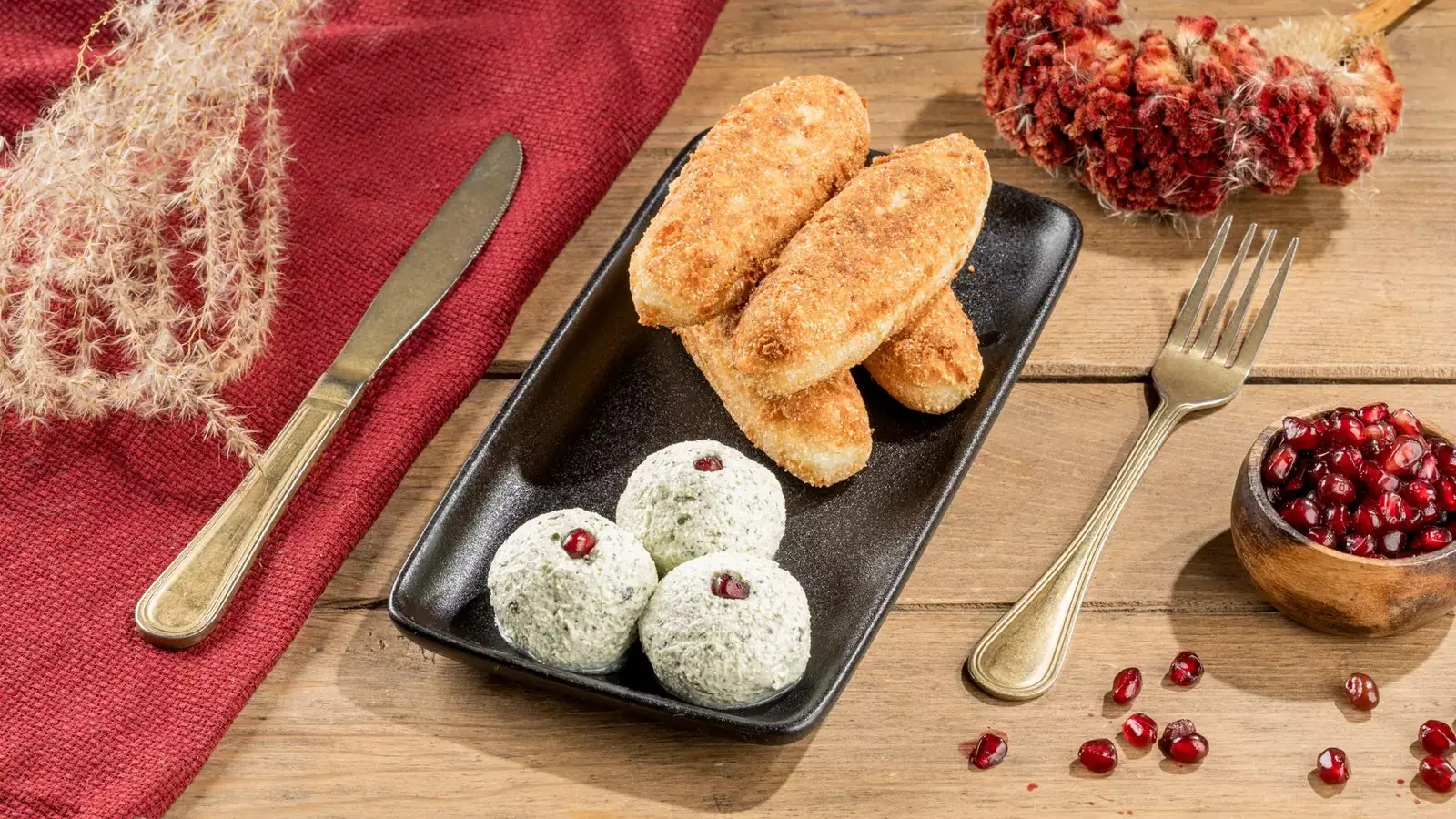
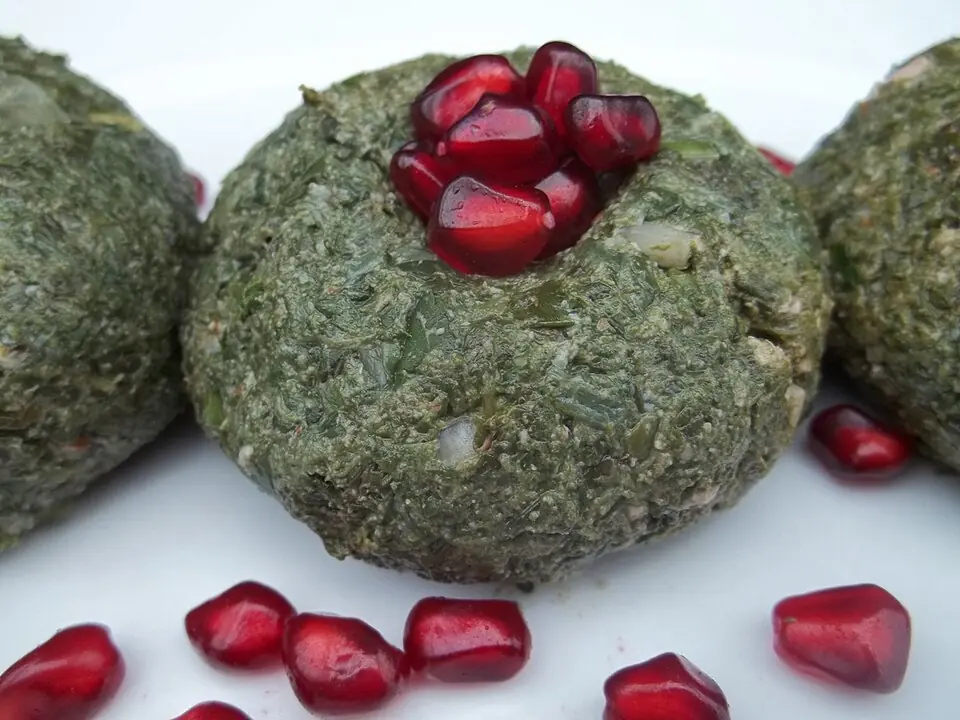
- Pkhali and badrijani nigvzit, the walnut starters
- Satsivi and other dishes in walnut sauce
- Kharcho, chakhokhbili or chashushuli, to mop up the sauce
- Mzhave pickles, a bunch of fresh herbs and a little ajika
Make ahead and storage
Mchadi tastes best within an hour of leaving the pan. Wrapped in a cloth, leftovers last until the next day at room temperature, or 3 days in a bag in the fridge. To revive them, warm them in a dry, covered pan over low heat for a few minutes on each side, or splash them with water and give them about 10 minutes in the oven at 180 °C / 355 °F. Cooked cakes freeze for up to a month; reheat them straight from frozen in the oven.




Maspindzeli Travel, Tbilisi · private tours and cooking classes in Georgia · maspindzeli.ge · WhatsApp +995 598 74 74 54 · hello@maspindzeli.ge