- Guria is a small region of western Georgia (2,033 km², about 104,000 people) between Adjara and Samegrelo; its capital, Ozurgeti, is ~60 km by road from Batumi and 4.5 to 5 hours from Tbilisi.
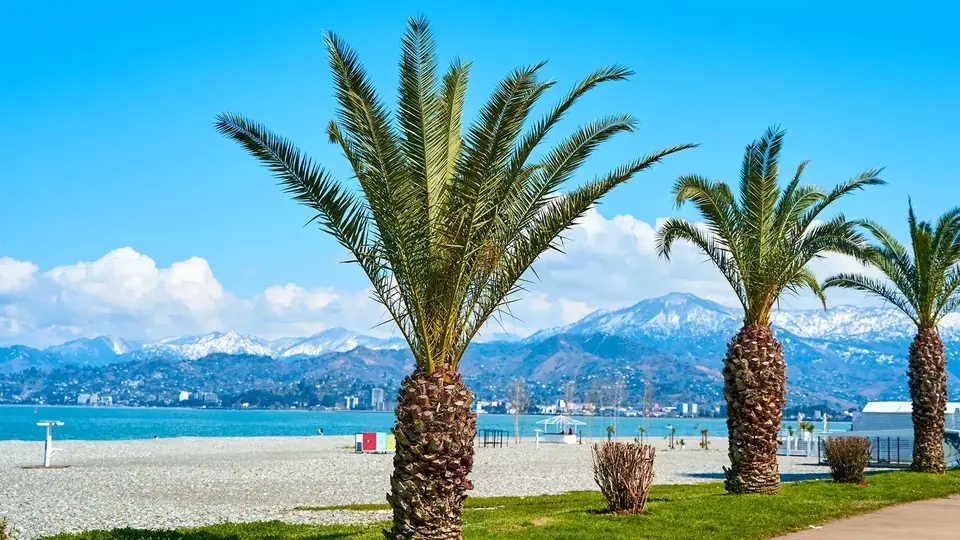
- Georgia's main stretch of sand is here: the dark beaches of Ureki, Shekvetili and Grigoleti are full of magnetite, and many Georgians believe lying in it heals, though that is a local tradition rather than proven medicine.
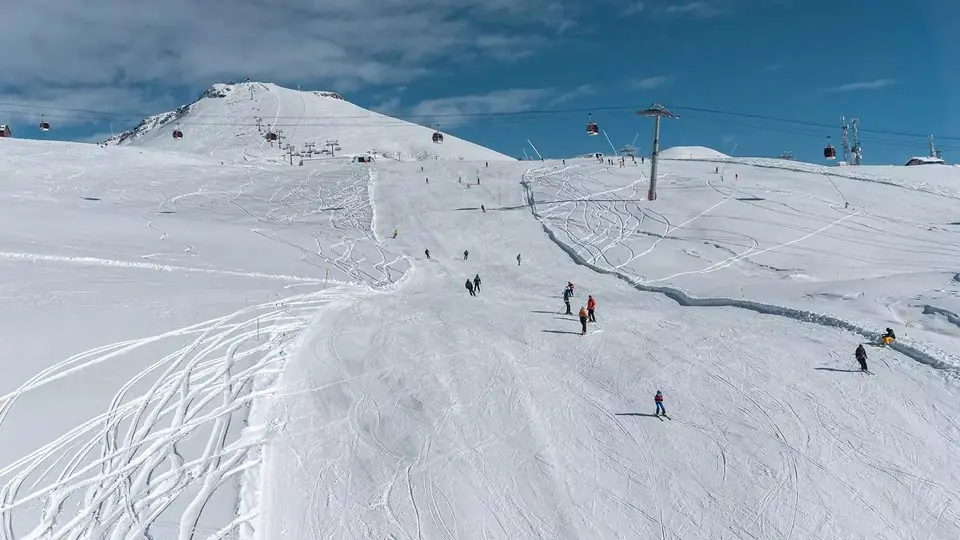
- Bakhmaro (~1,950-2,050 m) and Gomismta (~2,000 m) are summer resorts above the clouds; their paved roads usually open between May and June and close with the first heavy snow, between late October and early December.
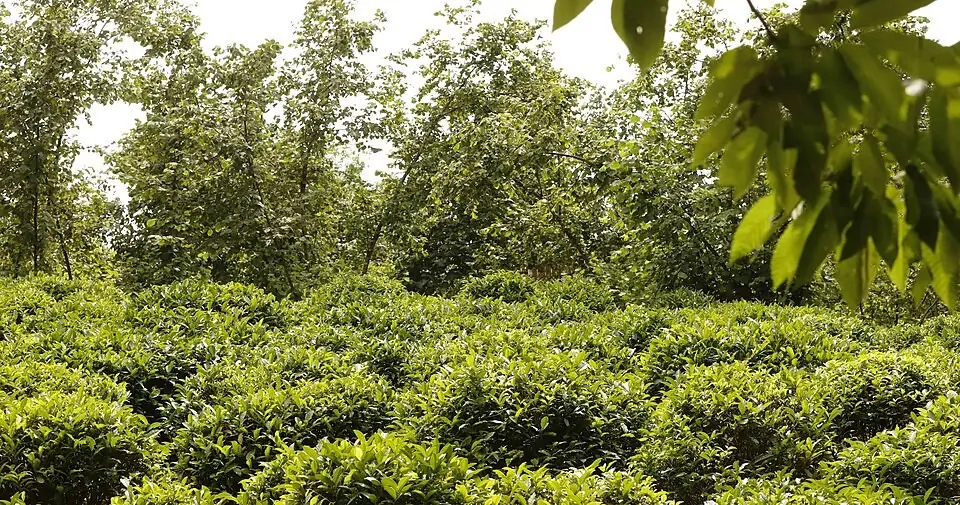
- Guria is the cradle of Georgian tea: the first tea-like drink in the country was made on an estate near Chokhatauri in 1840, and family farms around Ozurgeti now offer plucking and tastings by appointment.
- One day from Batumi covers Shemokmedi, a tea farm and the beach; three to five days between mid-June and mid-September add a night at Gomismta or Bakhmaro and a slow day on the sand.
This Guria travel guide covers a compact region of western Georgia where black-sand beaches, tea plantations and two old resorts above the clouds lie within an hour or two of each other. Guria sits between Batumi and Kutaisi, so you can sample it on a day out from the coast. Three to five days, though, let you visit a princes' monastery in the morning, swim at Ureki after lunch and fall asleep in a wooden cottage ~2,000 m up. Ozurgeti, the small capital, is the practical base.
Across Georgia, Gurians are famous for quick tongues, dry jokes and the most acrobatic singing in the country. This guide goes deeper than our place pages. It compares the three beaches, explains when the mountain roads actually open, traces Gurian tea from a nobleman's estate to today's family farms, and names the dishes and festivals worth timing a trip around. It finishes with sample plans of one to five days, where to sleep and a short FAQ.
Where is Guria, Georgia, and is it worth visiting?
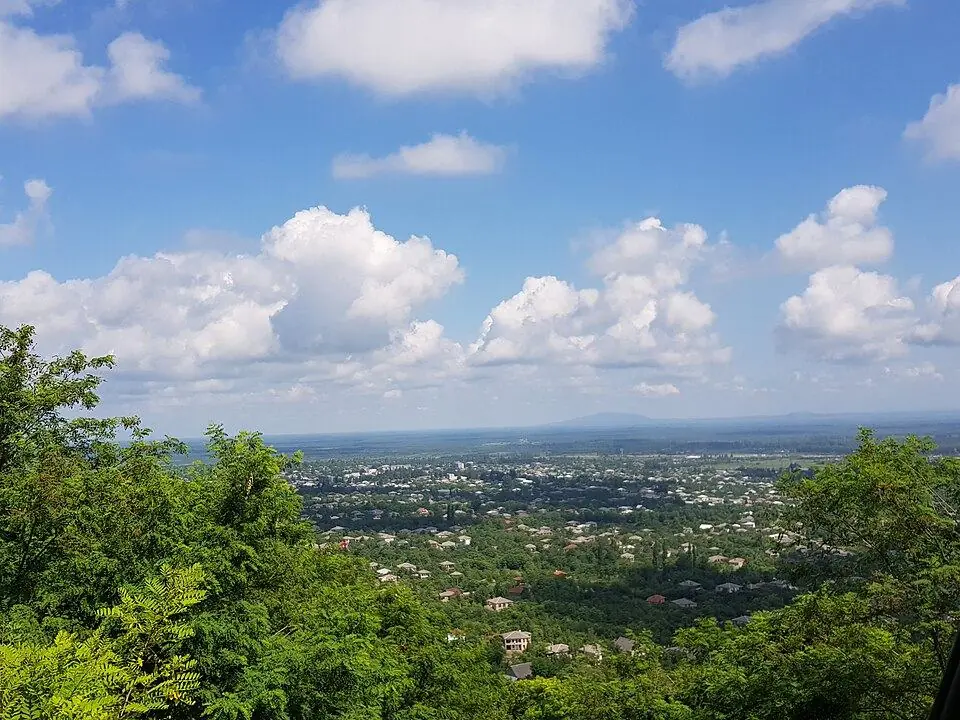
Guria is one of the smallest regions of Georgia: 2,033 km² and roughly 104,000 people in 2023, split between three municipalities, Ozurgeti, Lanchkhuti and Chokhatauri. It stretches from a short strip of Black Sea coast up to the crest of the Meskheti range, part of the Lesser Caucasus. Its neighbours are Adjara on the southern side, Samegrelo and Imereti across the plain, and Samtskhe-Javakheti beyond the ridge. In little more than an hour's drive the ground rises from dunes and pine belts at sea level through hazelnut orchards, tea terraces and beech forest to alpine grass at ~2,000 m.
From the 1460s until Russia annexed it in 1829, this was the Principality of Guria, ruled by the Gurieli princes, and the region never lost its independent streak: between 1902 and 1906 its peasants ran their own self-government, remembered as the Gurian Republic. Come if you want the Black Sea without Batumi's towers, if tea interests you, or if you need cool mountain air in August while the lowlands steam. Skip it if you only travel for grand monuments. The churches here are modest, and most of the reward lies in villages, markets, family tables and views.
| Guria at a glance | Detail |
|---|---|
| Size and people | 2,033 km², about 104,000 residents (2023) |
| Capital | Ozurgeti, ~60 km by road from Batumi |
| Municipalities | Ozurgeti, Lanchkhuti, Chokhatauri |
| Coast | Ureki, Shekvetili and Grigoleti, all dark sand |
| Mountains | Meskheti range; Mepistskaro, ~2,850 m, on the eastern edge |
| Summer resorts | Bakhmaro ~1,950-2,050 m, Gomismta ~2,000 m |
| Known for | Tea, hazelnuts, mandarins, Chkhaveri wine, polyphonic song, lelo burti |
| Best months | Mid-June to mid-September for sea and mountains; May and October for the foothills |
Things to do in Guria: the best experiences at a glance
Guria's sights fall into three bands: the coast, the green foothills around Ozurgeti, and the high resorts on the Meskheti ridge. This table gathers the best of each, with the months that suit them and the time to set aside.
| Experience | Where | Best months | Allow |
|---|---|---|---|
| Swim off soft, dark magnetic sand | Ureki, Shekvetili, Grigoleti | Late June to mid-September | A day to a week |
| Walk among replanted giant trees and a flamingo pond | Shekvetili Dendrological Park | May to October | 2-3 hours |
| Hear an international act at the Black Sea Arena | Shekvetili | Late July and August | An evening |
| See the burial church of the Gurieli princes | Shemokmedi, ~7 km from Ozurgeti | All year | 1 hour |
| Look for 13th-century frescoes of St George | Achi, ~9 km south of Ozurgeti | April to October | 1-2 hours |
| Pluck and taste tea with a farming family | Villages around Ozurgeti | May to September | Half a day |
| Watch the sun set over a sea of cloud | Gomismta | June to September | Half a day or a night |
| Ride or hike the ridges from a wooden cottage | Bakhmaro | July and August | 2-4 days |
| Cheer at the mountain horse race | Bakhmaro | 19 August | A day |
| Watch lelo burti, a whole-village ball game | Shukhuti, Lanchkhuti municipality | Orthodox Easter Sunday | An afternoon |
| Take a boat into the Colchic wetlands | Kolkheti National Park, north of Grigoleti | April to June, September to October | 2-4 hours |
| Shop for hazelnuts, tea and crimson pickled cabbage | Ozurgeti and Chokhatauri markets | All year | 1 hour |
Best time to visit Guria
The coast and foothills have a humid subtropical climate, and Guria is among the wettest corners of Georgia: showers can come in any month, with the heaviest rain in autumn and winter. Summer afternoons by the sea usually sit in the high 20s °C with sticky air, while Bakhmaro and Gomismta, almost 2 km higher, stay fresh by day and can turn cold at night. Winter is mild and grey on the coast and buried in snow on the ridge.
| Months | Coast (Ureki, Shekvetili) | Mountains (Bakhmaro, Gomismta) | Foothills (Ozurgeti, tea villages) |
|---|---|---|---|
| November to March | Quiet and damp; most hotels shut | Snowbound; Bakhmaro only by snowmobile or snowcat | Green and wet; Christmas pies, chichilaki and New Year feasts |
| April and May | Empty beaches, sea still cold | Roads shut until the spring reopening, usually in May | Blossom, Easter and lelo burti; the first tea flush |
| June | Sea warming, few crowds, good rates | Roads open; flowering azalea at Gomismta | Tea plucking in full swing |
| July and August | Peak season: hot, busy, concert nights | The best weeks; Bakhmaro race on 19 August | Humid; better for short visits |
| September and October | Warm water in September, calm in October | Clear evenings until the first snow | Hazelnut harvest, then mandarins and late grapes |
The mountain roads set the calendar. In winter the Roads Department closes the top 20 km of the Bakhmaro road, above Chkhakaura, to all traffic. In recent years it has reopened in May (on 12 May in 2026) and shut again on a date between 21 October and 4 December. Gomismta's road keeps a similar rhythm and is busiest from late June to the end of September, and landslides can still close a lane, as one did near its km 16 in September 2026.
How to get to Guria from Tbilisi, Kutaisi and Batumi
Guria lies just off the main east-west highway, with three airports in reach: Batumi (~60 km from Ozurgeti), Kutaisi (~70-80 km) and Tbilisi (~310 km). Most travellers come in from Batumi or from Kutaisi airport, which handles budget flights from Europe; our Kutaisi airport guide explains the onward connections from the terminal.
| From | To | Distance | By car | Public transport |
|---|---|---|---|---|
| Tbilisi | Ozurgeti | ~300-320 km | 4.5-5 h via Kutaisi and Samtredia | Marshrutkas from Didube bus station; a slow train of about 7 h |
| Tbilisi | Ureki | ~300 km | 4.5-5 h | Some Tbilisi-Batumi trains stop at Ureki; buses drop off on the highway |
| Kutaisi | Ozurgeti | ~90 km | 1.5-2 h | Minibuses via Chokhatauri at 11:00, 15:00, 16:15 and 17:30 in 2026, about 12 GEL (around $4.50) |
| Kutaisi airport | Ureki | ~80 km | About 1.5 h | Transfer or taxi |
| Batumi | Ozurgeti | ~55-60 km | About 1 h 15 min | Marshrutkas roughly every hour by day |
| Batumi | Shekvetili / Ureki | ~45 / ~60 km | 45 min / 1 h | Coast-road marshrutkas |
| Ozurgeti | Gomismta | ~30-35 km | 45 min to 1 h | None; taxi or car |
| Ozurgeti | Bakhmaro | ~75 km via Chokhatauri | About 2 h | One summer minibus a day |
By rail, the fast Tbilisi-Batumi trains cover the whole line in about four hours, and some of them call at Ureki, whose station is ~1.5 km from the sand. Ozurgeti has its own branch line, but the regional train there is slow, about seven hours from Tbilisi, and it has not always run daily, so check the Georgian Railway timetable before you plan around it.
Getting around Guria
Inside the region, buses thin out quickly. Marshrutkas connect Ozurgeti with Ureki, Shekvetili, Lanchkhuti and Chokhatauri, but Shemokmedi, Achi, the tea villages and Gomismta need a taxi, a hire car or a driver. Ozurgeti taxis are inexpensive and will wait outside a church while you look round; settle the fare first. Roads are paved and mostly quiet, including both mountain routes, though the climbs are long and full of hairpins. With a private driver, nobody has to skip the Chkhaveri at lunch.
Ozurgeti, Shemokmedi and the monasteries of the foothills
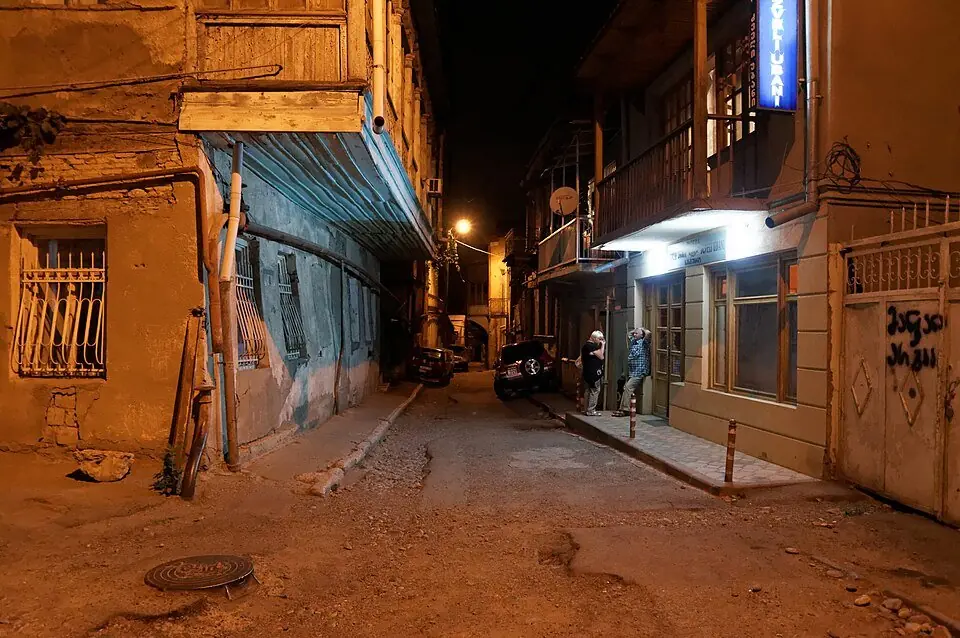
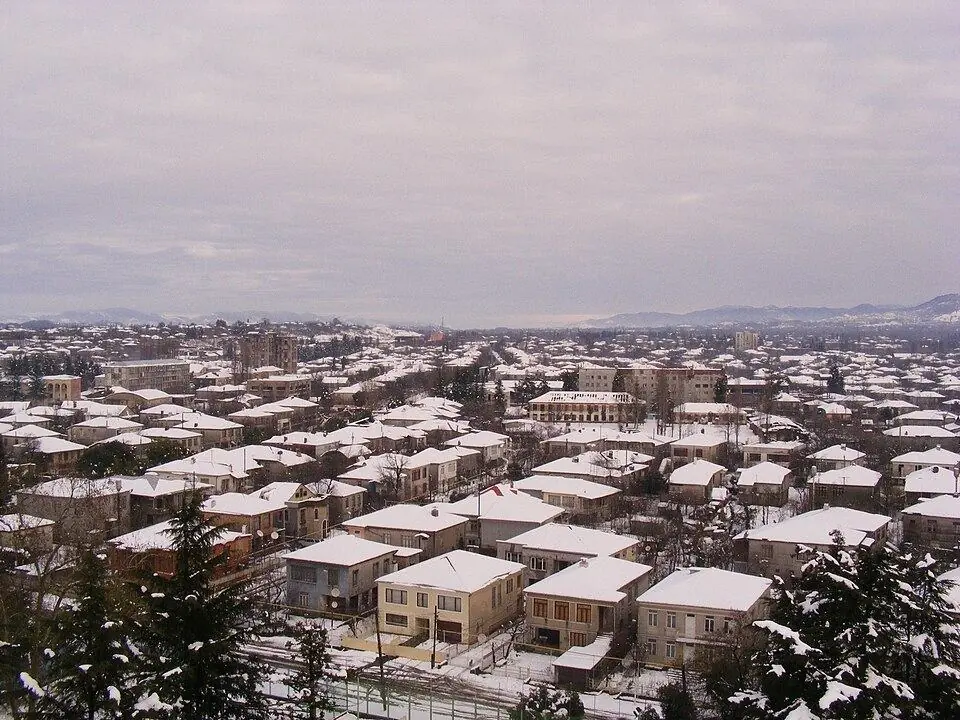
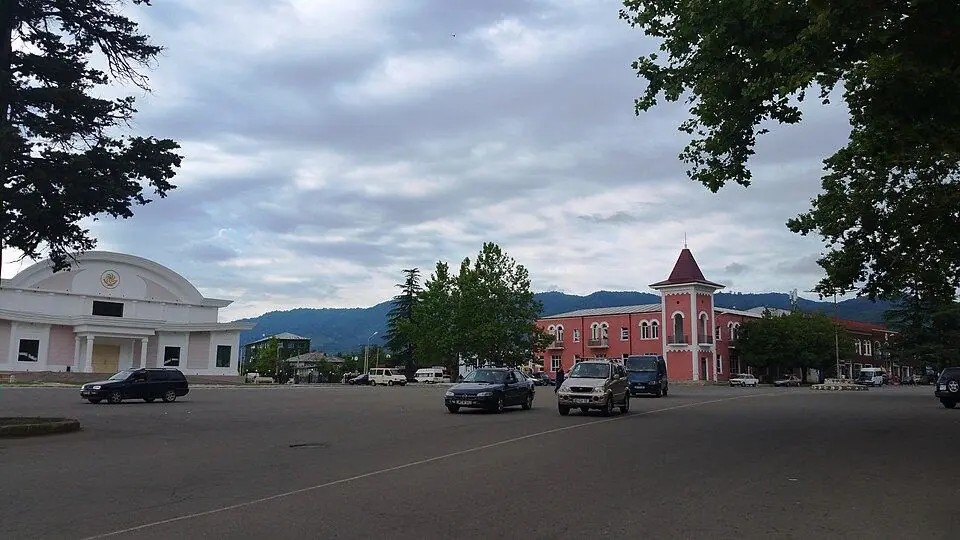
Ozurgeti is a leafy town of about 14,000 on the Bzhuzhi river, once the seat of the Gurieli princes and later the clearing house of the tea trade; in Soviet times it even carried another name, Makharadze, until 1989. Plan a few hours here rather than days. Old plane trees shade the central park, a 19th-century Gurieli palace beside it now belongs to the church, and the drama theatre, founded in 1868, fills a huge arcaded building of 1962. The bazaar is the place to buy sacks of hazelnuts, loose local tea, wide straw hats and jars of pickles, and colourful murals added to blank walls since the early 2020s brighten the quiet side streets.
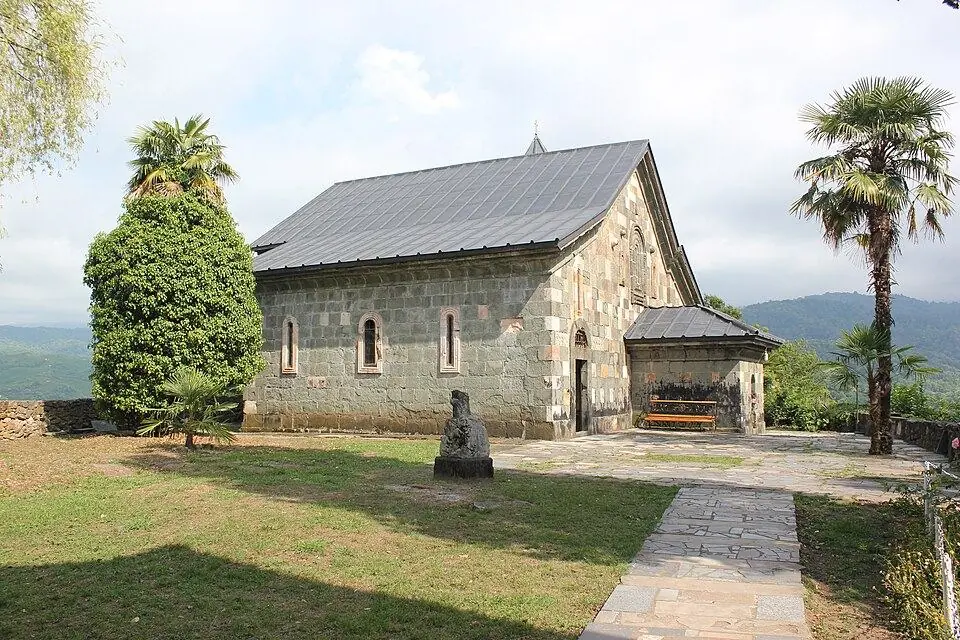
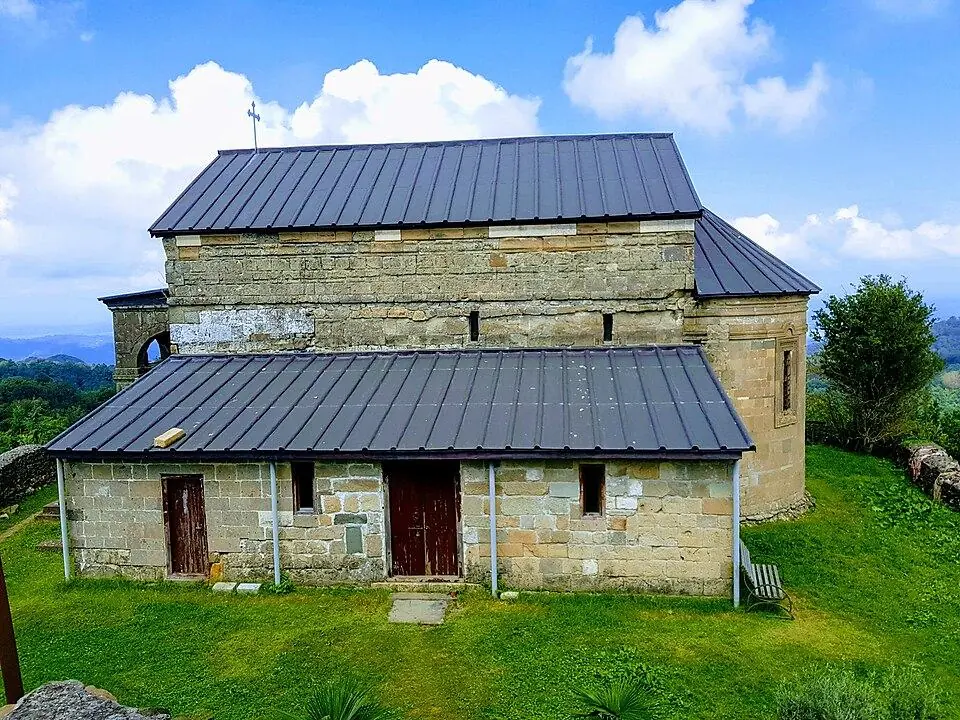
Shemokmedi Monastery, ~7 km south-east of town, is the one church site in Guria nobody should miss. Two churches share a hilltop above the Bzhuzhi valley. Inside the larger, the Redeemer, wall paintings show Prince Mamia II Gurieli beside his wife Tinatin; the small domed church next to it was raised in the late 1570s to house a 9th-century icon of the Transfiguration brought from Zarzma in Samtskhe, then sliding under Ottoman control, and it still carries that monastery's name. Guria's rulers were buried here, and the treasury of icons and manuscripts was so rich that most of it went to the national museum in Tbilisi in 1924. Climb up through the old hillside cemetery for the view.
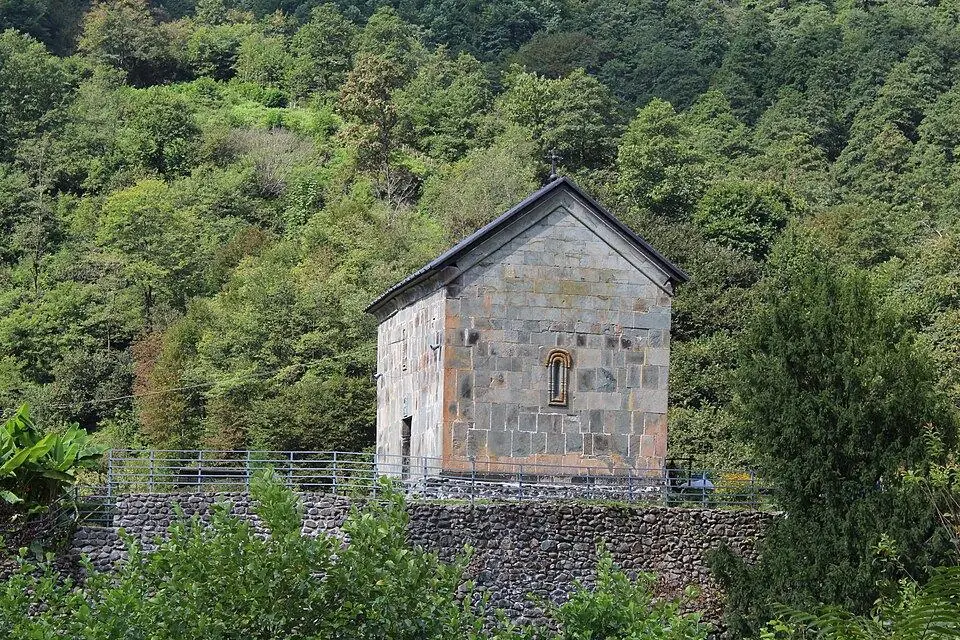
Two shorter stops fill out a morning. Jumati, ~14 km north of Ozurgeti, crowns a hill looking across the Colchis plain towards the sea; thieves took its gold icon of St George in 1921, and two fragments ended up in the Hermitage. At Achi, ~9 km south of town, a walled church of the late 13th century is painted inside with rare scenes from the life of St George; ask in the village for the keyholder and bring a torch. Dress for church as Gurian grandmothers expect: no bare shoulders or shorts, and a headscarf for women. Neighbouring Likhauri has a fortress and a museum to Ekvtime Takaishvili, the archaeologist who guarded Georgia's national treasures through more than twenty years of exile in France.
Further out, the Eristavi estate at Gora-Berezhouli near Chokhatauri pairs a small square fortress, its walls ~25 m long, with a family palace awaiting restoration and an arboretum where a three-century-old oak still stands. In the north, near Lanchkhuti, the Jikheti convent church was completed in 1895, and the farming villages around Nigoiti are where the 1902 peasant revolt that became the Gurian Republic began.
Gurian tea: plantations, Anaseuli and tea tasting
Tea is the thread running through the Gurian landscape. According to Georgia's official tourism site, the country's first tea-like drink was made in 1840 on Mikheil Eristavi's estate at Gora-Berezhouli, and he took it to an agricultural exhibition in St Petersburg in 1864, where it won praise. Some accounts go back further still, to a few ornamental bushes in the Gurieli princes' garden in Ozurgeti early in the 19th century. Large-scale growing began in the 1890s, first around Chakvi in neighbouring Adjara, where the Chinese tea master Lao Jin Jao set up plantations, and then spread across Guria's hills.
Under Soviet rule Georgia supplied most of the tea drunk in the USSR, and Guria was at the heart of it. At Anaseuli, on the edge of Ozurgeti, a research institute bred hardy, high-yielding hybrids; the scientist Ksenia Bakhtadze, who developed many of them, worked there. Numbered plantations, factories and workers' estates covered the surrounding slopes. When the Soviet market disappeared after 1991, the industry fell apart almost overnight. Many fields went wild or were grubbed up for hazelnuts, and the institute now stands empty among the overgrown rows: wander the old plantations freely, but keep out of the derelict building.
Since the 2010s a small revival has made Guria the best place in Georgia to drink tea where it grows. Family producers in villages a short drive from Ozurgeti, among them Bakhvi, Tsitelmta and Melekeduri, have rescued old bushes and make green, black and white teas largely by hand. Several of them take visitors by appointment: you walk the rows, try plucking a bud and two leaves, watch the leaf being rolled and dried, then taste on a veranda, often followed by a long Gurian lunch.
- Book a day or two ahead by phone or through your guide; these are family homes, not visitor centres.
- Visit between May and September, when the bushes are in leaf; May brings the first and most prized pick.
- Pair a farm with Shemokmedi in the morning, or with the Ozurgeti market.
- Buy loose tea straight from the grower: it is light, keeps well and is the best souvenir Guria offers.
Ureki, Shekvetili and Grigoleti: black-sand beaches in Guria
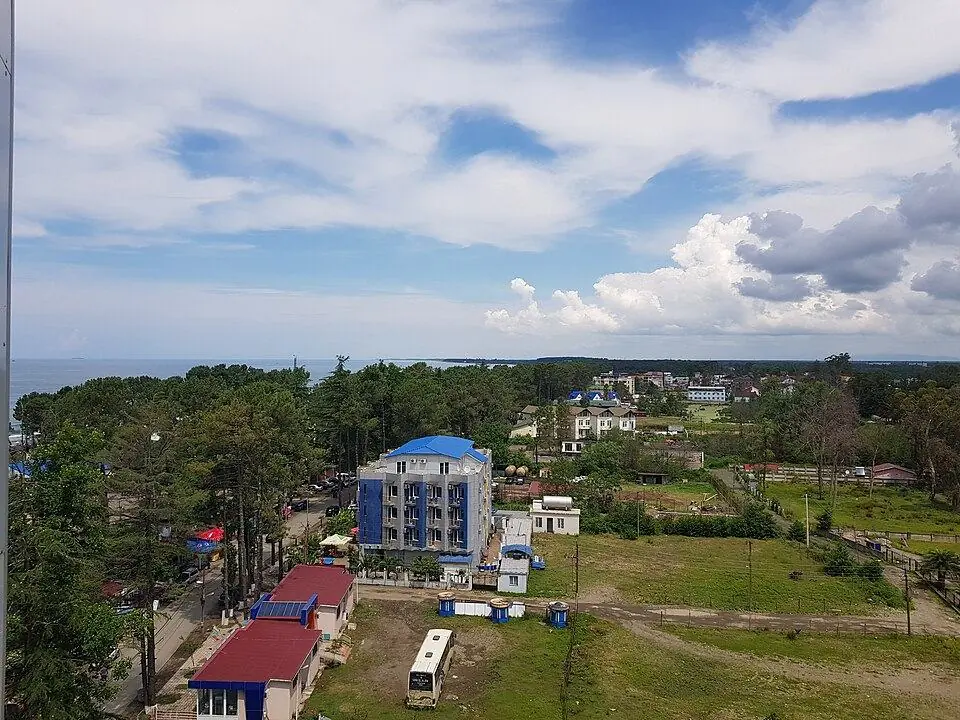
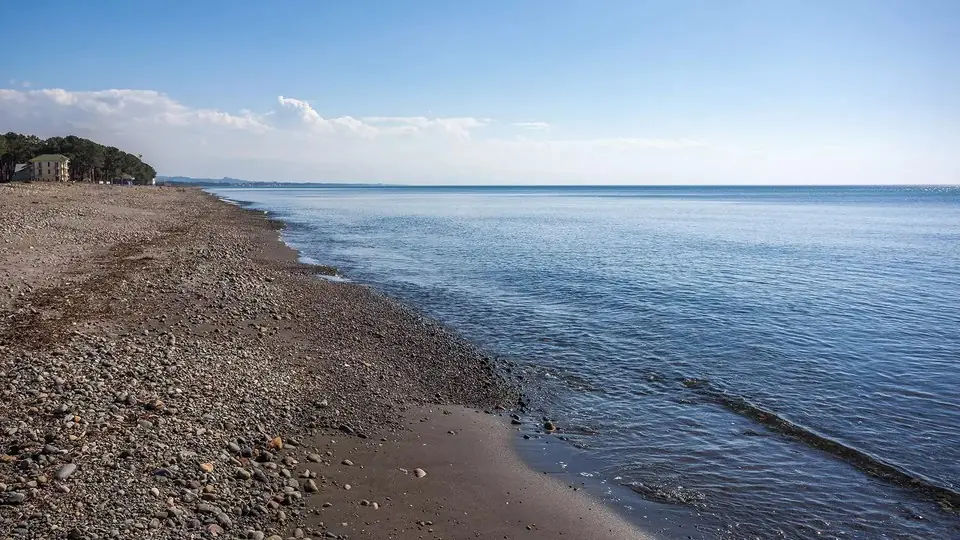
Most of Georgia's coast south of Poti is shingle, so Guria's ~20 km of sand is a real draw, especially for families with small children. The sand is dark grey to black because it holds a lot of magnetite, an iron oxide carried down from the mountains by rivers; run a magnet over it and grains leap up to meet it. In Ureki the seafront district is even called Magnetiti. Georgians have long believed that lying buried in warm sand helps the heart, the joints and children's health, and Soviet sanatoria were built on that idea. Treat it as a cherished local belief: there is little scientific evidence, and you need no medical excuse to enjoy a soft beach that shelves gently into the water.
| Beach | What it is like | Best for | From Batumi |
|---|---|---|---|
| Ureki | A busy resort town with the widest beach, hotels, cafés, rides and summer nightlife | Families who want everything close by | ~60 km, about 1 h |
| Shekvetili | ~5 km of pine forest behind the sand, holiday cottages, parks and the concert arena | Families renting a house; concert-goers | ~45 km, about 45 min |
| Grigoleti | A small village with long, empty sand and cottages behind the dunes, next to the wetlands | Quiet weeks, birdwatchers, campervans | ~65 km, about 1 h 10 min |
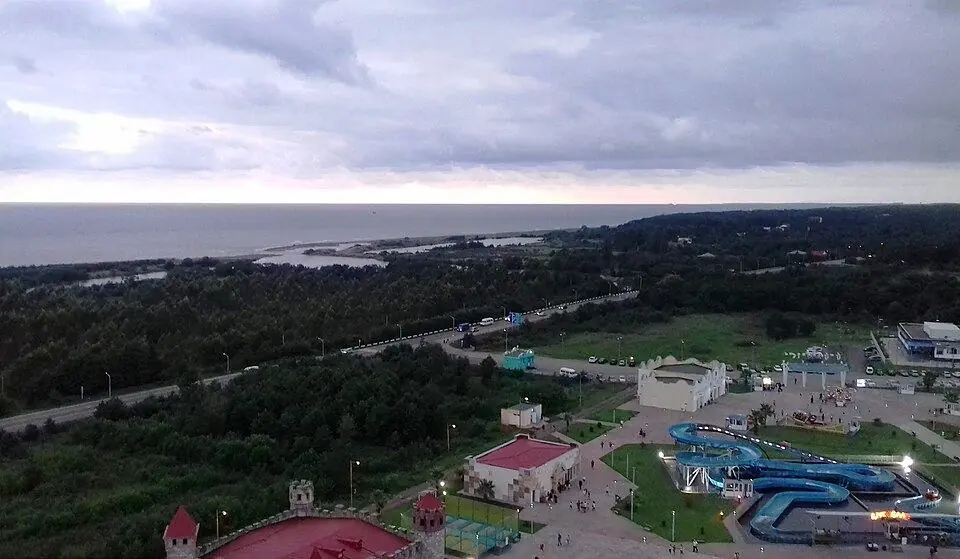
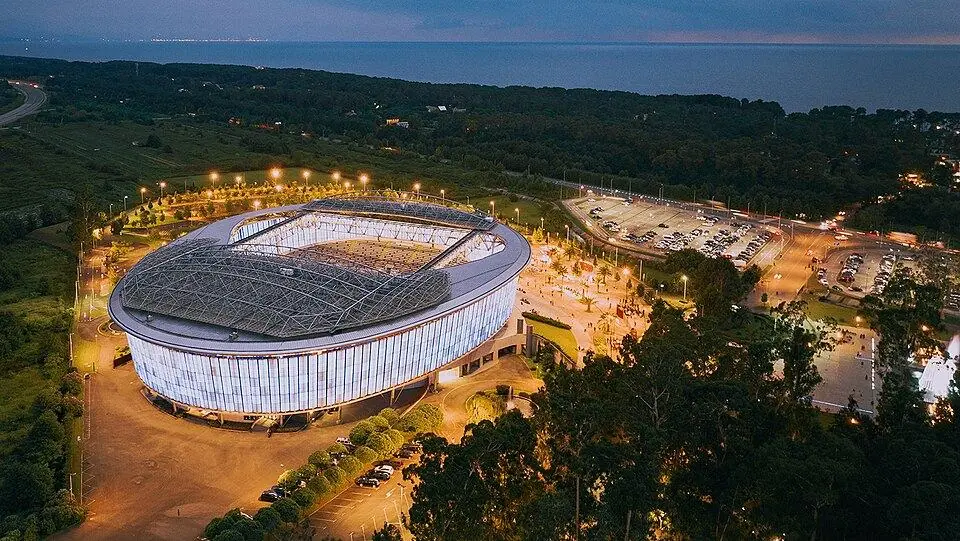
Shekvetili has grown into Guria's activity hub. Its Dendrological Park opened in July 2020 on about 60 ha beside the sea: mature trees were dug up all over Georgia and replanted here, some shipped along the coast on barges, around ponds with flamingos and a bamboo grove. The project was funded by the billionaire and former prime minister Bidzina Ivanishvili and drew criticism for uprooting old trees from villages, which is worth knowing as you stroll. Nearby you will find Georgia in Miniature, with scale models of more than 50 Georgian landmarks, the Tsitsinatela amusement park, a park of musical sculptures, and the Black Sea Arena, a 9,000-seat concert venue that has hosted Elton John, Aerosmith and The Killers since opening in 2016.
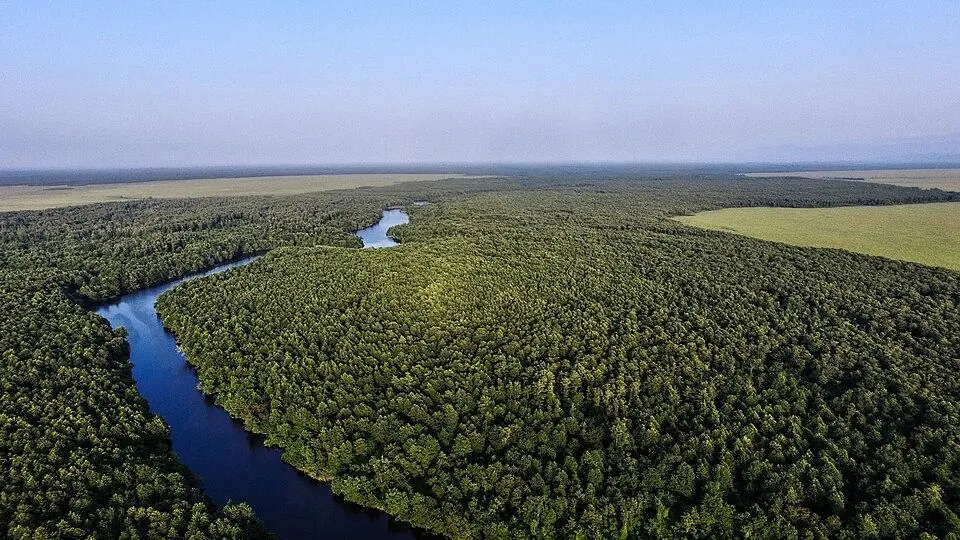
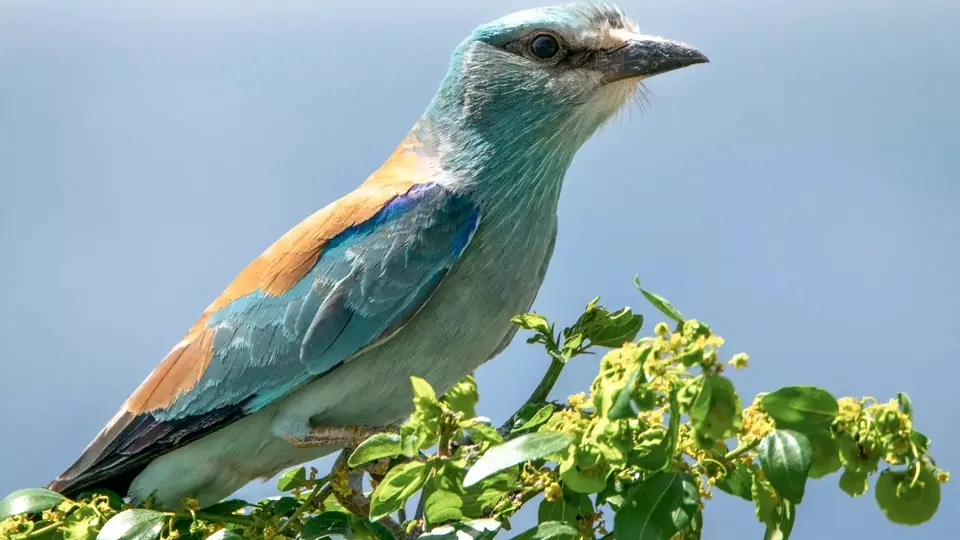
North of Grigoleti the shore dissolves into the Colchic wetlands. Kolkheti National Park, which reaches into Lanchkhuti municipality and joined UNESCO's list in 2021 as one piece of the Colchic Rainforests and Wetlands property, runs boat trips across Paliastomi Lake and up the Pichori River from its visitor centre in Poti, about 20 minutes by car from Grigoleti. Spring and autumn migrations bring the most birds; midsummer brings the most mosquitoes.
Bakhmaro and Gomismta: Guria's resorts above the clouds
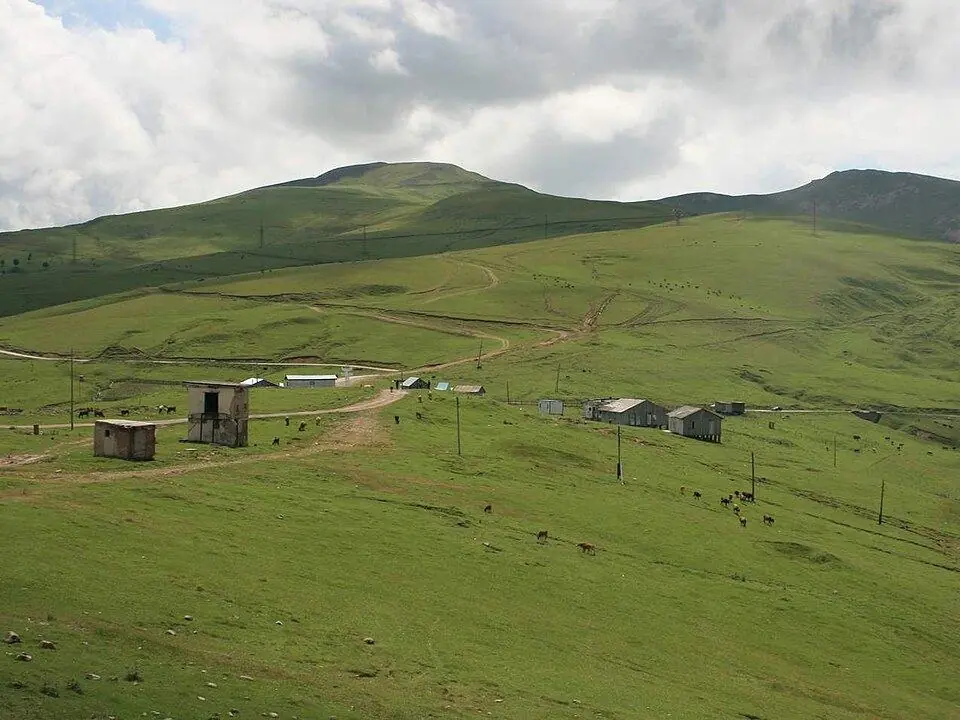
Guria's most memorable views come from its two old summer resorts on the northern slopes of the Meskheti range. Both sit at ~2,000 m, both are villages of wooden cottages rented by the week and deserted in winter, and both are known for the same spectacle: on many evenings the valleys below fill with cloud, and the sun goes down over a white sea that seems to run on into the real one. Georgians have climbed up for the air for well over a century, and locals still say a stay of 21 days in Bakhmaro restores the lungs.
Bakhmaro
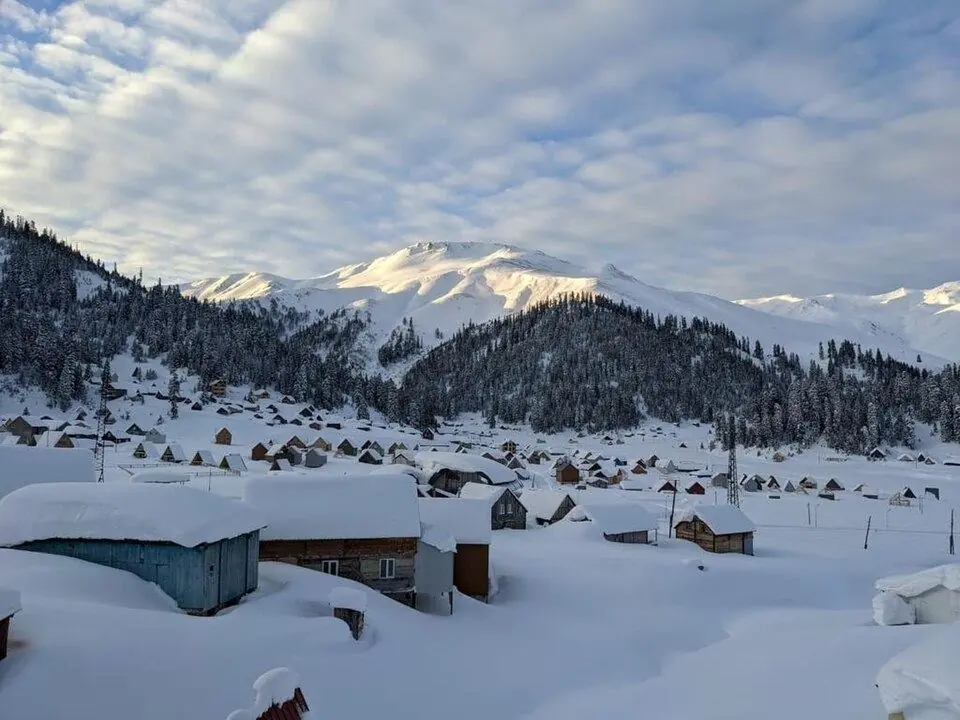
Bakhmaro fills a bowl of spruce and fir at ~1,950-2,050 m in Chokhatauri municipality, ringed by summits of ~2,300-2,700 m. The official road from Chokhatauri is 53 km of asphalt; allow about 1.5 hours from there, or 2 hours from Ozurgeti, and break the climb at the Nabeglavi mineral spring. Up top you find a bazaar of cheese and dairy sellers, a little wooden church, cafés that open only for the season and cottages from very basic to comfortable. Spend the days on foot or on a hired horse, visiting cold springs and ridges, then walk up Sunset Hill, about an hour's climb to ~2,150 m, for the evening show. On 19 August, the feast of the Transfiguration, thousands come up for a horse race across the meadows; book weeks ahead if you want a bed that night.
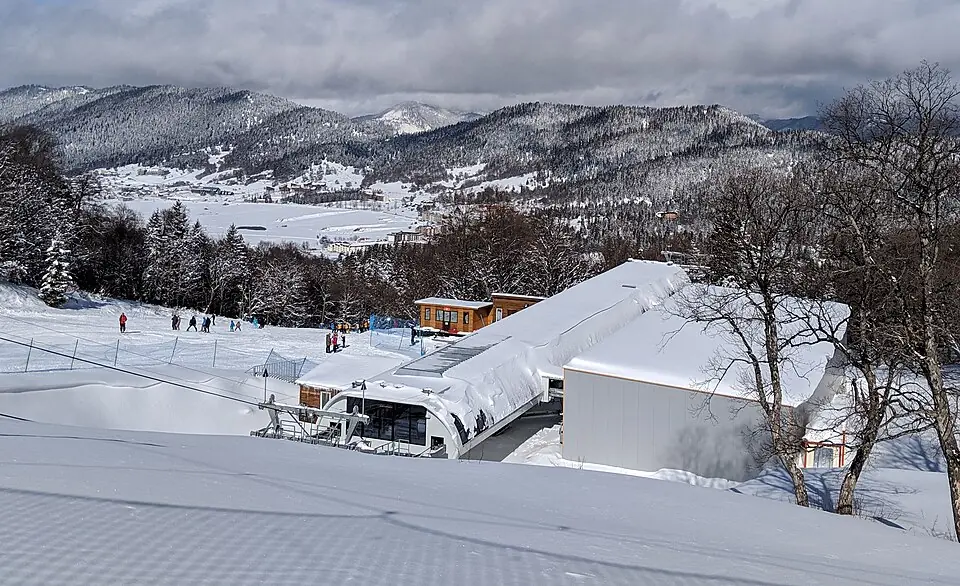
In winter the top section of the road above Chkhakaura closes to cars, and snowmobiles or snowcats carry ski tourers the rest of the way. Our winter adventures guide covers touring and cat-skiing at Bakhmaro.
Gomismta
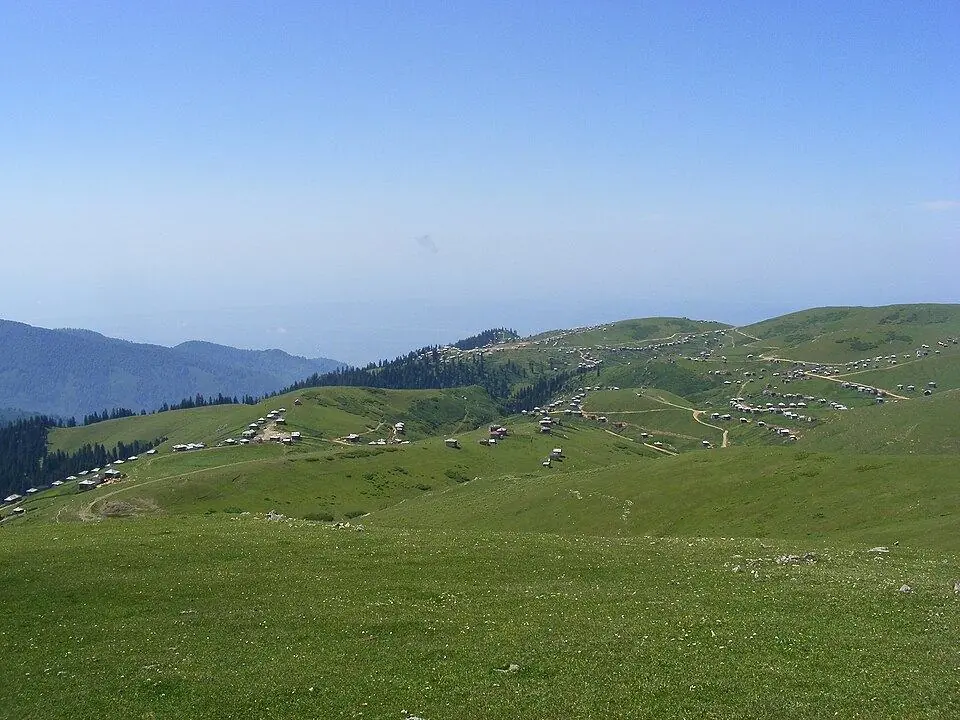
Gomismta scatters its cottages over open ridges at ~2,000 m above the Bzhuzhi gorge, south-east of Ozurgeti. It perches on an edge rather than in a hollow, which makes the cloud views even wider, and on a clear day you can pick out the coast. The ridge was once a real frontier: from 1829 to 1878 the Russian and Ottoman empires met along this watershed, with Ottoman-held Adjara on the far side. Since a 21 km road rebuild was finished in September 2024, Ozurgeti is about 45 minutes away, so a sunset drive and return works, though a night up here adds sunrise. In June the slopes turn yellow with flowering azalea, and in late spring some cottages are still half under snow.
| Bakhmaro | Gomismta | |
|---|---|---|
| Altitude | ~1,950-2,050 m, in a sheltered valley | ~2,000 m, on open ridges |
| Road | 53 km of asphalt from Chokhatauri, about 1.5 h | Rebuilt in 2024, about 45 min from Ozurgeti |
| Feel | A small summer town with a bazaar, church and cafés | Scattered cottages and meadows, few services |
| Public transport | Summer minibus from Ozurgeti and Chokhatauri, some from Tbilisi | None; taxi or car |
| Best for | Two to four days, horse riding, the 19 August race | A sunset or sunrise trip, photography, ridge walks |
| Usual season | Late May or June to early October | June to September |
Trekking between the resorts and into Adjara
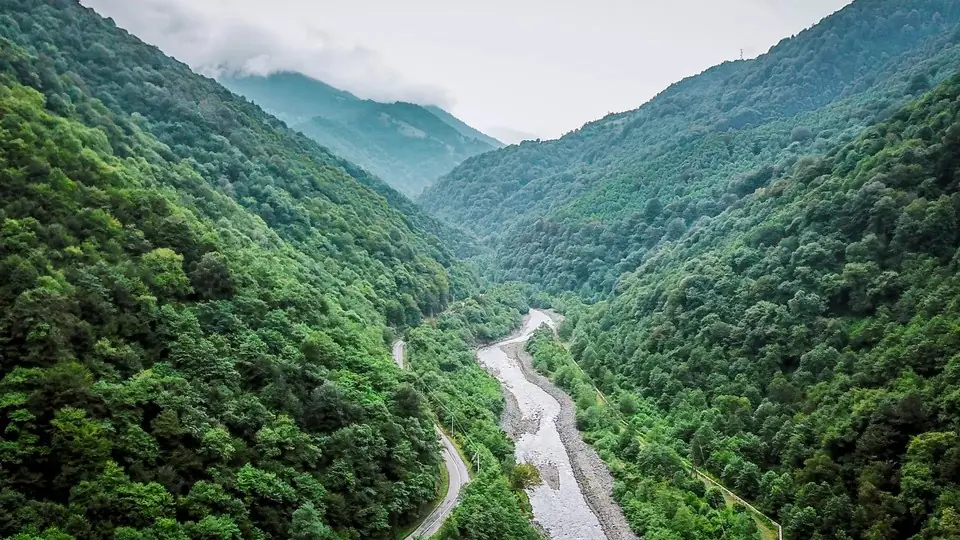
The ridges join up. Herders' paths follow the Meskheti range from Gomismta towards Bakhmaro and cross the watershed into Adjara. Adjara's official tourism site describes a two-day route from Gordzhomi, near Khulo, past waterfalls to Bakhmaro, and an 88 km trail network joining the Kintrishi protected areas to Gomismta, with side routes towards Lake Tbikeli and a free shelter at Jvarimindori at ~2,000 m. Mist can swallow these ridges within minutes, so walk with someone who knows the paths; we can arrange a guide, horses and tents for a multi-day trek from either resort.
Gurian food and wine: what to eat in Guria
Gurian cooking is western Georgian at heart: maize rather than wheat for everyday bread, walnuts and hazelnuts in almost every sauce, wild greens from the forest edge, and pickles on every table. Away from Ozurgeti and the summer resorts restaurants are scarce, so the best meals come from guesthouse and tea-farm kitchens; ask for dinner when you book. A handful of dishes are worth requesting by name.
- Gurian pie (guruli ghvezeli, often sold as Gurian khachapuri): a crescent of rich dough folded over cheese and sliced boiled egg and glazed with yolk. Families bake it for Christmas on 7 January, so at other times order a day ahead. Our khachapuri guide sets it beside the other regional types.
- Christmas egg rounds: in some households each family member gets a small round pie with a whole boiled egg at its centre, baked on the evening of 6 January and marked with crosses, the most for the head of the family.
- Brinjula: a thin, open cheese pie, nearer a flatbread than a stuffed khachapuri, once made with rice flour in years when wheat ran short.
- Mchadi: dense maize bread, in Guria traditionally baked in clay dishes called ketsi over embers, sometimes on a bed of leaves. Eat it hot with young cheese.
- Red pickled cabbage: cabbage fermented with beetroot, garlic and chilli until it turns crimson, served with nearly every meal.
- Ekala pkhali: young shoots of a thorny forest vine (Smilax) boiled and pounded with walnuts and spices. Gurians often call the plant dzigura; look for it in April and May.
- Satsivi: the Gurian festive version is usually turkey under a thick, cold sauce of walnuts and spices, made for New Year.
- Janjukha: the western cousin of churchkhela, threaded with hazelnuts and coated in grape juice thickened with maize flour rather than wheat.
Guria is not big wine country, but many families still make their own, and the local red grape Chkhaveri gives pale, fresh, pinkish wines that are among the last in Georgia to be picked, often in November or December. Vines here were traditionally trained high on poles or even up trees to keep the fruit off the damp ground. A few small cellars near Ozurgeti pour Chkhaveri with lunch; ask your host, and read our Georgian wine guide for how qvevri wine is made.
Nabeglavi, the naturally sparkling water from Chokhatauri municipality, stands in fridges across the country; taste it at the source on the way to Bakhmaro. Hazelnuts from the late-summer harvest, mandarins from October to December and loose Gurian tea are the things to take home.
Gurian singing, lelo burti and festivals in Guria
Gurians are the virtuosos of Georgian polyphony. Their songs usually weave three voices, each improvising within the form, so the parts cross and clash in a way that can sound startlingly modern, and the top line often breaks into krimanchuli, a rapid yodel in falsetto. Old work songs called naduri kept teams in rhythm while they hoed maize. UNESCO first honoured the Georgian polyphonic tradition as a whole in 2001, and it has stood on the Representative List of humanity's living heritage since 2008. The surest way to hear Gurian singing is at a supra with local guests; ask your hosts whether a choir is performing in Ozurgeti while you are there.
Lelo burti is Guria's other celebrated tradition, a mass ball game often described as the ancestor of Georgian rugby. On Orthodox Easter Sunday the village of Shukhuti, in Lanchkhuti municipality, divides into its upper and lower halves, a priest blesses a heavy leather ball, and a crowd of men shove, carry and wrestle it towards the other side's goal across fields, ditches and gardens while the main road closes and everyone else watches. The winners take the ball to the grave of one of their departed, and the day ends at the table. Easter Sunday next falls on 2 May 2027; the game has not been held every year, so confirm locally before you travel for it.
| When | What | Where |
|---|---|---|
| 31 December to 19 January | New Year and Christmas season; chichilaki, a little tree of shaved hazelnut wood, is burned at Epiphany | Homes across Guria |
| 7 January | Christmas: Gurian pies and alilo carol processions | Every village |
| Orthodox Easter Sunday (2 May 2027) | Lelo burti ball game | Shukhuti, Lanchkhuti municipality |
| Late July and August | Summer concert season | Black Sea Arena, Shekvetili |
| 19 August | Horse race on the feast of the Transfiguration | Bakhmaro |
| 4 December | Jikhetoba, the convent's feast day | Jikheti, near Lanchkhuti |
| November and December | Late Chkhaveri harvest | Family vineyards around Ozurgeti |
Where to stay in Guria and how many days you need
Pick your base by the season. In July and August the coast and the mountain resorts fill with Georgian families and many hosts prefer stays of several nights. From October to May most beach hotels close, and Ozurgeti becomes the only sensible base.
| Base | Stay here for | Season | Good to know |
|---|---|---|---|
| Ozurgeti | Monasteries, tea farms, Gomismta day trips | All year | Guesthouses, a few small hotels, the market and the bus hub |
| Tea-farm guesthouses near Ozurgeti | Tastings, home cooking, birdsong | May to October | Book direct; you need a car or taxi |
| Ureki | A beach with every service | June to September | The most beds and the most noise |
| Shekvetili or Grigoleti | Slow beach weeks in a rented cottage | June to September | Shops are few, so stock up |
| Bakhmaro | Mountain air, riding, the horse race | Late May to early October | Cottages by the night or week; facilities vary a lot |
| Gomismta | Sunrise and sunset above the clouds | June to September | Simple cottages and a handful of guesthouses |
- 1 day from Batumi
Drive about 1 hour 15 minutes to Ozurgeti, visit Shemokmedi, then lunch at a tea farm or in town. In the afternoon walk the Shekvetili Dendrological Park and swim, then return to Batumi in about 45 minutes. - 2 to 3 days
Follow day one, but sleep at Gomismta for sunset and sunrise above the clouds. Next morning see Achi and Jumati, then give the afternoon, or a whole third day, to the sand at Ureki or Shekvetili, with a Black Sea Arena concert if one is on. - 4 to 5 days (mid-June to September)
Add two nights at Bakhmaro via Chokhatauri and the Nabeglavi spring, with a ridge ride and Sunset Hill, and finish with a quiet day at Grigoleti and a boat trip in Kolkheti National Park.
We sell no group departures: Gurian days slot into any of our private tours, starting when you like, for a couple or a crowd, with a guide in your language. Guria fits neatly near the end of the From the Mountains to the Sea itinerary, as a day or two between Kutaisi and Batumi, and families on Georgia for Families can swap a Batumi beach day for Ureki's sand.
Guria travel FAQ
Is Guria worth visiting?
Yes, if you enjoy slower travel. In a small area Guria combines Georgia's best sandy beaches, the tea country around Ozurgeti, the Gurieli monastery at Shemokmedi and two summer resorts above the clouds. It has few big monuments, so its appeal lies in landscapes, food, singing and village life.
What is Guria, Georgia known for?
Black magnetic sand at Ureki and Shekvetili, tea and hazelnuts, the mountain resorts of Bakhmaro and Gomismta, and some of the most complex polyphonic singing in Georgia, with its krimanchuli yodel. Gurians are also known for their wit, for lelo burti on Easter Sunday and for the crescent-shaped Gurian Christmas pie.
What are the best things to do in Guria?
Swim at Ureki, Shekvetili or Grigoleti, visit Shemokmedi Monastery and the frescoes at Achi, taste tea on a family farm near Ozurgeti, and watch the sunset over the clouds at Gomismta or Bakhmaro. In summer add the Shekvetili Dendrological Park, a Black Sea Arena concert or the Bakhmaro horse race on 19 August.
How many days do you need in Guria?
One day from Batumi covers Ozurgeti, Shemokmedi, a tea farm and a swim. Three days let you add a night at Gomismta and a proper beach day, and four or five days in summer leave room for two nights at Bakhmaro.
Is the sand in Ureki really magnetic?
Yes. It is rich in magnetite, an iron mineral, and grains stick to a magnet. Many Georgians believe that lying in the warm sand helps the heart and joints, but there is little scientific evidence, so enjoy it as a soft, child-friendly beach rather than a cure.
Can you visit Bakhmaro and Gomismta in winter?
Not by car. The upper 20 km of the Bakhmaro road shuts with the first heavy snow (anywhere from 21 October to 4 December in recent years) and usually reopens in May; in winter, snowmobiles and snowcats carry ski tourers up. Gomismta is a summer place too, so plan both for June to September.
How do I get from Batumi to Guria?
Marshrutkas run roughly hourly by day from Batumi to Ozurgeti, about 1 hour 15 minutes, and coast-road services stop at Shekvetili and Ureki. A taxi or private driver gives you freedom for Shemokmedi, the tea villages and Gomismta, which buses do not serve.
When is lelo burti played in Guria?
On Orthodox Easter Sunday in the village of Shukhuti, in Lanchkhuti municipality; the next date is 2 May 2027. The game has been skipped in some years, so check locally shortly before Easter.