Georgian Salad Recipe
კიტრი-პომიდვრის სალათი
A quick Georgian salad recipe: ripe tomatoes, cucumbers, red onion and fresh herbs folded through a garlicky walnut dressing sharpened with vinegar. Vegan, ready in about 20 minutes, and the plain Kakhetian-oil version is laid out step by step in the variations.
Recipe by the Maspindzeli team in Tbilisi · Updated 26 Oct 2026 · Made everywhere; Kakheti presses the oil for the plain version
Full recipe with the timeline, timers and US measures: maspindzeli.ge/recipes/georgian-salad/
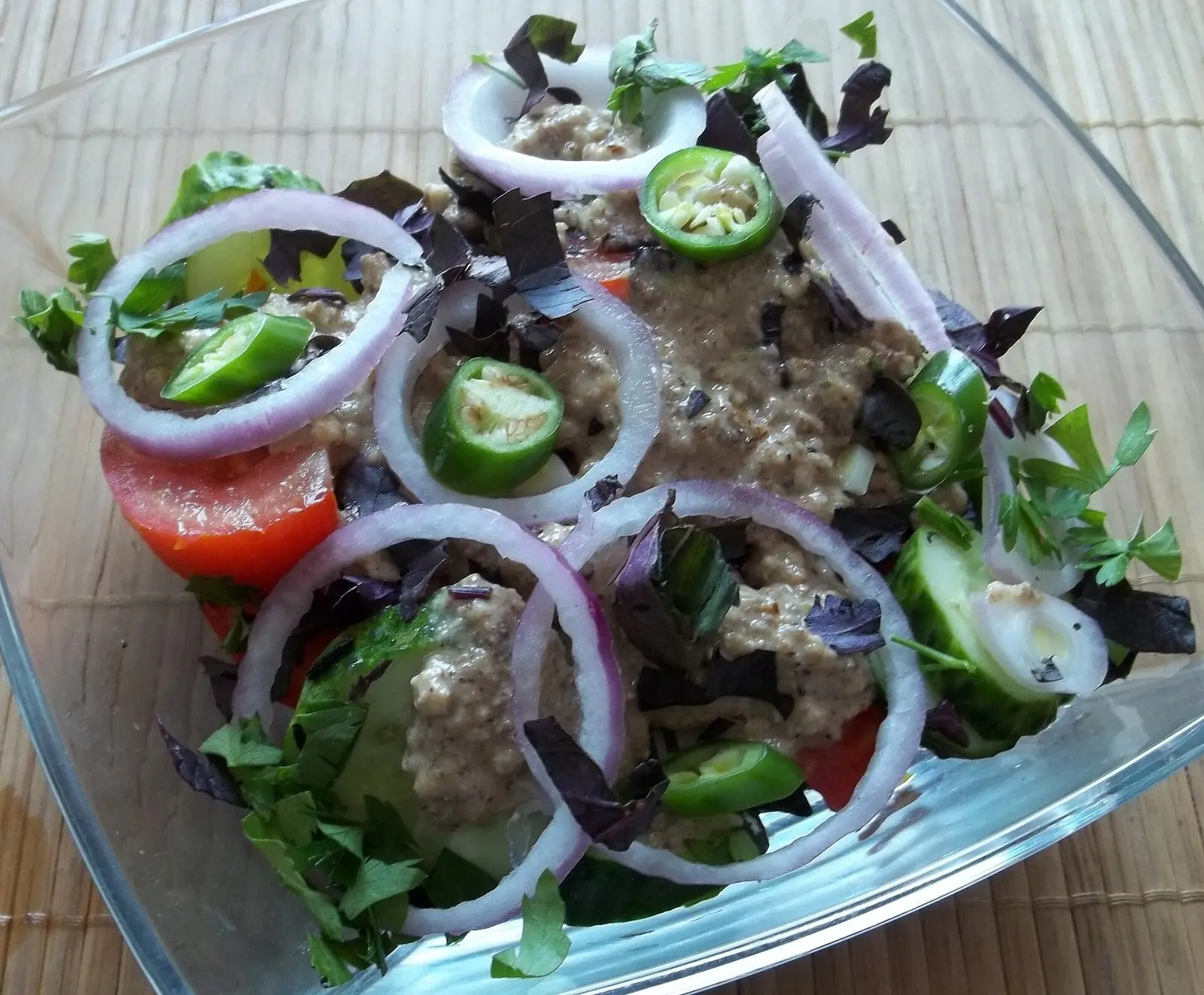
This Georgian salad recipe makes the bowl of tomatoes and cucumbers that turns up at almost every Georgian meal, here in its richer walnut form: the nuts are pounded with garlic, ground coriander and blue fenugreek, then loosened with wine vinegar and water into a thick, tangy cream. Red onion, a green chilli and handfuls of coriander and purple basil finish it. In Georgian it is kitri-pomidvris salati, cucumber and tomato salad, and the walnut kind is called nigvziani; English menus say Georgian tomato and cucumber salad, Georgian salad with walnuts or Georgian walnut salad.
Restaurant menus across Georgia usually list it twice. One version comes with walnuts (nigvzit), the other with Kakhetian oil (kakhuri zetit), a thick, unrefined sunflower oil pressed in Kakheti, in the east of the country, that smells of toasted seeds. The oil version is simpler, lighter and free of nuts, and it belongs to the everyday table just as much, so the variations below give it in full.
Both are summer food at heart. The salad can only be as good as its tomatoes, and Georgian ones are at their sweetest from midsummer into early autumn, when market stalls are piled high with them. Nothing here is cooked, nothing contains meat, dairy or eggs, and the whole thing takes about 20 minutes; the variations explain what to do with paler winter tomatoes.
Timeline: what to do, and when
22 min from start to table · 22 min hands-on
Each bar is one step. Hands-on Waiting, while the oven, the pot or the dough does the work. Steps that sit inside a wait are done in parallel.
Recipe
Georgian Salad
Ingredients
Walnut dressing
Salad
Amounts are scaled. Times stay about the same, but a bigger pot takes a little longer to come to the boil.
Contains: walnuts (tree nuts).
You will need
- Mortar and pestle, or a small food processor or blender
- Small bowl and a spoon for the dressing
- Sharp knife and a chopping board
- Large, wide bowl or platter for serving
Method
- Pound the walnuts and garlic6 min hands-on· start here
Taste a walnut first: if it is bitter or smells stale, the dressing will be too. Pound the peeled garlic with the coarse salt in the mortar until smooth, then add the walnuts a handful at a time and keep working until they become a fine, damp crumb that starts to look oily. In a processor or blender, pulse in short bursts and scrape down the sides, stopping before it turns into a smooth nut butter.
- Season and loosen the dressing4 min hands-on· starts at +6 min
Scrape the paste into the small bowl and stir in the ground coriander, blue fenugreek, marigold if using, and chilli. Add the vinegar, then the water a spoonful at a time, beating well after each, until the dressing looks like thick soured cream and falls slowly from the spoon. Taste it: it should be bold, sharp and garlicky, because it has to season plain vegetables. Leave it to stand while you cut the salad.
- Soften the onion3 min hands-on· starts at +10 min
Halve the onion and slice it into thin half-moons. Rub the slices with a pinch of salt for about 30 seconds, rinse them under the cold tap and squeeze them dry in your fist. This takes away the harsh bite of raw onion, a habit of many Georgian kitchens.
- Cut the vegetables and herbs6 min hands-on· starts at +13 min
Cut the tomatoes into generous wedges or chunks and keep any juice from the board. Halve small cucumbers lengthwise and slice them about 1 cm thick, or cut a large one into chunks; peel them only if the skin is thick, waxed or bitter. Slice the chilli into rings, with the seeds if you want heat. Pick the coriander and basil leaves, chop or tear them roughly and keep a small handful back for the top.
- Dress and serve3 min hands-on· starts at +19 min
Right before eating, tip the tomatoes and their juice, the cucumbers, onion and most of the herbs into the wide bowl and sprinkle with a little salt. The dressing will have thickened as it stood, so stir in another spoonful of water if it is stiff, then spoon it over and fold everything together gently with a big spoon or your hands. Scatter the remaining herbs and the chilli on top and take it to the table at once.
About 190 kcal per serving (1 of 4), walnut version. This is an estimate from standard values for the ingredients, not a lab figure.
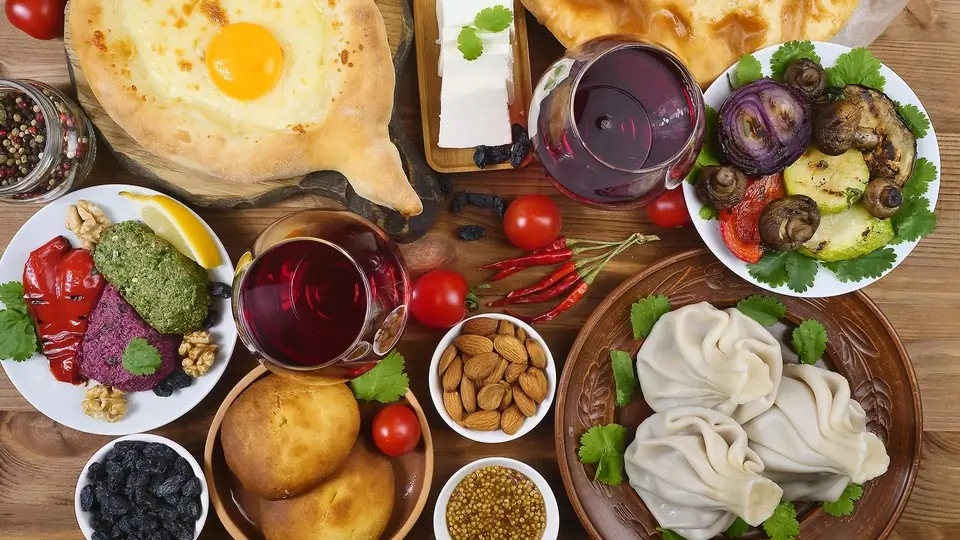
Georgians set the bowl down in the centre for the whole table to share, and people spoon some onto their plates between bites of the hot dishes. The juice that collects at the bottom, mixed with walnut or oil, is the best part, so tear off some bread and mop it up.
Tips, swaps and variations
Tips from your host
- Spend your money on the tomatoes and keep them out of the fridge. Cold dulls their taste, and in this salad they do most of the work.
- Combine and salt the salad at the very last moment. Salt and vinegar draw water from the tomatoes and cucumbers, and within half an hour the bowl is swimming and the cucumbers have gone limp.
- Pound the walnuts rather than chopping them. Crushing releases their oil and gives the dressing its creamy body, while knife-chopped nuts just sit on top of the vegetables.
- Store walnuts in the freezer. They turn rancid fast in a warm cupboard, and a single stale handful makes the dressing bitter.
- Season the dressing more boldly than seems right when you taste it alone. Mixed with sweet tomatoes and watery cucumbers, it mellows a lot.
- Purple basil is the herb that makes the bowl taste Georgian. Grocers selling Turkish or Caucasian produce often have it in summer, and a pot on a sunny windowsill grows quickly.
Variations and swaps
- Kakhetian-oil version, no walnuts (about 15 minutes): skip the walnut dressing entirely. Soften the onion and cut the vegetables, chilli and herbs as in steps 3 and 4. Put everything in the wide bowl, sprinkle over 1/2 tsp salt and pour on 3 tbsp Kakhetian or other unrefined sunflower oil, plus 1 tbsp wine vinegar if you like it sharper. Toss with your hands and serve straight away. It is lighter, vegan and nut-free, and the pool of tomato juice and oil left in the bowl is meant for bread.
- Finding Kakhetian oil abroad: Eastern European, Russian, Ukrainian and Polish shops sell unrefined sunflower oil, labelled нерафинированное (Russian) or нерафінована (Ukrainian); choose one pressed from roasted seeds if you can, deep gold and smelling of toasted sunflower seeds. Ordinary refined sunflower oil tastes of almost nothing and will not give the same result. Failing that, mix a neutral oil with a few drops of toasted sesame oil, or use a good walnut oil.
- Walnuts and oil together: plenty of Georgian home cooks also trickle a spoonful of Kakhetian oil over the walnut-dressed salad before tossing it. The dressing turns silkier and picks up the oil's roasted-seed smell.
- No blue fenugreek? Look for utskho suneli in a Georgian grocer or order it online. Ordinary ground fenugreek seed works at half the amount (1/4 tsp) but tastes harsher, or replace every dried spice with 1 tsp khmeli suneli, the Georgian blend, which contains blue fenugreek and coriander already.
- Guria and Adjara style: in western Georgia hazelnuts often replace walnuts. Pound 80 g hazelnuts with a green chilli, a small handful of fresh coriander and salt. Toss the coarse paste through the salad as it is, or thin it first with a little vinegar and water as in step 2.
- With cheese: the plain salad is also made with cubes of young Imeretian cheese or sulguni. Abroad, feta with a little mozzarella stands in well. It is then no longer vegan or fit for fasting days.
- More greens: parsley, dill, spring onions or tarragon all go in Georgian versions, and in autumn a few pomegranate seeds scattered over the walnut salad add colour and a sour crunch.
- Out of season: in winter, pick cherry, plum or vine tomatoes, which hold more flavour than big salad tomatoes. Halve them and toss them with a pinch of salt 10 minutes before you dress the salad to bring out their juice. Many Georgian families simply put out pickles (mzhave) instead until the summer tomatoes come back.
Serve it with
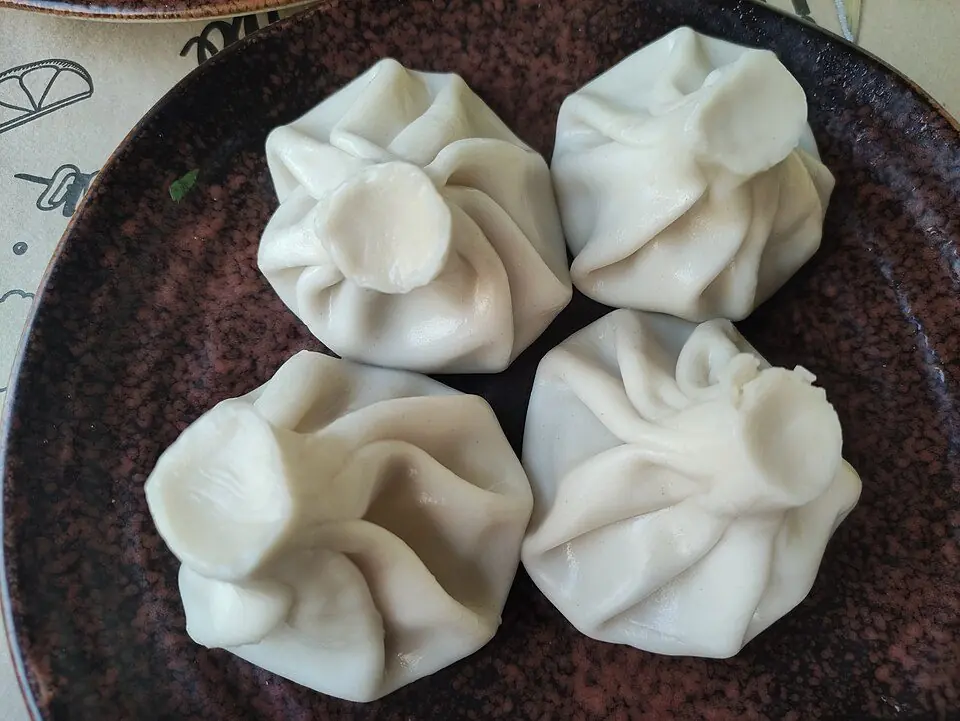
- Khinkali or a cheese khachapuri
- Mtsvadi skewers straight from the grill
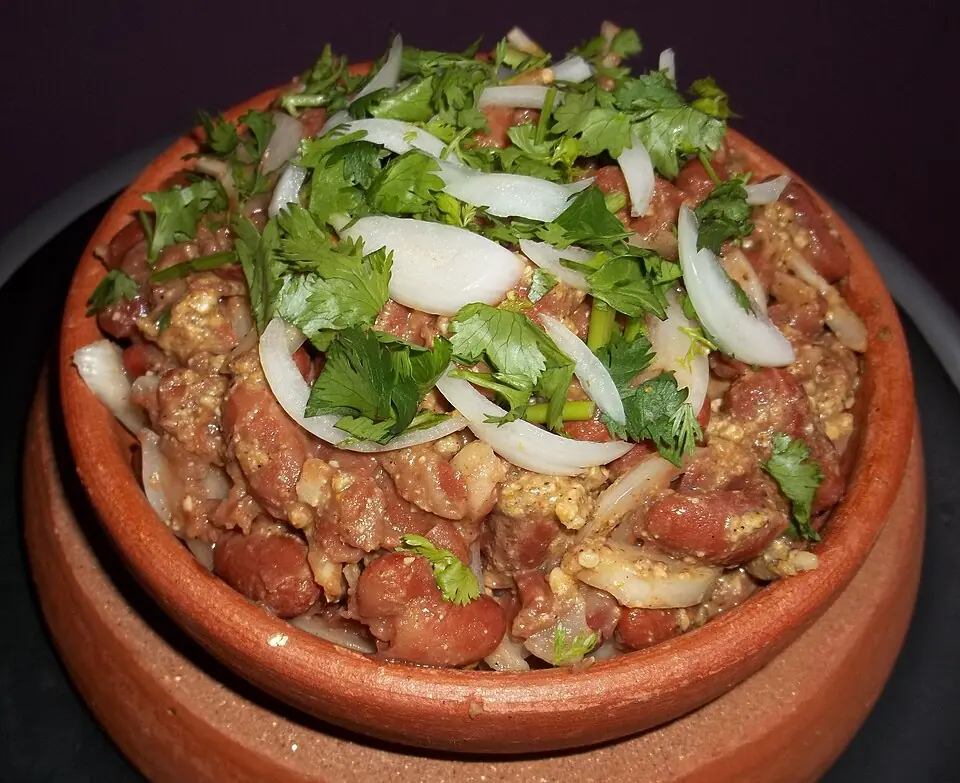
- Lobio in a clay pot, with mchadi cornbread
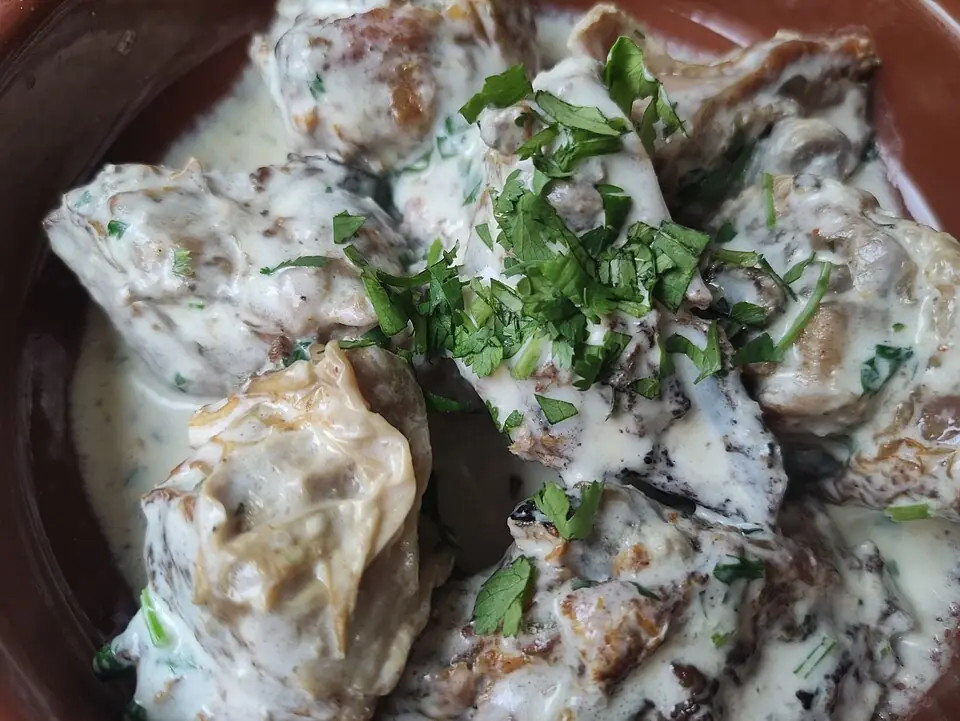
- Shkmeruli, chakhokhbili or other chicken dishes
- Fried potatoes and young cheese, an everyday home supper
- Fresh shoti or tonis puri to wipe the bowl clean
Make ahead and storage
The walnut dressing keeps for up to 2 days in a covered jar in the fridge. It stiffens as it sits, so beat in a spoonful of water before using it. Cut vegetables can wait, undressed and covered, in the fridge for a few hours; bring the tomatoes back to room temperature for half an hour before serving. Once dressed, the salad does not keep: it is best within the hour and turns watery after that, though leftovers are still good the same day spooned over bread or boiled potatoes.


Maspindzeli Travel, Tbilisi · private tours and cooking classes in Georgia · maspindzeli.ge · WhatsApp +995 598 74 74 54 · hello@maspindzeli.ge