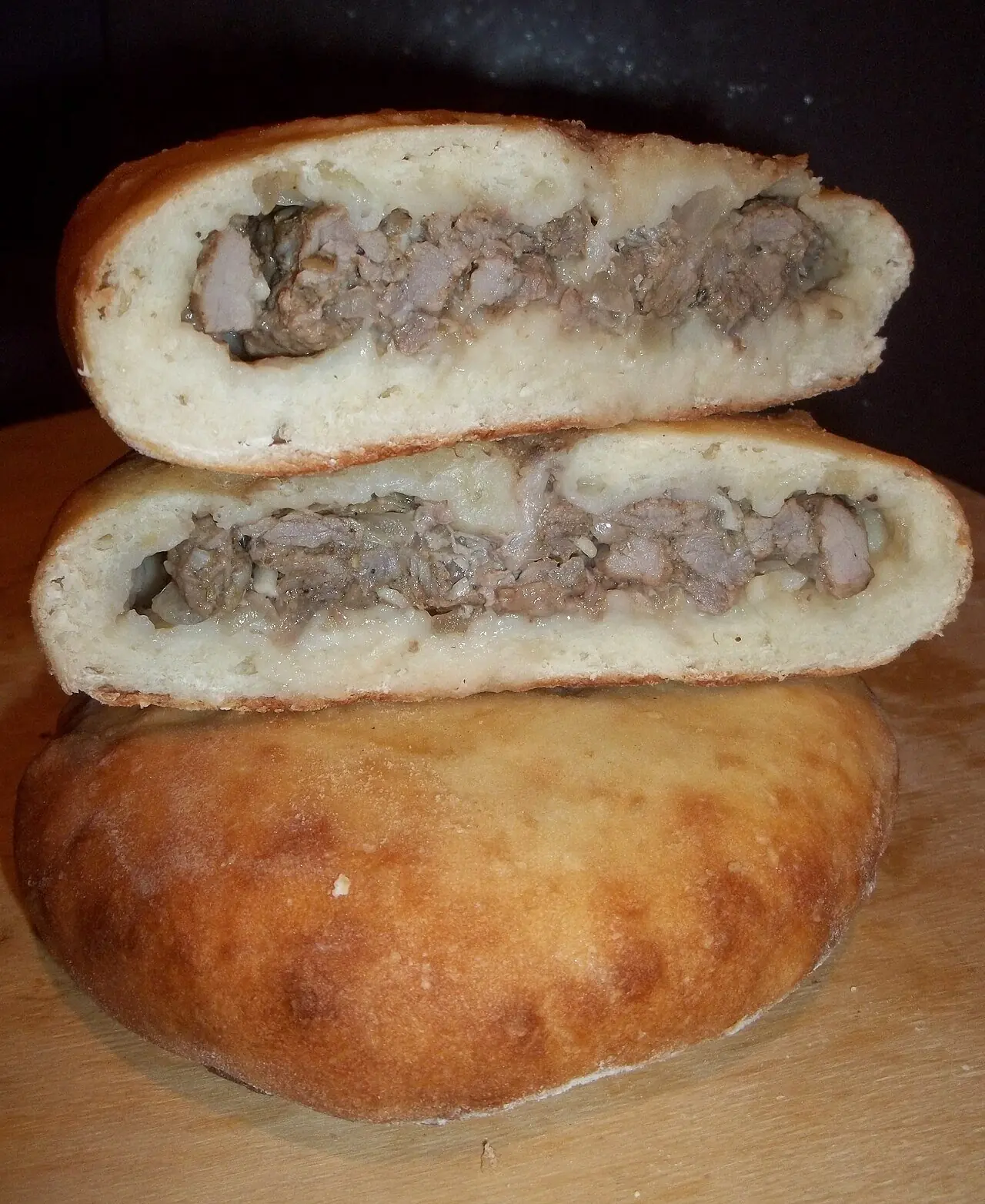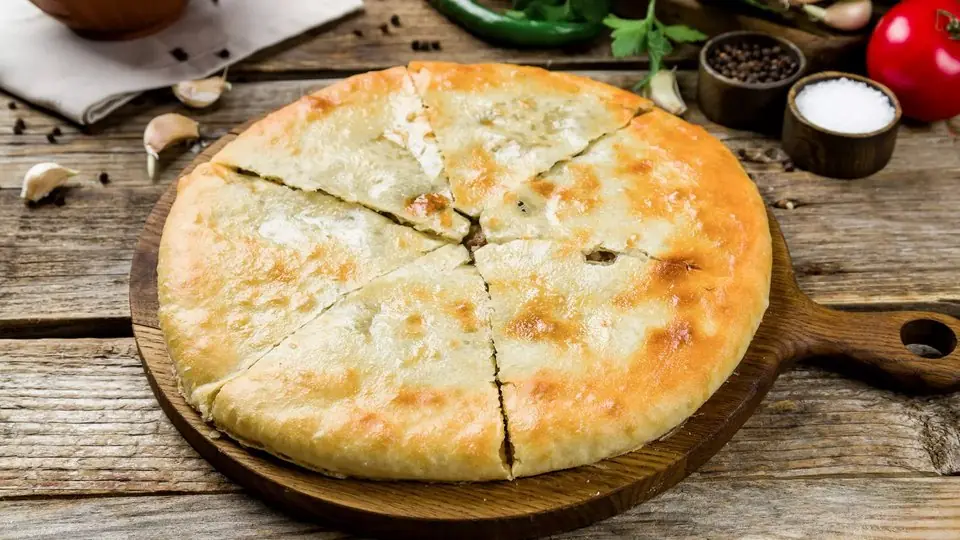
- Kubdari is a round, sealed pie from Svaneti in north-west Georgia, filled with diced beef or pork, onion, garlic and Svan spices instead of cheese.
- It is not a type of khachapuri: the dough is thicker, the raw meat cooks inside the crust, and in the Svan language the pie has its own name, kubed.
- On 9 March 2015 Georgia listed the traditional way of making kubdari as intangible cultural heritage, along with Svan salt, tashmijabi and millet khachapuri.
- Svan salt (svanuri marili) is coarse salt pounded with garlic, coriander, blue fenugreek and other dried herbs; buy it damp, dark and in a sealed jar.
- The best kubdari is baked to order in the guesthouses and cafes of Mestia and Ushguli, and Tbilisi bakeries and khachapuri cafes sell it too.
Kubdari is a meat pie from Svaneti, a region of high valleys in the north-west of Georgia (the country). Picture a flat, round loaf roughly as wide as a dinner plate. Inside is diced beef or pork with onion, garlic and a strong mix of Svan spices. It bakes until golden, gets a brush of butter and comes to the table cut into wedges. Svans call it their national dish, and nearly every cafe from Mestia to Ushguli has it.
This guide explains kubdari in plain words for first-time visitors. You will learn how it differs from khachapuri and what gives it its taste. Then meet the rest of Svan cuisine: tashmijabi, chvishtari, millet khachapuri and Svan salt, the spice mix almost every visitor takes home. Last come the best places to eat it in Mestia, Ushguli and Tbilisi, tips for buying salt and a short food plan for a trip to Svaneti.
What is kubdari? The Svan meat pie explained
Kubdari (კუბდარი) is a yeast-raised pie with a meat filling. The cook wraps raw, chopped meat in a sheet of dough, seals it into a flat disc and bakes it. The meat cooks in its own juice inside the crust. When you cut it, steam escapes with a smell of coriander and onion. Say it roughly koob-dah-ree, with an even weight on each syllable.
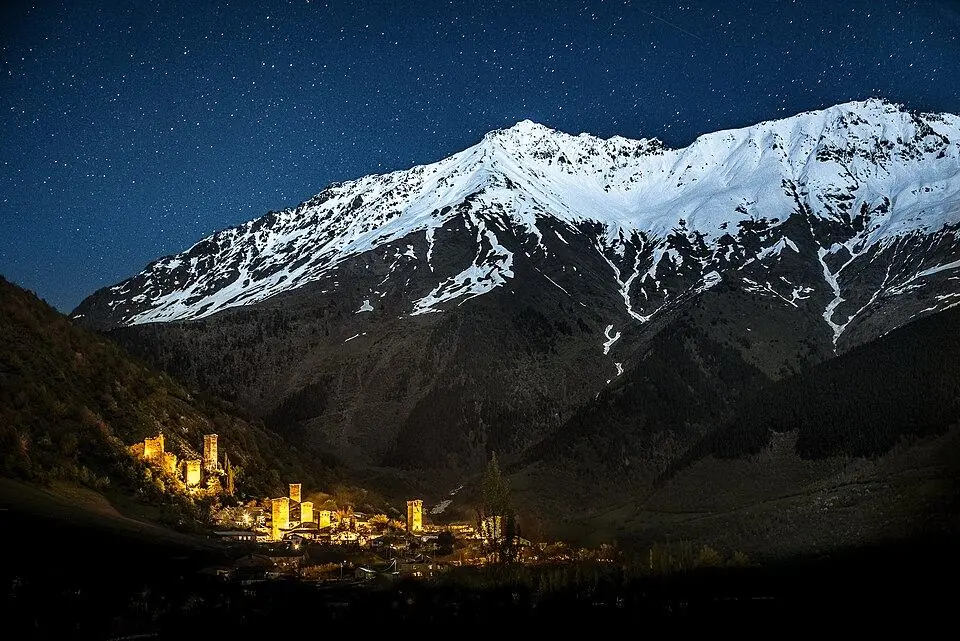
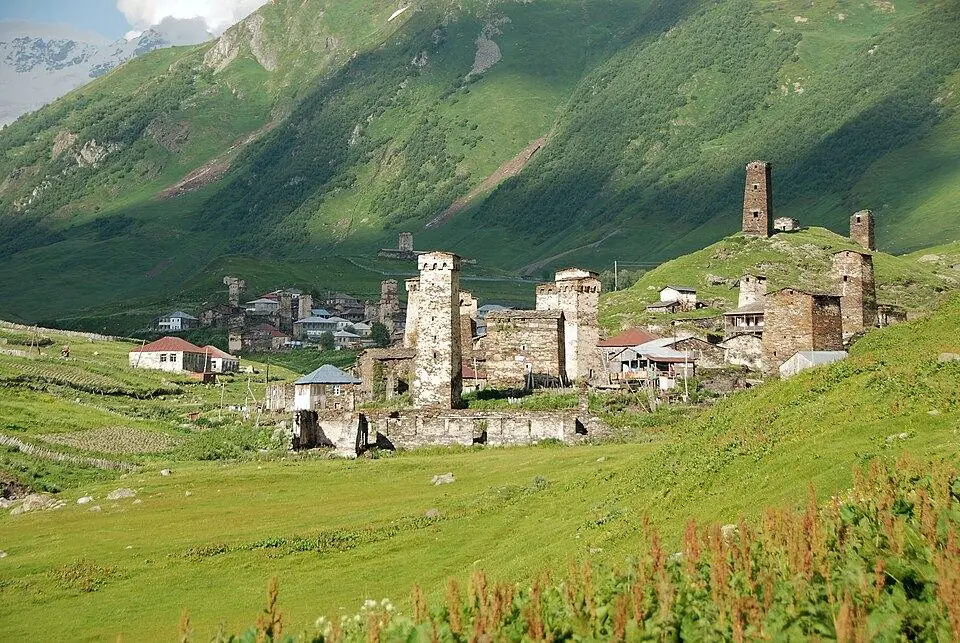
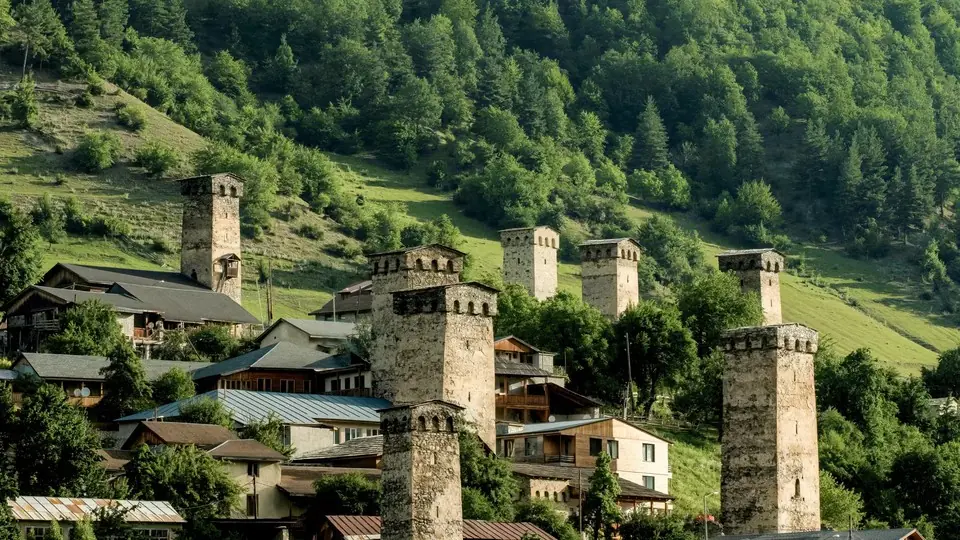
The pie comes from Upper Svaneti, a land of stone towers and glaciers below the main Caucasus ridge. Svans also speak their own language, and in Svan the dish is kubed or kuptaari. Most Svan families still bake it at home, for guests and for holidays.
| Kubdari at a glance | Short answer |
|---|---|
| Georgian name | კუბდარი; in Svan, kubed or kuptaari |
| Home region | Upper Svaneti, in the north-west of Georgia |
| Filling | Diced beef, pork or a mix, with onion, garlic and Svan spices |
| Dough | Yeast dough, or a quick one made with matsoni and soda |
| Shape | A sealed, flat round, served in wedges |
| Heritage status | Traditional method listed as Georgian intangible heritage, 9 March 2015 |
| Where to try it | Guesthouses and cafes in Mestia and Ushguli; bakeries all over Georgia |
| Goes well with | A tomato and cucumber salad with Svan salt, pickles, beer or lemonade |
Kubdari vs khachapuri: how the two breads differ
Many visitors first see kubdari in a bakery window next to khachapuri and take it for the same bread with meat. The two look alike, and bakers sell them on one shelf. Yet khachapuri means cheese bread, and kubdari has no cheese at all.
| Kubdari | Khachapuri (Imeruli) | |
|---|---|---|
| Filling | Raw diced meat, onion, garlic and spices | Fresh, salty cheese |
| Dough | Thicker, to hold the meat juices | Thinner and softer |
| Home region | Svaneti | Imereti for the round kind; every region has its own |
| Taste | Savoury, herby and peppery | Mild, milky and salty |
| Heritage listing | 2015, as a Svan dish | 2019, the khachapuri tradition |
Svaneti has cheese breads of its own. Ask for petvraali, the millet khachapuri described below. To compare all the cheese breads of Georgia, read our khachapuri guide.
What goes into kubdari: meat, Svan salt and family twists
Every family has its own version, but the base is simple. First comes the meat: young beef, pork or half of each, with enough fat to stay juicy. It is cut by knife into small cubes, never put through a mincer. Svan cooks then knead the meat by hand for a long time. This makes the filling soft and helps it cook fast. Onion and garlic go in next, and finally the spices.
The spices: Svan salt, utskho suneli and gitsruli
Most of the flavour comes from a few dried herbs. Ground coriander leads. Utskho suneli, the Georgian name for ground blue fenugreek, adds a sweet, nutty depth. Dill, black pepper and a little chilli follow. Many cooks simply season the meat with Svan salt, which already holds most of these herbs.
The mystery spice is gitsruli. Svans say kubdari is not right without it, yet nobody agrees what plant it is. Some call it caraway, some wild cumin and some wild dill. Georgia's tourism board says most of it is picked in the hay meadows of Ushguli.
Regional and family variations
- Meat: beef, pork or a mix are the usual choices. Older guidebooks and food writers also mention lamb and young goat.
- Trout: a rare Svan version swaps the meat for mountain trout.
- Mulakhi, near Mestia: beef or mixed meat with dill, coriander, utskho suneli, cumin and Svan salt, baked on both sides.
- Lenjeri, also near Mestia: mostly plain beef with khmeli suneli, pepper and Svan salt, and no fresh herbs.
- Dough: yeast and water, a richer milk dough with some fat, or a fast one raised with matsoni and soda.
- Svan salt: each community mixes its own, so the same pie tastes a little different in every valley.
To bake it yourself at home, with weights and oven times, follow our kubdari recipe.
Kubdari history and its heritage status
No written record tells us when the first kubdari came out of a Svan oven. It belongs to the closed world of Upper Svaneti, where snow cut villages off for months and families lived on what they raised. Game came first, and farm meat later, according to the national tourism board. For Svans today the pie is a symbol of home.
Official recognition came on 9 March 2015. That day Georgia's National Agency for Cultural Heritage Preservation signed order No. 2/34. It gave six Svan traditions the status of monuments of intangible cultural heritage. Four come from the kitchen: kubdari, Svan salt, tashmijabi and millet khachapuri. The other two are crafts: making the chuniri, a bowed folk instrument, and the Svan felt hat. The status covers the traditional method of making each one, not a brand.
Kubdari on feast days
- Christmas, 7 January: kubdari is the Svan dish on the Christmas table, says the national tourism board.
- Lamproba, usually 14 February: the special bake for this torch night is lemzir, a bread filled with cheese.
- Svanetoba, usually the last weekend of July: kubdari is sold at the food stalls of Mestia's folk festival.
- Village feasts in summer: Mkheroba (25 July), Kvirikoba (28 July) and Limrieoba at Ushguli (28 August) all end at shared tables of local food.
Svan salt (svanuri marili): what is in it and how to use it
Svan salt is the seasoning that ties Svan cooking together. Georgians call it svanuri marili, and in Svan it is lushnu jim. It is coarse salt pounded with garlic and dried herbs until it turns damp and fragrant. The usual herbs are coriander, blue fenugreek, dill, chilli, dried marigold petals and caraway or gitsruli. Some families add khmeli suneli, and cooks in Lenjeri even add a little walnut.
Proportions change from one community to the next. The story goes that salt was once scarce in the mountains, so Svans stretched it with herbs, and the blend became a flavour of its own.
Use it like any seasoned salt, only more freely. Svans sprinkle it on cucumber and tomato salad, fried potatoes, grilled pork, fish and fresh cheese. They also stir it into soups and sauces. In kubdari it can replace both the plain salt and most of the spices.
Buying Svan salt as a souvenir
Svan salt is the easiest edible gift to carry home from Georgia: light, long-lasting and useful every day. In Mestia, grocery and souvenir shops sell it in jars and bags, and some guesthouses sell their own. In Tbilisi, look at the spice stalls of Dezerter Bazaar. Supermarkets all over Georgia stock factory jars too.
- Feel it. Good Svan salt is moist, almost wet, because fresh garlic is pounded into it.
- Smell it. Open the jar: a strong, herby smell means the spices are fresh.
- Look closely. A darker mix with big salt crystals beats a pale, bright yellow one.
- Choose a sealed jar or box. It keeps the aroma in and the garlic smell out of your bag.
Svan food beyond kubdari: tashmijabi, chvishtari and more
Svan cooking is mountain cooking. It runs on potatoes, cheese, maize, millet, meat and dried herbs, and it is made to warm you after a day outdoors. Many dishes contain no meat, which is good news for vegetarians.
| Dish | What it is | Good to know |
|---|---|---|
| Tashmijabi (თაშმჯაბი) | Boiled potato mashed with fresh cheese and stirred over heat until it stretches | Heritage-listed in 2015; eat it hot |
| Chvishtari (ჭვიშტარი) | Cornmeal dough mixed with grated cheese, shaped into small cakes and baked or fried | Also made with ground millet |
| Petvraali, millet khachapuri | Cheese bread with millet in the filling, baked on one side only | Heritage-listed in 2015 |
| Lemzir | Cheese-filled bread baked for Lamproba | February only |
| Pachkhi or chkhetvra | Crumbled bread tossed with grated cheese and salt | A simple home dish |
| Narchvi | Cheese packed into a closed pot and topped up with fresh curd over time | Mostly in the lower villages |
| Svan sulguni | Stretched-curd cheese from the Mestia and Lentekhi areas | Protected name since 2012 |
Tashmijabi, the stretchy Svan mash
If you try one dish besides kubdari, make it tashmijabi. The cook boils potatoes, mashes them and beats in fresh sulguni over a low flame. The cheese melts, and the mash pulls into long, glossy ribbons when you lift a spoon. It is rich and filling, so share a bowl.
Names shift between valleys. In Lenjeri and Ushguli this potato mash is called shusha or mertsv, and tashmijabi there can mean old cheese melted with a little flour.
Chvishtari and the millet breads
Chvishtari is a richer cousin of mchadi, the plain cornbread of western Georgia. Grated cheese goes into the dough before it is shaped and cooked. Some cooks set the cakes on walnut leaves in the pan. Millet, the older grain of the high valleys, goes into a finer chvishtari and into petvraali, the millet khachapuri.
Where to eat kubdari in Mestia and Ushguli
Mestia
Mestia, the small capital of Upper Svaneti at ~1,500 m, has the widest choice. Almost every cafe around Seti Square and along Tamar Mepe Street serves kubdari, usually beside tashmijabi and chvishtari. Each pie is baked to order, so expect to wait about half an hour.
One name kept coming up in reviews from the summer of 2026: Lushnu Qor, a restaurant with a beer garden and veranda at 44 Tamar Mepe Street. Diners praised its kubdari in particular. Menus and hours change between seasons, so check a map app before you walk over.
Often the best kubdari is the one your guesthouse bakes. Ask your host the day before. You will get a pie straight from the family oven, usually with salad, cheese and pickles on the side.
Ushguli
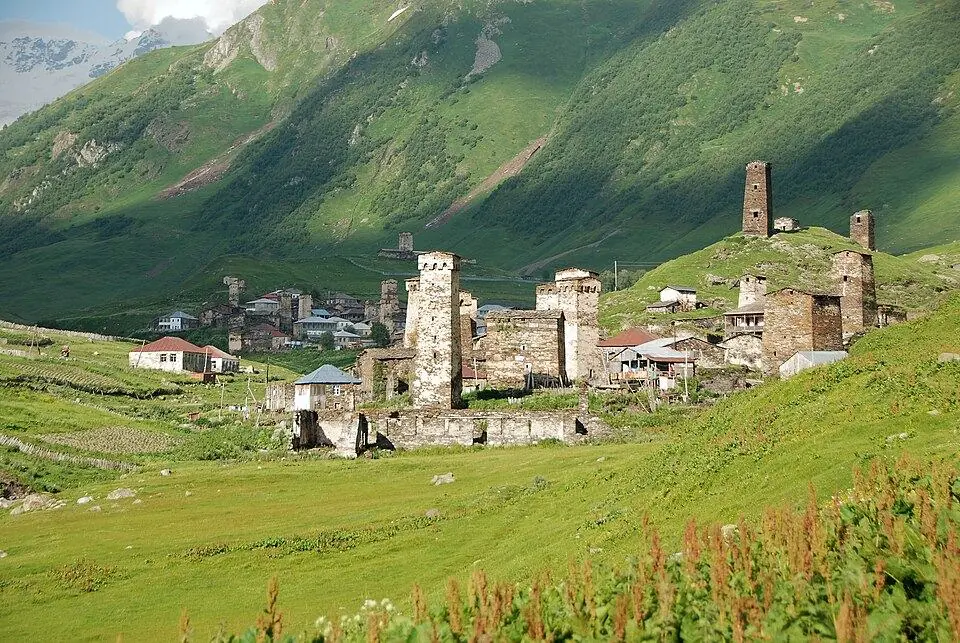
Ushguli, a group of four villages at ~2,100 m, lies about two hours' drive east of Mestia. It has only a few cafes, and some shut in winter. Here the guesthouse table is the real restaurant. Most guesthouses offer half board, and kubdari and tashmijabi turn up at dinner on many nights. Day visitors usually eat kubdari for lunch in a cafe near the towers.
Ushguli has its own claim on the dish, since gitsruli grows in its hayfields. Ask whether your host family makes Svan salt to sell. Bring cash, because card machines are rare up here.
Where to eat kubdari in Tbilisi and on the road to Svaneti
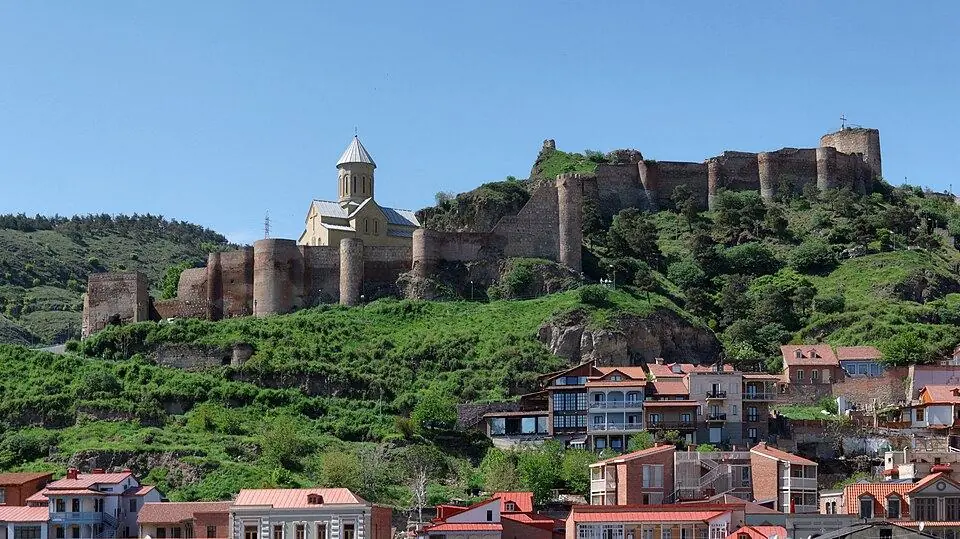
You do not have to wait for the mountains. In Tbilisi, Sakhachapure N1 bakes kubdari next to its regional cheese breads. Its handiest branch is inside the Galleria shopping centre on Freedom Square, and it was open in October 2026. Many Georgian restaurants list kubdari among their breads, and neighbourhood bakeries often have one or two on the counter at lunchtime.
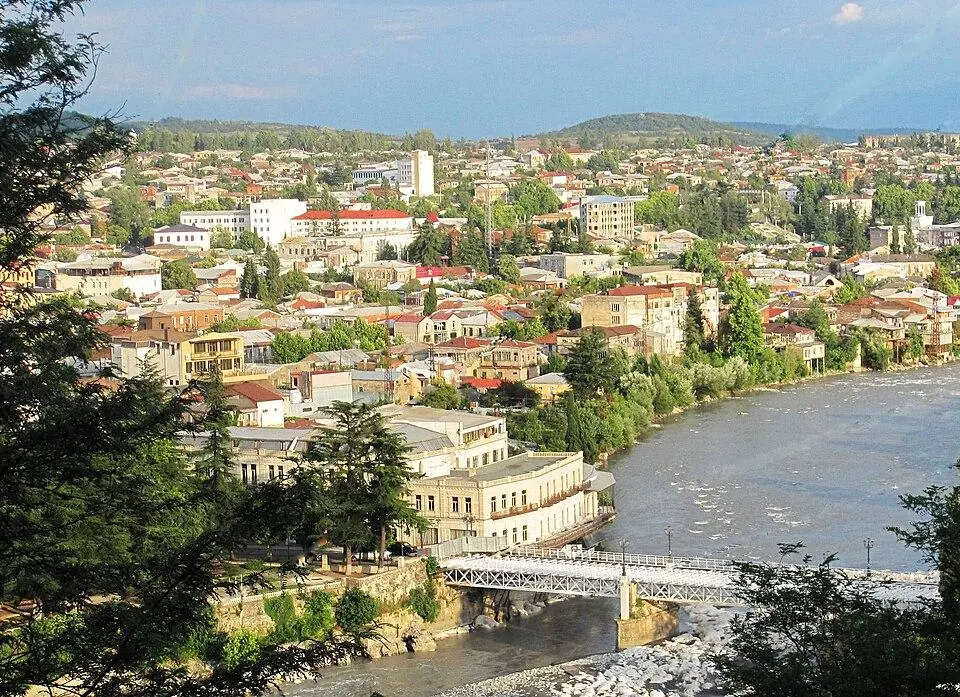
On the drive up from Kutaisi to Mestia (~240 km, about five hours), bakeries in Kutaisi and Zugdidi often sell kubdari as a snack for the road.
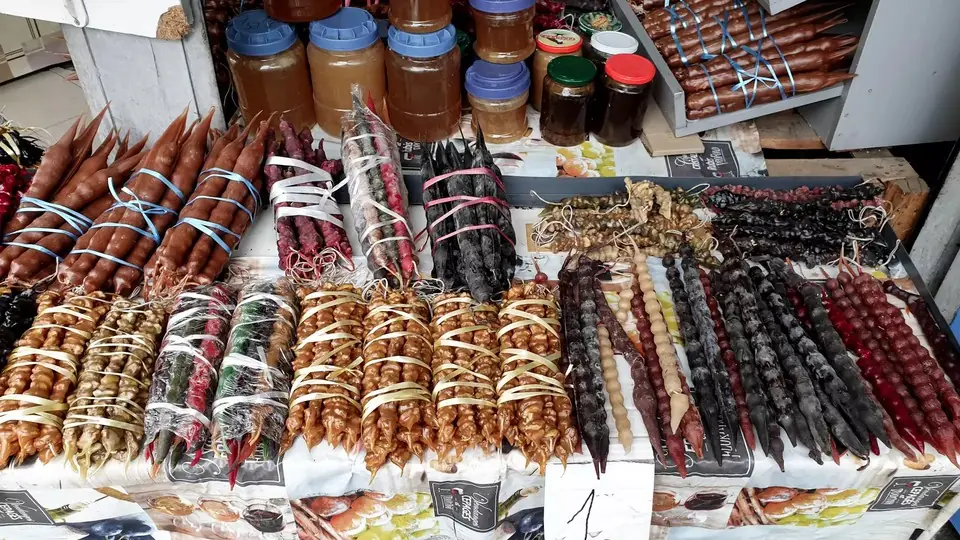
Svan salt is easy to find in the capital too. The spice sellers at Dezerter Bazaar keep it next to khmeli suneli and dried marigold.
How to eat kubdari, and what to order with it
- Eat it hot. Kubdari comes cut into wedges. Pick one up by hand and start from the point, where the juice collects.
- Share it. A whole pie is a big meal. Two people can split one with a salad and a side dish.
- Add something fresh. Tomato and cucumber with Svan salt, or a plate of pickles, cuts through the rich filling.
- Choose a drink. Upper Svaneti is too high for vineyards, so beer, lemonade, herbal tea or a lowland red are the usual partners.
- Mind the fast days. On Orthodox fast days observant Georgians avoid meat, so some home kitchens will not bake kubdari then.
Kubdari is spiced rather than hot. If you like heat, ask for ajika, the chilli paste, on the side. Let each wedge cool for a minute, because the filling holds a lot of heat.
Eat your way through Svaneti: a 4-day food plan
Svaneti is far from Tbilisi (~460 km), so give it at least three nights. This plan starts in Kutaisi, the nearest big airport, and works in any season when the roads are open.
- Day 1: Kutaisi to Mestia
Buy a first kubdari for the road in Kutaisi or Zugdidi and stop at the Enguri Dam. Reach Mestia by late afternoon and order kubdari and tashmijabi for dinner. - Day 2: Mestia
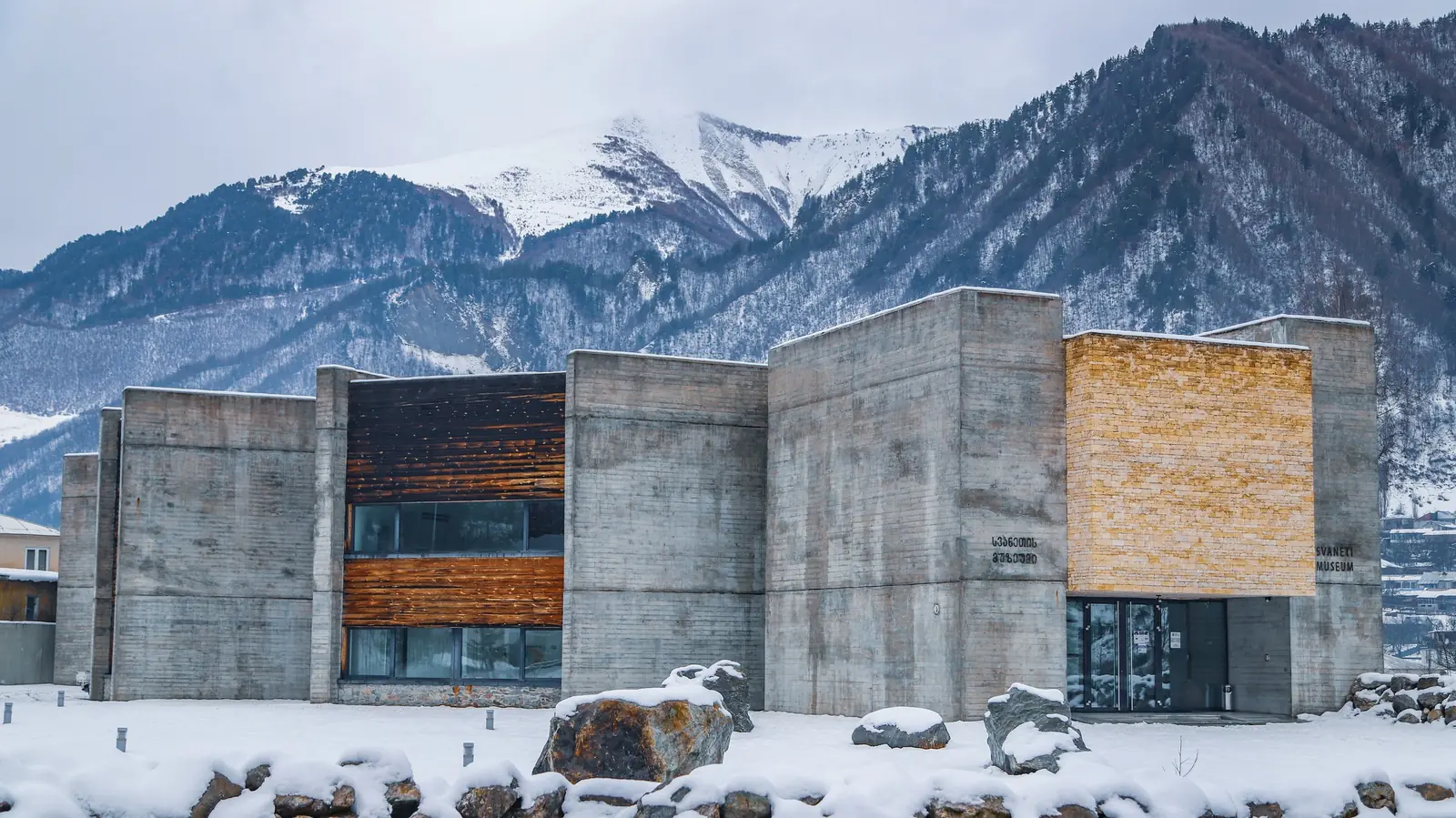
See the icons of the Svaneti Museum, walk between the towers, then take an easy forest walk to the Chalaadi Glacier. Shop for Svan salt and cheese, and ask your guesthouse for chvishtari at dinner. - Day 3: Ushguli
Drive about two hours east to Ushguli. Climb to Lamaria Church, look out over the hayfields where gitsruli grows, and eat kubdari for lunch in the village. Stay the night if you can: dinner here is the most home-style meal of the trip. - Day 4: back down
Return through Mestia and the Enguri gorge. In summer, when the road is open, a 4x4 can take you over the Zagari Pass through Lower Svaneti instead. Stop for one last kubdari on the way.
Time your visit with a feast if you can. Come in February for Lamproba and lemzir, at the end of July for Svanetoba and the village feasts, or on 28 August for Limrieoba in Ushguli.
We fit this kind of eating into private trips for any group size, on dates you pick, and your guide speaks your language. On our Mestia to Ushguli trek you sleep in a different village guesthouse each night and eat Svan home cooking at every stop. The guides, the gear and the horses are our own. The Svaneti Hiking Week uses comfortable bases and a car instead. The Grand Tour with Svaneti puts three nights in Mestia into a ten-day crossing of Georgia. Foreign visitors must hold travel health insurance, so arrange it before you fly.


Keen cooks can add our Georgian Cooking Tour, which teaches the kitchens of Kakheti, Imereti and Samegrelo.
Kubdari FAQ
What is kubdari?
Kubdari is a round meat pie from Svaneti in north-west Georgia. Yeast dough is wrapped around small cubes of beef or pork seasoned with onion, garlic and Svan spices, then baked and brushed with butter. It is the best-known dish of Svan cuisine.
Is kubdari a type of khachapuri?
No. Khachapuri is cheese bread, while kubdari is filled with meat and has no cheese. They look alike and bakeries sell them side by side, which is why people mix them up.
What does kubdari taste like?
Savoury and herby, with juicy meat and a strong note of coriander and blue fenugreek. The crust is soft inside and crisp at the edge. It is spiced, not hot.
What meat is in kubdari?
Usually beef, pork or a mix of the two, cut into small cubes rather than minced. Older sources also mention lamb and young goat, and a rare version uses trout.
What is Svan salt made of?
Rough salt ground together with garlic and dried herbs: coriander, blue fenugreek, dill, chilli, marigold and caraway or gitsruli. Every village mixes it a little differently. Its traditional method has been Georgian intangible heritage since 2015.
What is tashmijabi?
A Svan dish of boiled potatoes mashed with fresh cheese, usually sulguni, and stirred over heat until smooth and stretchy. It is vegetarian and often served with kubdari. In a few villages the same mash goes by other names.
Where can I eat kubdari in Tbilisi?
Try Sakhachapure N1 in the Galleria on Freedom Square, or a Georgian bakery at lunchtime. For the real thing, eat it in a guesthouse in Mestia or Ushguli.
Can I take Svan salt home?
Yes, it is one of the most popular food souvenirs from Georgia. Buy a sealed jar, pack it in a zip bag and tick the food box on any arrival card that asks. Check your own country's rules before you fly.