Tkemali Recipe
ტყემალი
A home-style tkemali recipe for the red Georgian sour plum sauce: ripe cherry plums cooked soft, rubbed through a sieve and finished with garlic, chilli, coriander and dill. With notes on spring green tkemali and on cooking it out of season with frozen plums or damsons.
Recipe by the Maspindzeli team in Tbilisi · Updated 1 Nov 2026 · Made everywhere, each family to its own taste
Full recipe with the timeline, timers and US measures: maspindzeli.ge/recipes/tkemali/
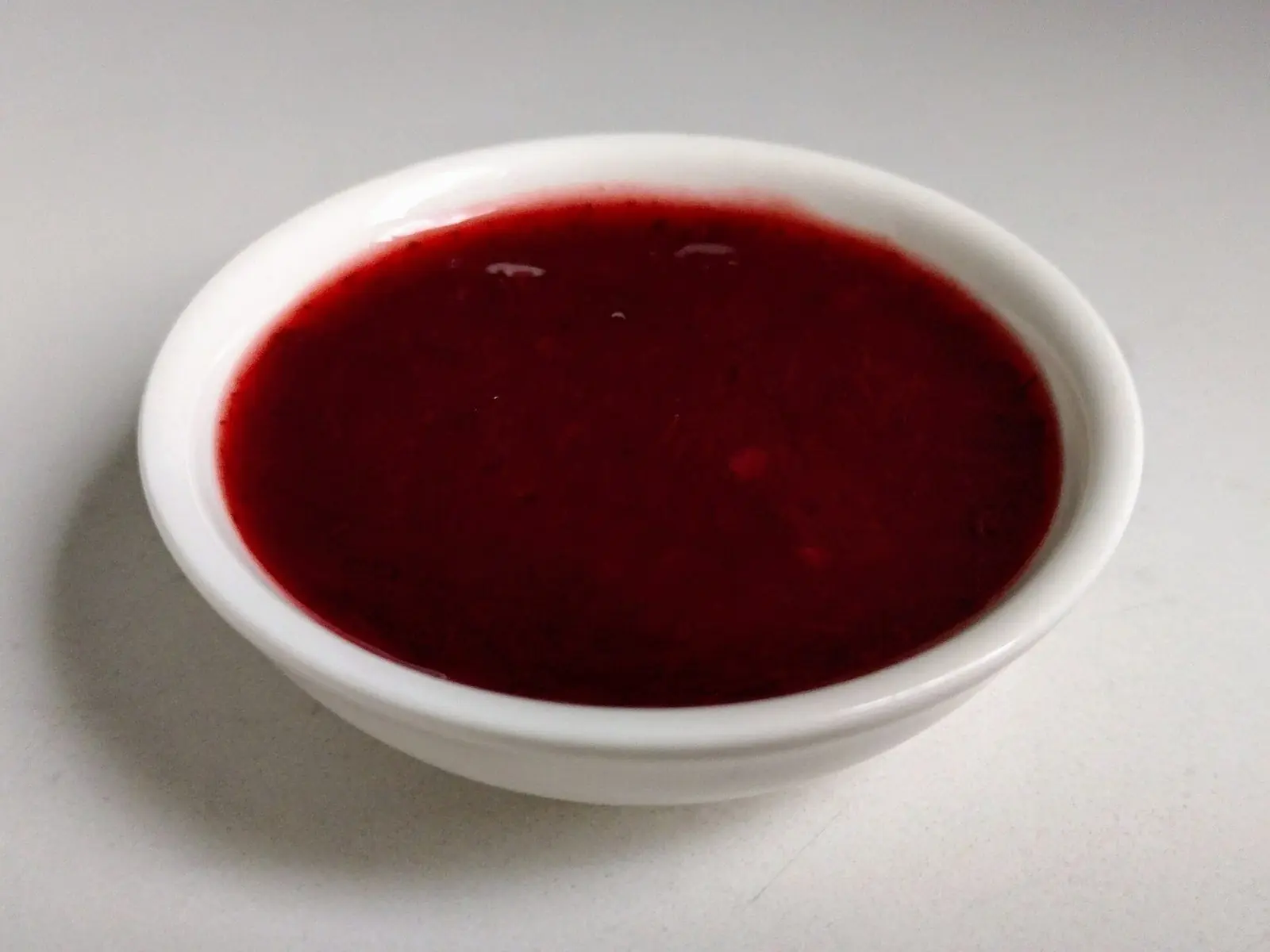
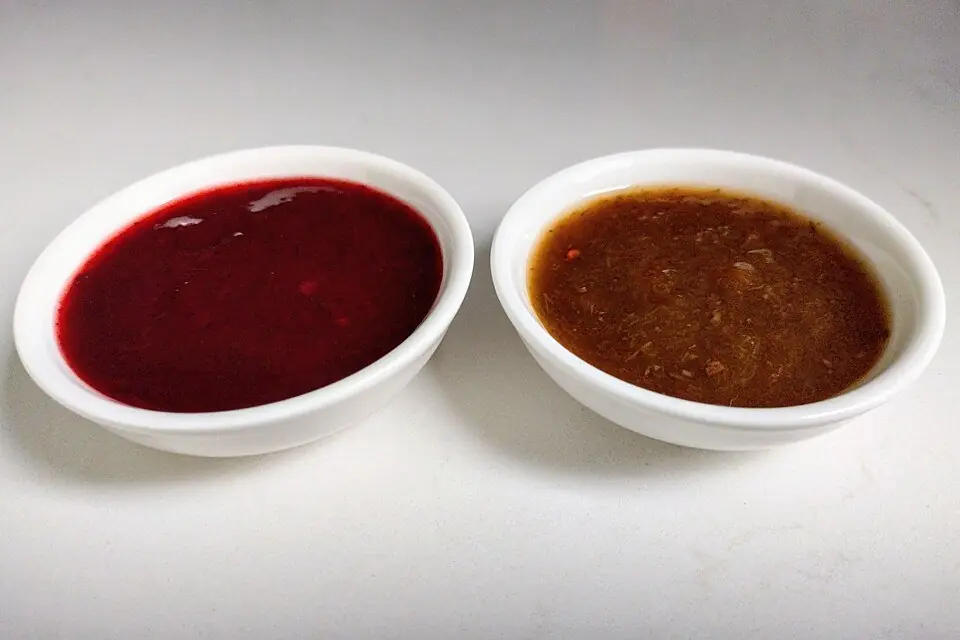
This tkemali recipe gives you the red sauce that Georgian families cook from ripe cherry plums in high summer. The fruit is simmered until the skins burst, pushed through a sieve, then bubbled for a few more minutes with garlic, chilli, coriander seed, dill, fresh coriander and ombalo, the wild mint of Georgian kitchens. You will also see the name spelt tqemali or tkhemali. One kilo of plums makes about 700 ml in a little over two hours, and much of that time is waiting.
We chose red tkemali for the main method for two reasons. It is the sauce most households put up in jars for the cold months, and the fruit you can actually buy outside Georgia in autumn and winter, such as frozen cherry plums or damsons, cooks to a red or deep pink sauce anyway. Green tkemali, made in May and June from hard unripe plums, follows as a variation, together with the substitutes that work when there is no fresh fruit at all.
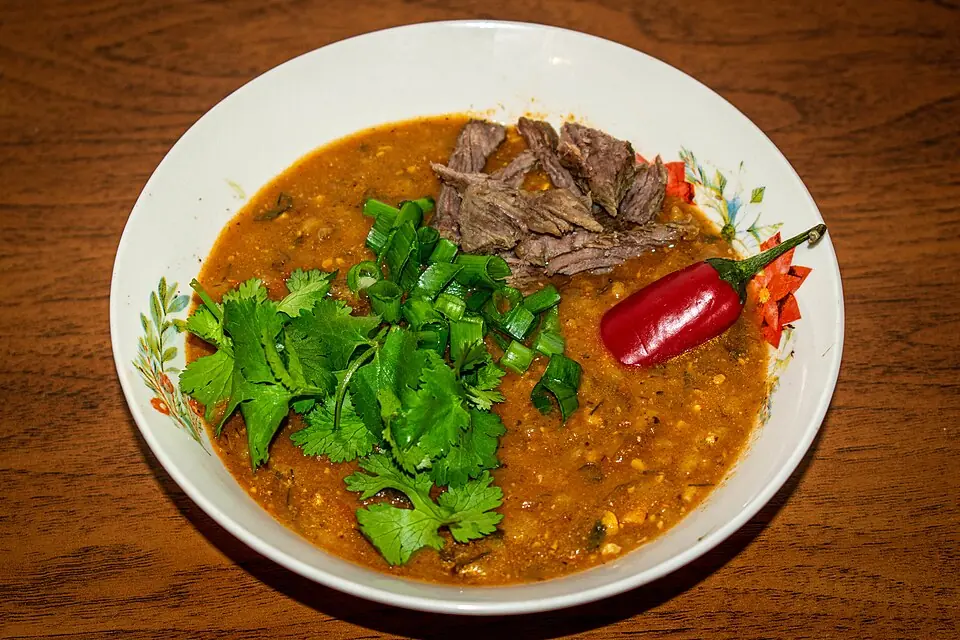
On the table it sits beside grilled meat, potatoes and chicken, and a spoonful often goes into a bowl of kharcho or a pot of beans. Its background, the bottled kinds and its sister sauces are covered in our guide, linked below.
Timeline: what to do, and when
2 h 17 min from start to table · 1 h hands-on · 1 h 15 min waiting
Each bar is one step. Hands-on Waiting, while the oven, the pot or the dough does the work. Steps that sit inside a wait are done in parallel.
Recipe
Tkemali
Ingredients
For cooking the plums
To finish the sauce
Amounts are scaled. Times stay about the same, but a bigger pot takes a little longer to come to the boil.
You will need
- Wide stainless steel or enamel pan, about 3 litres (not aluminium or bare copper)
- Colander set over a large bowl
- Coarse sieve and a wooden spoon, or a food mill
- A mortar, or a fine grater, to crush the garlic and herbs
- Ladle and a jam funnel
- Three 250 ml jars or small bottles with new lids
- Thin rubber gloves (optional, for sieving)
Method
- Sort and rinse the plums5 min hands-on· start here
Tip the plums into a bowl of cold water, pull off any stalks and leaves, and discard any that are split, mouldy or squashy. Lift them into a colander. Leave the stones in: the sieve takes them out later.
- Start the pot8 min hands-on· starts at +5 min
Strip the leaves from the coriander and dill and set them aside. Lay the thick stalks in the bottom of the pan with the ombalo or mint sprig, if using, then add the plums and the 250 ml water. Bring to the boil over a medium-high heat and turn it down. Stay close for the first few minutes and spoon off the pink foam, because cherry plums froth up and boil over easily.
- Simmer until the skins split12 min waiting· starts at +13 min
Leave the plums to simmer gently with the lid ajar, stirring now and then. They are done when nearly every skin has burst and the flesh slides off the stones, usually after 10 to 15 minutes. Frozen plums soften sooner.
- Prepare the garlic, herbs and jars10 min hands-on· starts at +15 min, during step 3
Meanwhile pound the garlic with a pinch of the salt to a smooth paste, or grate it finely. Seed the chilli and chop it small. Chop the coriander and dill leaves as fine as you can, bruise them for a moment in the mortar, and crumble in the ombalo or add the mint mixture. Wash the jars and stand them in the oven at 120 °C / 250 °F for 20 minutes to sterilise them; scald the lids with boiling water.
- Drain and cool15 min waiting· starts at +25 min
Set the colander over the large bowl and pour in the plums so that every drop of cooking liquid is caught underneath. Pick out the herb stalks. Leave the fruit for about 15 minutes, until you can handle it comfortably.
- Rub through the sieve15 min hands-on· starts at +40 min
Work the plums through the sieve a ladleful at a time, pressing with the back of a wooden spoon or with gloved fingers, and splash in a little of the saved liquid to help them along. Scrape the purée off the underside of the sieve every so often. Throw away the skins and stones and keep the rest of the liquid. A food mill does this in half the time.
- Cook with garlic and spices12 min hands-on· starts at +55 min
Pour the purée into the rinsed pan and stir in the garlic paste, chilli, ground coriander seed and 1 1/2 tsp salt. Set it over a medium heat until it bubbles gently, then cook for 8 to 10 minutes, stirring often, as it spits. Stop when it has the body of runny sour cream and drips slowly from a spoon. Loosen it with some saved liquid if it gets too thick; let it reduce a little longer if it is watery.
- Add the herbs and taste5 min hands-on· starts at +1 h 7 min
Stir in the chopped coriander, dill and ombalo, let the sauce return to the boil for 1 minute, then take it off the heat. Taste it on a piece of bread. Add salt or chilli as you like, and sugar a teaspoon at a time only if the sourness is harsh. It should taste sharp, salty and garlicky all at once.
- Fill the jars5 min hands-on· starts at +1 h 12 min
Take the jars out of the oven. Ladle in the boiling sauce through the funnel, leaving about 1 cm of headroom, wipe the rims clean and screw the lids on tightly at once.
- Leave to cool1 h waiting· starts at +1 h 17 min
Let the jars cool to room temperature, which takes about an hour. The sauce firms up a little as it cools. It is ready to eat as soon as it is cool; serve it at room temperature or straight from the fridge.
About 30 kcal per serving (1 of 12, about 4 tablespoons), without sugar. This is an estimate from standard values for the ingredients, not a lab figure.
Tkemali goes on the table cool or at room temperature, in a small bowl or still in its bottle. Pour it over meat and potatoes on your plate or dip each piece into it. It is never heated again once it is served.
Tips, swaps and variations
Tips from your host
- Bite into a raw plum before you start. If it makes your mouth pucker, have the sugar to hand for the end; if it is soft and sweet, keep half a lemon ready. Season only at the end, because the sauce concentrates as it cooks.
- Cook in stainless steel or enamel and stir with a wooden spoon. Plum acid attacks aluminium and bare copper, which can leave a metallic taste and turn the sauce dull brown.
- Do not pour away the cooking liquid until the jars are full. It is the easiest way to thin the sauce, and it carries a lot of the fruit's flavour.
- Pound the garlic and herbs rather than blitzing them. Georgian cooks hold that the mortar gives a fresher, rounder taste, and adding the leaves only for the final minute keeps the colour lively.
- Go easy on the chilli at first. The heat grows as the sauce stands, and more ground red pepper can always be added at the table.
Variations and swaps
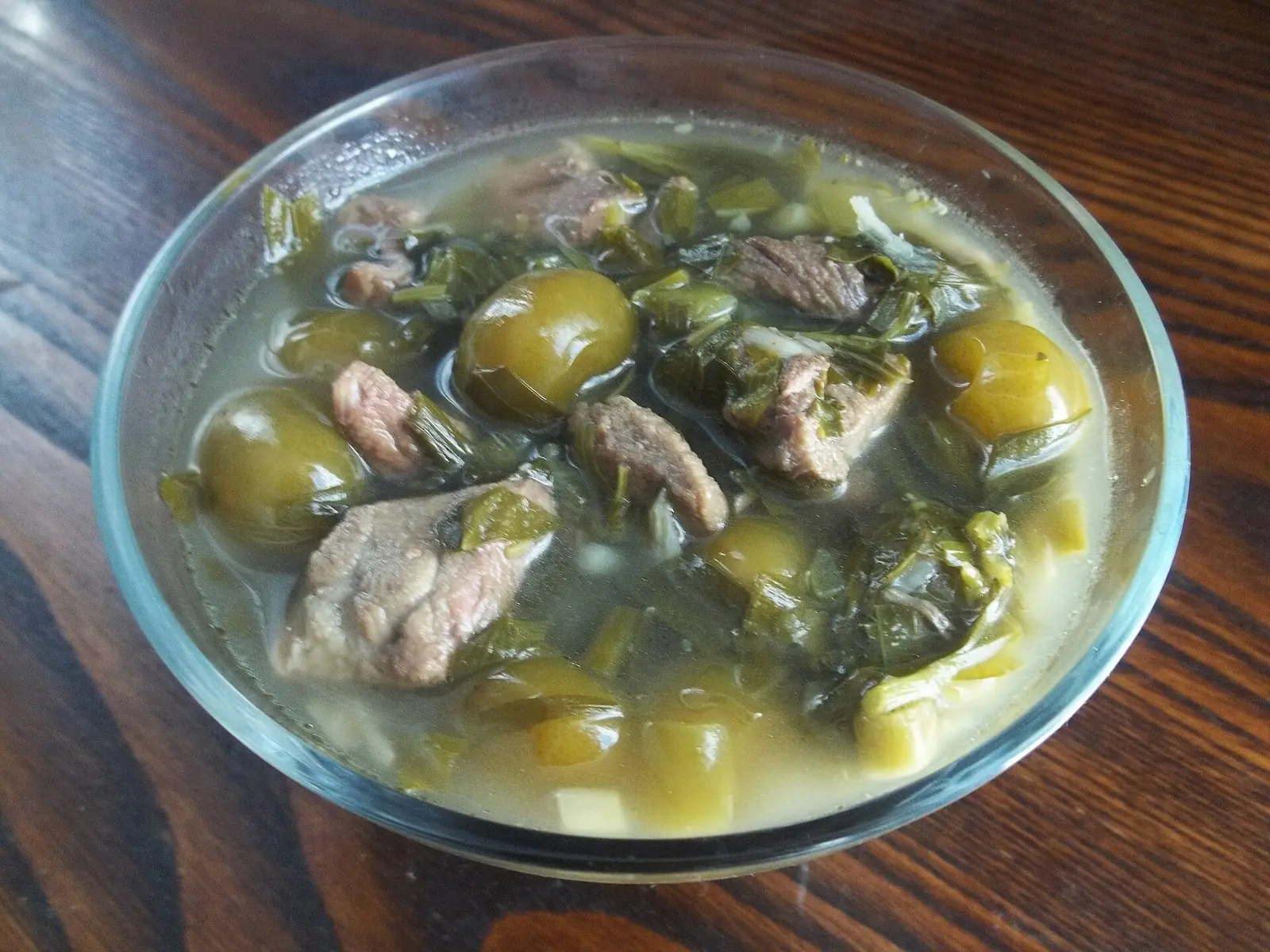
- Green tkemali (May and June): use 1 kg hard green cherry plums, picked once the stone inside has set. Some cooks boil them for 5 minutes and pour that water away to take the edge off the sourness, then simmer them in fresh water only until soft, 5 to 10 minutes. Sieve as above and stir in twice the dill and coriander, a good handful of fresh ombalo or mint, 1 or 2 green chillies in place of the red one, and the garlic. Leave it uncooked, or boil it for just 1 minute so it stays green. It is the sharpest tkemali of the year: keep it in the fridge and eat it within 2 weeks.
- Yellow tkemali: the yellow cherry plums come last, towards the end of summer. They cook to an amber sauce with a gentler sourness. Follow the main recipe and add a squeeze of lemon if it tastes flat.
- Frozen cherry plums out of season: some Georgian, Russian and other Eastern European shops keep them in the freezer, labelled tkemali, alycha or alucha. Thaw them completely in a bowl, add the juice to the pan with them, and cook as for fresh; they need a little less time.
- Damsons: these small, sharp autumn plums, sold in Georgia as ghognasho, come closest to cherry plums. Georgian cooks make a winter sauce from ripe red cherry plums and damsons in equal amounts, or from damsons alone for a slightly sweeter one. Simmer them a few minutes longer, since the flesh clings to the stone. They freeze well, so a bag put by in autumn lasts the winter.
- Ordinary plums: choose the firmest, least ripe and sourest you can find, and keep the skins on, as they hold much of the acidity. Add the juice of 1 lemon or 1/4 tsp citric acid per kilo, a little at a time, at the tasting stage. The sauce will be sweeter and simpler, but still recognisably tkemali.
- Other sour fruit: frozen gooseberries or redcurrants, cooked and sieved the same way, make a sharp green or red sauce. Georgians living abroad stew rhubarb until it falls apart, blend it and season it as for green tkemali. At home cooks also make tkemali-style sauces from sour cherries and cornels, and in autumn from feijoa, which is treated just like the green plums.
- Herb bundle: in place of loose stalks, tie coriander and dill stalks, ombalo and a sprig of summer savory into a bundle, simmer it with the plums and lift it out before sieving. In Georgia the coriander and dill for tkemali are often cut when they are already flowering or setting seed, and cooks value them most at that stage.
- Shortcut: a good bottled tkemali from a Georgian shop is fine for spooning into soups and stews. Read the label, because some brands are sweetened or thickened with starch.
Serve it with
Make ahead and storage
Keep the jar you are using in the fridge, take sauce out with a clean spoon and finish it within 2 to 3 weeks. For a winter store, fill sterilised jars with the sauce while it is still boiling, close them at once and stand them in a pan of simmering water for 10 minutes; kept somewhere cool and dark they last for months, and once opened they go in the fridge. Tkemali also freezes well in small pots for up to 4 months. Mould, a lid that has bulged or bubbles rising in the jar are all signs to throw it away.


Maspindzeli Travel, Tbilisi · private tours and cooking classes in Georgia · maspindzeli.ge · WhatsApp +995 598 74 74 54 · hello@maspindzeli.ge