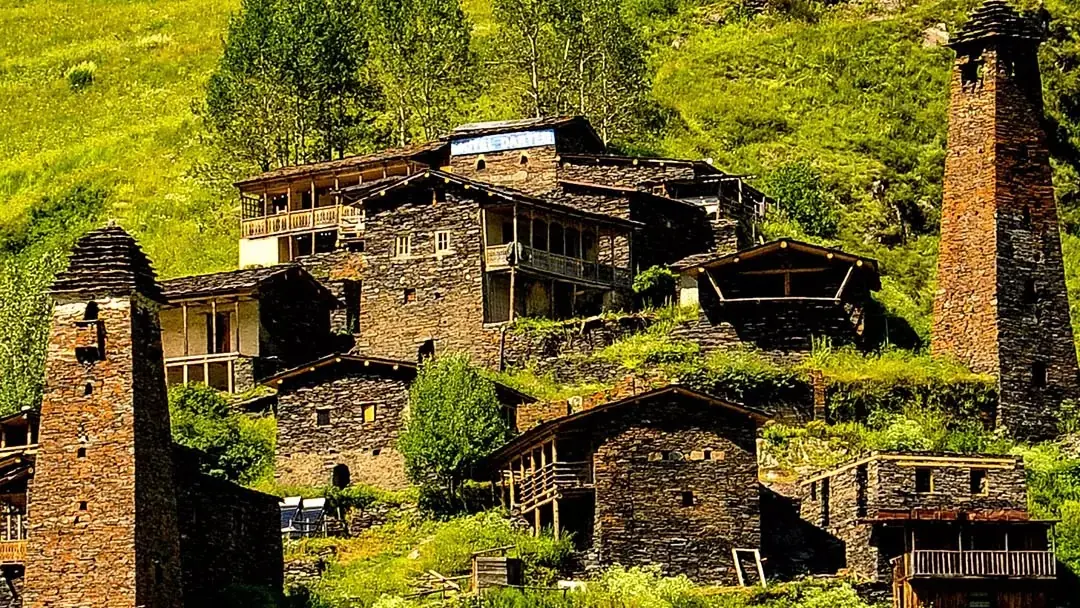
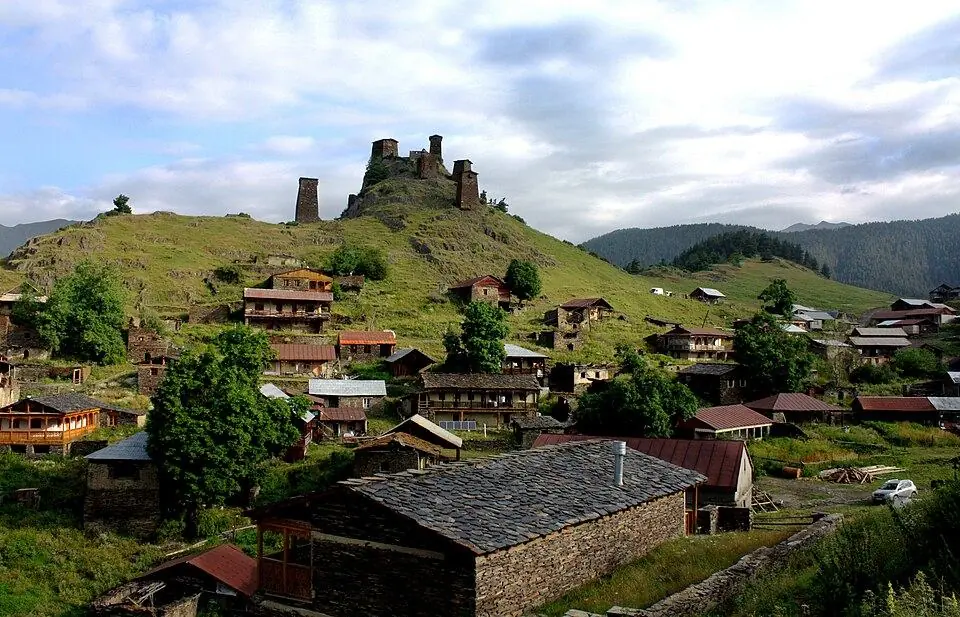
- Tusheti is the high corner of Kakheti on the north side of the main Caucasus ridge, next to Chechnya and Dagestan. Tush shepherd families spend each summer there in slate tower villages such as Omalo (~1,880 m) and Dartlo (~2,000 m).
- The only way in is a 72 km dirt road from Pshaveli to Omalo, with the Abano Pass (about 2,950 m) as its high point. It is for 4x4s only, takes 4 to 5 hours and usually carries traffic from June until October snow closes it.
- Go between late June and mid-September. The road shut for the winter on 24 October 2026, and until it reopens Tusheti is cut off apart from occasional helicopter flights, mainly for residents.
- Plan three or four nights: Omalo and Keselo, a walk to Shenako and Diklo, and a night in Dartlo. There is no cash machine, fuel station or pharmacy, so bring enough lari in cash for the whole stay.
Tusheti is the hardest corner of the Georgian Caucasus to reach, a group of high valleys in the north-east where shepherds still take their flocks up for the summer and down for the winter. Slate towers rise over almost every village, and for more than half the year snow cuts the only road. This Tusheti travel guide is written for the June to September season, when the Abano Pass is open, the guesthouses are cooking and the paths between the villages are free of snow.
Below you will find how to get to Tusheti and what the drive is really like, the best time to go, the villages valley by valley, treks and horse riding, food, beds, permits, fees and safety, and a plan for three or four days. We checked the facts on 1 and 2 November 2026, just after the road closed for the winter. Prices, transport and the road season change every year, so confirm anything your trip depends on in spring.
Where is Tusheti, and why is it special?
Tusheti lies on the northern slope of the main Caucasus ridge, in the Akhmeta district of Kakheti. Its two rivers, the Pirikiti Alazani and the Gometsari Alazani, meet in the east of the region and flow on into Dagestan. Chechnya lies over the ridges to the north and Khevsureti to the west. The ground climbs from ~1,900 m in the valleys to Tebulosmta, the highest summit, at 4,493 m.
The Tush are Georgian highlanders whose whole year turned on sheep. Families spent the summer in the mountains and the winter in the Alazani valley, and many still do, wintering in Kvemo and Zemo Alvani. In autumn the shepherds walk their flocks down over the passes, a trip of several days. Tusheti was once split into four communities: Chaghma around Omalo, Pirikiti in the northern valley, Gometsari in the western one, and Tsova, whose people settled in Zemo Alvani in the 19th century.
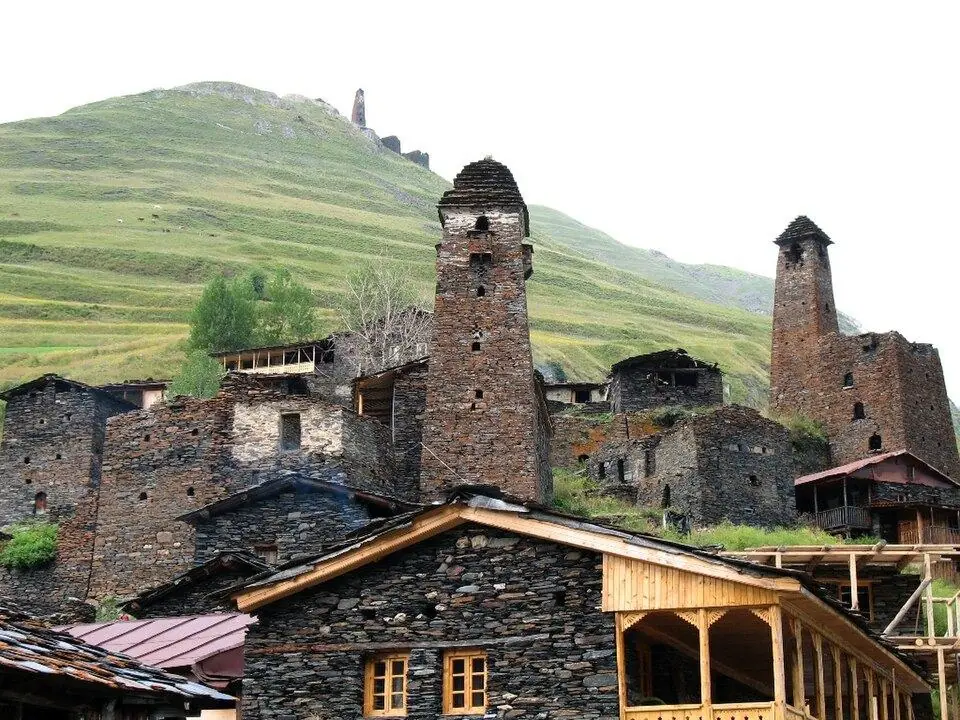
What sets Tusheti apart is how little it has changed. Defence towers stand over Omalo, Dartlo and Parsma, raised against raids from across the ridge. Since 2003 most of the land has been protected, as Tusheti National Park, a strict nature reserve and a protected landscape around the villages.
| Tusheti at a glance | |
|---|---|
| Main village | Omalo, ~1,880 m |
| Highest summit | Tebulosmta, 4,493 m |
| Only road | 72 km from Pshaveli to Omalo; high point the Abano Pass, about 2,950 m |
| Road season | Usually June to October; closed for winter since 24 Oct 2026 |
| From Tbilisi | About 200 km, 6 to 7 hours |
| Time to allow | 3 to 4 nights, 5 or more with treks |
| Money | Cash only: no ATM, bank, fuel or pharmacy |
Best time to visit Tusheti, and what happens in winter
In Tusheti the season follows the road. The snow usually clears enough for 4x4s in June, and the first heavy fall of autumn shuts the pass again in October. Between 2022 and 2026 the road opened as early as 25 May and as late as 20 June. The first winter closure came between 4 and 27 October. Inside that window, July and August are the busiest months and September the quietest.
| Month | What to expect | Best for |
|---|---|---|
| June | Road opens, often mid-month; rivers high, snow on the passes, some guesthouses still shut | Flowers, Oreti Lake, empty villages |
| July | Warm days, afternoon storms, every trail open from mid-month | Treks, horse rides, Atnigenoba in some years |
| August | Busiest weeks, festivals, guesthouses full | Tushetoba, village feasts, long walks |
| September | Settled weather, cold nights, shepherds start to leave | Hiking, photography, quiet trails |
| Early October | First snow, guesthouses closing, the pass can shut any day | Autumn colour, only with a flexible plan |
| Late October to May | Road closed by snow | No visits |
Tusheti in winter
From late October until late May or June, Tusheti is cut off by road. In 2026 the Roads Department closed the mountain section to all traffic on 24 October, after a first snow closure on 4 October. Only a few people stay the winter in Omalo. In past winters a Border Police helicopter has flown residents between Kvemo Alvani and Omalo on set days, weather permitting. Those seats are for locals and urgent cases, not for visitors.
So treat Tusheti as a summer trip. We never know the opening date in advance, and neither does anyone else. In spring, check our road status tool for the official notice before you book a driver, and our Tusheti weather page for the forecast.
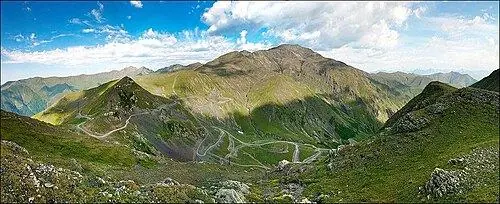
How to get to Tusheti over the Abano Pass
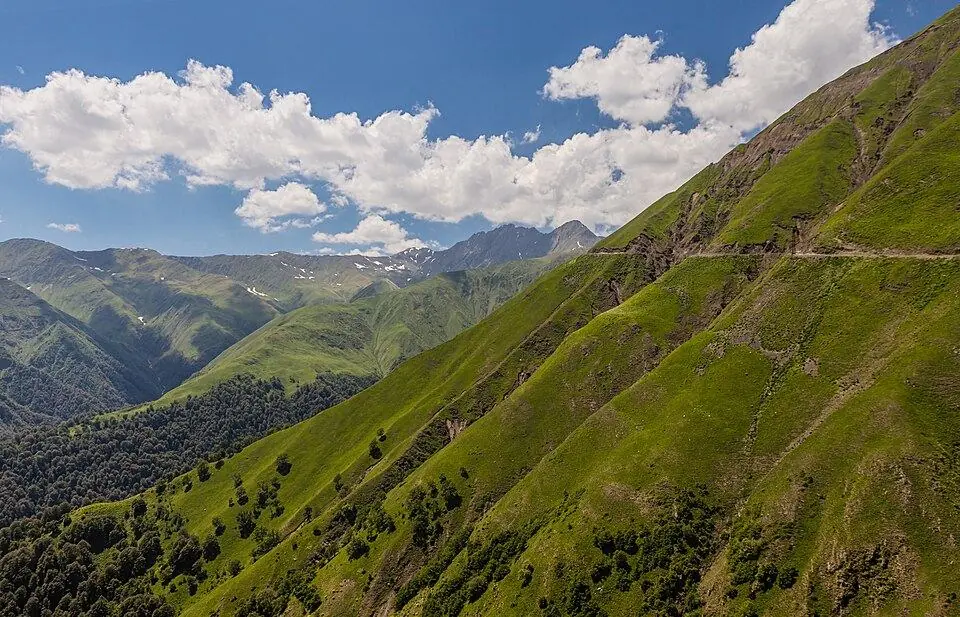
Every trip starts in the Alazani valley of Kakheti. The tarmac ends at Pshaveli, near Kvemo Alvani and ~35 to 40 minutes beyond Telavi. From there the official road to Omalo runs 72 km. It climbs the Stori gorge in tight bends to the pass, about 2,950 m above the sea, then drops into Tusheti. Allow 4 to 5 hours for this mountain stretch, stops included.
| Option | Time | Cost in 2026 | Notes |
|---|---|---|---|
| Private 4x4 with driver from Tbilisi | 6 to 7 h | On request | Door to door, with stops in Telavi or at Alaverdi |
| Minibus from Tbilisi to Kvemo Alvani | About 2.5 h | About 15-18 GEL (about $6-7) | Take an early one to catch the jeeps |
| Shared 4x4, Kvemo Alvani to Omalo | 4 to 5 h | About 100-120 GEL (about $38-46) a seat | Leaves around midday once full |
| Whole 4x4 hired in Kvemo Alvani | 4 to 5 h | About 500-650 GEL (about $190-250) one way | Your guesthouse can book it |
| Our private tour | 5 or 6 days | See the tour page | Driver, beds and walks arranged |
Beyond Pshaveli the road is gravel, narrow and steep, with no barriers on many bends. Rain brings rockfall and mud, and the drops into the gorge are long. When the road is open, only high-clearance 4x4s may use km 12 to 72. A local driver who crosses it every week is the safest choice. Many rental firms ban the Tusheti road in their contracts, so a self-drive trip can leave you with no cover.
There is no fuel, no cash machine and no pharmacy anywhere in Tusheti. Fill the tank in Telavi or Akhmeta, take out all the lari you need in Telavi or Alvani, and pack your own medicines. The Roads Department is sealing the lowest ~22.5 km in 2026 and 2027, but the pass itself will stay a gravel track.
For the full drive from the capital, with stops and transfer prices, see our Tbilisi to Omalo (Tusheti) route page.
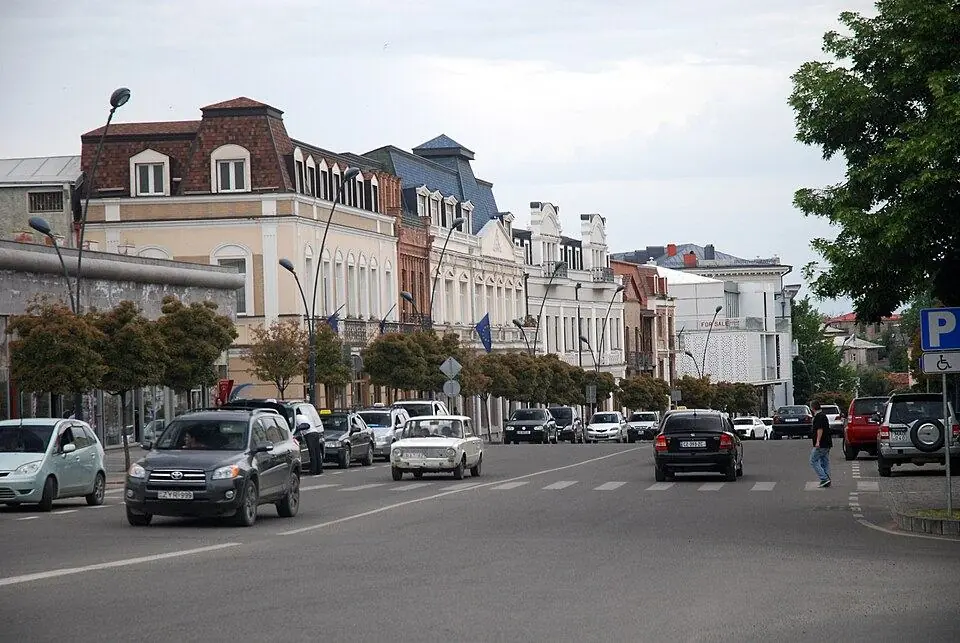
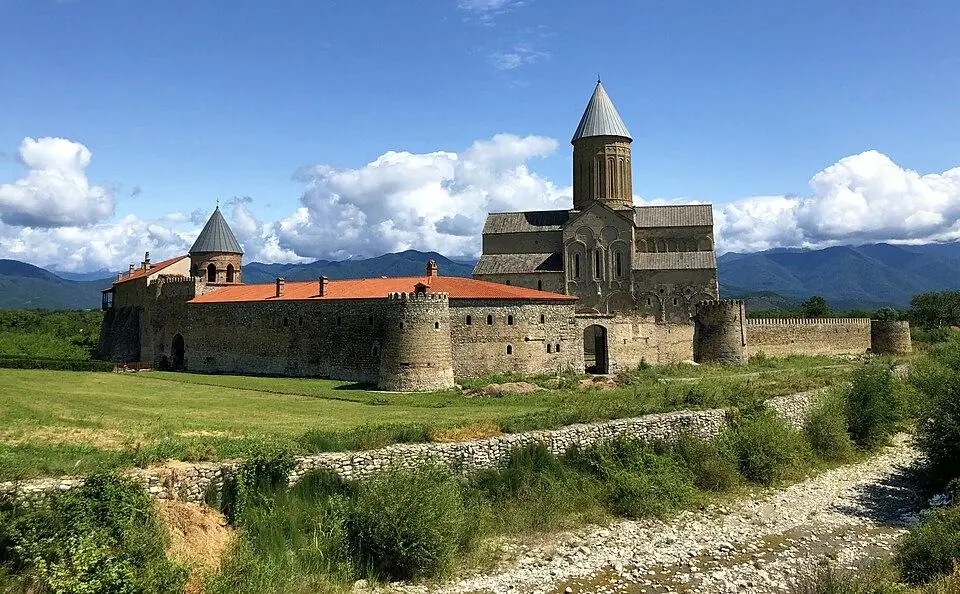
Things to do in Tusheti: Omalo, Keselo, Shenako and Diklo
Omalo is where the road ends and most visits begin. Lower (Kvemo) Omalo has the park visitor centre, a couple of small cafes and a summer medical point. Upper Omalo spreads over the slope above it. The restored towers of Keselo Fortress crown the ridge over Upper Omalo, a short, steep climb from the lanes. Go at sunset, when the light slides along the valleys and the slate turns gold.
Shenako and Diklo
East of Omalo, the Chaghma valley holds the two villages that make the best day walk in Tusheti. Shenako sits across the gorge at ~2,070 m, with carved wooden balconies and the 19th-century Holy Trinity church. It is one of very few churches in a land of shrines. Diklo lies further on, close to the Dagestan border, and ends in a ruined fortress on a spur above the gorge.
Walk out by way of Shenako and book a jeep back from Diklo, or ride out and walk home. Border police watch the area around Diklo. Carry your original passport, and expect to sign in at their post before you walk to the fortress.
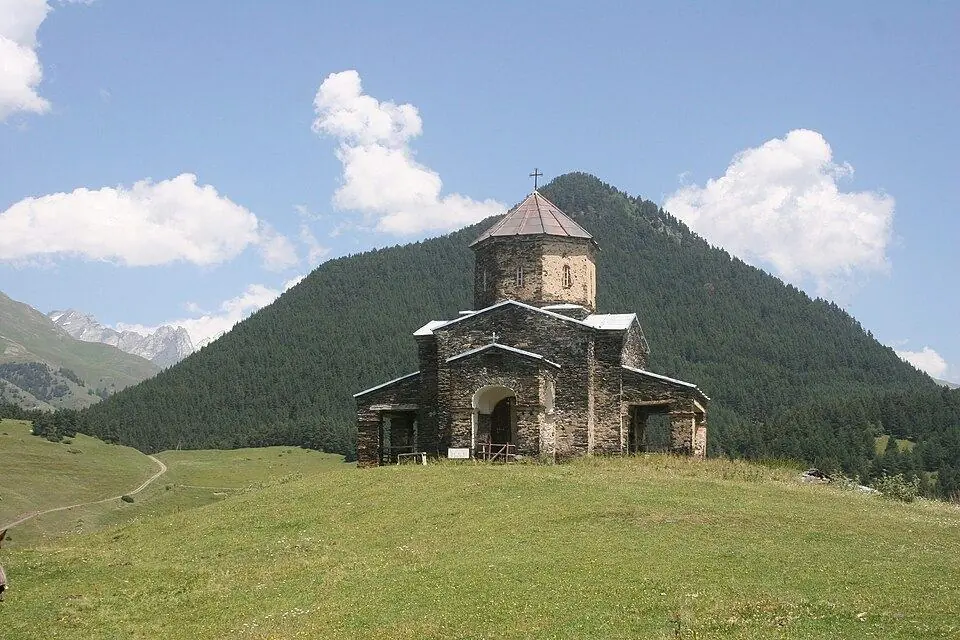
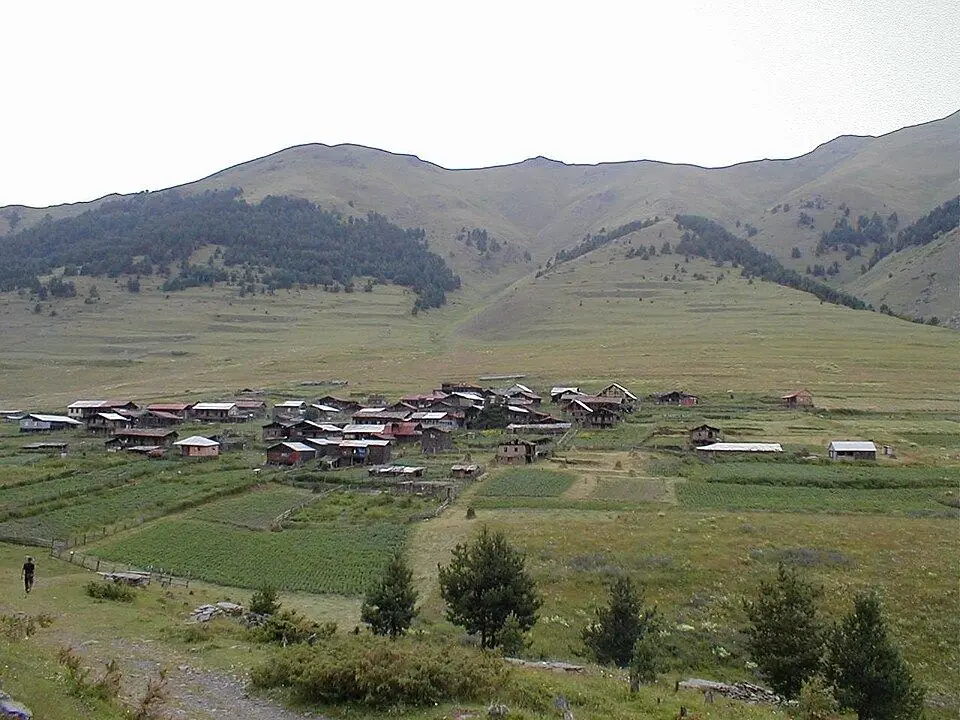
Dartlo in Tusheti, plus Parsma, Girevi and the Gometsari valley
Dartlo and the Pirikiti valley
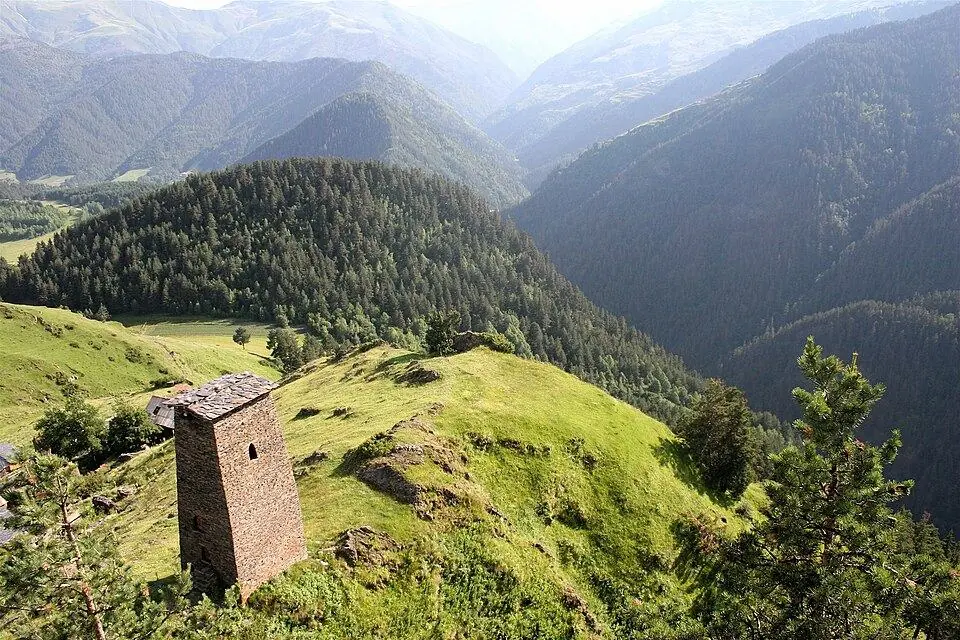
If you see one village in Tusheti, make it Dartlo. It lies ~12 to 15 km north of Omalo by jeep track, at ~2,000 m in the Pirikiti valley. Its slate houses and towers were restored as an architectural reserve. In the middle, a ring of stone seats marks the spot where the elders held council. Above the roofs, the lone tower of Kvavlo gives the classic view down onto the village.
Stay the night if you can. Day visitors leave by late afternoon, and then Dartlo is just horses, wood smoke and the sound of the river.
Parsma and Girevi
Beyond Dartlo the valley narrows past Chesho to Parsma and Girevi, the last villages below the border ridge. Parsma's towers stand on a terrace above the river. Girevi has a border police post and a few very simple summer guesthouses. Walkers bound for Khevsureti sign in at that post before they head for the Atsunta Pass.
The Gometsari valley
The western valley sees far fewer visitors. A winding track runs from Omalo to Dochu, whose balconies hang over a deep gorge, and on to Bochorna at ~2,345 m, often called one of the highest villages in Europe. Beyond them lies Jvarboseli. Give the valley half a day by jeep, or a full day on foot or horseback.
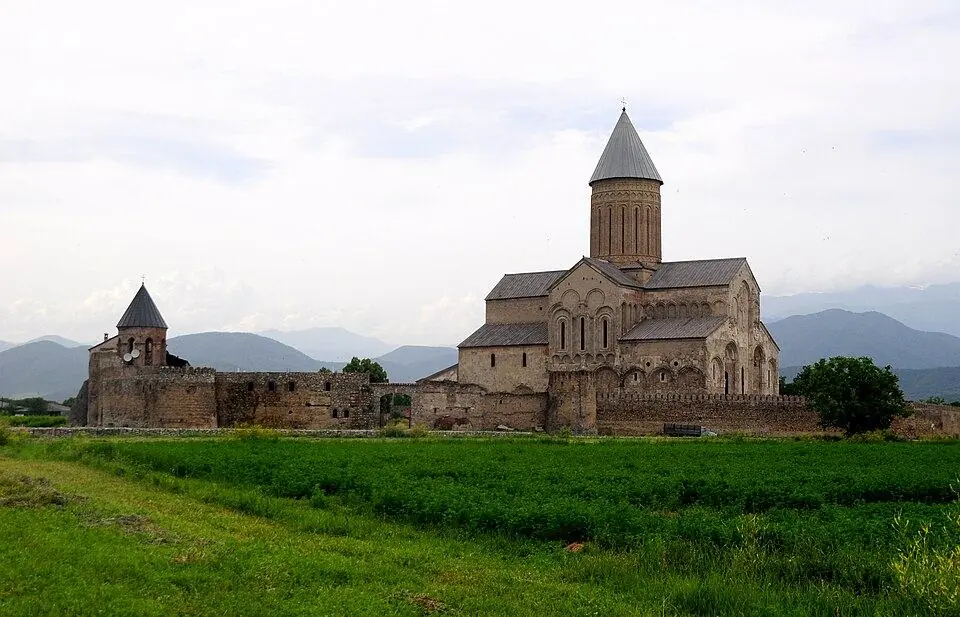
Hiking and horse riding in Tusheti
In Tusheti the paths matter more than the roads. The park lists about a dozen routes of one to six days, and most of them link villages, so you can walk light and sleep in a bed. Signs are few. Download an offline map, and ask your host about the path each morning.
| Route | Start | Distance and climb | Time | Notes |
|---|---|---|---|---|
| Shenako and Diklo | Omalo | A steep drop to the river, then a long climb | 3 to 4 h one way | Jeep back from Diklo; passport needed |
| Omalo to Dartlo | Omalo | ~12 to 15 km one way | About 4 h | Mostly on the jeep track; ride back |
| Oreti Lake Day Hike | Lower Omalo | ~24 km return, +~1,350 m | 9 to 10 h | Long and steep; horses can do most of it |
| Dartlo, Kvavlo and Parsma: Tower Villages of the Pirikiti Valley | Dartlo | ~22 km, +~800 m | 2 days | Guesthouse nights, an easy grade |
| Omalo to Shatili over the Atsunta Pass | Omalo | ~76 km, pass ~3,430 m | 5 days | Camping, fords, border sign-in at Girevi |
Each route has its own page with stages, water and signal, so we keep the detail there. The two-day Dartlo to Parsma trek is the gentle way to see the Pirikiti valley on foot. The Atsunta crossing is the hardest walk in the eastern Caucasus, and our guide to multi-day treks sets both beside the rest of Georgia.
Riding a Tush horse
The Tushetian horse is a small, hardy local breed that knows the paths better than any rider. Hosts in Omalo and Dartlo can find you a horse and a horseman for a day ride, for example to Oreti Lake or Diklo. Pack horses make longer treks much easier. You need no riding experience to sit on one at a walk. Agree the price per day, and the horse's trip home, before you set off.
Our Tusheti on Horseback tour gives you four riding days between Omalo and Girevi, led by a Tush horseman and a guide who speaks your language. Nobody else joins your party: you pick the start day, bring as many or as few riders as you like, and we provide the horses and kit. Check the tour page for exactly what is included.
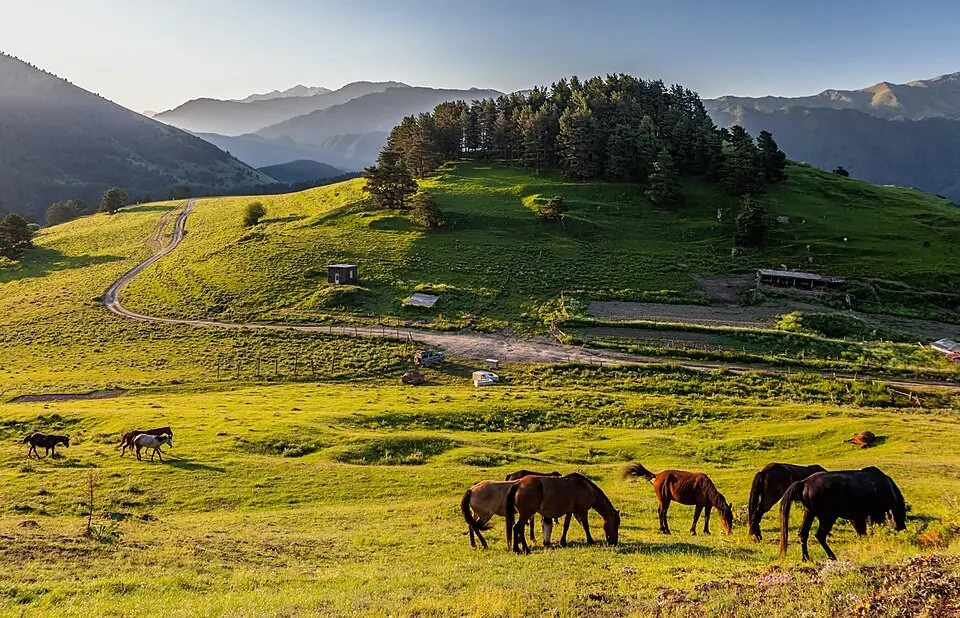
Tush culture, shrines and the Tushetoba festival
Tusheti is Christian, but its faith is older than its few churches. Each village has its khati, stone shrines at the edge of the houses, where feasts start with prayers, beer and the sacrifice of a sheep. Women by custom do not go near them, and visitors of any gender should keep back unless invited. Pork is taboo across the region, so leave salami and ham in the lowlands.
The great summer feast is Atnigenoba, held about 100 days after Orthodox Easter, so in late July or August. In 2027 that should fall around 10 August. Villages take turns over about two weeks, with beer brewed by the men, horse races and long tables. Tushetoba is an organised festival in Omalo, usually on a weekend in early August, with folk music, shearing contests and bareback races below Keselo. Ask your guesthouse in spring for the 2027 dates.
Down in the Alazani valley, Alvani holds Zezvaoba, usually on the last Sunday of May, and a Tushetian cheese festival in early October.
Tushetian food: guda cheese, khinkali and lamb
Tushetian cooking comes from the flock: cheese, curd, butter and lamb, with bread, wild herbs and a few vegetables. Guesthouses serve it at almost every meal. In summer the dairy is made a few hundred metres from your table.
| Dish or drink | What it is |
|---|---|
| Guda | Salty, crumbly sheep's cheese matured in a sack of sheepskin, the guda itself |
| Dambal khacho | Balls of curd cheese smoked over the hearth and left to mature, often eaten with melted butter |
| Tushetian khinkali | Dumplings of chopped lamb or beef with very little seasoning |
| Kotori | Thin round pie filled with kalti curd or sheep's cheese, brushed with butter |
| Khavitsi | Curd melted into butter until rich and stretchy, scooped up with bread |
| Lamb | The main meat, often simply boiled with salt and herbs |
| Aludi | Barley beer brewed for feasts |
| Kondari tea | Herbal tea of wild savory |
Ask for khinkali a day ahead, because hosts fold them by hand. A wedge of guda travels well and keeps for weeks, so buy one from the family that made it.
Where to stay in Tusheti: guesthouses and half board
Family guesthouses are the real choice here, and most open from late June to September. Expect simple rooms, shared bathrooms in the smaller houses, solar power with a few shared sockets, and no heating. Many have Wi-Fi by satellite. Half board, dinner and breakfast, is the norm, and a packed lunch costs a little extra.
In 2026 a bed with breakfast cost about 80 to 120 GEL (about $31 to $46) per person. Each extra meal added about 20 to 30 GEL (about $8 to $12).
| Base | Height | Good for |
|---|---|---|
| Omalo | ~1,880 m | A first visit: the most beds, Keselo, walks to Shenako, Diklo and Oreti |
| Shenako | ~2,070 m | Quiet nights and an early start for Diklo |
| Dartlo | ~2,000 m | The finest village, Kvavlo and the Pirikiti valley |
| Parsma and Girevi | ~2,000 to 2,060 m | The remote end of the valley and the trek north; very basic |
| Dochu and the Gometsari valley | Varies | Few other guests, horse rides |
Book July and August early. Tour groups reserve the larger houses months ahead, and many hosts take bookings only by phone or messenger. If you are camping, use the park's marked sites near Omalo and Dartlo, or ask to pitch in a guesthouse garden.
Tusheti travel guide essentials: permits, fees, money and safety
Park office, permits and fees
On your first day, stop at the park office in Lower Omalo, run by the Tusheti Protected Areas administration. In 2026 it opened about 10:00 to 18:00 on weekdays and 10:00 to 17:00 at weekends in summer and autumn. Rangers log your route for free, show you the campsites and have maps of the trails. There is no entry fee for Tusheti National Park.
You pay only for park services. In 2026 a bed in the Alazanistavi shelter cost about 30 GEL (about $12) per person a night, and a pitch at a park campsite about 10 GEL (about $4) per person. The rates are on the APA visitor portal, nationalparks.ge.
Two places need a border police sign-in with your passport: Girevi, for anyone going on towards the Atsunta Pass, and the post near Diklo fortress. It is free, but bring the original, not a copy.
Money, phone and insurance
- Cash only. No guesthouse takes cards, and there is no ATM, bank or exchange office. Bring lari for beds, meals, drivers and horses, plus a reserve in case the road shuts.
- Magti gives the best coverage in the main villages. Most trails have none.
- Georgia requires every foreign visitor to carry travel insurance, and the policy must cover 30,000 GEL or more. In Tusheti, also check that your policy pays for a helicopter rescue in the mountains.
Is Tusheti safe? Altitude, weather and the road
Crime is not the worry here; distance is. Omalo lies at ~1,880 m and the villages near 2,000 m, which few people notice. The pass is close to 3,000 m, though, and the Atsunta trek tops 3,400 m. Climb slowly, drink plenty, and go down if a headache gets worse.
Storms build on many July and August afternoons, and snow can fall on the pass in any month. Carry a warm layer and rain gear on every walk. On the road, travel in the morning, wait out heavy rain and never push on after dark.
Tusheti has no hospital. A bad fall means a long jeep ride or a helicopter, and phones are often dead between villages. Give sheepdogs space, keep children close near the flocks, and tell your host where you are going.
Tusheti itinerary: a 3 to 4 day plan
This plan starts in Telavi or Kvemo Alvani. From Tbilisi, add about 2.5 hours at each end, or sleep in the valley first.
- Day 1: over the Abano Pass to Omalo
Leave early, stop at the pass and its small shrine, and reach Omalo by early afternoon. Visit the park office, settle in, and climb to Keselo for sunset. - Day 2: Shenako and Diklo on foot
Walk down through the pines, cross the river and climb to Shenako. Go on to Diklo and its fortress, then ride back to Omalo in a jeep booked the night before. Expect 5 to 6 hours of walking. - Day 3: Dartlo and Kvavlo
Drive or walk up the Pirikiti valley to Dartlo. Climb to Kvavlo, eat lunch with the towers below you, and sleep in Dartlo. Strong walkers can push on to Parsma. - Day 4: back to Kakheti
Return to Omalo and cross the pass while the weather is clear. You reach Telavi in the afternoon, in time for a cellar visit or a night in the valley. - Day 5, if you can spare it
Add the Gometsari valley and Dochu, the Oreti Lake hike or a horse ride. Or keep it free, in case rain closes the road.
Our Tusheti 4x4 Adventure follows a similar plan over five days from Tbilisi, with three nights in Omalo, a local driver and a guide in your language. Being private, it can start on whatever date suits you, for a group of any size.
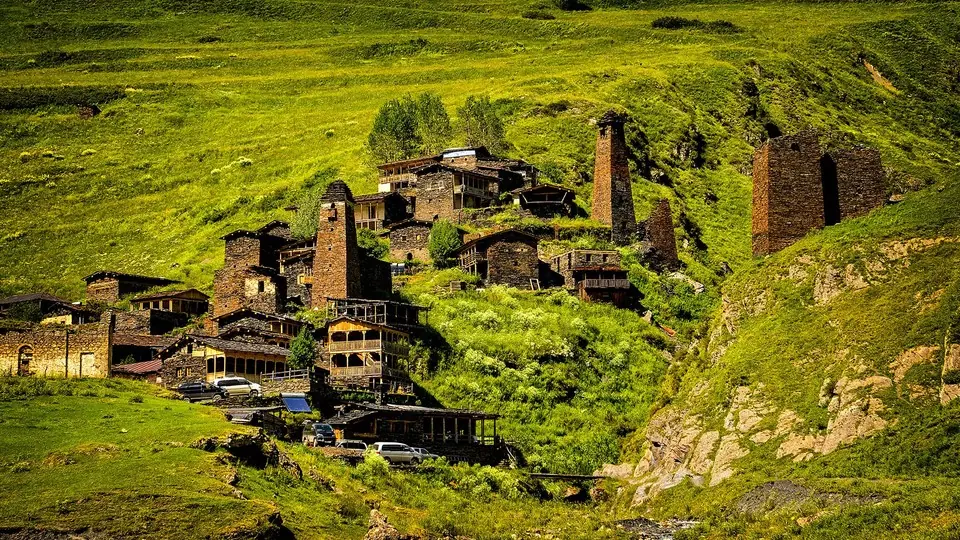
Tusheti pairs well with a few days of wine and monasteries in the valley below. Our Kakheti travel guide covers Telavi, Sighnaghi and the cellars.
Tusheti FAQ
Is Tusheti worth visiting?
Yes, as long as you can give it three nights or more between late June and September. It has the best-kept tower villages in eastern Georgia, quiet trails and a shepherd culture that is still alive. The drive is long and rough, so with only one or two days, choose Kazbegi instead.
How do you get to Tusheti from Tbilisi?
Take a minibus or car to Kvemo Alvani in Kakheti, about 2.5 hours, then a 4x4 over the Abano Pass to Omalo, 4 to 5 hours more. In 2026 a seat in a shared jeep cost about 100 to 120 GEL (about $38 to $46). Ordinary cars cannot make the climb.
In which months is the Tusheti road open?
Normally from June until heavy snow arrives in October. In 2026 traffic started on 20 June and the winter closure came on 24 October. The dates shift each year, so look at the official notices before you book.
Best time to visit Tusheti: which months?
Mid-July to mid-September. Every trail is open, the guesthouses are running and the August feasts take place. Late June has flowers but high rivers, and September is quieter, with cold nights.
Can you visit Tusheti in winter?
Not as a visitor. Snow closes the road from about late October to June, almost everyone moves down to the lowlands, and the only link is an occasional Border Police helicopter for residents. Plan your trip for the summer.
How many days do you need in Tusheti?
Three nights cover Omalo, Keselo, Shenako, Diklo and Dartlo. Four or five let you sleep in Dartlo, add the Gometsari valley or Oreti Lake, and keep a spare day for the road.
Do you need a permit for Tusheti?
There is no ticket for the national park. Log your route for free at the visitor centre in Lower Omalo. Near the border, at Girevi and Diklo, the border police sign you in with your original passport.
Are there ATMs in Tusheti?
No. Tusheti has no cash machine, bank, fuel station or pharmacy, and guesthouses do not take cards. Withdraw enough lari in Telavi or Alvani for the whole stay.