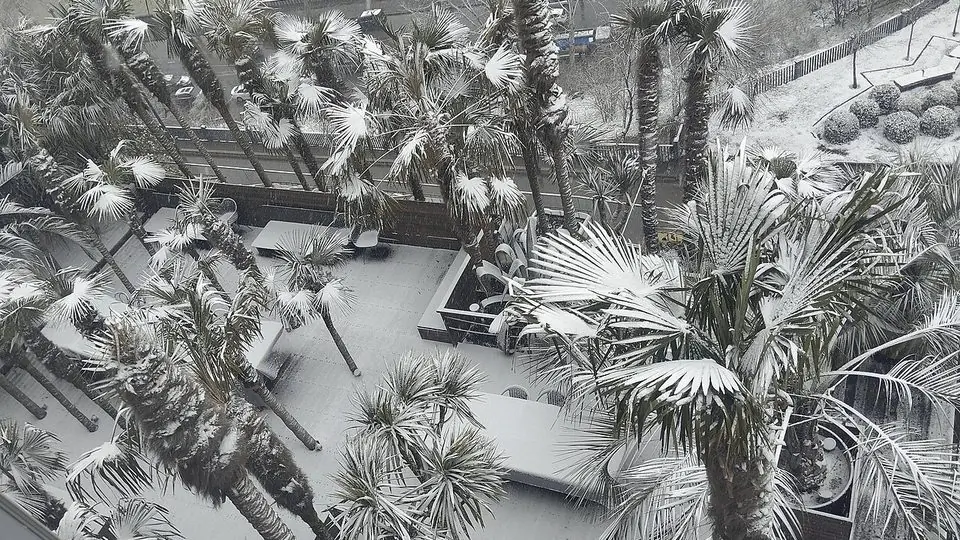
- Tbilisi in winter is cool and mostly dry. From December to February afternoons reach about 7-9°C and nights sit close to 0°C, and snow lies in the streets on only about eight days in an average winter.
- The festive weeks run from the mid-December switch-on of the lights and the city's New Year market to the Old New Year on 14 January. Orthodox Christmas and the Alilo procession fall on 7 January.
- Sights stay open, but the sun sets around 17:30 in December. Cable cars keep shorter evening hours, many Mtatsminda Park rides rest, and state museums shut on Mondays and on 1, 2, 7 and 19 January.
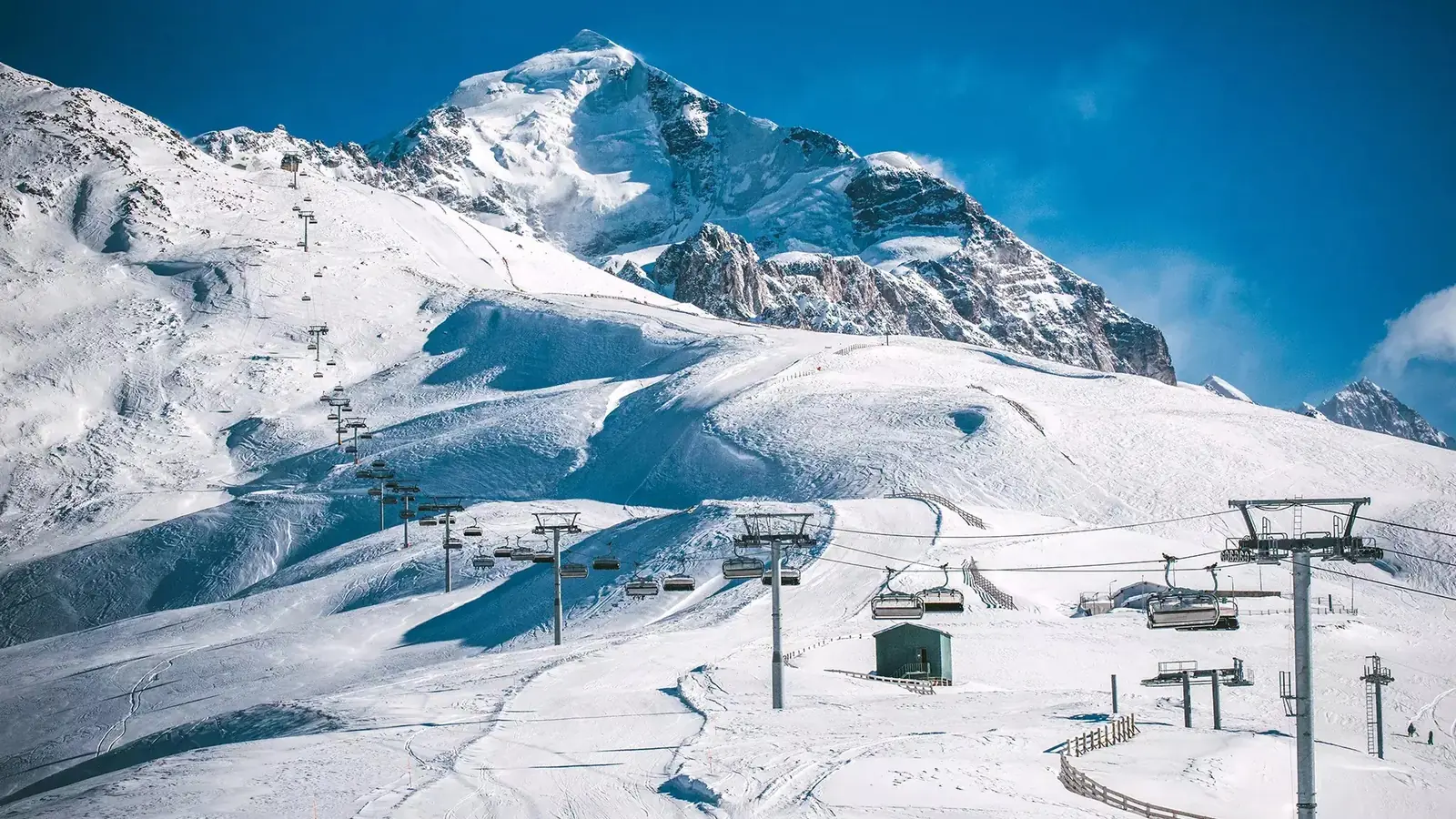
- Mtskheta and Kakheti make easy day trips all winter. Gudauri's lifts tend to open after mid-December, and the road beyond it to Kazbegi can close for a day after big storms.
- Prices are lowest in early December and from mid-January to the end of February. The stretch from about 27 December to early January is the busiest and dearest.
Tbilisi in winter suits travellers who like cool, bright days and long, warm evenings indoors. From December to February the afternoons usually reach about 7 to 9°C, nights hover around freezing and rain is light. Snow visits now and then but rarely stays. The city also keeps its own holiday calendar. Lights and a New Year market go up in mid-December, fireworks fill the sky on 31 December, Christmas comes on 7 January and a smaller second New Year follows a week later. Outside those weeks the hotels are quiet and the museums feel almost private.
Below you will find what each winter month is like, the dates that matter and the best indoor plans for a grey afternoon. We also show what runs on a shorter clock in the cold season, from the cable cars to Mtatsminda Park, and which day trips still make sense. Prices, crowds, a packing list and a three-day plan close the guide. Our private tours run on any winter date, for any group size.
What Tbilisi in winter is like: December, January and February
The capital lies low in the valley of the Mtkvari, with its weather station at 432 m, and the Greater Caucasus shields it from the worst northern cold. A typical winter day begins with frost on parked cars. By lunchtime the sun can make a coat feel too warm, and soon after dark the air turns sharp again. Grey, still days are common too, especially in December.
| Month | Typical afternoon / night | What is on | Crowds |
|---|---|---|---|
| December | About 8°C / about 1°C; ~4 wet days | Film festival early in the month; lights and New Year market from mid-month; New Year's Eve | Quiet until about 20 December, then busy |
| January | About 7°C / about 0°C; the driest month | New Year holidays on 1-2 January; Christmas and Alilo on the 7th; Old New Year late on the 13th; Epiphany on the 19th | Busy to about mid-January, then very quiet |
| February | About 9°C / about 0°C; the likeliest month for snow in the streets | No big city events; the mountains have their best snow | The emptiest month of the year |
These figures are 30-year averages for 1991 to 2020. Across the three months there are roughly 39 frosty nights. Even so, snow covers the ground on only about eight days in a typical winter, most often in February, and it seldom lasts beyond a day or two. Real cold arrives in short snaps. The lowest reading of those 30 years was -14.1°C, on 4 February 2014. For month-by-month numbers and the forecast, see our Tbilisi weather page and its pages for December, January and February.
Short days shape the plan
Daylight, not cold, is the real limit. In mid-December the sun comes up at about 08:20 and goes down at about 17:30. By mid-February sunset has moved to about 18:30. Georgia stays on UTC+4 all year, with no change of clocks. So put viewpoints, walks and drives in the middle of the day, and keep museums, baths and dinners for the dark hours.
Tbilisi in December: festive lights, markets and New Year's Eve
December starts calmly. The first week usually brings the Tbilisi International Film Festival, which filled the Amirani cinema from 1 to 7 December in 2025. Its 2026 dates were still unannounced in late October. Hotels are near their cheapest, and you share the Old Town mostly with locals.
Lights and Christmas markets
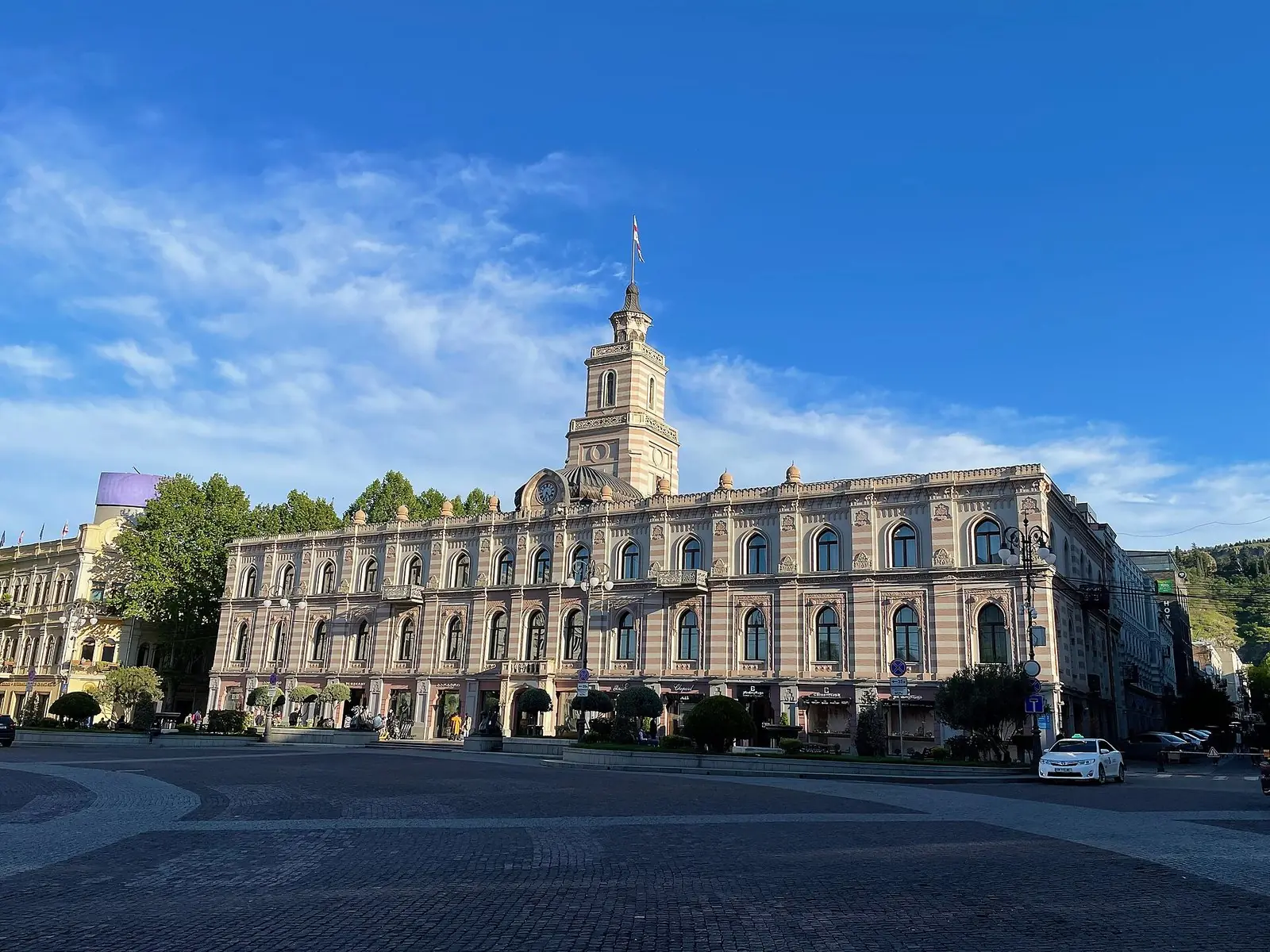
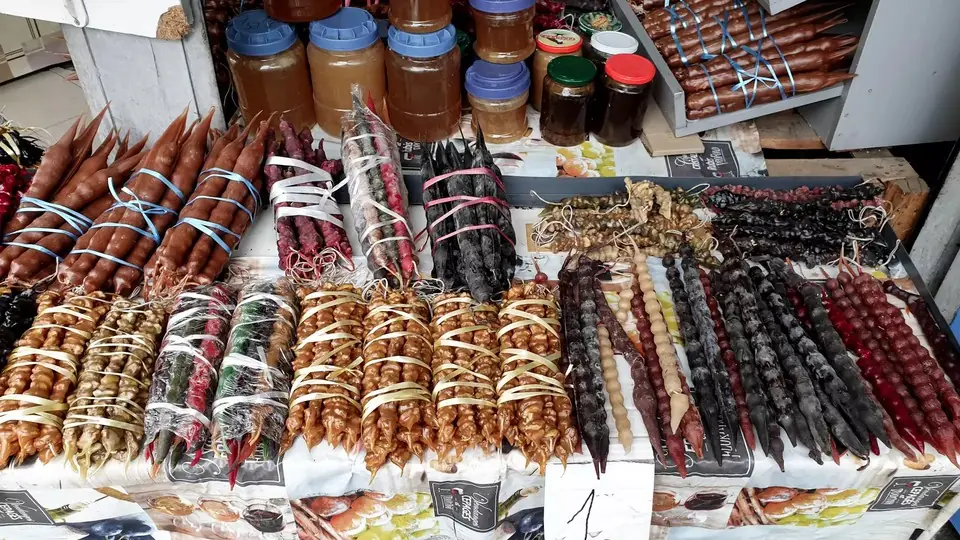
The festive season begins in mid-December, when City Hall turns on the lights and opens its New Year Village. Last season the switch-on came on 12 December 2025. The main tree, wooden stalls and an ice rink filled First Republic Square, where Rustaveli Avenue ends in the north, and the tree stayed up until 14 January. Expect a similar date in 2026, confirmed only a few days ahead. Strolling around is free, while mulled Saperavi, churchkhela and the rides cost a few lari. Our Tbilisi Christmas market guide has the venues, past dates and the best buys.
Freedom Square, Orbeliani Square and the Old Town lanes get their own decorations. Smaller craft fairs pop up for single weekends. In the last days of the year, the streets around Dezerter Bazaar fill with fir branches and chichilaki, the curly shaved hazel trees of a Georgian New Year. For every festive event in one place, see New Year Lights and Markets in Tbilisi in our festival calendar.
New Year's Eve in the city
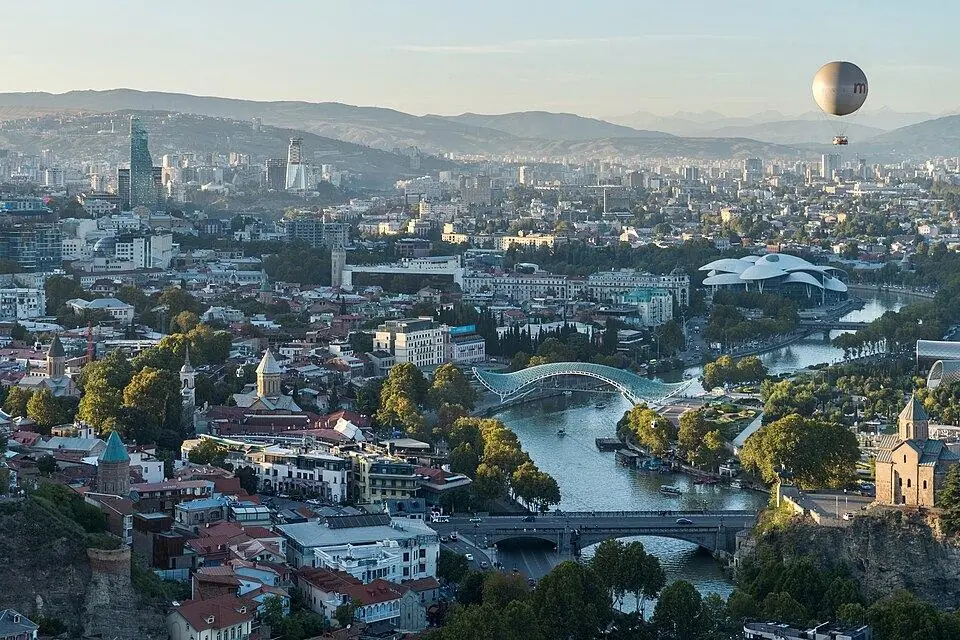
The night of 31 December is the biggest of the Georgian year, yet most of it happens at home. Families gather around a crowded table and step outside at midnight. Then fireworks go up from balconies, yards and hillsides in every district, and the noise rolls around the valley. In 2025 the city also put on a free concert on First Republic Square. For the widest view, climb to high ground before midnight: Narikala, Mtatsminda or the stairways of Betlemi above the Old Town.
Sort out the practical side early. Restaurants that open that night serve set festive menus and fill weeks ahead. Taxis are scarce and dear, so stay close to your hotel or a metro station. On 1 and 2 January, both public holidays, banks shut and plenty of smaller shops stay dark, though supermarkets and the big malls mostly trade. Our New Year in Georgia guide explains the customs, from the first guest through the door to the honey and walnut gozinaki.
Tbilisi in January: Christmas on 7 January, Alilo and a second New Year
The first week of January is slow. Many Georgians stay off work until after Christmas, offices are shut and the centre feels like one long Sunday. Most cafes, restaurants and sights keep going, but museums close on the public holidays.
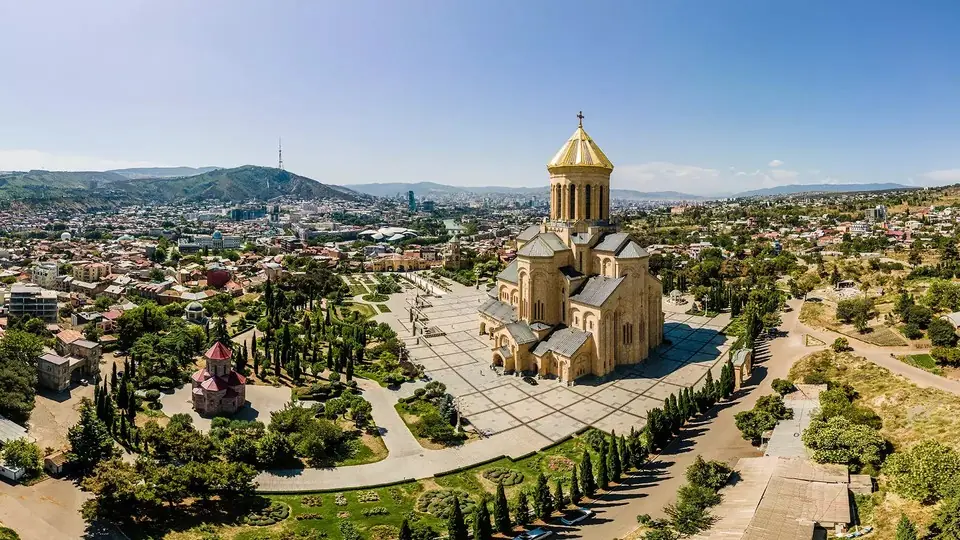
Christmas here comes on 7 January. The Georgian Orthodox Church keeps the old Julian calendar for its feasts. Overnight from 6 into 7 January, churches hold long services by candlelight. The biggest is usually at Sameba Cathedral. January 2027 brings the first Christmas under Patriarch Shio III, who was enthroned in May 2026. Visitors are welcome in modest clothes that hide knees and shoulders; women also wear a headscarf. Come early, because the cathedral is packed by midnight.
On Christmas afternoon the Alilo procession winds through the centre with clergy, choirs and boys in white robes. In 2026 the walkers gathered on First Republic Square, moved off at about 14:00 and reached Sameba around 16:00. Carts follow the walkers to gather food, clothes and gifts for families in need, so bring a bag of fruit or sweets to drop in. Our Georgian Christmas guide covers the night service, the carols and the festive food.
Two more dates close the season. Late on 13 January many families mark the Old New Year with one more dinner and a smaller burst of fireworks, though the 14th is a working day. Epiphany on 19 January is a public holiday. Churches bless water on the eve and on the day, and people queue with empty bottles to carry some home. After that, Tbilisi settles into its quietest weeks.
Warm and indoors: museums, sulphur baths, wine bars and the opera
Winter is the indoor season, and the city does it well. These are the plans we suggest to guests on a cold or grey day. The full year-round list is in things to do in Tbilisi.
| Idea | Where | Cost | Good to know |
|---|---|---|---|
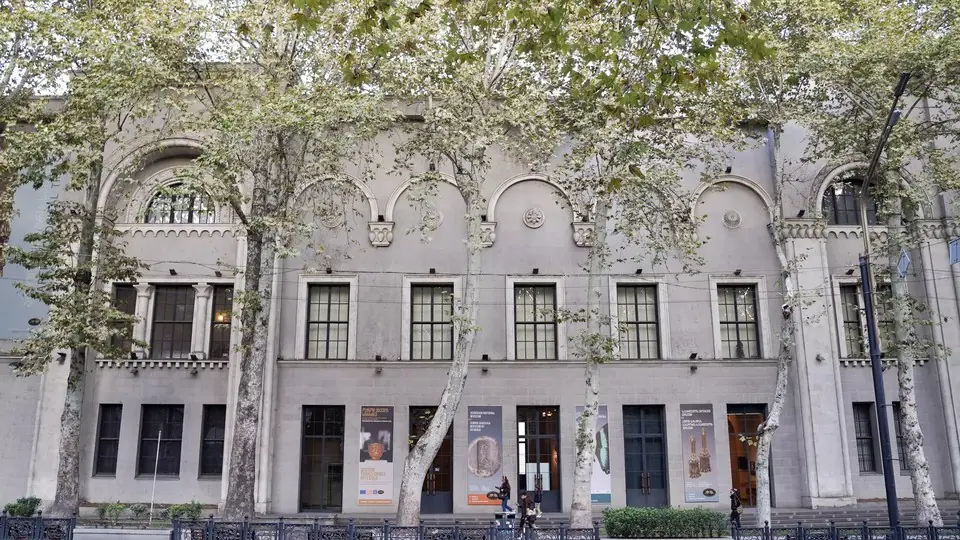
| Georgian National Museum | Rustaveli Avenue, a short walk from Freedom Square | Foreign adults about 40 GEL (about $15) in 2026 | Ancient gold in the treasury; closed on Mondays and public holidays |
| Sulphur bath | Abanotubani, below Narikala | Shared section about 10 GEL (about $4) in 2026; private room about 130-300 GEL (about $50-115) for one hour in 2026 | Book private rooms ahead for weekends and holiday evenings |
| Opera or ballet | Opera and Ballet Theatre, Rustaveli Avenue | Depends on the show | Evening curtain usually at 19:00; smart casual is fine |
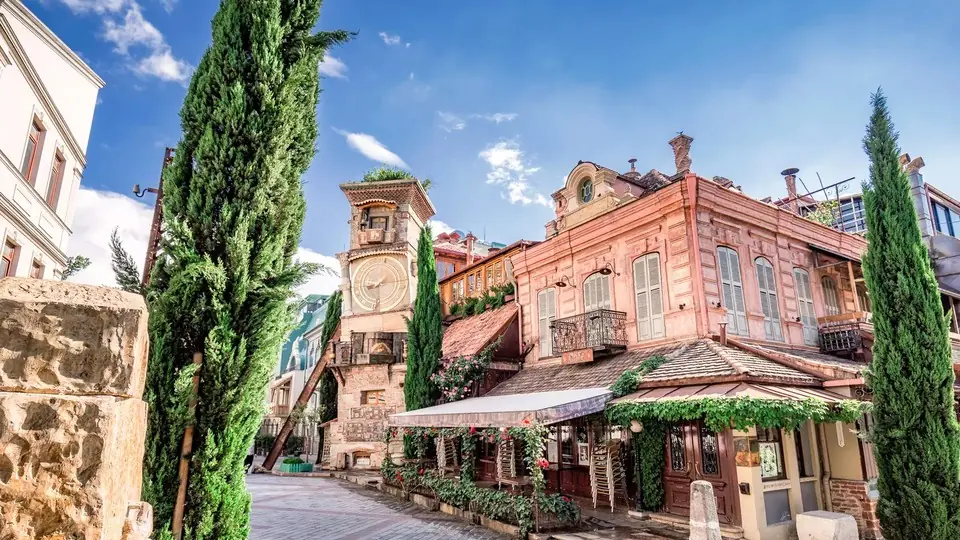
| Puppet theatre | Gabriadze Theatre, Old Town | Depends on the show | A tiny hall that sells out; book early |
| Wine bar evening | Sololaki and the Old Town | About 12-25 GEL (about $5-10) a glass of natural wine in 2026 | Many bars pour qvevri wine from small family makers |
| Market morning | Dezerter Bazaar | Free to browse | Mandarins, persimmons, churchkhela and pickles fill the winter stalls |
Museums and galleries
Begin with the Georgian National Museum. Its treasury holds gold jewellery from ancient Colchis, and the upper floors follow the country's story into the Soviet years. A few minutes up the avenue, the National Gallery hangs paintings by Niko Pirosmani, the self-taught artist who once painted signs for Tbilisi taverns.
Sulphur baths
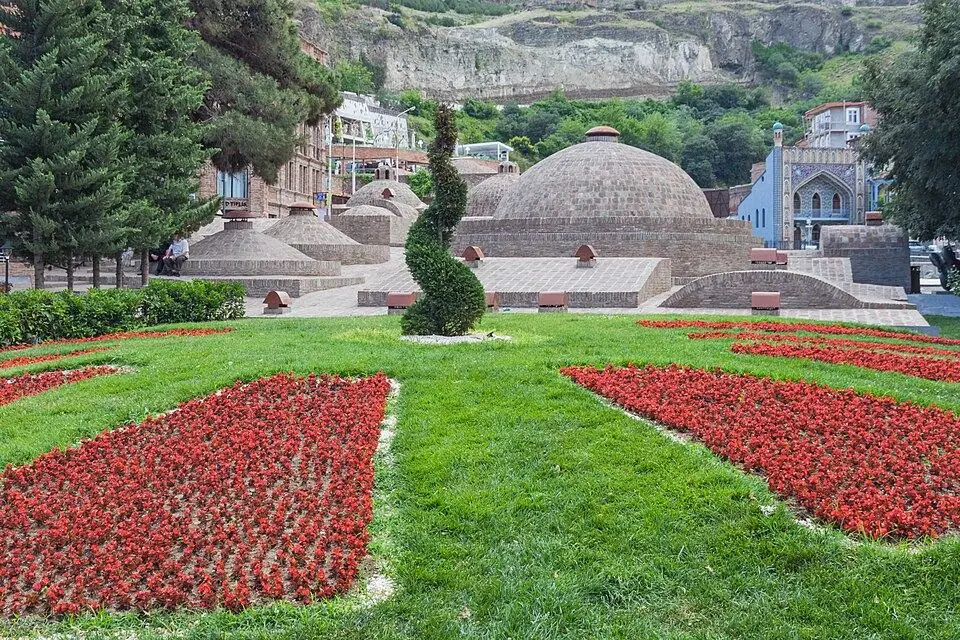
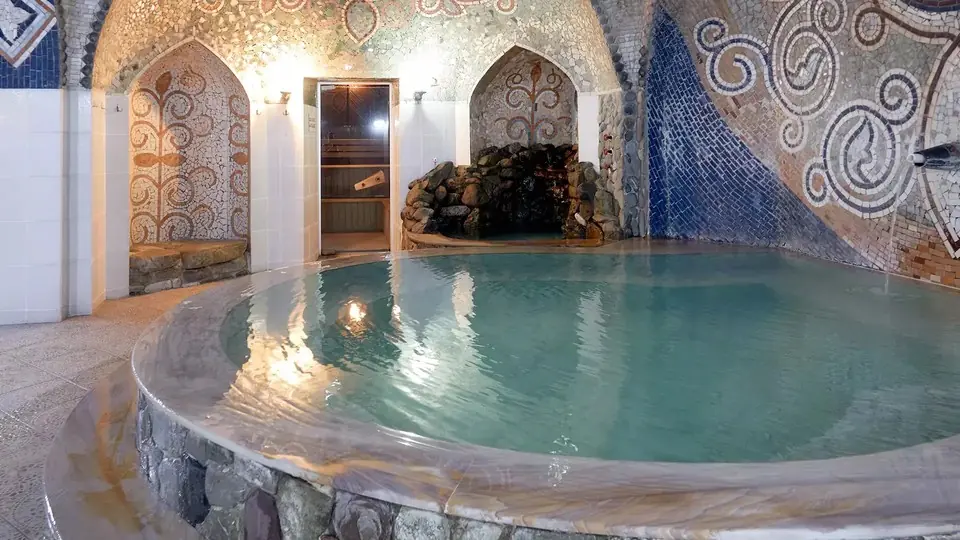
Hot, mineral water rises from the ground under Abanotubani, the domed bath quarter below Narikala, and a soak is never better than on a frosty evening. The shared sections are cheap and split by sex. A private room with its own pool suits couples, friends and families, and you can add a kisi scrub. Bring swimwear and flip-flops, drink water and take breaks from the hot pool.
Opera, ballet and theatre
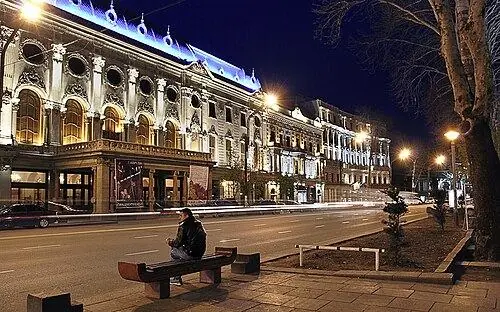
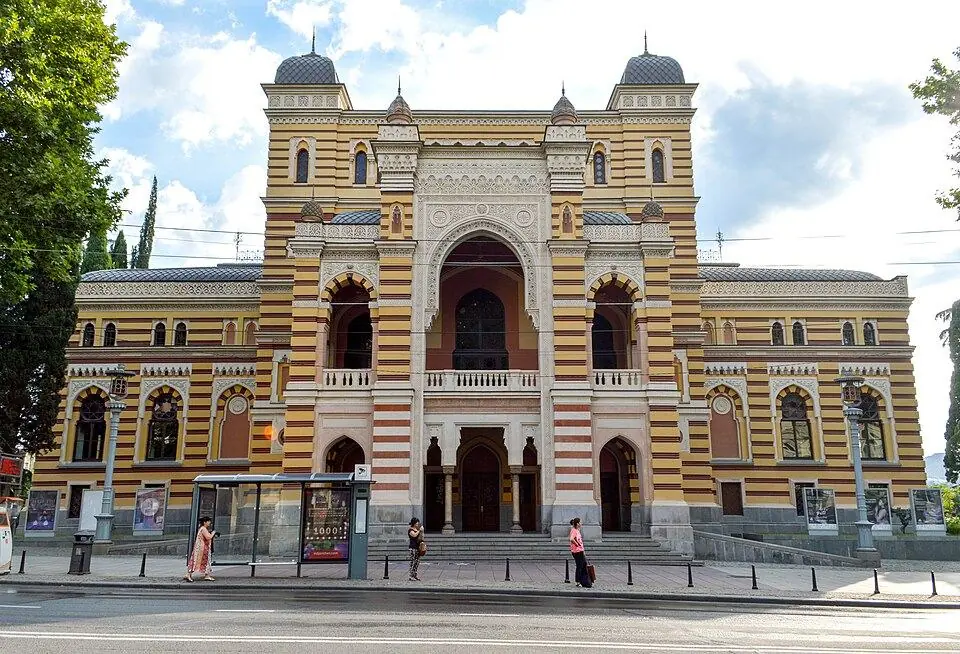
The cold months are the heart of the performing season. The Opera and Ballet Theatre, the Moorish-style building on Rustaveli Avenue, is home to the national opera and to the State Ballet of Georgia, whose artistic director is the famous ballerina Nina Ananiashvili. The company also tours abroad, so check the home programme for your dates. Plays at the Rustaveli and Marjanishvili theatres are mostly in Georgian. A ballet, a concert or a wordless puppet play at the Gabriadze Theatre works better for most visitors.
Wine bars and cafes
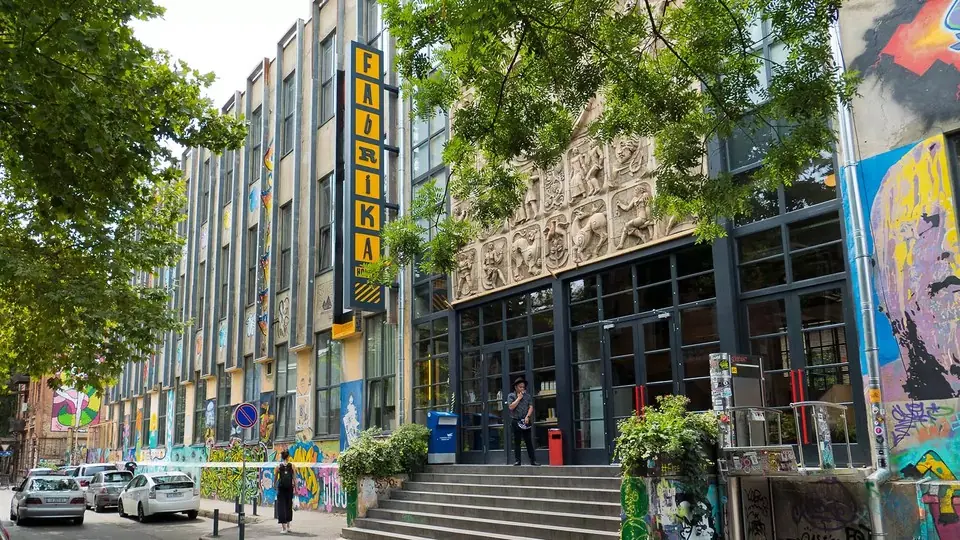
Sololaki, the 19th-century quarter just above Freedom Square, hides dozens of small wine bars in old cellars and shopfronts. Many pour qvevri wines by the glass, which turns a winter evening into a tasting without leaving the city. By day, the cafes in the courtyard at Fabrika and the bakeries of the Old Town are good places to sit out a cold spell. Our Tbilisi nightlife guide covers bars, live music and clubs.
What changes in winter: cable cars, Narikala, Mtatsminda and opening hours
The city does not close for winter, but a few things keep a shorter clock.
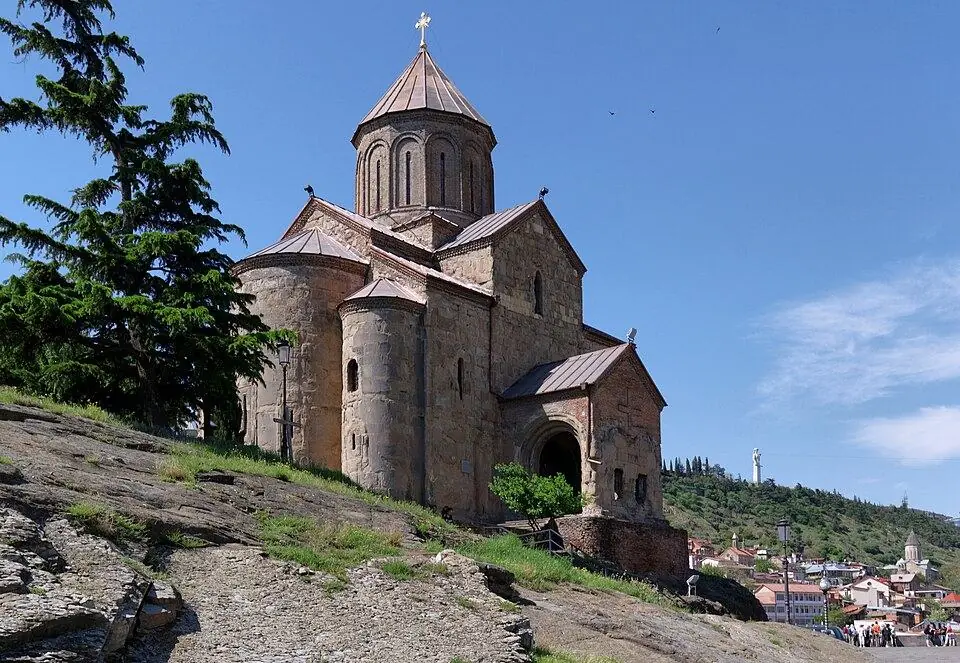
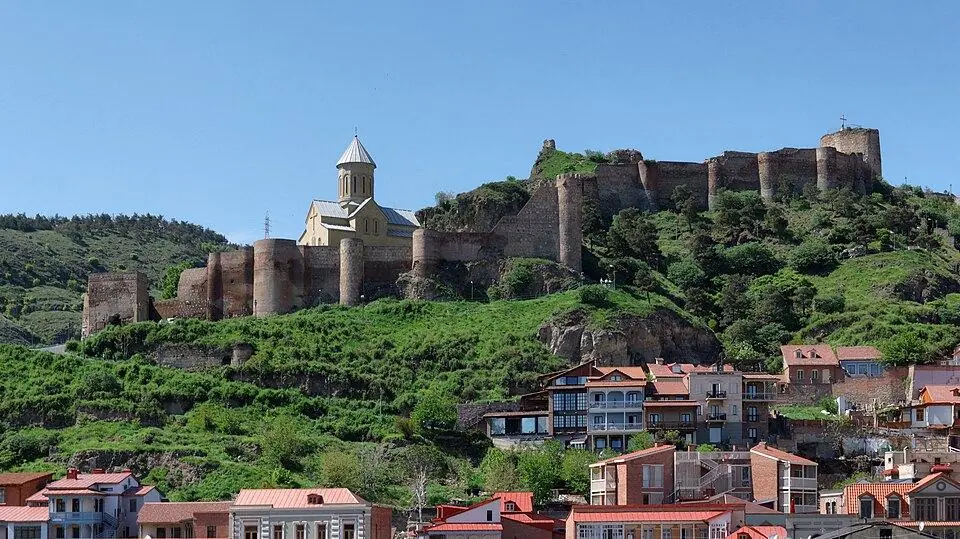
- Rike to Narikala cable car: it runs all year over the river to the fortress, until about 22:00 from 1 November, for about 2.5 GEL (about $1) one way in 2026. It stops now and then for planned maintenance, once from 18 November to 7 December, and pauses in strong wind. On foot, the climb from Abanotubani takes about 15 minutes.
- Narikala Fortress: open at all hours and free. Paths and steps around the walls ice over after a frosty night, so wear good shoes and keep away from the unfenced edges.
- Rustaveli to Mtatsminda cable car and the funicular: both work in winter, at about 12 GEL (about $5) one way each in 2026. You pay with the Mtatsminda Park card, which costs about 2 GEL (about $0.80) in 2026, not with Metromoney. The last cabin goes earlier than in summer, around 21:00, so check before a night visit.
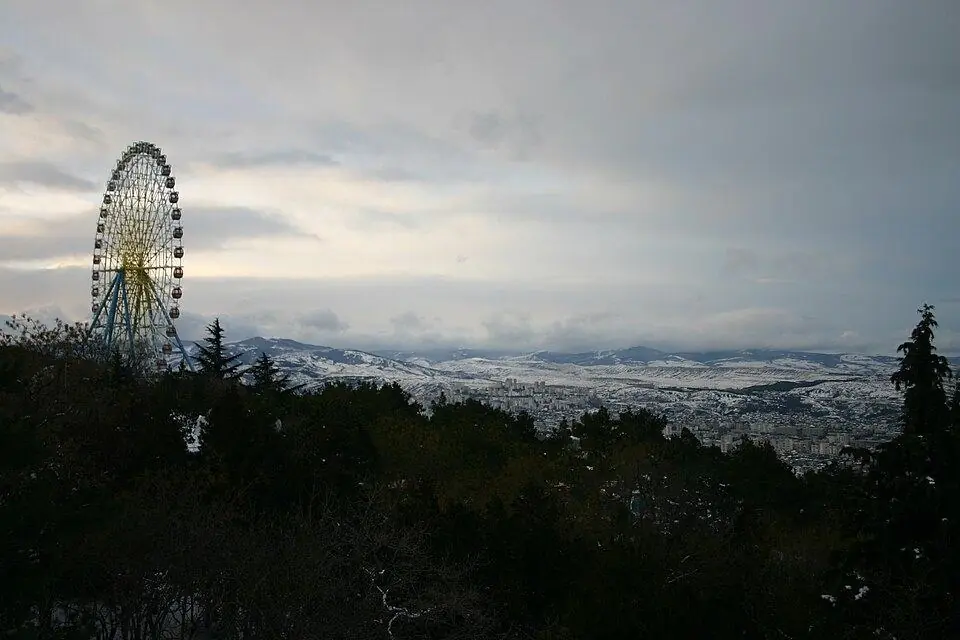
- Mtatsminda Park: the hilltop is free to wander, but many rides rest in the cold months and hours are short. Go up for the view of the lit city, not for the fairground.
- Turtle Lake cable car: the little line from Vake Park has stopped for long winter maintenance before, from 23 December 2025 for example. Take a taxi up if it is not running.
- Rustaveli Avenue: the avenue has been rebuilt since July 2026, and City Hall aimed to finish by the end of November. If the work runs late, parts may still be fenced off in December.
- Holiday closures: banks, offices and many small shops shut on 1, 2 and 7 January. Central restaurants and supermarkets mostly stay open.
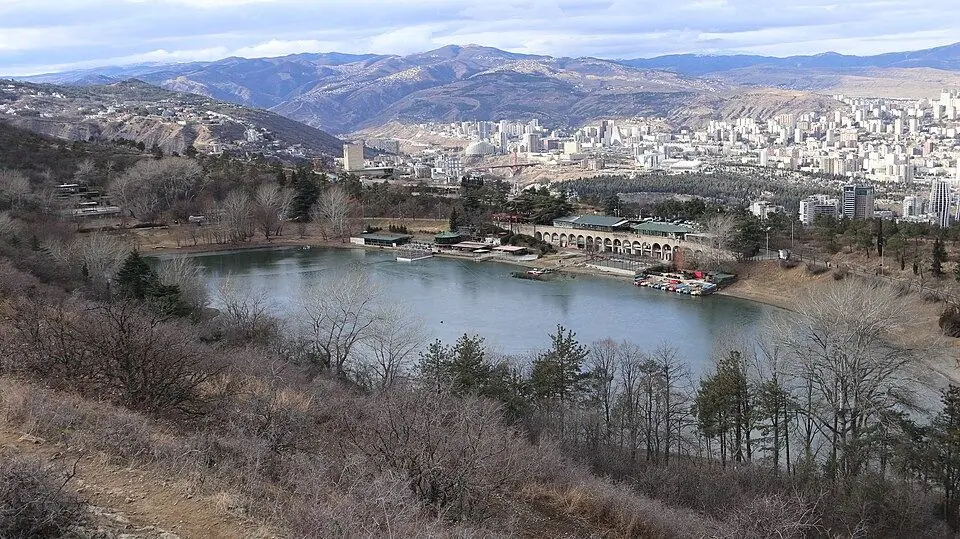
Winter day trips: Mtskheta, Kakheti and a snow day in Gudauri
Most of the classic day trips from Tbilisi still work in winter. The lowland ones are easy. The mountain ones depend on snow, daylight and the road notices.
| Trip | Distance and drive | In winter | Best for |
|---|---|---|---|
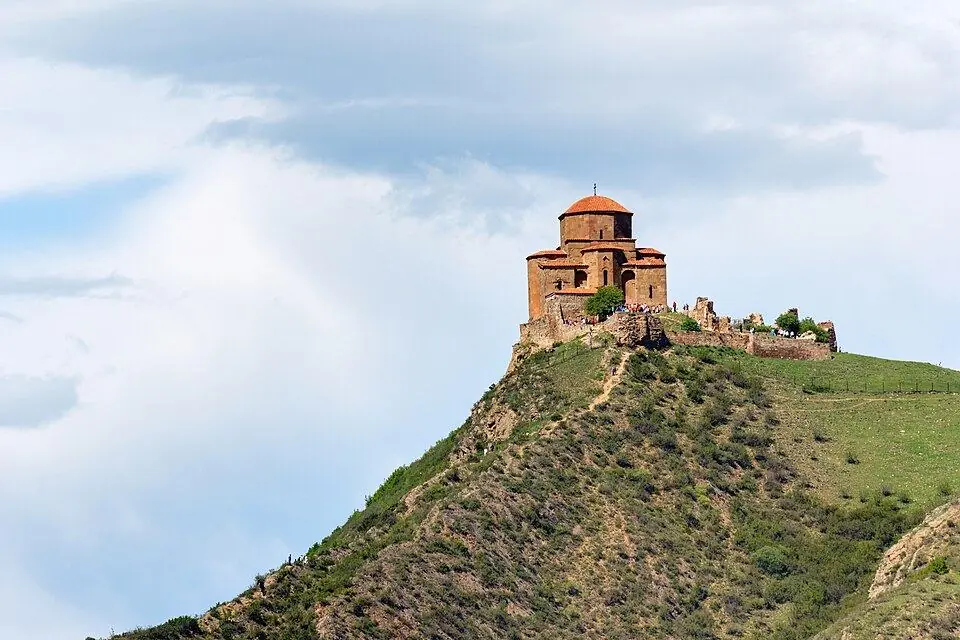
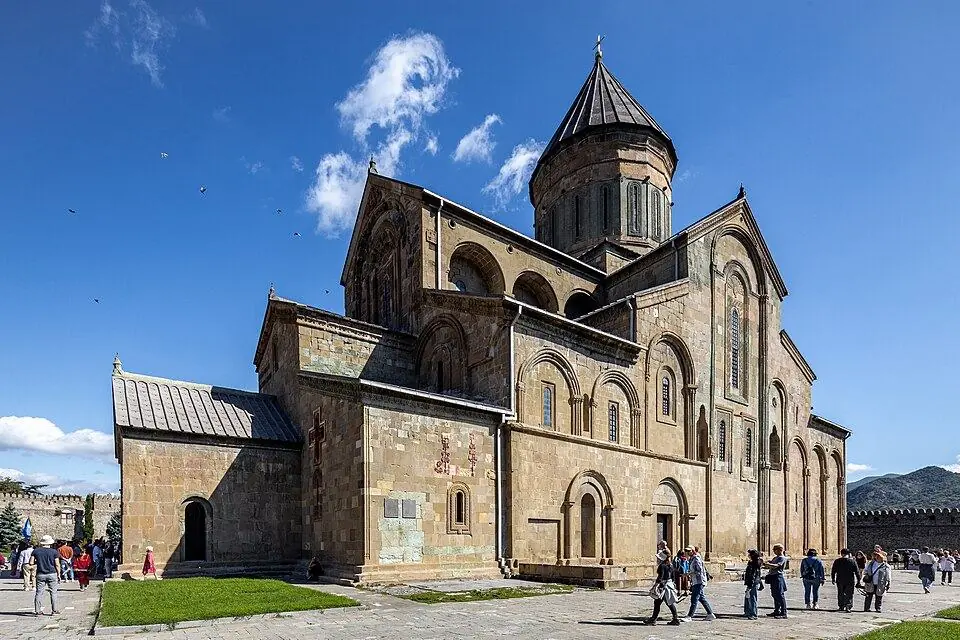
| Mtskheta | ~20 km, about 30 minutes | Open all year; Jvari can be windy and cold | A half day, or an easy first or last day |
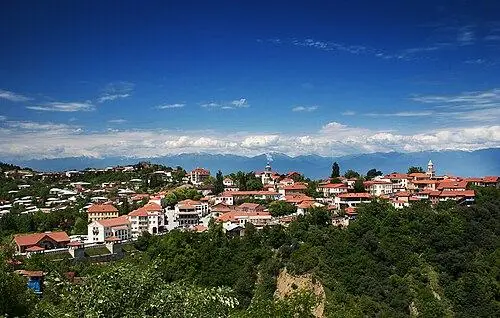
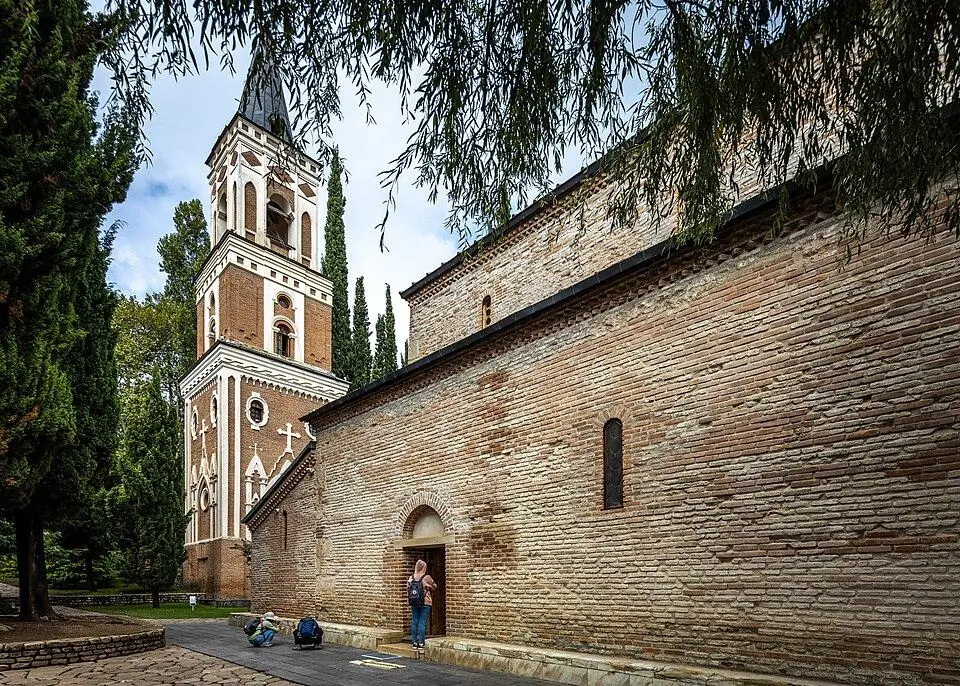
| Kakheti: Sighnaghi, Bodbe and a family cellar | ~110 km, about 2 hours each way | Open all year; the Gombori Pass can shut for a day after snow, so drivers take the Sagarejo road | Young wine by the stove and views of the snowy range |
| Gudauri | ~120 km, 2-2.5 hours | Lifts usually from the second half of December to early April | Skiing, sledging and snow for children |
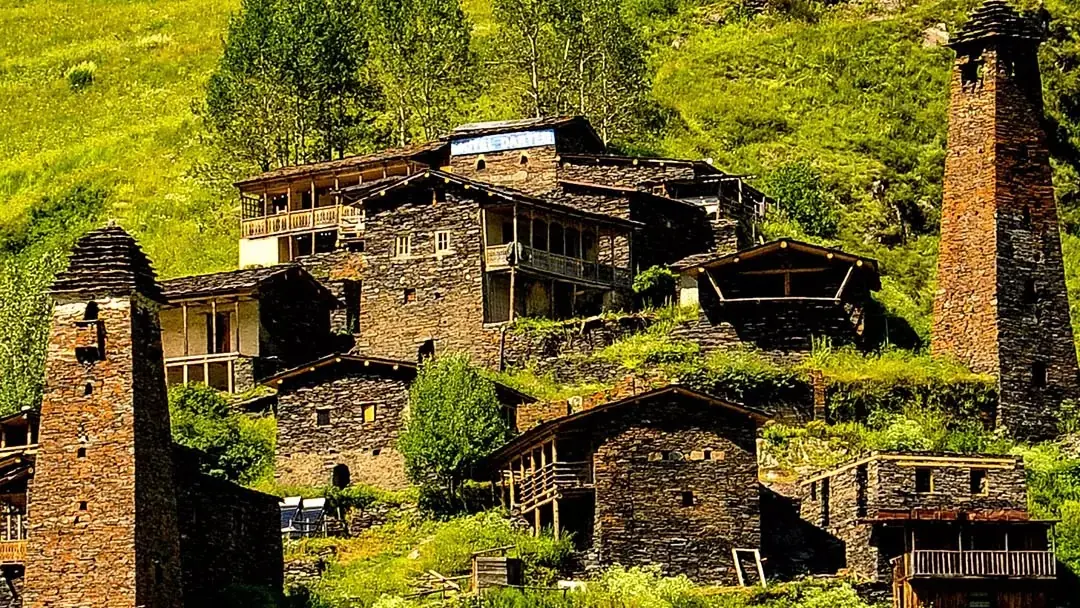
| Kazbegi: Stepantsminda and Gergeti | ~155 km, about 3 hours | Open, but the Jvari Pass shuts after big storms | Deep snow and Gergeti Trinity Church below Kazbek |
Mtskheta and Kakheti
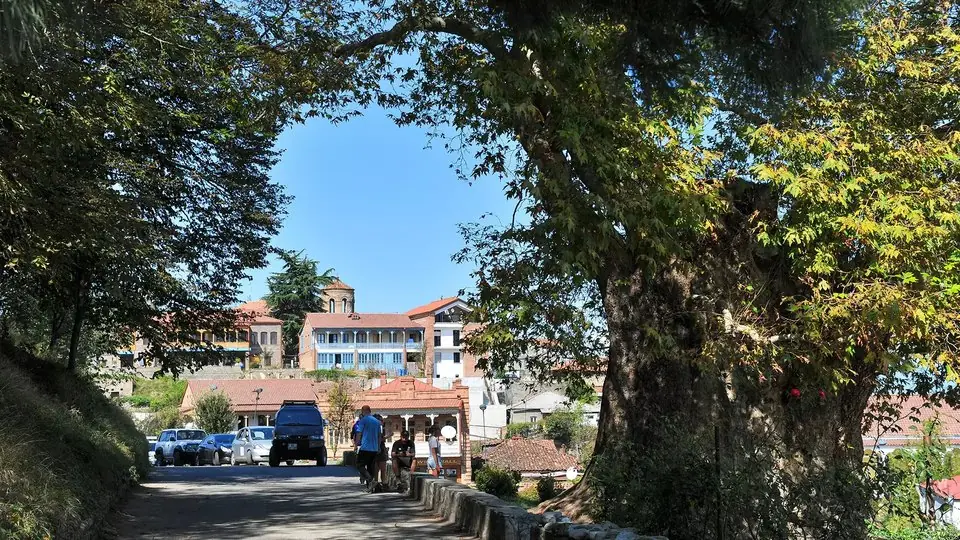
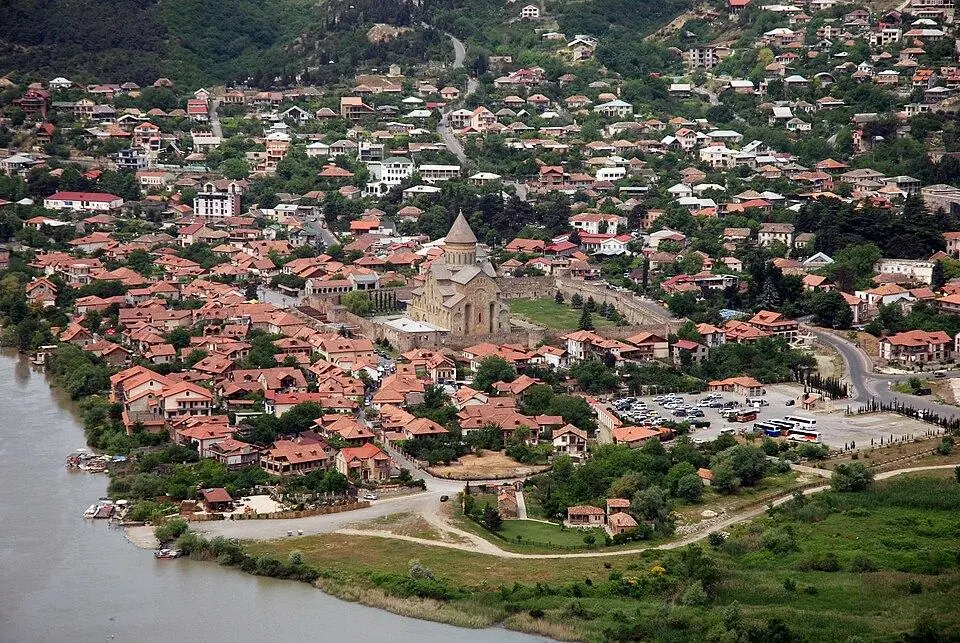
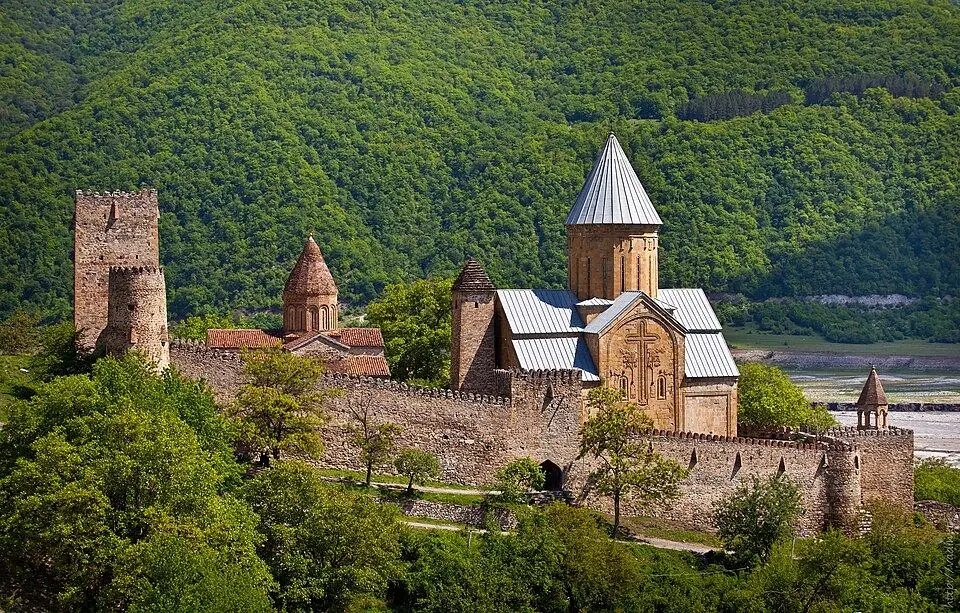
Mtskheta, the old royal capital, is the simplest winter outing. Jvari Monastery looks down on the meeting of two rivers, and Svetitskhoveli Cathedral is often almost empty on a January weekday. Back in town there is still time for a bath. Our Mtskheta day trip guide has transport and timings.
Kakheti needs a full day. Walk the walls of Sighnaghi on a clear morning, when the white Caucasus rises across the Alazani valley. Visit Bodbe Monastery, then sit down to lunch in a family cellar. In winter the wine from the autumn harvest is young, and the stove is lit.
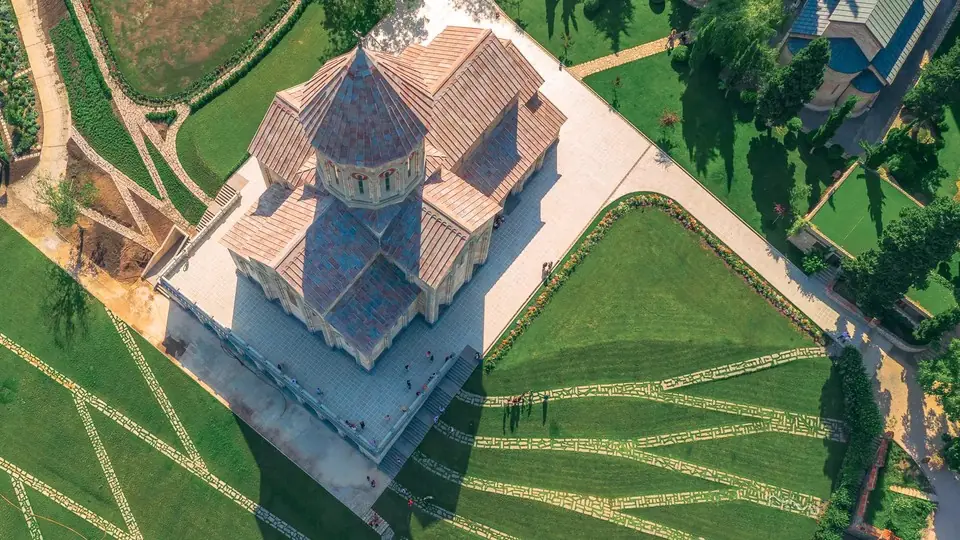
Gudauri for a snow day
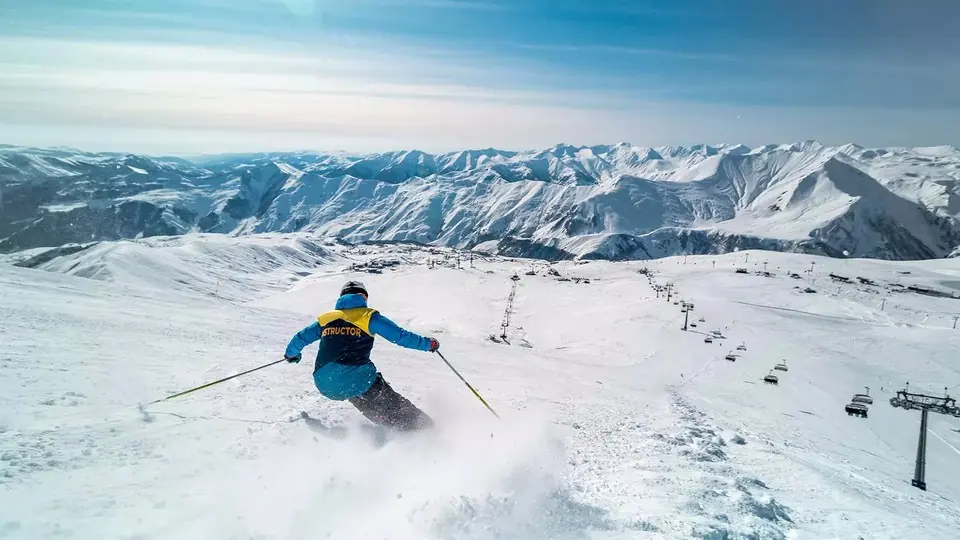
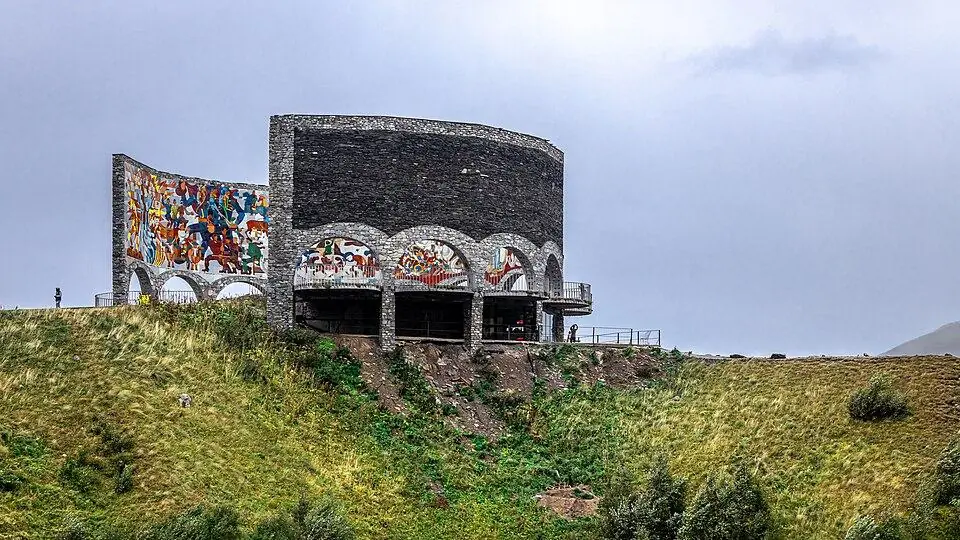
Gudauri, ~120 km from the capital up the Georgian Military Road, is the nearest big ski area. Its lifts have no fixed opening date. In the last three winters they started on 20, 21 and 27 December, each time announced only a few days before. From then until early April, a day trip suits skiers and families who simply want snow. A day pass cost about 70 GEL (about $27) in 2026, and you can rent skis and boots at the base. Snow is surest from January to March. For a longer stay, read our skiing in Gudauri guide.
Kazbegi: check the pass first
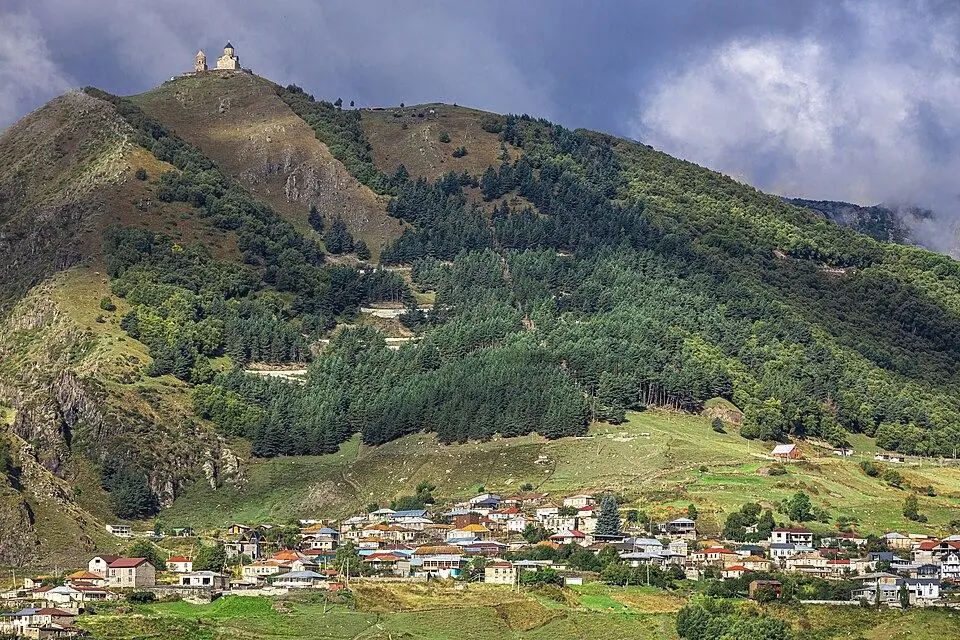
Stepantsminda and Gergeti Trinity Church lie beyond the Jvari Pass (~2,380 m), the high point of the road. Gudauri stands on the Tbilisi side, so you reach it without crossing. The stretch from Gudauri to Kobi is the one that closes. In each of the last five winters, Roads Department notices closed it completely on 10 to 17 days per season, at times from mid-November. Most closures last hours, a few a day or more. On 19 October 2026 the road was open, and the new tunnel bypass still had no opening date.
Look up the road status the evening before and again at breakfast. From 1 December to 1 March, cars on listed mountain sections must have winter tyres. Our private Kazbegi Day Trip keeps the date flexible and swaps to Kakheti or Mtskheta if the pass is shut.
Packing list for a Tbilisi winter trip
Indoors you will be warm, often too warm. Outdoors, a sunny, still noon can feel like spring, while the evening wind on the bridges bites. Dress in layers you can peel off.
- A warm coat or down jacket, plus a hat, gloves and a scarf for evenings near 0°C
- Waterproof shoes or boots with a deep tread for frosty cobbles and slush
- A thermal base layer if you add Gudauri or Kazbegi, where nights fall far below freezing
- For churches: a headscarf and a below-the-knee skirt for women, long trousers for men
- Swimwear and flip-flops for the sulphur baths
- Sunglasses for bright snow days in the mountains
- A power bank: phones lose charge fast in the cold
- Proof of travel insurance: foreign visitors need a policy covering the whole stay, a rule in force since 1 January 2026
Winter prices and crowds in Tbilisi
Winter is low season in the capital, with one sharp peak. Central hotels are close to their cheapest in early December and again from mid-January, and a few days' notice is usually enough. The holiday weeks are different. Georgians travel home, the ski resorts fill, and rooms with a view of the fireworks go early.
| Dates | Crowds | Prices | Booking |
|---|---|---|---|
| 1 to about 18 December | Quiet; mostly locals | Among the lowest of the year | A few days ahead is fine |
| About 19 to 26 December | Lights and market open; busier evenings | Rising | A week or two ahead |
| About 27 December to 8 January | Peak: New Year and Christmas | Highest of the winter | Weeks ahead, with free cancellation |
| About 9 January to the end of February | Very quiet; February is the emptiest month | Low again | Easy to book late |
Everyday costs hardly change with the season. The metro costs 1 GEL (about $0.40) a ride in 2026 with a Metromoney card. The main churches, Narikala and the lights cost nothing. Air fares climb over the holidays, so compare flights a few days either side of them.
A three-day winter plan for Tbilisi
This plan fits any dates from December to February. It keeps the outdoor sights in the middle of the day and the warm ones for the evening. Move the museum day if it lands on a Monday.
- Day 1: Old Town, Narikala and a bath at dusk
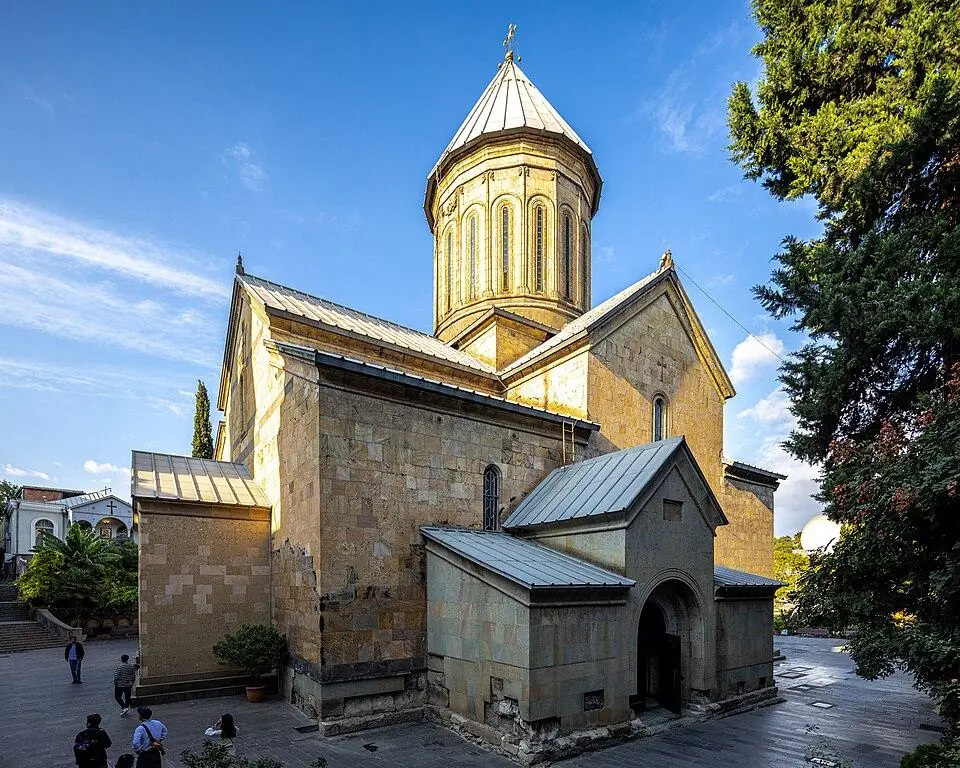
Start at Freedom Square and wander down through the Old Town to Sioni Cathedral and the bath domes. Ride the cable car from Rike Park to Narikala around midday, when the low sun lights the wooden balconies. Book a private bath for about 16:30, then eat in Sololaki with a glass of qvevri wine. - Day 2: Museum, flea market and the lights
Give the morning to the Georgian National Museum. After lunch, browse the Dry Bridge Market before the traders pack up at dusk. From mid-December, walk Rustaveli Avenue as the lights come on, then take the cable car up Mtatsminda for the night view. Finish at the opera, the ballet or a puppet play. - Day 3: Out of town
Pick one: Mtskheta for a relaxed half day, Kakheti for a full day of cellars and Sighnaghi, or Gudauri for a snow day once the lifts turn. Back in town, end at Dezerter Bazaar for churchkhela and spices to take home.
With a fourth day, add Sameba Cathedral and Fabrika on the left bank, or keep it free for the weather. For hour-by-hour routes, see our Tbilisi itinerary.
Our tours are all private. You choose the dates, bring a group of any size and get a guide who speaks your language. In winter we keep the mountain days flexible and move them if a pass closes.
Tbilisi in winter: FAQ
Is Tbilisi worth visiting in winter?
Yes, if you enjoy cities, food, wine and culture more than hiking. Days are cool rather than freezing, and the sights are uncrowded outside the holidays. The festive season adds lights, markets and two New Years. Trekking and the high mountain valleys must wait for summer.
What is Tbilisi like in December?
Cool, mostly dry and dark early, with afternoons of about 8°C and nights near 1°C. The first half of the month is quiet and cheap. From mid-December the city lights up, the New Year market opens and hotels fill towards 31 December.
What is Tbilisi like in January?
January is the coldest and driest month, about 7°C by day and around 0°C at night. Holidays fill the first three weeks: New Year on 1 and 2 January, Christmas on the 7th, Old New Year fireworks late on the 13th and Epiphany on the 19th. After that the city is very quiet.
Does it snow in Tbilisi in winter?
Sometimes, but not for long. Snow settles on about eight days in a typical winter, mainly in January and February, and is gone after a day or two. The mountains two or three hours north stay white all winter.
When do Georgians celebrate Christmas?
On 7 January, following the Julian calendar, with a night service and the Alilo procession. In Tbilisi, 25 December is an ordinary working day, though the lights and the market are already up. The biggest night of the season is New Year's Eve.
Can you ski near Tbilisi in winter?
Yes. Gudauri is ~120 km away, about 2 to 2.5 hours by road, and the lifts generally run from late December into early April. Bakuriani, ~180 km away, is the gentler family option. Both work as a long day out, but a night or two is more relaxed.
Can you get to Kazbegi from Tbilisi in winter?
Usually. It is a main road kept open all year. Only the Gudauri to Kobi part, which climbs over the Jvari Pass, shuts when heavy snow or avalanche danger hits. Recent winters saw 10 to 17 days of full closure. Check the road status the night before and keep the date flexible.
What should I wear in Tbilisi in winter?
A warm coat, hat and gloves for the evenings, with layers underneath for heated rooms. Wear shoes with good grip for icy cobbles. Pack a headscarf and long skirt or trousers for churches, and swimwear for the baths.