Dedoplistskaro and Khornabuji Fortress
Steppe town in far-eastern Kakheti and gateway to Vashlovani, with the ruins of Khornabuji Fortress on the limestone ridge above it.
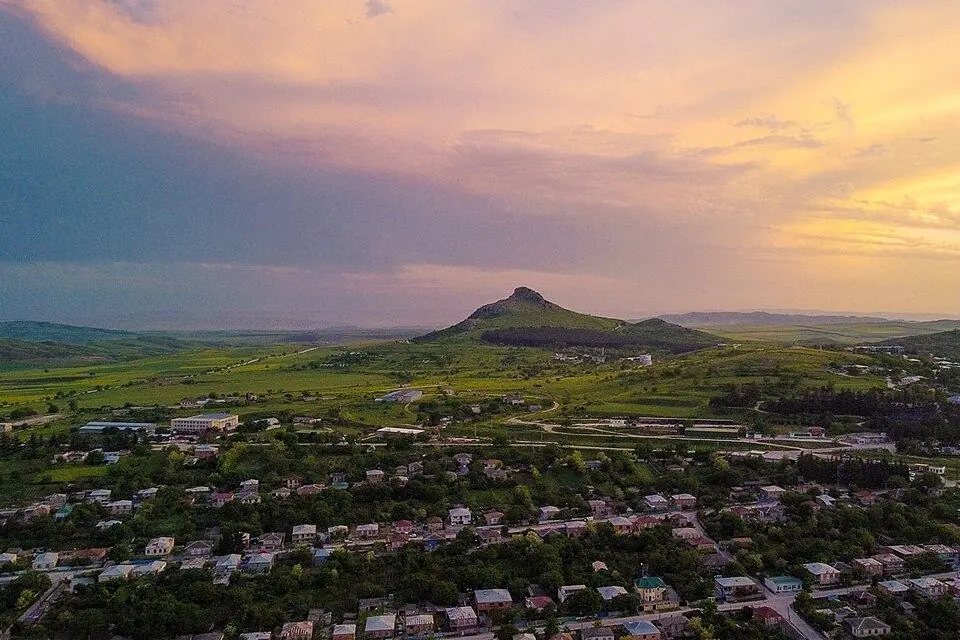 Dedoplistskaro and Khornabuji FortressPhoto: Labrang, CC BY-SA 4.0
Dedoplistskaro is the last sizeable town before the dry south-east corner of Kakheti, where vineyards give way to the open wheat fields of the Shiraki plain and, further south, the semi-desert of Vashlovani. It is a quiet, spread-out place of low houses and broad streets, and most travellers pass through on the way to the national park, whose visitor centre is here. The name translates as 'the queen's spring', and local tradition links it to Queen Tamar. In Soviet times the town was called Tsiteli Tskaro, 'red spring', and it took back its old name after independence.
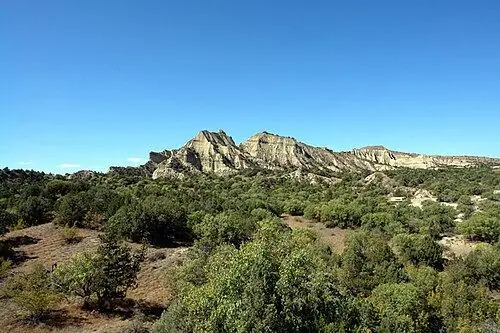
Above the town runs a long limestone ridge carrying the broken walls of Khornabuji, a fortress that once watched over this eastern frontier. The path up is short but steep, and from the top you see the Shiraki plain stretching away and, on clear days, the line of the Caucasus to the north. Eagle Gorge opens just below the ridge. With an early start you can do both in a morning, then drive on into Vashlovani or back towards Sighnaghi, roughly an hour away.
History
Khornabuji counts among the old strongholds of Kambechovani, the historic district around present-day Dedoplistskaro, and Georgian tradition places its origins in the early centuries of the kingdom. In the Middle Ages it lay in the eastern province of Hereti and later passed to the Kingdom of Kakheti, guarding the approaches from the Iori and Alazani lowlands. The town at its foot grew much later as a farming centre for the Shiraki plain, whose wheat fields and winter pastures have fed eastern Georgia for centuries.
What to see and do
- Ruined walls and towers of Khornabuji on the ridge above town
- Wide views over the Shiraki plain
- The trail into Eagle Gorge, starting just below the ridge
- The Vashlovani visitor centre, where you register for the park
- Niko Pirosmani's house museum in his birth village of Mirzaani, in the same municipality
How to visit
Getting there
Dedoplistskaro is about 130 km from Tbilisi, roughly 2 to 2.5 hours by car via Sagarejo and Tsnori, and about an hour from Sighnaghi. Marshrutkas run from Tbilisi a few times a day.
When to go
April–June and September–October. Plan half a day; a full day with Eagle Gorge here.
- Summer middays on the ridge are hot and shadeless, so climb early or late
- The limestone path is loose in places; wear shoes with good grip
- Fill the tank and buy food here before heading into Vashlovani
- Watch for eagles and vultures over the cliffs, especially in spring
Weather in Dedoplistskaro and Khornabuji Fortress
Warmest in July (30° by day), coldest in January (−3° at night), with 591 mm of rain a year. Best months: Jun, Sep.
Dedoplistskaro and Khornabuji Fortress: FAQ
What does Dedoplistskaro mean?
It means 'the queen's spring' in Georgian. Local tradition connects the name with Queen Tamar, the celebrated ruler of medieval Georgia.
How long does a visit to Khornabuji Fortress take?
Allow one to two hours for the steep climb from the edge of town, a look around the ruins and the walk back down. There is no shade, so avoid the middle of a summer day.
Tours that include Dedoplistskaro and Khornabuji Fortress
Read more in our guides
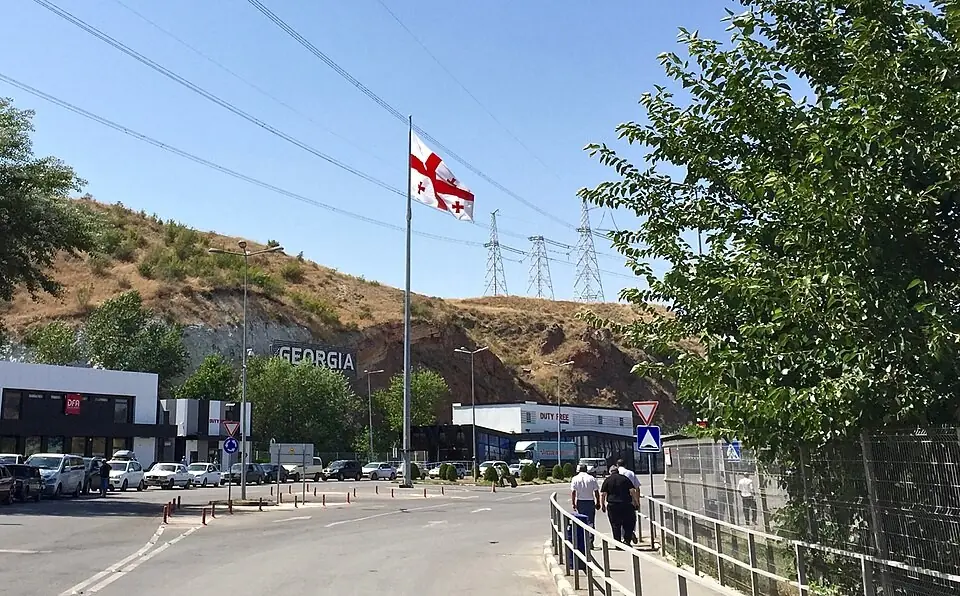 Photo: Dario Tortora from Milan, Italy, CC BY-SA 2.0
How to link Georgia with Armenia and Azerbaijan in 2026: which borders are open, the three crossings to Armenia, getting to Baku, sample routes and how many days you need.
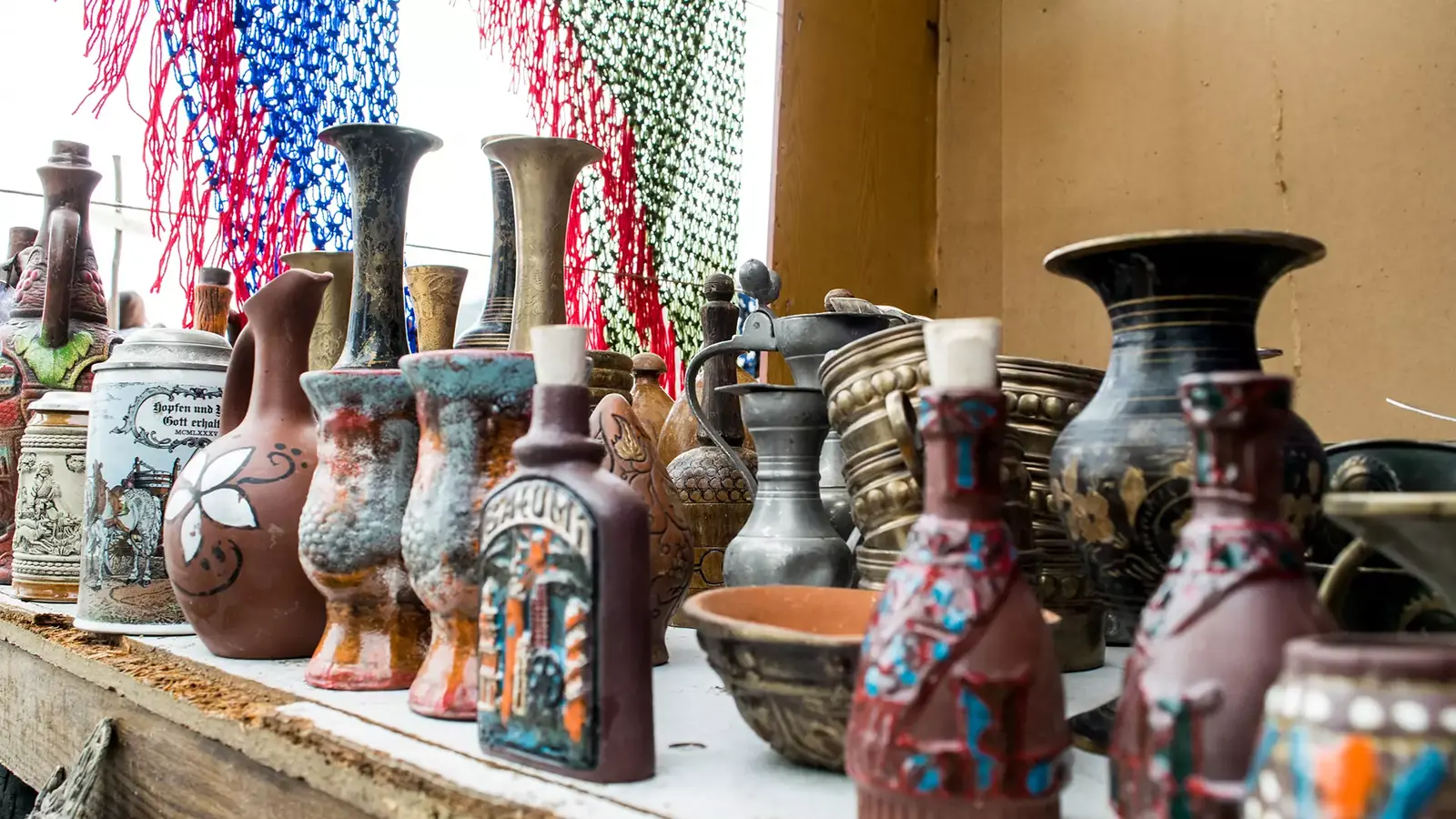 Photo: georgia.travel
The best Georgian souvenirs, from qvevri wine and Svanetian salt to cloisonné enamel and Tusheti felt: where each one is made, rough 2026 prices, holiday gift ideas and the rules for flying it all home.
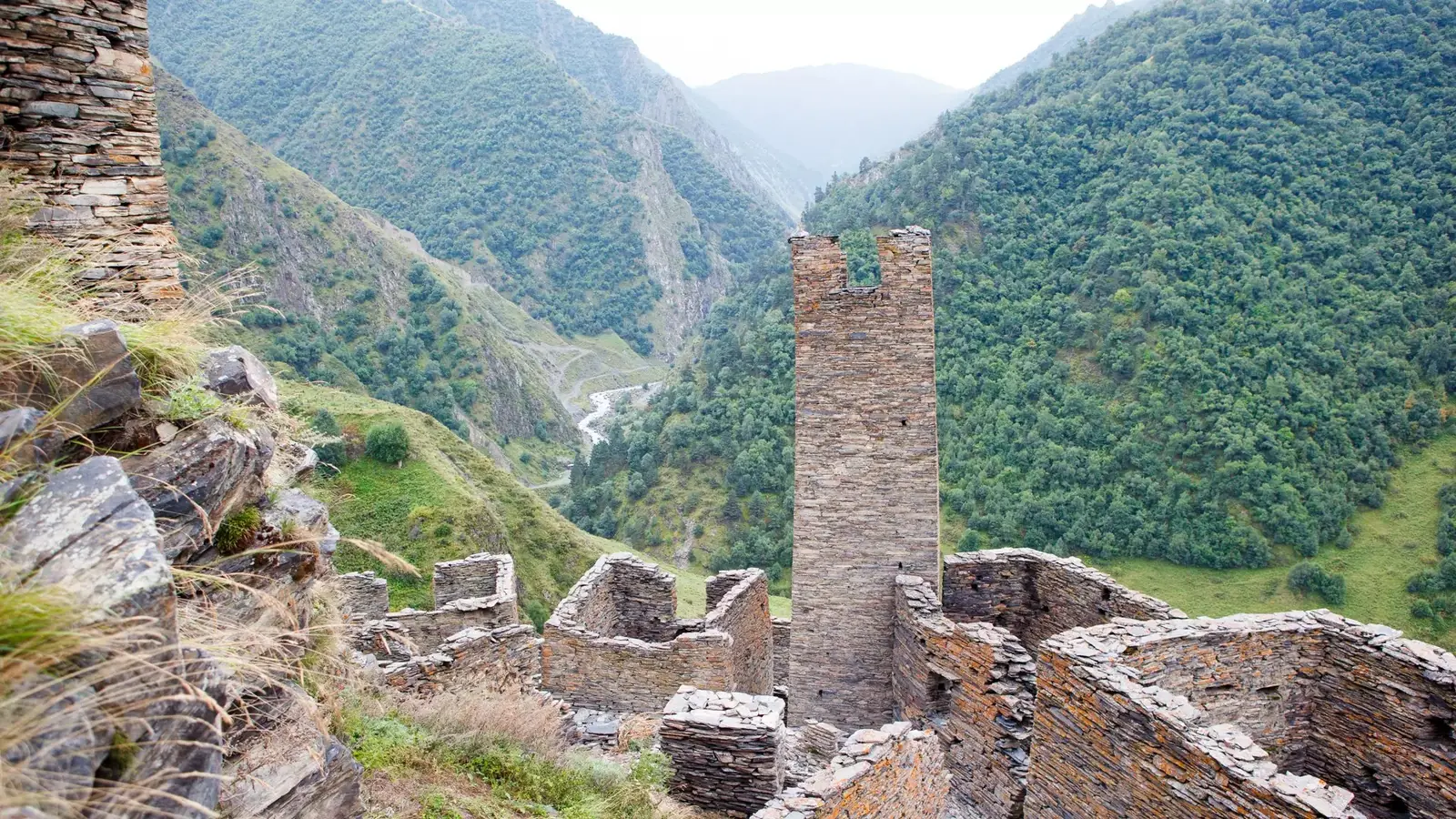 Photo: georgia.travel
Twelve places that get a sliver of Georgia's visitors, from Racha's cellars and Khevsureti's towers to the Javakheti lakes, with drive times, seasons, honest trade-offs and three routes for a second trip.
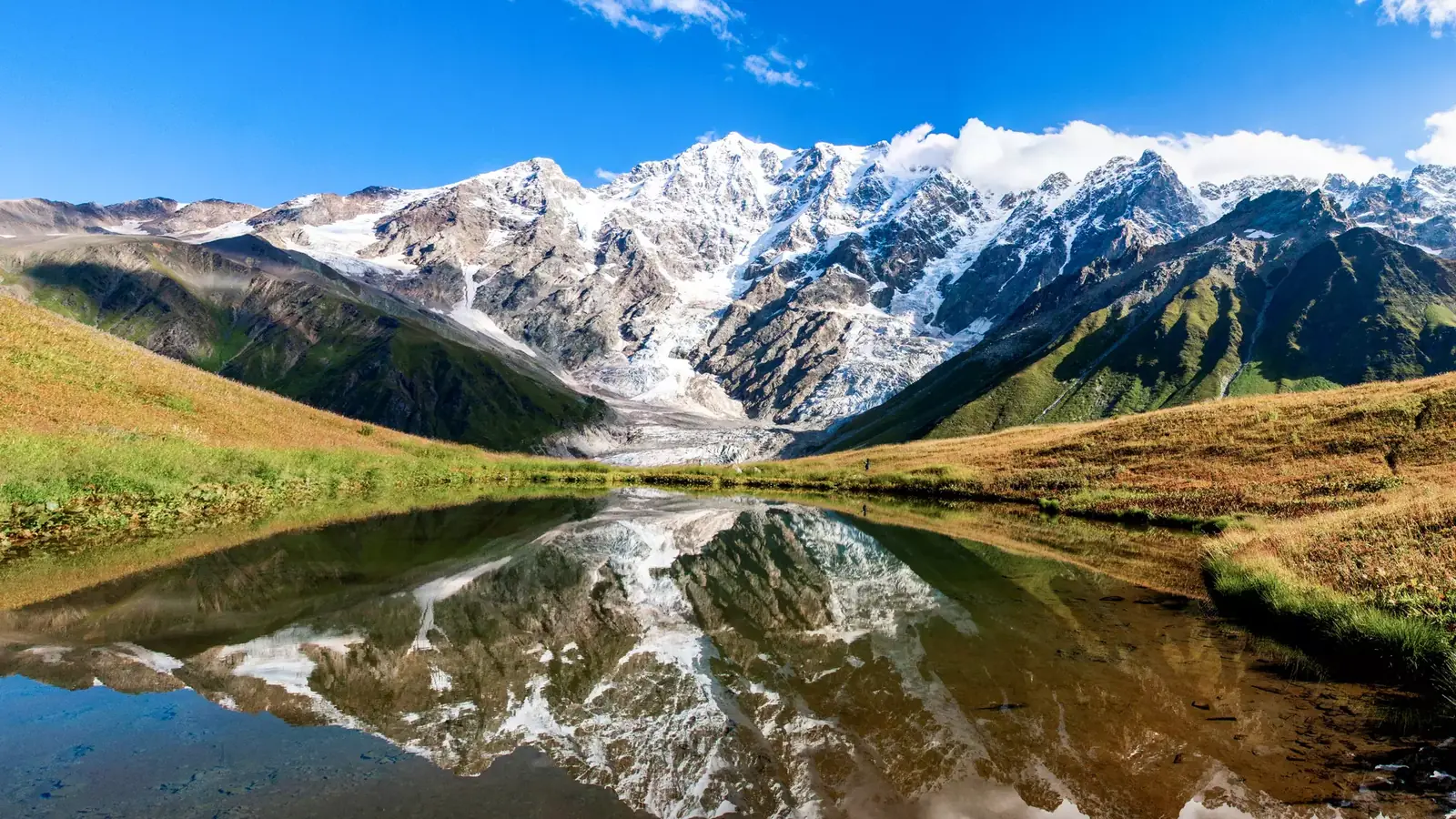 Photo: georgia.travel
Our hub for Georgian nature: the main landscape zones from the glaciers of the Greater Caucasus to the Colchic rainforest and the Vashlovani semi-desert, with climate, wildlife, the Batumi raptor migration, protected areas and a season-by-season table.
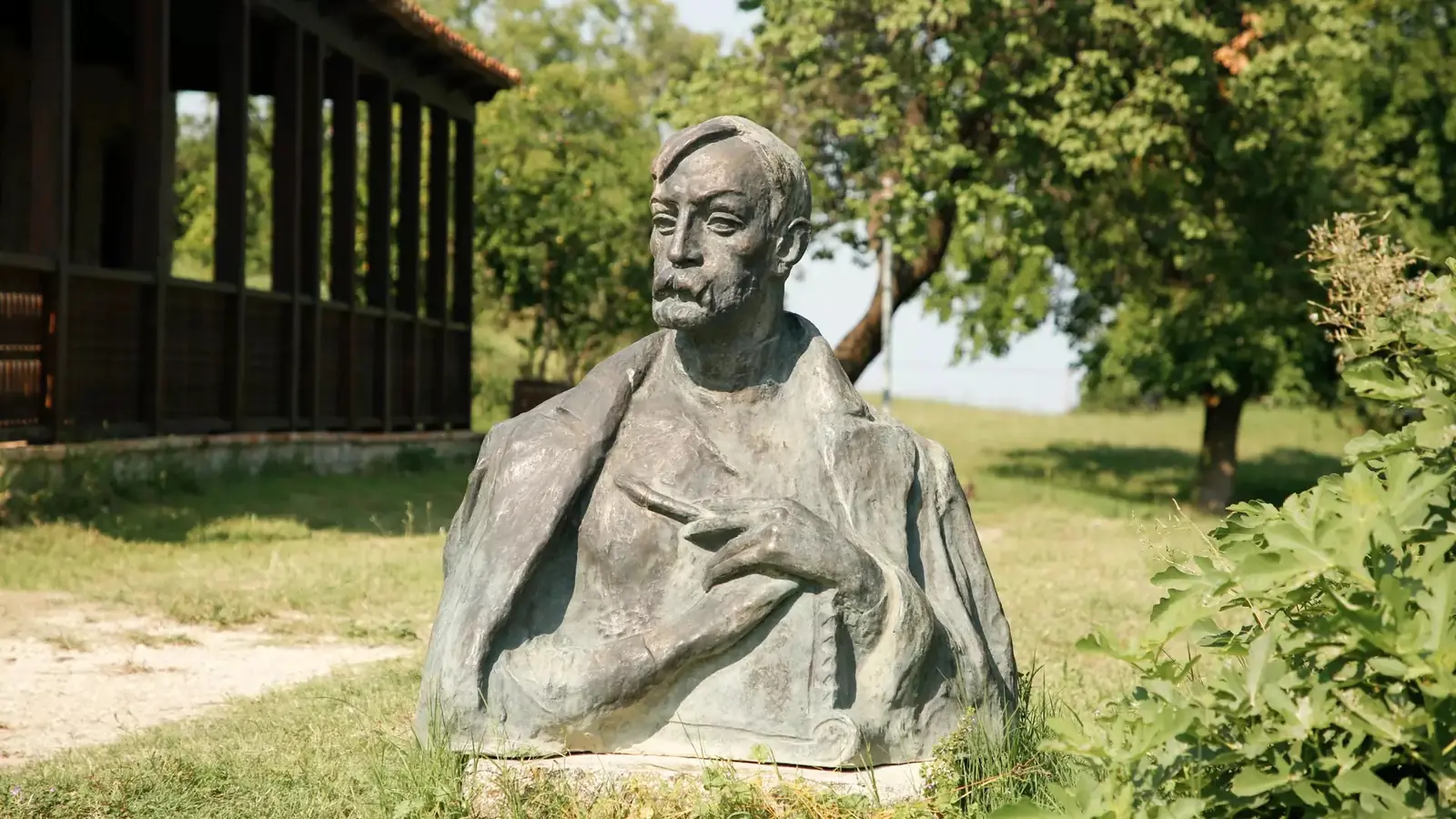 Photo: georgia.travel
The life of Niko Pirosmani in short, the Margarita legend, how to read his black oilcloth paintings, and where to see them: Tbilisi's National Gallery, Sighnaghi and his house in Mirzaani, with 2026 tickets and a Kakheti route.
Nearby places
Straight-line distance from Dedoplistskaro and Khornabuji Fortress.