- In the 2024 census, 82.0% of Georgia's 3.93 million residents called themselves Orthodox Christians, 11.1% Muslims and about 2.6% Armenian Apostolic Christians.
- St Nino converted King Mirian III in the early 4th century, between about 326 and 337, and Georgia marked 1,700 years of Christianity as its state religion in 2026.
- The self-governing Georgian Orthodox Church has been led by Catholicos-Patriarch Shio III since May 2026, after Ilia II died in March.
- Anyone may enter a Georgian church. Cover shoulders and knees, men go bareheaded, and women wear a scarf over their hair and a long skirt.
- Key church feasts in 2027: Christmas on 7 January, Epiphany on 19 January, Easter on 2 May, Svetitskhovloba on 14 October and Giorgoba on 23 November.
Religion in Georgia, the country in the South Caucasus, centres on the Georgian Orthodox Church. In the 2024 census, 82% of residents described themselves as Orthodox Christians. Muslims come second at 11.1%, then Armenian Apostolic Christians at about 2.6%. Catholics, Jews, Yazidis, Lutherans and others share the rest. The law keeps church and state apart, yet the church still sets the rhythm of the year, the menu in Lent and the skyline of almost every town.
This guide starts with the census figures and the story of how the kingdom turned Christian in the 4th century. Then come the church today, each minority faith and a short Old Tbilisi walk past four houses of worship. The visitor part covers church manners, fasting, the 2027 feast days and how to visit a mosque or a synagogue. For the flag, language and money, see our Georgia country facts guide.
Religion in Georgia at a glance: the 2014 and 2024 census figures
Geostat, the national statistics office, published the religion results of the 2024 census in June 2026. It was the first full count since 2014.
| Faith | 2014 census | 2024 census | People counted in 2024 |
|---|---|---|---|
| Orthodox Christian | 83.4% | 82.0% | 3,223,206 |
| Muslim | 10.7% | 11.1% | 437,458 |
| Armenian Apostolic | 2.9% | ~2.6% | 101,736 |
| Jehovah's Witnesses | ~0.3% | ~0.3% | 10,787 |
| All others: Catholics, Jews, Yazidis, Protestants, no faith, no answer | ~2.7% | ~4.0% | ~156,000 |
Orthodox numbers grew by 4.1%, but their share dipped because the population grew faster. Muslims rose by 9.7%, while the Armenian Apostolic count fell by 6.7%. Catholics held roughly steady. Shares marked ~ are our own sums from the census totals.
Faith follows ethnic lines. Nearly all ethnic Georgians are Orthodox, apart from a Muslim minority in Adjara. Most Azerbaijanis are Muslim, and most Armenians belong to their own Apostolic Church.
Christianity in Georgia: how St Nino won over King Mirian III
Christianity in Georgia began before any king accepted it. Georgians believe the Apostle Andrew carried the Gospel here, and the church keeps the feast of his arrival on 12 May. The turning point came in the early 4th century in Kartli, the eastern kingdom that Greek and Roman authors called Iberia.
Its heroine is Nino, a young woman from Cappadocia in today's Turkey. She reached Mtskheta, then the royal capital, with a cross of vine branches. After she cured Queen Nana, King Mirian III also turned to her faith and made it the religion of his realm.
No source gives a firm year, so scholars propose dates from about 326 to 337. Many now favour 326, and so do the church and the state. In 2026 they marked 1,700 years of Christianity as the state religion, and the National Bank announced gold and silver coins for the jubilee.
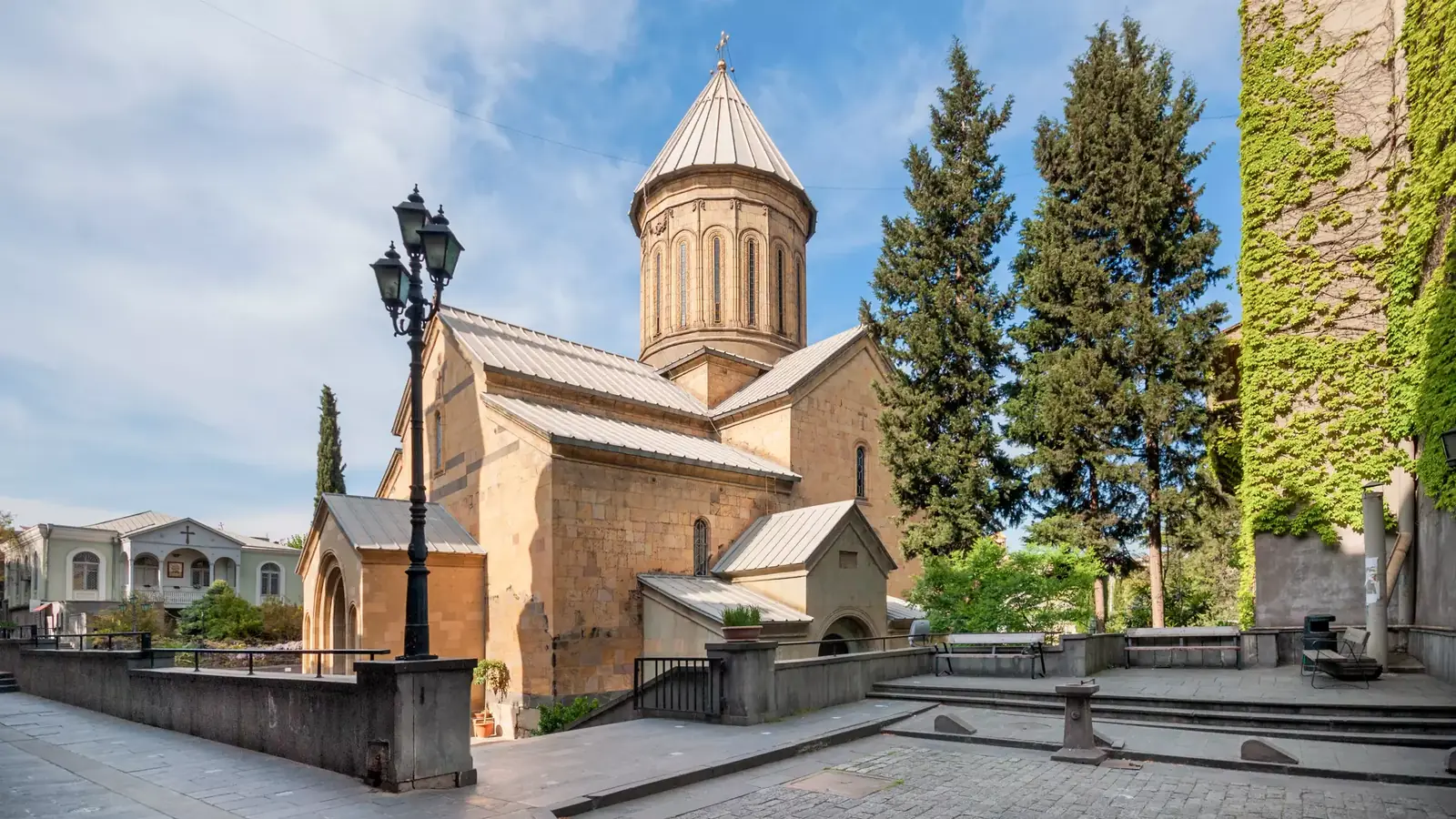
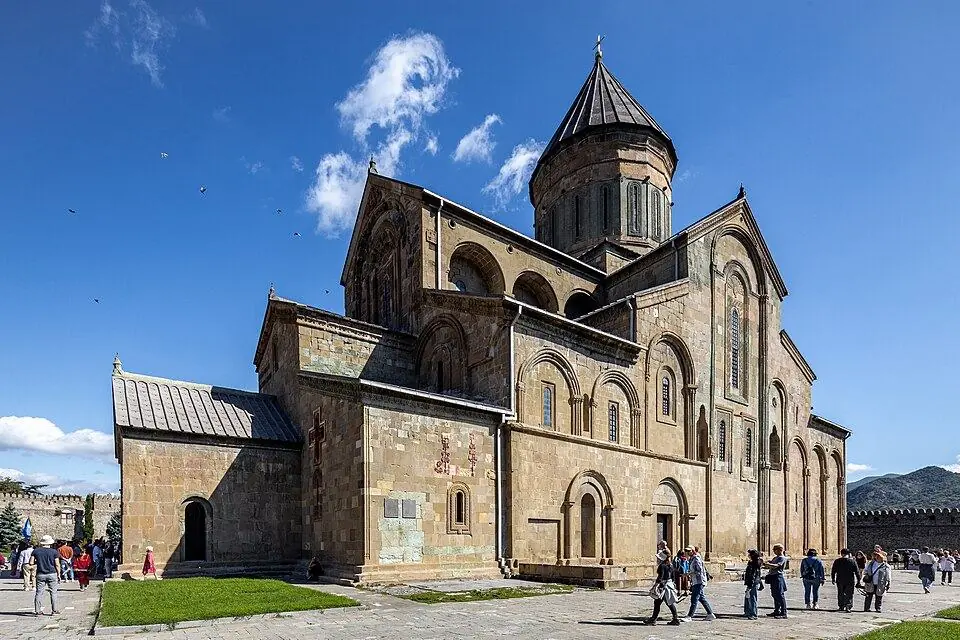
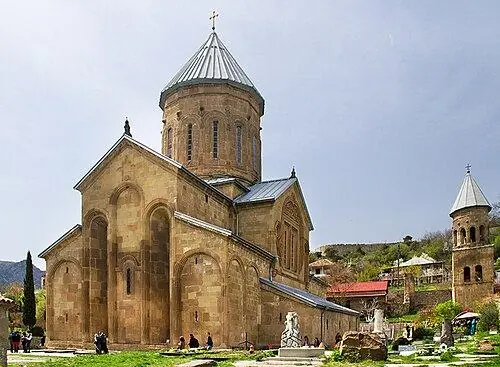
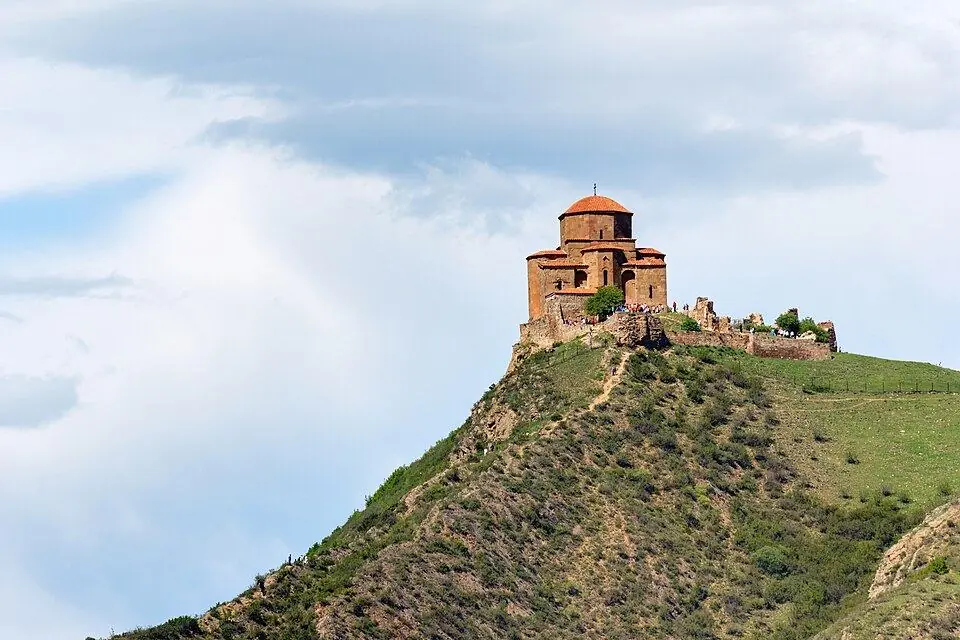
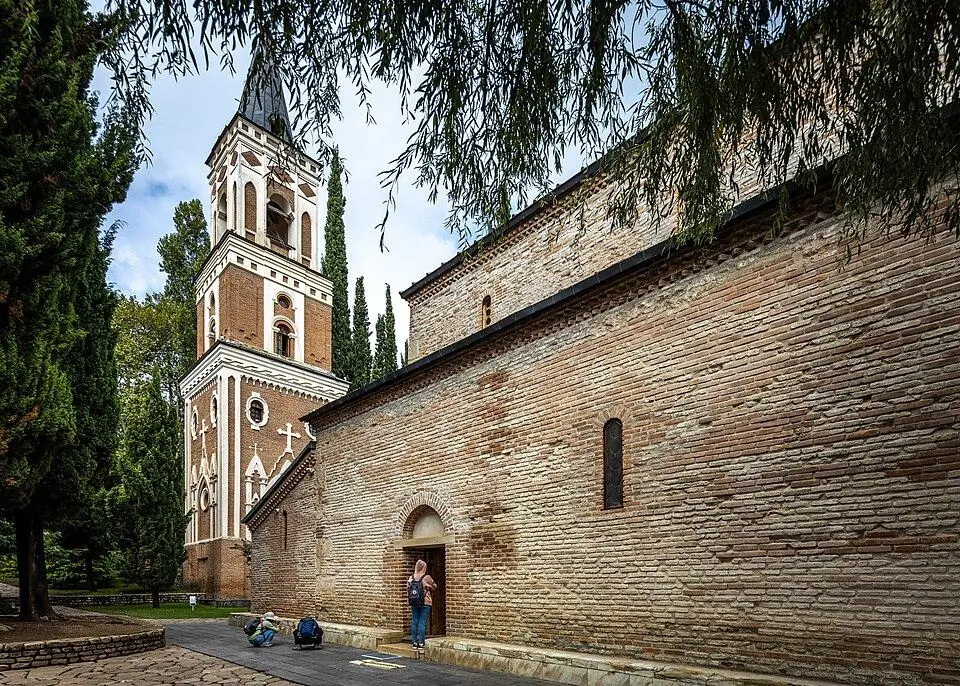
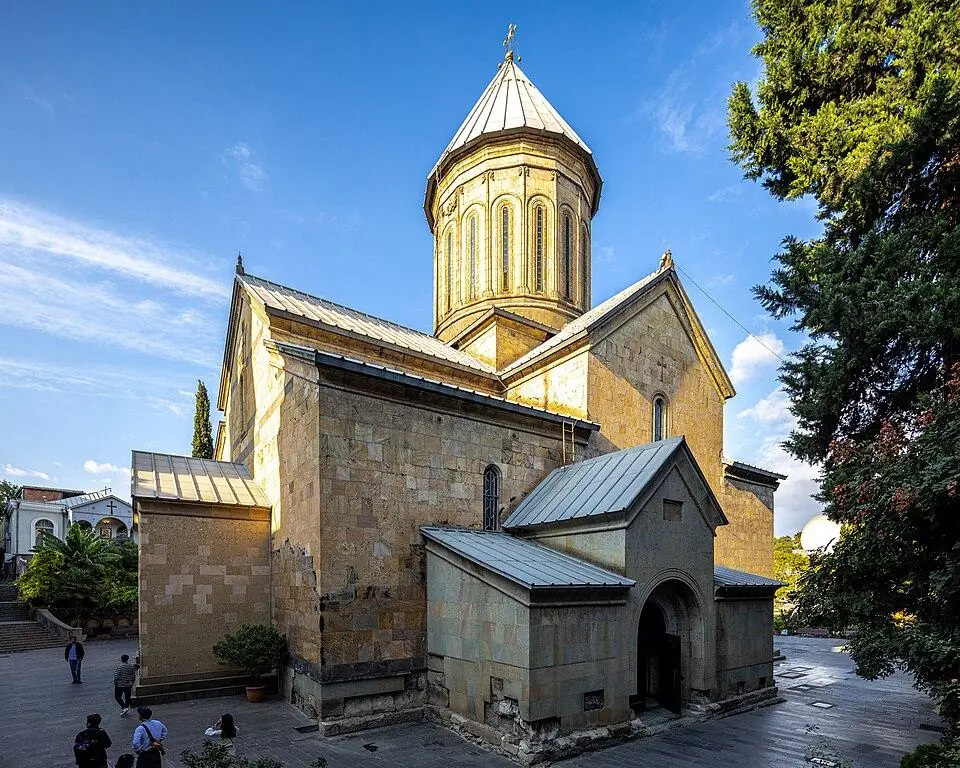
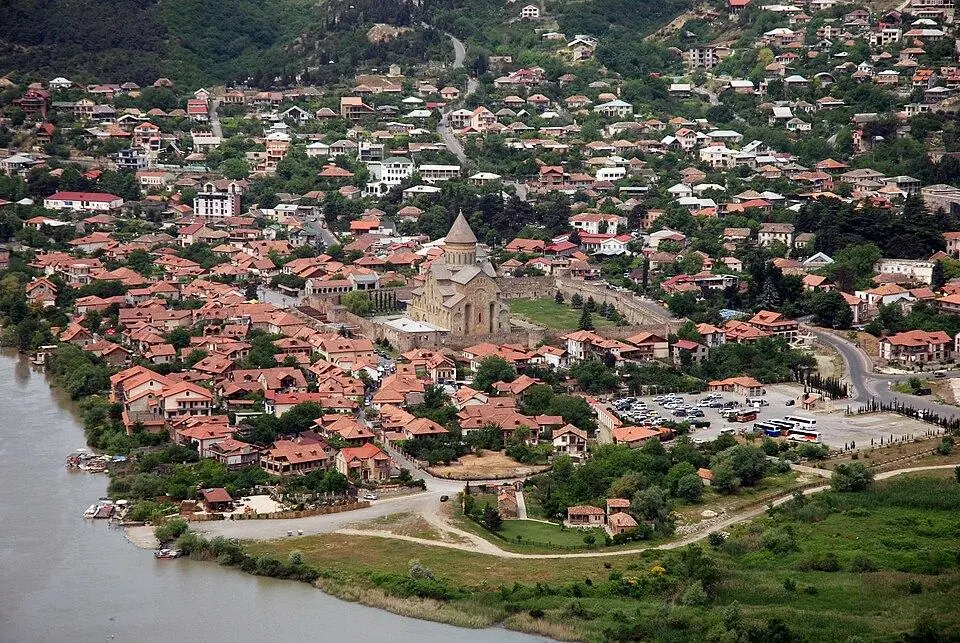
Mirian built the first church where Svetitskhoveli Cathedral now stands. He and Nana lie in Samtavro Monastery, and the cross Nino raised on the hill gave Jvari Monastery its name. She is buried at Bodbe Monastery near Sighnaghi, and her vine cross is kept in Sioni Cathedral in Tbilisi. A Mtskheta day trip covers the first three.
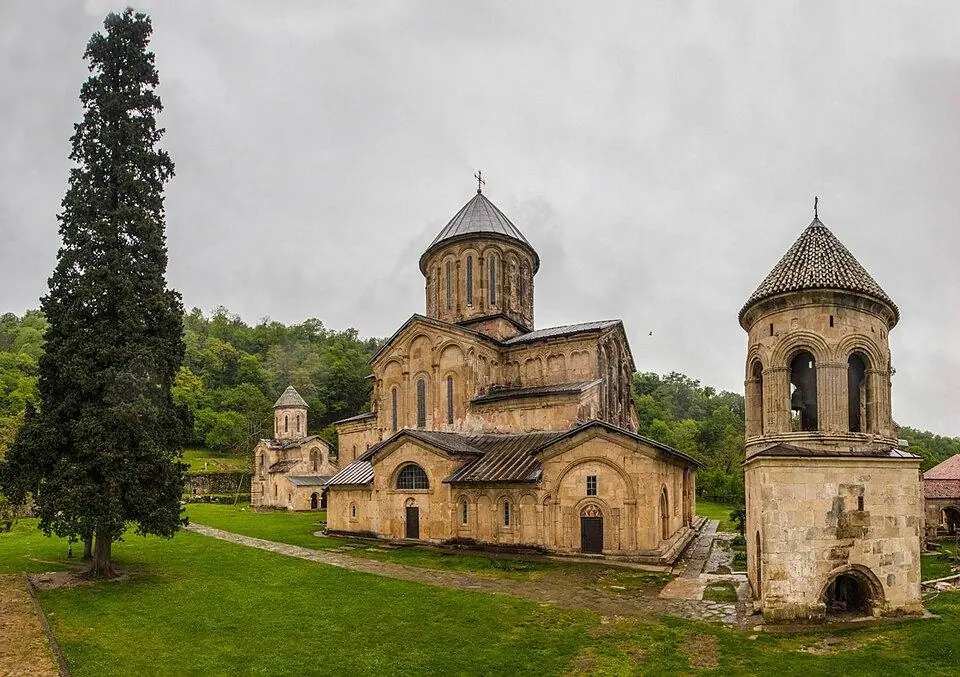
In the 6th century the Thirteen Assyrian Fathers, monks from the Middle East, spread monastic life across the country. Later, King David the Builder founded Gelati Monastery in 1106.
The Georgian Orthodox Church today: autocephaly, the Patriarch and the state
The Georgian Orthodox Church (official name: Apostolic Autocephalous Orthodox Church of Georgia) chooses its own head. It won that right from the Patriarchate of Antioch in the 5th century. The Russian Empire abolished it in 1811, and Georgian bishops restored it in 1917. Moscow accepted the change in 1943 and Constantinople in 1990.
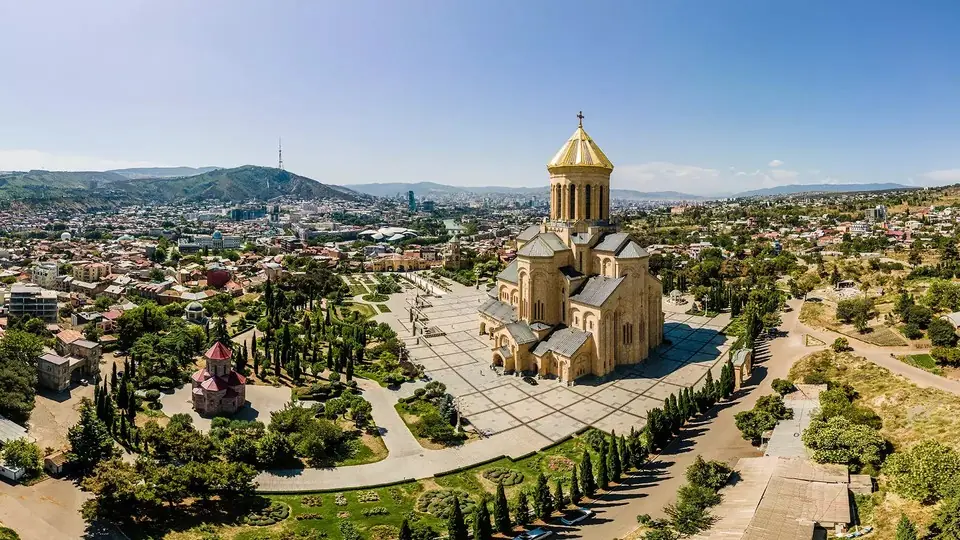
Its head is the Catholicos-Patriarch of All Georgia, whose main church is Sameba, the Holy Trinity Cathedral in Tbilisi. The church has about 50 dioceses, sings in Old Georgian and keeps the Julian calendar. That is why Georgian Christmas falls on 7 January.
From Ilia II to Shio III
Ilia II led the church for more than 48 years, from 1977 until his death on 17 March 2026, aged 93. On 11 May 2026 the Holy Synod chose the acting head, Metropolitan Shio (Mujiri) of Senaki and Chkhorotsku. He was enthroned as Shio III at Svetitskhoveli the next day, the feast of St Andrew's arrival.
Church and state
Article 16 of the constitution gives everyone freedom of belief, religion and conscience. Article 8 credits the church with an outstanding role in the country's past and declares it independent of the state. A constitutional agreement fills in the details. The President and the Catholicos-Patriarch signed it at Mtskheta on 14 October 2002, and parliament approved it eight days later. Among other things, it grants the Patriarch legal immunity and frees clergy from military service. How much weight the church should have in public life is a lasting debate in Georgia.
Islam in Georgia: Adjara, Kvemo Kartli and Samtskhe
Islam in Georgia goes back more than 1,200 years. Arab armies brought it to Tbilisi, and emirs held the city until King David the Builder took it in 1122. Persian and Ottoman rule later added new communities.
- Adjara: many ethnic Georgians on the Black Sea coast are Sunni Muslims, above all in the hill villages around Khulo with their small wooden mosques. Batumi's main mosque, Orta Jame, stands in the old town.
- Kvemo Kartli: ethnic Azerbaijanis, mostly Shia, are the majority around Marneuli, about 40 km south of Tbilisi.
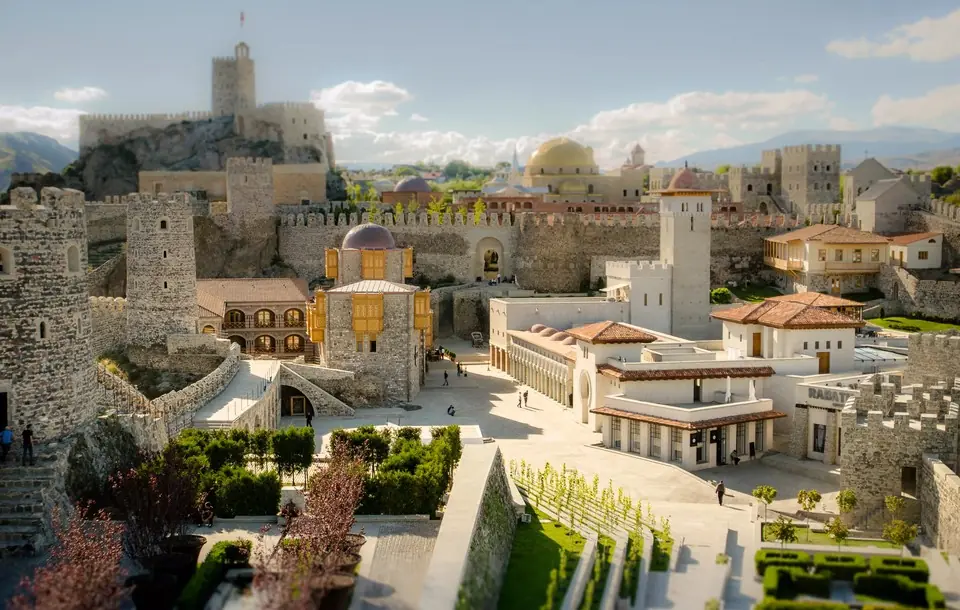
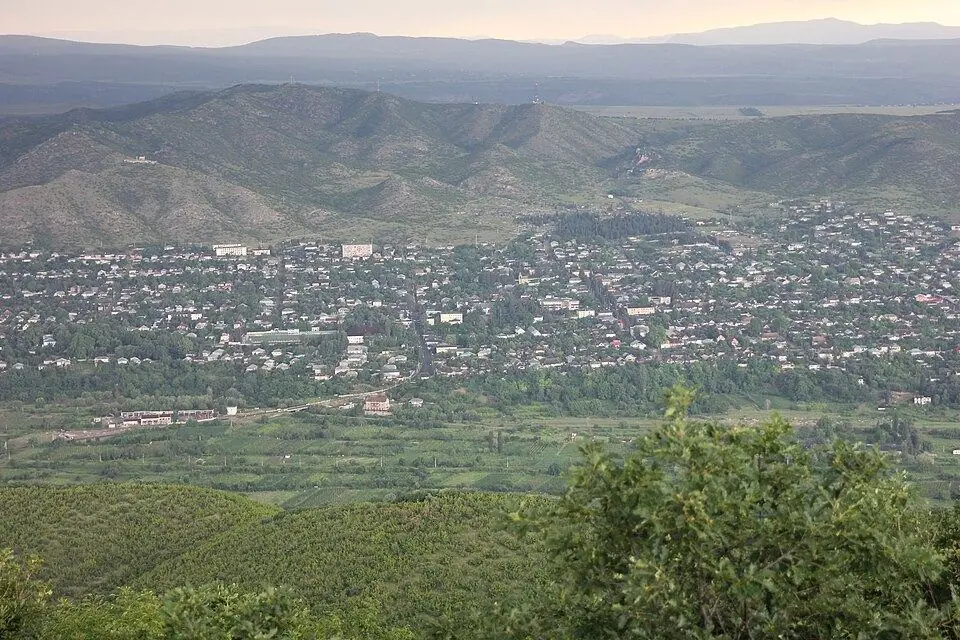
- Samtskhe-Javakheti: a few Georgian Sunni villages remain, and Rabati Castle in Akhaltsikhe holds the domed Akhmediye mosque of 1752.
- Pankisi: the Kists, whose language is close to Chechen, keep their Sunni faith in this small valley of Kakheti.
Ramadan and the two Eids follow the lunar calendar, so they move about 11 days earlier each year. They are not public holidays.
Armenian Apostolic and Catholic Christians
Most of Georgia's Armenians belong to the Armenian Apostolic Church, whose head sits at Etchmiadzin in Armenia. Its Georgian diocese is based in Tbilisi. The largest rural communities live on the Javakheti plateau, where Akhalkalaki and Ninotsminda are mostly Armenian towns. In Old Tbilisi, St George's Armenian Cathedral is the best-known church, and the 18th-century poet Sayat-Nova lies in its yard.
Catholics are well under 1% of residents. Most follow the Latin rite, with a few Armenian Catholic parishes in the south. Their cathedral of the Assumption stands a few streets west of Sioni. Pope John Paul II visited in 1999 and Pope Francis in 2016.
Judaism in Georgia: one of the oldest Jewish communities
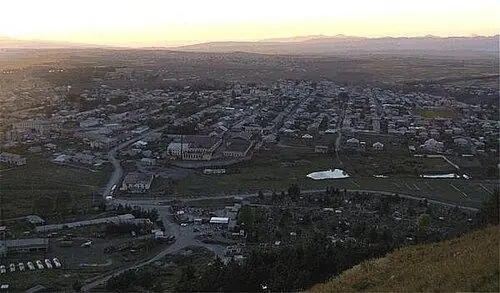
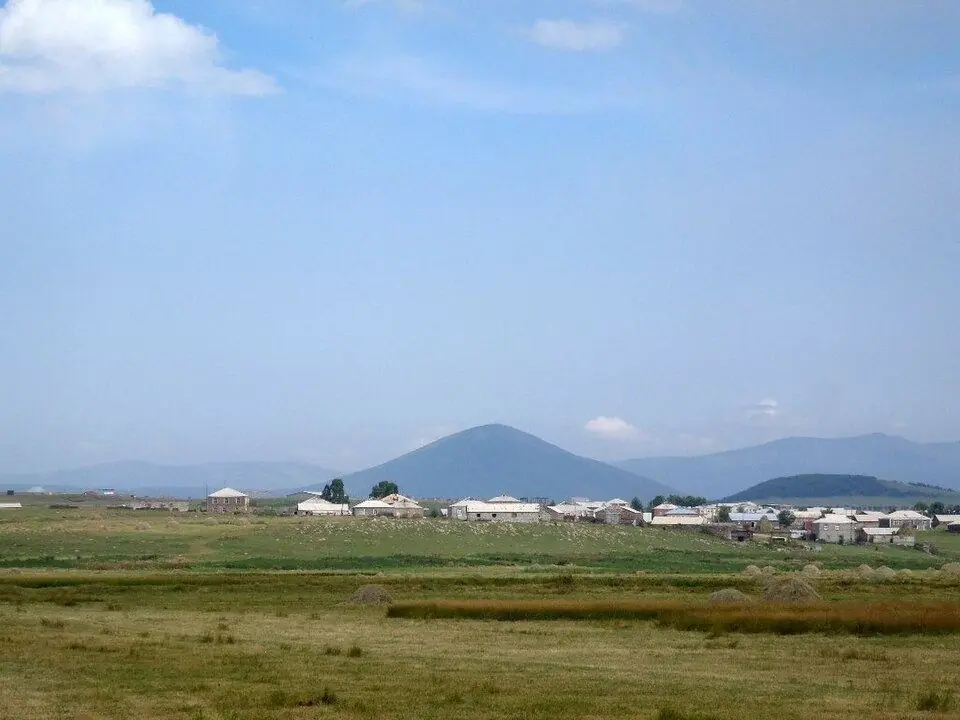
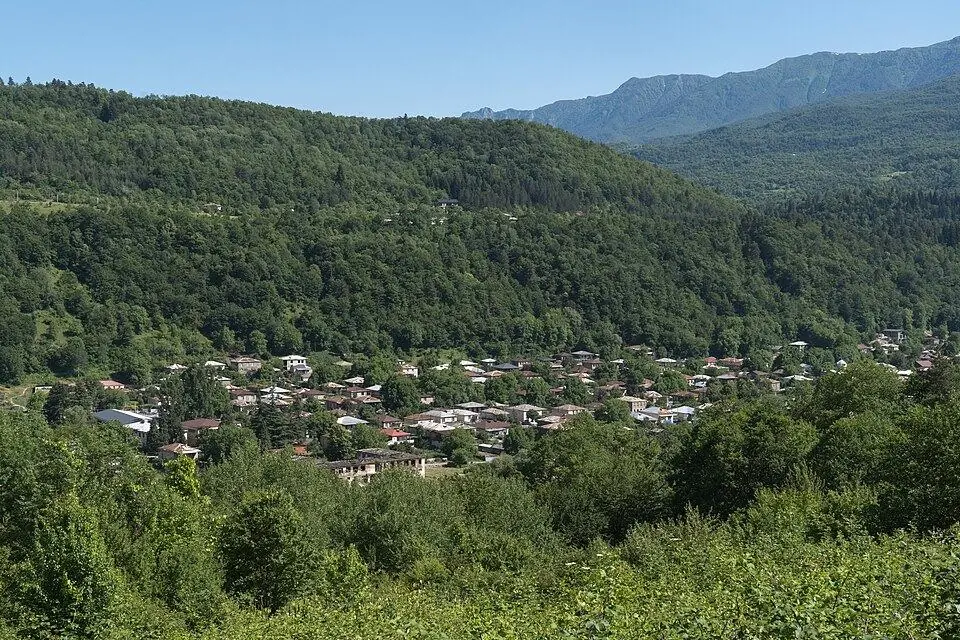
Judaism in Georgia has unusually deep roots. Georgian Jews link their arrival to the 6th century BC, when Babylon took Jerusalem. For centuries they spoke Georgian and lived as traders and craftsmen in towns such as Akhaltsikhe, Kutaisi and Oni. Ashkenazi Jews came later, mostly in the 19th and 20th centuries.
Most families moved to Israel, in the 1970s and after 1991, and a small community remains. Its synagogues still stand:
- Tbilisi: the red-brick Great Synagogue of the early 1900s and the smaller Beit Rachel on the same street.
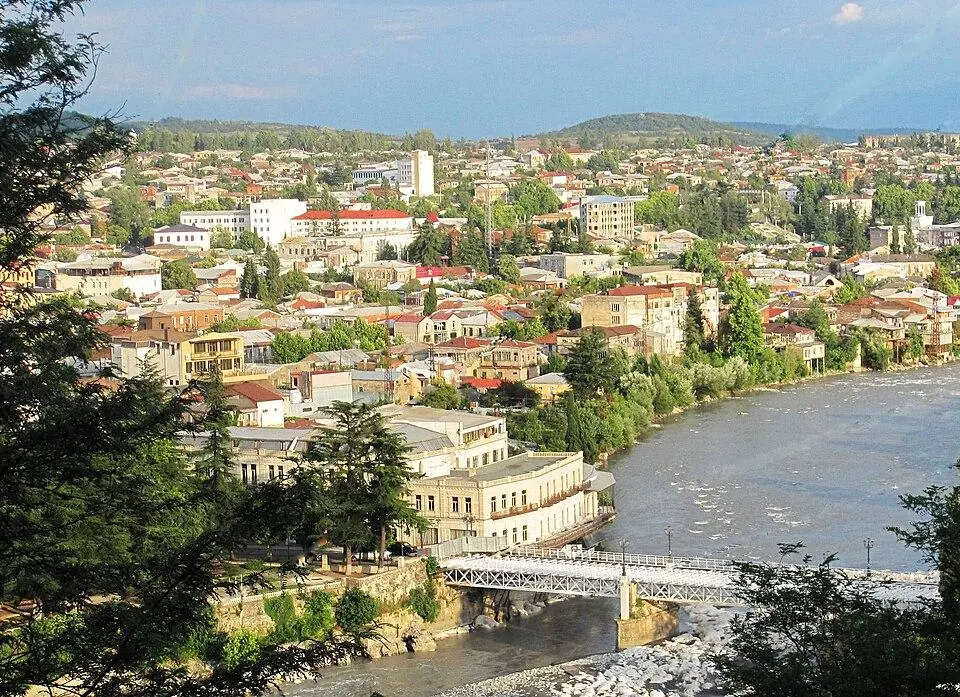
- Kutaisi: three synagogues on Boris Gaponov Street. The largest, from the 1880s, still holds services.
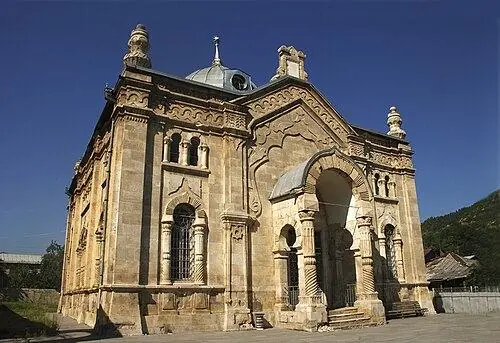
- Oni: the Oni Synagogue of 1895, one of the grandest in Georgia, opens for holidays and visitors.
- Batumi: a working synagogue from 1904 stands in the old town.
Other religions in Georgia: Yazidis, Lutherans and Russian dissenters
Several small communities keep their own places of worship.
- Yazidis: Kurdish-speaking Yazidis arrived mainly in the early 20th century, escaping persecution in the Ottoman lands. The 2024 census counted 11,324 people of Yazidi origin. In 2015 they opened the Sultan Ezid temple on the edge of Tbilisi, modelled on Lalish in Iraq.
- Lutherans: farmers from Württemberg founded German colonies here in 1818, among them Asureti and Bolnisi. Soviet rule deported their descendants in 1941. Asureti's Gothic church of 1871 still stands, and the Lutheran congregation now meets at the Church of Reconciliation in Tbilisi.
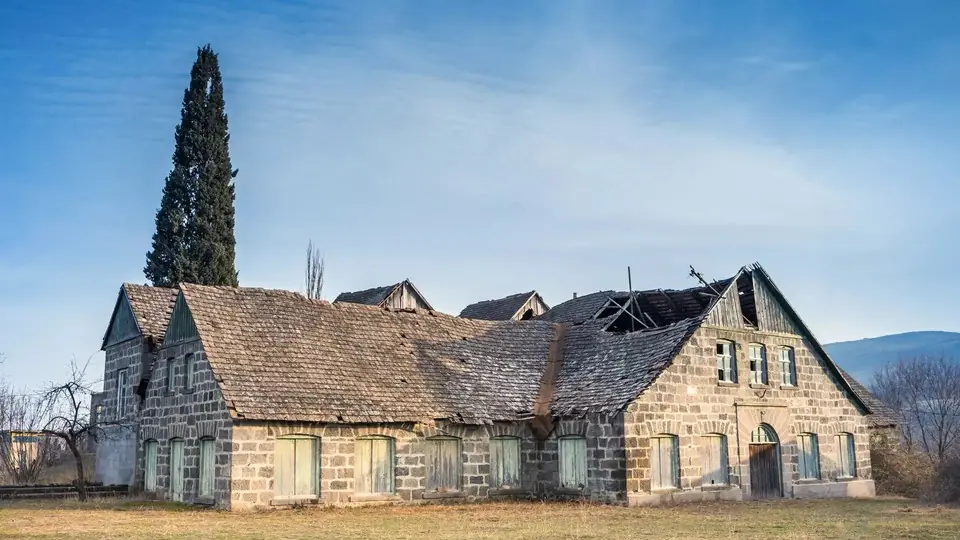
- Russian dissenters: Doukhobors, Molokans and Old Believers broke with the Russian Orthodox Church, and the tsars sent many to the Caucasus. A small Doukhobor group still keeps its prayer house in Gorelovka, near Ninotsminda.
- Also registered: Jehovah's Witnesses, Baptists, Pentecostals and other Protestant churches.
Old Tbilisi: a cathedral, a synagogue, an Armenian church and a mosque on one walk
In Old Tbilisi four faiths share a few lanes. This walk links them in under 1 km, 15 to 20 minutes without stops. All four are working places of worship that usually let visitors in by day.
- Sioni Cathedral (Georgian Orthodox)
Start at the old patriarchal cathedral on Sioni Street, dim and full of murals. St Nino's vine cross rests in a case near the icon screen. - The Great Synagogue (Jewish)
Walk ~150 m south to Kote Afkhazi Street. The red-brick synagogue, restored in 2009, serves the city's Georgian Jews. - St George's Armenian Cathedral (Armenian Apostolic)
Go ~160 m downhill. The cathedral stands a few steps from Gorgasali Square, with Sayat-Nova's grave by the door. - Juma Mosque (Muslim)
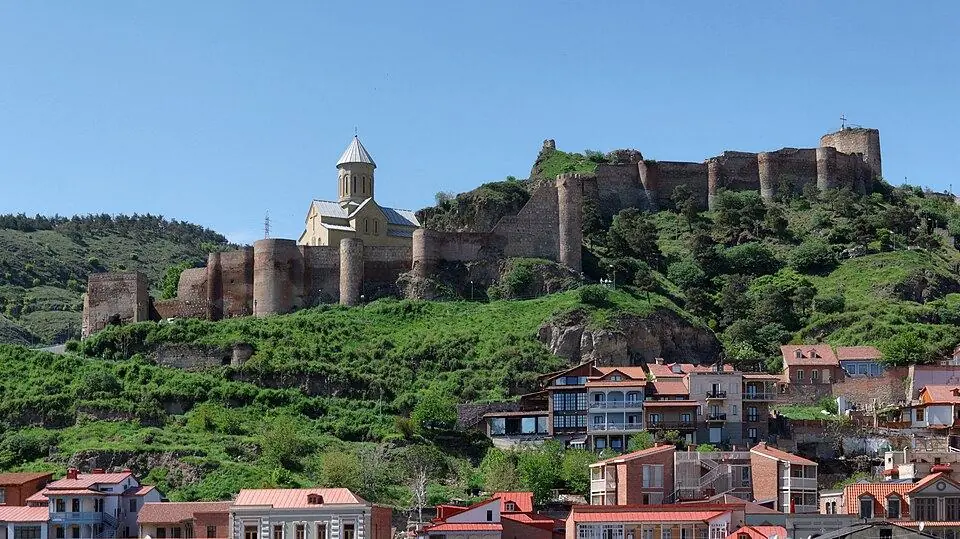
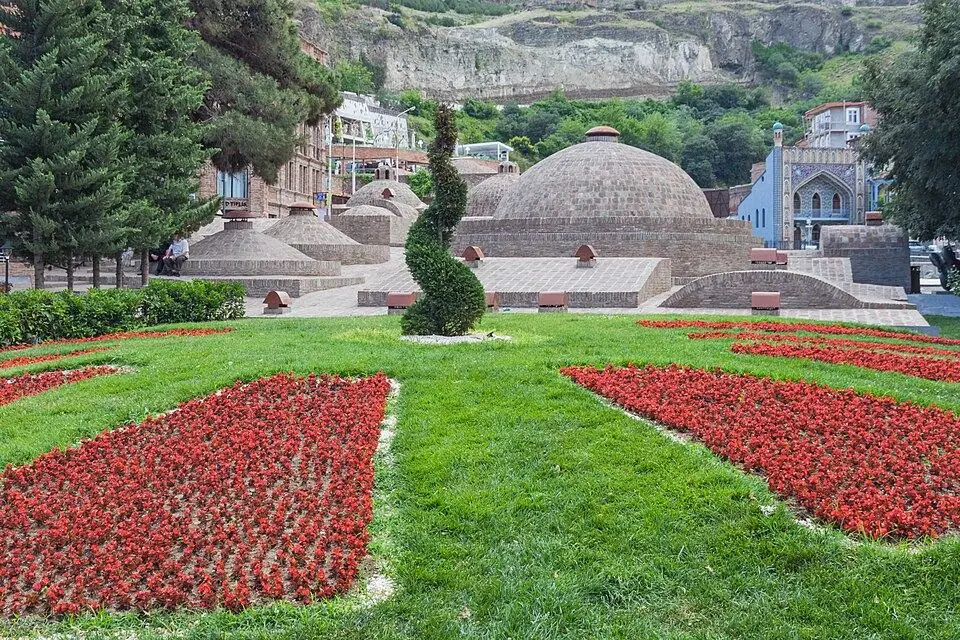
Follow Botanikuri Street past the domes of the Abanotubani Sulphur Baths. The brick mosque below Narikala Fortress is shared by Sunni and Shia worshippers, a rare sight anywhere.
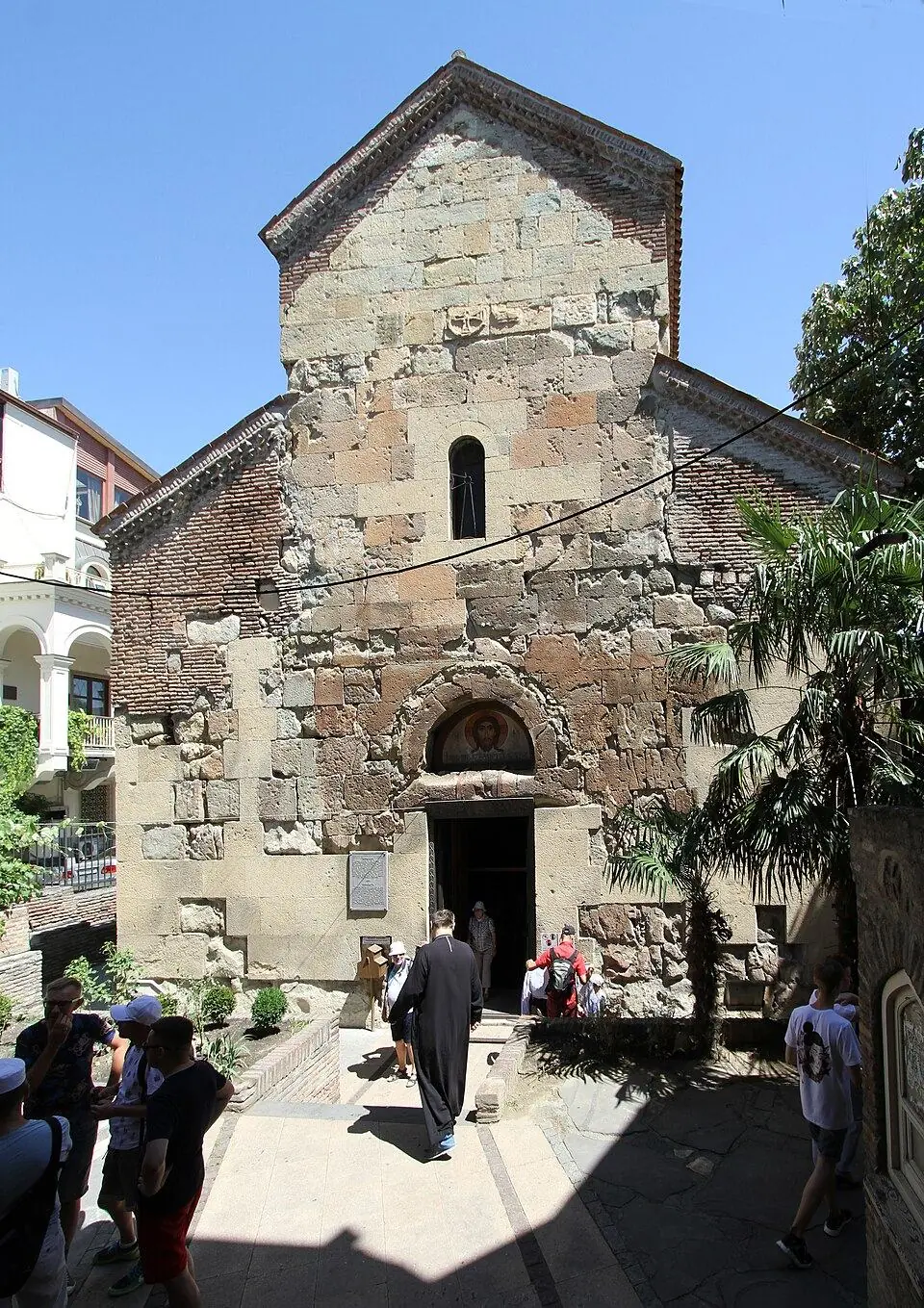
Two extra stops fit in easily: Anchiskhati Basilica, the oldest church in the city, ~500 m north of Sioni, and the Catholic cathedral ~400 m west.
Visiting an Orthodox church in Georgia: dress code and etiquette
Georgian churches welcome everyone, and nobody asks about your faith. Entry is free almost everywhere.
What to wear in a Georgian church
- Women: cover your hair with a scarf, wear a skirt or wrap that falls past the knee, and keep your shoulders covered. Many city churches accept trousers, but convents rarely do.
- Men: long trousers and sleeves over the shoulders. Hats come off inside.
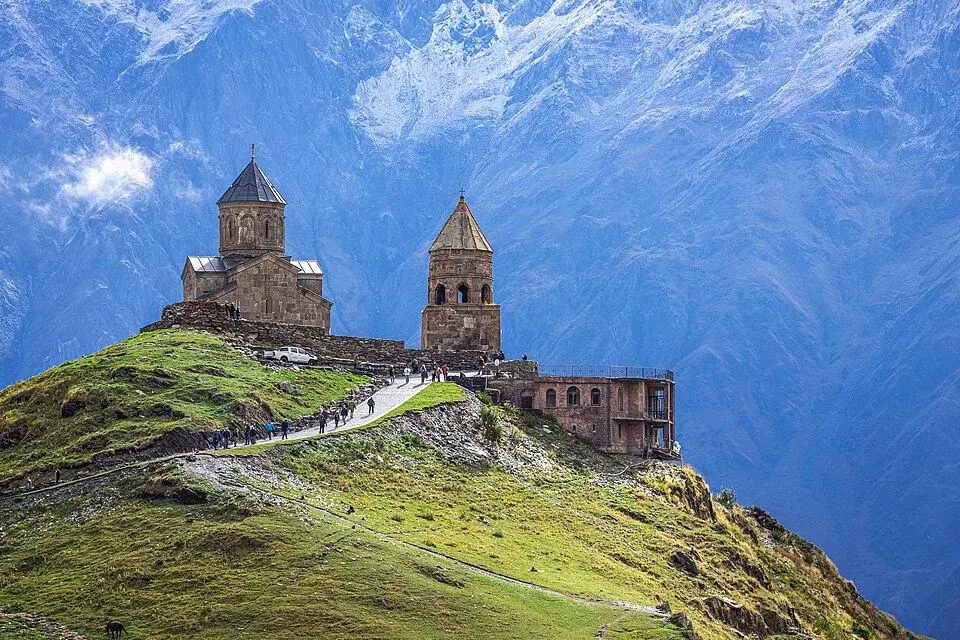
- Loan wraps: large churches often lend scarves and wrap skirts, but village churches seldom do, and on busy days at Gergeti Trinity Church the baskets run empty. Pack a light scarf.
- Heat: the David Gareja dress code is the same as anywhere else, so choose loose cotton for desert days.
Inside: candles, icons, photos and quiet
- Candles: buy them for small change at the church shop. Light one from another flame and press it into the sand by an icon. The low table with a crucifix is for prayers for the dead.
- Icons: believers cross themselves from right to left and kiss the icons. You need not join in, but step aside so others can reach them.
- The altar: the central doors of the icon screen are for priests only, so never walk through them.
- Photos: look for a sign at the door, as many monasteries allow none inside. Where photos are fine, skip the flash and leave people at prayer out of your shots.
- Quiet: speak softly, silence your phone and do not eat or drink inside.
When services happen
Parish churches usually hold vespers on Saturday evening, from about 17:00, and the liturgy on Sunday morning, roughly 09:00 to noon. Cathedrals and monasteries serve on weekdays too. There are few seats, so everyone stands, and people come and go quietly. Weekday mornings are calmest, since weddings and christenings fill the weekends.
Visiting mosques and synagogues
- Mosques: shoes come off at the door, women cover their hair, and everyone covers arms and legs. Avoid prayer times, above all Friday midday, and ask before taking photos. In Ramadan, do not eat or drink in front of people who are fasting.
- Synagogues: dress modestly and expect a short security check. Men wear a kippa. On the Sabbath, from Friday sunset to Saturday night, keep cameras and phones away.
Religious holidays and fasting in Georgia in 2027
Church feasts follow the Julian calendar, so most dates differ from Western Europe. Most big feasts are public holidays, when offices close and roads fill.
| Feast | 2027 date | Day off? | What happens |
|---|---|---|---|
| Orthodox Christmas (Shoba) | Thu 7 January | Yes | Night liturgy on the 6th, Alilo walks on the 7th |
| Epiphany (Natlisgheba) | Tue 19 January | Yes | Water is blessed and taken home in bottles |
| St Nino's Day | Wed 27 January | No | Services at Bodbe, Samtavro and St Nino churches |
| Orthodox Easter (Aghdgoma) | Sun 2 May | Fri 30 April to Mon 3 May | Midnight liturgy, red eggs, visits to family graves |
| St Andrew the First-Called Day | Wed 12 May | Yes | Feast of the apostle of Georgia |
| Mariamoba (Dormition of the Virgin) | Sat 28 August | Yes | Pilgrims visit churches of the Virgin Mary |
| Svetitskhovloba | Thu 14 October | Yes | The Patriarch's liturgy in Mtskheta and a town fair |
| Giorgoba (St George's Day) | Tue 23 November | Yes | Services and feasts for the national saint |
Each feast has its own page: Orthodox Christmas, Epiphany (Natlisgheba), Orthodox Easter, Mariamoba, Svetitskhovloba and Giorgoba. For home customs, read St George's Day in Georgia.
Fasting periods and lenten food
Devout Georgians fast on most Wednesdays and Fridays. There are also four longer fasts. Great Lent runs from 15 March to 1 May in 2027, and the Nativity fast from 28 November to 6 January. Two weeks of fasting lead up to Mariamoba, from 14 to 27 August, and a short fast comes before the feast of Sts Peter and Paul on 12 July.
Fasting means no meat, dairy or eggs, and on the strictest days no fish, wine or oil. Many cafes then add a samarkhvo, or lenten, menu. Vegans eat well: lobio bean stew, pkhali, aubergine rolls with walnut, mushroom khinkali and mchadi corn bread all fit. Our Georgian food guide lists more.
Seeing Georgia's churches and monasteries with a guide
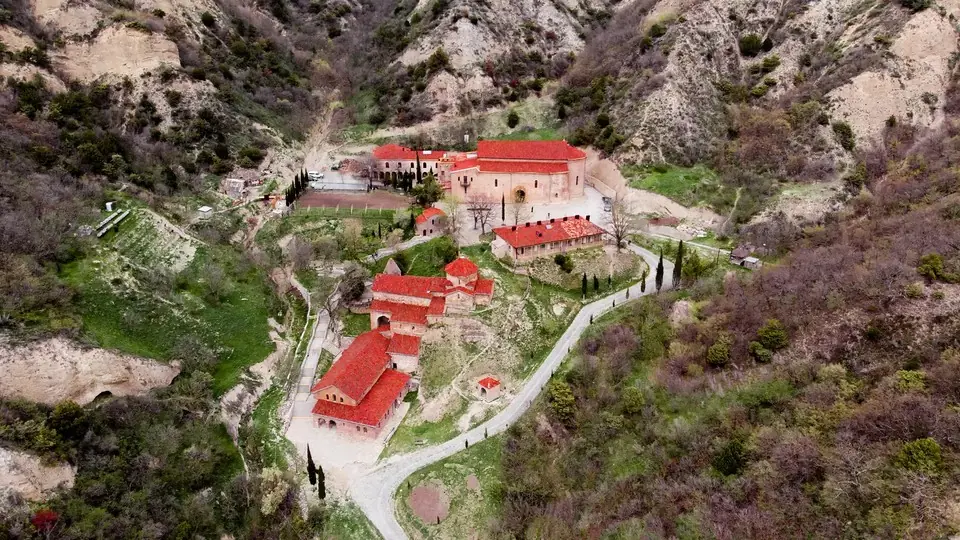
Our Orthodox Georgia Pilgrimage follows this story over 7 days. You see St Nino's cross in Tbilisi, Mtskheta and Shio-Mgvime, the cave monastery of David Gareja and her grave at Bodbe, then Gelati and Motsameta near Kutaisi. The guide can tell each saint's story on the spot and, if your dates allow, take you to a Sunday liturgy.
Prefer your own plan? We arrange private trips to churches and monasteries on request, from one day near Tbilisi to a week across the country. Choose any date and any group size. Children of every age are welcome, and your guide speaks your language. One rule applies to every foreign visitor: travel insurance is compulsory, with a sum insured of no less than 30,000 GEL.
Religion in Georgia: FAQ
What is the main religion in Georgia?
Orthodox Christianity. The 2024 census found that 82.0% of residents count themselves Orthodox. Muslims made up 11.1% and Armenian Apostolic Christians about 2.6%.
Is Georgia a Muslim country?
No. It is a mostly Christian country with a secular constitution. About one person in nine is Muslim, mainly in Adjara, Kvemo Kartli and the Pankisi valley.
When did Georgia become Christian?
In the early 4th century, when St Nino converted King Mirian III of Kartli. Scholars propose dates between about 326 and 337. The church and the state use 326 and marked the 1,700th anniversary in 2026.
Who leads the Georgian Orthodox Church?
Catholicos-Patriarch Shio III. The Holy Synod elected him on 11 May 2026, and he was enthroned the next day. He followed Ilia II, who led the church from 1977 until his death in March 2026.
Can tourists visit Georgian churches?
Yes. Churches and monasteries welcome visitors of any faith, and entry is usually free. Dress modestly, stay quiet during services and follow the photo rules at the door.
What should I wear in a Georgian church?
Keep shoulders and knees covered. Women also need a scarf over the hair and a skirt that falls past the knee. Men need full-length trousers and no hat. Larger churches often lend scarves and wraps.
Is the Orthodox Church in Georgia the state church?
Not formally. The constitution keeps church and state separate and protects freedom of religion, but it recognises the church's special role in history. A 2002 agreement gives it some rights other faiths lack.