- Georgians call themselves kartvelebi, speak a Kartvelian language with no proven relatives outside the Caucasus, and write it in their own 33-letter alphabet.
- Hospitality rests on the saying that a guest is sent by God, so visitors get the first plate, the best seat and a toast at the supra.
- Surname endings hint at a family's region: -shvili and -dze everywhere, -ia and -ua in Samegrelo, -ani in Svaneti, -uri and -uli in the north-eastern mountains.
- Regions keep strong identities: Svans and Megrelians have their own languages, and every valley has its own songs, dishes and feast days.
- Five Georgian traditions are on UNESCO's intangible heritage list: polyphonic singing, qvevri wine, the three scripts, chidaoba wrestling and, since 2025, wheat culture.
Georgian people, or kartvelebi in their own language, are a mostly Orthodox Christian nation of the South Caucasus. They have their own language, their own alphabet and a written record that goes back some 1,600 years. Abroad they are known for hospitality, long feasts full of toasts and folk songs in three voices. At home, family usually comes first, elders are heard with respect and the church calendar still shapes the year. Most Georgians live in Georgia itself, between the Greater Caucasus and the Black Sea. Older communities survive in Turkey, Iran and Azerbaijan.
This guide is about the people rather than the statistics, which sit on our Georgia country facts page. It explains how hospitality and the supra work and what family life looks like. It shows what surname endings such as -shvili, -dze, -ia and -ani reveal. Then it travels round the regions, from Svaneti to Adjara, and covers singing, dance, faith and language. The last part lists simple customs that help when you meet Georgians, followed by a short FAQ.
Who are the Georgian people?
In Georgian, one Georgian is a kartveli, the people are kartvelebi and the country is Sakartvelo, the land of the Kartvelians. All three words come from Kartli, the central region around Mtskheta and Tbilisi, where an early kingdom took shape. Greek and Roman authors called that kingdom Iberia. The western lowlands were ancient Colchis, the goal of the Argonauts.
The English name Georgia most likely goes back to gurj or gorj, an old Persian word for the Georgians. St George is painted, carved and named all over the country, so many people link the name to him. Linguists see that as a happy coincidence rather than the source.
Roughly four in five residents of Georgia are ethnic Georgians. The others are mostly Azerbaijanis and Armenians, with smaller groups of Russians, Ossetians, Yazidis, Kists, Greeks and recent arrivals. The census tables live on the country facts page, so this guide skips them.
Georgians outside Georgia
Some Georgian communities have lived beyond today's border for centuries. In north-eastern Turkey there are villages of Muslim Georgians, and the Laz of the Black Sea coast speak a sister language. In Iran, the Fereydani Georgians still use an old Georgian dialect about four hundred years after Shah Abbas I moved their ancestors there. The Ingiloy of north-western Azerbaijan are another old group. Newer emigrants live in Russia, Greece, Italy, Germany, Israel and the United States.
Georgians you may already know
- Shota Rustaveli, the 12th-century poet of The Knight in the Panther's Skin, the national epic.
- Queen Tamar, who ruled from 1184 to 1213, when medieval Georgia was at its strongest.
- Niko Pirosmani (1862-1918), a self-taught artist whose canvases show feasts, animals and the taverns of old Tbilisi.
- George Balanchine, born Giorgi Balanchivadze, the son of a Georgian composer and a co-founder of New York City Ballet.
- Nino Haratischwili, a Tbilisi-born novelist who writes in German. Her family saga The Eighth Life runs through a century of Georgian history.
- Katie Melua, the singer, born in Kutaisi in 1984, and Khvicha Kvaratskhelia, the winger who lifted the Champions League trophy in 2025.
Georgian hospitality: why the guest comes first
Ask Georgians what defines Georgian culture and many will start with guests. The proverb they quote is stumari ghvtis movlenilia, a guest is sent by God. Behind it lies an old mountain code. Whoever crossed your threshold, even a stranger, was fed and protected while under your roof.
Vazha-Pshavela's poem Host and Guest, from 1893, shows how far that code could go. A Kist hunter takes in a Khevsur traveller, then learns that his village counts the man as an enemy. He defends his guest anyway and pays a heavy price. Georgian pupils still read it at school.
Today the custom looks gentler. A farmer may wave a passing hiker in for coffee and cheese. A guesthouse owner may put an extra jug of wine on the table and refuse to charge for it. Guests get the best seat, the softest bed and the first serving. Hosts expect to offer twice, so a polite first refusal is normal. The warmest thanks you can give is a real appetite and a word of praise for the cook.
Rustaveli summed up the idea in a line many Georgians can recite: what you give away is yours, what you keep is lost. For many Georgians, generosity is still a point of pride. Splitting a bill can feel awkward, and you may find your coffee already paid for.
Feasting together: the supra in brief
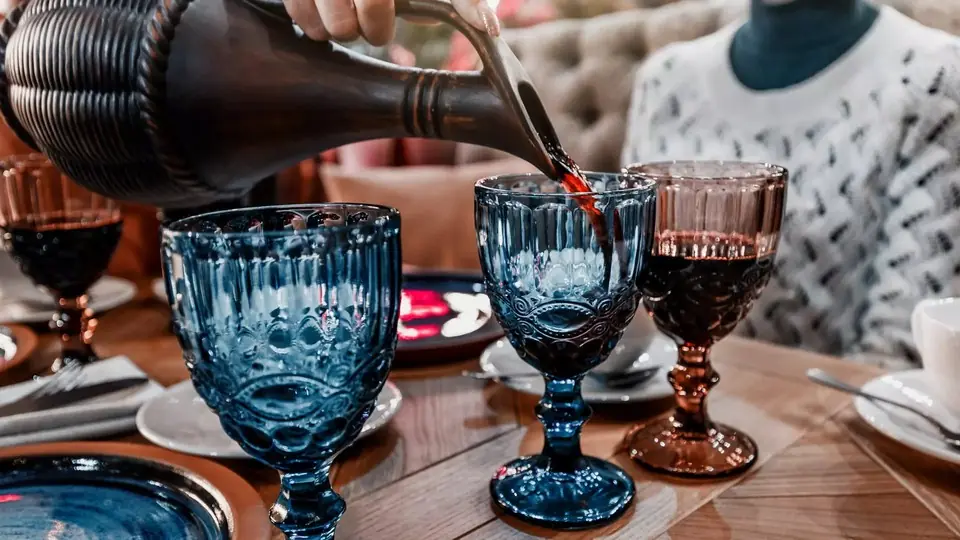
The supra is where hospitality becomes a ritual. It is a long meal, often four hours or more, run by a toastmaster called the tamada. Nobody sips wine at random. You lift your glass when the tamada speaks, and each toast has a theme. A familiar sequence runs through most feasts: peace, the occasion, the hosts, parents, those who have died, children, friendship and the guests.
The tamada can hand a theme to another guest by saying alaverdi, and that person adds a speech of their own. The usual cheers is gaumarjos, which wishes you victory. Toasts are drunk in wine or chacha. Beer is left out, and many Georgians say a beer toast is fit only for an enemy.
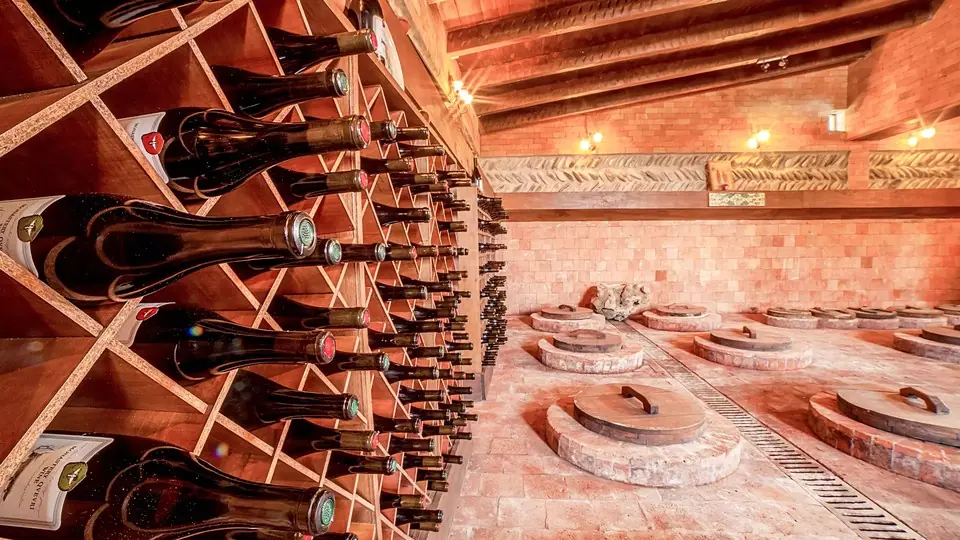
A joyful feast is a keipi, held for weddings, christenings, name days and holidays. After a funeral the family hosts a kelekhi, a sober meal in memory of the dead. Our supra guide covers the full run of toasts, how to pace yourself and what to do if you do not drink.
On our Wine & Supra tour you sit down to a full Kakhetian feast with a tamada and singers. Like all our trips it is private, so the dates and the headcount are yours to choose.
Family, elders and Georgian traditions at home
Family sits at the centre of Georgian life. Three generations under one roof is common, especially outside Tbilisi. Grandparents often raise the children while parents work. Adult children usually stay at home until they marry, and a married son often brings his wife into his parents' house. Sunday lunch with cousins, aunts and godparents is an ordinary weekend, not an event.
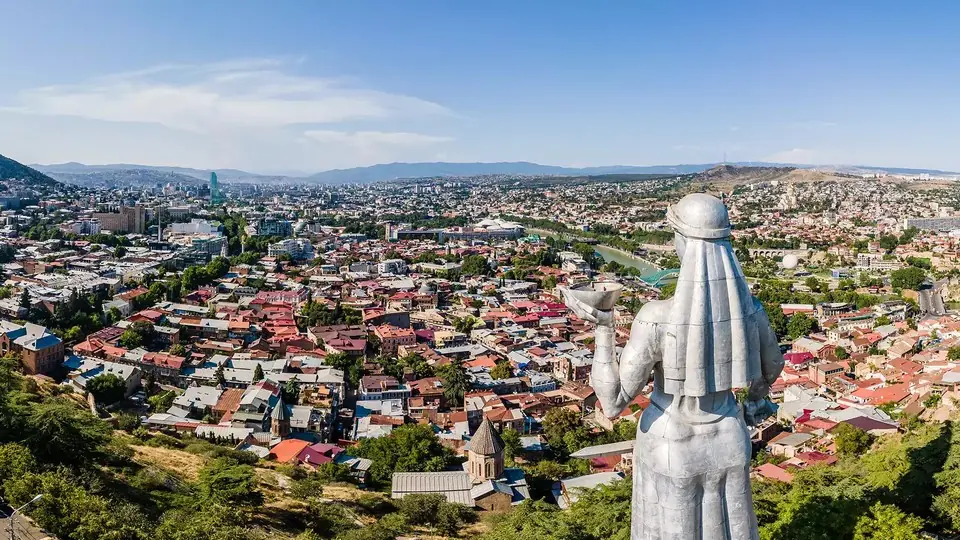
Respect for age shows in small daily habits. Younger people stand when an older relative walks in, give up their seat on the bus and let elders speak first. At a feast, the senior man is often asked to lead or to raise the first glass. Mothers hold a special place: 3 March is Mother's Day, a public holiday, and Kartlis Deda, the Mother of Georgia statue, holds a sword and a bowl of wine on the ridge over Tbilisi.
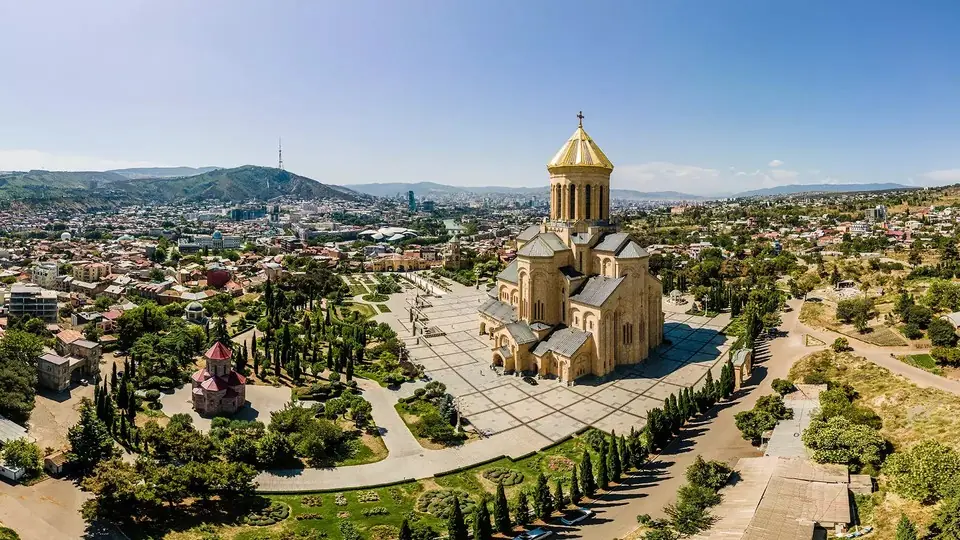
Godparents count as close kin. A natlia, or godparent, often stays involved for life, and families choose one with care. The late Patriarch Ilia II became godfather to more than 50,000 children. From 2008 he baptised the third and later children of couples married in church, in mass ceremonies at Sameba Cathedral. Shio III kept the custom going with his first such baptism, for more than 600 children, in June 2026.
Big life events pull everyone in. Weddings often have several hundred guests and dancing late into the night. A funeral is a community affair that can take several days, as neighbours come to sit with the family before the kelekhi. Memorial meals return on the 40th day and after a year. On Easter Monday, families carry red eggs, bread and wine to their relatives' graves.
Georgian surnames and first names: -shvili, -dze, -ia and -ani
Most Georgian surnames join a forebear's name, a place or a trade to an ending. Learn the endings and you can often guess where a family's roots lie. Beridze is the most common surname in the country, ahead of Kapanadze and Gelashvili, according to civil registry lists.
| Ending | Meaning | Where it is most common | Examples |
|---|---|---|---|
| -shvili | child (of) | Everywhere, most of all in the east: Kartli and Kakheti | Gelashvili, Baratashvili, Javakhishvili |
| -dze | son (of) | Everywhere, most of all in the west: Imereti, Guria, Adjara | Beridze, Kapanadze, Abashidze |
| -ia, -ua, -ava, -aia | Megrelian endings | Samegrelo | Kvaratskhelia, Chichua, Shengelaia |
| -ani, -iani | Svan ending | Svaneti | Dadeshkeliani, Margiani, Gabliani |
| -uri, -uli | belonging to | North-eastern mountains: Khevsureti, Pshavi, Tusheti, Mtiuleti | Arabuli, Chincharauli, Tsiklauri |
| -eli | from (a place) | All regions, often old noble families | Tsereteli, Machabeli, Rustaveli |
| -shi | Laz ending | Adjara and the Turkish border | Khalvashi, Jashi |
Some surnames record a trade. Mchedlishvili means child of the smith, and Mghvdeladze means son of the priest. Others name an ancestor directly: Giorgadze is son of Giorgi, and Davitashvili is child of Davit.
First names, nicknames and name days
Giorgi is by far the most common boy's name and Nino the most common girl's name, after the two saints who matter most here. Davit, Levan, Irakli, Tamar, Mariam and Ketevan follow close behind. Some parents pick heroes from Rustaveli's poem, such as Tariel, Avtandil, Nestan and Tinatin.
Everyday names are short. Davit becomes Dato, Giorgi becomes Gio or Gogi, Aleksandre becomes Sandro, Tamar becomes Tamuna, Ketevan becomes Keti and Ekaterine becomes Eka. Polite speech puts batono (sir) or kalbatono (madam) before the first name, as in batono Giorgi or kalbatono Nino. Surnames rarely come up in conversation.
Many Georgians mark their saint's day as warmly as a birthday. Phones ring all day for every Giorgi on 23 November, for every Nino on 27 January and for every Mariam on 28 August.
Svans, Megrelians, Kakhetians and Gurians: Georgia's regional characters
Georgia is small, yet its regions can feel like separate countries. Snow cut many valleys off for months, and old kingdoms and principalities kept their own customs. Each region has its own dialect, dishes and feast days, and two have their own languages.
| People | Home region | What marks them out | Where to meet them |
|---|---|---|---|
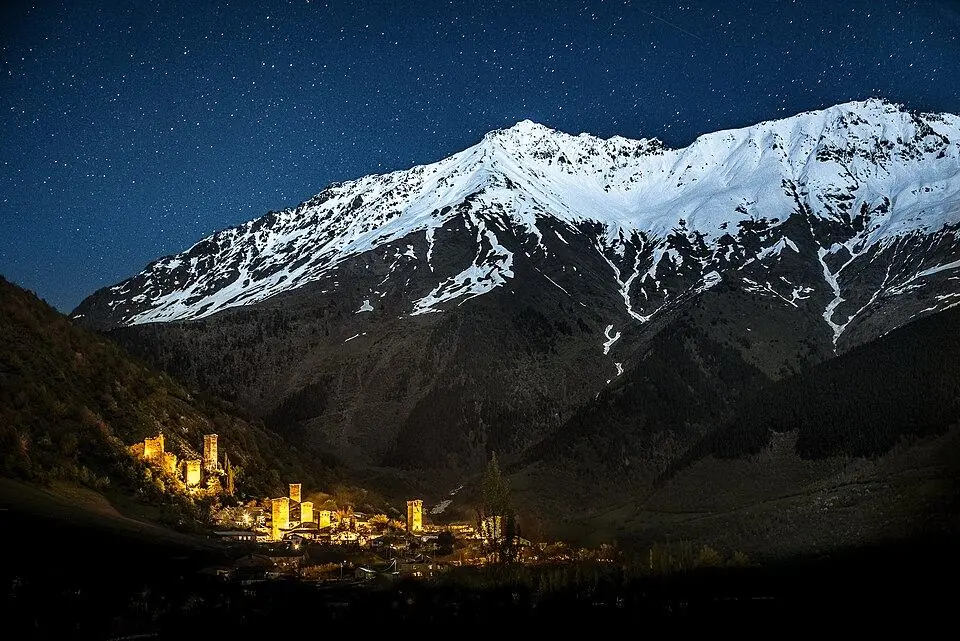
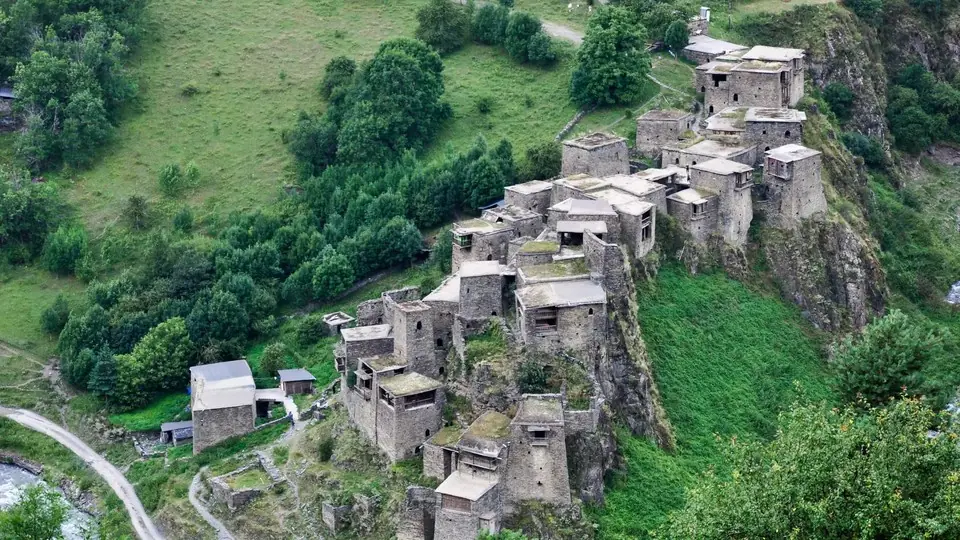
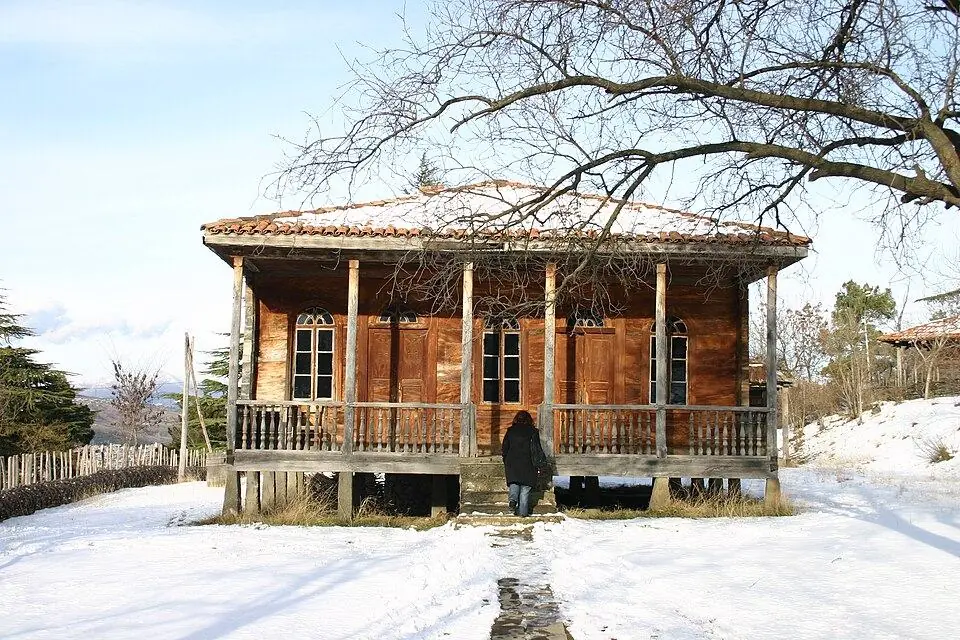
| Svans | Svaneti, high in the western Caucasus | Svan language, stone defence towers, round dances, kubdari meat pies and Svan salt; the Lamproba torch festival in mid-February | Mestia, Ushguli and village guesthouses |
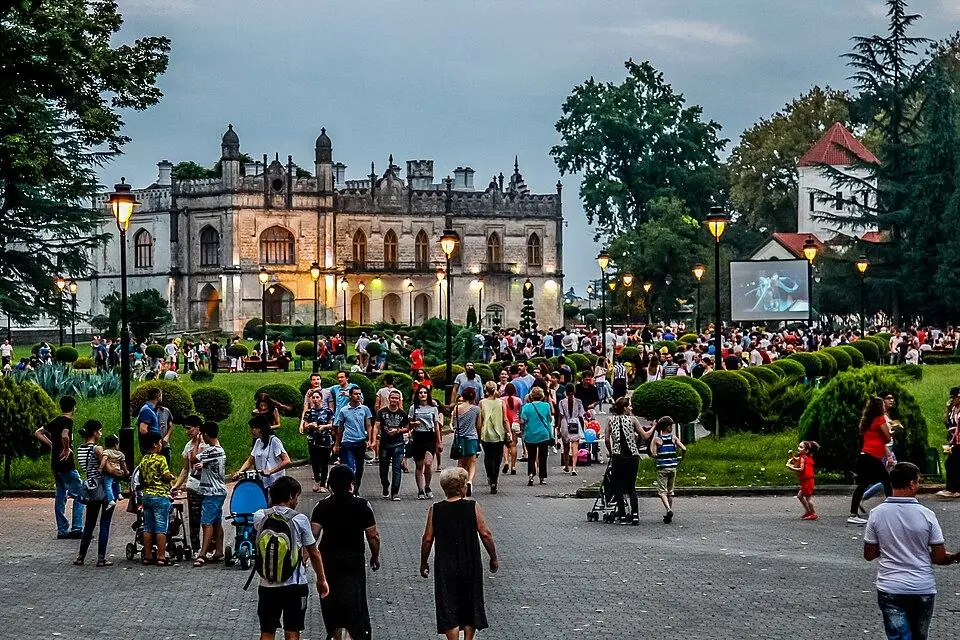
| Megrelians | Samegrelo, the lowlands west of Kutaisi | Megrelian language, food with a reputation as the spiciest in Georgia (ajika, elarji, gebjalia), the Dadiani palace | Zugdidi, Martvili and Poti |
| Kakhetians | Kakheti, the wine country of the east | Qvevri wine, mtsvadi grilled over vine cuttings, the long table song Chakrulo | Telavi, Sighnaghi and family cellars |
| Gurians | Guria, between Imereti and the sea | Fast, intricate songs, a reputation for quick wit, the Easter ball game lelo burti, tea gardens | Ozurgeti, Shemokmedi and tea villages |
| Adjarians | Adjara, Batumi and its mountains | Orthodox and Muslim families side by side, the Khorumi war dance, Adjarian khachapuri, the early-August Shuamtoba feast at Beshumi | Batumi, Keda and Khulo |
| Imeretians | Imereti, around Kutaisi | Imeretian cheese and khachapuri, Gelati and Bagrati, and poets from Akaki Tsereteli to Galaktion Tabidze | Kutaisi and its markets |
| Rachans | Racha, the upper Rioni valley | Semi-sweet Khvanchkara wine, smoked Racha ham, the carved church of Nikortsminda | Ambrolauri and Oni |
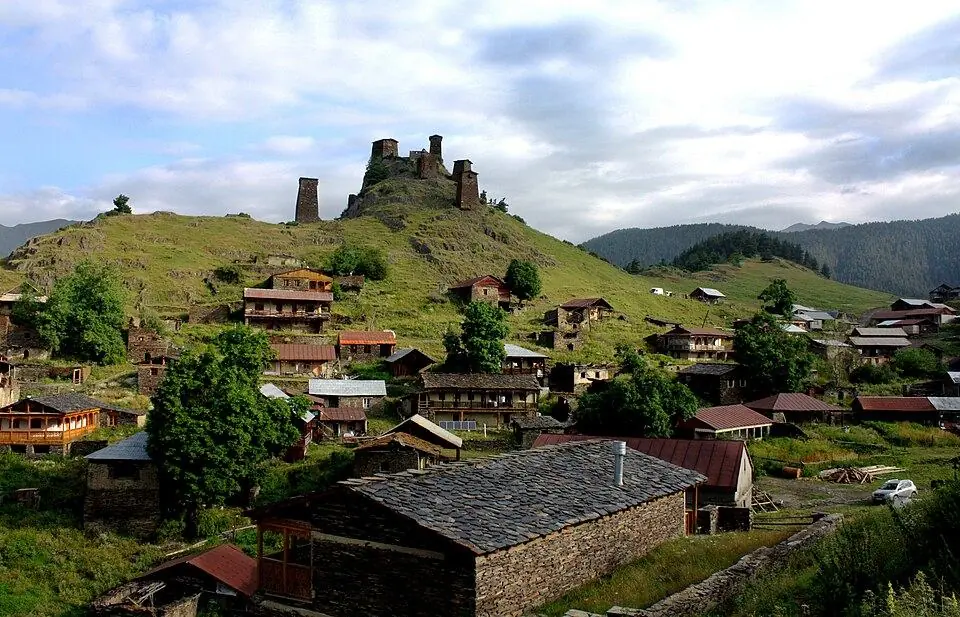
| Khevsurs, Pshavs and Tush | The north-eastern mountains | Hilltop shrines called khati, crosses stitched on clothes, sheep and horses, beer brewed for summer feasts | Shatili, Omalo and Dartlo |
| Mokheves and Mtiuls | Along the Georgian Military Highway | Shepherding families, the khinkali of Pasanauri, the novelist Alexander Kazbegi | Stepantsminda and Pasanauri |
Regional teasing is part of everyday humour. Georgians often say that Gurians talk faster than anyone and that Kakhetians give the biggest welcome. Many Georgians speak with admiration of Svan toughness and of how the high valleys kept old customs alive. You will hear such lines at many tables. Take them as friendly banter, not as facts about any one person.
Georgia is also home to people who are not ethnic Georgians. Azerbaijani villages fill much of Kvemo Kartli, Armenians form the majority in Javakheti, and Kists, a people related to the Chechens, live in the Pankisi Gorge. Each group keeps its own language and feasts alongside Georgian ones.
Why Georgians sing in three voices
Sooner or later, a Georgian table starts to sing. Most folk songs are written for three parts. One singer leads, a second answers or circles the tune, and everyone else holds a low note underneath. UNESCO honoured the tradition in 2001, among the first on its list.
Styles change with the landscape. Up in Svaneti, songs sound archaic and often belong to a ritual, like the sun hymn Lile or a slow circle dance. Kakhetian men trade long, decorated lines above a steady bass. In the west, especially Guria, each voice goes its own way at speed, and a falsetto yodel, the krimanchuli, leaps over the top. Church chant uses the same many-voiced sound.
Two songs you are almost sure to hear are Mravalzhamieri, a wish for many years of life, and Suliko, a tender love song with words by Akaki Tsereteli. Chakrulo has gone farthest of all. Since 1977 it has been on the Golden Record carried by the two Voyager probes. On 7 January, Alilo processions sing carols through the streets for Georgian Christmas.
Where to hear Georgian singing
- At a supra in a family guesthouse or wine cellar, where hosts and neighbours sing between toasts.
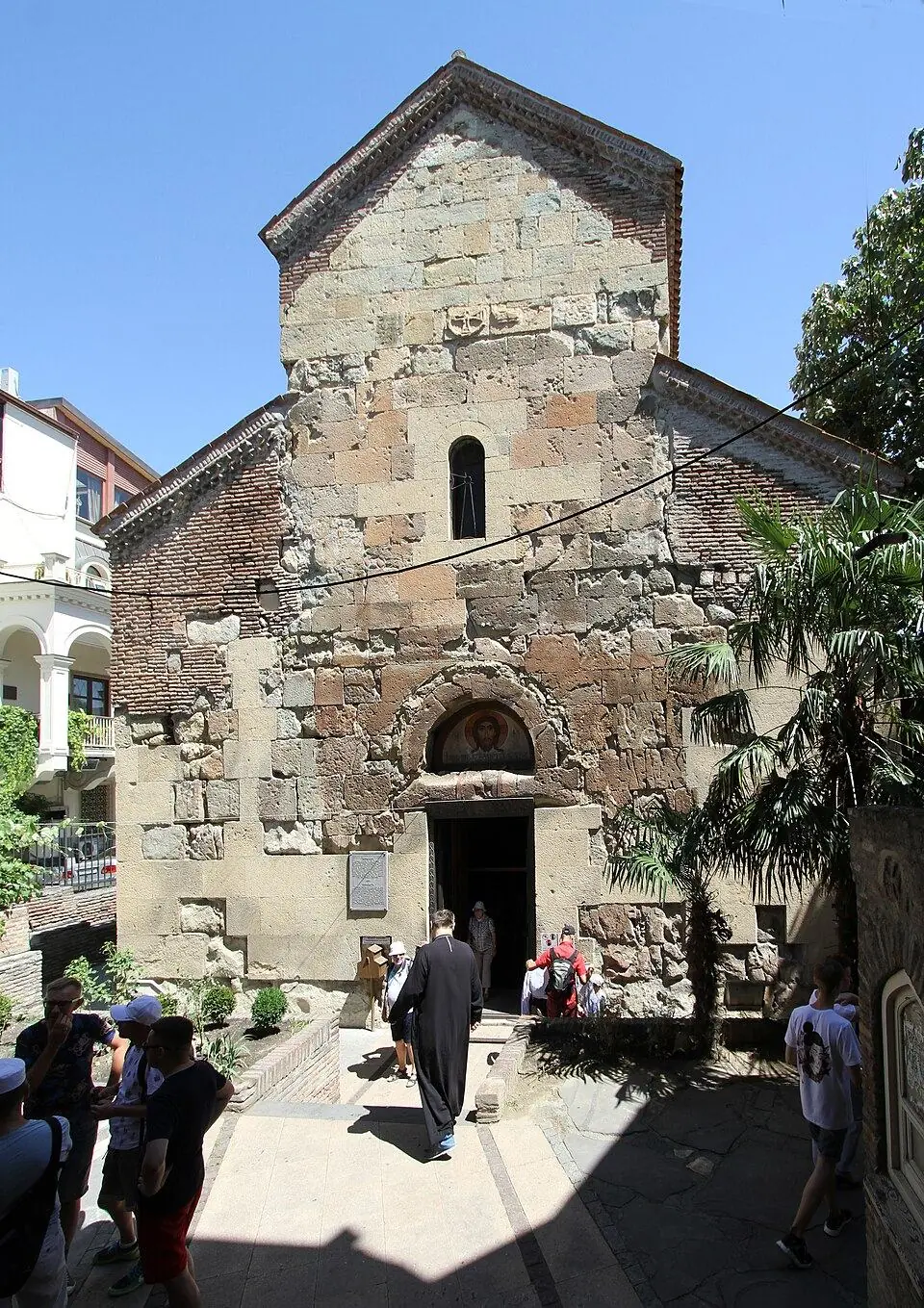
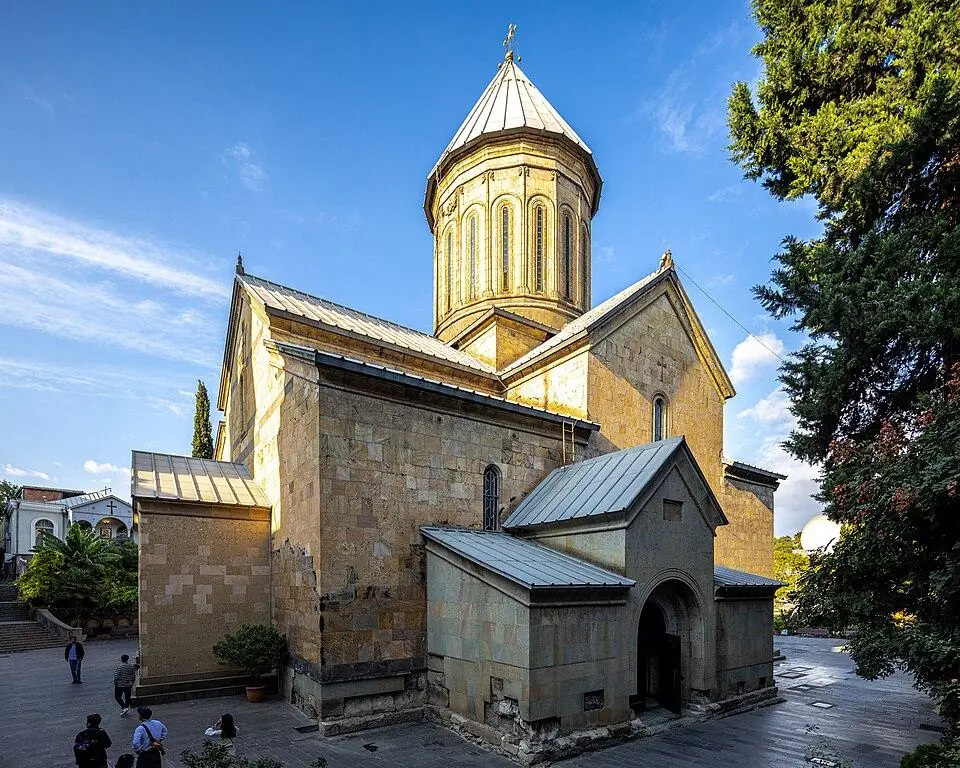
- At Sunday liturgy in old Tbilisi churches such as Anchiskhati or Sioni, where choirs sing in parts.
- At concerts by the Rustavi Ensemble, Basiani or village choirs. The best-known ensembles spend months on the road, so look up their home concerts before you fly.
- At Art-Gene, the summer folk festival in Tbilisi's open-air ethnographic museum, normally in the last week of July.
- At summer feasts in the regions, such as Svanetoba in Mestia and Tushetoba in Omalo.
Folk dance and the chokha: Georgia on stage
Georgian folk dance is the other art the country carries abroad. Male dancers whirl and jump, then drop onto the points of their toes. Female dancers take tiny, hidden steps under floor-length dresses, so they seem to drift. Kartuli, the best-loved pair dance, keeps the couple apart from start to finish: he must not touch her.
Every region adds its own. Khorumi, from Adjara and Guria, is a war dance for men only. Mountain dances stage sword fights and contests of skill. The Sukhishvili company, founded in 1945, shaped these into the national ballet style that tours the world today.
On stage, dancers wear national dress. For men that means the chokha, a fitted wool coat with slim cartridge holders across the chest. Women wear the long kartuli gown, with a velvet headband over a fine veil. Grooms, choirs and folk ensembles still put them on, and so do many men on big feast days.
Faith in everyday Georgian life
Most Georgians are Orthodox Christians. Christianity became the state religion in the 4th century, after King Mirian III accepted the faith preached by St Nino. In 2026 the country marked 1,700 years since. For many Georgians, faith is as much about belonging as about doctrine. Many feel that being Georgian and being Orthodox go together, even if they rarely go to church.
You see it all day long. Drivers and bus passengers cross themselves as they pass a church. Taxis carry small icons on the dashboard. People step into a church on the way to work to light a candle, and priests bless new homes, cars and shops. During Great Lent many restaurants add a lenten menu with no meat, dairy or eggs.
The church year sets the big family days: Christmas on 7 January, Easter with its midnight liturgy and red eggs, Mariamoba on 28 August and Giorgoba on 23 November. Catholicos-Patriarch Ilia II, head of the church for more than 48 years, died on 17 March 2026. Shio III has led it since May 2026.
Georgia is not only Orthodox. Islam has deep roots in Adjara, among the Azerbaijanis of Kvemo Kartli and among the Kists of Pankisi. Old Tbilisi fits an Armenian cathedral, synagogues and a mosque into a short walk. For the other faiths and the church dress code, read our guide to religion in Georgia.
The Georgian language and alphabet
Georgian, kartuli to its speakers, belongs to the Kartvelian family, a small group found only in this corner of the world. It has no proven link to any language family beyond the Caucasus. Its sisters are Megrelian, Svan and Laz. Megrelian has a few hundred thousand speakers and Svan tens of thousands. UNESCO rates both as endangered, because fewer children now learn them at home.
Georgians write in their own script, Mkhedruli, which has 33 letters and no capitals. Two older scripts came before it, Asomtavruli and Nuskhuri, and both still appear in church books and on icons. UNESCO listed the living culture of all three scripts in 2016. Our Georgian alphabet guide shows every letter with its sound. On 14 April, Georgian Language Day, people remember the 1978 street protests that kept Georgian as the official language of the Soviet republic.
The language holds small surprises. Gamarjoba, hello, comes from the word for victory. Mama means father and deda means mother. Diakh is the polite yes and ki the everyday one. Many people answer the phone with gisment, I'm listening.
Russian is still widely understood by the older generation, while people under about 35 are more likely to reply in English. A few Georgian words still open doors. Start with gamarjoba and madloba, thank you, and keep our Georgian phrases page handy for the rest.
Meeting Georgians: customs that help
Nobody expects visitors to know every rule, and most Georgians are patient with people who try. These habits go a long way:
- Greet people with gamarjoba. Friends kiss once on the cheek, while a handshake suits new acquaintances.
- Address older people with batono or kalbatono and their first name.
- Accept food and drink at least once. If you do not drink alcohol, say so early and give a simple reason such as health or faith.
- At a feast, wait for a toast before you drink, and never toast with beer.
- Dress modestly in churches and villages, and ask before you photograph people, above all elders and priests.
- Do not describe Georgia as part of Russia or as a Russian-speaking country. Most Georgians are proud of their own language and history.
- Raise politics and the occupied regions, Abkhazia and the Tskhinvali region, with care. Many families were touched by the conflicts there, so listen first.
- Leave a tip in restaurants when service is not on the bill; our tipping guide gives the usual amounts.
The easiest way to meet Georgians is through Georgians: a family guesthouse, a cellar in Kakheti, a guide who grew up in the valley you are walking. Our private tours are built that way. You set the calendar and the headcount, the guide shares your language, and there is no minimum age, so babies and grandparents travel together.
Short on time? Taste of Georgia fits old Tbilisi, the Kazbegi mountains and a Kakhetian family cellar into three days.
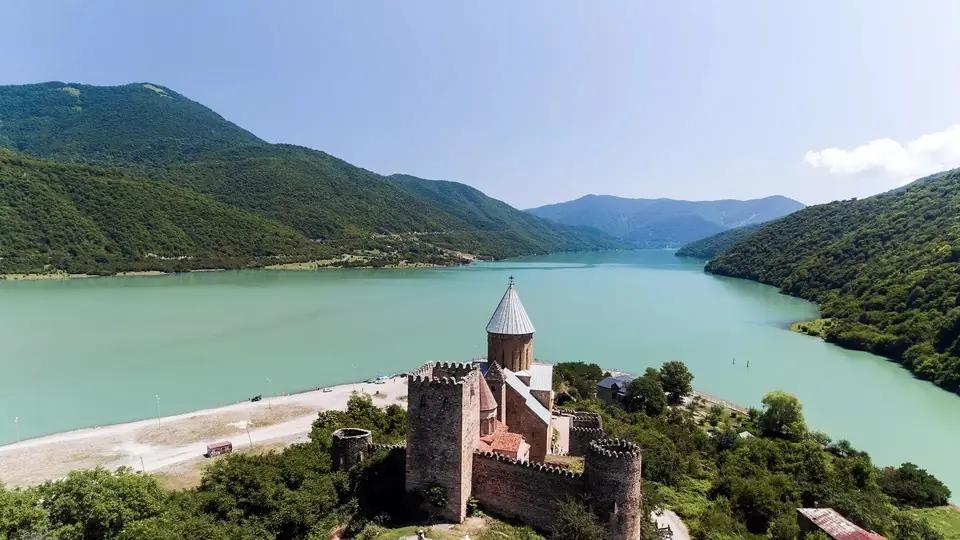
With a week, Classic Georgia adds two nights in the mountains, the cave city of Uplistsikhe and a last night inside the walls of Sighnaghi.
Georgian people: frequently asked questions
What are Georgian people known for?
Mostly for hospitality, long feasts led by a tamada, three-part folk singing and wine made in clay qvevri. Georgians are also known for their own alphabet, their Orthodox faith and folk dances in which the men land on their toes.
Are Georgians Slavic or Russian?
No. Georgians are a Caucasian people with their own Kartvelian language, which is not related to Russian or any other Slavic language. They share Orthodox Christianity with Russians, but their church, alphabet and history are their own.
What religion are most Georgians?
Most are Orthodox Christians of the Georgian Orthodox Church, led since May 2026 by Catholicos-Patriarch Shio III. There are also Muslim Georgians, mainly in Adjara, plus Catholic and Jewish communities. Our religion guide has the census shares.
Why do Georgian surnames end in -shvili or -dze?
Both endings mark descent: -shvili means child and -dze means son. They were added to a forebear's name, so Giorgadze is son of Giorgi. -dze is more frequent in the west and -shvili in the east, while Megrelian names end in -ia or -ua and Svan names in -ani.
What language do Georgians speak?
The national language is Georgian, with a 33-letter script of its own. At home in Samegrelo and Svaneti, many families also use Megrelian or Svan. Russian is familiar to most people over 40, and English to the young and to anyone working in tourism.
How do Georgians greet each other?
With gamarjoba, hello, which is answered with gagimarjos. Friends and relatives kiss once on the cheek, and men shake hands. Older people are addressed with batono or kalbatono before their first name.
Is it rude to refuse food or wine in Georgia?
Turning everything down can hurt a host, but a polite no is fine. Taste a little of each dish and explain early if you do not drink. Hosts will offer more than once, and a firm, smiling refusal is accepted.
Where do Georgians live outside Georgia?
Old communities live in north-eastern Turkey, in Fereydan in Iran and in north-western Azerbaijan. Newer emigrants have settled mainly in Russia, Greece and Italy, and in Germany, Israel and the USA.