Ojakhuri Recipe
ოჯახური
A home-style ojakhuri recipe: fatty pork cooked gently in its own juices, then fried until crusty and tossed with separately fried potatoes, soft onion, garlic and fresh coriander. It comes to the table sizzling, ideally in a clay ketsi.
Recipe by the Maspindzeli team in Tbilisi · Updated 5 Nov 2026 · Cooked everywhere in Georgia, at home and in restaurants
Full recipe with the timeline, timers and US measures: maspindzeli.ge/recipes/ojakhuri/
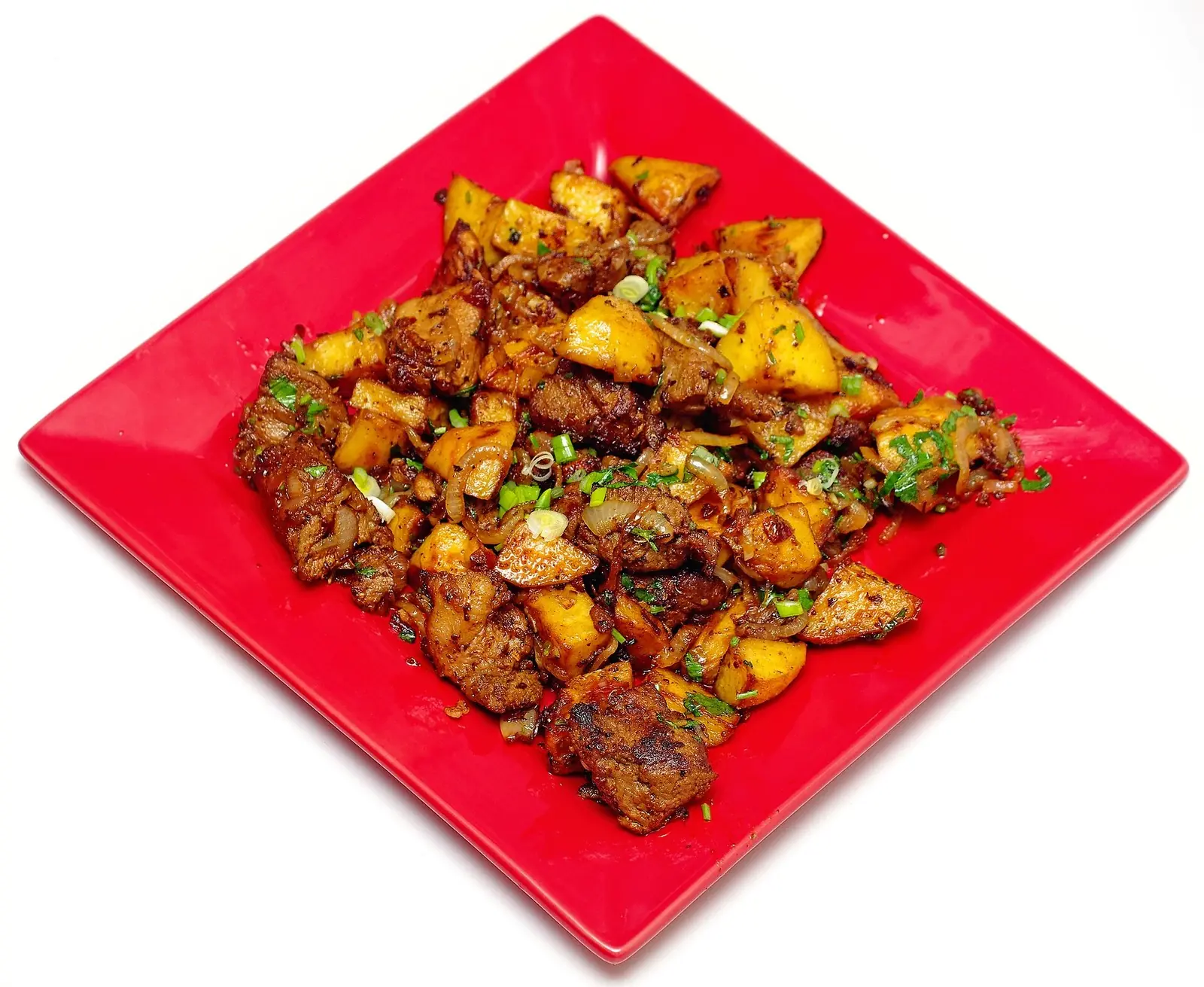
This ojakhuri recipe makes the pork and potato dish you will find on most Georgian restaurant menus. Chunks of fatty pork are cooked until tender and well browned, then mixed with potato wedges fried on their own until crisp at the edges, plus onion, garlic, a little spice and a fistful of fresh herbs. Restaurants bring it out still spitting in a ketsi, a heavy clay dish that holds the heat. Menus also spell it odzhakhuri or odjakhuri, after the Russian spelling; in Georgian it is ოჯახური.
The name comes from ojakhi, the Georgian word for family, so it simply means family style. It is everyday cooking for a full table rather than a special-occasion dish, though a pan of it can turn up at a supra too. A popular story credits a cook who was short of meat and stretched it with potatoes, but nobody can date that, and there is no single fixed recipe. Pork is the usual meat; beef, veal and chicken versions are common, and Racha makes one with its smoked bacon.
Georgian cooks go about the meat in two ways. Some fry raw pork hard in oil. Others, as here, first let it cook covered in its own juices with a splash of water or wine, then fry it in the fat it has released, which keeps neck or shoulder juicy and gives it crisp edges. Most cooks also fry the potatoes on their own, so they brown instead of steaming, and bring everything together at the end.
Timeline: what to do, and when
1 h 5 min from start to table · 1 h 5 min hands-on
Each bar is one step. Hands-on Waiting, while the oven, the pot or the dough does the work. Steps that sit inside a wait are done in parallel.
Recipe
Ojakhuri
Ingredients
Pork
Potatoes
To finish
Amounts are scaled. Times stay about the same, but a bigger pot takes a little longer to come to the boil.
You will need
- Large heavy frying pan or sauté pan with a lid, at least 28 cm across, for the pork
- Second large frying pan, ideally cast iron, for the potatoes
- Baking tray lined with kitchen paper
- 1 large or 4 small ketsi (Georgian clay dishes), or a cast-iron pan or ovenproof dish
- Oven and thick oven gloves
Method
- Cut and start the pork10 min hands-on· start here
Cut the pork into 3 to 4 cm chunks and leave the fat on, because it melts and later fries the meat. Spread the pieces in the large heavy pan, add the salt, bay leaves and water (or water and wine), cover and set over medium-low heat.
- Cook in its own juices30 min waiting· starts at +10 min
Leave the pork covered for 20 minutes, stirring once or twice; it turns pale and gives off its juices. Then take off the lid, raise the heat to medium and let it bubble for about 10 minutes more, until the liquid has gone and the meat starts to sizzle in its own fat. Allow a few extra minutes if the pan is still wet.
- Prepare the potatoes and onions10 min hands-on· starts at +10 min, during step 2
Meanwhile peel the potatoes, cut them lengthways into wedges about 2 cm thick, rinse in cold water and dry them well in a clean tea towel. Slice the onions into half-moons, the garlic thinly and the red onion into fine rings, and chop the herbs. Put the ketsi into the cold oven and set it to 200 °C / 390 °F, so the clay warms up slowly with the oven.
- Fry the potatoes25 min hands-on· starts at +20 min, during step 2
Heat the 80 ml oil in the second pan over medium-high heat and lay in the potatoes in one layer. Cover loosely for the first 10 minutes so they cook through, then uncover and fry 12 to 15 minutes more, turning every few minutes, until golden and crisp outside and soft in the middle. Salt them, drain on the lined tray and keep them hot in the oven next to the ketsi.
- Brown the pork12 min hands-on· starts at +40 min
Fish out the bay leaves and turn the heat under the dry pork pan up to medium-high, adding the tablespoon of oil only if there is very little fat. Fry for 10 to 12 minutes, turning the pieces now and then, until they are deep brown and crusty on every side. Let each side sit for a couple of minutes before you move it.
- Add onion, garlic and spices6 min hands-on· starts at +52 min
Lower the heat to medium, add the sliced onions and cook them in the pork fat for about 5 minutes, stirring, until soft and turning golden. For the last minute stir in the garlic, ground coriander, khmeli suneli, black pepper and chilli; garlic burns quickly, so keep it moving.
- Bring it together4 min hands-on· starts at +58 min
Tip the hot potatoes into the pork pan and fold everything over gently with a spatula for 2 to 3 minutes, so the potatoes pick up the pan juices without breaking. Taste and add salt if needed. Lift the ketsi out of the oven with thick gloves and stand it on a wooden board.
- Serve sizzling3 min hands-on· starts at +1 h 2 min
Pile the ojakhuri into the hot ketsi, where it will keep crackling for several minutes. Scatter the chopped herbs and raw red onion rings over the top and carry it straight to the table.
About 740 kcal per serving (1 of 4) with pork neck, about 50 ml of the frying oil absorbed, without bread or sauce. This is an estimate from standard values for the ingredients, not a lab figure.
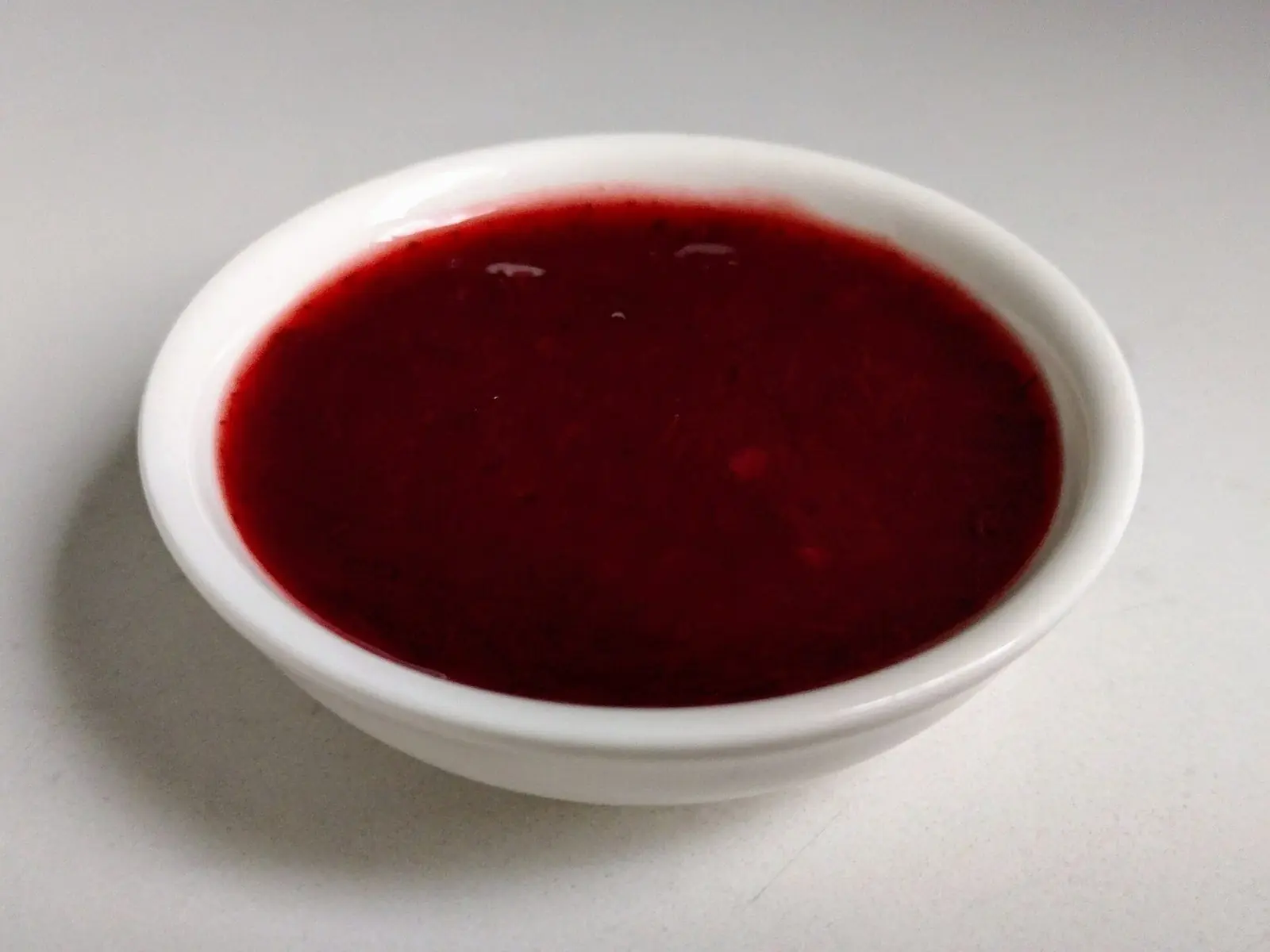
Set the ketsi down where everyone can reach it and let people serve themselves while it is still crackling. Spoon some tkemali onto your plate for dipping, and use torn bread to wipe up the meat juices and fat at the bottom of the dish.
Tips, swaps and variations
Tips from your host
- Buy neck (collar) or shoulder with a visible layer of fat. Lean loin or fillet dries out during the long fry and leaves no fat to cook the onions in.
- Give the potatoes their own pan and room to lie flat. Piled together they steam and go soft; if your pan is small, fry them in two batches.
- Dry the potato wedges thoroughly after rinsing. Wet potatoes make the oil spit and will not crisp.
- Warm a clay ketsi together with the oven from cold, and never put a cold one over a high flame or into a fully heated oven, as sudden heat can crack it. Once it is hot, rest it on wood or a cloth, not a cold stone worktop.
- If the pork juices still look watery when the 30 minutes are up, keep cooking uncovered. The meat only browns once all the water has boiled away.
- Season as you go: salt on the raw pork, salt on the potatoes when they come out of the oil, then one final taste once everything is in the pan.
Variations and swaps
- With tomatoes and peppers: many Tbilisi kitchens and modern home recipes add 2 tomatoes cut into wedges and 1 sweet red or mild green pepper in strips after the onions, cooking them for 3 to 4 minutes before the potatoes go in. The dish turns juicier and a little less crisp.
- Beef or veal: veal shoulder works with the same method. For beef, either use a tender cut such as sirloin and fry it quickly from raw, or use chuck and keep it covered with a little more water for about an hour, until tender, before frying.
- Chicken: boned thighs in large pieces need only about 10 minutes covered before frying. Some Georgian cooks season chicken ojakhuri with ground dried marigold (Imeretian saffron) instead of coriander.
- Racha style: use about 400 g smoked bacon or smoked pork belly instead of fresh pork, render it slowly in a dry pan and fry the potatoes in its fat. It is eaten with sour plum sauce.
- Mushroom ojakhuri: for a meat-free version, fry 500 g sliced button mushrooms with the onions until browned and mix them with the potatoes. Finish with a knob of butter or crumbled Imeretian cheese (or mozzarella and feta) if you like; it is then vegetarian but not vegan or dairy-free.
- Marinated pork: one family method leaves the raw pork overnight in the fridge with sliced onion, a spoonful each of sour cream and tomato purée, wine vinegar, a little white wine, ground coriander, barberry powder and bay leaves, then cooks it in its own juices the next day.
- Finishing touches: some cooks slide the filled ketsi into a 190 °C / 375 °F oven for about 15 minutes so the top crisps, or melt a knob of butter over it (then it is no longer dairy-free). Some restaurants scatter pomegranate seeds on top for colour and a sour note.
Serve it with
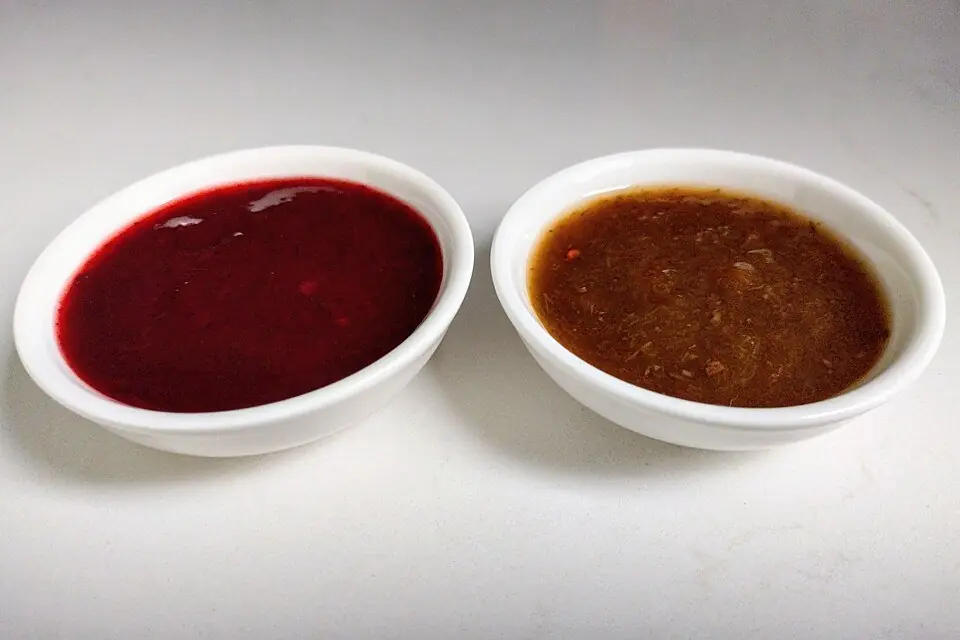
- Tkemali (sour plum sauce) or a little red ajika
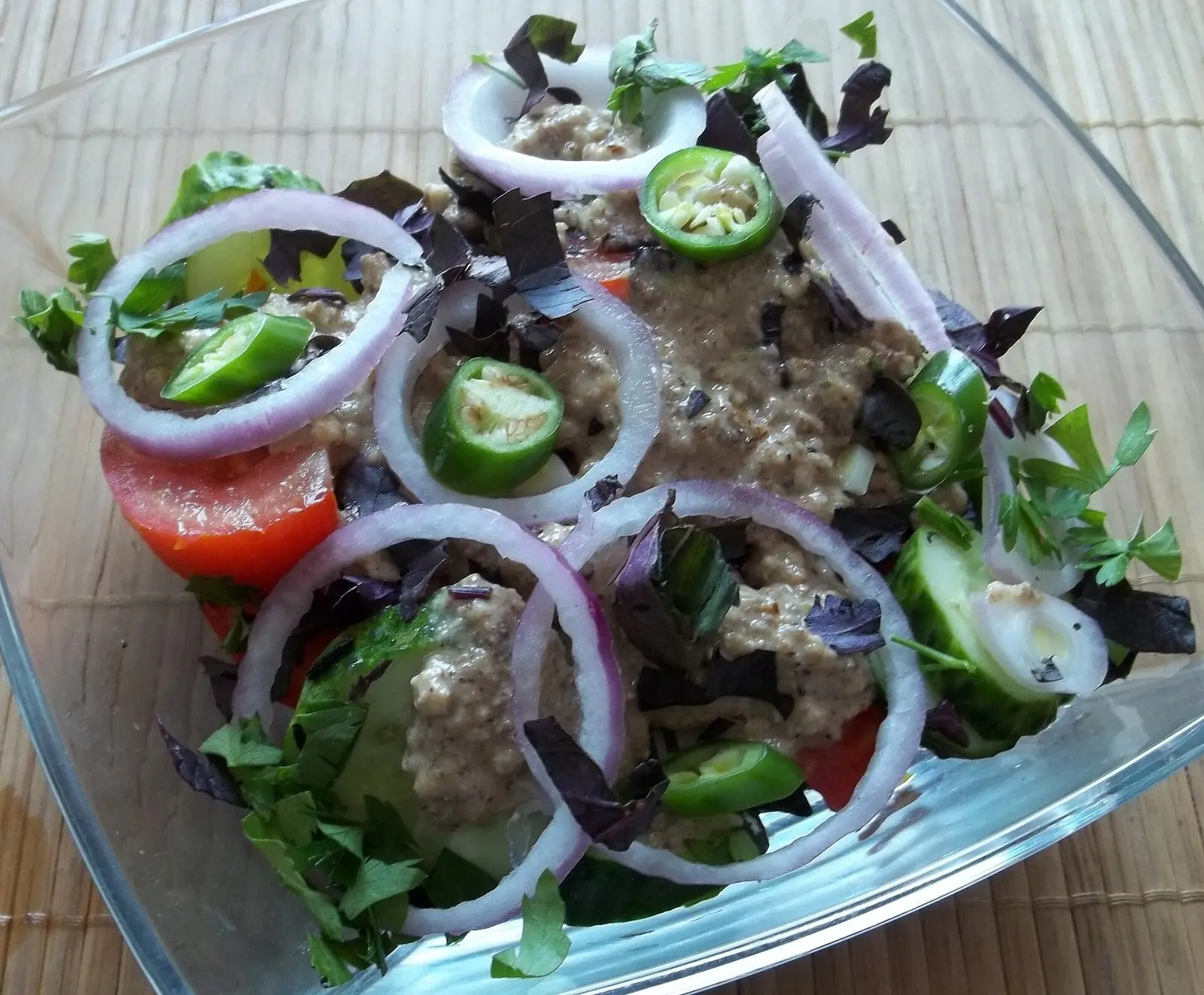
- Georgian tomato and cucumber salad
- Shoti or tonis puri bread
- Pickles: cabbage, green tomatoes, peppers or jonjoli
- Spring onions, radishes and a handful of whole herbs
- A dry red such as Saperavi, or a cold Georgian beer
Make ahead and storage
Eat ojakhuri as soon as it is made, while the potatoes are still crisp. Leftovers keep for up to 3 days in a closed container in the fridge. Warm them in a dry frying pan over medium heat for 8 to 10 minutes, turning, or on a tray in a 200 °C / 390 °F oven for about 15 minutes; a microwave turns the potatoes soft. Freezing is not recommended, as thawed fried potatoes go watery.


Maspindzeli Travel, Tbilisi · private tours and cooking classes in Georgia · maspindzeli.ge · WhatsApp +995 598 74 74 54 · hello@maspindzeli.ge