- Foreigners must carry travel insurance: from 1 January 2026, health and accident cover worth 30,000 GEL or more is the law for your whole stay.
- You pay in lari, about 2.6 to the US dollar in October 2026. Cards work in the cities, but minibuses, markets and village guesthouses want cash.
- Book city rides on Bolt, take the train between Tbilisi and Batumi, and check the road status before any mountain pass.
- Dial 112 for any emergency. Tbilisi tap water is treated and most locals drink it, and bottled water is cheap everywhere.
- In church, cover shoulders and knees, and women cover their hair. At the table, wait for the toast and never raise a glass of beer.
These Georgia travel tips cover what first-time visitors most often wish they had known: the insurance rule that began in 2026, how money and taxis work, what to wear in church and how a Georgian toast goes. Each tip gives one checked fact, and most point you to our longer guide on that subject. We are a Tbilisi team of guides and drivers, and this is the list we send our own guests before they land.
The tips are grouped by theme: entry and insurance, money, transport, safety and health, food and drink, culture, language, seasons and phones. Figures are for 2026, and we say "about" where prices move. Rules change, so check the official sources we name before you fly. If you read only one part, make it the first. It is the one that can stop you at the check-in desk.
Georgia travel tips at a glance
Short on time? Here is the whole list in one table. The sections below explain each point and link to the full guide.
| Topic | What to know in 2026 | Where to read more |
|---|---|---|
| Insurance | Compulsory for foreign tourists, at least 30,000 GEL of health and accident cover | Visa and entry guide |
| Visa | 91 nationalities need no visa for up to a year; the rest mostly apply online | Visa checker tool |
| Money | Lari only; a dollar bought about 2.6 GEL on 20 October 2026 | Lari converter tool |
| Taxis | Use Bolt; street taxis have no meters | Transport fares table |
| Trains | About 4 hours from Tbilisi to Batumi on the fastest trains; no sleeper berths inside Georgia | Getting around guide |
| Emergencies | Dial 112 for every emergency service, mountain rescue included | Safety guide |
| Water | Tbilisi tap water is treated; bottled water costs little | Safety guide |
| Churches | Shoulders and knees covered; headscarf for women | Country facts guide |
| Toasts | Wine, never beer; wait for the toastmaster | Supra guide |
| Best months | Late May-June and September-mid-October | Best time to visit guide |
| Phones | A Magti, Silknet or Cellfie SIM, bought with your passport | Phones section below |
Things to know before travelling to Georgia: insurance and entry
Sort these four points before you book a flight. They are the only ones that can stop your trip at the airport.
- Buy insurance before you fly
Travel insurance is compulsory for foreigners. Since 1 January 2026, every foreign tourist needs health and accident cover worth at least 30,000 GEL (about $11,500). It has to cover every day of the trip, arrival and departure days included. Airlines often ask for it at check-in, and nobody sells it at the border. Our guide to entry requirements lists what the policy must show. - Check your visa and passport
Citizens of 91 countries, from Britain and Ireland to the United States, Canada, Australia and every EU state, can stay a full year with no visa. Eleven more get shorter stays by treaty. Others may need an e-visa, so apply at least 5 working days ahead. A valid US, UK or EU visa or residence permit often lets you in for 90 days instead. EU and Swiss citizens may even use an ID card. Our visa checker gives the rule for your passport. - Leave codeine pills at home
Georgia has strict drug laws that cover some common medicines. The UK government warns that codeine painkillers sold over the counter at home are illegal here. Pack any prescribed medicine in its own box, with a copy of the prescription. - Plan land routes around Azerbaijan
You can cross by land from Turkey, Armenia and Russia. Azerbaijan has kept its land border shut to most visitors since 2020, so fly to Baku instead. Never enter Abkhazia or the Tskhinvali region from Russia: Georgian law makes it a crime. Our page on border crossings has each checkpoint.
Money tips: lari, cards, cash machines and the bill
Georgia is still good value, and paying is easy in town. The surprises come in villages and at the end of a meal.
- Pay in lari
The lari (GEL) is the only money you can pay with, even when a hotel quotes in dollars or euros. The National Bank's rate on 20 October 2026 put a US dollar at about 2.6 GEL and a euro at about 2.9 GEL. Our converter uses the daily exchange rate of the National Bank of Georgia. - Cards in town, cash in the hills
Contactless cards and phone wallets work in most city shops, cafes and hotels, and at Tbilisi metro gates. Minibuses, markets, village guesthouses and family wine cellars mostly want cash. Tusheti has no cash machine at all, so carry enough for your whole stay. - Refuse your home currency at the ATM
You will find TBC, Bank of Georgia and Liberty cash machines in every town, even Stepantsminda and Mestia. Expect a small fee on a foreign card. When a machine offers to convert into your home currency, decline and take lari, because that conversion costs more. Town exchange offices give better rates than the airport desks. - Read the bill before you tip
Many restaurants add a service charge, usually 10-18%, as its own line. If you see it, you owe nothing more. If not, about 10 percent is fair for good service. Our tipping guide covers drivers, guides and hosts too.
For a rough plan, our travel budget guide puts a backpacker at about 100-170 GEL (about $40-65) a day in 2026, and a mid-range traveller at about 250-450 GEL (about $95-175). The daily budget tool works it out for your own style of trip.
Transport tips: Bolt, marshrutkas, trains and mountain roads
Moving around is cheap, but each mode has its own rules. These five save the most time and money.
- Book taxis on Bolt
Street taxis have no meters, and drivers who wait inside Tbilisi airport often ask several times the normal fare. Bolt shows the price before you book and works in Tbilisi, Batumi and Kutaisi. Yandex Go also runs in the big cities, but Uber does not operate in Georgia. A ride across the city is usually 5-15 GEL in 2026, or about $2-6. - Pay marshrutka drivers in cash
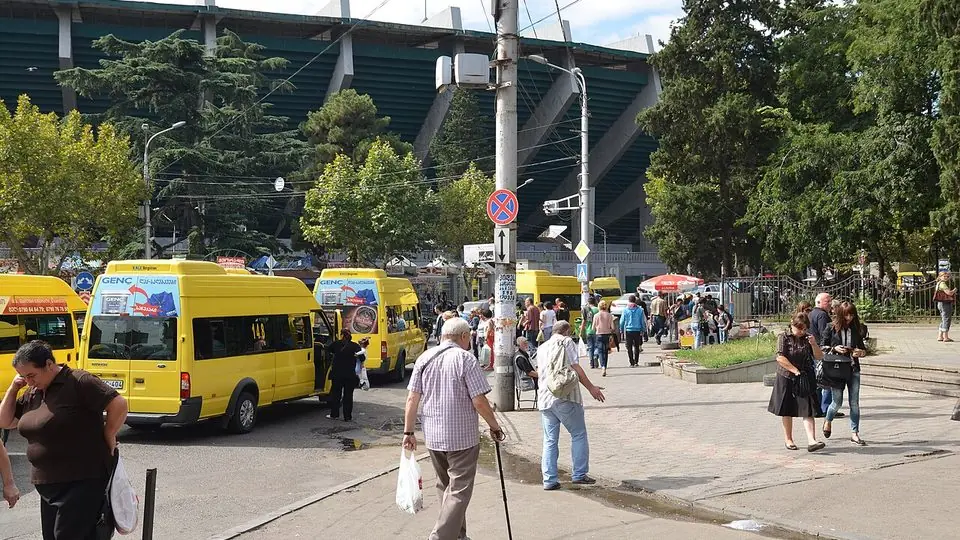
A marshrutka is a shared minibus with its destination on a card in the front window, often only in Georgian. You pay the driver in lari. In Tbilisi, Didube station serves the north and west, and the Navtlughi stop by Samgori metro serves Kakheti. The ride to Stepantsminda costs about 15-20 GEL (about $6-8) in 2026. Our transport fares table lists the main routes. - Take the train to the coast
The fastest trains from Tbilisi to Batumi take about 4 hours. A second-class seat costs from about 35 GEL (about $13) in 2026. Georgian Railway sells tickets up to 20 days ahead, and you need your passport to buy one. In July and August, book as soon as sales open. - Do not count on a sleeper
Trains inside Georgia have seats, not berths, and the Zugdidi night train has not run since 2020. A late train to Batumi leaves Tbilisi in the small hours, at 01:40 in the 2025/26 winter timetable, but you sit up all the way. Sleeper cars run only abroad: to Yerevan every other day, and to Baku daily since May 2026. Check who may ride the Baku train before you buy. - Drive on the right, and sober
Traffic keeps right, and local driving is fast and bold. The legal limit is 0.3 grams of alcohol per litre of blood, lower than in the UK, so leave wine for days you do not drive. From 1 December to 1 March, listed mountain roads need winter tyres or you risk a 100 GEL fine. Camera fines follow the car, and unpaid fines can stop you leaving the country.

Staying safe and healthy: 112, tap water, protests and dogs
Crime against visitors is rare. Most problems come from roads, mountains and a few known tricks.
- Save 112 in your phone
One number reaches the police, an ambulance, the fire service and mountain rescue. The call is free and even dials out from a phone without a SIM. Install the official 112 app before a hike: its SOS button sends your location. - Drink the tap water in Tbilisi
The city's mains water is treated, and most people in Tbilisi drink it from the tap. The UK government notes that quality varies, so where pipes are old or the water looks odd, buy bottled. In the mountains, spring water is usually fine, but water from a stream near grazing animals is not. - Keep clear of protests and boundary lines
Protests outside Parliament on Rustaveli Avenue have run every day since late 2024, and the UK government counted the 650th day on 9 September 2026. Most are calm, but stay away, above all on Saturday nights. Never go near the lines around occupied Abkhazia and the Tskhinvali region. For more, read our guide: is Georgia safe in 2026? - Leave street dogs alone
Street dogs live in every town. In Tbilisi and Batumi, a plastic tag in one ear means a dog has been vaccinated and neutered. Rabies does exist here, so get treatment the same day after any bite or scratch. On summer pastures, give sheepdogs a wide berth and shout for the shepherd.
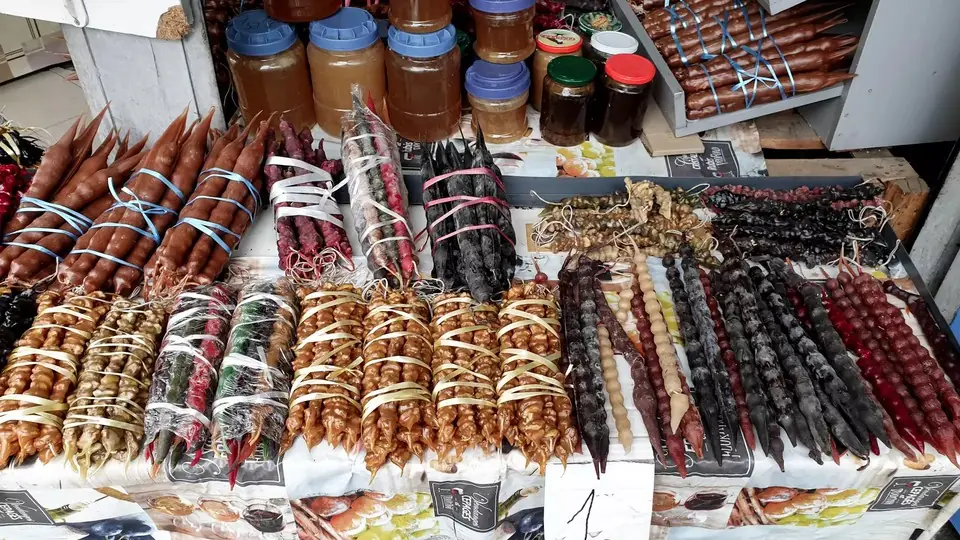
Tips for visiting Georgia's tables: food, wine and chacha
Meals are the best part of many trips here. A few habits help you enjoy them like a local.
- Order to share, and eat late
Georgians order several plates for the middle of the table and everyone helps themselves. Portions are big, so order less than you think. Locals often sit down to dinner after 20:00, so book a later table if you want a lively room. - Eat khinkali by hand
Khinkali are dumplings sold by the piece. Hold one by its twisted top, bite a small hole and sip out the hot juice first. Then finish it, but leave the doughy knot on your plate. - Vegetarians eat well
Walnut dishes such as pkhali and badrijani, beans in a clay pot, mushrooms and cheese bread fill any table. In the seven weeks of Lent, many menus mark fasting dishes, made with no meat, fish, eggs or milk. Our guide to Georgian food lists the best ones. - Sip chacha slowly
Chacha is a strong spirit distilled from the skins and pips left after winemaking. Home-made bottles are often 50 percent alcohol or more. Take small sips. For wine, ask for an amber one. It is a white left to soak on its skins for weeks in qvevri, clay jars sunk into the ground. A family cellar or a Tbilisi wine bar will pour one.
Culture and etiquette: churches, toasts and being a guest
Georgians are proud of their faith and their tables. These manners matter most.
- Dress for church
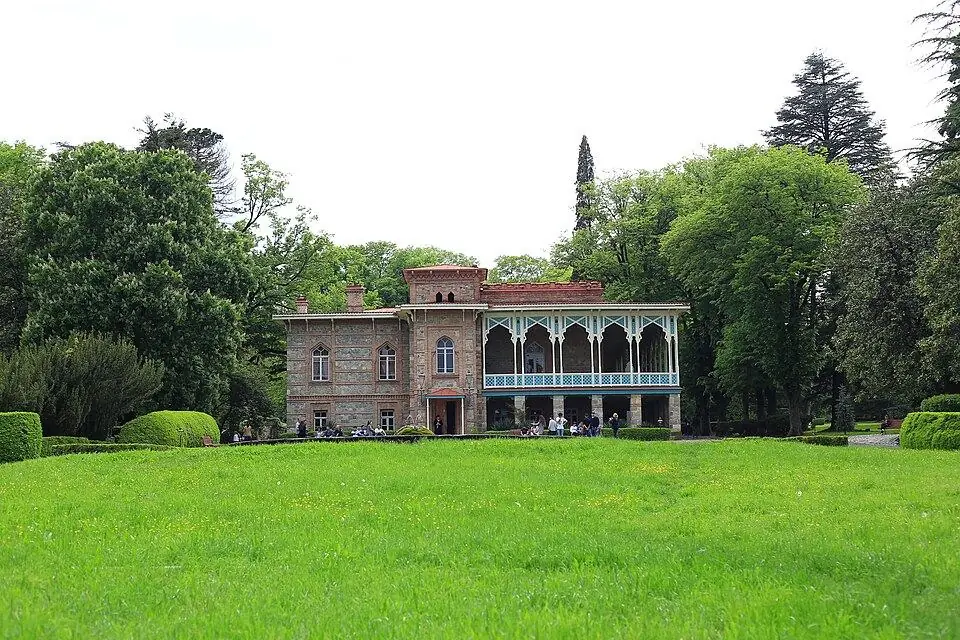
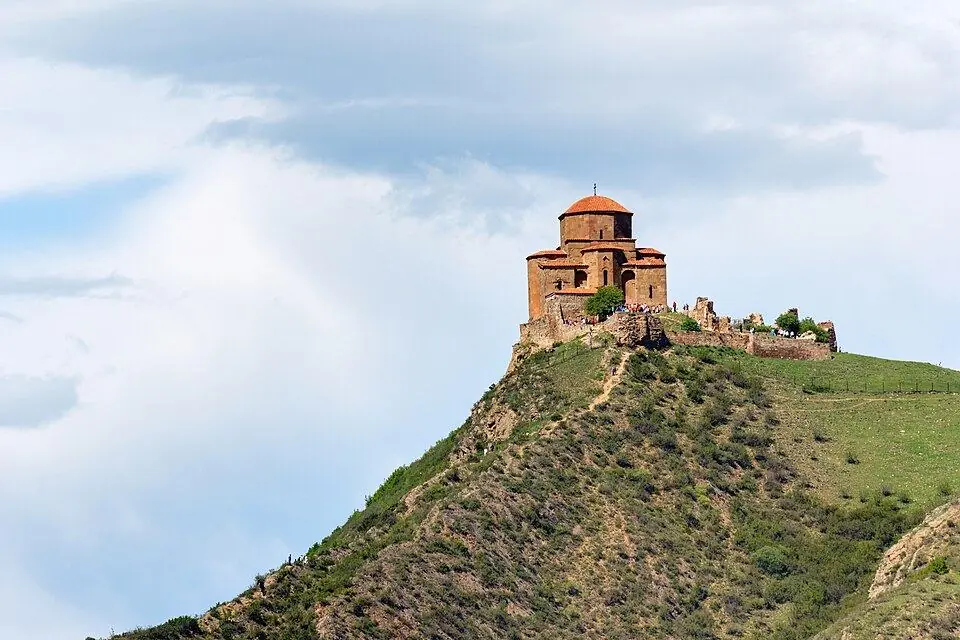
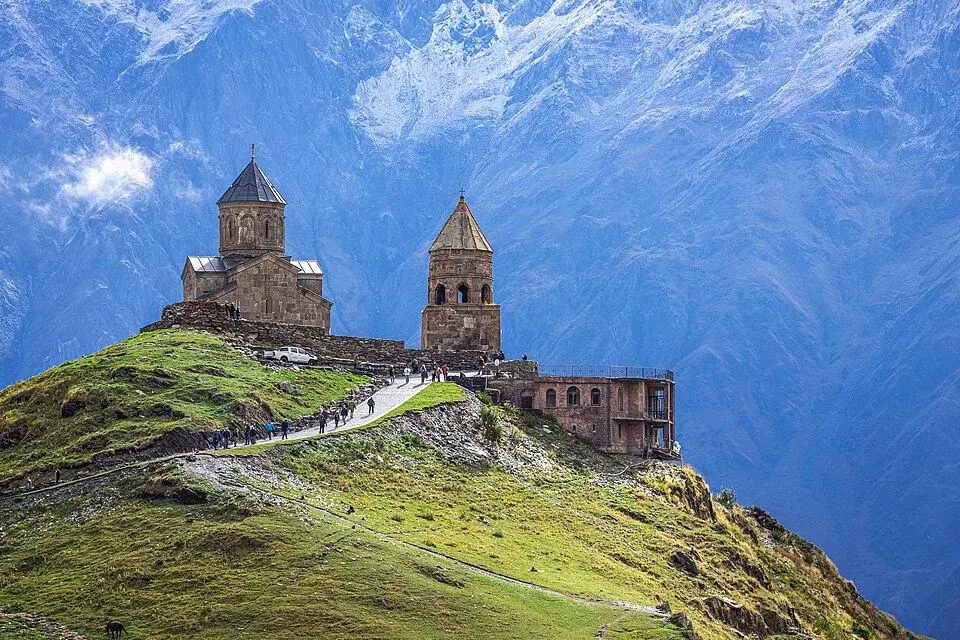
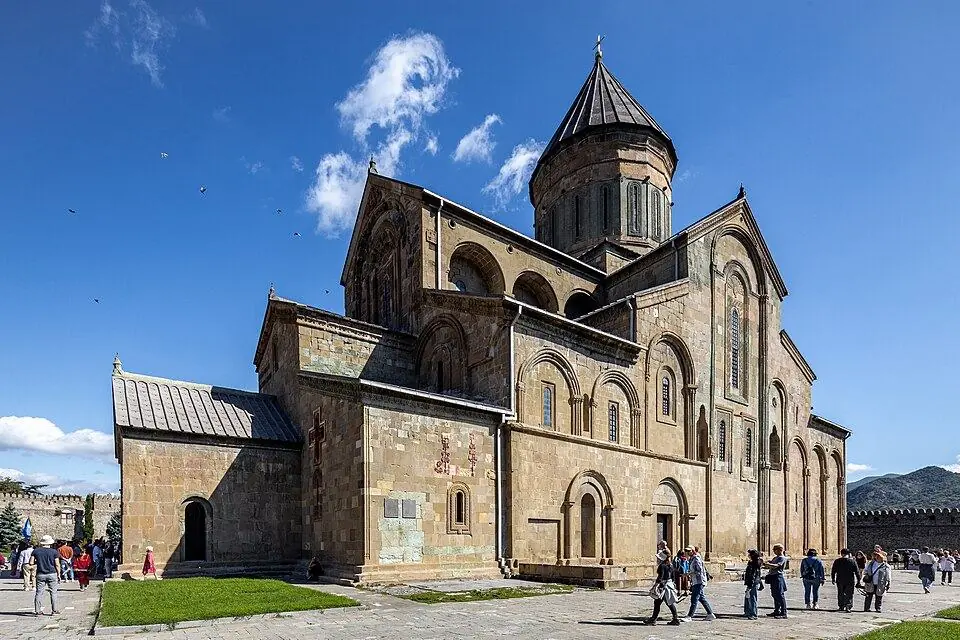
Cover your shoulders and knees. Women also cover their hair and wear a skirt, since trousers are frowned on in monasteries. Men take off hats. Busy churches such as Jvari and Gergeti lend scarves and wraps at the door, but your own light scarf saves a wait. - Wait for the toast
At a feast, called a supra, a toastmaster leads a long run of toasts. You drink when a toast is made, not in between, and say gaumarjos, the Georgian cheers. Never toast with beer: by old custom, a beer toast is meant for enemies. A sip is fine if you do not want to drink much. - Take a little of everything
Hosts keep filling your plate, and a flat refusal can seem rude. Take a small portion and praise the cook. Bring sweets or a small gift from home. If you bring flowers, give an odd number, as even numbers are for funerals. - Ask before you take photos
Ask before you photograph people, priests or a service, and expect bans on photos inside many monasteries. Never point a camera at military sites or border posts. A drone with a camera must be registered in person with the Civil Aviation Agency before you fly it in public. - Smoke outside
Since May 2018, the law has banned smoking indoors in public places, bars and restaurants included, and on public transport. Casinos are among the few exceptions. Smokers gather on terraces instead.
Language tips: Georgian script, Russian and English
You will get by without Georgian, but a little effort goes a long way.
- Learn to spot the script
Georgian has its own alphabet, called Mkhedruli, with 33 letters. Main street signs in Tbilisi and Batumi also show English, but village signs and minibus boards often do not. Our page on the Georgian alphabet helps you read town names. - Try English first, then Russian
Many younger people in cities and tourist towns speak some English. Older people, above all in the countryside, are more likely to know Russian. Download the Georgian pack for your translation app so it works offline. - Learn five words
Gamarjoba is hello and madloba is thank you. Ki means yes and ara means no. Gaumarjos is cheers. People light up when a visitor tries.
Seasons and timing: when to go and what closes
Georgia changes a lot from month to month. Match your plans to the season.
- Aim for late spring or early autumn
For a first trip that mixes Tbilisi, mountains and wine country, the sweet spots are late May through June, then September into mid-October. July and August are hot in the capital, with average highs near 32°C. For each month in turn, see the best time to visit guide, and check Tbilisi weather for daily averages. - Match the mountains to the month
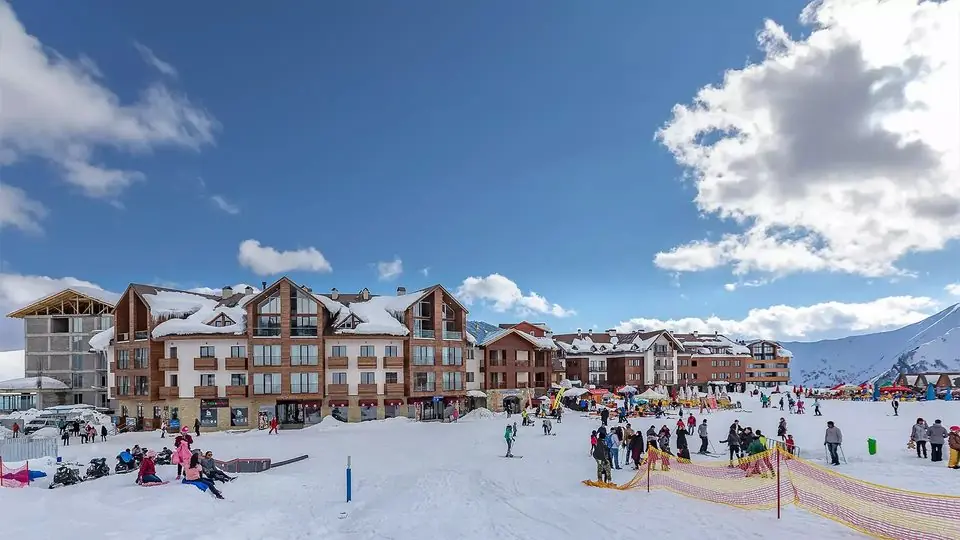
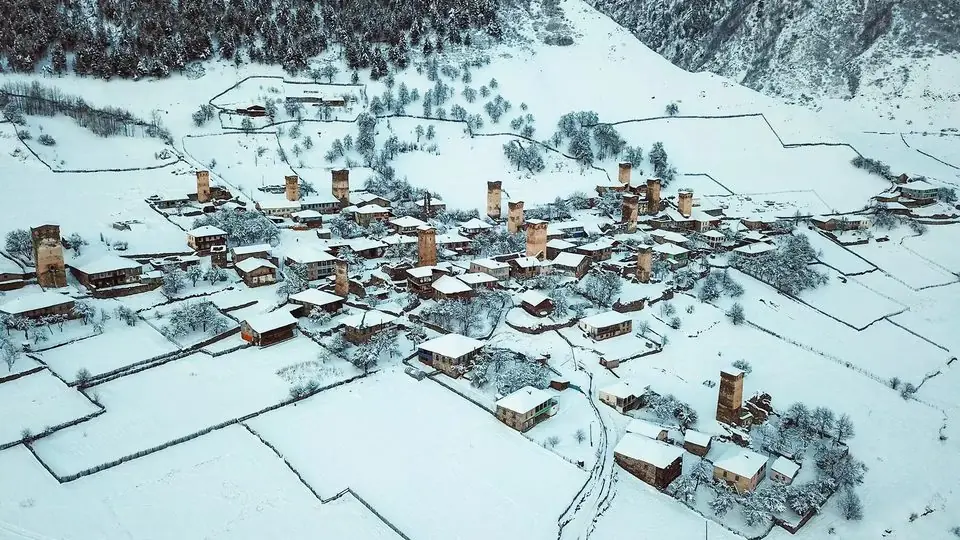
Long treks in Svaneti, Tusheti and Khevsureti are best from July to mid-September. Ski resorts open from mid or late December to March. Kazbegi and Mestia can be reached all year, but winter roads need care. - Watch the calendar
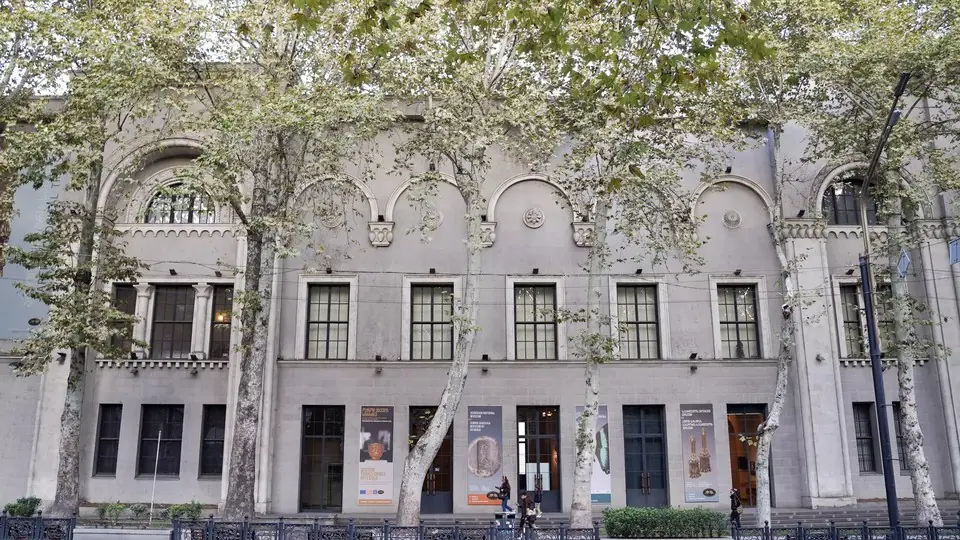
Many museums close on Mondays, the Georgian National Museum in Tbilisi among them. Foreign adults pay about 40 GEL (about $15) in 2026 to go in. Georgians travel at New Year and Orthodox Easter, which falls on 2 May in 2027, and August fills the coast. Book rooms and trains early for those dates.
Phones, internet and power: SIM cards, Wi-Fi and plugs
Staying online is cheap and easy, and a local number makes taxis and drivers simple.
- Buy a local SIM with your passport
Georgia has three networks: Magti, Silknet and Cellfie. Every SIM is registered, so bring your passport to the shop. In autumn 2026, Magti sold a 15-day tourist pack with 5 GB for about 15 GEL (about $6) at the airport. Wi-Fi is free in most hotels and cafes. - Check roaming before you land
Georgia is not covered by EU roaming rules, so a European or British plan may charge a lot. An eSIM bought online works too, if your phone is unlocked. Download offline maps before a hike, because signal fades on the trails. - Pack a two-pin adapter
Sockets take round two-pin European plugs, types C and F, at 220 V. Visitors from the UK, North America and Australia need an adapter. Clocks show UTC+4 all year, with no summer time. Our Georgia country facts page has the rest.
Plan it with a local host
Would you rather not juggle minibus times and pass closures? We plan trips like this every week. Every tour is private. Pick any date and bring any number of people. You get a guide who speaks your language and a driver who knows the mountain roads.

Georgia travel advice: frequently asked questions
What should I know before travelling to Georgia?
Buy health and accident insurance first, because it is compulsory for foreign tourists. Then check your visa status, carry some lari in cash, use Bolt for taxis and save 112. Dress modestly for churches and expect long, generous meals.
Do I need travel insurance to visit Georgia?
Yes. From 1 January 2026, foreign tourists need a health and accident policy that covers no less than 30,000 GEL and runs for every day they spend in Georgia. It can come from a Georgian or a foreign insurer, in English or Georgian. Airlines often check it at the desk.
Can I pay with US dollars or euros in Georgia?
No. Some hotels and tour firms price in dollars or euros, yet the bill is settled in lari. Change notes at an exchange office in town or use a cash machine. Refuse any offer to charge you in your home currency.
Is Uber available in Georgia?
No. Locals and visitors mostly book Bolt in Tbilisi, Batumi and Kutaisi. Yandex Go is an option in the larger cities as well. Both show the fare before you book, so there is no haggling.
Is tap water safe to drink in Georgia?
Tbilisi's supply is treated, and many locals happily fill a glass from the kitchen tap. If your building has old pipes, or you are far from town, use bottled or filtered water. A bottle costs little in any shop.
Do people speak English in Georgia?
Many young people in Tbilisi, Batumi and tourist towns speak English. Older people and villagers more often speak Russian. Learn gamarjoba (hello) and madloba (thank you), and carry a translation app.
What should I wear in Georgia?
City dress is relaxed, much as in southern Europe. For churches, cover shoulders and knees, and women also cover their hair. Bring layers and a rain jacket for the mountains, where the weather turns fast even in summer.
Is Georgia expensive to visit?
Not by European standards. Our 2026 estimate is about 100-170 GEL per day for backpackers, roughly $40-65, and 250-450 GEL, roughly $95-175, for mid-range comfort. Private drivers and boutique hotels push the total up.