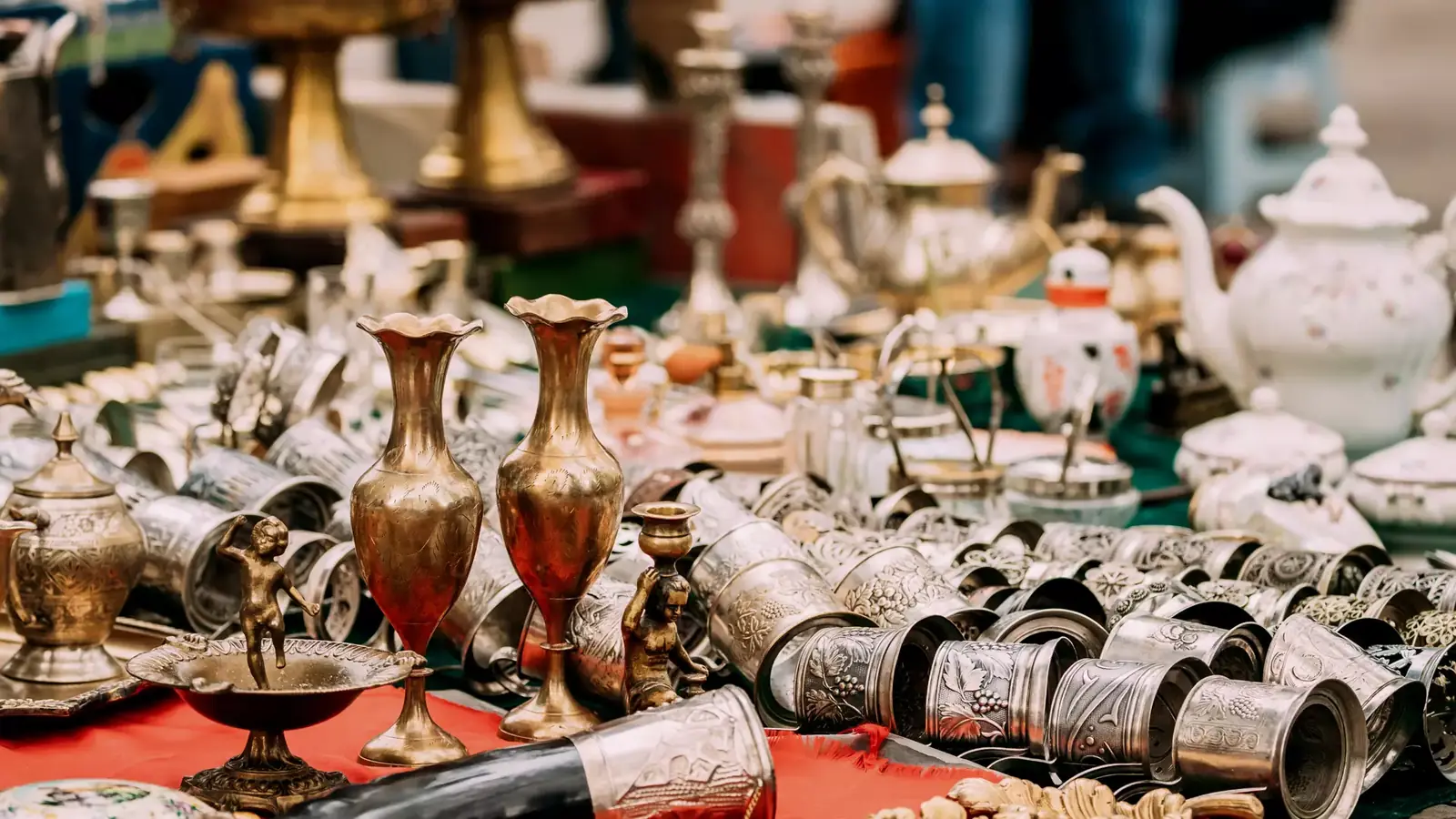
- Shopping is the biggest item in visitors' budgets in Georgia: 28.4% of all their spending in 2025. Almost two in three visitors bought something.
- The Dry Bridge flea market trades daily from late morning to about 17:00 and is fullest at weekends. The food stalls of Dezerter Bazaar are at their best before noon.
- For gifts, walk the Old Town, Sololaki and Aghmashenebeli Avenue. For chain stores, use Galleria Tbilisi, East Point or Tbilisi Mall.
- Good buys are wine and chacha, churchkhela and spices, cloisonne enamel, felt, rugs, silver and Soviet curios. At markets, pay cash and haggle politely. Shops have fixed prices.
- Pack bottles in your checked bag, and ask about an export permit before you buy anything old, such as an icon, a painting or a rug.
Shopping in Tbilisi runs from blankets on a bridge to glass-roofed malls, and the best of it costs little. Two markets top every list. At the Dry Bridge Market, Soviet curios, old silver and paintings change hands. Dezerter Bazaar, by the railway station, is the loud and busy heart of the city's food trade. Between them you find Old Town gift shops, cellars that sell bottles to take away, small designers in Sololaki and big malls full of chain stores. You can shop on any day of the week, and Sunday is as busy as Saturday.
This guide starts with the markets: their days and hours, what sells where, how to haggle and how to spot a fake. Then come the shopping streets, the malls and a short list of what to buy, with rough 2026 prices. The last part covers cash, Sundays and getting wine, chacha and old pieces through the airport. We checked prices and hours in early November 2026, so treat every figure as a guide.
Shopping in Tbilisi at a glance: where to go for what
Geostat asks visitors leaving Georgia what they spent, and the tourism administration (GNTA) publishes the answers. In 2025 shopping was the largest slice of the bill: 28.4% of about 15 billion GEL, ahead of rooms and restaurants. Of all visitors, 64.5% went shopping, and only tasting the local food and wine was more popular. In the first half of 2026 the share dipped to 23.6%, with 59% of visitors buying something.
This table points you to the right part of town.
| What you want | Where to go | When |
|---|---|---|
| Soviet curios, old cameras, paintings | Dry Bridge flea market | Daily, late morning to about 17:00; best at weekends |
| Spices, cheese, churchkhela, fruit | Dezerter Bazaar | Daily from about 07:00; best before noon |
| Cheap clothes, shoes, phone gear | Station Square stalls, Karvasla and Tbilisi Central | Daily, in daytime |
| Gifts, enamel, felt, rugs | Old Town, Sololaki, Aghmashenebeli Avenue | Daily, about 10:00-20:00 or later |
| Wine and chacha | Wine shops in the Old Town and Sololaki; supermarkets | Daily; supermarkets till late |
| Chain stores and fixed prices | Galleria Tbilisi, East Point, Tbilisi Mall | Daily, about 10:00-22:00 |
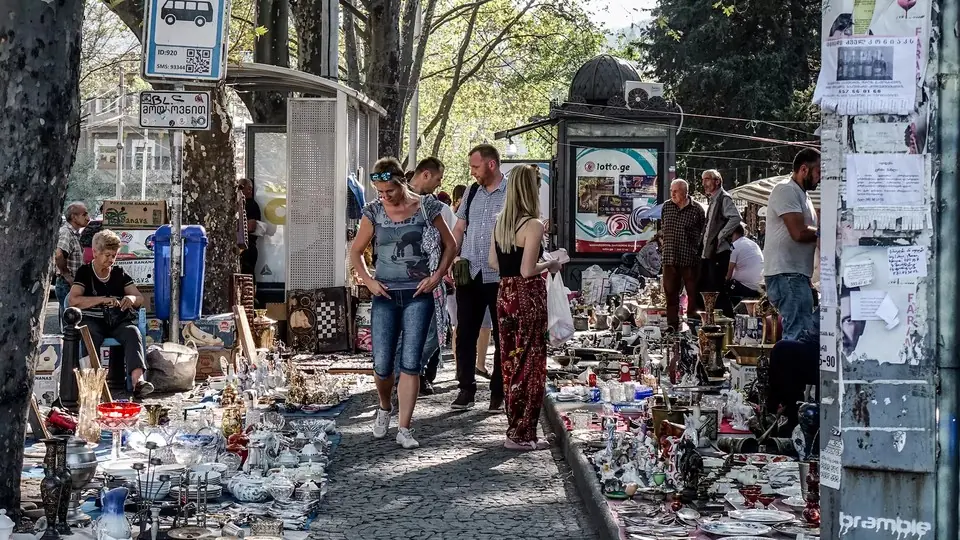

The Tbilisi flea market at the Dry Bridge: days, hours and what sells where
The flea market on and around the Dry Bridge trades every day of the year except a few big holidays, such as New Year's Day and Orthodox Easter Sunday (2 May in 2027). Official listings disagree on the hours: one georgia.travel page says 09:00-17:00, another 12:00-17:00. In practice the first sellers lay out their goods around 10:00, the full spread is out by noon, and stalls pack up from about 17:00, sooner in winter. Heavy rain or snow keeps most traders at home.
Weekends bring the most sellers and buyers. Browse in peace on a weekday morning, or come on Saturday around noon for the full show.
What sells where
- On the bridge and the pavement beyond it: the classic jumble of Soviet orders and pin badges, army caps, tin toys, film cameras, samovars, coins, porcelain, kilims and the odd sabre.
- In the parks at either end: painters hang Old Tbilisi street scenes, Svan towers and feasts after Pirosmani. Craft sellers add felt, knitted socks, drinking horns and panduri, the three-stringed Georgian lute.
- Below the bridge, by the river embankment: covered stalls kept by antique dealers, heavier on porcelain, glass, silver and lamps.
Haggling and prices
No price is fixed here. Ask, offer about two thirds and settle in the middle. Three buys from one seller earn a better deal than one. In 2026 a Soviet pin badge costs about 5-20 GEL (about $2-8), and small canvases start at about 50 GEL (about $19). Some traders switch to dollars when they hear English, so ask for the lari price and pay in cash.
How to spot a fake
- Medals and orders: most Soviet awards on the tables are copies. That is fine if the price says copy. A seller who swears a high award is real seldom has papers to prove it.
- Icons: new icons are often painted and aged to look old. A truly old one would need an export permit, so a 'genuine 18th-century' icon at a gift price is either a fake or a customs problem.
- Daggers and drinking horns: most are recent work in the old style. Pay a gift price, not an antique price.
- Silver: look for a hallmark such as 875 or 925, and ask the seller to weigh the piece. Silver-plated brass is common.
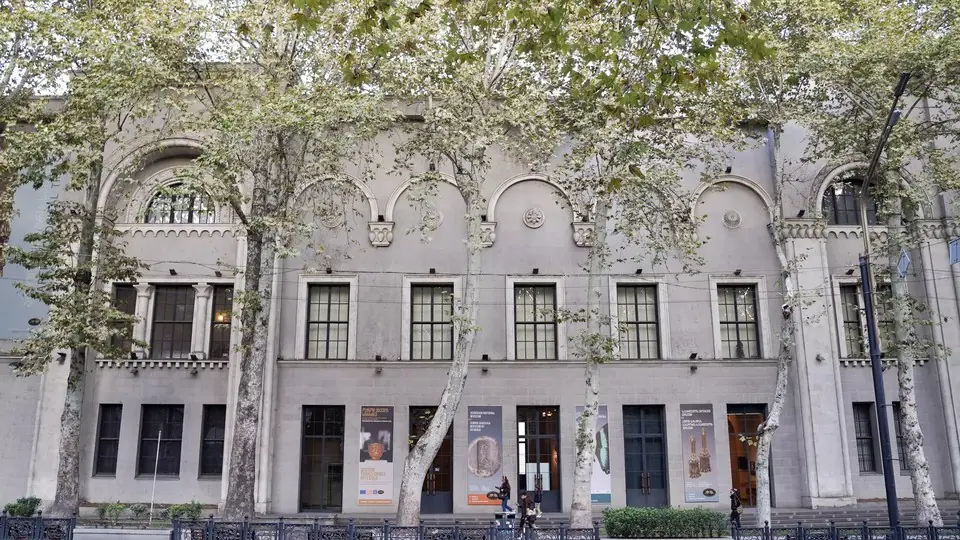
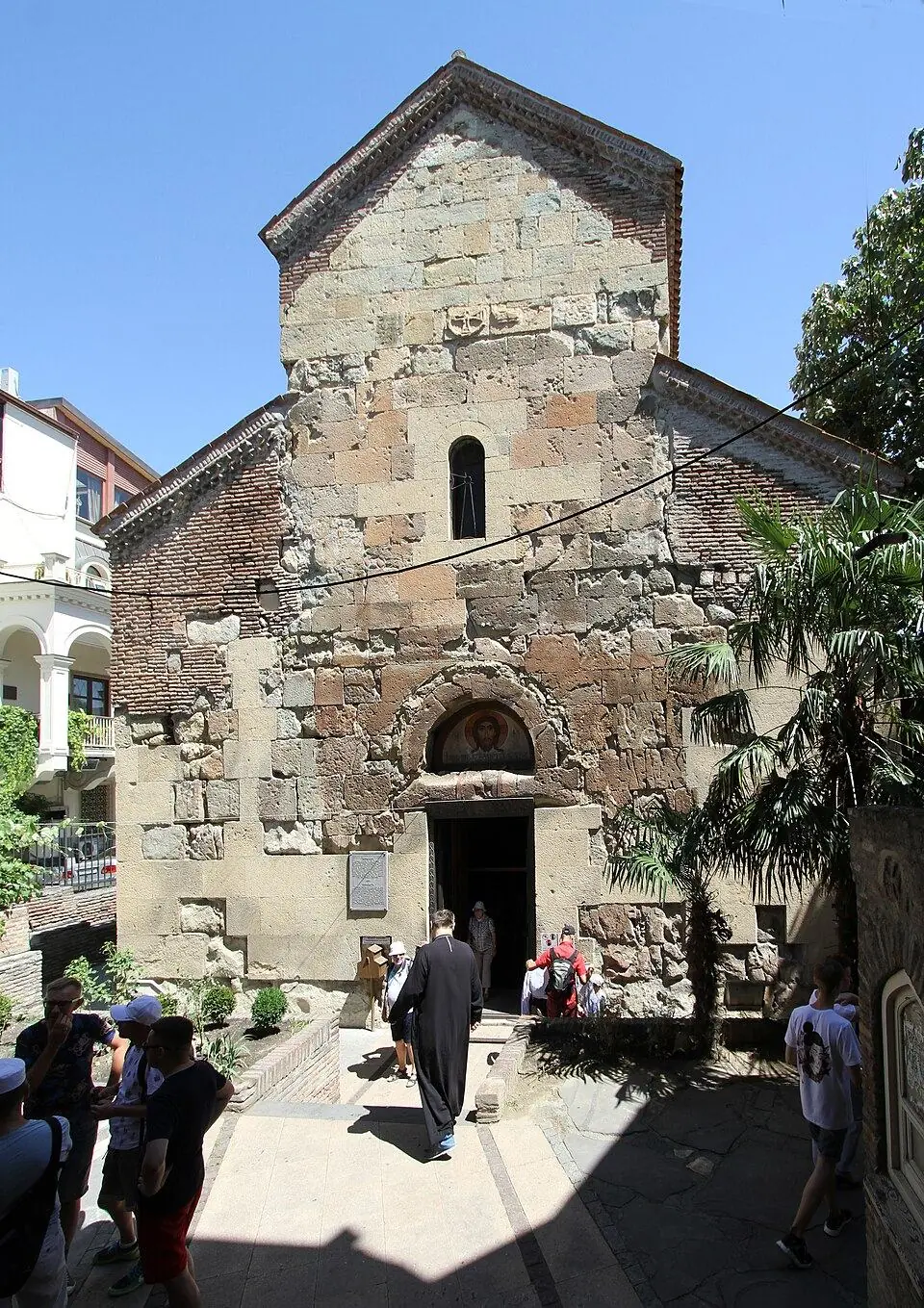
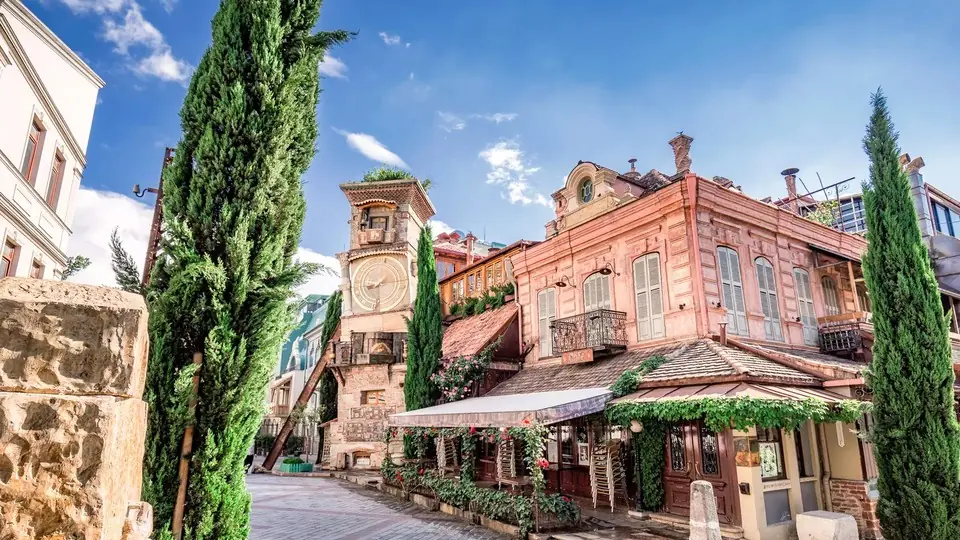
The National Museum, Anchiskhati Basilica and the Gabriadze clock tower are all a short walk away. A market hour fits easily into a morning in the centre.
Dezerter Bazaar: hours, halls and how to shop Tbilisi's food market
Dezerter Bazaar opens at about 07:00 and winds down around 17:00, every day. Mornings bring the freshest herbs and the most choice. By mid-afternoon the aisles go quiet.
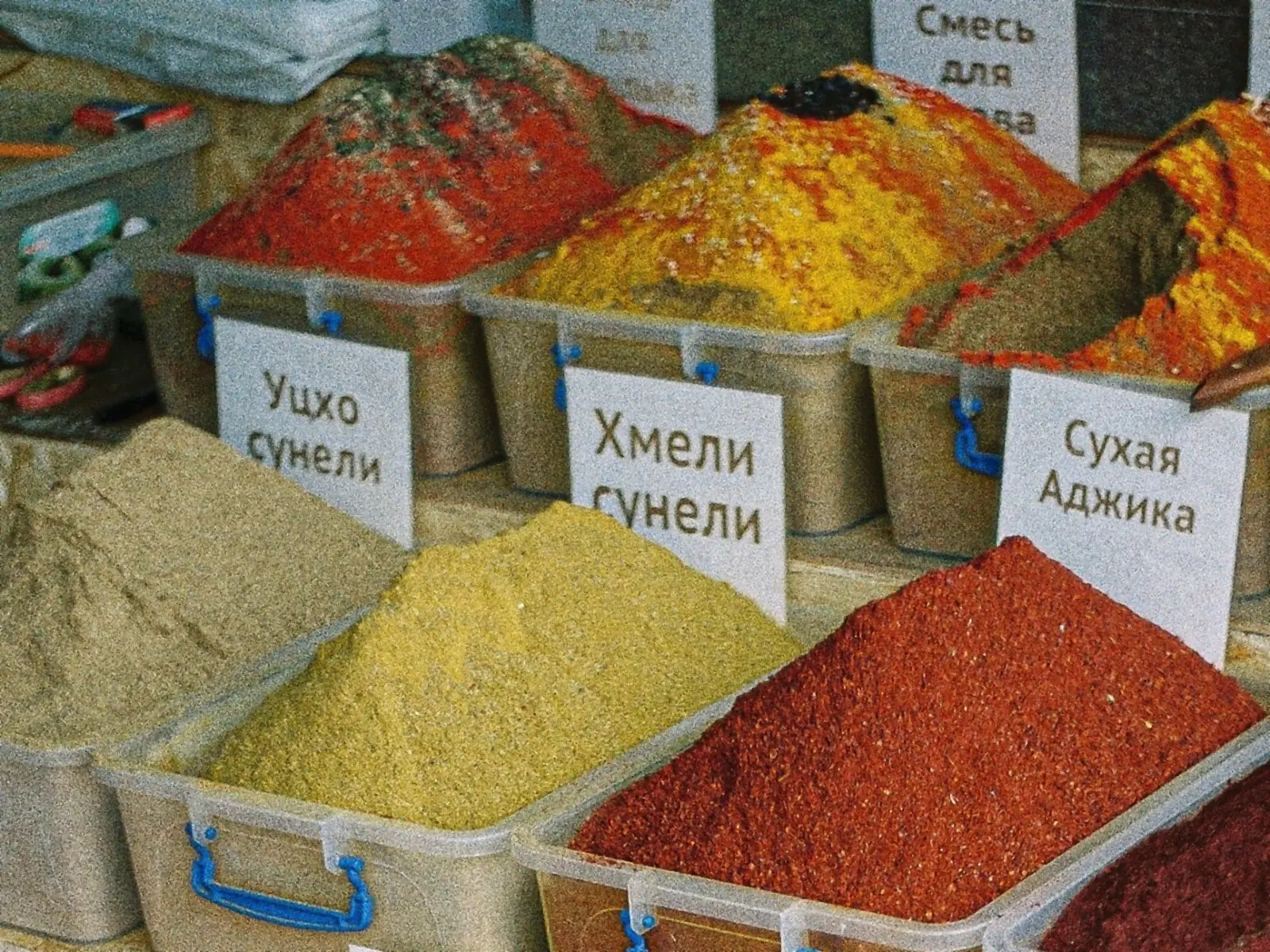
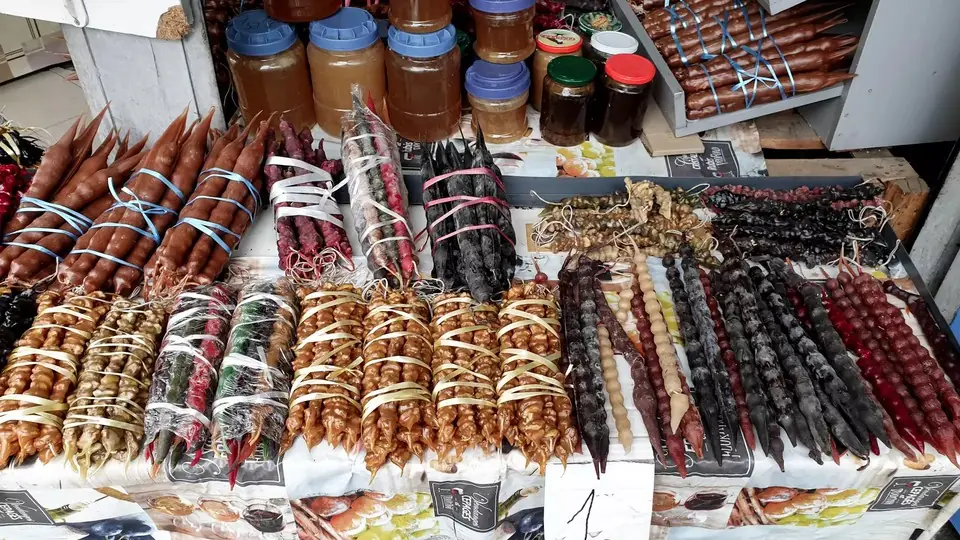
The covered halls are the core. Cheese and dairy, meat and fish each have their own section. Between them run long rows of spices, nuts, dried fruit, pickles, honey and churchkhela. The outdoor lanes toward Station Square switch to clothes, pots and pans, tools and phone cases.
How to buy
- Prices are by the kilo. Ask 'ra ghirs?' (how much is it?) and keep an eye on the scale.
- Spices are sold loose and spooned into bags. A bag of khmeli suneli or Svanetian salt costs about 2-5 GEL (about $1-2) in 2026.
- Imeretian saffron is dried marigold petals, not true saffron. It is a good spice for Georgian dishes, but do not pay saffron prices for it.
- Haggling is gentle here: a rounded-down total on a big bag, or a free handful of nuts, rather than a third off.
Other markets in Tbilisi: Station Square, Eliava and Lilo
Dezerter is the core of a wider trading district around Station Square, which locals call Vagzlis Moedani. Stalls and small indoor markets ring the square in front of Tbilisi Central station, selling cheap clothes, shoes, bags, phone accessories and kitchenware. The station building holds a shopping centre, and the Karvasla mall stands next door. It is crowded and noisy, and prices are among the lowest in town.
Further out, two markets suit the curious more than the souvenir hunter:
- Eliava market: a maze of metal stalls with tools, paint, pipes, car parts and every kind of fitting, trading since the mid-1990s. Photographers love it; few visitors buy anything.
- Lilo market: a huge wholesale market on the Kakheti highway at the city's eastern edge. It sells clothes, shoes, bedding and household goods by the box, mostly to shopkeepers from all over Georgia.
In December, craft stalls join the city's New Year Village, which runs from about 10 December, as our Tbilisi Christmas market guide explains.
Where to shop in Tbilisi: the best streets and districts
Old Town: gifts, rugs and wine
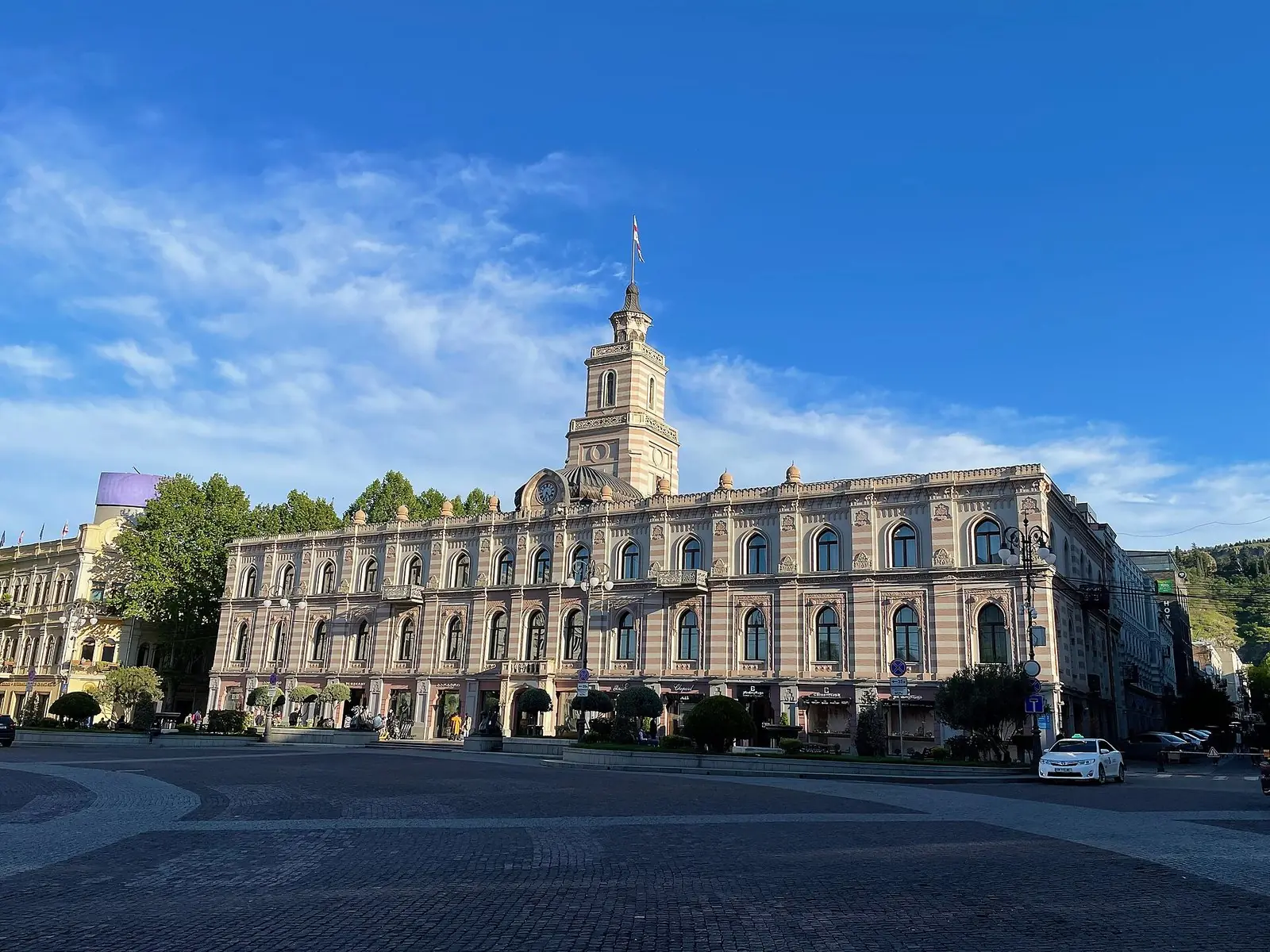
Kote Afkhazi Street, still called Leselidze by many, is lined with souvenir shops from Freedom Square down toward the baths. In the lanes around Sioni Cathedral and Abanotubani you find rug dealers and antique shops. Erekle II Street and Shardeni (Chardin) Street have wine shops and tasting rooms that sell bottles to take away. Prices here are the highest in the city, so compare two or three shops before a big buy.
Sololaki: designers and galleries
Behind Freedom Square, Sololaki mixes small galleries, ceramic and jewellery studios and vintage shops with natural-wine bars. Most are one-room businesses that open late in the morning, so save Sololaki for the afternoon.
Rustaveli Avenue and Freedom Square
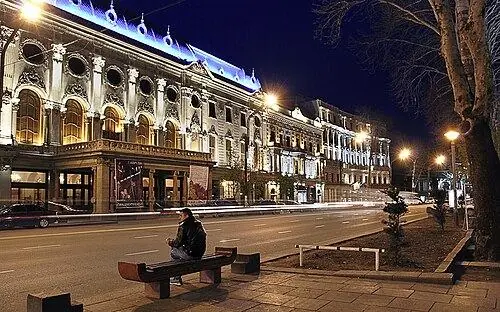
Galleria Tbilisi, where Rustaveli Avenue meets Freedom Square, is the most central mall. Further up you pass bookshops and chain stores. The avenue was being rebuilt through 2026 with a target of late November, so expect fences and detours if the work overruns.
Aghmashenebeli Avenue, Fabrika and Vake
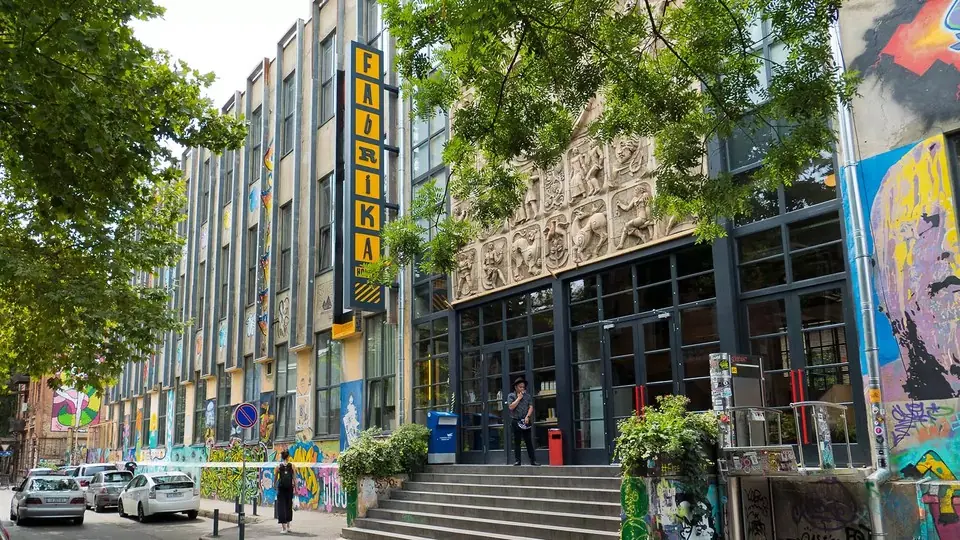
Across the river, restored Aghmashenebeli Avenue has bakeries, gift shops and Georgian fashion labels. The Fabrika courtyard nearby adds concept stores, vintage clothes and records. West of the centre, leafy Vake has designer boutiques on and around Chavchavadze Avenue.
Shopping malls in Tbilisi: Galleria, East Point, Tbilisi Mall and more
Tbilisi has more than 20 enclosed shopping centres. Most trade from about 10:00 to 22:00, seven days a week. They take cards and have cash machines, food courts and clean toilets. They matter less for souvenirs than for a rainy afternoon or a cheap extra suitcase for the wine.
| Mall | Where | Good for |
|---|---|---|
| Galleria Tbilisi | Rustaveli Avenue at Freedom Square; Liberty Square metro | Opened in 2018 on the site of a Soviet department store. Fashion chains, a cinema, the most central. |
| East Point | Kakheti highway, on the eastern edge on the way to the airport | One of the biggest, with chain stores, a large supermarket and a cinema. Easy on the airport run. |
| Tbilisi Mall | Aghmashenebeli Alley in Dighomi, on the road to Mtskheta | The first big mall, opened in 2012. Chains and a cinema; a stop on the way back from Mtskheta. |
| Karvasla and Tbilisi Central | Station Square; Station Square metro | Budget fashion, shoes and electronics next to the trains. |
| City Mall | Vazha-Pshavela Avenue, Saburtalo | Mid-range chains and a supermarket near the Saburtalo hotels. |
For edible gifts, try the big supermarkets. Nikora, Spar, Goodwill and Carrefour stock Georgian wine, chacha, tkemali sauce, tea and churchkhela at fixed prices, often below the Old Town shops. Some branches never close.
What to buy in Tbilisi: a short list
Georgian crafts deserve a guide of their own, so here is only the shortlist, with rough 2026 prices.
| Item | Where to buy | About, 2026 |
|---|---|---|
| Wine | Wine shops, supermarkets, wineries | about 15-40 GEL (about $6-15) for a good bottle |
| Chacha | Supermarkets, wine shops | about 20-60 GEL (about $8-23) for a factory bottle |
| Churchkhela | Dezerter Bazaar, Old Town shops | about 3-5 GEL (about $1-2) for one |
| Spices: khmeli suneli, Svanetian salt, blue fenugreek | Dezerter Bazaar | about 2-5 GEL (about $1-2) a bag |
| Cloisonne enamel (minankari) | Old Town jewellers, craft shops | about 60-300 GEL (about $23-115) for silver earrings or a pendant |
| Felt slippers, hats and scarves | Craft shops, Dry Bridge parks | about 30-70 GEL (about $12-27) for slippers |
| Rugs: flat-woven pardagi and old pile carpets | Old Town dealers | from about 300 GEL (about $115) for a small old rug; fine pieces cost thousands |
| Silver jewellery | Old Town jewellers, Dry Bridge | about 40-200 GEL (about $15-77) for a ring or earrings |
| Soviet curios | Dry Bridge | about 5-20 GEL (about $2-8) for a pin badge |
- Wine and chacha: buy sealed bottles with an excise stamp. Our Georgian wine and chacha guides explain grapes and strength.
- Enamel: real cloisonne has thin metal walls between the colours and a glassy, slightly uneven surface. Flat, perfect colour usually means resin.
- Felt: it is pressed by hand from local wool, and Tusheti is the best-known source. Slippers and hats weigh almost nothing.
- Rugs: ask for a receipt that states age and origin. Many rugs sold as Caucasian were woven next door, and anything old needs an export permit.
Taking wine, chacha and antiques home from Georgia
Wine and chacha in your luggage
- Pack bottles in your checked bag, wrapped in clothes or in padded sleeves from a wine shop. A full bottle weighs about 1.2-1.5 kg, so six of them eat a large part of a 23 kg allowance.
- Cabin bags follow the 100 ml liquids rule. Bottles bought in duty-free after security can fly with you in a sealed bag, which stays closed until your final airport.
- Airlines refuse spirits stronger than 70%. Weaker spirits from 24% are limited to about 5 litres a head, in unopened shop packaging.
- Georgia sets no cap on personal amounts, but your home country does. In 2026 the EU lets in 4 litres of still wine and 1 litre of spirits duty-free. For the UK the figures are 18 and 4 litres, and for the US 1 litre in all before duty.
Old art and antiques need a permit
Georgia's 2001 law on cultural valuables reaches well beyond museum pieces. Old icons, paintings, manuscripts, coins, weapons, rugs and other items of artistic or historic value need an export permit. The law hands this job to the Ministry of Culture, whose experts first look at the piece. A permit covers one export and lasts three months. New souvenirs and modern crafts need none.
Ask before you pay. A serious dealer knows whether a piece needs papers and can help with the forms, which take some days. Never try to fly out with an old icon or rug and no papers, because customs can seize it.
VAT refunds
The rules for tax-free shopping in Georgia are short. Buy from a shop in the Tax Free scheme and spend over 200 GEL (about $77), not counting VAT, on a single receipt. The airport desk then refunds the 18% VAT, less fees.
Tbilisi shopping tips: hours, Sundays, cash and haggling
- Hours: most shops open about 10:00-20:00, and Old Town gift shops often stay open to 21:00 or 22:00. Many supermarkets run around the clock.
- Sundays: a normal shopping day. Malls, markets and most shops keep their usual hours, but banks close.
- Holidays: on 1-2 January, 7 January and Orthodox Easter Sunday, many small shops and the flea market close. Malls and supermarkets mostly stay open.
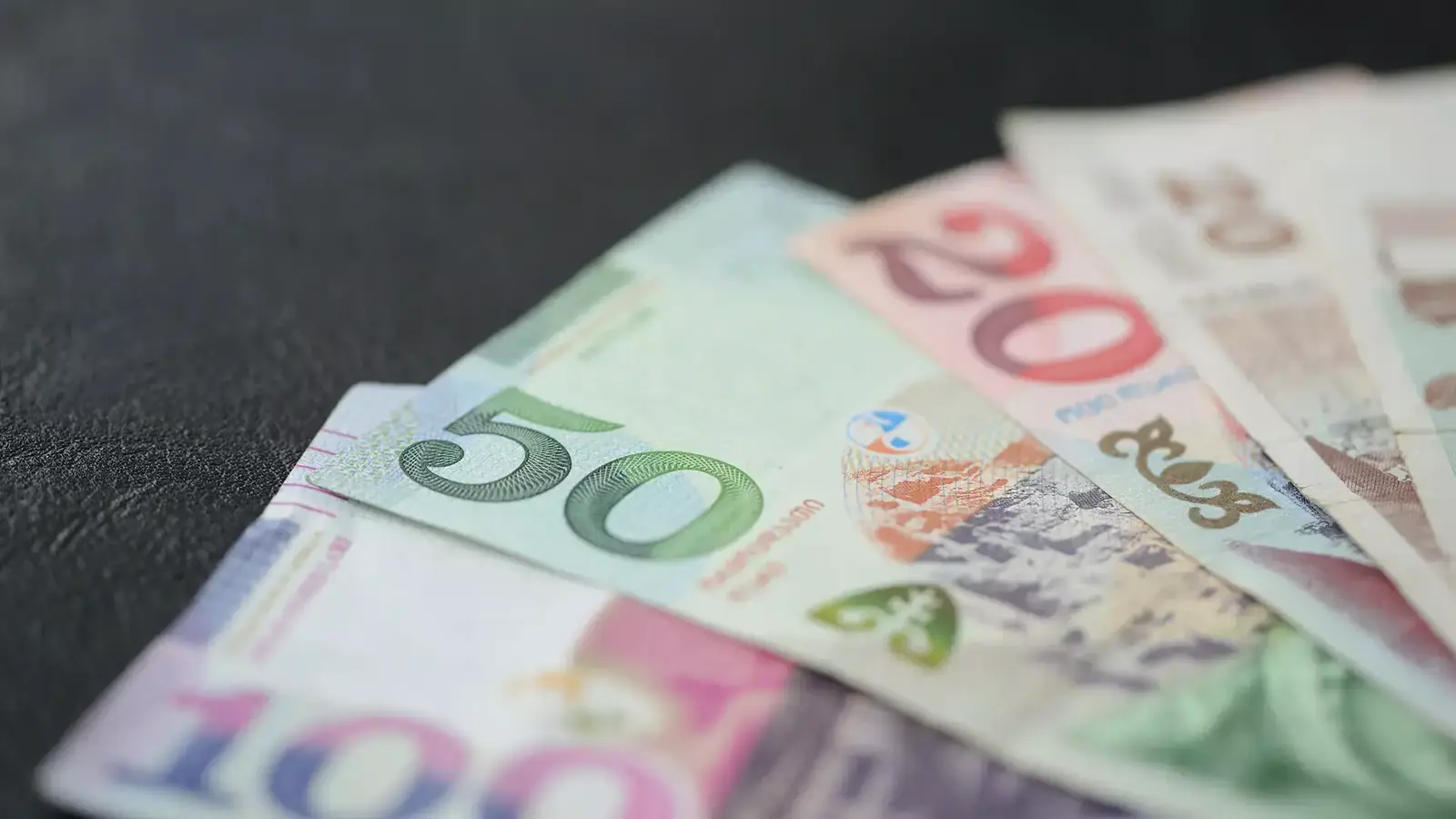
- Cash or card: cards and phones work in malls, supermarkets and most shops. Markets, street stalls and many antique dealers want cash in small lari notes.
- Haggling: expected with flea-market traders and antique dealers, gentle at Dezerter, and never where prices are printed. Keep the receipt for anything valuable.
- Words that help: gamarjoba is hello, madloba is thank you, and ra ghirs? asks the price. Many older traders speak Russian, and younger ones often English.
Tbilisi markets with a private guide
Markets are more fun with someone who can translate the banter and knows which stall has the best cheese. On our private Tbilisi tours, your guide can add a morning at Dezerter Bazaar, an hour at the Dry Bridge or a good wine shop. Each tour is yours alone: set the day, come solo or with a crowd of any size, and meet a guide who speaks your language.
With three days, the city break has room for the markets, a wine supper and a morning in Mtskheta.
Shopping in Tbilisi: FAQ
Where is the best shopping in Tbilisi?
It depends on what you want. The Dry Bridge flea market is best for Soviet curios, old silver and paintings, and Dezerter Bazaar for spices and fruit. The Old Town and Sololaki have the gift and wine shops, and Galleria Tbilisi is the central mall.
What should I buy in Tbilisi?
Wine and chacha, churchkhela and spice mixes, enamel jewellery, felt slippers, silver, a rug if your budget allows, and a Soviet badge or two. Edible gifts are cheapest at the bazaar and in supermarkets.
When is the Tbilisi flea market open?
Every day, roughly from late morning to 17:00, apart from the biggest holidays. It is fullest at weekends around midday, and rain or snow sends most sellers home.
Are shops in Tbilisi open on Sunday?
Yes. Malls, markets, supermarkets and most shops open seven days a week, and Sunday is a busy shopping day. Banks close, and small shops may shut on public holidays.
Can you bargain in Tbilisi markets?
Yes, politely. At the flea market and with antique dealers, expect to settle between the first price and two thirds of it. At Dezerter the margin is small, and nobody haggles in shops with printed prices.
What are the biggest shopping malls in Tbilisi?
East Point on the Kakheti highway and Tbilisi Mall on the road to Mtskheta are the two big out-of-town malls. Galleria Tbilisi on Rustaveli Avenue is smaller but central.
Can I take wine and antiques out of Georgia?
Wine and chacha for your own use, yes, in sealed bottles in checked luggage and within your home allowance. Old icons, paintings, rugs, coins and other items of cultural value need an export permit.
Is shopping in Tbilisi cheap?
Food, spices, wine and market goods are cheap by European standards. Branded clothes in the malls cost about the same as in the EU, or more. Handmade enamel, rugs and silver are fair value rather than bargains.