- Three big museums cluster around Freedom Square, none more than 10 minutes apart on foot: the National Museum (gold and early human fossils), the National Gallery (Pirosmani) and the Art Museum (a medieval treasury).
- State museums keep Tue-Sun hours, mostly 10:00-18:00, and stop selling tickets at 17:30. In the indoor season they also shut on 23 November and on the January holidays: the 1st, 2nd, 7th and 19th.
- Visitors from abroad paid about 40 GEL (about $15) for the National Museum in 2026 and about 25 GEL (about $10) for the National Gallery. Small museums mostly charge 5 to 15 GEL, and under-6s go free at state museums.
- The state museums have no regular free day. Free entry comes on International Museum Day (18 May), at the Museum of Books and at a few small private collections.
- On a Monday, try the MFA on Rustaveli Avenue, the Wine Museum in the old caravanserai or a private house museum. They stay open while the state museums rest.
The best Tbilisi museums are the Georgian National Museum for ancient gold, the National Gallery for Pirosmani and the Art Museum of Georgia for medieval treasures. All three stand within a 10-minute walk of Freedom Square. Add the Open Air Museum of Ethnography when the sky clears, and a few small house and specialist museums when it pours. Most state museums open from 10:00 to 18:00 every day except Monday. At the two biggest, visitors from abroad paid roughly 40 GEL (about $15) a head in 2026. The small ones cost far less.
This guide is built for the indoor season, from November to February. Daylight runs out by about 17:30, and a cold drizzle can settle in for a whole day. We group the museums by area so you spend less time outside between them. You will also find which ones open on Mondays, which suit children, the 2026 tickets and holiday closures, and the truth about the multi-museum pass. A plan for one or two wet days closes the guide, before the FAQ.
Tbilisi museums at a glance: the best 11 compared
Tbilisi has dozens of museums, but a short stay needs only a handful. The table lists the ones most worth your time, how long each takes and what a foreign adult paid in 2026. Georgian citizens pay less at the state museums.
| Museum | Best for | Time | Foreign adult (2026) | Open |
|---|---|---|---|---|
| Georgian National Museum (Simon Janashia) | Colchian gold, Dmanisi fossils, Soviet years | 2-3 h | About 40 GEL (about $15) | Tue-Sun |
| National Gallery | Pirosmani and Georgian painting | 1 h | About 25 GEL (about $10) | Tue-Sun |
| Art Museum of Georgia | Medieval treasury, icons, enamels | 1-1.5 h | About 40 GEL (about $15) | Tue-Sun |
| Georgian Museum of Fine Arts (MFA) | Late 20th-century Georgian art | 1.5-2 h | About 40 GEL (about $15) | Daily |
| Open Air Museum of Ethnography | Village houses from every region | 1.5-2.5 h | About 5-20 GEL (about $2-7) | Tue-Sun |
| Tbilisi History Museum | Old Tbilisi in models and workshops | 1 h | About 5-15 GEL (about $2-6) | Tue-Sun |
| Tbilisi Wine Museum | Cellars under a caravanserai, guided | 1 h | About 15 GEL (about $6) | Daily |
| Art Palace of Georgia | Theatre, film and costume | 1 h | About 12 GEL (about $5) | Tue-Sun |
| State Silk Museum | Cocoons, looms and old fabrics | 45 min | About 12 GEL (about $5) | Tue-Sat |
| Writers' House of Georgia | Repressed writers, Art Nouveau rooms | 45 min | About 7 GEL (about $3) | Tue-Sat |
| Museum of Books | The first printed Georgian book | 30 min | Free | Mon-Fri |
Prices are approximate and change often, so treat them as a guide. Several official pages still show old fares, and we explain the doubtful ones further down.
Rustaveli Avenue and Freedom Square: the big state museums
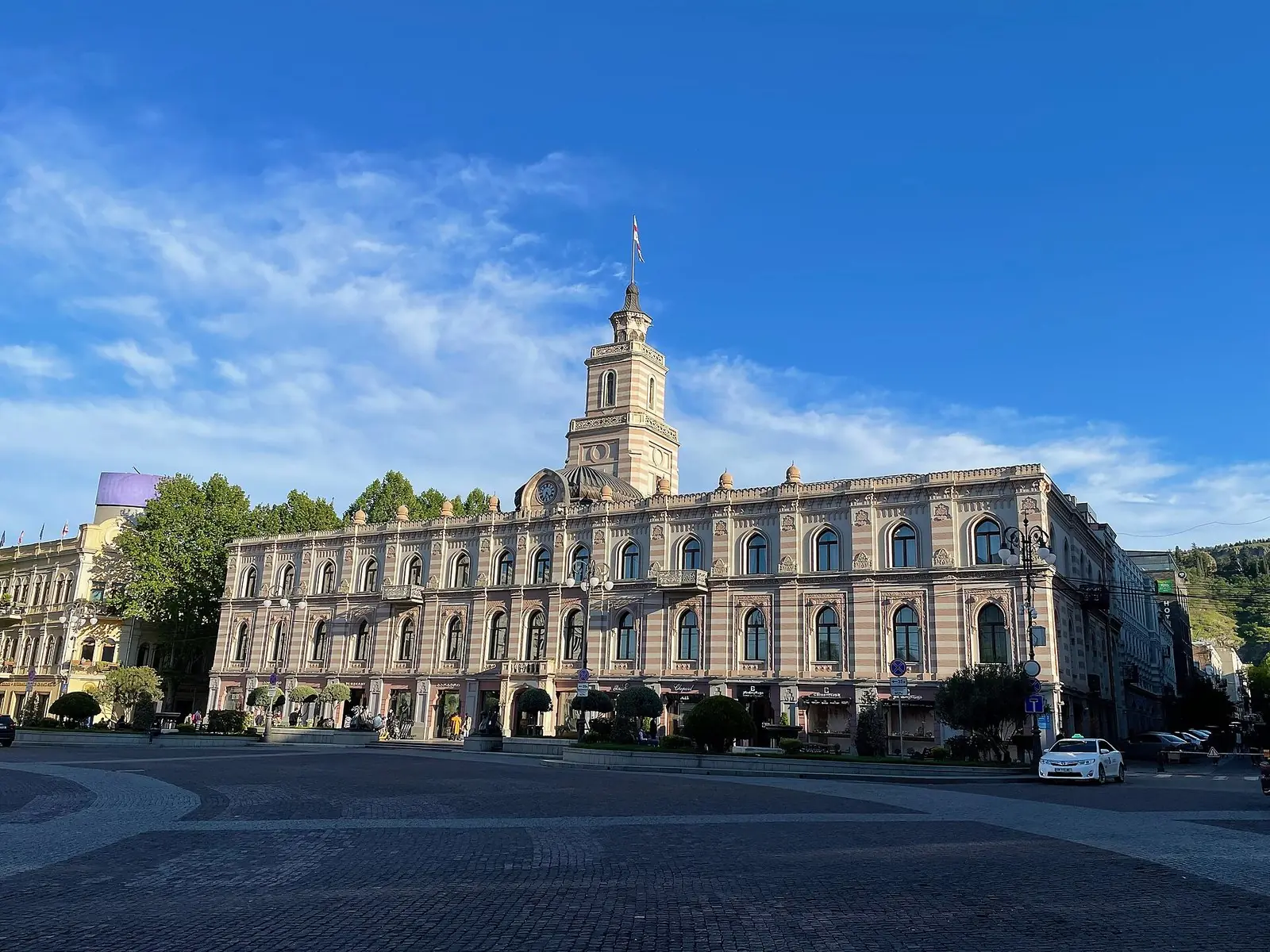
Start here on any grey day. Five large museums sit on the first ~500 m of Rustaveli Avenue or just off Freedom Square. You can hop from one to the next in a few minutes under an umbrella, and cafes fill the gaps.
Georgian National Museum (Simon Janashia Museum of Georgia)
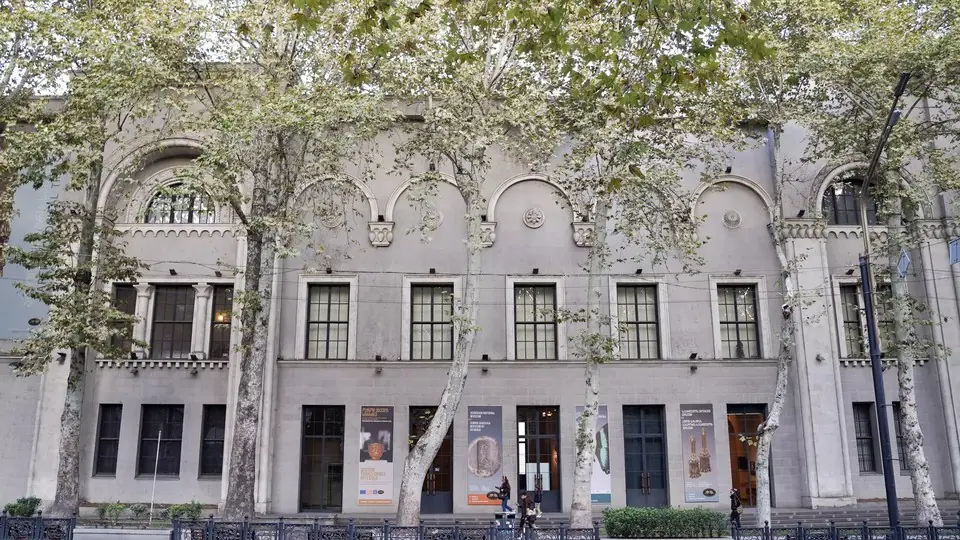
If you see one museum in Georgia, make it the Georgian National Museum at 3 Rustaveli Avenue. Our place page walks you through its halls. In short: the gold of Colchis in the treasury, the 1.8-million-year-old Dmanisi skulls, and the rooms on the Soviet occupation upstairs. Give it two to three hours.
On the museum's own 2026 price list, visitors from abroad pay 40 GEL (about $15). Foreign students and pupils pay 15 GEL with a card, and foreign pensioners 30 GEL. A guide in a foreign language costs extra: 80 GEL (about $30) for a tour of up to an hour, or 100 GEL (about $37) for 1.5 to 2 hours.
National Gallery
A few doors up, at No. 11, the National Gallery reopened in spring 2026 after a long closure for upkeep. Most visitors head for the Pirosmani hall, four rooms of his feasts and animals painted on black oilcloth. Our Niko Pirosmani guide tells his story. An hour is enough here. In 2026 the ticket for non-Georgians was about 25 GEL (about $10).
Art Museum of Georgia
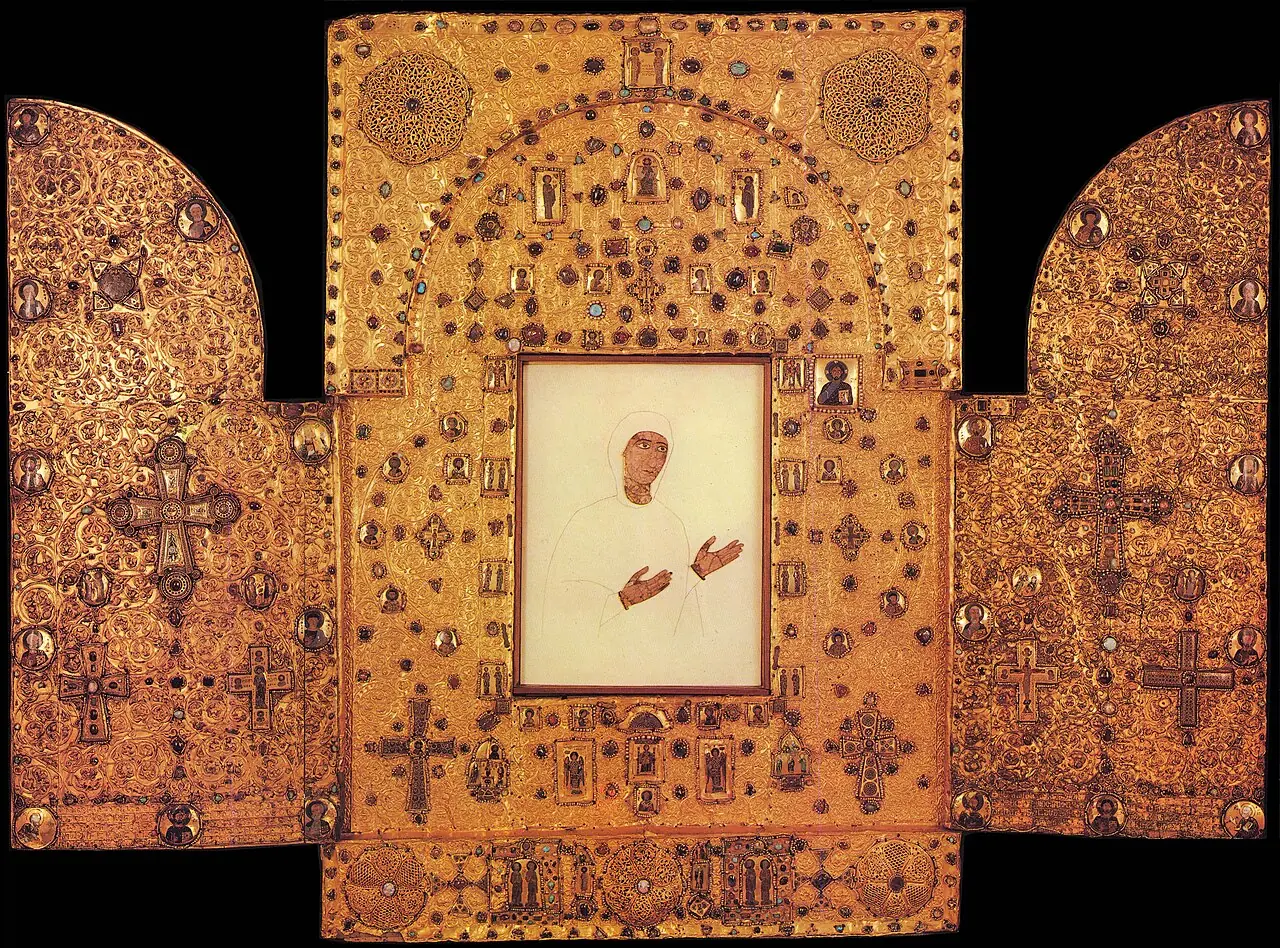
Its full name is the Shalva Amiranashvili Museum of Fine Arts. After almost ten years shut, its doors opened again in October 2024, in a new building next to its old home, the former seminary off Freedom Square. You enter from Lado Gudiashvili Street. The treasury is the reason to come. It keeps medieval gold and silver work, and above all the Khakhuli triptych, a huge gilded icon set with enamels that Queen Tamar framed in gold. Its picture galleries cover Georgian painting from about 1900 to 1930.
Budget about 40 GEL (about $15) per adult from abroad in 2026. The treasury keeps shorter hours than the rest, about 11:00 to 17:00 with the last visitor at 16:30. The museum's site has carried a notice that it was shut for repairs, so ask at the desk whether it is open before you pay.
Georgian Museum of Fine Arts (MFA) and the National Palace Museum
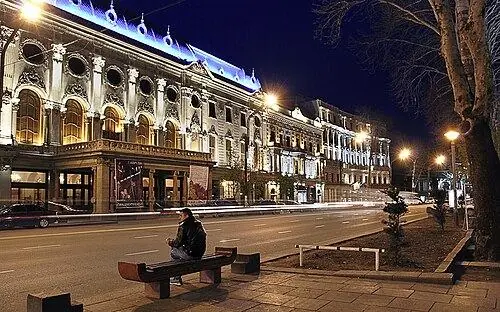
The MFA, at 7 Rustaveli Avenue, is private and opened in 2018. It picks up where the state collections stop, with art made in Georgia after about 1950. About 3,500 works by some 100 artists fill five floors. It is usually open every day from 10:00 to 19:00, so it is the best Monday choice on the avenue. Its 2026 ticket was about 40 GEL (about $15), the same as the National Museum.
Across the road at No. 6 stands the palace built in 1868 for the Russian viceroy. Georgia declared independence inside it in 1918. After six years of repairs it reopened in late 2025 as the National Palace Museum. The ballrooms and mirror halls are the real show, and the ticket includes a guided tour in English. In 2026 it opened Tuesday to Sunday, about 11:00 to 17:00, for about 20 GEL (about $7).
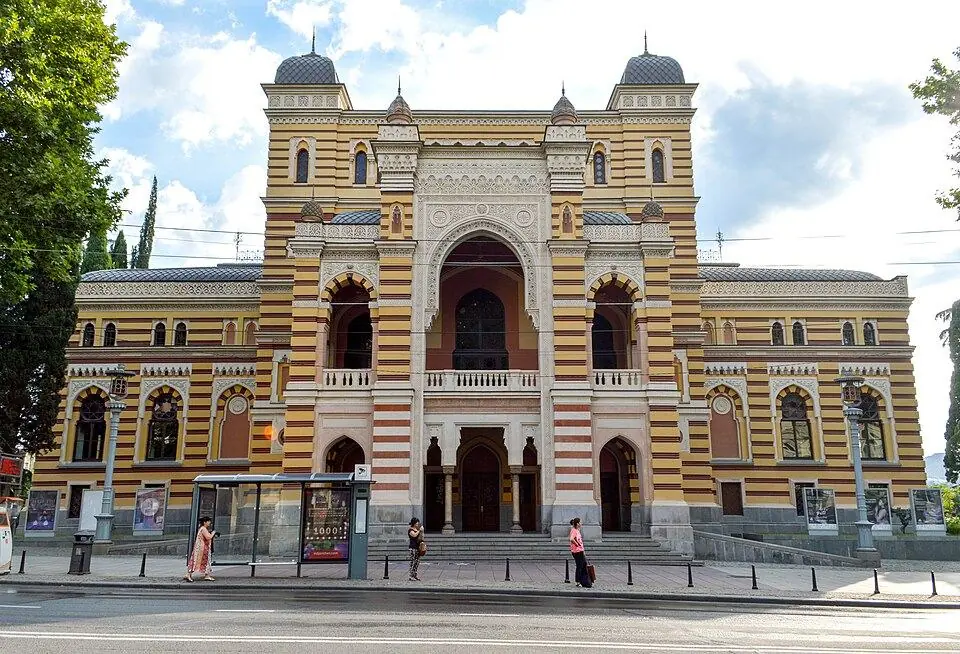
Museums in Old Tbilisi: the caravanserai on Sioni Street
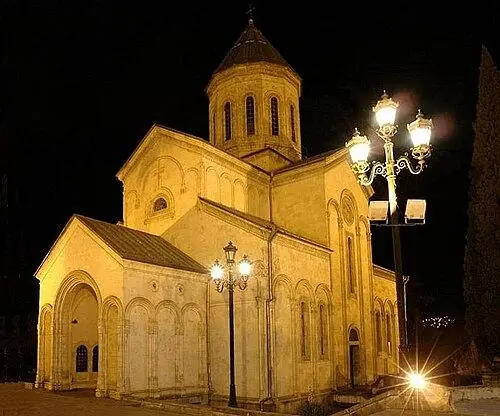
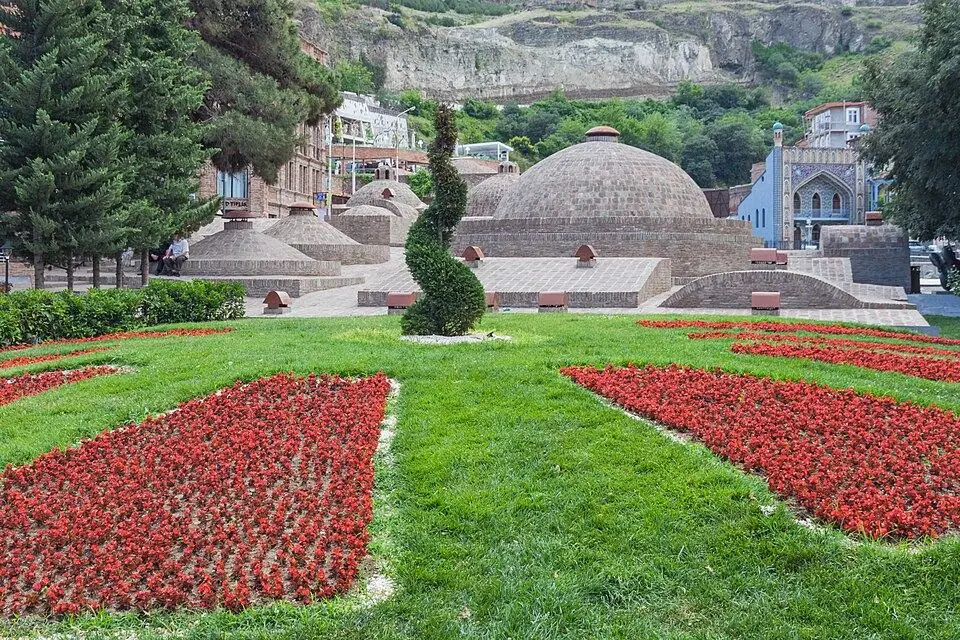
From Freedom Square it is ~800 m, about 10 minutes downhill, to Sioni Street in the Old Town. At No. 8 stands the Karvasla, a 17th-century caravanserai where traders once slept above their goods. Today it holds three museums, so a shower can pass while you stay under one roof.
- Tbilisi History Museum. A branch of the national museum on the ground floor. It tells the city's story with a focus on the 19th century, through scale models of landmarks and wine taverns and full-size craftsmen's shops. English labels are sparse, so a guide helps. Hours: Tue-Sun, 10:00-18:00. The official page lists 5 GEL, while a 2026 report says foreigners pay 15 GEL, so budget about 5-15 GEL (about $2-6).
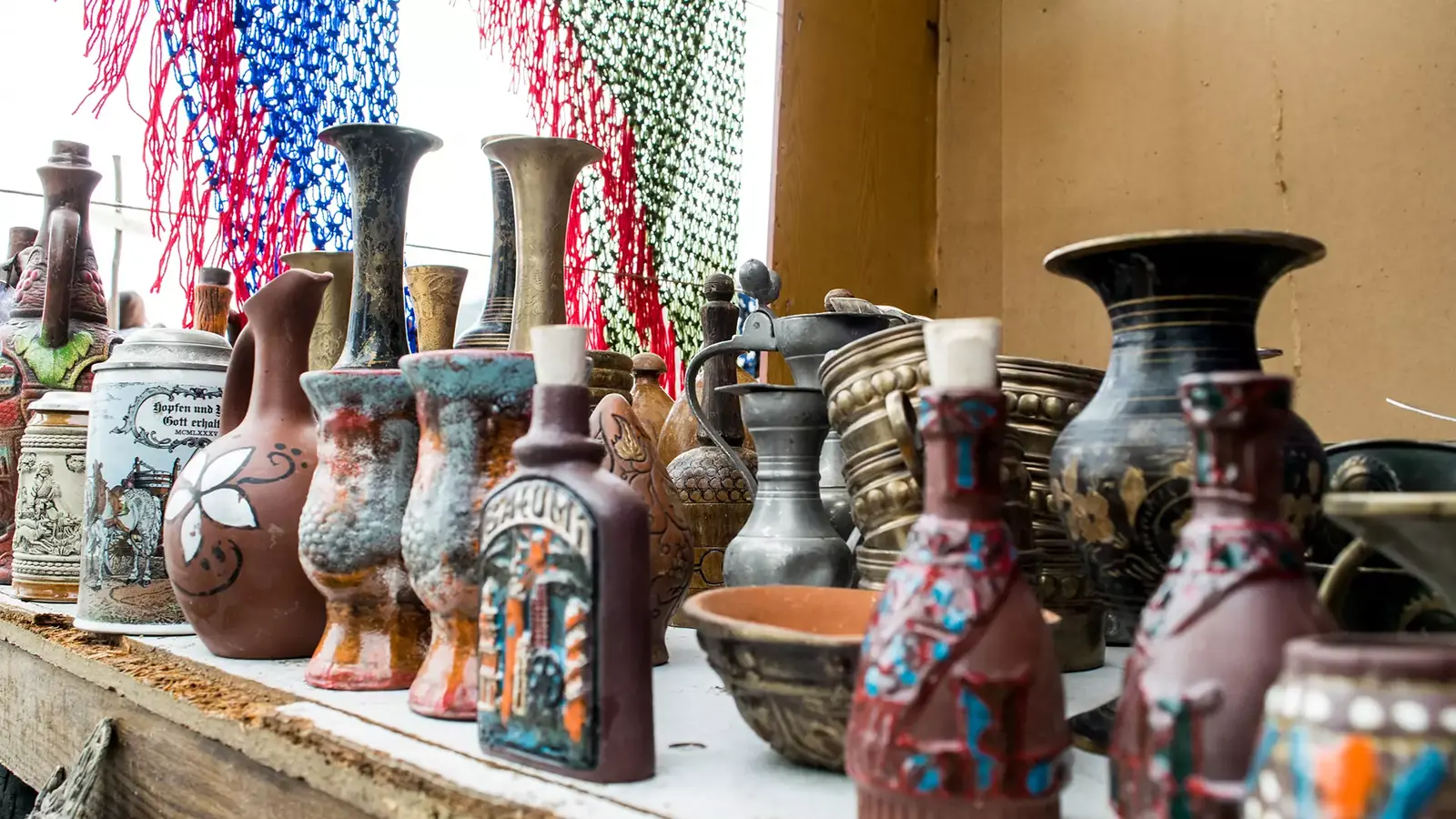
- Tbilisi Wine Museum. A guided walk through vaulted cellars and passages under the caravanserai, starting at an old freshwater spring. It is one of the few museums open on Mondays: about 11:00-20:00 from Tuesday to Saturday and 12:00-18:00 on Sunday and Monday. Allow an hour, and about 15 GEL (about $6) in 2026.
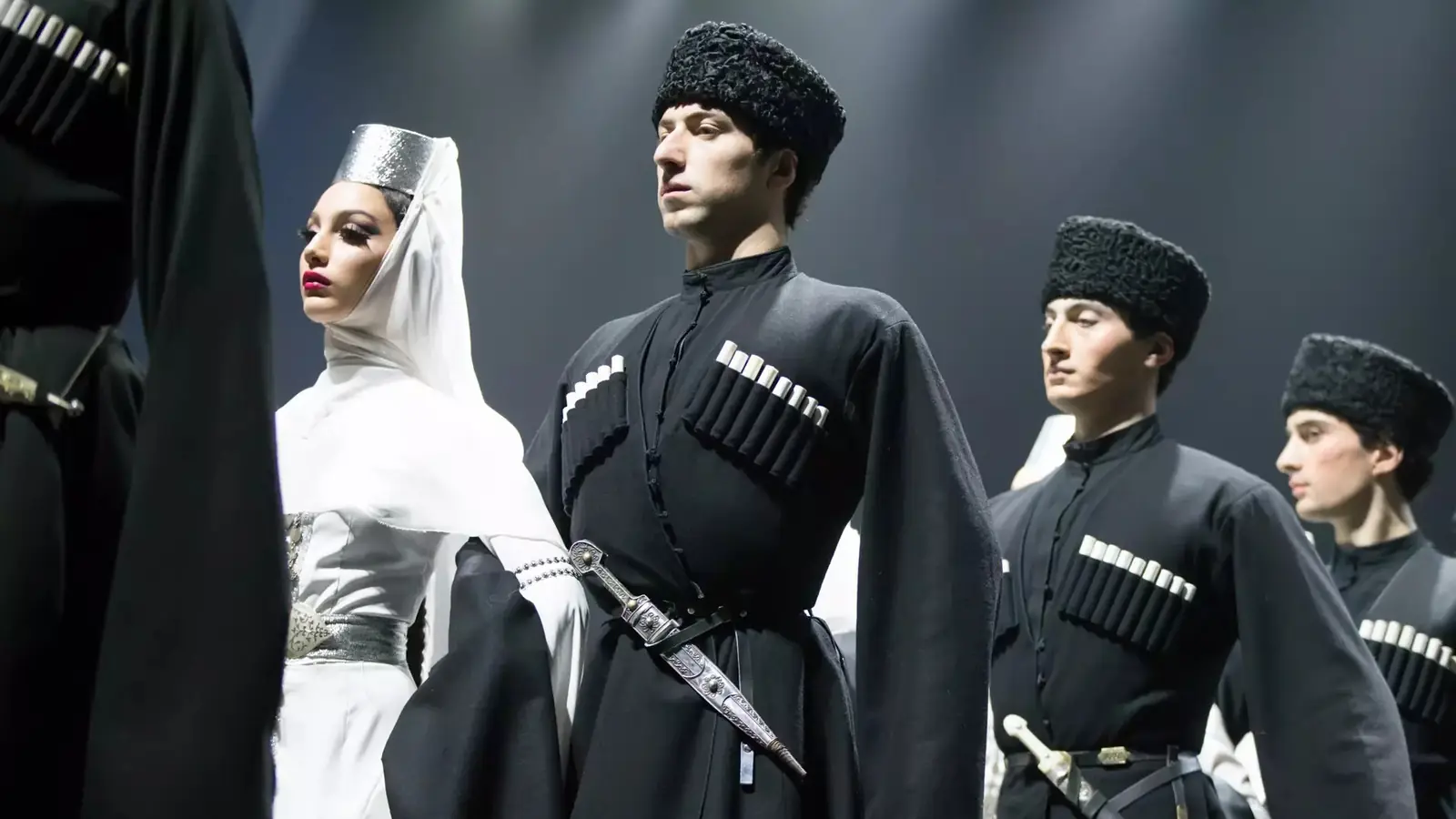
- Museum of Georgian Weaponry. A small private display of swords, daggers and shields on the lowest floor, reached through the Wine Museum desk. Entry is free, with a box for donations. There is a corner where you can try on a chokha for a photo.
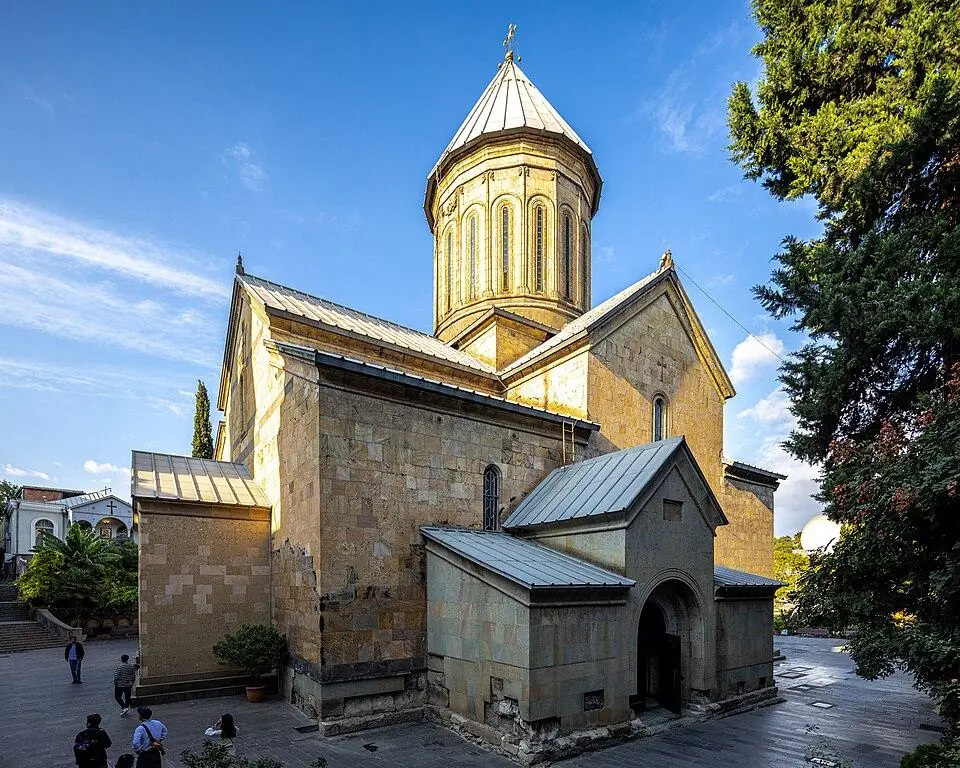
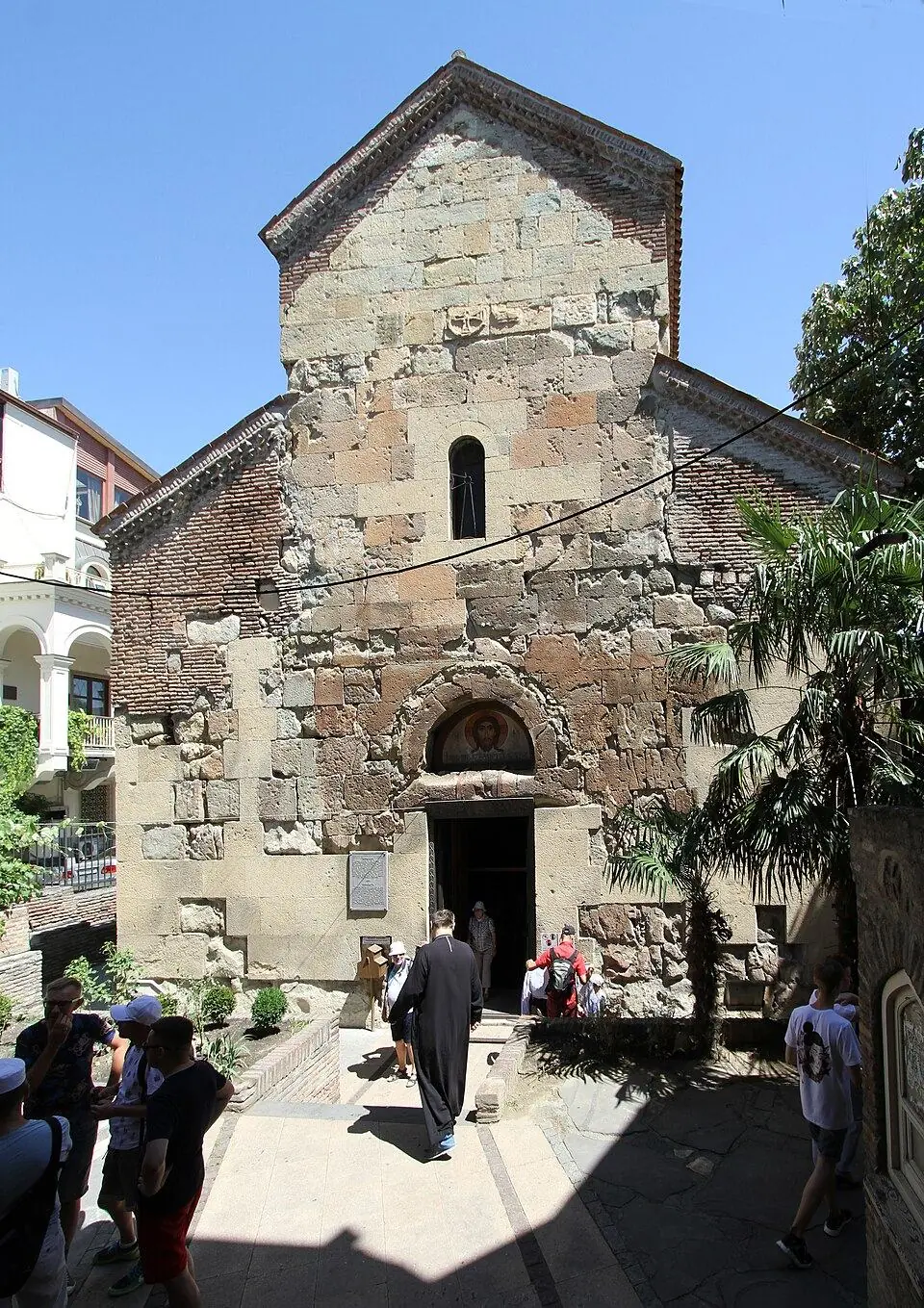
A few minutes away, near the Great Synagogue, the David Baazov Museum covers the long history of Georgia's Jewish community. Sioni Cathedral and Anchiskhati, the oldest church in the city, are both on your way back up the hill.
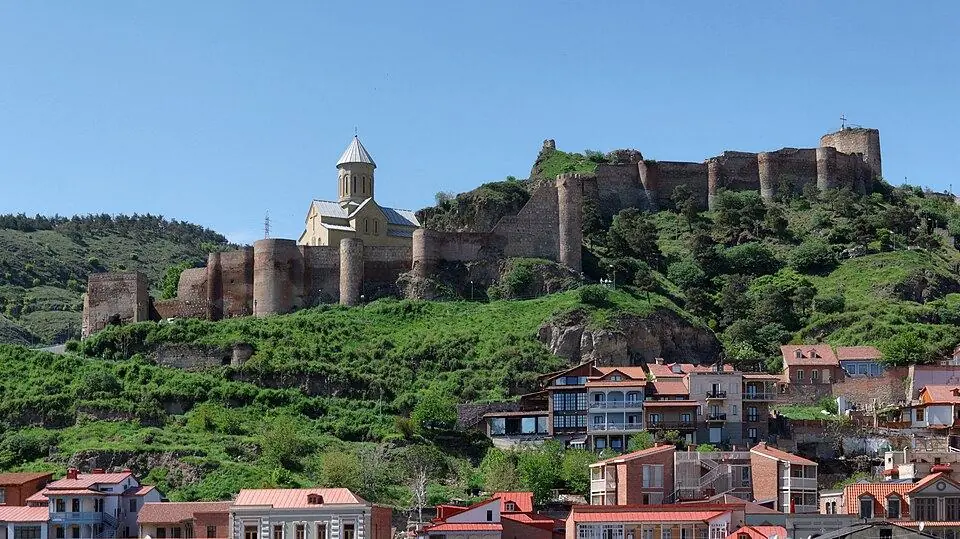
The Open Air Museum of Ethnography: save it for a dry day
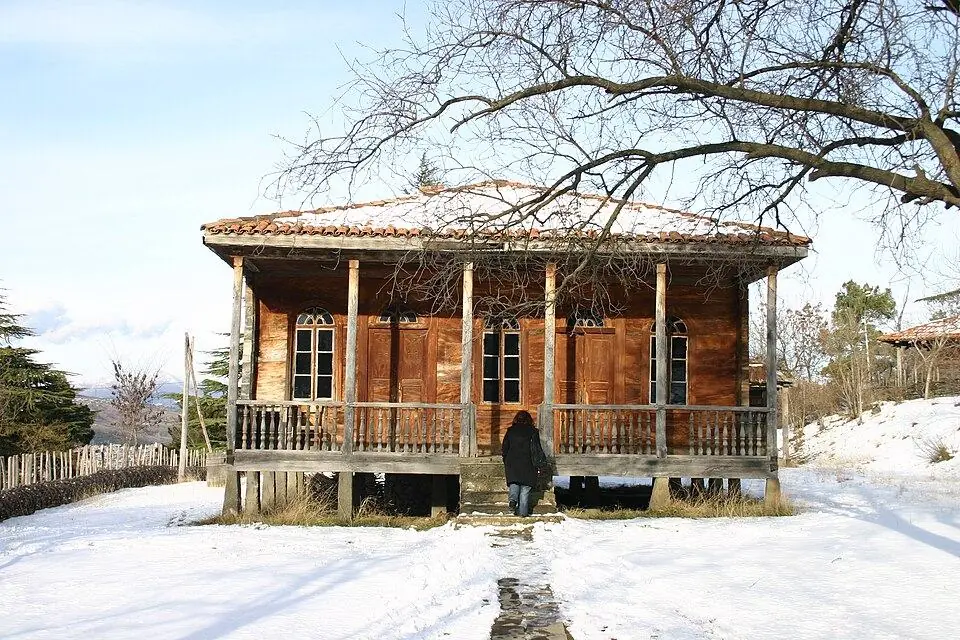
This is the one outdoor museum on the list. Some 70 village houses, towers and wine cellars stand on a wooded slope above Vake, and our place page explains what to look for. In winter, timing matters more than anything. Pick a dry, bright day and arrive around midday, because the paths are steep and can be muddy or icy.
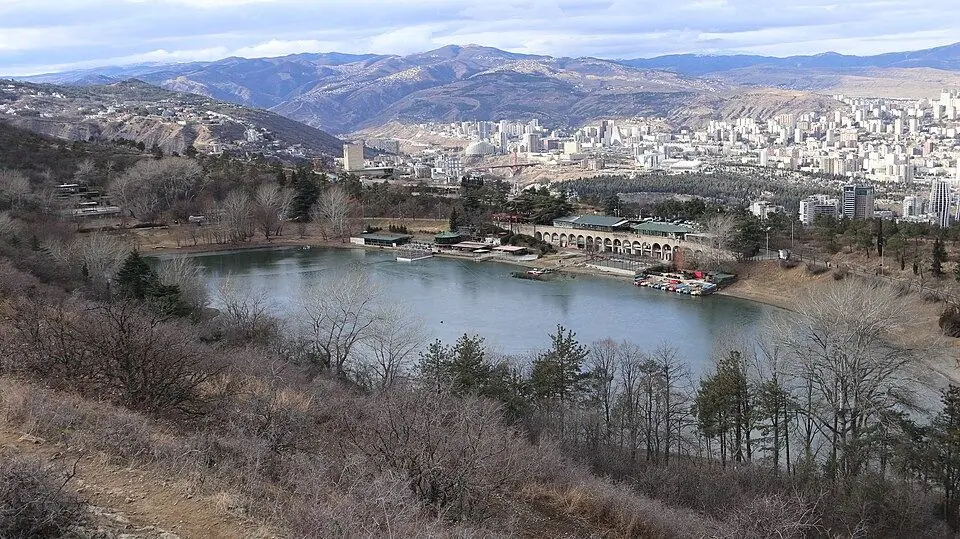
Only a few houses are unlocked at a time. Each has a narrator who explains the building and its region. Allow 1.5 to 2.5 hours. Since December 2025 the Turtle Lake cable car from Vake Park has stood idle, so come by taxi, about 15 to 20 minutes from Rustaveli Avenue. It shuts on Mondays; other days it runs 10:00-18:00.
The fare is the least certain one in this guide. The official page still shows 5 GEL, while a 2026 visitor report gives 20 GEL for foreigners. Bring about 20 GEL (about $7) and you will be fine.
House museums in Tbilisi: writers, painters and a sculptor
House museums are small, quiet and cheap. They also show how Tbilisi's artists really lived, in flats and studios full of their own furniture. Most take 30 to 45 minutes, so they slot neatly between two bigger visits.
Writers' House of Georgia, Sololaki
The brandy maker David Sarajishvili built this mansion at 13 Machabeli Street in 1905. It mixes Art Nouveau with Georgian motifs, from the tiled terrace to the carved dining room. Since early 2023 it has held the Museum of Repressed Writers, a short but moving display on authors silenced or killed under Soviet rule. A room on Sarajishvili himself comes with the same visit. In 2026 it opened Tuesday to Friday 11:00-18:00 and Saturday 12:00-19:00, for about 7 GEL (about $3).
Four artists' homes run by the National Museum
- Elene Akhvlediani House Museum, 12 Leo Kiacheli Street: the painter best known for her views of old Tbilisi streets.
- Mose Toidze House Museum, 12 Mitrofane Laghidze Street: the home and studio of a painter of Georgian life and portraits.
- Iakob Nikoladze House Museum, 6 Auguste Rodin Street: the sculptor trained in Paris under Rodin, which explains the street's name.
- Ucha Japaridze House Museum, 2a Shio Mghvimeli Street: a painter of the Soviet decades, in a quiet residential lane.
All four open Tuesday to Sunday, 11:00 to 18:00, and close on Mondays and public holidays. Their official pages list only a few lari, but those pages are old. Phone the national museum before you set off, since small branches can close at short notice.
Kote and Soso Tsereteli Memorial House
This family flat at 2 Dimitri Uznadze Street remembers a father and son. Kote Tsereteli was a scholar of Hebrew and Aramaic. His son Soso, a young painter, died in 1983 after a failed attempt to hijack a Soviet airliner. His drawings and writings sit beside papers on that case. Young guides lead the visits. In 2026 it opened daily, 10:00 to 18:00, for about 5 GEL (about $2).
Small specialist museums worth a rainy hour
Once you have seen the big names, these smaller collections make the best use of a wet afternoon. Each needs less than an hour and costs little.
- Art Palace of Georgia, 6 Kargareteli Street, Chugureti. The state museum of theatre, music, film and dance, with some 300,000 objects: costumes, set designs, film props and painted shop signs from Pirosmani's early years. The house is an 1890s mansion with painted ceilings, built for Duke Konstantin of Oldenburg. Usually open Tuesday to Sunday, 10:30 to 17:30, for about 12 GEL (about $4).
- State Silk Museum, 6 Giorgi Tsabadze Street, near Heroes Square. Founded in 1887, it reopened in October 2024 after four years of repairs. Expect cocoons, looms and old fabrics. Open Tuesday to Saturday, 11:00 to 18:00, for about 12 GEL (about $5). Some days cost nothing: entry is said to be free on the first Wednesday.
- Museum of the History of Georgian Medicine, 51 Dimitri Uznadze Street. Opened in 1963, it covers folk cures gathered in the mountains, herbs and mineral waters. Closed Mondays; usually 10:00-18:00. About 10 GEL (about $4), cash only.
- Tbilisi Auto Museum, Police Turn, Isani. A private collection of more than 50 cars and motorbikes, almost all Soviet-made, started in 2014. Getting there means a 20 to 30-minute taxi ride out of the centre, so phone ahead in winter. About 10 GEL (about $4).
- Stalin's Underground Printing House, Kaspi Street, Avlabari. The cellar where a secret press printed leaflets from 1903 until a police raid in 1906. The original German press is still there. Allow 20 minutes. It opens on weekdays, but hours are loose, so go after 11:00. About 10 GEL (about $4).
- Museum of Books, National Parliamentary Library, 5 Lado Gudiashvili Street. Free. It shows the first book printed in Georgian and richly painted manuscripts. Open Monday to Friday, 10:00 to 18:00.
- National Archives of Georgia, 1 Vazha-Pshavela Avenue, Saburtalo. Free exhibitions built from the archive's photos and papers. Open Tuesday to Sunday, 11:00 to 19:00.
- Academy of Arts Museum, 22 Griboedov Street. A merchant's mansion of 1861 with mirror halls in the Persian style. It opens only during the university term, so it is shut over the winter break. About 12 GEL (about $5), card only.
Tbilisi museums for children
Children under 6 enter every state museum free. At the National Museum, foreign pupils paid 15 GEL (about $6) in 2026 with proof of age or a school card. These are the museums where children tend to last longest:
- Experimentorium, behind the Parliament building on Rustaveli Avenue: a hands-on science museum opened in 2016, where guides run live experiments. Best for school-age children.
- Museum of Illusions, in the Old Town: an upside-down room, an optical tunnel and holograms, with signs in English. Good for all ages and for photos.
- Tbilisi History Museum: the models of old streets and the full-size shops work well for 6 to 12-year-olds.
- Georgian National Museum: gold jewellery and ancient skulls hold most children from about age 8. Do the treasury first and keep it to 90 minutes.
- Open Air Museum of Ethnography: if it is not raining, children can climb the slope, peer into towers and run between houses.
- Auto Museum and the Weaponry Museum: old Volgas and Ladas, swords and a chokha to dress up in.
Our private tours plan around each family, with children of any age. Your guide can shorten a museum visit, add a playground stop or swap a hall for the funicular.
Tickets, free days and the museum pass in 2026
The state museums use two price lists, one for Georgian citizens and one for everyone else. At the National Museum in 2026 a Georgian adult paid 20 GEL and a foreign adult 40 GEL. Other branches follow the same idea, though their official pages are out of date.
- Free: children under 6, visitors with disabilities and one companion, and teachers with school groups.
- Reduced: foreign students and pupils (15 GEL at the National Museum) and foreign pensioners (30 GEL), with a document.
- Buying: pay at the desk, or online at biletebi.ge. You do not need to book ahead.
- Timing: the last ticket goes 30 minutes before closing, and tickets cannot be refunded.
- Guides: museum guides in a foreign language cost 80 to 100 GEL (about $30-37) at the National Museum and are best arranged a few days ahead.
Free museum days in Tbilisi
There is no regular free Sunday or evening at the state museums. Entry to all national museum branches is free on International Museum Day, 18 May, which falls outside the winter season. The Silk Museum reportedly waives its fee on the first Wednesday of the month. The book museum at the National Parliamentary Library and the archive exhibitions never charge, and the Weaponry Museum asks only for a donation.
Is there a Tbilisi museum pass?
You may read about a one-day ticket for five museums at 50 GEL (about $19), sold at the National Museum. A 2026 travel guide reported it, but the museum's own 2026 price list does not mention it, and we could not confirm it. Ask at the National Museum desk. If it is on sale and you plan two of the big museums in one day, it pays for itself.
Opening days in winter: Mondays, holidays and short afternoons
Every national museum branch closes on Mondays and on public holidays. From November to February that means 23 November (St George's Day), 1 and 2 January, 7 January (Christmas) and 19 January (Epiphany). The first week of January is quiet anyway, as many Georgians take it off.
| Museum | Open on Monday? | Usual hours (2026) |
|---|---|---|
| Georgian Museum of Fine Arts (MFA) | Yes | About 10:00-19:00 daily |
| Tbilisi Wine Museum | Yes | About 12:00-18:00 on Mondays |
| Kote and Soso Tsereteli House | Yes | About 10:00-18:00 daily |
| Museum of Books | Yes | About 10:00-18:00, weekdays |
| Museum of Georgian Weaponry | Yes | About 12:00-18:00 daily |
| National Museum, Gallery, Art Museum, History Museum, Ethnography | No | Tue-Sun 10:00-18:00 (treasury 11:00-17:00) |
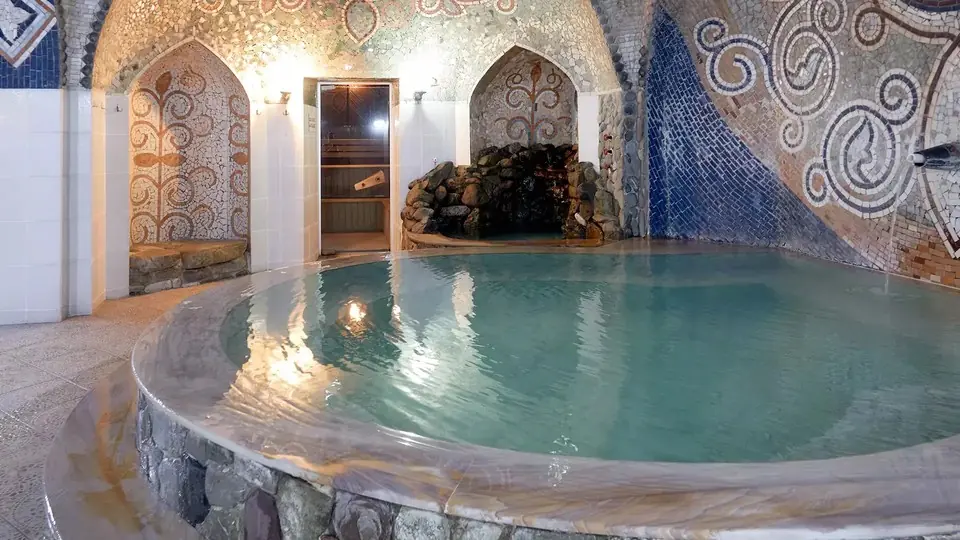
By mid-December dusk falls around 17:30, just as the last museum tickets go. So walk the hills at midday and head indoors when the light starts to go. For late afternoons, the MFA (to 19:00) and the Wine Museum (to 20:00 from Tuesday to Saturday) are the best bets. After that, the Tbilisi sulphur baths and the opera keep the evening warm.
A rainy-day museum plan for Tbilisi: one or two days
These plans keep you under a roof for most of the day, with short walks between doors. Day one works on any day from Tuesday to Sunday. Day two needs a Tuesday to Saturday, because the Writers' House shuts on Sundays.
- Day 1, 10:00: Georgian National Museum
Two and a half hours with the treasury, the prehistory halls and the Soviet rooms. Lunch on Rustaveli Avenue or in Sololaki. - Day 1, 14:00: Art Museum treasury
About 5 minutes on foot, off Freedom Square. Go before 16:30, when the treasury stops letting people in. - Day 1, 15:30: National Gallery
Walk ~500 m up the avenue for an hour with Pirosmani. If you still have energy, the MFA, a few doors back down the avenue, stays open until 19:00. - Day 1, evening: a sulphur bath
A taxi to Abanotubani takes 5 minutes. Book a private room for an hour, then eat in the Old Town. - Day 2, 11:00: the caravanserai on Sioni Street
The Tbilisi History Museum, then the Wine Museum tour below it. Lunch nearby in the Old Town. - Day 2, 14:30: Writers' House, Sololaki
A 10-minute walk or short taxi. Forty-five minutes in the Museum of Repressed Writers and the mansion's rooms. - Day 2, 15:45: Art Palace
A 10 to 15-minute taxi across the river to Chugureti for costumes and film props before it closes at about 17:30.
Travelling with children? Swap day two for the Experimentorium in the morning, the History Museum after lunch and the Museum of Illusions to finish. For the rest of the city, our Tbilisi itinerary has walking times hour by hour, and our guide to Tbilisi in winter covers weather, festive dates and day trips. On dry days, pick from our things to do in Tbilisi guide.
Our Tbilisi City Break bends around wet weather. It is private, so pick any dates and bring a party of any size, with your own guide explaining each hall in your language. When rain sets in, the guide trades a street walk for the museums above. Children of every age are welcome. Before you fly, sort out travel insurance: Georgia requires it of every foreign visitor, with a minimum of 30,000 GEL in cover.
Only have a day? The private walking tour can end at the National Museum or the Gallery instead of the last Old Town stops.
Museums outside Tbilisi worth a day trip
Some of Georgia's best museums sit an hour or two from the capital. They pair well with a dry day and a drive.
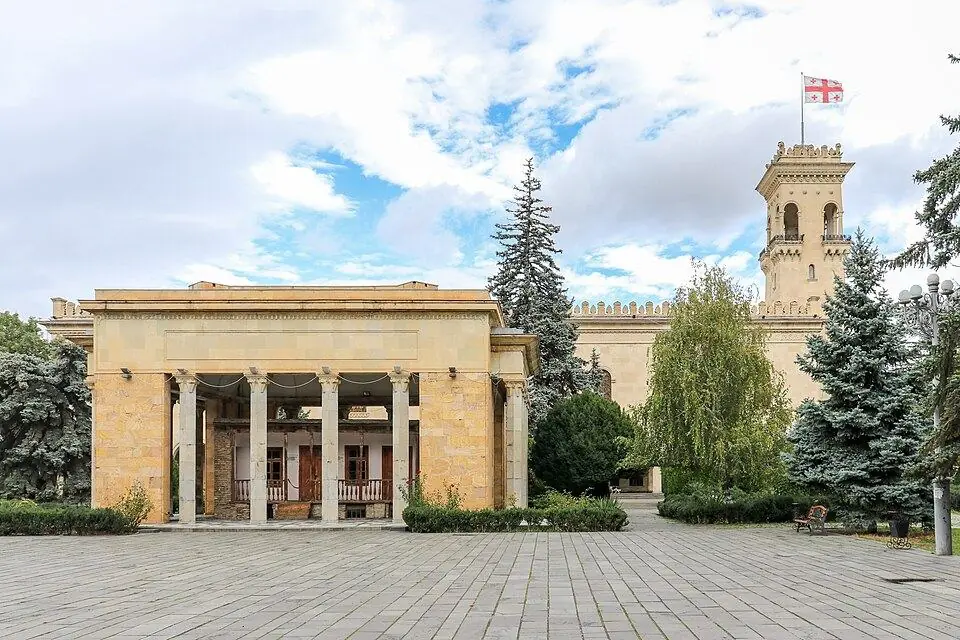
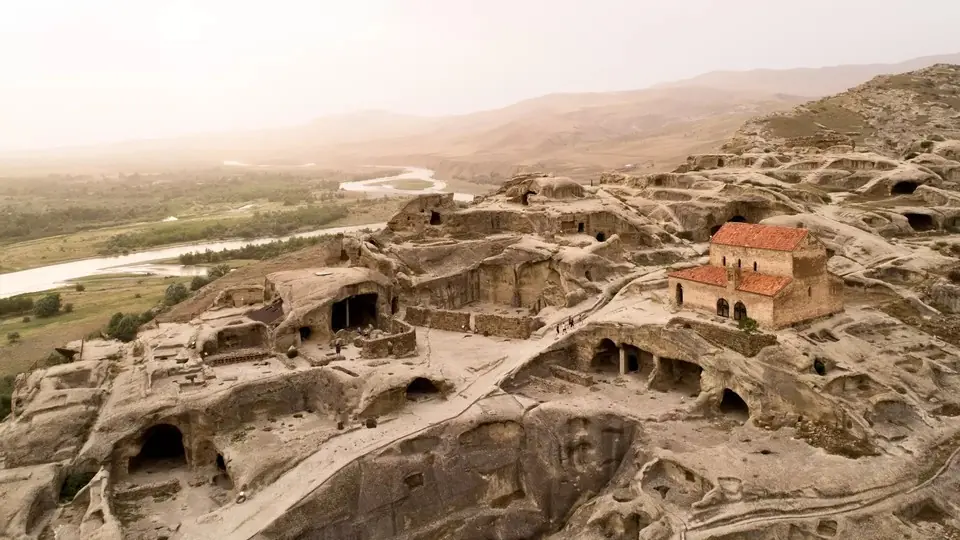
- Stalin Museum, Gori, 86 km west: a museum from Soviet times about Stalin's life, with the house he was born in and his armoured rail carriage. It fits into one day with the rock-cut town of Uplistsikhe and Mtskheta.
- Dmanisi Museum-Reserve, ~85 km south-west: the hill where the 1.8-million-year-old skulls were found, with a medieval town on top. Check that it is open before you drive out in winter.
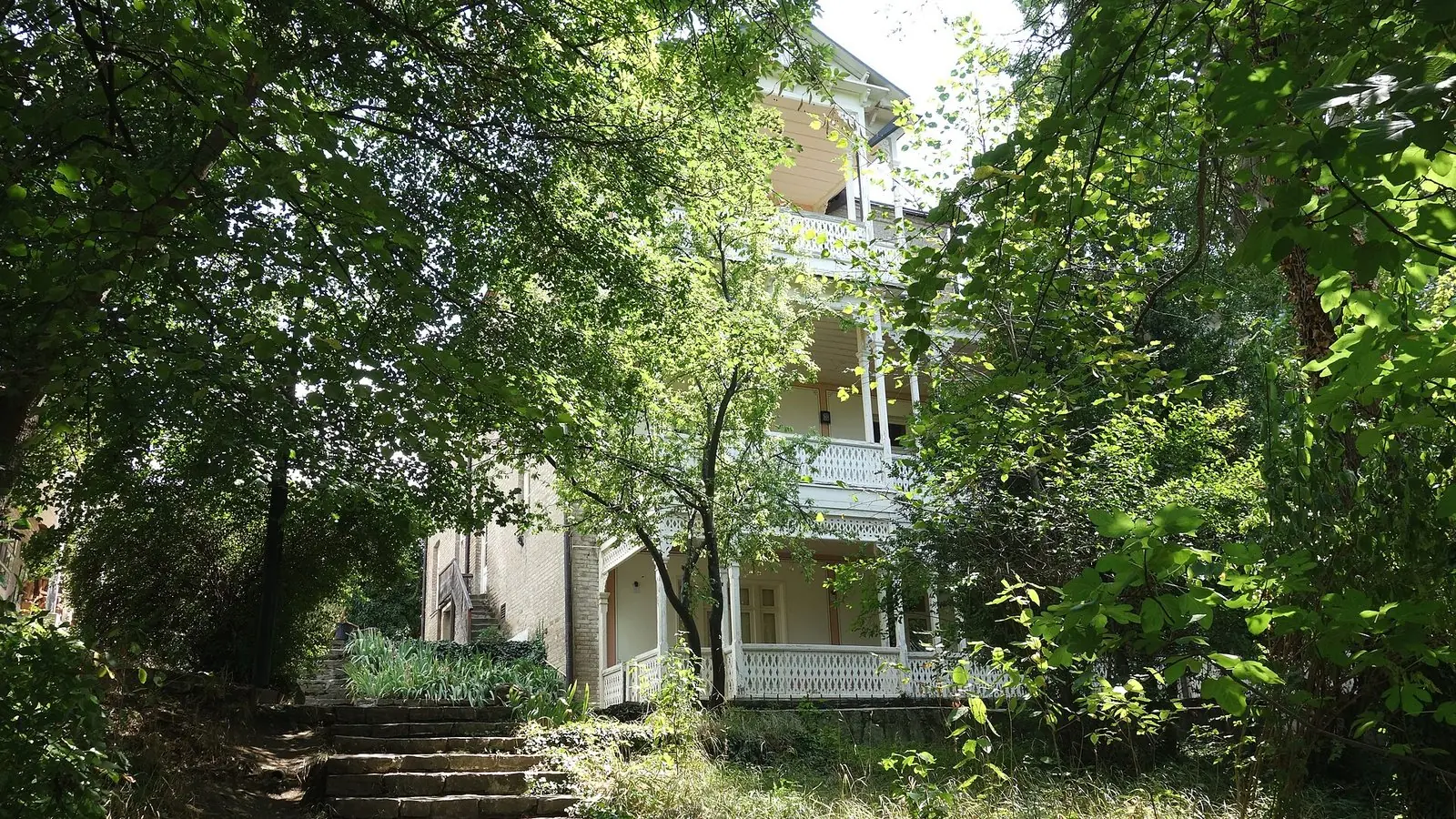
- Saguramo, ~30 km north: the house museum of Ilia Chavchavadze, the writer who led the Georgian national revival, near Mtskheta.
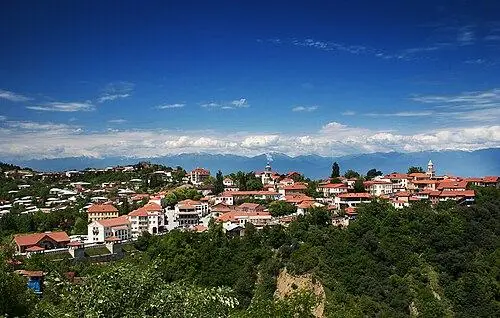
- Sighnaghi Museum, ~113 km east in Kakheti: a room of Pirosmani paintings, easy to add to a wine day.
Further west, two regional museums deserve a trip of their own: Mestia's Svaneti Museum of History and Ethnography and the Vani Archaeological Museum near Kutaisi.
Museums in Tbilisi: FAQ
What are the best museums in Tbilisi?
Start with the Georgian National Museum, the country's main history museum. Then see Pirosmani at the National Gallery and the medieval treasury of the Art Museum of Georgia. All three are close to Freedom Square. When it is dry, add the open-air village museum above Vake.
Are museums in Tbilisi open on Mondays?
Not the state museums, which rest every Monday and on public holidays. The private MFA, the Wine Museum under the Sioni Street caravanserai, the Kote and Soso Tsereteli house and the Museum of Books do open on Mondays.
How much do Tbilisi museums cost in 2026?
If you are not Georgian, expect about 40 GEL (about $15) at the Georgian National Museum and roughly 25 GEL (about $10) at the Gallery. Most small museums ask 5 to 15 GEL, and state museums let children under 6 in free.
Is there a free museum day in Tbilisi?
Not a regular one. All national museum branches open free on International Museum Day, 18 May. The library's book museum and the archive shows never charge, and the Silk Museum reportedly lets everyone in free on the first Wednesday.
Is there a Tbilisi museum pass?
A five-museum day ticket for about 50 GEL has been reported at the Georgian National Museum. The museum's 2026 price list does not show it, so ask at the desk before you plan around it.
Which Tbilisi museums are good for kids?
The Experimentorium science museum and the Museum of Illusions are the most hands-on. The History Museum's models, the Auto Museum and, when it is dry, the open-air village museum also go down well. Under-6s enter state museums free.
What is the quietest time to visit Tbilisi museums?
Weekday mornings from November to February are the calmest, with few school groups and no summer crowds. Avoid Mondays and holidays, when state museums shut, and arrive by 16:00 on short winter afternoons.
Are the labels in Tbilisi museums in English?
The National Museum labels most items in Georgian and English, and the MFA has good English texts. Smaller and older museums, such as the Tbilisi History Museum, have few English signs, so a guide or a translation app helps.