Khashlama Recipe
ხაშლამა
A home-style khashlama recipe from Kakheti: beef on the bone simmered gently for about two and a half hours, then dressed with crushed garlic, parsley and coriander and brought to the table with its clear broth and a bowl of tkemali.
Recipe by the Maspindzeli team in Tbilisi · Updated 10 Nov 2026 · From Kakheti; lamb versions in Tusheti and the eastern mountains
Full recipe with the timeline, timers and US measures: maspindzeli.ge/recipes/khashlama/
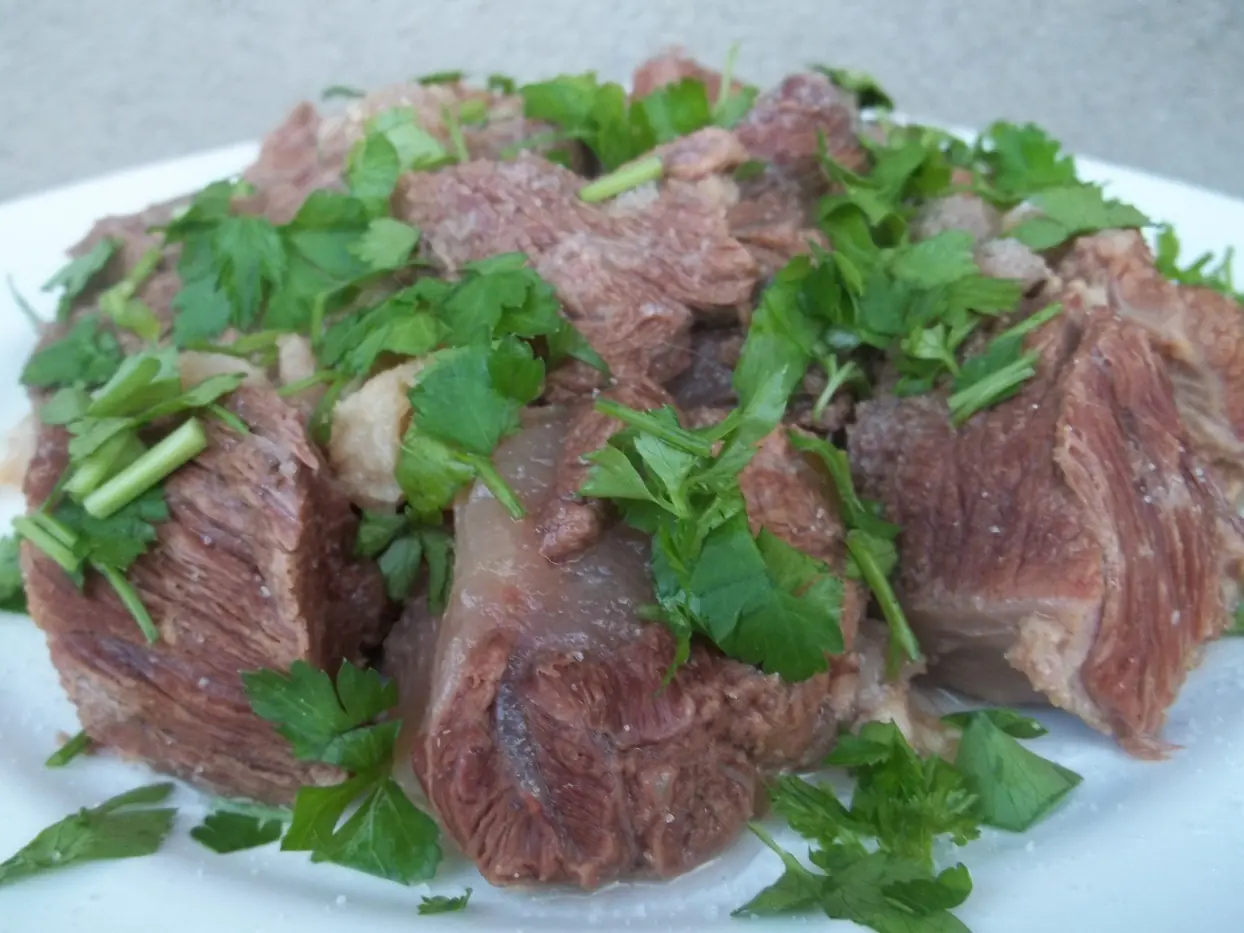
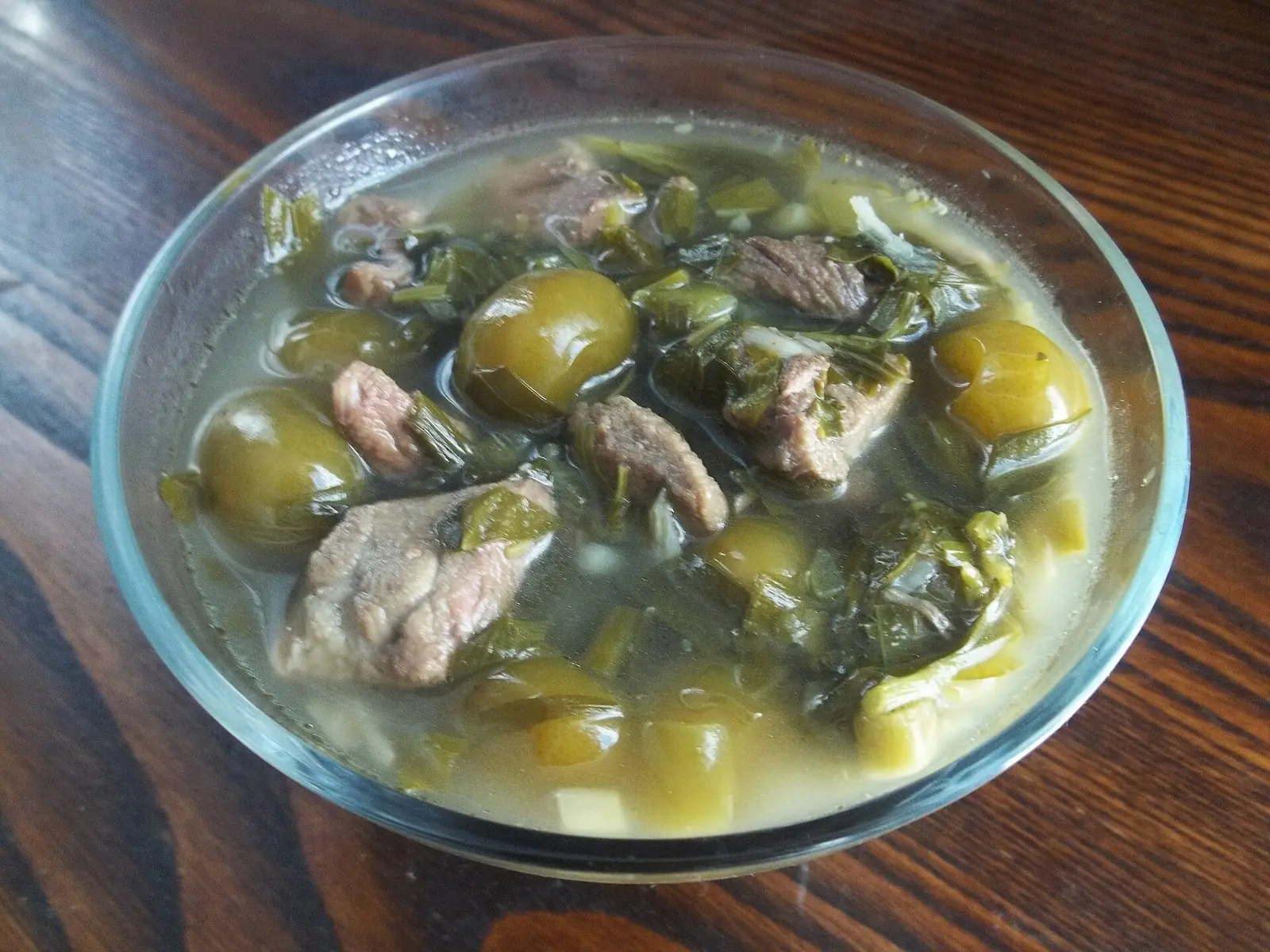
This khashlama recipe follows the Kakhetian way with beef. Big pieces on the bone go into a pot of plain water and tick over slowly until a fork slides in, then come to the table under crushed garlic, chopped parsley and coriander and a pinch of coarse salt, with cups of the clear broth and sour plum tkemali beside them. Menus also spell it hashlama, and in Kakheti you will hear kakhuri khashlama. Think of it as Georgian boiled beef at its plainest, where good meat and a low flame do nearly all the work.
The dish belongs to eastern Georgia, and above all to Kakheti, the wine region. There it is the boiled meat of big occasions: a Kakhetian wedding table is expected to have khashlama and guda cheese, and families cook it for memorial meals too. In Tusheti and the eastern mountains the same method is used with lamb. Armenian, Azerbaijani and Turkish cooks use the same name, which goes back to a word for boiling, and which language lent it to which is still argued over. The dishes differ as well: Armenian khashlama is usually a pot of meat layered with tomatoes, peppers and onions, sometimes cooked in beer, and Russian-language recipe sites often mix the two up.
It takes time rather than skill. Of nearly four hours from start to plate, you are busy for about one; for the remainder the pot murmurs away by itself while you make a salad or open the wine. Eat the meat hot, straight from the pot, and save whatever broth is left for a garlicky soup the next day.
Timeline: what to do, and when
3 h 45 min from start to table · 1 h 5 min hands-on
Each bar is one step. Hands-on Waiting, while the oven, the pot or the dough does the work. Steps that sit inside a wait are done in parallel.
Recipe
Khashlama
Ingredients
For the pot
To finish
To serve
Amounts are scaled. Times stay about the same, but a bigger pot takes a little longer to come to the boil.
You will need
- Large heavy pot with a lid, at least 6 litres
- Colander
- Skimmer or slotted spoon
- Kettle, for topping up with boiling water
- Mortar and pestle, or a garlic crusher
- Ladle, a warm deep platter and cups or small bowls for the broth
Method
- Cut and rinse the meat10 min hands-on· start here
Trim off loose scraps and any hard outer fat, but leave a good layer, because khashlama needs fat for flavour. If the butcher has not done it, cut the meat into large pieces of about 8 to 10 cm, keeping the bone attached to each one. Give them a quick rinse under cold water.
- Blanch20 min waiting· starts at +10 min
Lay the meat in the large pot, pour in cold water to cover and turn the heat to high. Once it boils, give it 3 to 4 minutes, until a thick grey scum has gathered on top.
- Pour off the first water5 min hands-on· starts at +30 min
Tip the meat into a colander and throw this water away. Rinse each piece under warm running water to clear the scum, and wash out the pot as well.
- Start the broth20 min hands-on· starts at +35 min
Return the meat to the clean pot with 3 litres of fresh cold water, so that it sits about 5 cm under the surface. Bring it up over a medium-high heat, skimming off whatever foam still rises as it nears the boil. Add the whole onion, the bay leaves, the peppercorns and the celery, if using, then turn the heat right down.
- Simmer slowly2 h waiting· starts at +55 min
Keep the pot at the gentlest simmer, with just a bubble or two breaking the surface, and set the lid slightly ajar. Every half hour, skim the top and add boiling water from the kettle so the meat stays covered. Do not let it boil hard, or the broth turns cloudy and the meat stringy.
- Salt and test5 min hands-on· starts at +2 h 55 min
Stir in 2 tsp fine salt. Push a fork into the thickest piece: it should go in without much effort while the meat still clings to the bone. Young veal is often ready at this point; if so, take the pot off the heat and keep the meat warm in its broth while you prepare the garlic and herbs.
- Finish the simmer30 min waiting· starts at +3 h
Give brisket, ribs and shin about 30 minutes more on the same low heat, until the meat pulls away from the bone easily but has not yet fallen into threads.
- Prepare the garlic and herbs10 min hands-on· starts at +3 h 5 min, during step 7
While the meat finishes, pick the leaves from the parsley and coriander, and from the tarragon or basil if using, and chop them roughly. Pound the garlic with half the coarse salt in a mortar until it turns into a wet paste.
- Lift out the meat5 min hands-on· starts at +3 h 30 min
Use the skimmer to move the meat on to a warm deep platter and cover it loosely. Fish the onion, bay leaves and celery out of the pot, then taste the broth and season it again if it tastes flat.
- Make the garlic broth5 min hands-on· starts at +3 h 35 min
Stir about 150 ml of the hot broth into the pounded garlic. This thin, sharp garlic water is a form of niortskali; spoon it evenly over the meat.
- Dress and serve5 min hands-on· starts at +3 h 40 min
Scatter the chopped herbs and the rest of the coarse salt over the platter. Ladle the remaining broth into cups or small bowls and take everything to the table at once, with the tkemali, green chillies and bread.
About 530 kcal per serving (1 of 4), meat with a cup of broth. This is an estimate from standard values for the ingredients, not a lab figure.
Take a piece or two of meat, spoon some of the garlic broth and a little tkemali over it and eat with bread torn by hand. Sip the hot broth from its cup between mouthfuls, or pour a ladle over your plate as many Georgians do. At a supra the platter goes round the table while the meat is still steaming.
Tips, swaps and variations
Tips from your host
- Shop for the pot, not the grill. Brisket, thick short ribs and shin, on the bone and with a fair amount of fat, turn soft and juicy after hours in water, while lean steak or roasting joints go dry and fibrous.
- Watch the surface rather than the clock. It should barely shiver. A rolling boil churns the fat into the liquid and leaves you with a cloudy, greasy broth.
- Top up only from a boiling kettle. Cold water knocks the pot off its simmer, and the meat must stay under the surface or the exposed parts dry out and darken.
- Leave the salt until the meat is nearly tender. The liquid reduces over the hours, so salting late lets you taste and judge the broth properly.
- Get the meat to the table the moment it leaves the pot. Boiled beef cools and firms up quickly, which is why Georgians insist on eating khashlama hot.
- For the true Kakhetian taste, keep the herbs out of the pot. A clean, meaty broth is the point, and all the green flavour goes on at the end.
Variations and swaps
- Lamb khashlama (Tusheti and the eastern mountains): use 1.5 kg lamb shoulder or neck on the bone. Blanching is optional, but skim well. Simmer for 75 to 105 minutes, or 2.5 to 3 hours for mutton from an older animal, and finish with garlic and plenty of coriander.
- Veal khashlama (khbos khashlama): Georgian cooks prize young meat for this dish, and veal on the bone is a common choice. It cooks faster, usually in 90 minutes to 2 hours of simmering, so start testing it after 90 minutes and take it out as soon as it is tender.
- Strictly plain: some Kakhetian cooks put nothing in the pot but meat, water and salt, not even onion or bay, and serve the meat with garlic water alone. A Tiflis cookbook printed in 1898 describes the dish in exactly this bare way.
- Herbs in the pot: other families add half the coriander, parsley and celery leaves, plus two or three garlic cloves, for the last hour of cooking, and scatter the rest over the meat at the end. The broth comes out greener and more aromatic.
- Overnight soak instead of blanching: cover the cut meat with cold water and leave it in the fridge overnight, then drain it and start with fresh water. Some Kakhetian cooks prefer this, as it draws out blood and keeps the broth very clear.
- Pressure cooker: blanch and rinse the meat as in steps 2 and 3, then cook it with the onion, bay, peppercorns and 2 litres of water at high pressure for 45 to 50 minutes (lamb about 30). Let the pressure drop by itself, salt the broth and finish as above.
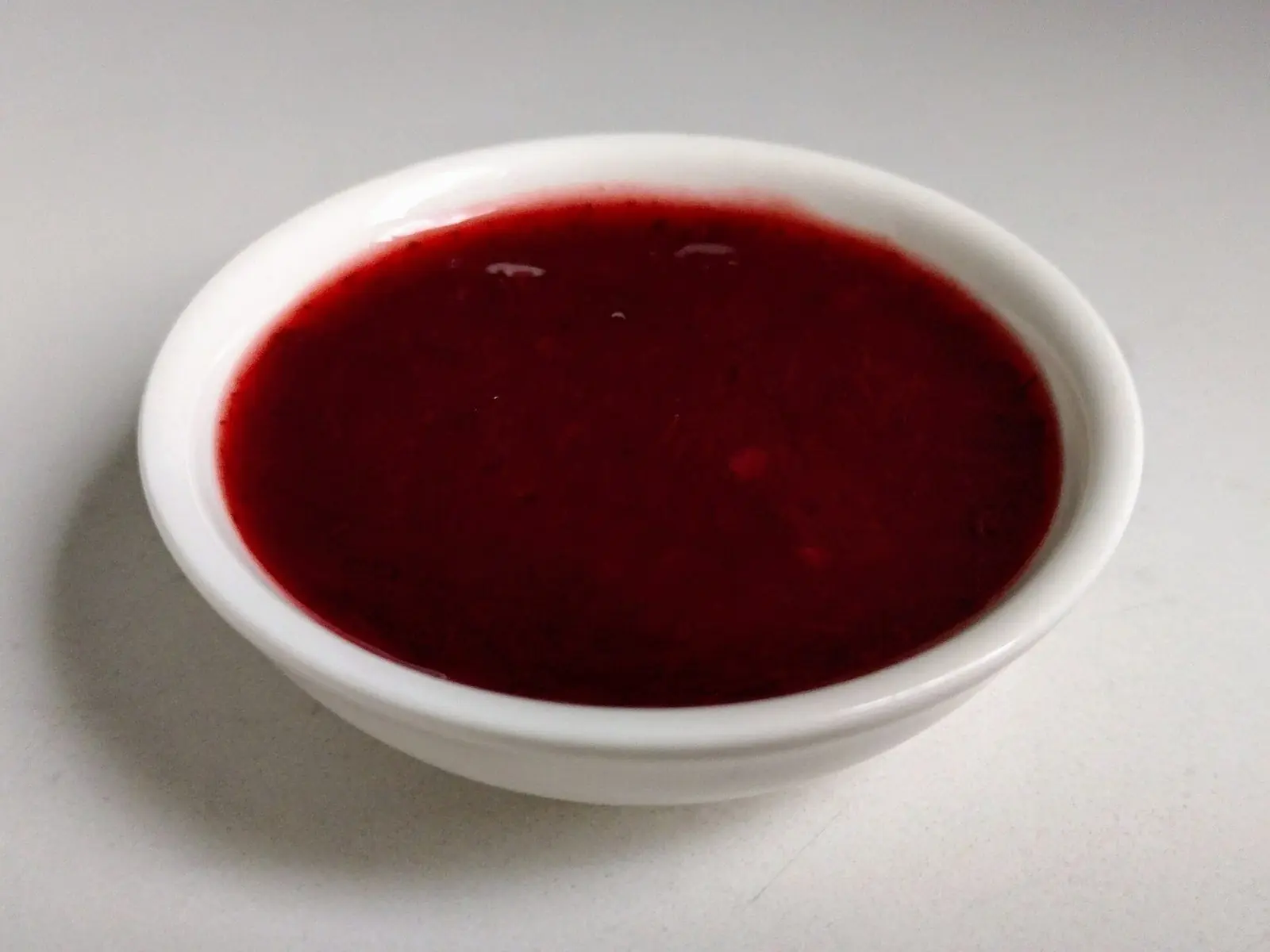
- No tkemali? Mix a spoonful of broth and garlic with lemon juice or a little pomegranate molasses for sourness, or make kindzmari: chopped coriander, garlic, wine vinegar and a splash of the broth.
Serve it with
- Tkemali, red or green sour plum sauce, in a small bowl
- Fresh green chillies and spring onions
- Shoti or tonis puri, the long loaves from the tone oven, torn by hand
- Guda, the salty sheep's cheese of Tusheti, or another sharp cheese
- Pickled green tomatoes, cabbage or peppers (mzhave)
- A jug of Kakhetian wine: white Rkatsiteli or Mtsvane, or Saperavi for red
Make ahead and storage
Leftover meat keeps for up to 3 days chilled, covered with its broth in a lidded box; the fat sets on top and lifts off easily. Warm the pieces slowly in the broth until steaming, then add fresh garlic and herbs, because the first lot loses its punch overnight. Strained broth freezes for up to 3 months and is the start of a quick soup, or of a Kakhetian bozbashi with vegetables.

Maspindzeli Travel, Tbilisi · private tours and cooking classes in Georgia · maspindzeli.ge · WhatsApp +995 598 74 74 54 · hello@maspindzeli.ge