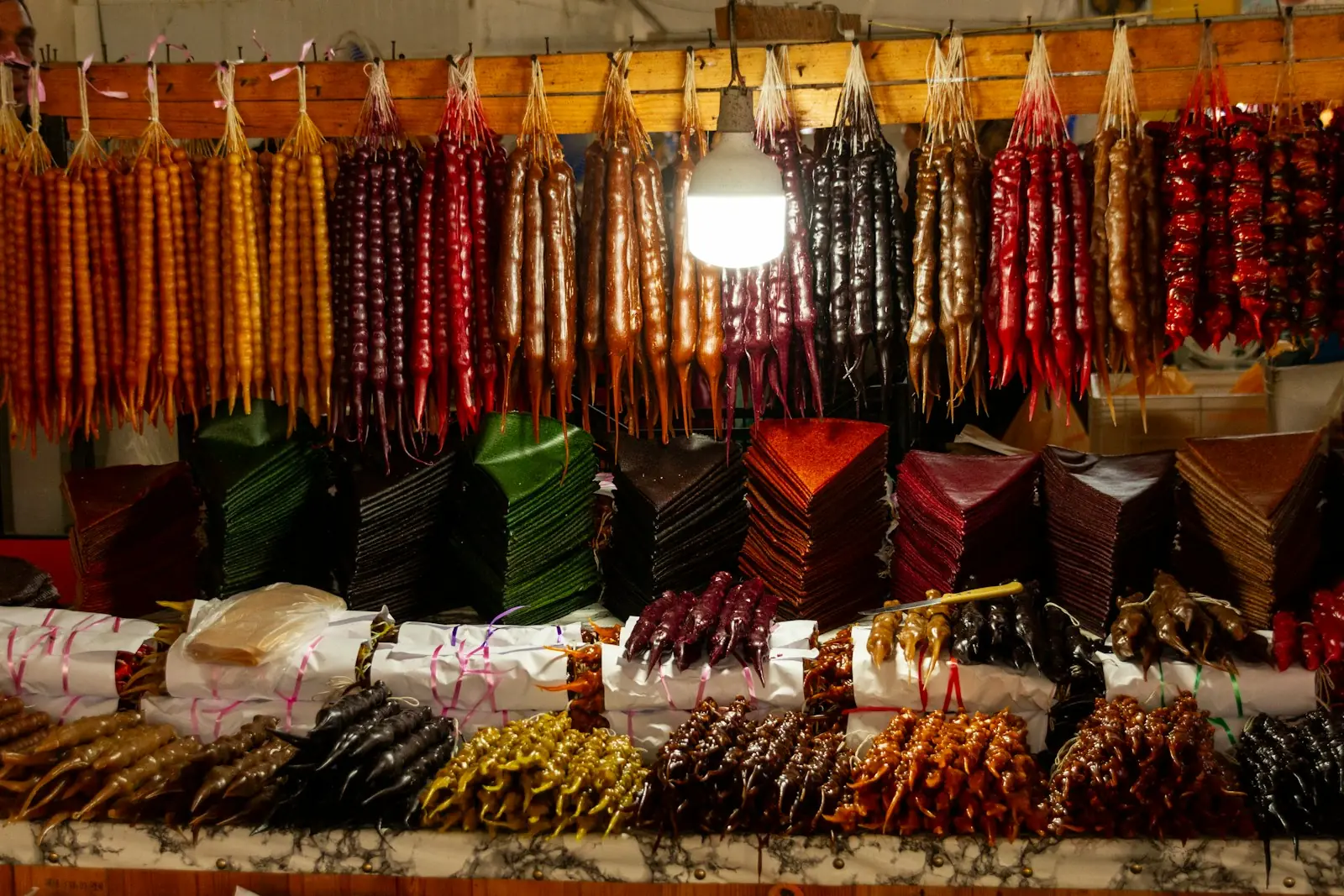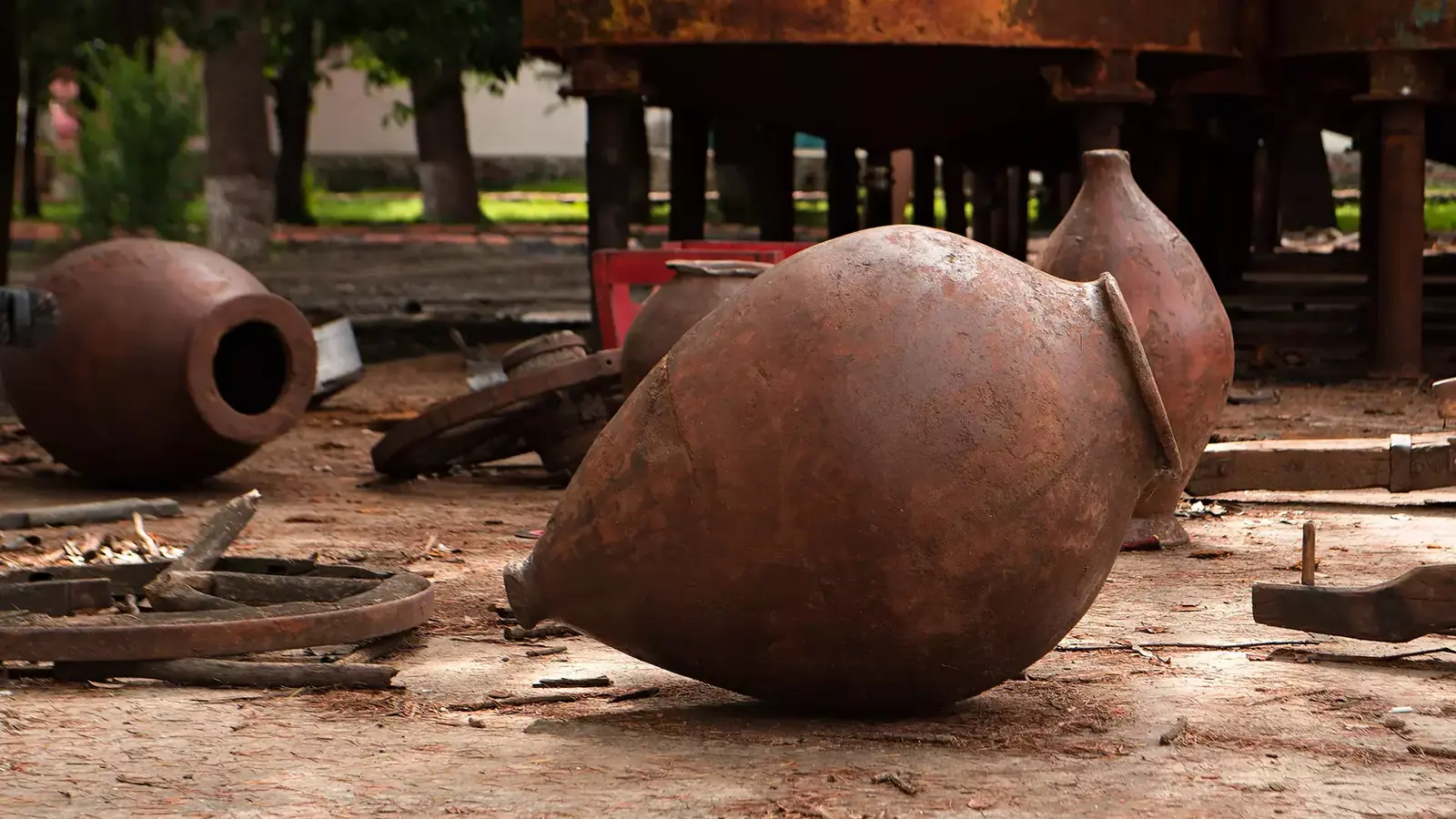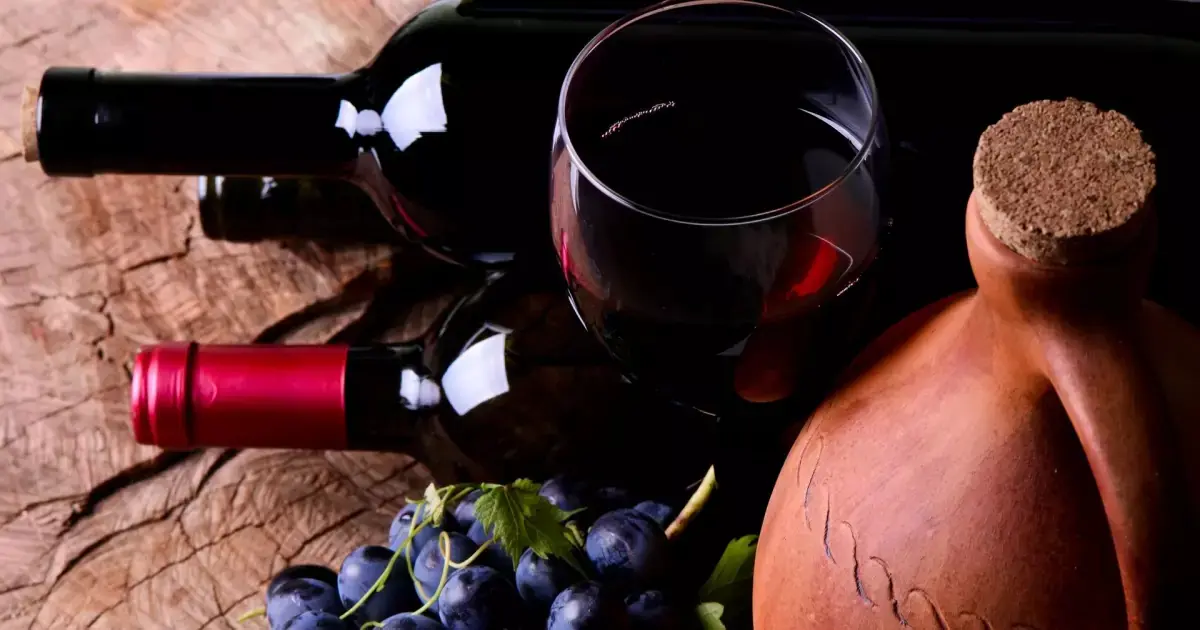
- For a first taste, order dry Saperavi or Mukuzani for red, an amber Rkatsiteli or Kisi from qvevri for white, and Kindzmarauli or Khvanchkara if you want a softer, sweeter glass.
- A protected wine name such as Tsinandali or Kindzmarauli fixes the zone, the grapes and the sweetness. The National Wine Agency listed 33 of them in November 2026.
- Mshrali on a label means dry, and nakhevrad tkbili means semi-sweet. Protected dry wines may keep no more than 4 grams of sugar per litre, and most semi-sweet ones 18 to 45 grams.
- For 2026, budget about 15-40 GEL (about $6-15) when buying a good bottle in a shop. The same kind of wine on a restaurant list costs about 40-120 GEL (about $15-46).
- Grape wine is exempt from Georgian excise duty, so many wine bottles carry no tax stamp. On chacha or brandy, look for the stamp across the cap.
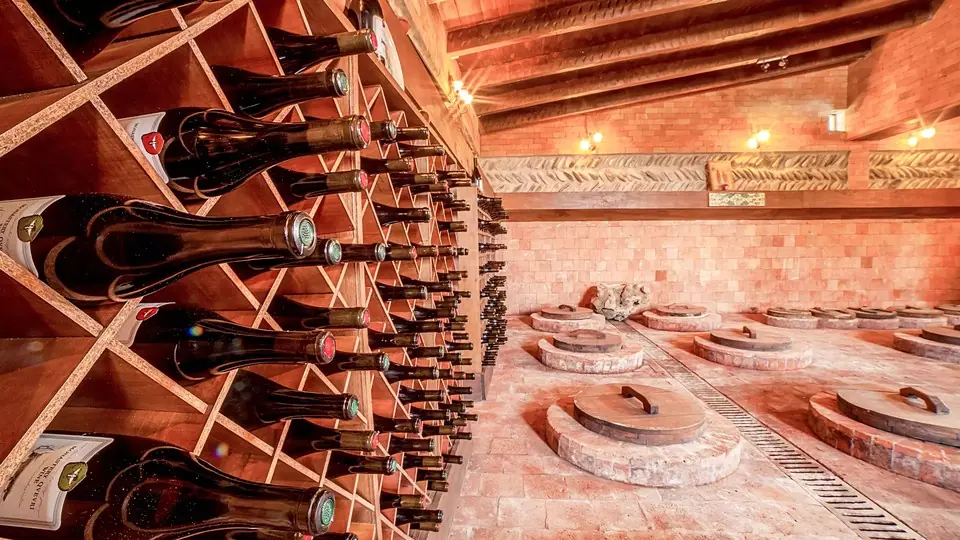
The best Georgian wines for a first trip come from a short list of grapes and protected place names. For red, start with a dry Saperavi or a Mukuzani. For something few other countries make, try an amber Rkatsiteli or Kisi from a qvevri, the clay jar sunk into the cellar floor. If you like a softer glass, Kindzmarauli and Khvanchkara are naturally semi-sweet. Below are 15 Georgian wines to try, with the grape, colour, sweetness, taste and a dish for each one.
The second half is about the bottle in your hand. It shows how to read a Georgian wine label, whether you stand in a shop or sit in a restaurant. You will learn which names are protected, what qvevri and amber promise, and the Georgian words for dry and semi-sweet. It also explains the vintage, the alcohol figure and the tax stamp. We checked the appellation rules against the National Wine Agency's own specifications in November 2026. Prices are rough 2026 figures from Tbilisi shops and our other guides.
Best Georgian wines at a glance: 15 styles compared
Use this table as a shopping list. The first column is the word you will see on a menu or a label. In Georgia some wines are sold by grape and others by place, so both kinds appear here.
| Wine | Grape | Colour and sweetness | Taste | Eat it with |
|---|---|---|---|---|
| Saperavi | Saperavi | Red, dry | Blackberry, sour cherry, firm tannin | Mtsvadi, lamb |
| Mukuzani | Saperavi | Red, dry | Dark fruit and structure, often oak | Grilled pork, ojakhuri |
| Napareuli | Saperavi or Rkatsiteli | Red or white, dry | Bright fruit from higher vineyards | Khinkali, roast chicken |
| Otskhanuri Sapere | Otskhanuri Sapere | Red, dry | Tart, dark and grippy | Lobio, mushrooms |
| Kindzmarauli | Saperavi | Red, naturally semi-sweet | Ripe cherry and plum | Fruit, walnuts, spicy food |
| Khvanchkara | Aleksandrouli, Mujuretuli | Red, naturally semi-sweet | Raspberry, soft and perfumed | Berry desserts, blue cheese |
| Tvishi | Tsolikouri | White, naturally semi-sweet | Honey and lemon, bright acid | Fruit, mild cheese |
| Rkatsiteli in qvevri | Rkatsiteli | Amber, dry | Dried apricot, black tea, grip | Walnut dishes, pork |
| Kisi | Kisi | Amber or white, dry | Pear, quince, almond | Chicken, pkhali |
| Mtsvane in qvevri | Kakhuri Mtsvane | Amber, dry | White flowers, peach, lighter grip | Trout, herb salads |
| Khikhvi | Khikhvi | Amber, dry | Honeyed and broad | Aged cheese |
| Imeretian white | Tsitska, Tsolikouri, Krakhuna | Pale amber or white, dry | Citrus, fresh, light tannin | Imeretian khachapuri |
| Tsinandali | Rkatsiteli with Mtsvane | White, dry | Fresh, floral, citrus | Fish, sulguni |
| Manavi | Kakhuri Mtsvane | White, dry | Green apple, meadow flowers | Vegetable dishes |
| Atenuri | Chinuri, Goruli Mtsvane | White, dry or sparkling | Crisp and appley | Aperitif, fried snacks |
Each wine is described below, grouped by style. Prices and where to buy come at the end. For the history of qvevri and how the method works, see our Georgian wine guide.
Georgian red wines to try: Saperavi, Mukuzani, Napareuli and Otskhanuri Sapere
1. Saperavi: the everyday red
Most red wine in Georgia is Saperavi, a grape with red flesh as well as dark skin. On its own, the word Saperavi names the grape, not the place, so the fruit may come from anywhere in Georgia. Expect black fruit, sour cherry and a fresh, almost sharp finish. Steel-tank versions are juicy and cheap. Qvevri versions taste earthier and grip harder, so open them an hour before dinner. Pair it with mtsvadi, pork skewers grilled over vine cuttings. Our Saperavi guide covers the grape in depth.
2. Mukuzani: the classic dry appellation
Mukuzani is a protected name for dry Saperavi from villages on the right bank of the Alazani, near Gurjaani. In 2005 it became the second wine name Georgia registered. Producers may age it in oak for six months or more, or bottle it young, so read the back label. Oaked bottles add cocoa and spice. They suit rich food such as ojakhuri, fried pork with potatoes.
3. Napareuli: left-bank Saperavi
Napareuli lies across the Alazani, north of Telavi, right under the main Caucasus ridge. Its vineyards lie at 450-750 m, and the reds often taste a little brighter than Mukuzani. The same name also covers a dry white from Rkatsiteli, so check the colour word. Dry Kvareli, from further along the left bank, is a close cousin. Both go well with khinkali or a roast chicken.
4. Otskhanuri Sapere: the western red
In Imereti, around Kutaisi, the red grape to find is Otskhanuri Sapere. It gives deep colour, sharp acid and firm tannin, and it softens after a few years in bottle. Since September 2025 it has its own protected name, Sazanos Otskhanuri, for dry red from villages near Terjola and Zestaponi. Drink it with lobio, beans stewed in a clay pot, or with mushroom dishes.

Semi-sweet Georgian wines: Kindzmarauli, Khvanchkara and Tvishi
Naturally semi-sweet wine is a Georgian speciality. The winemaker stops fermentation, usually by chilling the wine, while some grape sugar is left. Nothing sweet is added. Each protected name sets the range: 18 to 45 grams per litre for Kindzmarauli and Tvishi, and 30 to 45 for Khvanchkara.
5. Kindzmarauli and Akhasheni
Kindzmarauli is semi-sweet Saperavi from a mapped zone around Kvareli. It is soft and full of ripe cherry and plum, with enough acid to keep it from tasting syrupy. Akhasheni, from the Gurjaani side of the valley, is made the same way. Georgians often pour both with fruit, walnuts and sweets. They also suit spicy food, where a dry red can taste bitter.
6. Khvanchkara
Khvanchkara comes from Racha, in the mountains of the north-west, and holds registration No. 1 among Georgian wine names. Only two local grapes are allowed, Aleksandrouli and Mujuretuli. The grapes must reach 24% sugar or more, so picking often runs into the second half of October. The wine smells of raspberry and red berries. By law it cannot go on sale before 1 January after the harvest. Supply is small, so buy it from a trusted shop or in Racha itself.
7. Tvishi
Tvishi is the white partner of Khvanchkara. It is semi-sweet Tsolikouri from just two villages, Tvishi and Alpana, in Lechkhumi, with vineyards at 400-600 m. It tastes of honey, quince and lemon, and its fresh acid keeps it lively. Serve it cold with fruit, mild cheese or a light dessert.
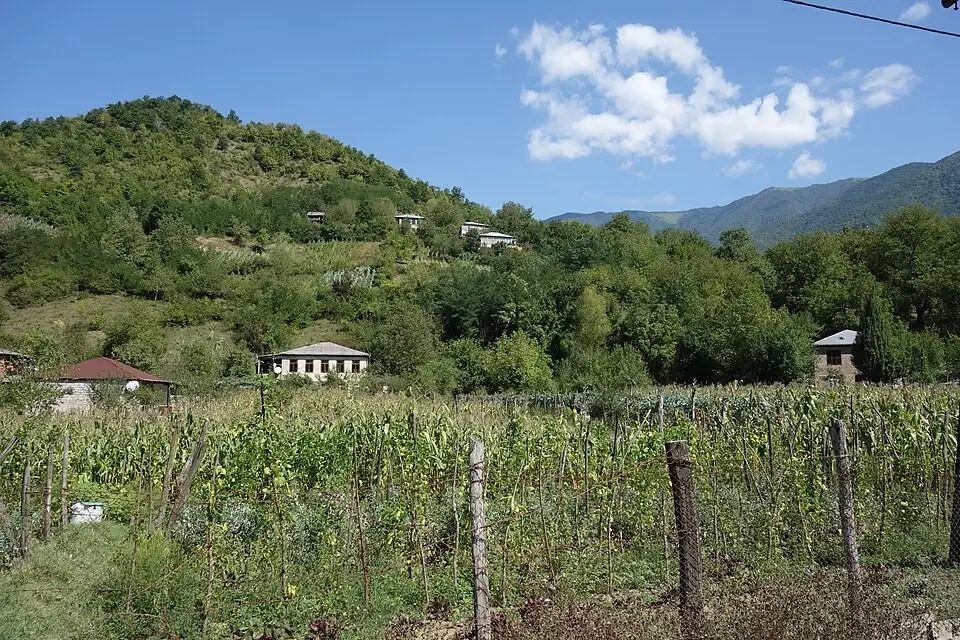
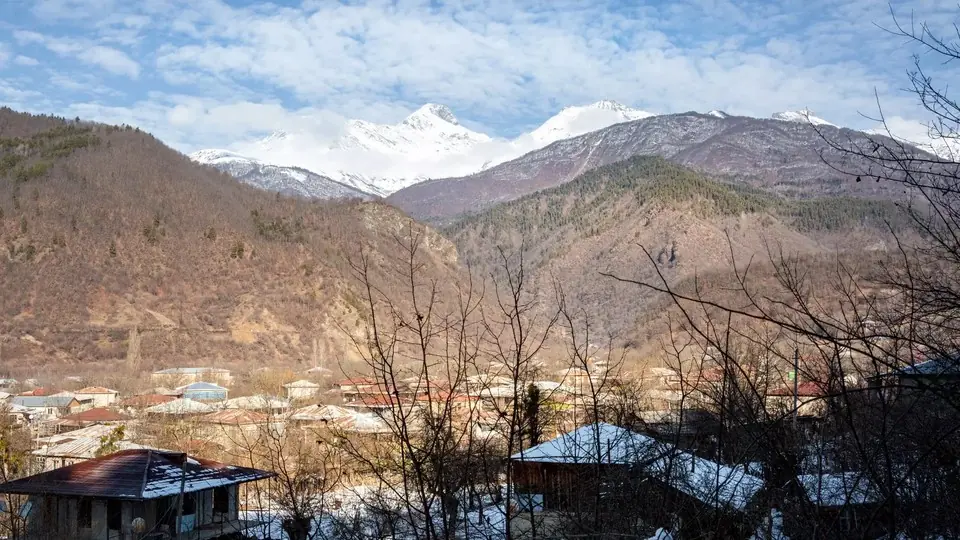
Our private Racha and Imereti tour from Kutaisi includes a Khvanchkara tasting in the village that gives the wine its name. Our trips have no fixed departures. You pick the first day and decide how many come along, and the guide explains each cellar and label in the language you speak.
Amber Georgian wines to try: Rkatsiteli, Kisi and Mtsvane in qvevri
Amber wine is white wine fermented with its skins, the way red wine is made. In Kakheti the skins stay in the qvevri for months, so the colour turns gold to orange and the wine gains tannin. Treat these wines like light reds. Serve them cool rather than cold, and always with food.
8. Rkatsiteli in qvevri
Rkatsiteli is Georgia's most planted white grape. From steel it is crisp and appley. From qvevri it tastes of dried apricot, black tea, walnut and orange peel, with a dry, grippy finish. Two protected names are amber Rkatsiteli by definition. Tibaani comes from four villages on the right bank near Sighnaghi, at 350-550 m, and Tsarapi from the lands of Kardenakhi. Pair it with walnut dishes such as badrijani, the aubergine rolls, or with pork.
9. Kisi
Kisi was a rare grape until small producers brought it back. As amber wine it smells of pear, quince and almond, with a gentle spice. Its protected name, Kisi Magraani, covers four villages of Akhmeta district at 400-800 m. The rules allow a dry white or a dry amber. The amber one ferments in qvevri and must stay on its skins until 1 February after the harvest. Try it with roast chicken or pkhali, the vegetable and walnut pastes.
10. Kakhuri Mtsvane in qvevri
Mtsvane means green, and Kakhuri Mtsvane is the Kakhetian form of the grape. In qvevri it gives a lighter, more floral amber wine than Rkatsiteli, with peach and white flowers. It goes well with trout and herb salads. The Akhmeta appellation, registered in 2020, is reserved for this grape.
11. Khikhvi
Khikhvi is rarer still, and its amber wines are broad and honeyed. It is usually sold as a varietal wine from a few Kakheti cellars. The protected name Kardenakhi, from Gurjaani district, may include up to about 15% of it, but that wine is mainly Rkatsiteli. Kardenakhi comes either as a dry amber made in qvevri or as a fortified white. Drink a Khikhvi with aged cheese.
12. Imeretian whites
Western Georgia makes amber wine its own way. Imeretian winemakers put only a small share of skins in the jar, so the wine is paler, fresher and softer. Tsitska is sharp and citrusy, Tsolikouri rounder and Krakhuna fuller. The Sviri appellation, from villages on the Kvirila river near Zestaponi, must ferment in qvevri with 4-6% of the skins added. Drink it with Imeretian khachapuri or fried fish.
Serving tip: take amber wine out of the fridge about 20 minutes before you pour. At around 12-14°C the fruit opens up and the tannin feels softer. Unfiltered bottles leave a harmless deposit, so pour gently.
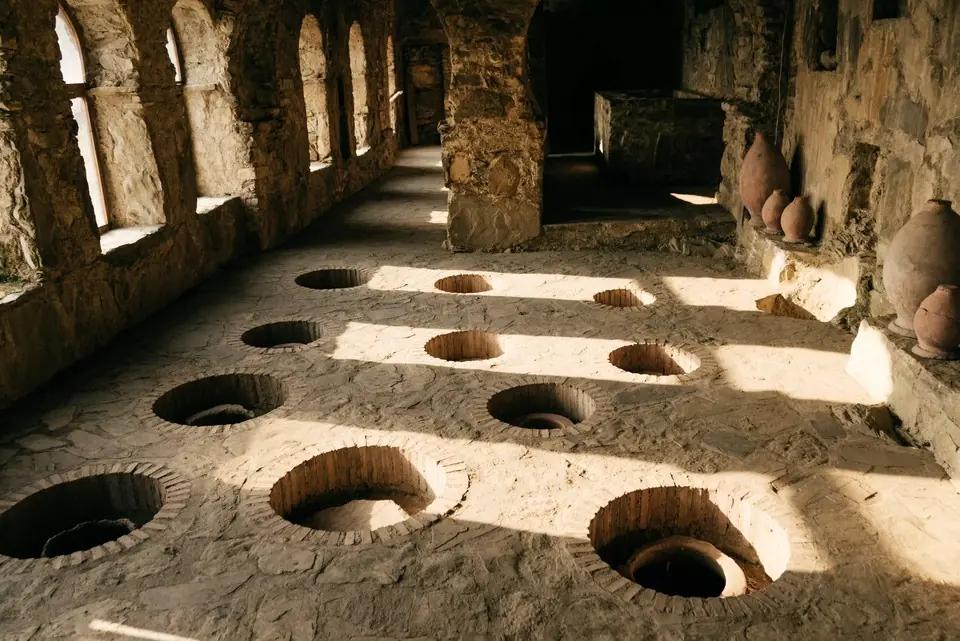
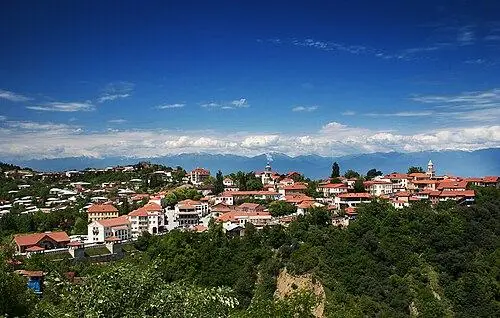
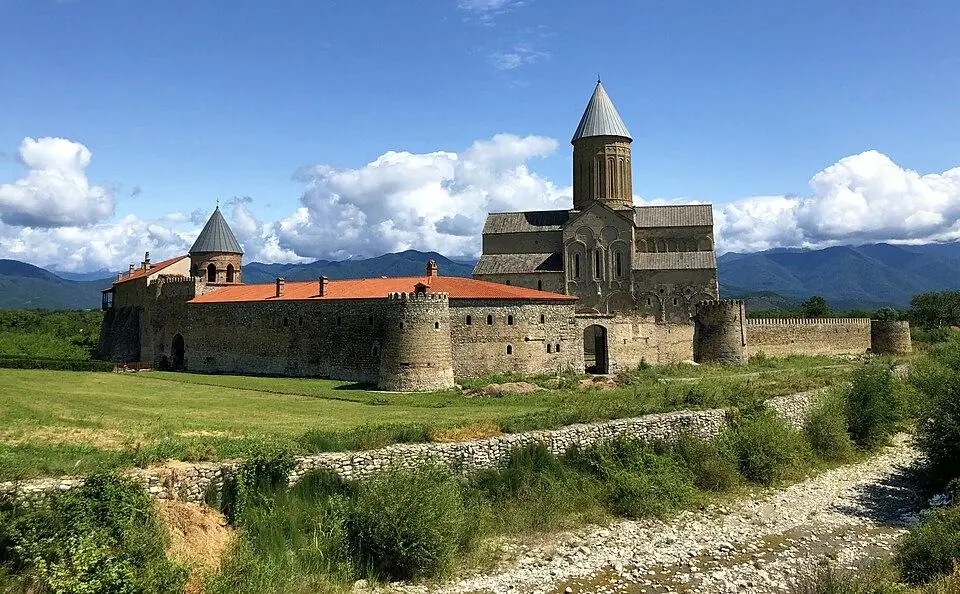
Our seven-day Wine & Supra tour spends three nights in Kakheti, with family qvevri cellars, monks' wine at Alaverdi and a full supra. Being private, it starts on the day that suits you and takes groups of every size. Children of any age can join.
Fresh white and sparkling Georgian wines: Tsinandali, Manavi and Atenuri
Not every Georgian white is amber. These wines follow the European method. The skins are separated at the press, and only the juice ferments, at a cool temperature. They are the easy choice on a hot day, or for friends new to Georgian wine.
13. Tsinandali
Tsinandali is the classic Kakhetian dry white. The rules ask for at least 85% Rkatsiteli and up to 15% Kakhuri Mtsvane, grown in 15 villages around Tsinandali and Ikalto near Telavi. Expect a light straw colour, white flowers and citrus. Most bottles are sold young. If the producer uses oak, the wine must spend six months or more in barrel. The rules also allow a dry red Tsinandali from Saperavi, though you will rarely see one. Drink the white with fish, salads or sulguni cheese.
14. Manavi and Gurjaani
Manavi is pure Kakhuri Mtsvane from villages in Sagarejo district, the part of Kakheti closest to Tbilisi. Its vineyards sit at 450-800 m, and the wine is pale with a green tint and a scent of meadow flowers and green apple. It matches vegetable dishes and fresh cheese. Gurjaani is a similar dry white, mainly Rkatsiteli with a little Mtsvane. Its specification says wine has been made under that name since 1887.
15. Atenuri and Georgian sparkling wine
Atenuri is a Kartli wine. Its vines grow at 580-750 m around the Ateni villages, in a side valley south of Gori. It is made from Chinuri, Goruli Mtsvane or Aligote, and it can be a still dry white or a sparkling wine. Bottle-fermented Atenuri must rest at least nine months after its second fermentation, and tank-made wine at least six. It is crisp and appley, a good start to a long meal.

How to read a Georgian wine label in five steps
Georgian labels follow a pattern once you know where to look. Export bottles usually carry English on the front. Wine sold in Georgia must also give its details in Georgian, often on a back label. Read them in this order.
- Find the wine's name
The largest word is usually the producer's brand. Near it you will find either a grape, such as Saperavi or Kisi, or a protected place, such as Mukuzani or Khvanchkara. A grape name alone tells you nothing about where the vines grew. - Check if the place is protected
Protected wine names are legally appellations of origin, and you will often see the short form PDO. The National Wine Agency's list showed 33 in November 2026. Each one fixes the zone, the grapes, the style and how ripe the fruit must be. Our guide to Georgian wine regions maps them all. - Read the colour
Red, white, rosé or amber. Amber, karvisperi in Georgian, means a white grape fermented on its skins. In the official rules for Tibaani, Tsarapi, Kisi Magraani and Kardenakhi, amber is a category of its own. - Read the sweetness
Dry, semi-dry, semi-sweet or sweet, in English or Georgian. The glossary below has the words. Naturally semi-sweet means no sugar was added. - Look for the method and the year
Qvevri means clay. Kakhetian method and Imeretian method mean old-style skin contact, usually in qvevri too. The year is the harvest, not the bottling. Alcohol appears as a percentage: protected dry wines need at least 11%, and most protected semi-sweet ones at least 10.5%.
Georgian words on a wine label: glossary and sweetness terms
Bottles made for the home market, and many menus outside Tbilisi, use only Georgian. These are the words worth knowing. The middle column shows roughly how each one sounds.
| Georgian | Say it | Meaning |
|---|---|---|
| ღვინო | ghvino | wine |
| წითელი | tsiteli | red |
| თეთრი | tetri | white |
| ქარვისფერი | karvisperi | amber |
| ვარდისფერი | vardisperi | rosé |
| მშრალი | mshrali | dry |
| ნახევრად მშრალი | nakhevrad mshrali | semi‑dry |
| ნახევრად ტკბილი | nakhevrad tkbili | semi‑sweet |
| ბუნებრივად ნახევრად ტკბილი | bunebrivad nakhevrad tkbili | naturally semi-sweet |
| ტკბილი | tkbili | sweet |
| ცქრიალა | tskriala | sparkling |
| შემაგრებული | shemagrebuli | fortified |
| ქვევრი | kvevri | qvevri, the clay jar |
| კახური წესით | kakhuri tsesit | Kakhetian method, long skin contact |
| იმერული წესით | imeruli tsesit | Imeretian method, few skins |
| ევროპული წესით | evropuli tsesit | European method, no skins |
| მოსავალი | mosavali | harvest, vintage |
| ადგილწარმოშობის დასახელება | adgilts'armoshobis dasakheleba | appellation of origin |
| ჩამოსხმულია | chamoskhmulia | bottled (by or on) |
How sweet is each sweetness term?
Protected wines follow the sugar limits written into their own specification. Other bottles follow Georgia's general wine law. The table shows the limits you will meet most often.
| Label word | Sugar left in the wine | Examples |
|---|---|---|
| Dry, mshrali | No more than 4 g/l under PDO rules | Mukuzani, Tsinandali, Manavi, Tibaani |
| Semi-dry, nakhevrad mshrali | Between dry and semi-sweet | Varietal reds from large wineries |
| Naturally semi-sweet | 18-45 g/l; 30-45 g/l for Khvanchkara | Kindzmarauli, Akhasheni, Tvishi, Khvanchkara |
| Sweet, tkbili | Above the semi-sweet range | Dessert wines, rarely seen |
| Fortified, shemagrebuli | Grape spirit added; at least 18% alcohol | Fortified Kardenakhi and Tvishi |
To picture it, 18 g/l is a little over half a teaspoon of sugar in a 150 ml glass. At 45 g/l the same glass holds about one and a half teaspoons.
What qvevri, amber and Kakhetian method promise on a label
For most wines, the word qvevri on a bottle is the producer's own claim. For a few protected names, the clay is the law. Tibaani and the amber versions of Kisi Magraani and Kardenakhi must ferment in qvevri with their skins. They then stay on those skins until 1 February after the harvest. Sviri is a qvevri wine by rule as well, made the western way with only a small dose of skins in the jar.
Spellings vary. Qvevri, kvevri and quevri all name the same jar. Kakhetian method means full skin contact, often through the winter. Imeretian method means a small share of skins for a shorter time. European method means the skins came off before fermentation, as for most white wine in the world.
Amber is not the same as natural. Natural wine is a loose term for wine made with wild yeast and little or no added sulphur. Many amber qvevri wines are natural, but a wine can be amber and filtered, or natural and red. Ask the seller if it matters to you.
Vintage, alcohol, back label and excise stamp: the small print
- Vintage: buy semi-sweet wines young. Khvanchkara cannot be sold before 1 January after its harvest, and Kindzmarauli is best within about two years of bottling. Dry protected reds such as Mukuzani and good qvevri wines can keep for years.
- Alcohol: protected dry wines carry at least 11%, and protected amber wines such as Tibaani at least 12%. A dry red at 14-15% will feel big and warm.
- Back label: it names the producer and where the wine was bottled. Many protected names let wineries bottle outside the zone, so a Tbilisi address is no cause for worry.
- Excise stamp: factory chacha, brandy and vodka carry a Georgian excise stamp across the cap. Georgian excise duty does not apply to grape wine, which is why plenty of wine bottles have no stamp. A missing stamp on wine is no sign of a fake, but on spirits it is a warning.
- Photo: if you liked a wine in a restaurant, take a picture of the front and back labels. Most Tbilisi wine shops can find the same bottle, or a close match, from it.
How much does Georgian wine cost in 2026?
Georgian wine is good value, but prices vary a lot by shop and style. These are rough 2026 figures in lari, with dollars worked out at roughly 2.6 GEL each.
| What you buy | Where | Rough price, 2026 |
|---|---|---|
| Everyday Saperavi or Rkatsiteli | Supermarket | about 10-20 GEL (about $4-8) |
| Kindzmarauli, Mukuzani or another PDO wine | Supermarket | about 17-35 GEL (about $7-13); from about 10 GEL (about $4) on promotion |
| Qvevri Rkatsiteli from an estate | Wine shop or winery | about 15-45 GEL (about $6-17) |
| Small-batch natural or rare-grape wine | Specialist wine shop | from about 40 GEL (about $15) |
| Glass of house wine | Ordinary restaurant | about 5-15 GEL (about $2-6) |
| Glass in a natural wine bar | Tbilisi | about 12-25 GEL (about $5-10) |
| Bottle from the wine list | Restaurant | about 40-120 GEL (about $15-46) |
Restaurants usually charge roughly two to three times the shop price for a bottle. A litre jug of house wine is the cheapest way to drink with a meal. In a family guesthouse it sometimes comes free with dinner.
Supermarket chains run frequent wine promotions, so a famous name at half price is normal, not suspicious. Buying at the cellar door in a wine village often costs a little less than the same bottle in Tbilisi.
Where to buy and taste Georgian wine as a traveller
Supermarkets in Tbilisi and the big towns stock the main appellations from large wineries at fair prices. They are fine for Kindzmarauli, Mukuzani or Tsinandali. For qvevri wines and rare grapes, go to a specialist wine shop. Those in Sololaki, the Old Town and near Fabrika often open a bottle so you can taste first, and staff tend to speak English.
In the wine villages, buy at the cellar door. You taste before you pay, the family can tell you about the vintage, and the money stays in the village. In Racha, buy Khvanchkara from producers inside the zone, since supply is small and the name is famous.
In a restaurant, read the wine list by colour and sweetness first, then by name. Ask whether the house wine is dry or semi-sweet before the jug arrives. Flying home with bottles? Our guide to Georgian souvenirs covers packing and 2026 customs limits, and our chacha guide covers the grape spirit.

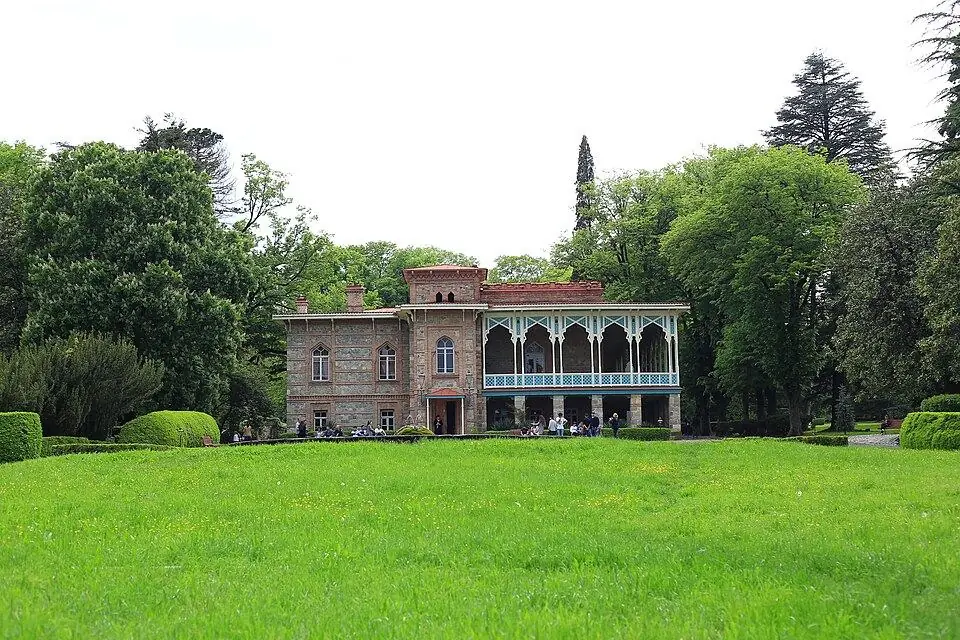
Only have one day? Our private Kakheti Wine Day Trip is a loop from Tbilisi that visits Bodbe Monastery and the walls of Sighnaghi. Lunch is at a winemaking family's home, with four or five qvevri wines, and the last stop is the Tsinandali estate. Your driver stays sober, so you can taste freely. It runs year-round on the date you choose, for a couple or a big family alike.

Best Georgian wines: FAQ
What is the best Georgian wine to try first?
Start with two glasses side by side: a dry Saperavi or Mukuzani for red, and an amber Rkatsiteli from qvevri for white. Together they show what makes Georgia different. If you prefer sweeter wine, add a Kindzmarauli.
Which Georgian wines make the best gifts?
A qvevri amber wine such as Kisi or Rkatsiteli is the most Georgian bottle, and few shops abroad stock it. A protected red like Mukuzani suits a red-wine lover, and Khvanchkara or Kindzmarauli suits friends who like softer wine.
How do you read a Georgian wine label?
Find the grape or protected place name, then the colour, then the sweetness word. Mshrali is dry and nakhevrad tkbili is semi-sweet. Qvevri or Kakhetian method points to clay and skin contact, and the year is the harvest.
Is Kindzmarauli sweet or dry?
Kindzmarauli is always naturally semi-sweet. Its specification demands between 18 and 45 g/l of the grape's own sugar, and none may be added. For a dry Saperavi from the same area, choose Kvareli or a bottle marked mshrali.
What does qvevri mean on a wine label?
It means the wine fermented and usually aged in a qvevri, a clay jar buried in the ground. Usually the producer says so by choice. Tibaani and a few other protected names must be made this way by law.
How much does a good bottle of Georgian wine cost?
A Tbilisi wine shop or supermarket sells a good bottle for about 15-40 GEL (about $6-15), as of 2026. Rare natural wines start at about 40 GEL (about $15). The same bottle on a restaurant list costs roughly two to three times more.
Do Georgian wine bottles have an excise stamp?
Often not. Wine made from grapes pays no Georgian excise, so it often has no stamp. Spirits such as chacha and brandy do, and a spirit bottle without one is best avoided.
What is the best Georgian white wine?
It depends on your taste. For a fresh, crisp white, try Tsinandali or Manavi. For something more unusual, try an amber Kisi or Rkatsiteli made in qvevri, or a semi-sweet Tvishi from Lechkhumi.